 EN
EN
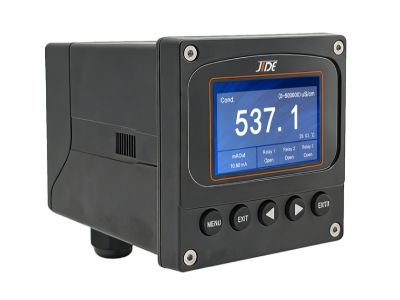
Water quality is very important for everyone. It affects our health, the taste of what we drink, and the environment around us. One tool that helps people check how clean their water is, is called a TDS meter. TDS stands for total dissolved solids. This means all the tiny bits in water that you can’t see. A TDS meter tells us how many of these bits are in the water. If you want to make sure your water is safe and good to drink, using a TDS meter is a smart idea. At JIDE, we believe everyone should have clean water.
What Are the Common Issues When Using a TDS Meter? Using a TDS meter can sometimes be tricky. One common problem is that some people do not know how to use it correctly. If you don’t follow the instructions, you might get wrong readings. For example, if the meter is not clean, it can show a higher number than it should. Sometimes, the battery of the meter might be low, and that can also affect its accuracy. Another issue is that a TDS meter only tells you how many solids are in the water. It does not tell you what those solids are. So, if the water has harmful substances like lead or bacteria, the TDS meter won’t show that. This means you might think the water is safe when it’s not. Some meters can also be expensive, which can be a problem for some families. Lastly, if you use the meter in very hot or very cold water, it might not work well. So, before you use a TDS meter, it’s important to read the instructions carefully and make sure it’s in good condition.