Top Water Turbidity Sensors for Industrial Use

All Categories

water turbidity sensor

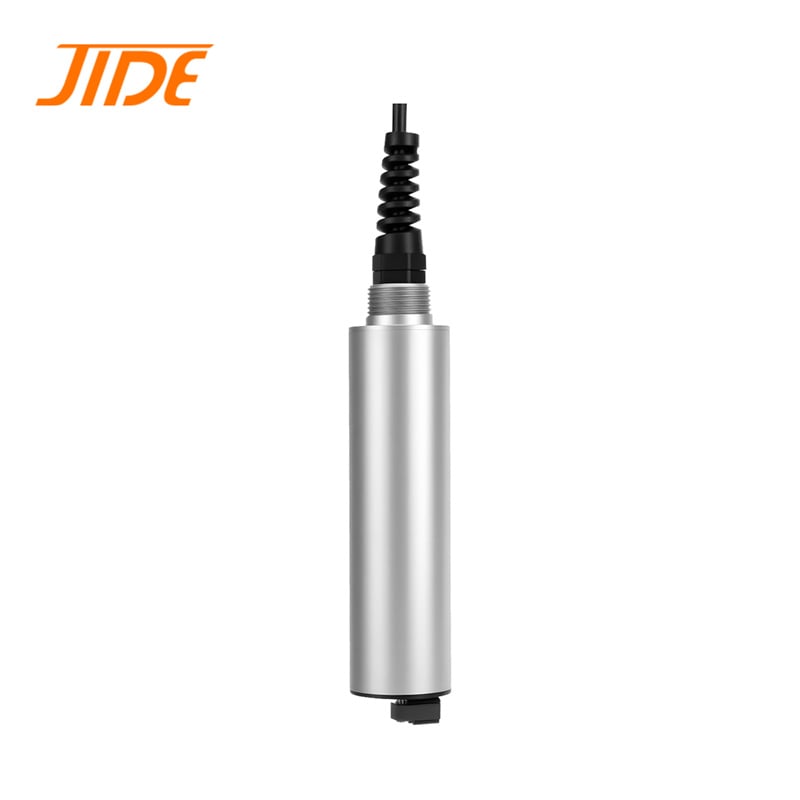
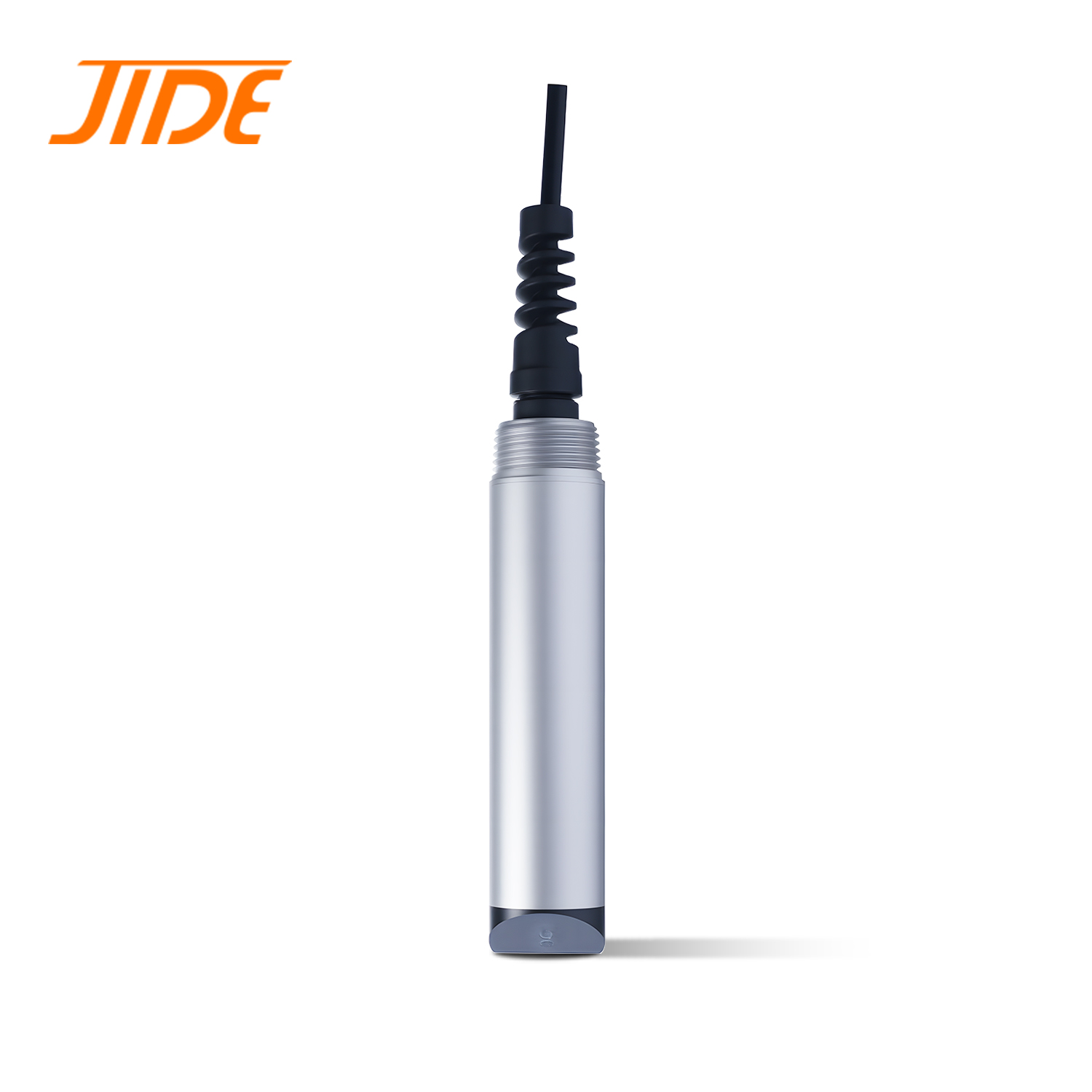
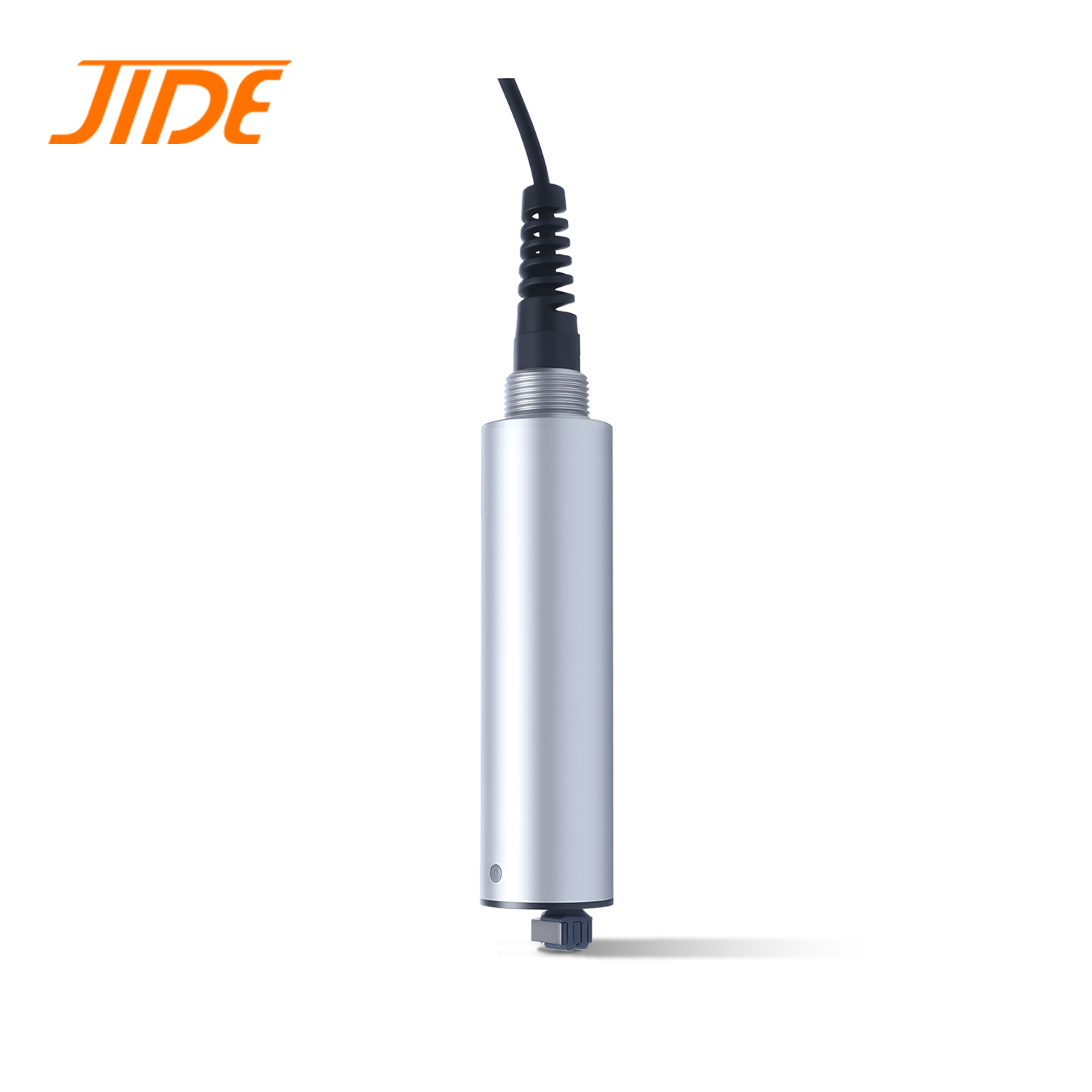
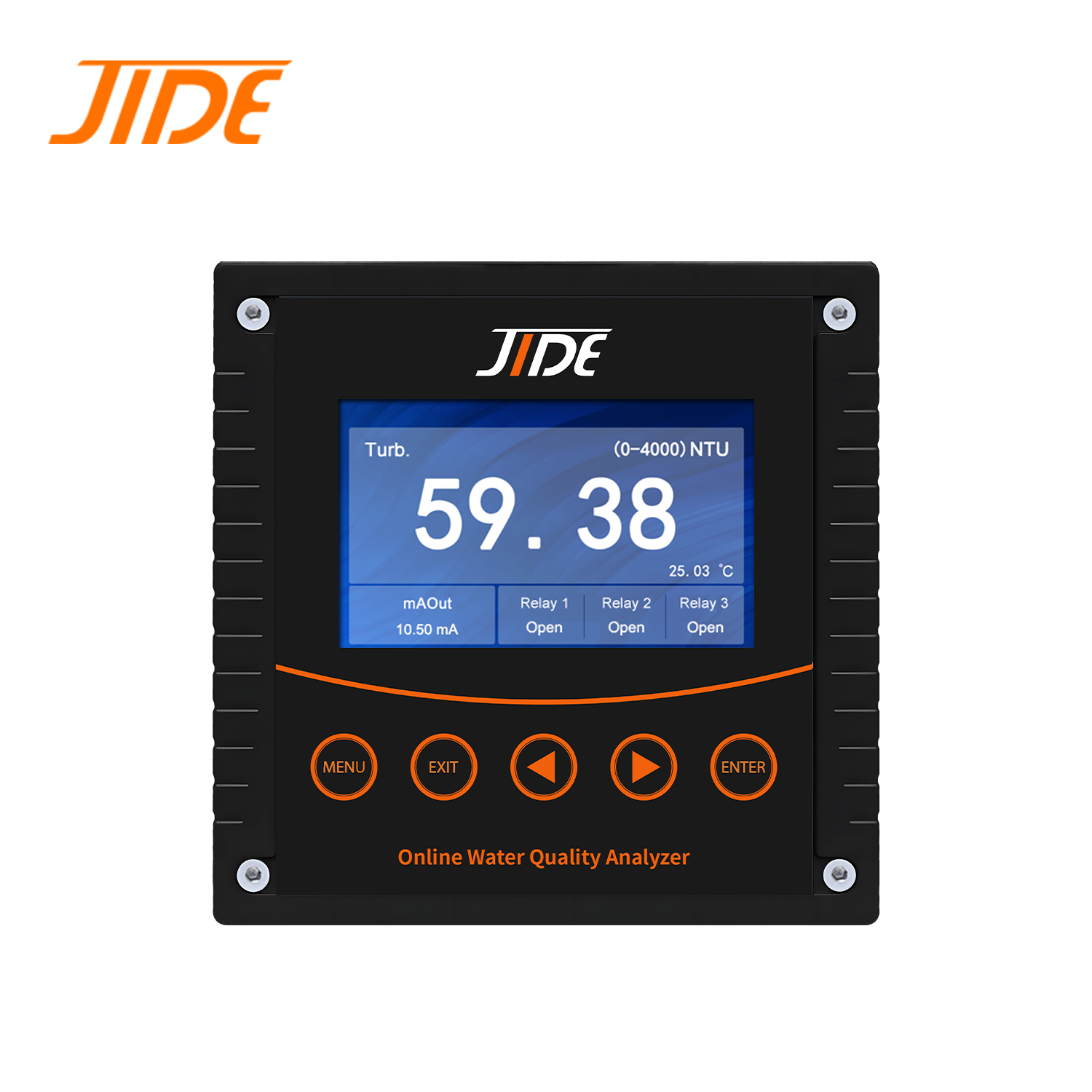
Water  turbidity sensors are important tools that help us understand  how clean our water is. These  sensors can measure  how clear the water is by checking how much light  passes through  it. When water has a lot of dirt, mud, or  tiny living things in it, it becomes murky or cloudy. This is what we call turbidity. High turbidity is not good for fish, plants, and people. It can harm aquatic life and make water unsafe to drink. JIDE is a company that makes high-quality water turbidity sensors. These sensors are used in  many places, like factories, rivers, and lakes. By using these sensors, we  can  keep our water clean and safe for everyone. For more advanced monitoring, consider our Industrial Online Turbidity Analyzer, which is designed for various industrial applications.

Next, consider  the range of turbidity you  need to measure. Some sensors are better for very clear  water, while others can handle murky water. If your business deals with wastewater, you’ll want a sensor that can measure high  turbidity levels. Also, think about  how often you will check the water. If  you  need real-time data, look for  sensors that  give you instant readings. JIDE’s sensors can connect to  computers or phones, making it easy to monitor water quality from anywhere. You might also explore our Online Water Quality Monitoring solutions for continuous tracking.
How to Choose the Best Water Turbidity Sensor for Your Business Needs

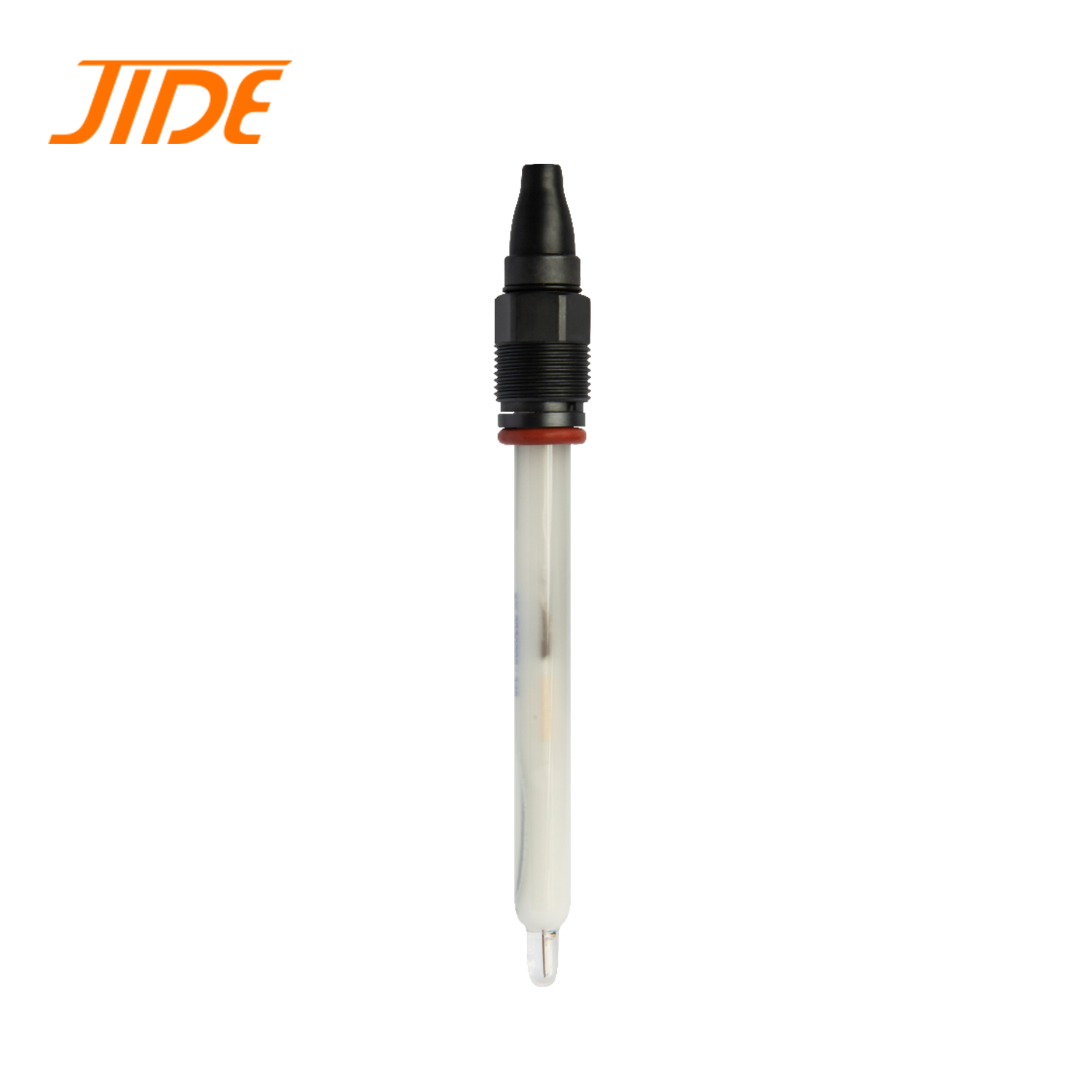
At JIDE, we take pride in our water turbidity sensors  because they are special and effective. Turbidity means how clear or cloudy  water is. When water has a lot of tiny particles, like dirt or algae, it becomes cloudy. This can make  it hard for fish and plants to live in the water. Our turbidity sensors help  people measure how clear or cloudy the  water is. One thing that  makes JIDE sensors stand out is  their accuracy. They give precise readings, which means  you can trust the information  they provide. This is  very important for businesses and  organizations that need to keep water safe for everyone.


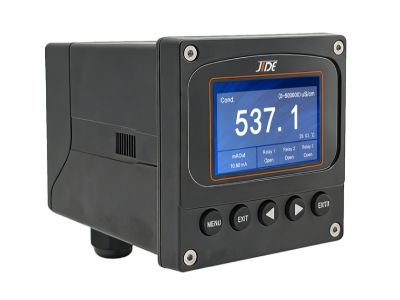
Another  great feature  of our sensors is that they are  easy to use. You don’t need to be a scientist to understand how they work. We design them so that anyone can set them up and  start getting readings right away. Our sensors also come with a  clear display that shows  the results in numbers. This way, users can  easily see the water's condition without feeling confused. Additionally, JIDE sensors are built to last. They can work in tough environments, whether it is a lake, river, or even in a factory. Durability means that our sensors will continue to provide accurate readings for a long time without breaking down.  Lastly, we offer excellent customer support. If anyone has questions or needs help, our friendly team is ready to assist. This combination of accuracy, ease of use, durability, and great support is what makes JIDE water turbidity sensors stand out in the market.

Our Blog Posts

Advanced Online Water Quality Monitoring Technology for Treatment Plants

05

Jul

Advanced Online Water Quality Monitoring Technology for Treatment Plants

Water is essential for life, but not all water is clean and safe. Treatment plants play a big role in cleaning water so that we can drink it and use it for different purposes. To ensure the water is safe, treatment plants need to monitor its quality ...
View More
Professional ORP Sensor for Water Disinfection Monitoring

11

Jul

Professional ORP Sensor for Water Disinfection Monitoring

Professional ORP Sensors for Reliable Water Disinfection and Water Quality MonitoringWater is essential for life, and keeping it safe and clean is a top priority. One of the most effective ways to maintain water quality is through continuous monitori...
View More
High Accuracy Turbidity Sensor for Wastewater Treatment Plants

17

Jul

High Accuracy Turbidity Sensor for Wastewater Treatment Plants

Turbidity sensors are important tools in wastewater treatment plants. These sensors help measure how clear or cloudy water is. When water is not clear, it can mean that there are too many tiny particles, like dirt or bacteria. This can be a problem f...
View More
TDS Meter Usage Guide for Drinking Water Quality Inspection

03

Oct

TDS Meter Usage Guide for Drinking Water Quality Inspection

A TDS meter is a helpful tool for checking the quality of drinking water. TDS stands for Total Dissolved Solids. It tells us how many tiny bits, like minerals or salts, are mixed in the water. Knowing this is super important because too many solids c...
View More

Get a Free Quote

Our representative will contact you soon.
Email
Name
Company Name
Message
0/1000

Related product categories

Where to Find High-Quality Water Turbidity Sensors at Wholesale Prices

Where to Find High-Quality Water Turbidity Sensors at Wholesale Prices

Even though water turbidity sensors are  helpful, users  can sometimes face problems when  they use  them. One  common issue  is that the sensors can give  inaccurate readings if they are not cleaned regularly. Dirt and other particles can  build  up on the sensor,  making it hard for it to  measure the water  correctly. This is why it is  important for  users to  clean their sensors often. At JIDE,  we provide  tips on how to clean and maintain the sensors, so  they  continue to  work well.

What Makes Our Water Turbidity Sensors Stand Out in the Market?

What Makes Our Water Turbidity Sensors Stand Out in the Market?

Another problem users might  experience is  when the sensors fail to connect to their devices. Many sensors  send  information  to  a  computer or phone. If there is a connection problem, users  won’t get the data they  need.  This can be frustrating, especially if they are trying to monitor water quality for important decisions.  JIDE ensures  that  our sensors  have strong  connectivity options,  but  users should also check their  devices to make sure everything  is working properly.

 
What Common Issues Do Users Face with Water Turbidity Sensors?

What Common Issues Do Users Face with Water Turbidity Sensors?

Sometimes, the environment can affect  how  well the sensors work. For example,  very  cold or very hot temperatures can cause issues.  Users need to  be aware  of their surroundings so they can take care of the sensors. If the  sensors are exposed to  extreme weather, this might damage them. JIDE  makes sensors that can  handle a range of  temperatures, but it’s always  a  good idea to  protect them when possible. Lastly, users may  not understand how to interpret the  data correctly. They might see  a number and not know what it means for their  water quality.  At JIDE, we provide easy-to-read guides and support, so our customers can better understand the information they receive.

Choose your global partner

Are you ready to consult with an engineer about your working conditions and specific needs?

Get a Quote

Get a Free Quote

Our representative will contact you soon.
Email
Name
Company Name
Message
0/1000