 EN
EN
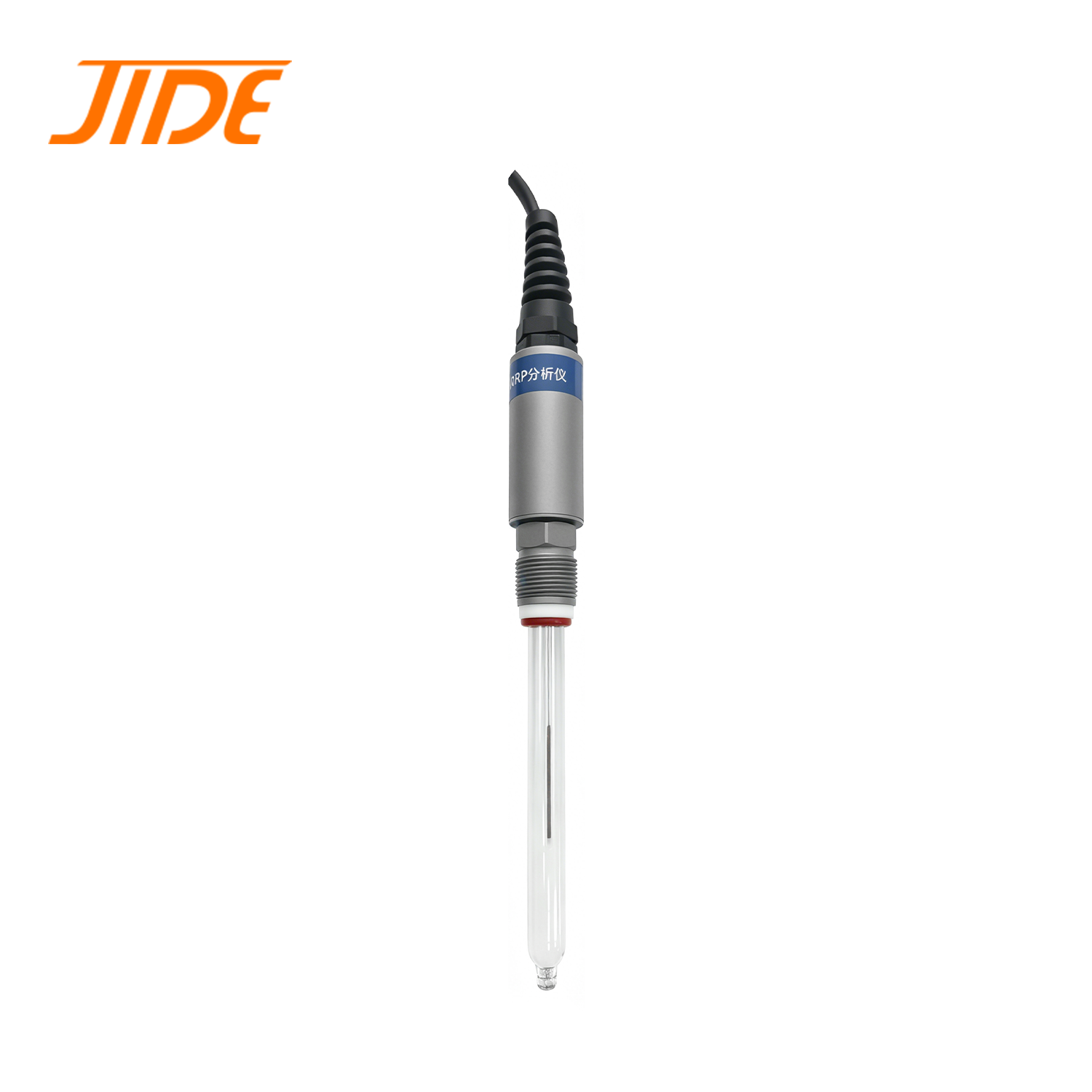
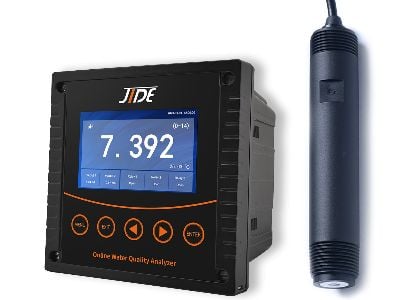
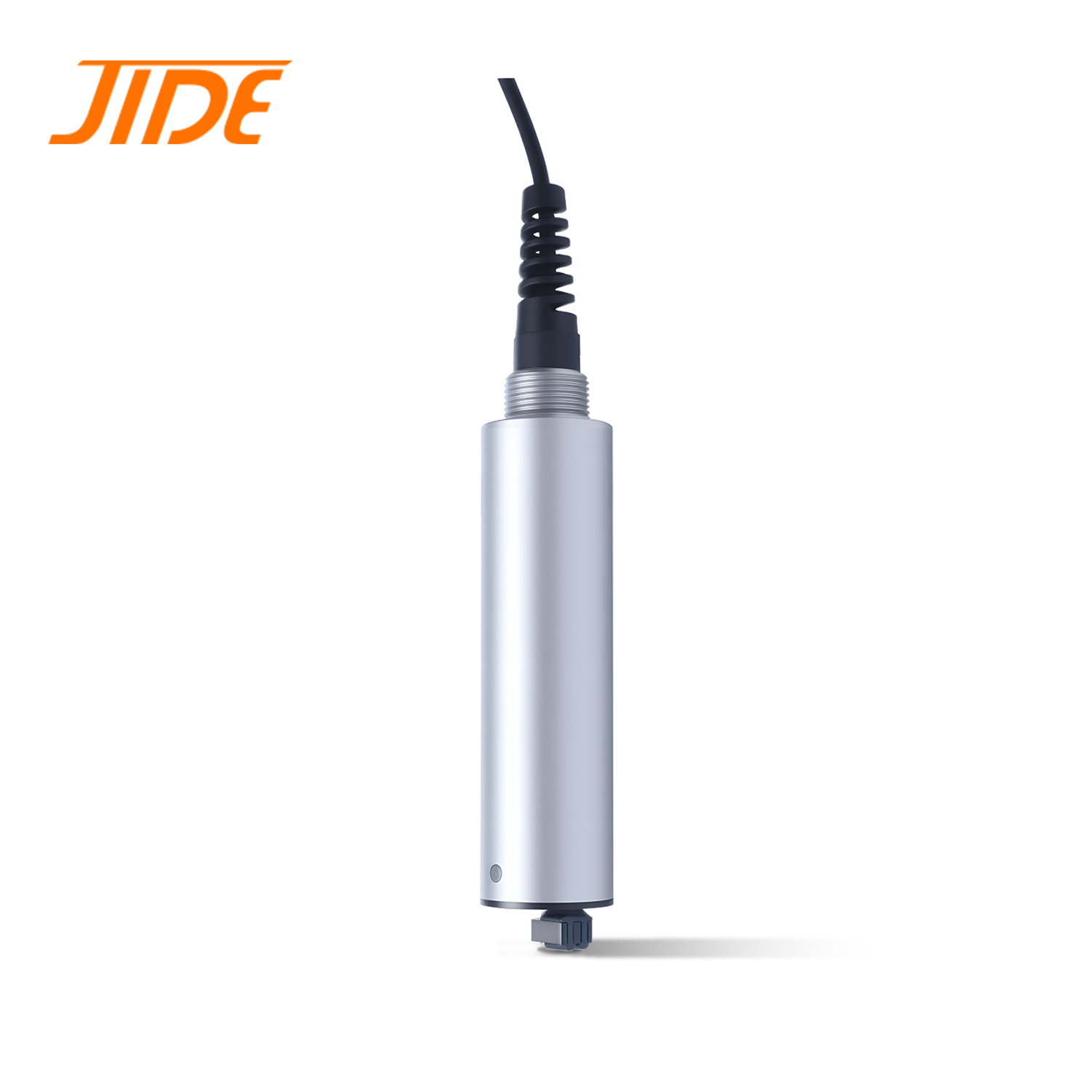
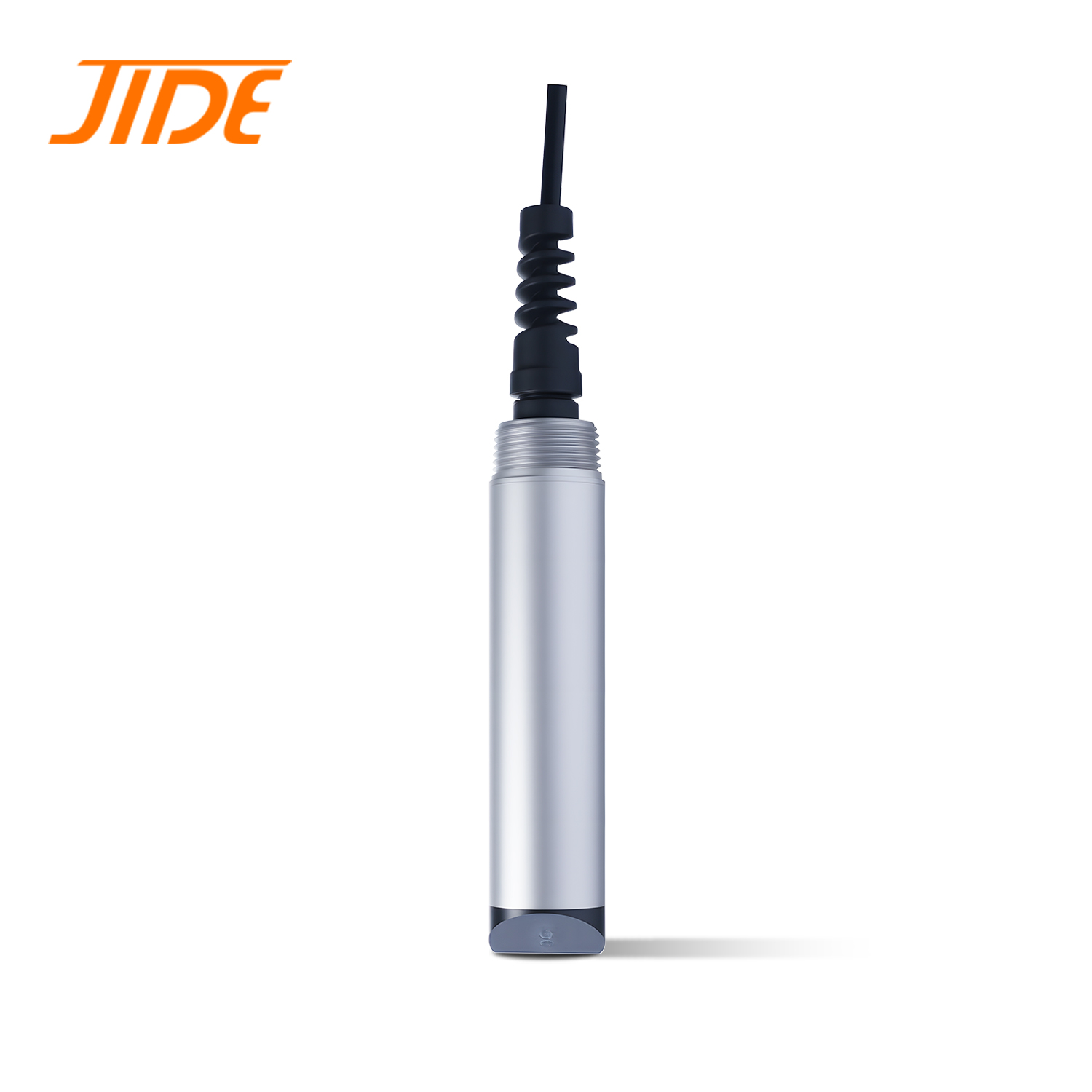
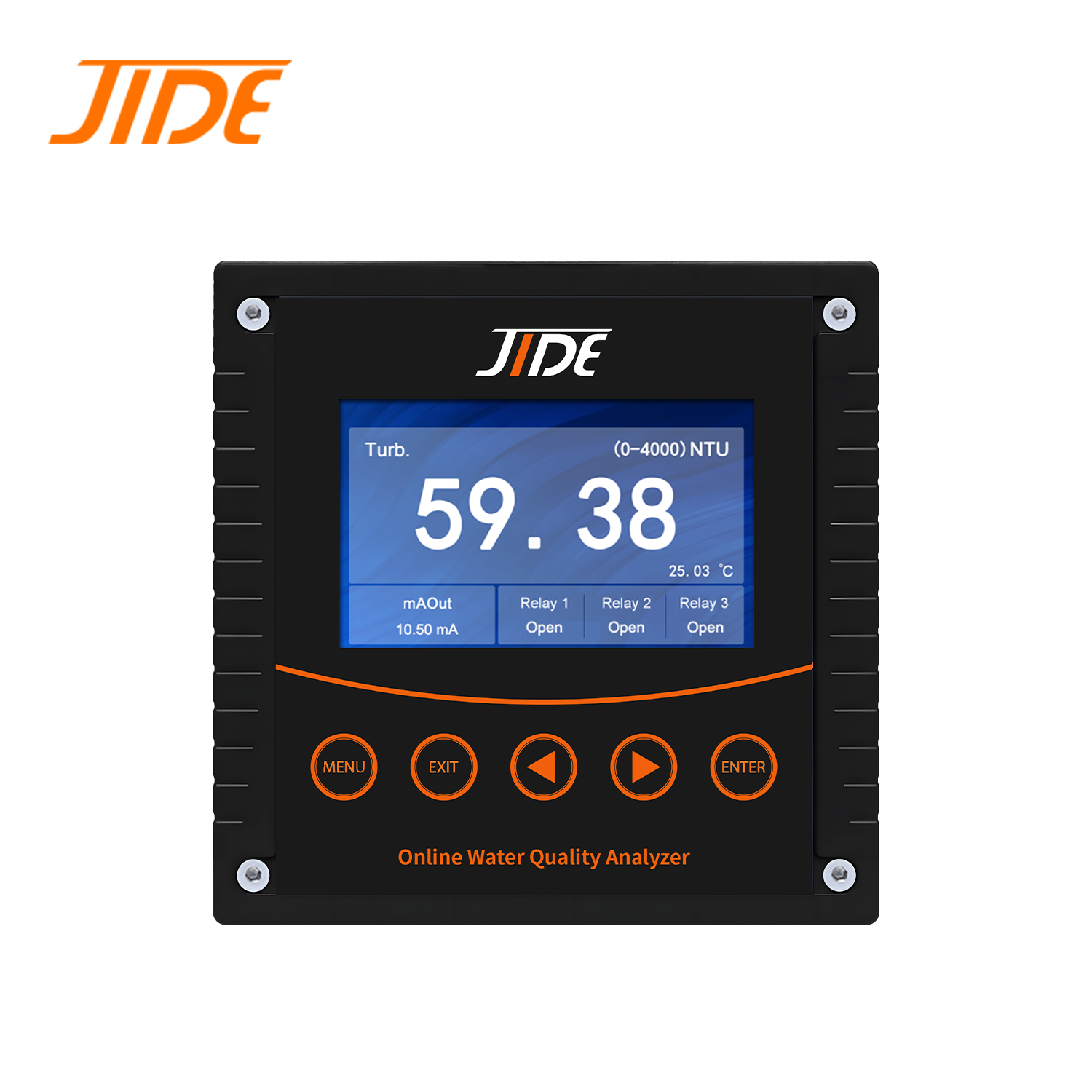
An inline turbidity meter is a tool that helps measure how clear or cloudy water is while it flows through pipes. This is important for checking the quality of water in many places, like factories, water treatment plants, and even rivers. JIDE makes these meters to help people get accurate readings of water quality without stopping the flow. By doing this, they can quickly spot problems and make sure the water is safe to use. With our inline turbidity meters, monitoring water quality becomes easier and more reliable. If you want to enhance your monitoring capabilities, consider our Online Residual Chlorine Sensor/Meter/Probe JECA-RC K for effective water quality assessments.
Using inline turbidity meters brings many benefits for checking water quality. First, they provide real-time data, which means you get instant readings of how clear the water is. This is great because if there is a problem, you can act fast. For example, in a water treatment plant, if the turbidity goes up, it might mean that the filters need to be cleaned or replaced. This helps keep the water safe for people to drink. Another benefit is that these meters are easy to install and use. You don’t have to take samples of the water and test them separately, which saves time and effort. Also, JIDE's meters are built to last, so they work well even in tough conditions. This means less downtime and fewer repairs. Plus, having this technology can help companies save money in the long run. If water quality is regularly monitored, it can prevent costly mistakes and fines. It also helps industries meet environmental standards, which is important for protecting our planet. Finally, inline turbidity meters are very accurate. They can detect small changes in turbidity, which is crucial for many processes. For example, in food production, it is vital to ensure that water used is very clear. Any cloudiness can affect the taste and safety of the food. So, using inline turbidity meters helps improve the overall quality of products while keeping people safe.