 EN
EN
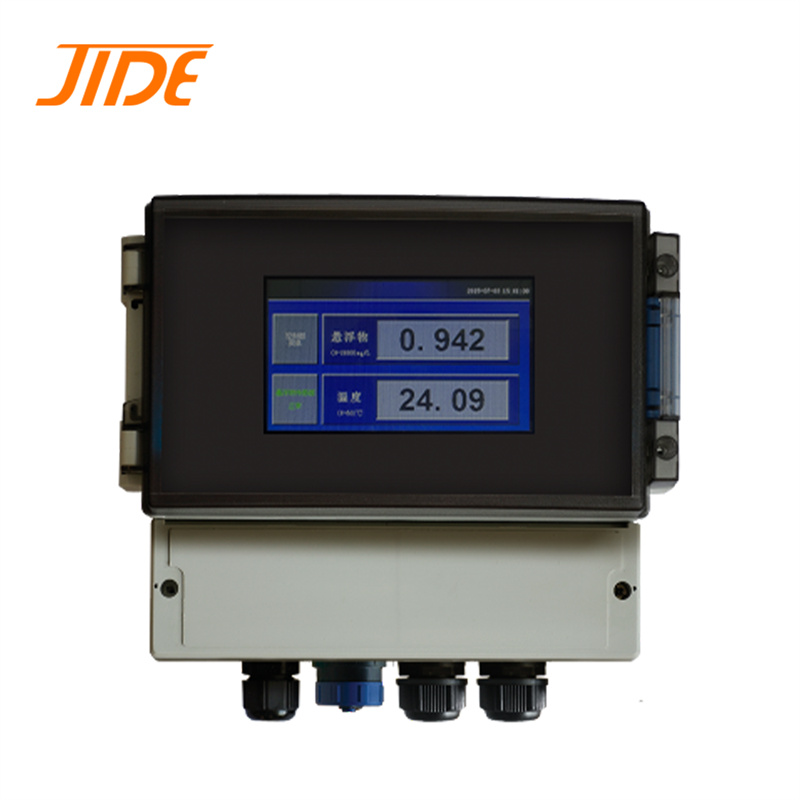
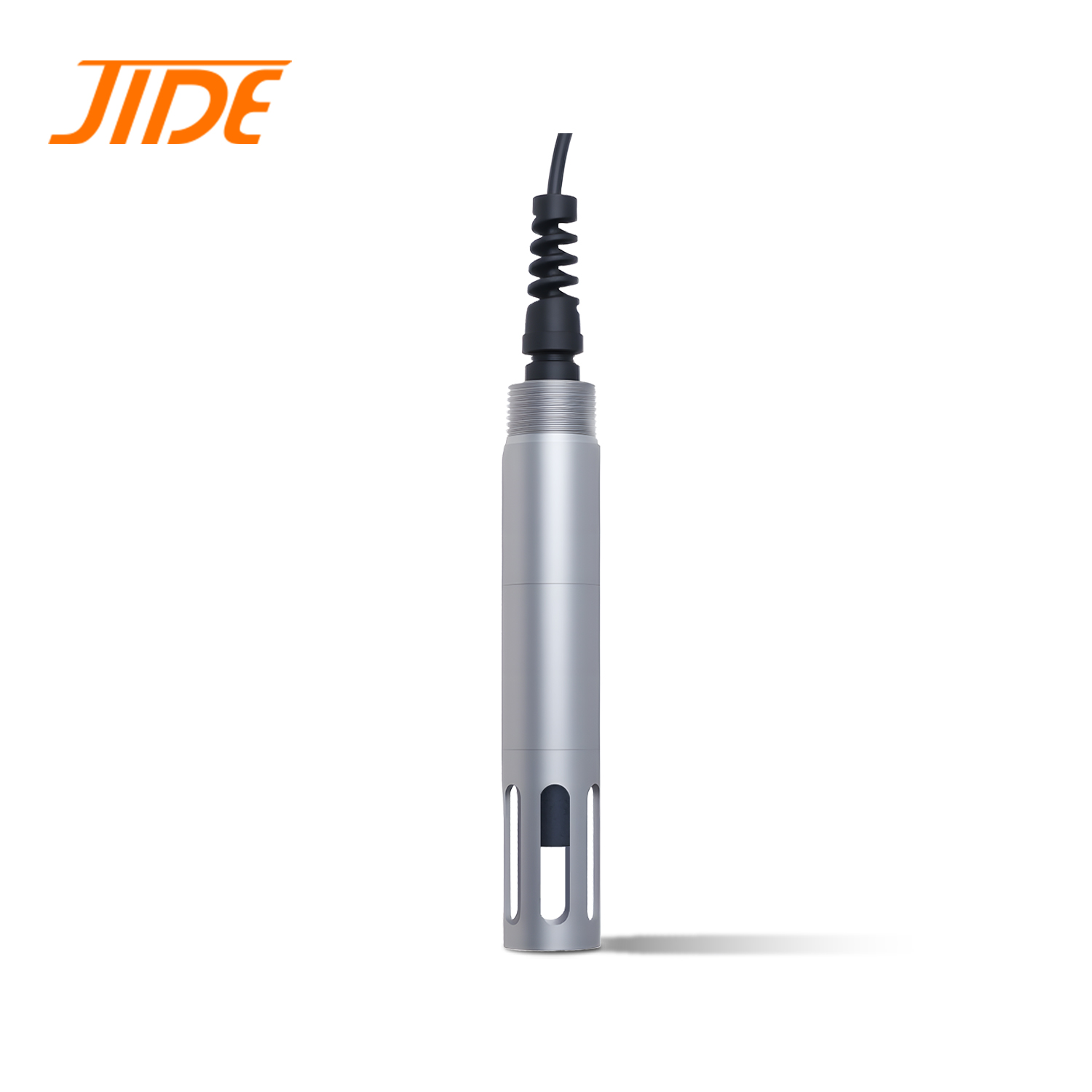
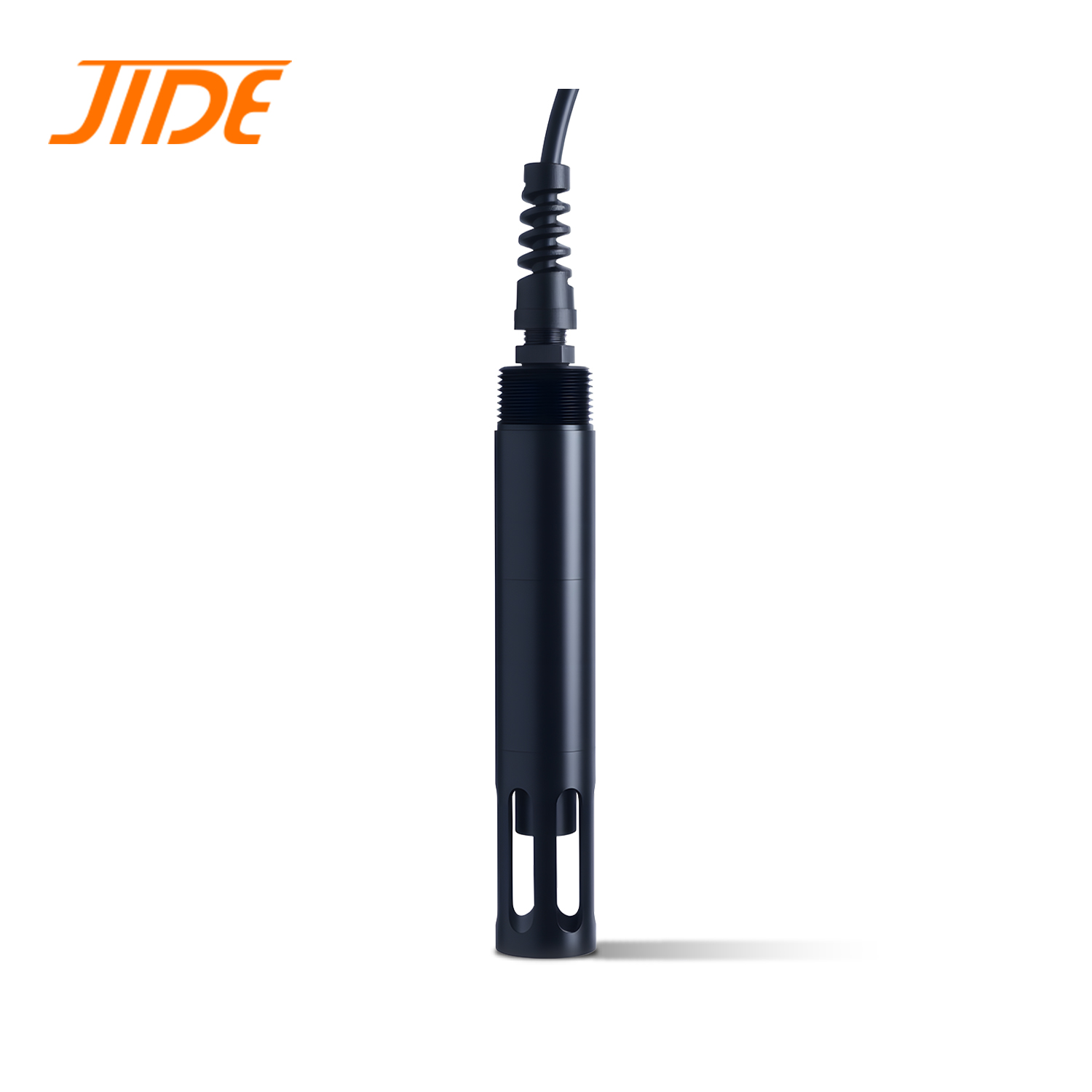
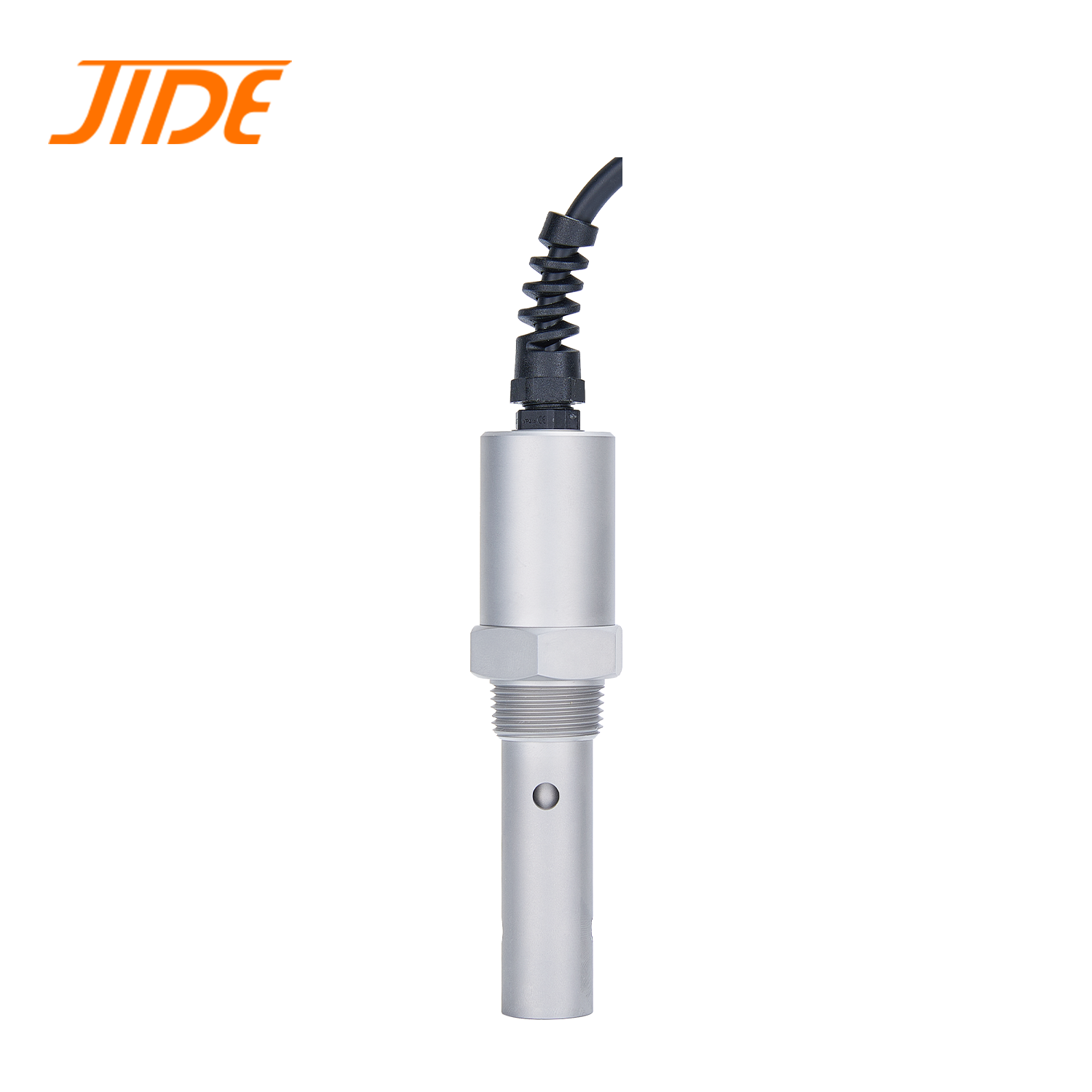
A RO TDS meter is a special tool that helps people check the quality of water. TDS stands for Total Dissolved Solids. This means all the tiny bits of stuff that are in the water, like salts and minerals. Knowing the TDS level is important because it tells you if the water is safe to drink. If the TDS level is too high, it might mean that the water has too many impurities, which can be harmful. JIDE makes reliable RO TDS meters that can help you keep your water clean and safe. Using one of these meters is simple, and it can help you make sure your drinking water is good for you and your family. For enhanced water quality monitoring, consider our Ocean-Specific Online Water Quality Monitoring solutions.
Sometimes, people have problems when they use RO TDS meters. One common issue is forgetting to calibrate the meter. Calibration is important because it makes sure the meter gives the right readings. If the meter is not calibrated, it can show wrong numbers, which is not good when checking water quality. Another problem is not cleaning the meter properly. If dirt or residue builds up on the sensor, it can also affect the readings. This means you might think your water is clean when it is not. Some users also find the display hard to read. If the numbers are too small or unclear, it can be difficult to know what the TDS level is. Lastly, some people might not know how to interpret the results. A high TDS number means there are too many solids in the water, but different people might have different opinions on what is safe. So, it’s important to know what TDS levels are best for your needs. Understanding these common issues can help you use your JIDE RO TDS meter more effectively.