Enhancing Efficiency with Inline Turbidity Meters

All Categories

inline turbidity meters

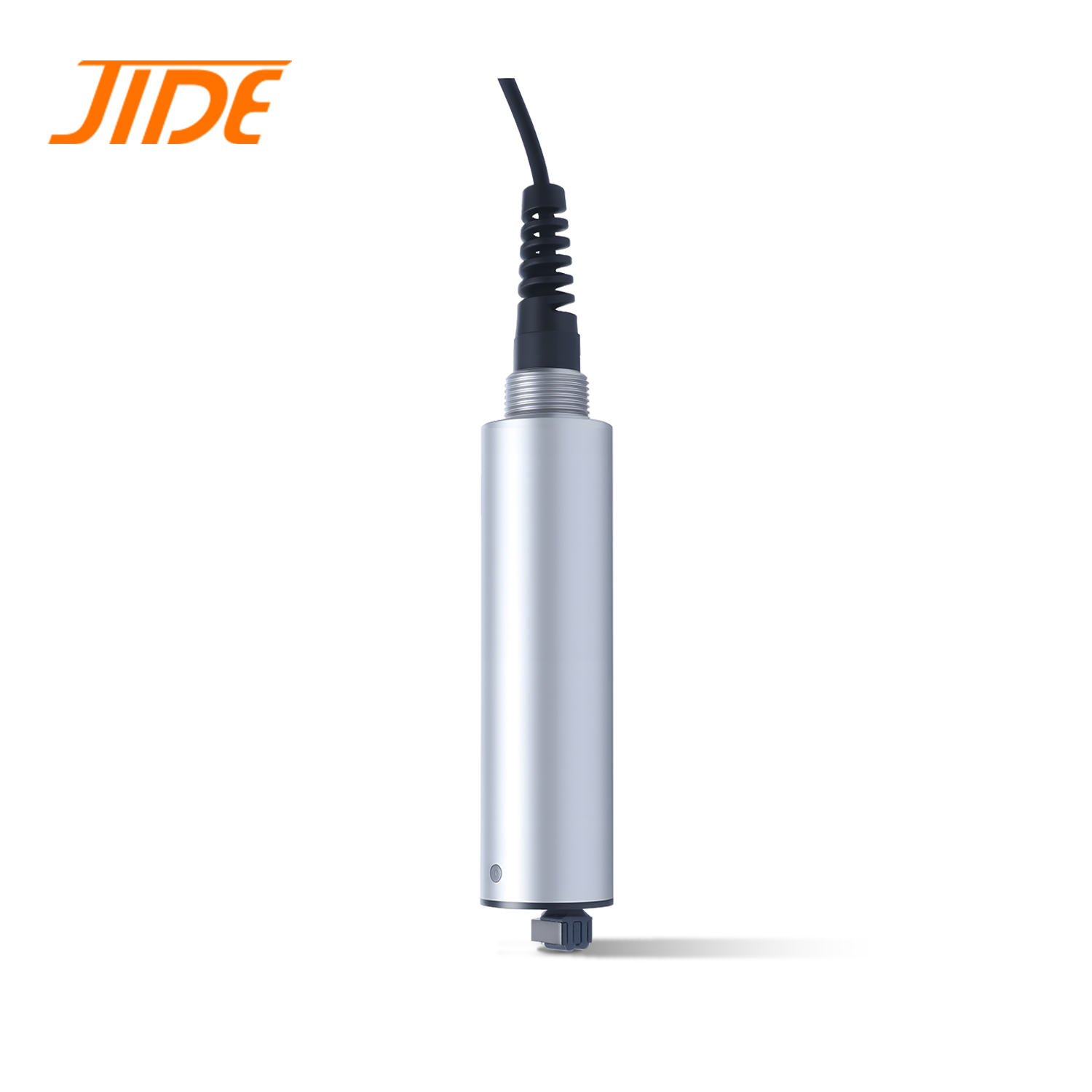
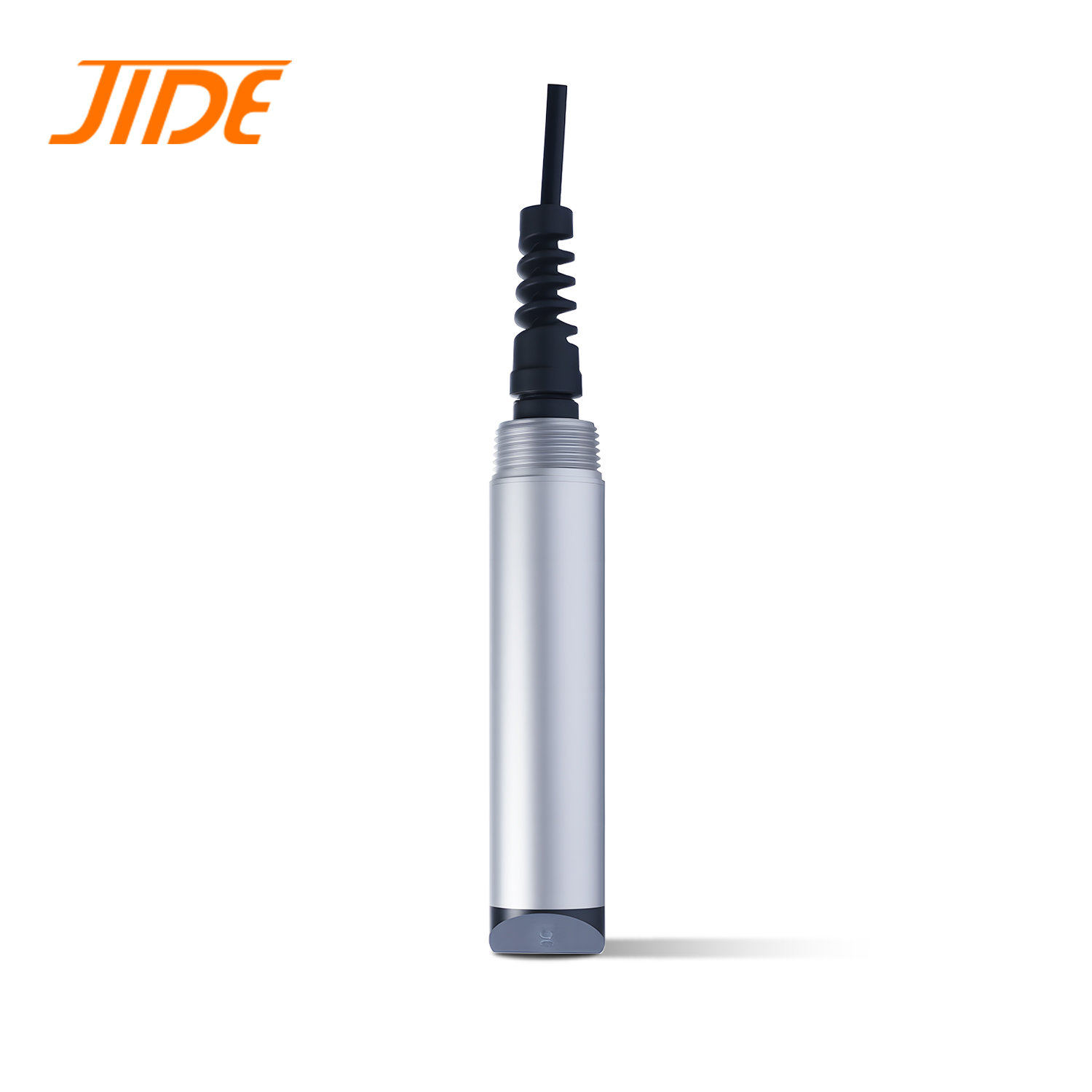
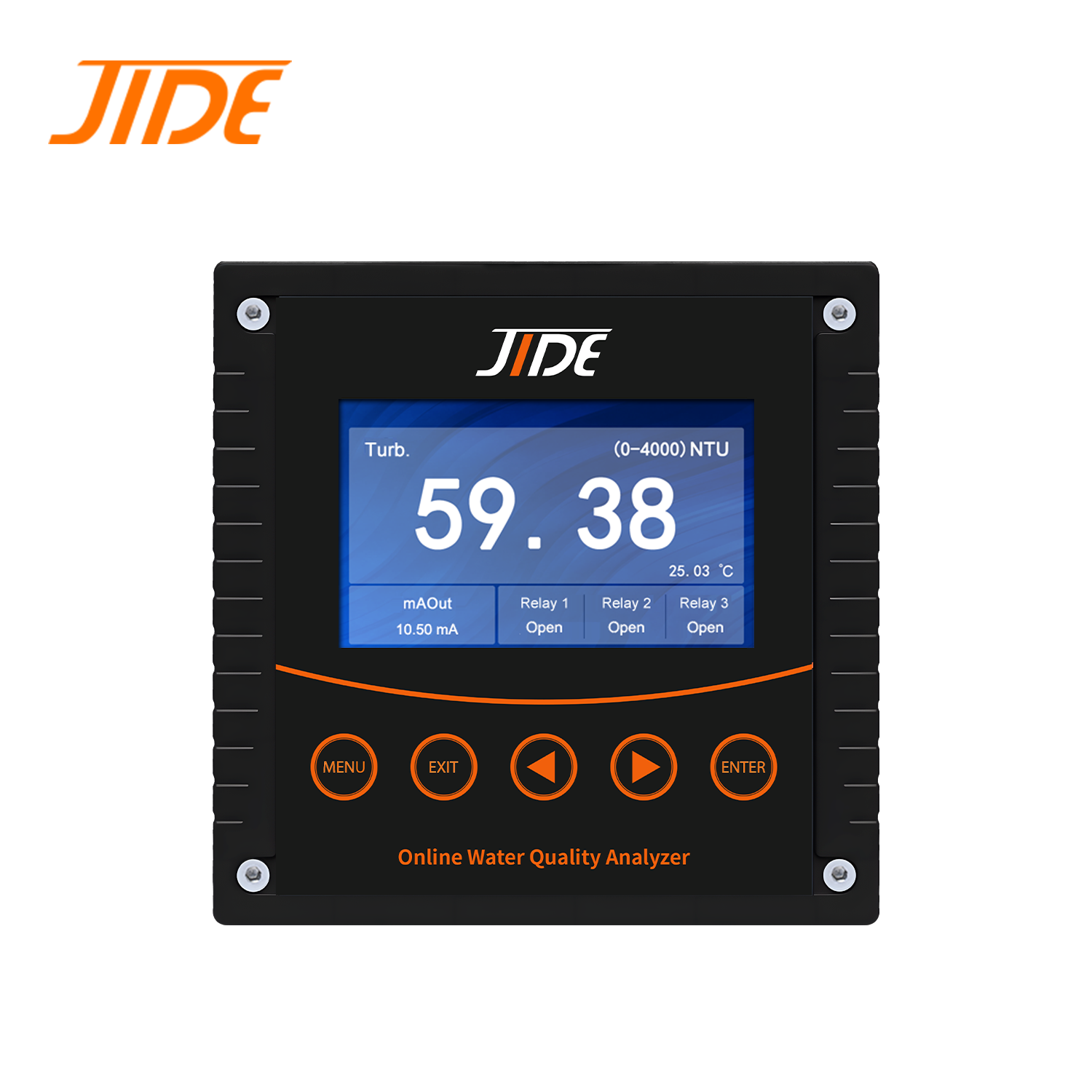
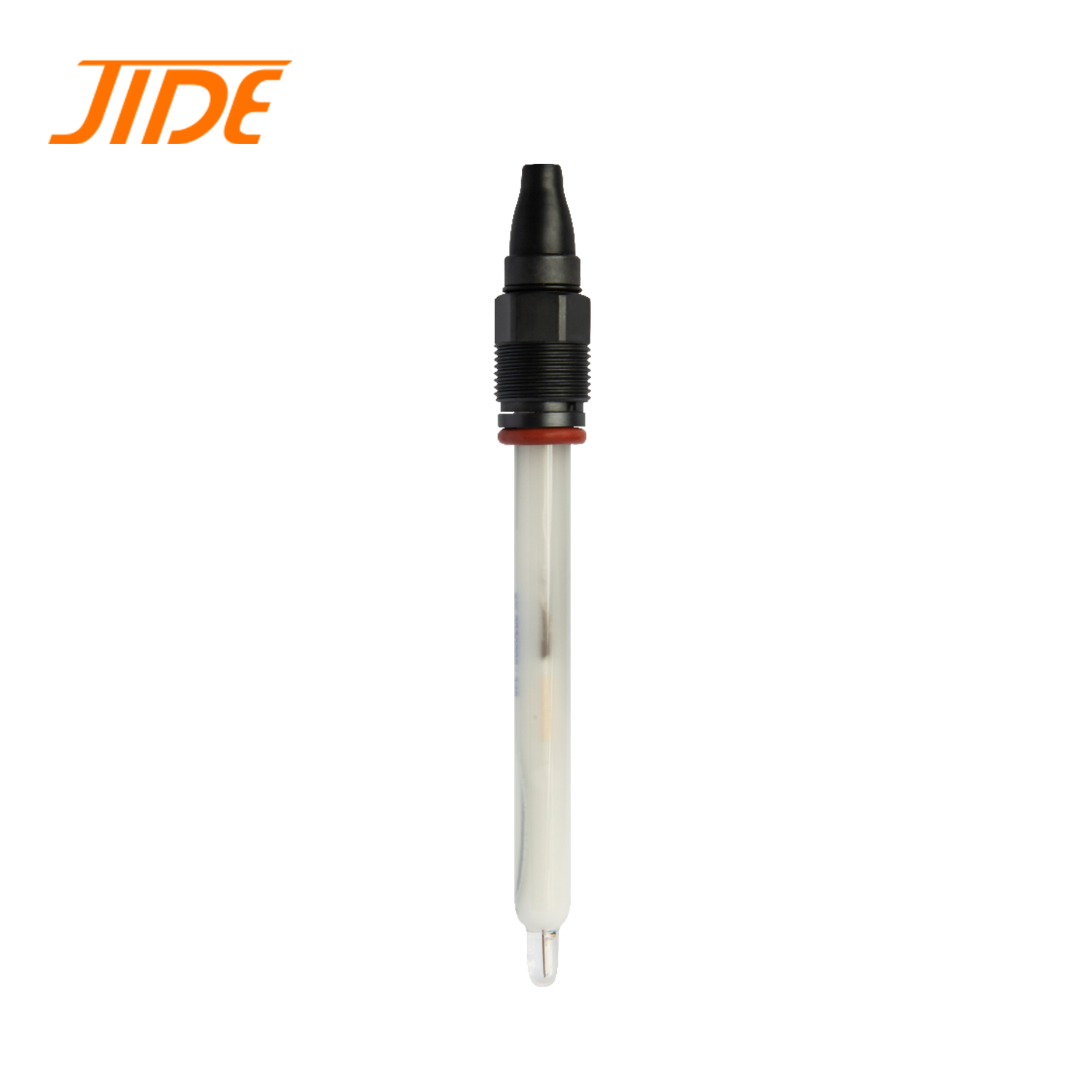
Inline turbidity meters are useful tools that help industries keep track  of the clarity  of liquids. Turbidity means how clear or cloudy  a liquid is. When water or other  liquids have a lot  of  particles in them, they become cloudy,  which can  affect quality. Inline  turbidity meters are put directly into pipes or tanks, measuring turbidity as liquids flow through. This way,  workers  can see if the liquid is clean or if it needs to be treated.  JIDE makes high-quality inline turbidity meters that help companies maintain their processes. By using these meters, businesses can save money, improve safety, and  make sure  their products are the best they  can  be. For more information on the technology behind these devices, consider checking our Pipeline flow meter.

Inline turbidity meters play a big role in making  industrial processes better. When factories use these meters, they  can quickly see how clear their liquids are. This helps them catch problems early. For example, if a factory is making drinks, they need the water to be very clear. If the turbidity goes up, it  can mean that there are too many particles in the water. This can cause the drinks to taste bad  or even be unsafe. With an inline turbidity meter, workers can see the turbidity levels right away. If they notice a problem, they can fix it before it affects production. This means less waste and fewer products that have to be thrown away.
How Inline Turbidity Meters Improve Industrial Process Efficiency

Using inline  turbidity  meters  also helps companies save money.  When factories can monitor  their  liquid quality continuously, they don't have to stop production  as often. If a company has a turbidity meter, it can adjust the process in real-time. For instance, if the turbidity increases, they can add  a filter  or change the chemical  treatment right away. This quick response can lead to better  efficiency, keeping production running smoothly. This efficiency means that the  company can produce more  products without spending extra money. To ensure the best quality, businesses might also want to look into our Industrial Online Water Quality Monitoring solutions.

Choosing the right inline turbidity meter is important for getting accurate readings. There are many kinds of turbidity meters, and knowing what you  need can make  a big difference. First, think about what liquid you are measuring. Not all meters work with every  type of liquid. For instance, if you  are measuring drinking water, you need  a meter that can handle clean liquids. On the other hand, if you are measuring wastewater, you need  a meter that can  handle dirty and cloudy liquids.

Our Blog Posts

Advanced Online Water Quality Monitoring Technology for Treatment Plants

05

Jul

Advanced Online Water Quality Monitoring Technology for Treatment Plants

Water is essential for life, but not all water is clean and safe. Treatment plants play a big role in cleaning water so that we can drink it and use it for different purposes. To ensure the water is safe, treatment plants need to monitor its quality ...
View More
Full Series Water Quality Sensors for Industrial & Environmental Use

19

Aug

Full Series Water Quality Sensors for Industrial & Environmental Use

Water quality plays a critical role in industrial operations and environmental protection. Clean water supports efficient manufacturing processes while helping preserve rivers, lakes, and oceans. Reliable monitoring is essential for detecting contami...
View More
Industrial Process PH Online Monitoring: Key to Stable Production

18

Sep

Industrial Process PH Online Monitoring: Key to Stable Production

Monitoring the pH level in industrial processes is very important for businesses that want to keep their production stable. JIDE focuses on making this monitoring easier and more efficient. When companies know the pH levels of their materials and pro...
View More
How to Choose a PH Sensor for Industrial Wastewater Monitoring

23

Sep

How to Choose a PH Sensor for Industrial Wastewater Monitoring

When it comes to checking the pH levels in industrial wastewater, choosing the right pH sensor is very important. Wastewater is the water that comes from factories and homes after it has been used. This water can have harmful chemicals and should be ...
View More

Get a Free Quote

Our representative will contact you soon.
Email
Name
Company Name
Message
0/1000

Related product categories

How to Choose the Right Inline Turbidity Meter for Your Application

How to Choose the Right Inline Turbidity Meter for Your Application

Lastly, look  at  the brand and its  reputation. JIDE is known  for high-quality products and great customer service. When you choose  a  trusted  brand, you can  feel  more confident that  you are making a good decision. In  the end, picking the right inline turbidity meter means  considering the type  of liquid, the  turbidity range, ease  of  installation,  maintenance, and the brand. This way,  you  can ensure you get  the best results for your application.

Common Usage Issues with Inline Turbidity Meters and How to Solve Them

Common Usage Issues with Inline Turbidity Meters and How to Solve Them

Inline  turbidity meters  are important tools used to measure how  clear or  cloudy water is. They help people  check the quality of water in different places, like factories or  rivers. However,  some problems can  happen when using these meters. One common  issue is that the sensors can get dirty. When the sensors are  dirty, they cannot measure the water correctly. This can lead to wrong readings. To solve this problem, it  is important to clean the sensors regularly. JIDE recommends using a soft cloth or a special cleaning solution that is safe for the sensors. Another issue is that the water flow can change. If the water flows too fast or too slow, it might give inaccurate results. To fix this, it is essential to install the meter correctly in a place  where the water flows steadily. JIDE  also suggests checking the flow rate before taking measurements to ensure the  readings are accurate. Sometimes,  the temperature of the water can affect the  readings as well. If the  water is too hot or too cold, it can change  how the turbidity meter works. To solve this, you can use a temperature sensor along with the turbidity meter. This way, you can see if the temperature is  within the  right range for accurate readings. By understanding and solving these common issues, users can make sure that their JIDE inline turbidity meters give the best results every time.

What Makes Inline Turbidity Meters Essential for Environmental Compliance?

What Makes Inline Turbidity Meters Essential for Environmental Compliance?

Inline turbidity meters are very important for keeping our environment safe and clean. They help people and companies  follow rules  about water quality. Many places, like rivers and lakes, need to be protected from pollution. When  companies discharge water into these natural bodies, they must ensure that it is clean and safe. Inline turbidity meters  measure how  much dirt or particles are in the water. If the water is  too  cloudy, it could harm  fish and plants living in those areas. JIDE inline  turbidity meters help companies  monitor their water quality in real-time. This  means they  can see if the water is clean right away and  make  changes  if needed. By using these meters, companies can avoid polluting the environment and respect the laws that protect nature. If a  company does not follow these rules, they  can face fines or other penalties. Therefore, using JIDE inline turbidity meters helps keep  companies compliant with environmental regulations while also protecting our planet. It is essential  for everyone to work together  to keep our water clean, and these meters are a big part of making that happen.

Choose your global partner

Are you ready to consult with an engineer about your working conditions and specific needs?

Get a Quote

Get a Free Quote

Our representative will contact you soon.
Email
Name
Company Name
Message
0/1000