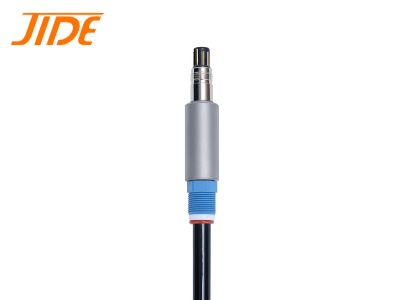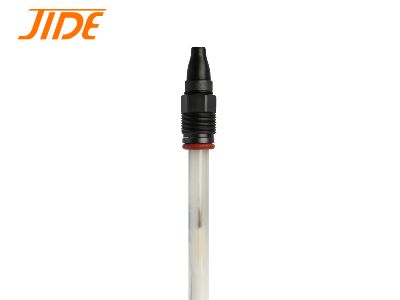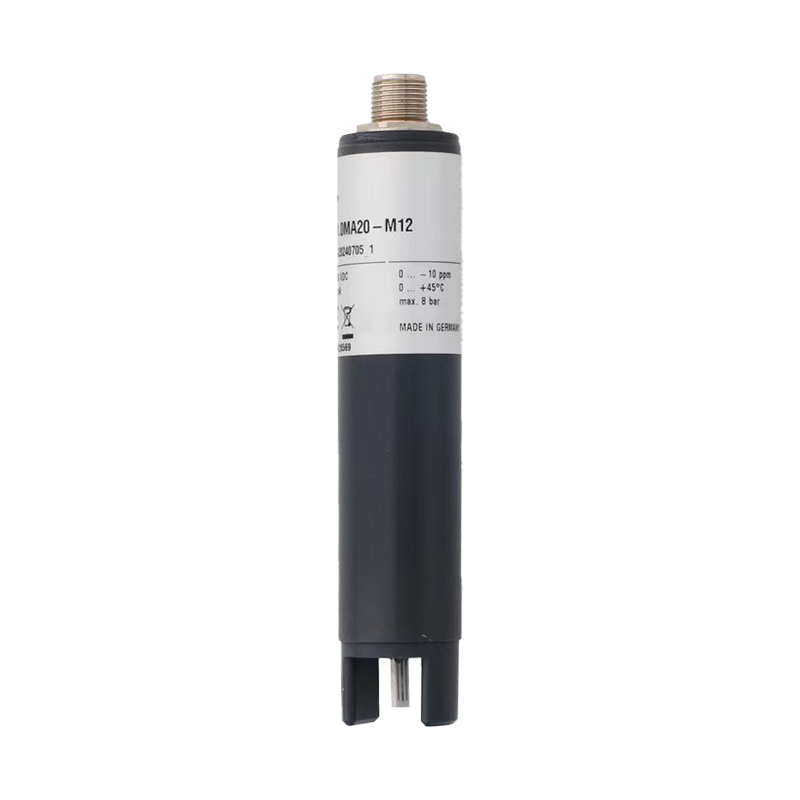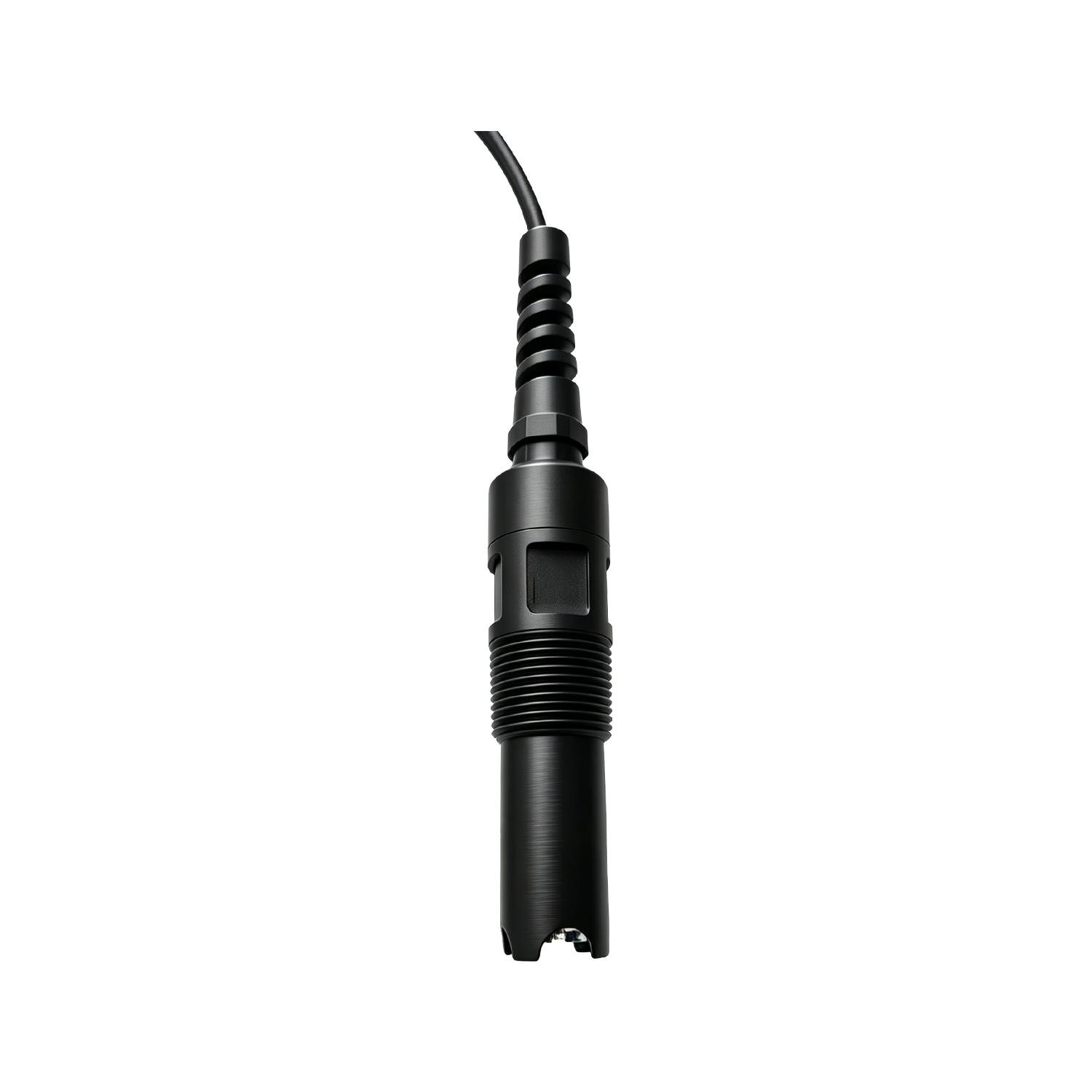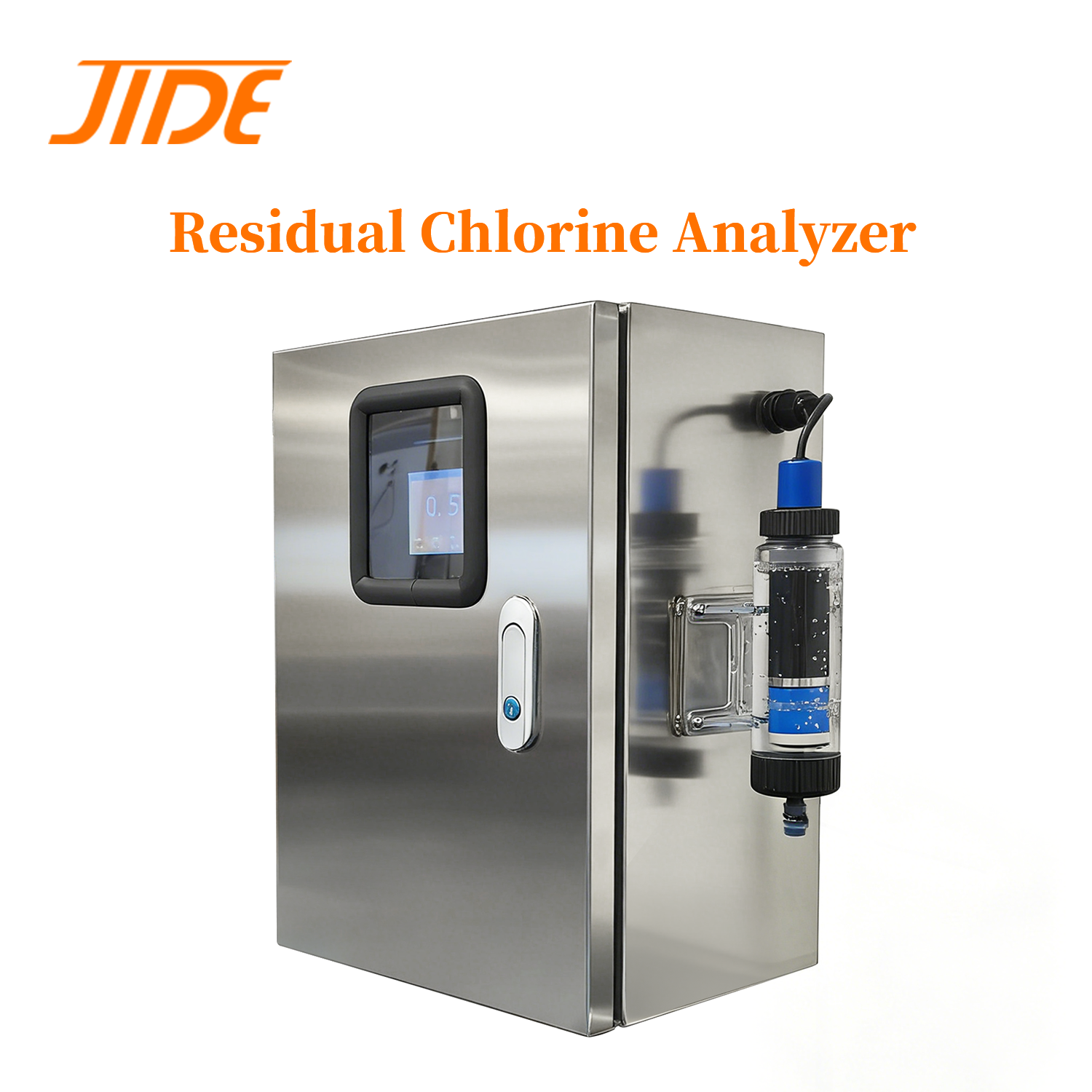
Amperometric Sensor for Free Chlorine Measurement

All Categories

amperometric free chlorine sensor

Amperometric free chlorine sensors are  important tools  used to measure the amount of chlorine  in water. Chlorine is  often added to water to keep it clean and safe, especially in pools and  drinking water. JIDE makes these sensors to help people and companies check chlorine levels easily and accurately. These sensors work by measuring electric  current. When chlorine is present in the water, it reacts with the sensor. This reaction creates a tiny electric current. The amount of current tells us how  much chlorine is in the water. This is really helpful to make sure the water is safe for swimming or drinking. Understanding how these sensors work is essential to keep our water safe and clean, and that is what JIDE aims to provide.

An amperometric free chlorine sensor  is a special device that  helps us know how much chlorine is in water. It is a  small instrument  that you  can often find  in swimming pools or water treatment plants. But how does it actually work? Well, these sensors have electrodes, which are parts that help measure electricity. When chlorine is  in the water, it interacts with these electrodes. This interaction creates an electric current. The strength of this current tells us how much chlorine is present. If there is a lot of chlorine, the current is strong, and if there is little chlorine, the current is weak. Some sensors can measure  different types of chlorine, like free chlorine and total chlorine. Free chlorine is the type that is most effective at killing germs. This is important because we need  to know if the chlorine level is safe for people. JIDE's amperometric  sensors are reliable and provide quick readings, making them perfect for anyone who needs to check chlorine levels regularly. They are easy to use, and anyone can learn to operate them with a little practice.  It's also important to remember that keeping the right chlorine levels is essential  for health. Too little chlorine can make the water unsafe, while too much can cause skin and eye irritation. That’s why having a good sensor is essential.
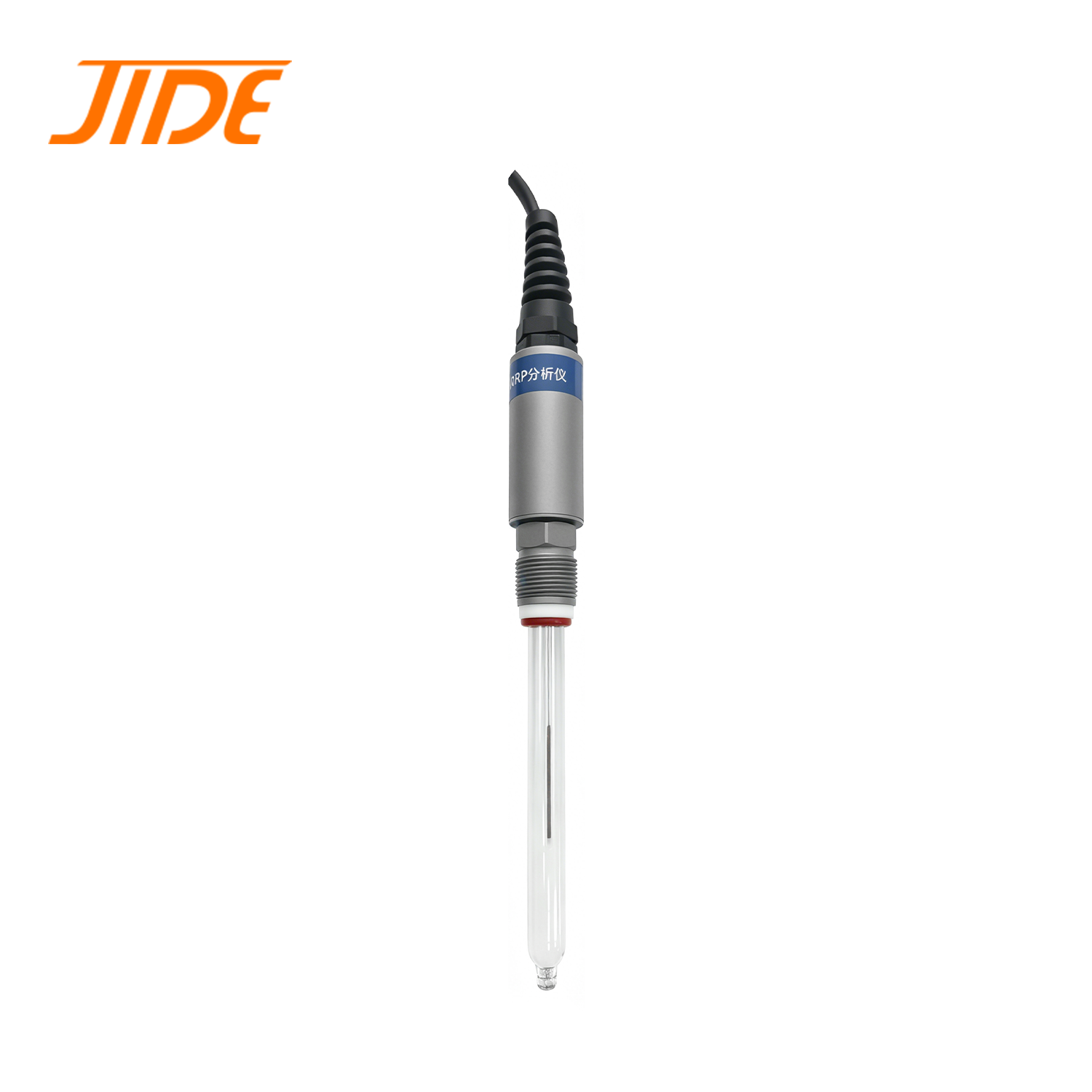
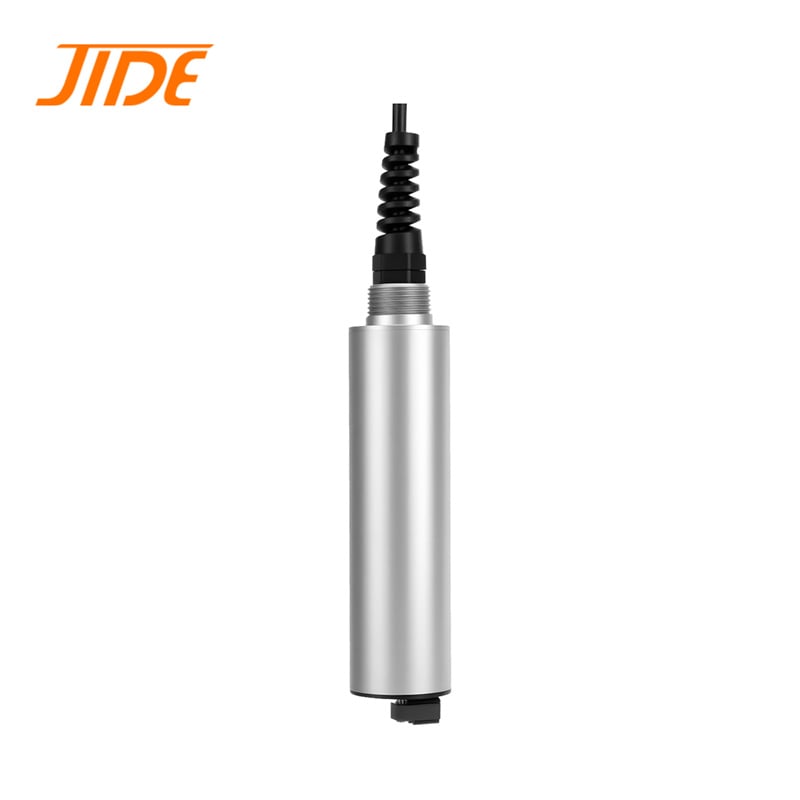
 

What Makes Amperometric Free Chlorine Sensors Essential for Water Quality Monitoring?

Even though amperometric free chlorine  sensors are great tools, sometimes they can have problems. One common issue is that they can read incorrectly if they  are not cleaned regularly. If dirt or other things build up on the sensor, it can give false readings.  This can be a big problem because people might  think the water is safe when it really isn't. To fix this, it’s important to follow the cleaning instructions provided by JIDE. Regular  maintenance helps keep the sensor working well. Another issue is that temperature can affect the readings. If the water is very hot or cold, it can change how the sensor works. It’s best to check the sensor's manual for the correct temperature  range. If the sensor is  exposed to extreme temperatures, it might be a good idea to take readings at a more moderate temperature. Sometimes, the sensors need to be recalibrated. This means adjusting the sensor to make sure it is accurate. If you notice strange  readings, recalibration is a good step  to take. Lastly,  make sure to replace the  sensor as needed. Over time, all sensors wear out, and  using  an old sensor can lead to incorrect readings. By understanding these common issues and how to  solve them, you can keep your amperometric free chlorine sensor working perfectly. JIDE is always here to help with any questions or issues you might have!

Amperometric free chlorine sensors are special tools used to  measure the  amount of chlorine in water. Chlorine is often added to water to kill germs and keep it safe for people to drink. Using these sensors has many benefits. First, they help ensure that the water is clean and safe. When water treatment plants know how much chlorine is in the  water, they can make sure it is just the right amount. If there  is too little chlorine, germs can survive and  make people sick. If there is too much chlorine, the water can taste bad and may not be  healthy.

Our Blog Posts

High Precision Conductivity Sensor for Water Treatment Systems

07

Jul

High Precision Conductivity Sensor for Water Treatment Systems

Water is essential for life, and treating it properly is very important. To make sure water is clean and safe, many systems are used in treatment plants. One important tool in these systems is the high precision conductivity sensor. This sensor helps...
View More
High Accuracy Turbidity Sensor for Wastewater Treatment Plants

17

Jul

High Accuracy Turbidity Sensor for Wastewater Treatment Plants

Turbidity sensors are important tools in wastewater treatment plants. These sensors help measure how clear or cloudy water is. When water is not clear, it can mean that there are too many tiny particles, like dirt or bacteria. This can be a problem f...
View More
Advanced COD Sensor for Real-Time Organic Matter Monitoring

14

Aug

Advanced COD Sensor for Real-Time Organic Matter Monitoring

Real-time monitoring of organic matter plays a critical role in maintaining water quality and protecting the environment. One of the most effective tools for this purpose is a Chemical Oxygen Demand (COD) sensor, which measures the amount of oxygen r...
View More
Multiparameter Water Quality Meter: All-in-One Water Testing Device

24

Aug

Multiparameter Water Quality Meter: All-in-One Water Testing Device

A Multiparameter Water Quality Meter is a special tool that helps test the quality of water. It can measure many different things at once, like pH, temperature, oxygen levels, and more. This is really important for people who buy water-testing equipm...
View More

Get a Free Quote

Our representative will contact you soon.
Email
Name
Company Name
Message
0/1000

Related product categories

How Amperometric Free Chlorine Sensors Enhance Pool and Spa Water Safety

How Amperometric Free Chlorine Sensors Enhance Pool and Spa Water Safety

These  sensors are also very easy to use. They often come with simple instructions, so workers don’t need to be experts to operate  them.  This makes it easier for  water treatment facilities to  train new staff.  Additionally,  amperometric sensors are reliable and can last a long  time. They require less maintenance compared to other types of  sensors. This  means that  water  treatment  plants  can save money because they don’t have to spend as much  on repairs  or replacements. Finally, using  JIDE’s amperometric free chlorine sensors can help protect  the environment. When water is treated correctly, it prevents harmful chemicals from entering rivers and lakes, keeping aquatic life  safe.

 
Where to Buy Reliable Amperometric Free Chlorine Sensors for Your Business

Where to Buy Reliable Amperometric Free Chlorine Sensors for Your Business

Finding  good suppliers for amperometric free  chlorine sensors is really important. A reliable  supplier will  provide quality  products that work well  and last a long  time. One of  the best places to  start looking is online. Many companies have websites where you  can  learn about their products. You  can read  descriptions and  see pictures of the sensors they sell. It’s also a good  idea to  read  reviews from other customers. Reviews can tell you if people  are happy  with the sensors they  bought and if the supplier is trustworthy.

What Innovations Are Shaping the Future of Amperometric Free Chlorine Sensors?

What Innovations Are Shaping the Future of Amperometric Free Chlorine Sensors?

Another way to find reliable  suppliers is through recommendations. Talk to people who work in water treatment plants  or  environmental  science.  They might know which suppliers  provide  the best products.  You can also look for trade  shows or industry events. These events  often have  booths from  different suppliers, and you can see their products up  close.  It’s a great chance  to compare different options and choose the best one. Lastly, make sure to check  if the supplier provides warranties or  guarantees for  their products. This shows that they believe in the quality of  what they are selling.

 
Choose your global partner

Are you ready to consult with an engineer about your working conditions and specific needs?

Get a Quote

Get a Free Quote

Our representative will contact you soon.
Email
Name
Company Name
Message
0/1000