 EN
EN
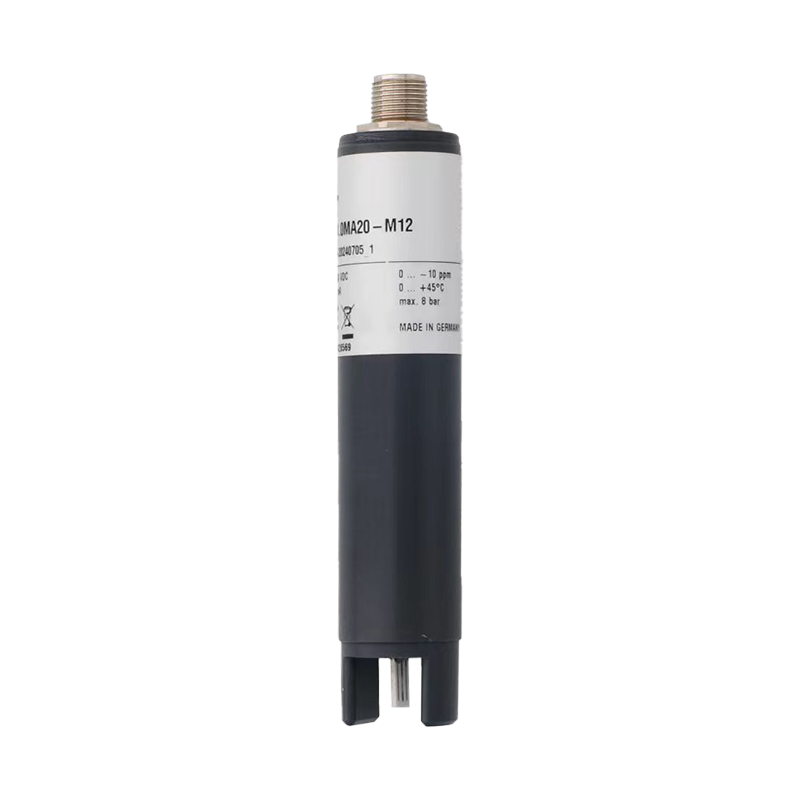
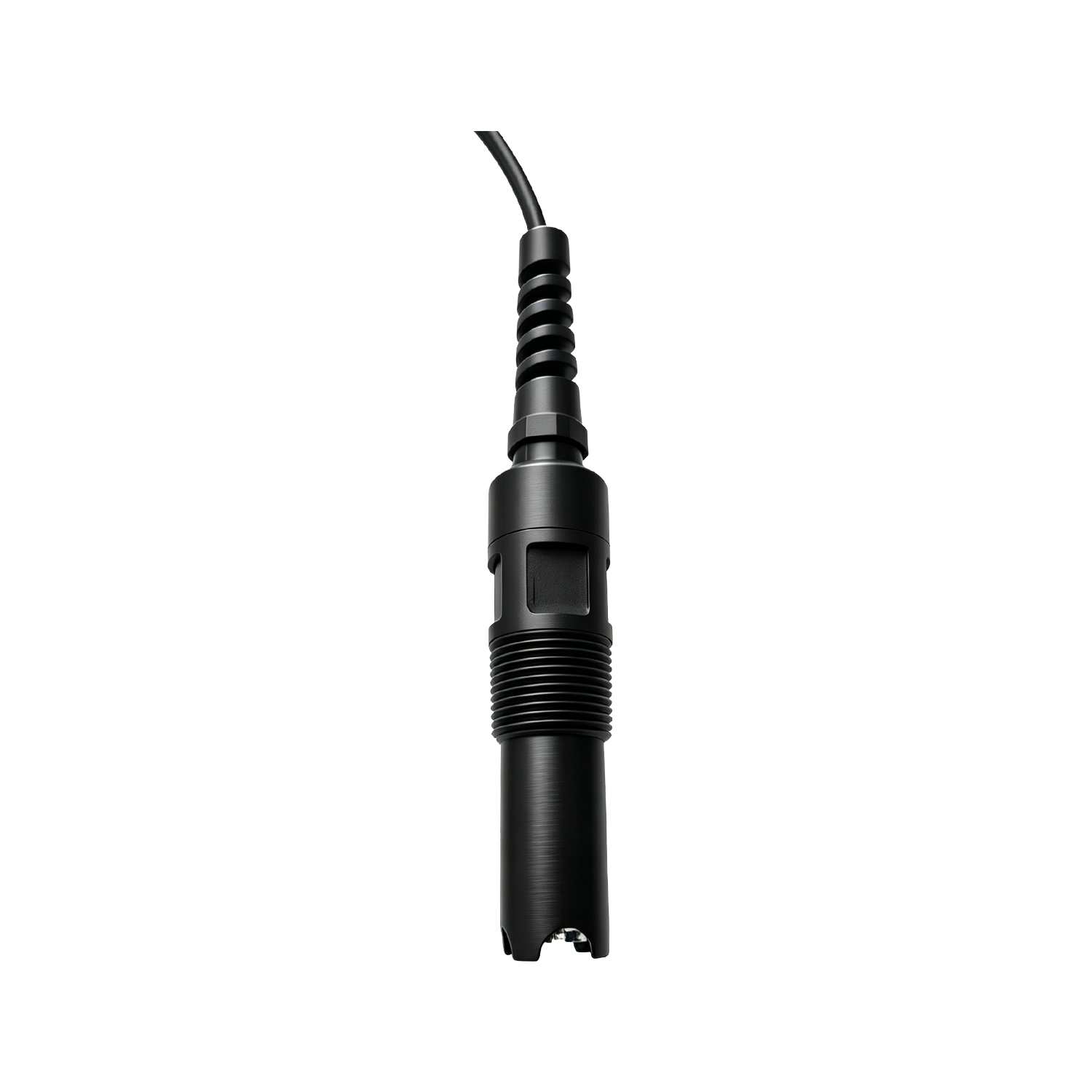
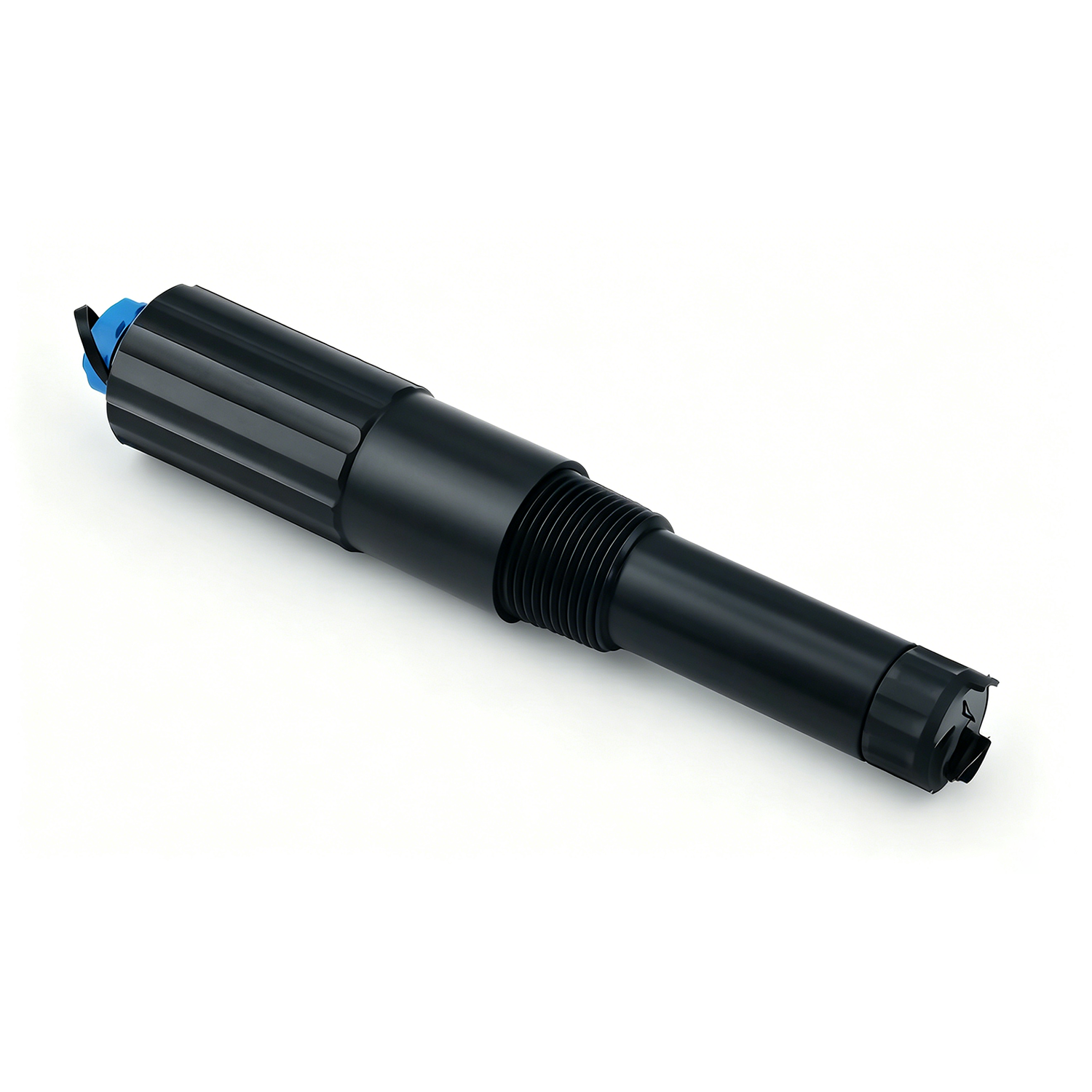
Amperometric chlorine sensors are important tools used to keep our water safe. These sensors help detect chlorine levels in water, which is essential for treating water in swimming pools, drinking water, and other places. Chlorine is used to kill germs and keep water clean, but too much chlorine can be harmful. That's where amperometric chlorine sensors come in. They can quickly and accurately measure how much chlorine is in the water. If the level is too high or too low, people can take action to fix it. JIDE makes these sensors to ensure that everyone has access to safe and clean water.
Amperometric chlorine sensors play a big role in making sure water is safe for everyone. In water treatment plants, these sensors constantly check the chlorine levels. Why is this important? Well, if the chlorine levels are too low, harmful bacteria can grow, making the water unsafe. On the flip side, if the chlorine levels are too high, it can irritate people's skin and eyes. So, these sensors help keep the balance just right. For example, when a sensor detects low chlorine levels, it can send a signal to the water treatment system to add more chlorine. This immediate response is crucial for public health. Without these sensors, it would be hard to know if the water is safe. JIDE’s sensors are reliable and have been tested in many different conditions. This helps water treatment facilities meet safety standards and provide clean water to communities. Additionally, products like the Online Residual Chlorine Sensor/Meter/Probe JECA-RC K can enhance monitoring capabilities.