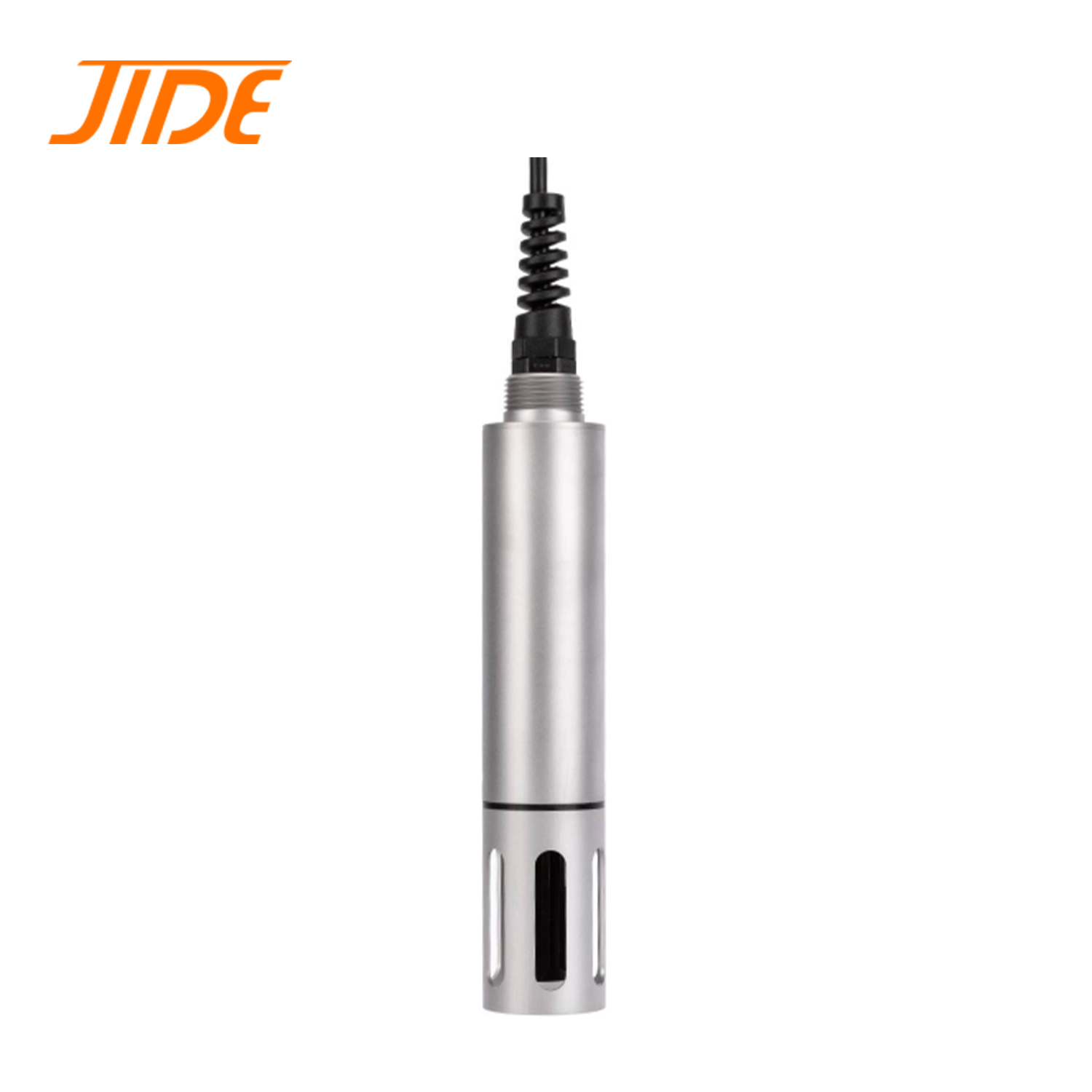
High-Quality Probe Conductivity Meters for Precision

All Categories

Probe conductivity meter

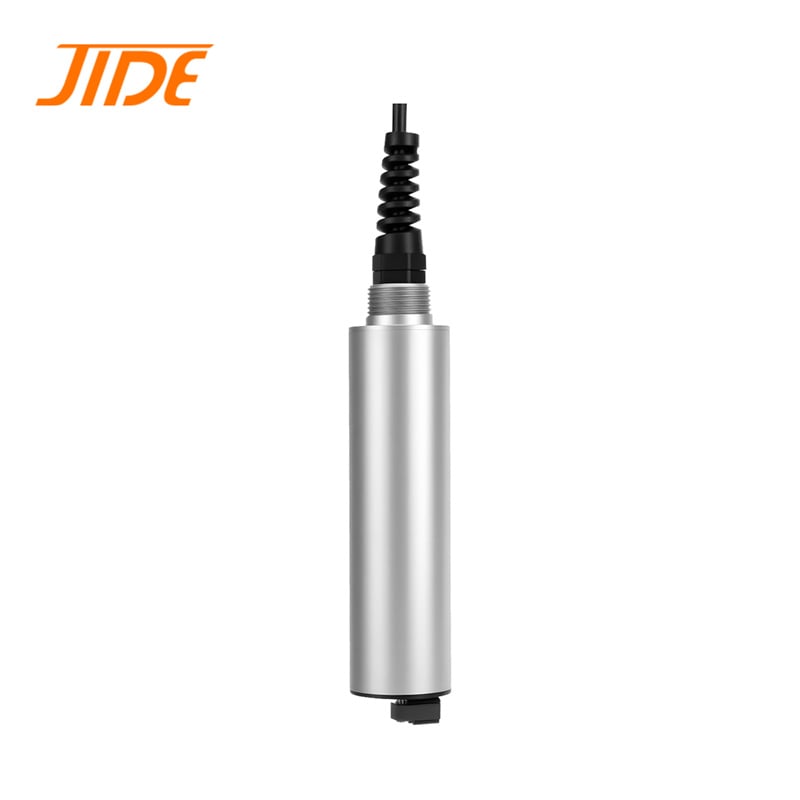
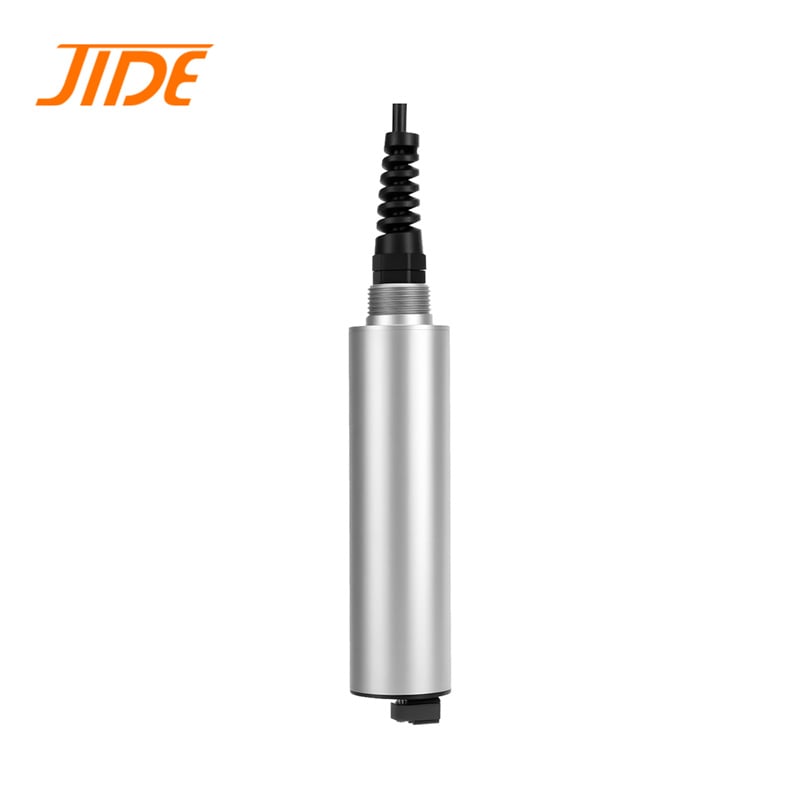
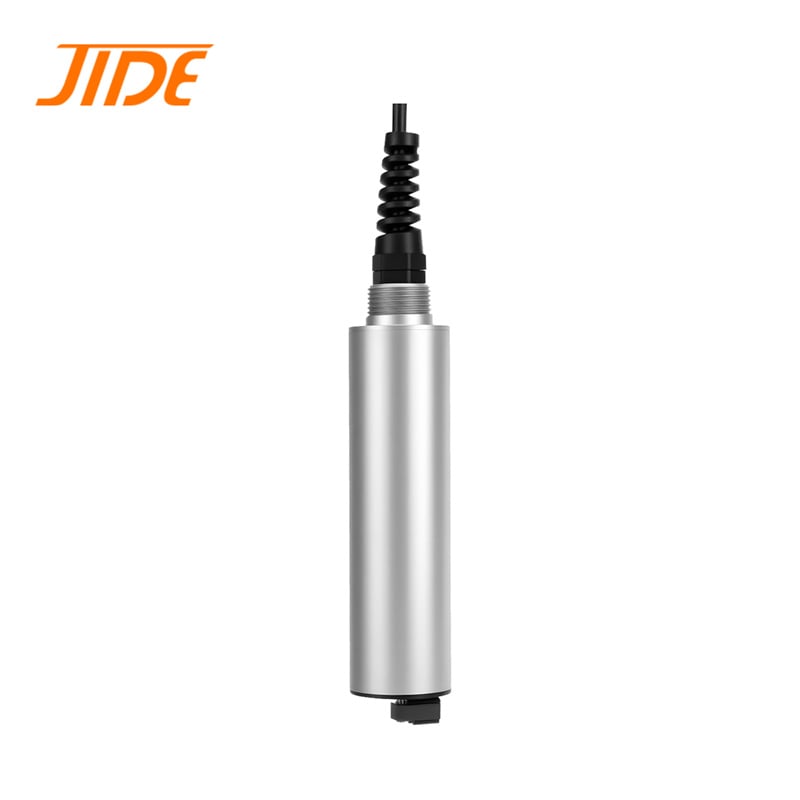
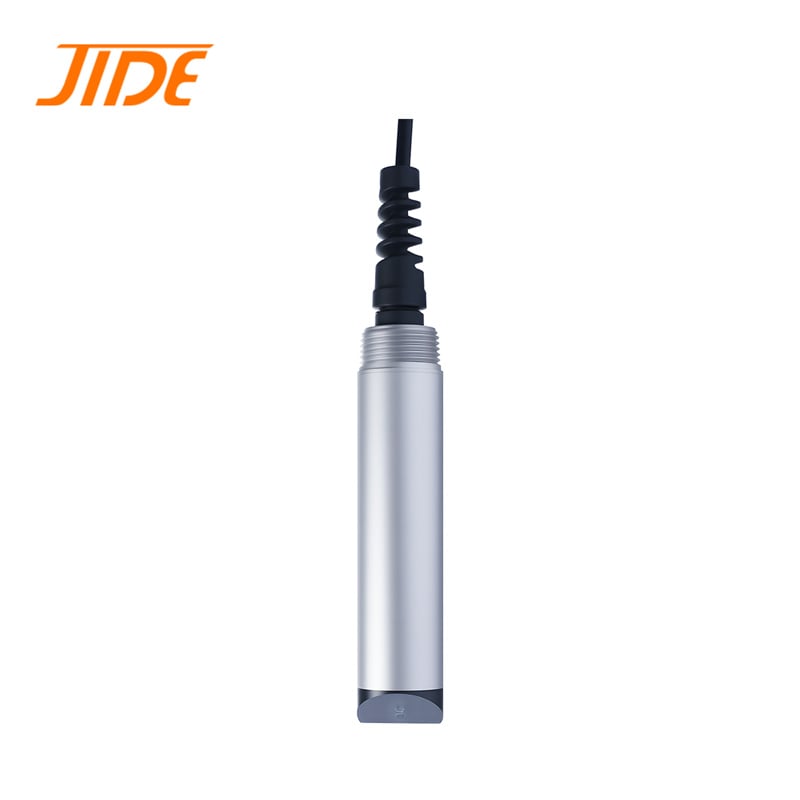
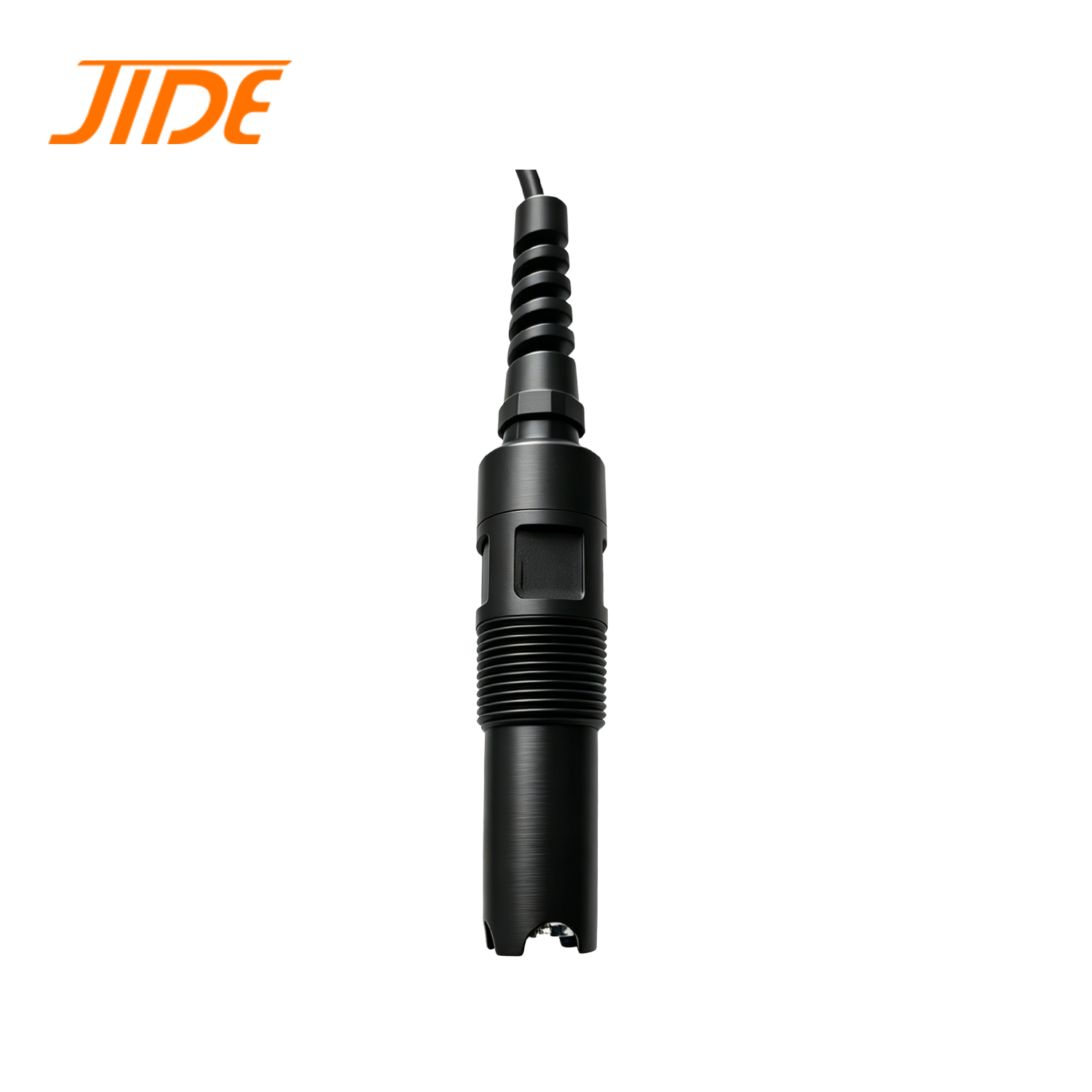
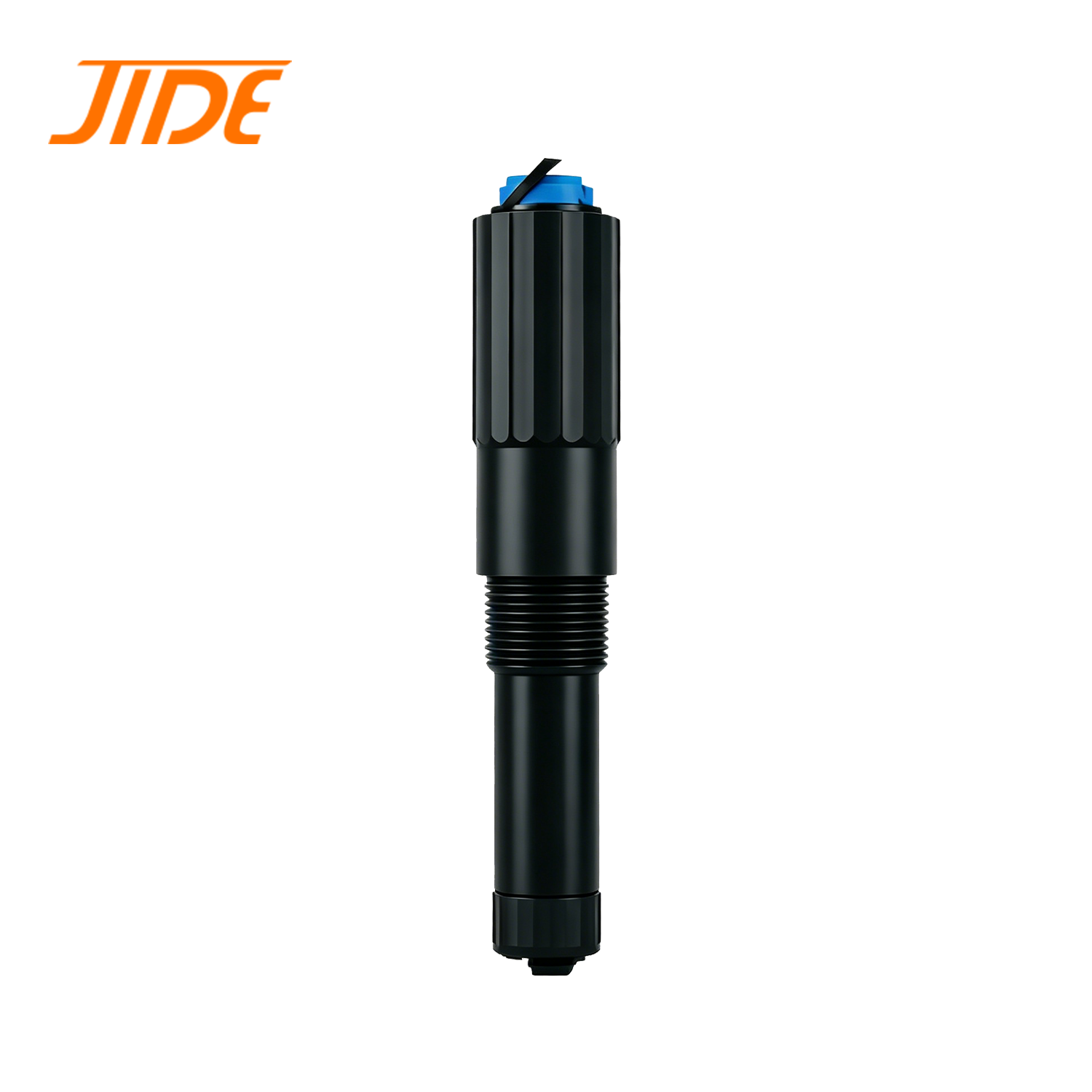
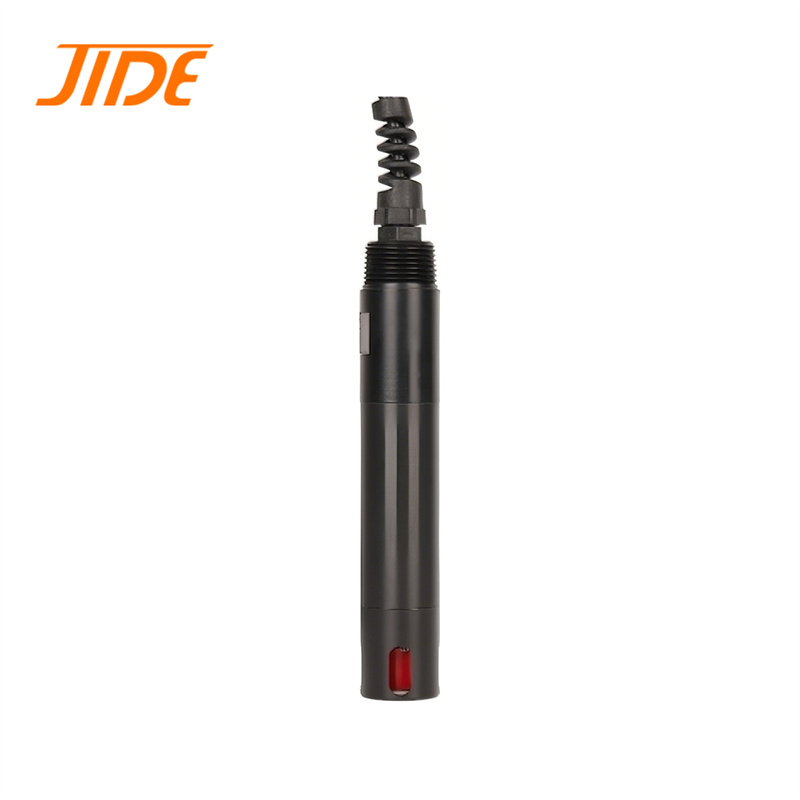
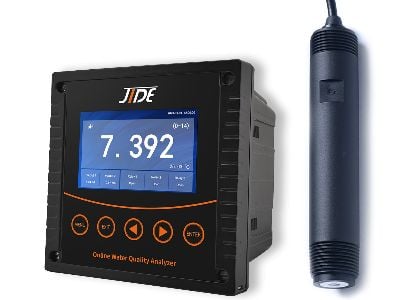
A probe conductivity meter is a handy tool used to measure how well a liquid can conduct electricity. This is important for many reasons, such as checking the quality of water in pools, aquariums, and even in manufacturing processes. When water contains salts or other dissolved substances, it can carry electricity better, and that’s what inductive conductivity meter helps to measure. JIDE makes reliable probe conductivity meters that are easy to use, even for beginners. With this tool, you can quickly find out how pure your water is or if it’s safe for use in different applications. 

When looking for a good probe conductivity meter, there are several key features to keep in mind. First, the accuracy of the measurements is very important. A high-quality meter should give you precise readings, so you can trust the results. Our  meters are designed to be reliable, which means you won’t have to worry about getting the wrong information. Another feature to consider is the range of conductivity it can measure. Some liquids are more conductive than others, so a good meter should cover a wide range. This means you can use it for different liquids without needing another tool.
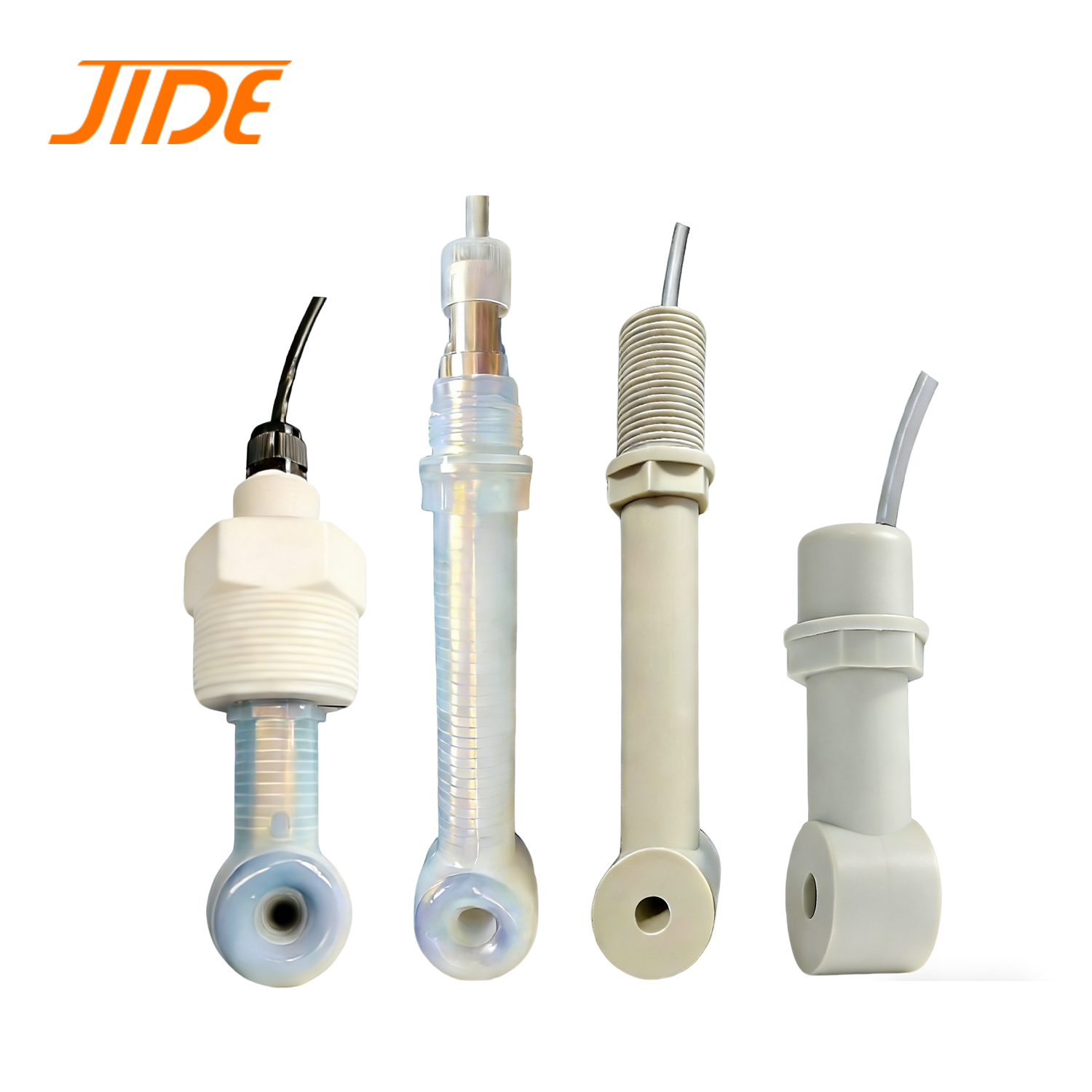
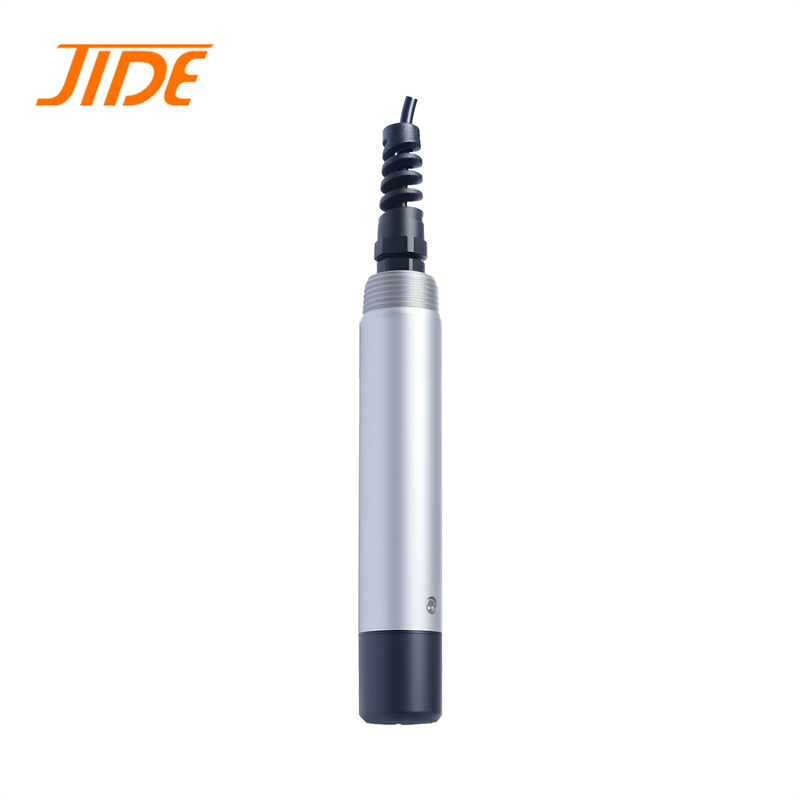
Our Products

What Are the Key Features of a High-Quality Probe Conductivity Meter?

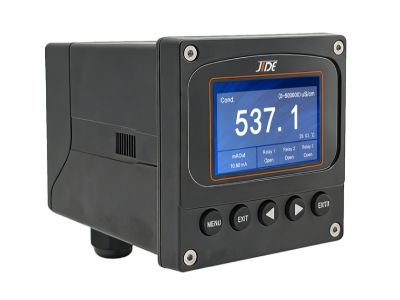
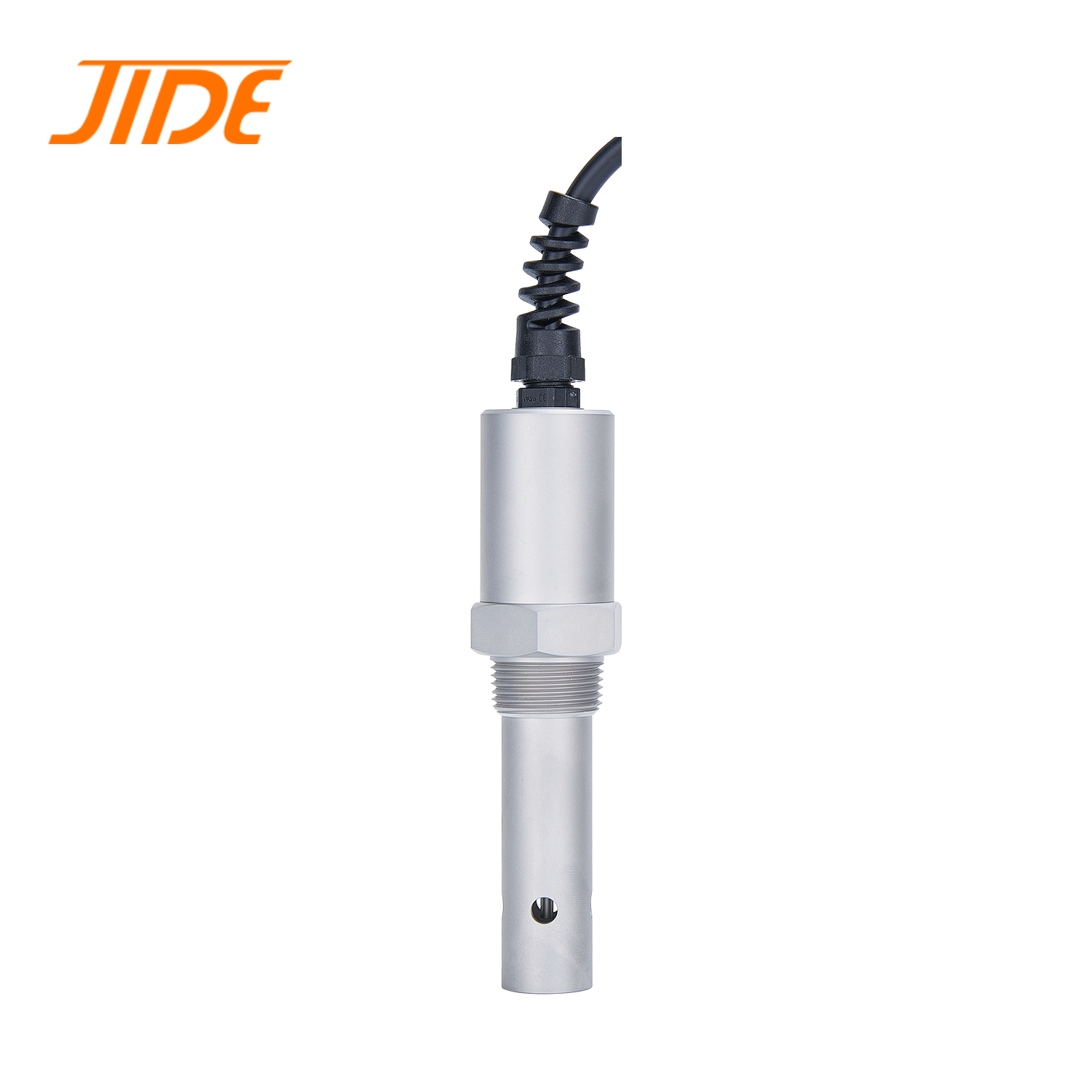
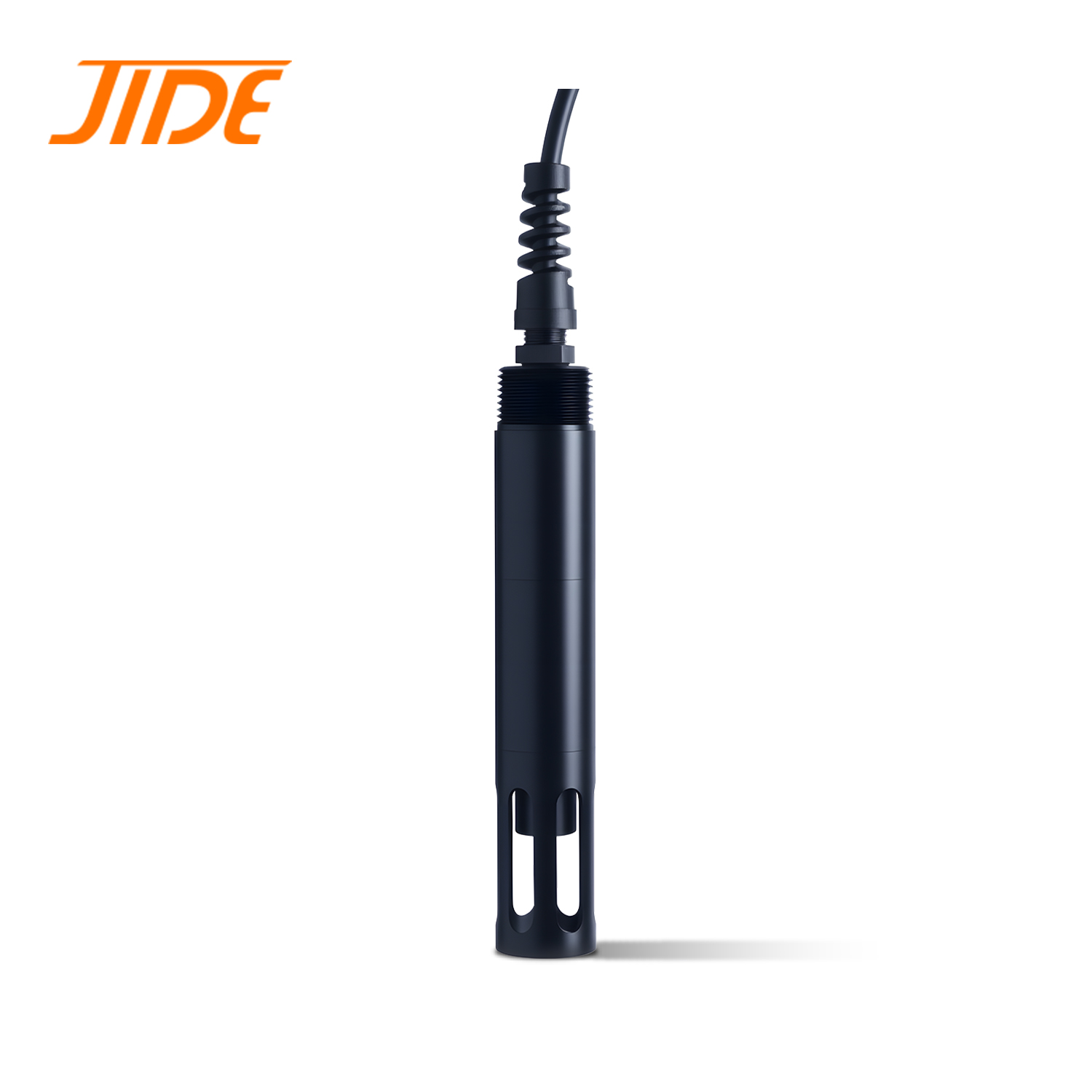
Next, think about the design of the probe itself. A good probe should be easy to handle and durable. If you’re using it in tough conditions, it should withstand some wear and tear. Our probes are built tough, so they last longer, even in busy environments. You’ll also want to look for features like automatic temperature compensation. This helps the meter give accurate readings, even when the temperature of the liquid changes. Lastly, a user-friendly display is a must. You want to see your readings clearly, so look for a meter that has a bright, easy-to-read screen. With our focus on quality, you can be sure that you’re getting a product that has these important features. 

Choosing the right probe conductivity meter for your needs can seem tricky, but it doesn’t have to be. First, think about what you will be measuring. If you are looking at water quality in a pool, for example, you may need a different type of meter than if you are measuring liquids in a factory. We offer different models designed for specific tasks, so check what they have to see which fits your needs best. It’s also helpful to consider how often you will use the inline conductivity meter. If it’s for daily use in a project, you might want a more robust model.

Frequently Asked Questions

What is the probe conductivity meter used for?

It measures electrical conductivity of liquids for water quality monitoring and industrial process control, suitable for environmental monitoring, wastewater, and process streams.
Typical models cover low to high conductivity ranges with accuracy suitable for process control; specific range and accuracy depend on model—contact JIDE for exact specs.
Probes can be flange, inline, or submersion mounted. Installation depends on process piping and sampling method; follow JIDE installation guidelines for correct positioning and sealing.
Periodic cleaning and calibration with standard solutions are recommended. Frequency depends on application; JIDE provides calibration procedures and service guidance.
Yes. JIDE offers in-house RD support, technical assistance, and can customize configurations to meet environmental and industrial application requirements.

Our Blog Posts

Multiparameter Water Quality Meter: All-in-One Water Testing Device

24

Aug

Multiparameter Water Quality Meter: All-in-One Water Testing Device

A Multiparameter Water Quality Meter is a special tool that helps test the quality of water. It can measure many different things at once, like pH, temperature, oxygen levels, and more. This is really important for people who buy water-testing equipm...
View More
Ammonia Analyzer Ideal for Sewage Treatment Plant Monitoring

03

Sep

Ammonia Analyzer Ideal for Sewage Treatment Plant Monitoring

In sewage treatment plants, monitoring ammonia levels is very important. Ammonia can be harmful to the environment and human health if it gets into rivers and lakes. It comes from many sources, like fertilizers and animal waste. To keep our water cle...
View More
Conductivity Sensor Application in Pure Water Production Lines

28

Sep

Conductivity Sensor Application in Pure Water Production Lines

Pure water is very important for many things, from drinking to making products. At JIDE, we make sure that pure water production is done the right way. One key part of this process is the conductivity sensor. This ph sensor helps us check how cl...
View More
TDS Meter Usage Guide for Drinking Water Quality Inspection

03

Oct

TDS Meter Usage Guide for Drinking Water Quality Inspection

A TDS meter is a helpful tool for checking the quality of drinking water. TDS stands for Total Dissolved Solids. It tells us how many tiny bits, like minerals or salts, are mixed in the water. Knowing this is super important because too many solids c...
View More

Get a Free Quote

Our representative will contact you soon.
Email
Name
Company Name
Message
0/1000

Related product categories

How to Choose the Best Probe Conductivity Meter for Your Needs?

How to Choose the Best Probe Conductivity Meter for Your Needs?

Another thing to keep in mind is whether you need your meter to connect to other devices or apps. Some advanced meters can connect to smartphones or computers, making it easier to track and analyze data over time. JIDE provides options for connectivity, which can be a real plus for busy professionals. Also, don’t overlook the importance of customer support. It’s always good to buy from a company that can help if you have questions or need assistance. Our brand is known for its excellent customer service, so you won’t be left in the dark if you need help. Lastly, set a budget. Conductivity meters come in various price ranges, so knowing what you can spend can help narrow down your choices. With these tips, finding the right probe conductivity meter will be much easier!

What Are Common Issues Faced When Using a Probe Conductivity Meter?

What Are Common Issues Faced When Using a Probe Conductivity Meter?

Probe conductivity meters are handy tools used to measure how well a liquid can conduct electricity. They are important in many fields, like agriculture, water treatment, and even in schools for science experiments. However, like any gadget, probe conductivity meters can have problems. One common issue is that they can give incorrect readings. This can happen for several reasons. First, the probe might be dirty or damaged. If there is dirt on the probe, it can block the electrical signals and lead to wrong measurements. Another issue could be that the calibration is off. Calibration is when you set the meter to make sure it gives accurate results. If the meter is not calibrated correctly, the readings can be wrong. Also, if the temperature of the liquid changes a lot, it can affect the conductivity reading. This is because temperature can change how well electricity moves through the liquid. Finally, the type of liquid being tested can also affect the results. Some liquids, like pure water, do not conduct electricity very well, while others, like saltwater, conduct electricity very well. Hence, it is crucial to understand the sample being tested to avoid confusion in readings. To ensure the best results, users should regularly clean the probe, check the calibration, and be aware of the temperature and type of liquid they are measuring.

Where Can You Buy Reliable Probe Conductivity Meters in Bulk?

Where Can You Buy Reliable Probe Conductivity Meters in Bulk?

If you're looking to buy reliable probe conductivity meters in bulk, you can find them at places like hardware stores, science supply shops, or online retailers. However, not all meters are made the same, so it is essential to choose a trustworthy brand. At JIDE, we offer high-quality probe conductivity meters that are perfect for both personal and professional use. Buying in bulk can save you money, especially if you need multiple meters for a school or business. When purchasing in bulk, always check customer reviews and ratings. This helps to ensure that you are buying a good product. Also, consider reaching out to the supplier to ask questions about the conductivity meter for water testing. Good suppliers will be happy to help you understand more about their products. Additionally, make sure to ask about warranties or guarantees. This way, if something goes wrong, you can get a replacement or fix the issue. Another tip is to look for sales or discounts when buying in bulk. Many companies offer discounts for larger orders, so it’s a smart way to save money. Remember, investing in a good probe conductivity meter can make a big difference in your work or studies.

Choose your global partner

Are you ready to consult with an engineer about your working conditions and specific needs?

Get a Quote

Get a Free Quote

Our representative will contact you soon.
Email
Name
Company Name
Message
0/1000