 EN
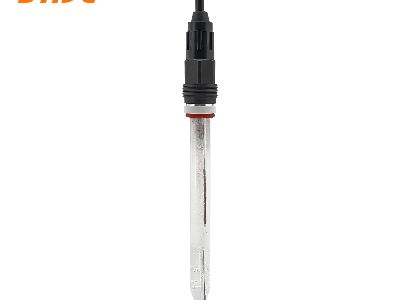
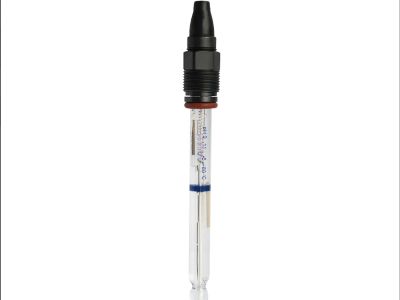
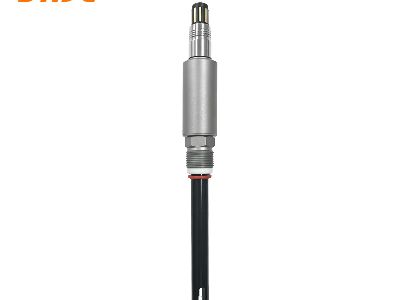
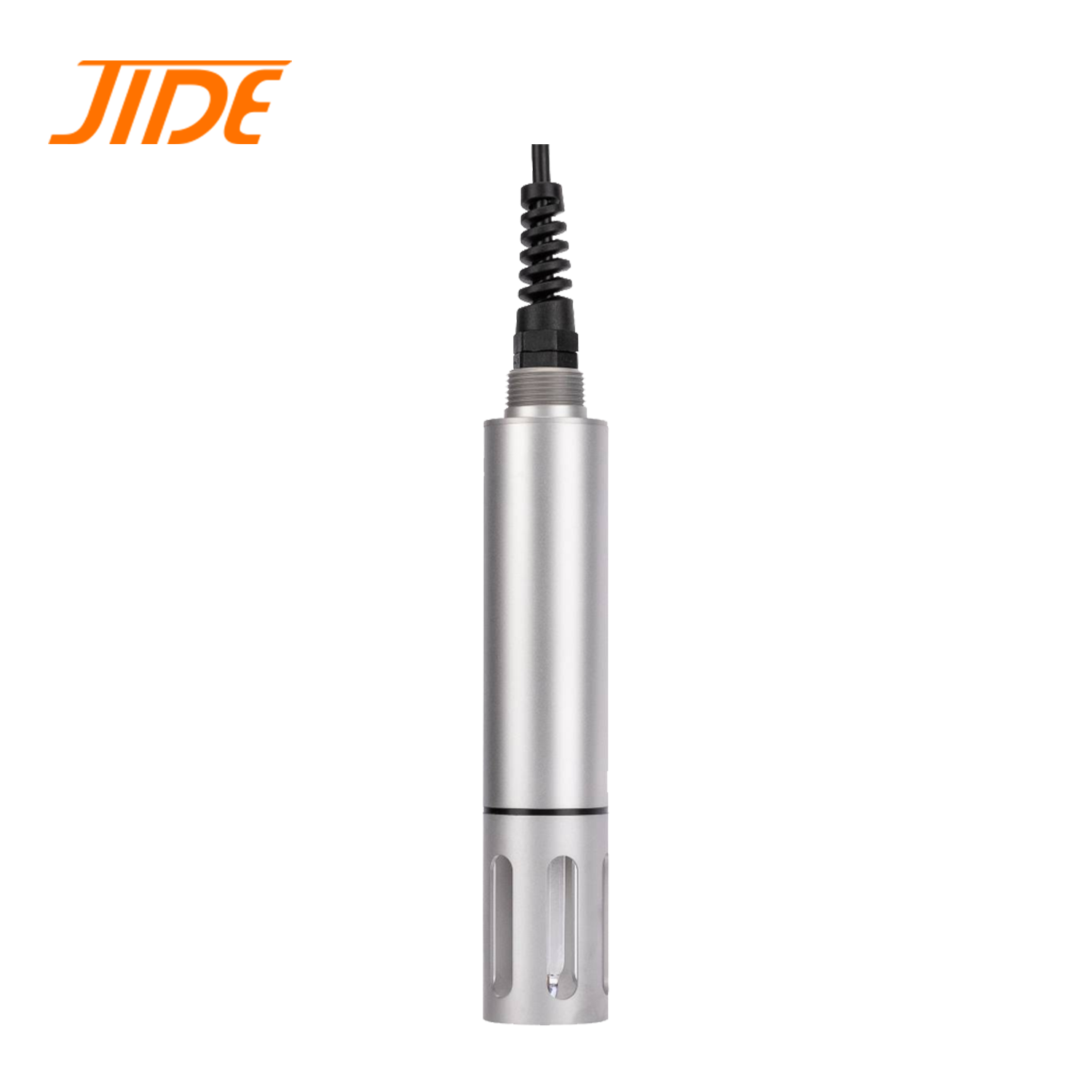
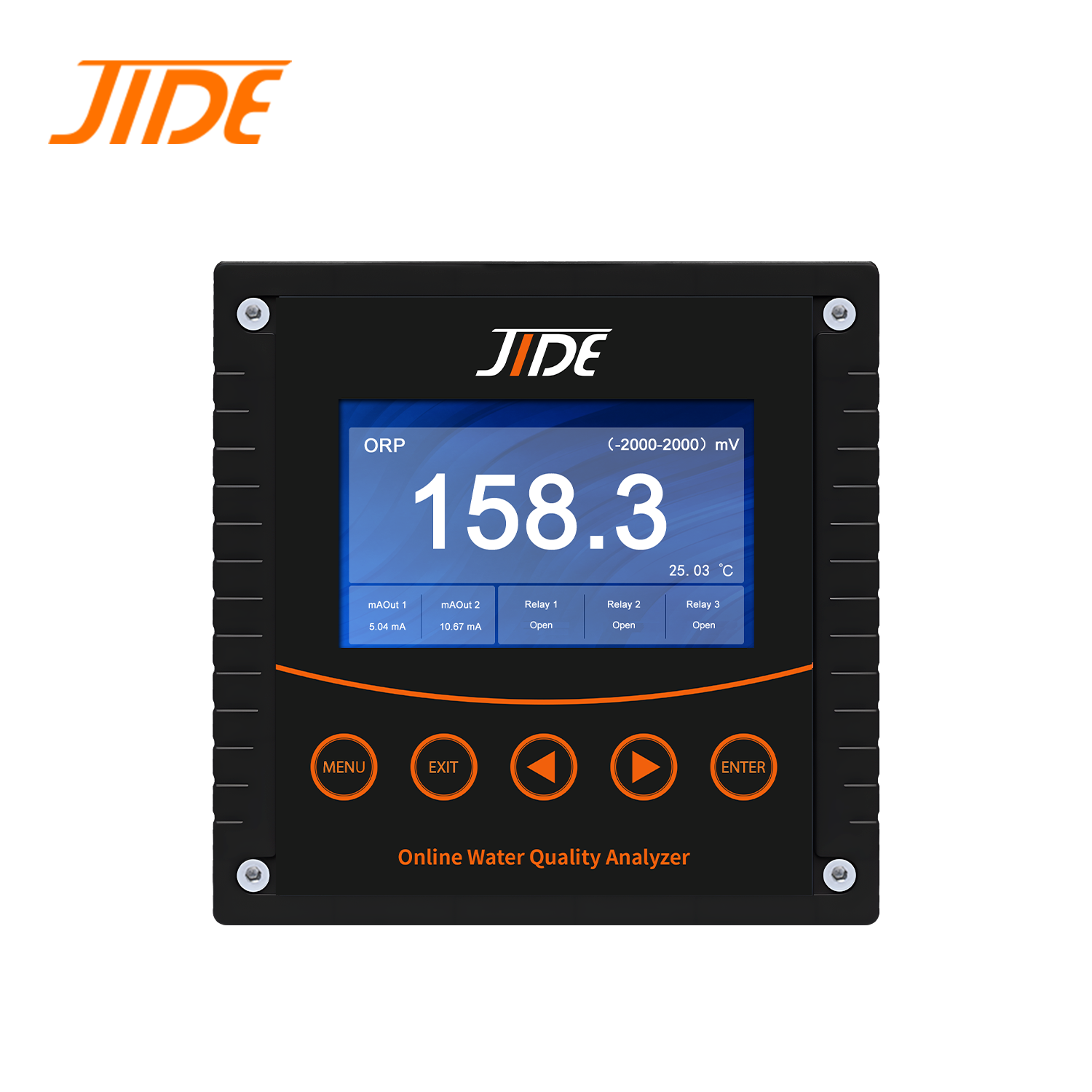
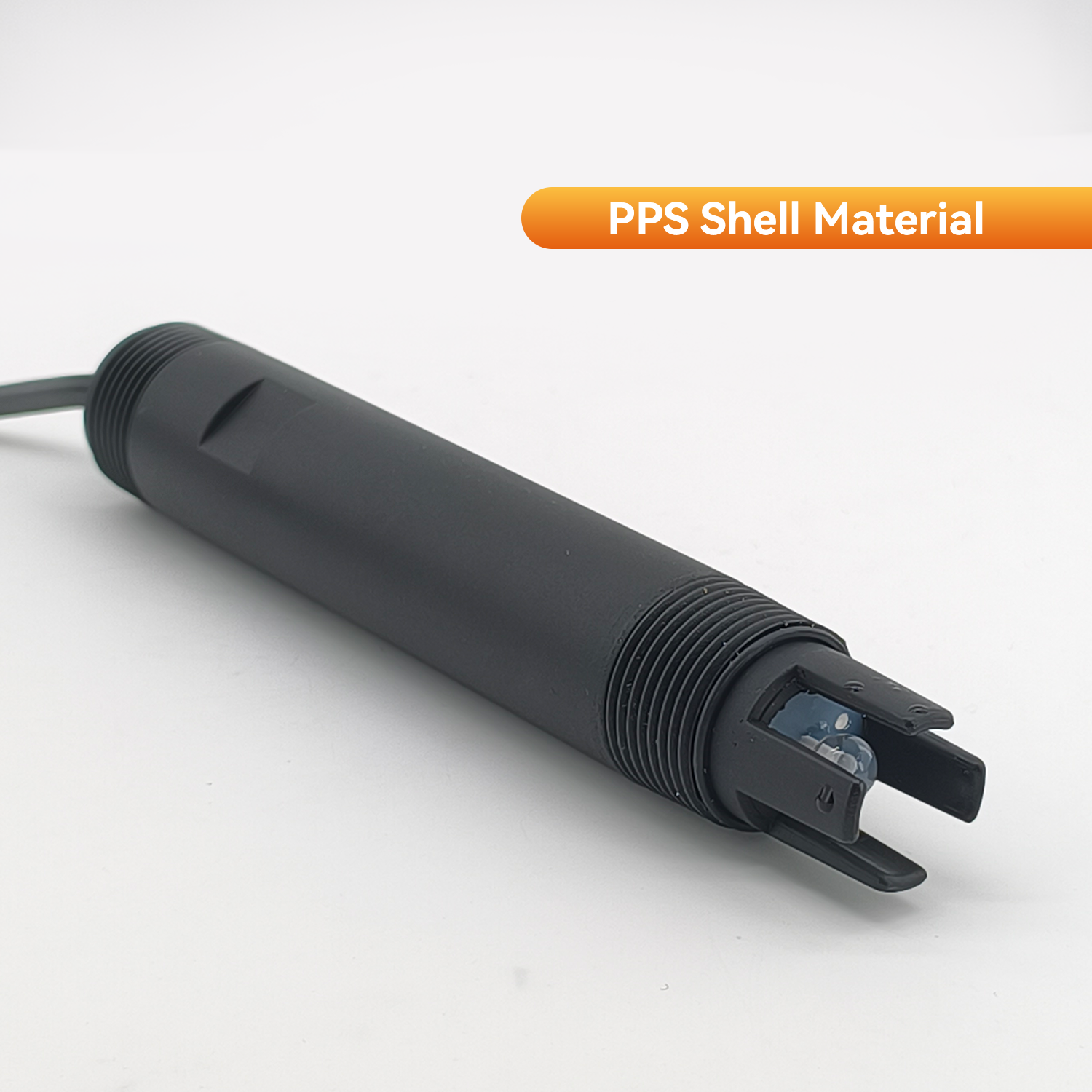
ORP redox sensors are important tools used in many areas, including aquaculture and water treatment. These sensors help measure the oxidation-reduction potential, or ORP, of water. ORP tells us how clean or polluted water is. It can show how much oxygen is in the water and if there are harmful substances. This is vital for keeping fish healthy in aquaculture or ensuring that water is safe for use in industries. JIDE is a company that makes quality ORP redox sensors. Our sensors are reliable and help people manage water better. By using our sensors, users can make informed decisions about the health of their water and keep it clean for their needs.
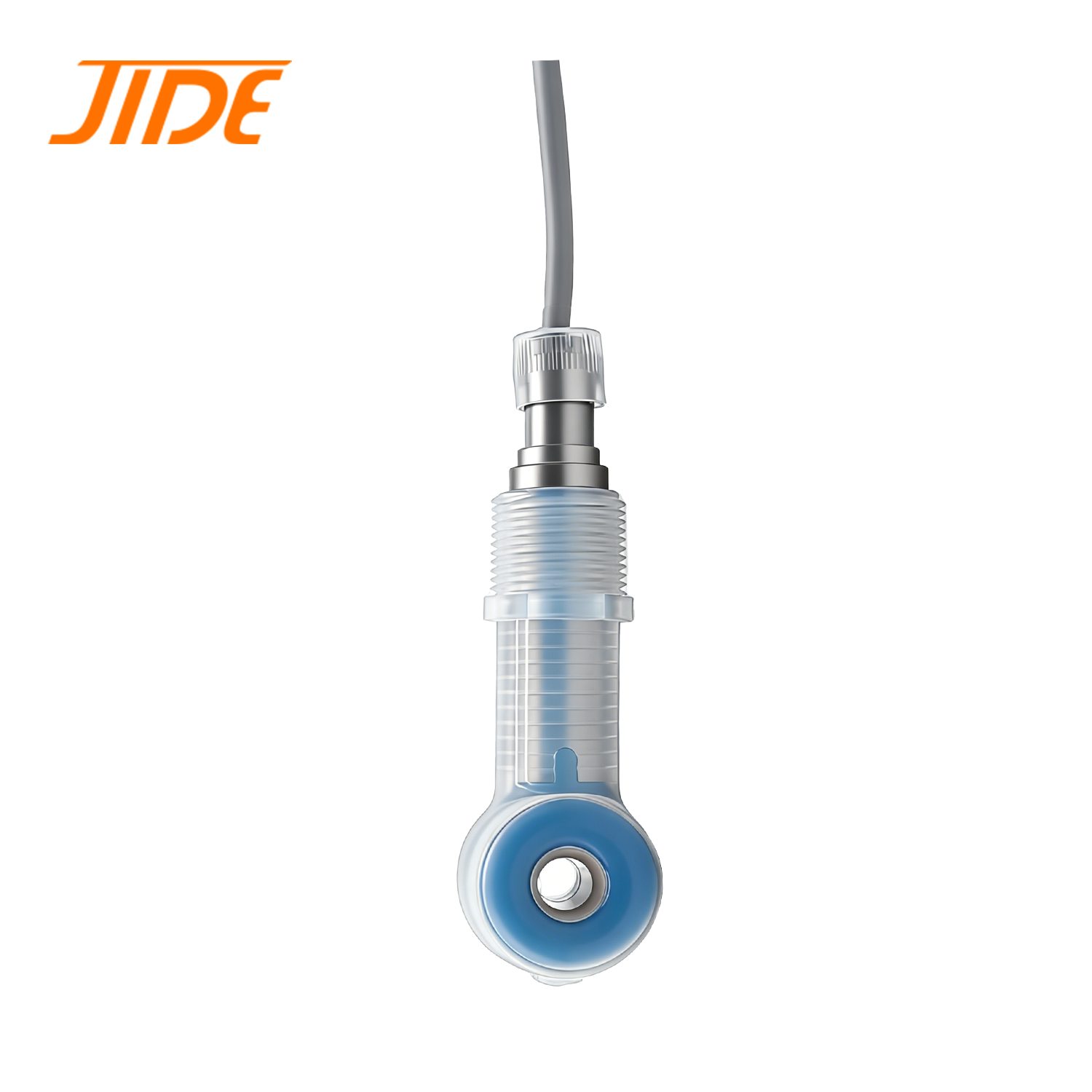
Top Rated PH Sensor for Industrial Water Quality Monitoring
Water quality is very important in industries. Many businesses need clean water for their processes. One way to check the quality of water is by using a pH sensor. JIDE makes top-rated pH sensors that help industries monitor water quality. These sens...
View More