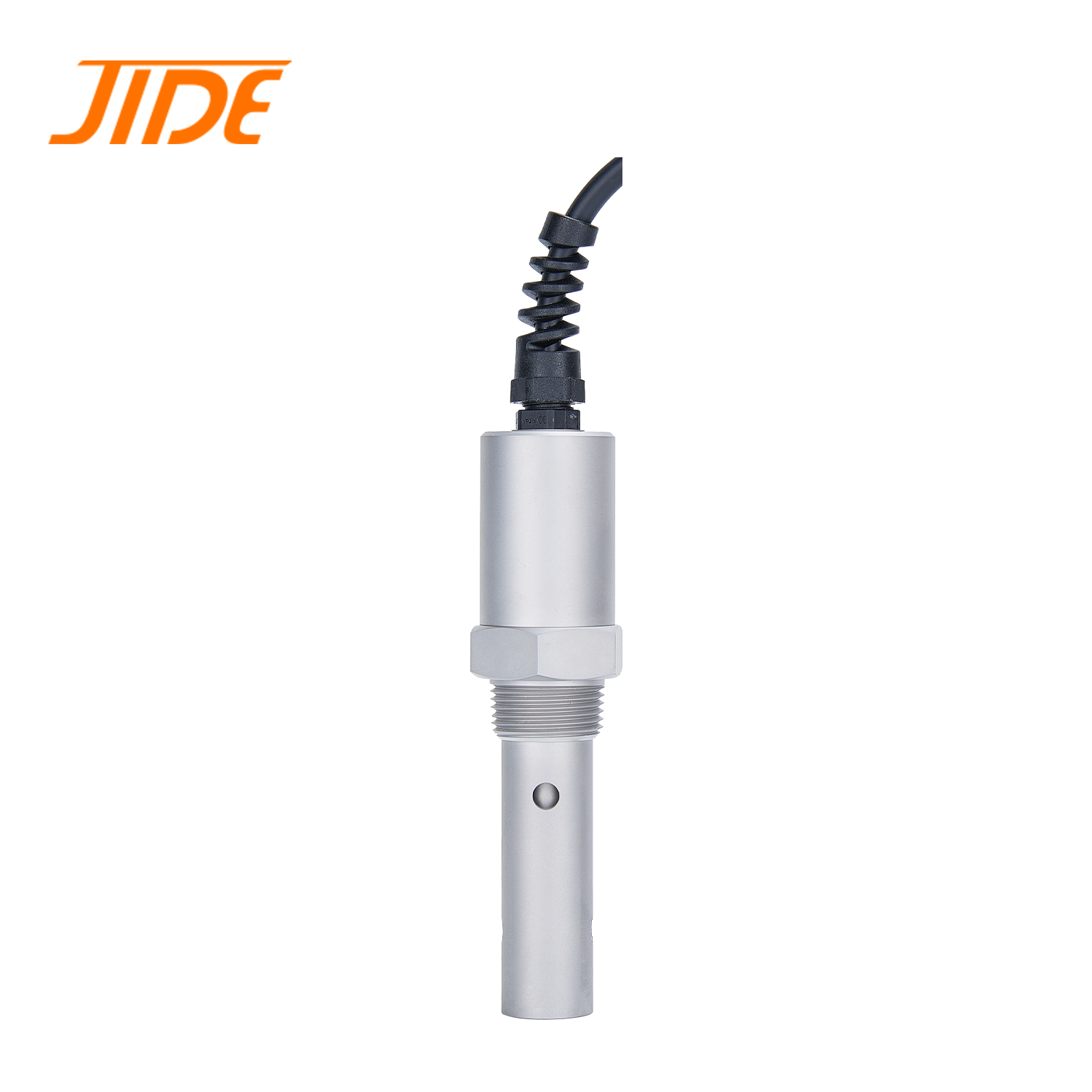
Essential TDS EC Meter for Water Quality Testing

All Categories

tds ec meter

A TDS EC meter is a handy tool  that helps people check the quality of water. TDS stands for Total Dissolved Solids, and EC means  Electrical Conductivity. These terms sound complicated, but they are important for knowing  if your water is safe to  drink or use. When we talk about  TDS, we mean all the tiny bits of stuff that can be found in water, like minerals and salts. If the TDS level is too high, it could mean  that the water isn’t clean. This is  why having a TDS EC meter is  essential. Companies  like JIDE make these meters so you can easily test your water at home or in places like schools and factories. It’s a smart  way to make sure the water you’re using is good for you and your family.

A TDS EC meter is a small device that measures the amount of dissolved solids in water. It works by sending a  small electric current through the water. When there are many dissolved solids, the current flows differently than in pure water. This  change  helps  the meter show numbers that tell you how clean the water is.  For instance, if the TDS level is low, it usually means the water is clean. But if the number is high, it could mean there is pollution or harmful substances. It’s important  to test water because not all water looks dirty to the eye. You might think your tap water is fine, but it could have hidden problems. That’s where the TDS EC meter becomes valuable. JIDE’s meters are designed to be easy to use, so you don’t need to be a scientist to  understand the readings. Just dip the meter into the water, and you can see the results.  This is why schools, homes, and businesses use them. Knowing the quality of water can help you make better choices, like whether to drink it or use it for cooking. In  places where water quality is a big concern, having a TDS EC meter can help keep  everyone safe and healthy. Additionally, for more complex water quality analysis, tools like the Ocean-Specific Online Water Quality Monitoring system can provide detailed insights.
What is a TDS EC Meter and Why It's Essential for Water Quality Testing?

When you use a TDS EC meter, you want to  know if the readings  are correct. Most meters, including those from  JIDE, are pretty accurate, but they can also have some errors. For example, the temperature of the water can change the readings a little bit. If the water is very hot or  very cold, the meter might not give you the exact number. It’s also important to keep the meter clean. If there is dirt or minerals stuck on it, that can affect  the results. Regularly calibrating the meter helps keep it accurate. This means  adjusting it to make sure it reads correctly. Most people can do this  at home with just a little practice. You can also compare your meter’s readings with another trusted meter to see how  close they are. If your readings are similar, that’s a good sign! Remember that different meters might show different numbers, but they should be in the same range. So, while TDS EC meters are generally reliable, it’s important to use them correctly. They are great tools for checking water  quality, but understanding  how they work helps you get the best results. Keeping track of your water quality can really make a difference, especially when you want to make sure you and your loved ones are drinking safe water.

Taking care  of your  TDS EC meter is very important if you want it to work well. A TDS EC meter helps you measure the total dissolved solids  (TDS) and electrical conductivity (EC) in water. This is essential for tasks  like growing plants in hydroponics or raising fish in aquaculture.  First, make sure to keep your meter  clean. After each use, gently rinse the probe with clean water. This helps remove any dirt or chemicals that might  stick to it. If you notice any  build-up, you can use a soft cloth or  a special cleaning solution made for meters. Avoid using harsh chemicals, as  they can damage the probe. To ensure optimal performance, consider utilizing an Industrial Online Water Quality Monitoring system for comprehensive assessments.

Our Blog Posts

Reliable DO Sensor for Dissolved Oxygen Detection in Aquaculture

09

Jul

Reliable DO Sensor for Dissolved Oxygen Detection in Aquaculture

What Are the Latest Trends in DO Sensor Technology for Aquaculture? Keeping fish and shrimp healthy in ponds or tanks is very important. Dissolved oxygen is a big part of that. Fish and other sea creatures need oxygen to breathe, just like we do...
View More
Durable Industry PH Probe for Long-Term Online Water Monitoring

30

Jul

Durable Industry PH Probe for Long-Term Online Water Monitoring

Water is essential for life, and monitoring its quality is very important. One way to do this is by using a pH probe. A pH probe helps us know how acidic or basic the water is. For long-term online water monitoring, choosing a durable pH probe is key...
View More
Advanced COD Sensor for Real-Time Organic Matter Monitoring

14

Aug

Advanced COD Sensor for Real-Time Organic Matter Monitoring

Real-time monitoring of organic matter plays a critical role in maintaining water quality and protecting the environment. One of the most effective tools for this purpose is a Chemical Oxygen Demand (COD) sensor, which measures the amount of oxygen r...
View More
Industrial Process PH Online Monitoring: Key to Stable Production

18

Sep

Industrial Process PH Online Monitoring: Key to Stable Production

Monitoring the pH level in industrial processes is very important for businesses that want to keep their production stable. JIDE focuses on making this monitoring easier and more efficient. When companies know the pH levels of their materials and pro...
View More

Get a Free Quote

Our representative will contact you soon.
Email
Name
Company Name
Message
0/1000

Related product categories

How Accurate Are TDS EC Meters? Understanding Measurement Reliability

How Accurate Are TDS EC Meters? Understanding Measurement Reliability

Another important tip is to calibrate your meter.  Calibration helps ensure that your  meter  gives accurate readings. You can do  this by  using  calibration solutions that  are designed  for TDS EC meters. Follow the instructions provided by JIDE to calibrate your meter correctly. This usually involves dipping the probe into  the  calibration solution  and adjusting the meter until it reads the correct value. Doing this  every few weeks or after a lot of uses will help keep your readings accurate. Lastly,  always read  the  manual that comes with  your  JIDE  meter. It contains helpful information on how to take  care of your specific model and troubleshoot any problems you may  encounter.

How to Maintain Your TDS EC Meter for Optimal Performance

How to Maintain Your TDS EC Meter for Optimal Performance

Another benefit of using a  TDS EC meter is that it saves time and  effort. Instead of guessing what the water quality  is, you  can get quick and accurate readings.  This allows you  to make informed  decisions about your plants or fish. With  a reliable TDS EC meter like the  JIDE model, you  can easily monitor changes over  time. This information is valuable for both beginners and experienced growers and  farmers. Knowing when to change the  water or adjust nutrient levels can  lead  to better growth and bigger yields. Overall,  using a TDS  EC  meter  is a smart choice for  anyone involved in hydroponics or aquaculture.

What Are the Benefits of Using TDS EC Meters in Hydroponics and Aquaculture?

What Are the Benefits of Using TDS EC Meters in Hydroponics and Aquaculture?

Interpreting  TDS  and EC readings from your meter is essential for  managing water quality. TDS  stands for  total dissolved solids, and it  tells you how many particles are in the water. EC,  or electrical conductivity, measures how well the  water can conduct electricity, which usually  relates to the number of ions in the  water.  To understand these readings, you first  need to know  what the numbers mean. For  TDS, a reading of 0-50 parts  per  million (ppm) is generally  good for drinking water, but for hydroponics or aquaculture, you might want a TDS level between 200-800 ppm, depending on the  plants  or  fish you are growing.

Choose your global partner

Are you ready to consult with an engineer about your working conditions and specific needs?

Get a Quote

Get a Free Quote

Our representative will contact you soon.
Email
Name
Company Name
Message
0/1000