Digital Water Tester for TDS Measurement

All Categories

tds meter digital water tester

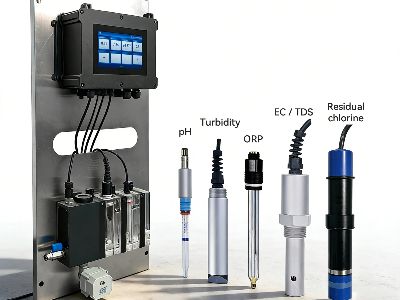
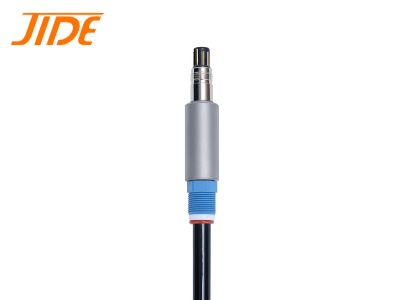
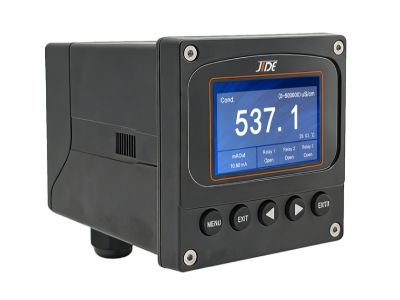
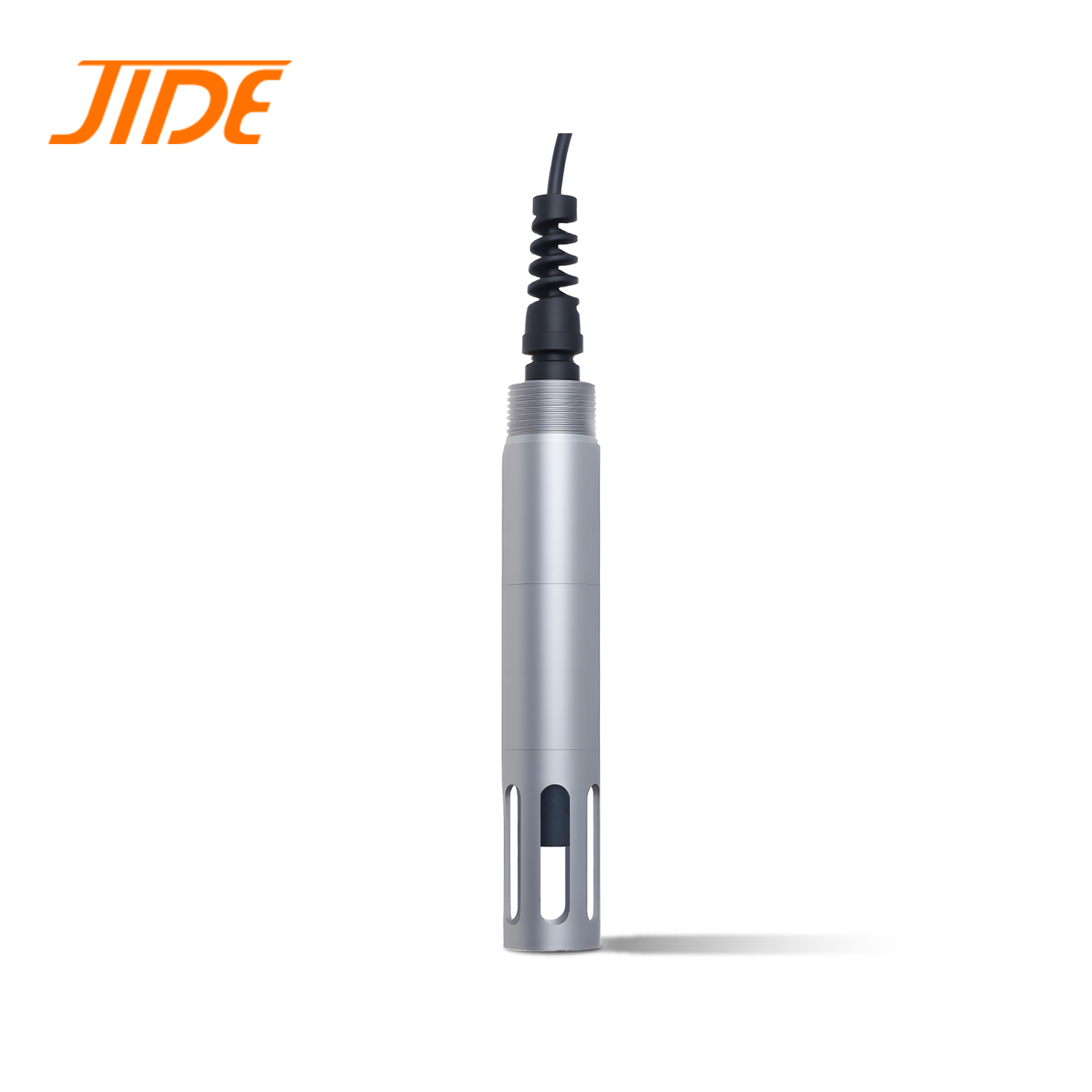
What is a TDS Meter and Why It's Essential for Water Quality Testing? A TDS meter is a small electronic device that you can hold in your hand. It has two metal probes  that you put into the water. When you turn it on, it sends out a small electric signal. This signal can find the tiny particles in the water. The meter then shows a number on its screen, which tells you  how many particles are in the water. A lower number usually means cleaner water. For example, if the reading is below 300, the water is often considered safe to  drink. If it's higher, like 1000 or more, it might be wise to avoid using that water. This is why having a TDS  meter is very important. It helps families and businesses know what’s in their water. Using  a TDS meter can also help people who  have aquariums or hydroponic systems, as the quality of water is crucial for fish and plants. With a TDS meter from JIDE, you can easily check your water quality anytime, making it a useful  tool for anyone who cares  about their health and the environment. Additionally, for more precise measurements in different environments, consider our Pipeline flow meter.

What are the Common Usage Issues  with Digital TDS Meters? Even though TDS meters are great tools, they can sometimes have problems. One common issue is that people may not use them correctly. For example,  if the probes are dirty or not fully submerged, the reading might be wrong. It's  important to clean the probes after each use to get accurate results. Another problem is that some users might forget to calibrate their meters. Calibration is like setting the clock on a  watch; it makes sure the meter gives the right  readings. If you don't calibrate your meter, it might show a number that isn’t accurate. Also, some people might not know what the numbers mean. A reading of 500 could seem high, but it depends on the type of water you are testing. Some sources, like tap water, can  be higher than natural spring water. It’s important to know the context of the numbers to  understand the quality of water properly. Lastly,  some TDS meters might  run out of battery quickly, so it’s a good idea to check the batteries often. If you take care of these  common issues, using a TDS meter can be  very easy and helpful. With JIDE’s TDS meters, you can trust that you are getting a reliable product that is designed for simple use and accurate  readings.
What is a TDS Meter and Why It's Essential for Water Quality Testing?

When choosing  a digital water tester, like the TDS meter  from JIDE, there are some important features you should consider. First, look for how easy it is to read. A clear screen that shows numbers is very helpful. You want to make sure you can see the results without straining your eyes. Next, think about how accurate  the tester is. A good TDS meter should give you results that are correct and reliable. This means you can trust the numbers it shows you. Another thing to consider is how fast it gives you results. A  quick reading is nice because you won’t  have to wait long to  know if your water is good  or not. You should also check if the tester is portable. A small and lightweight meter from JIDE is easy  to carry around, so you can test water from different places, like your home, school, or  even while traveling. For enhanced performance in various applications, consider our Industrial Online Water Quality Monitoring.

Also, a good TDS meter  should be durable. You  want a device that can handle being dropped or bumped without  breaking. Some testers come with protective cases, which  is a great bonus. Another feature  to look  for is the battery  life. You don’t want your  tester to  run out of battery when you need it most. A long-lasting battery means  you can use it many times without having to charge it. Lastly, think about the price.  While you want a good quality tester, you also need to stay within your budget. JIDE offers a range of affordable options that don’t skimp on quality. Keep these features in mind when choosing your digital water tester, and you’ll find one that works great for your needs.

Our Blog Posts

Online Water Quality Monitoring Solutions for Industrial Applications

01

Jul

Online Water Quality Monitoring Solutions for Industrial Applications

Water is a vital part of many industries. Factories, farms, and plants all need clean water to work properly. When water quality is poor, it can cause big problems. Companies can lose money, face legal issues, and hurt the environment. That’s why it ...
View More
Professional ORP Sensor for Water Disinfection Monitoring

11

Jul

Professional ORP Sensor for Water Disinfection Monitoring

Professional ORP Sensors for Reliable Water Disinfection and Water Quality MonitoringWater is essential for life, and keeping it safe and clean is a top priority. One of the most effective ways to maintain water quality is through continuous monitori...
View More
Advanced COD Sensor for Real-Time Organic Matter Monitoring

14

Aug

Advanced COD Sensor for Real-Time Organic Matter Monitoring

Real-time monitoring of organic matter plays a critical role in maintaining water quality and protecting the environment. One of the most effective tools for this purpose is a Chemical Oxygen Demand (COD) sensor, which measures the amount of oxygen r...
View More
TDS Meter Usage Guide for Drinking Water Quality Inspection

03

Oct

TDS Meter Usage Guide for Drinking Water Quality Inspection

A TDS meter is a helpful tool for checking the quality of drinking water. TDS stands for Total Dissolved Solids. It tells us how many tiny bits, like minerals or salts, are mixed in the water. Knowing this is super important because too many solids c...
View More

Get a Free Quote

Our representative will contact you soon.
Email
Name
Company Name
Message
0/1000

Related product categories

What are the Common Usage Issues with Digital TDS Meters?

What are the Common Usage Issues with Digital TDS Meters?

If you’re new to  using  a  TDS  meter,  don’t worry! It’s easy to learn how to use one, especially with a brand like JIDE. First, you need to know what TDS means. TDS stands for Total  Dissolved  Solids. This refers to all the tiny things  that can be found in water, like minerals,  salts, and metals. Too many  dissolved solids can make water unsafe  to drink. That’s why using a TDS  meter is so important. To start, you should fill a clean glass or  container with the water you want to test.  Make sure there are no bubbles in the water, as  they can affect the reading. Next,  turn on  your JIDE TDS  meter. Simply press the  button, and it will  light up your screen.

What Features to Look for in a Reliable Digital Water Tester?

What Features to Look for in a Reliable Digital Water Tester?

Now, carefully  place  the meter’s probe into  the water. Make sure the metal part is completely submerged, but do  not let the water  touch the part  where you hold it.  Wait a few seconds  until the numbers on  the screen stabilize. This means the meter has finished measuring the TDS level. The number you see is the TDS reading.  Generally, a reading below 300 is considered  good for drinking water, while higher numbers might mean the water is not safe. After you’re done testing, take the  meter out  and rinse the probe with clean water. This will help keep it in good condition. Don’t forget to turn off  the meter after using  it to save battery. With a little  practice, using  a TDS  meter from JIDE will become  second nature, and you’ll be able to check your  water quality easily! For comprehensive water analysis, you might also explore our Drinking Water/Pool Online Analysis.

A Guide for Beginners

A Guide for Beginners

To keep your TDS meter working well,  it’s important to take care of it.  Regular maintenance will help ensure that you get accurate results every time you test your  water.  First, always remember  to clean the probe after each use. After  you  take a measurement,  rinse the metal part gently with  clean water. This  helps  remove any  dirt or chemicals that might be stuck on it. Avoid using soap or other cleaners on the probe, as they can leave  a  residue that affects  future readings. Just plain water is best.  Once  in a while, you should also do a deeper  cleaning. You can soak the probe in a solution of vinegar and water for a few minutes. This helps remove  any buildup that might be  hard to see.

Choose your global partner

Are you ready to consult with an engineer about your working conditions and specific needs?

Get a Quote

Get a Free Quote

Our representative will contact you soon.
Email
Name
Company Name
Message
0/1000