Benefits of Turbidity Sensors for Water Quality

All Categories

turbidity sensor

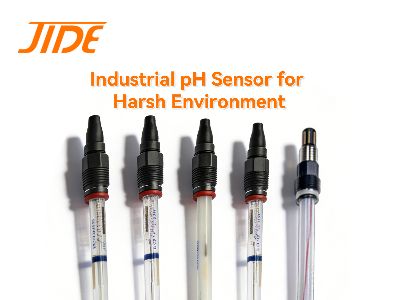
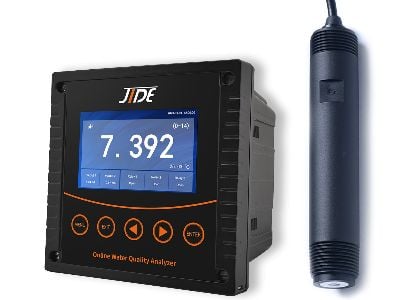
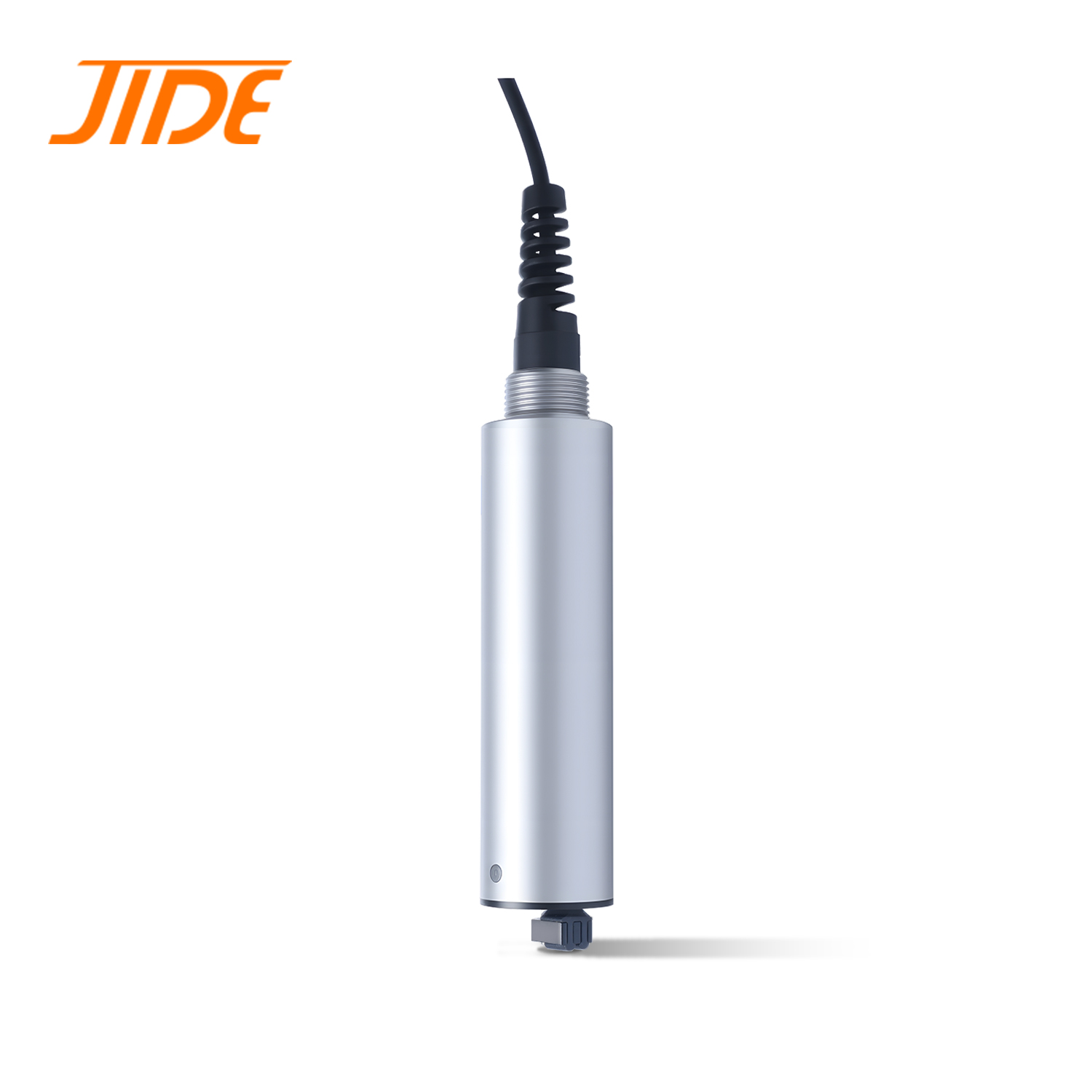
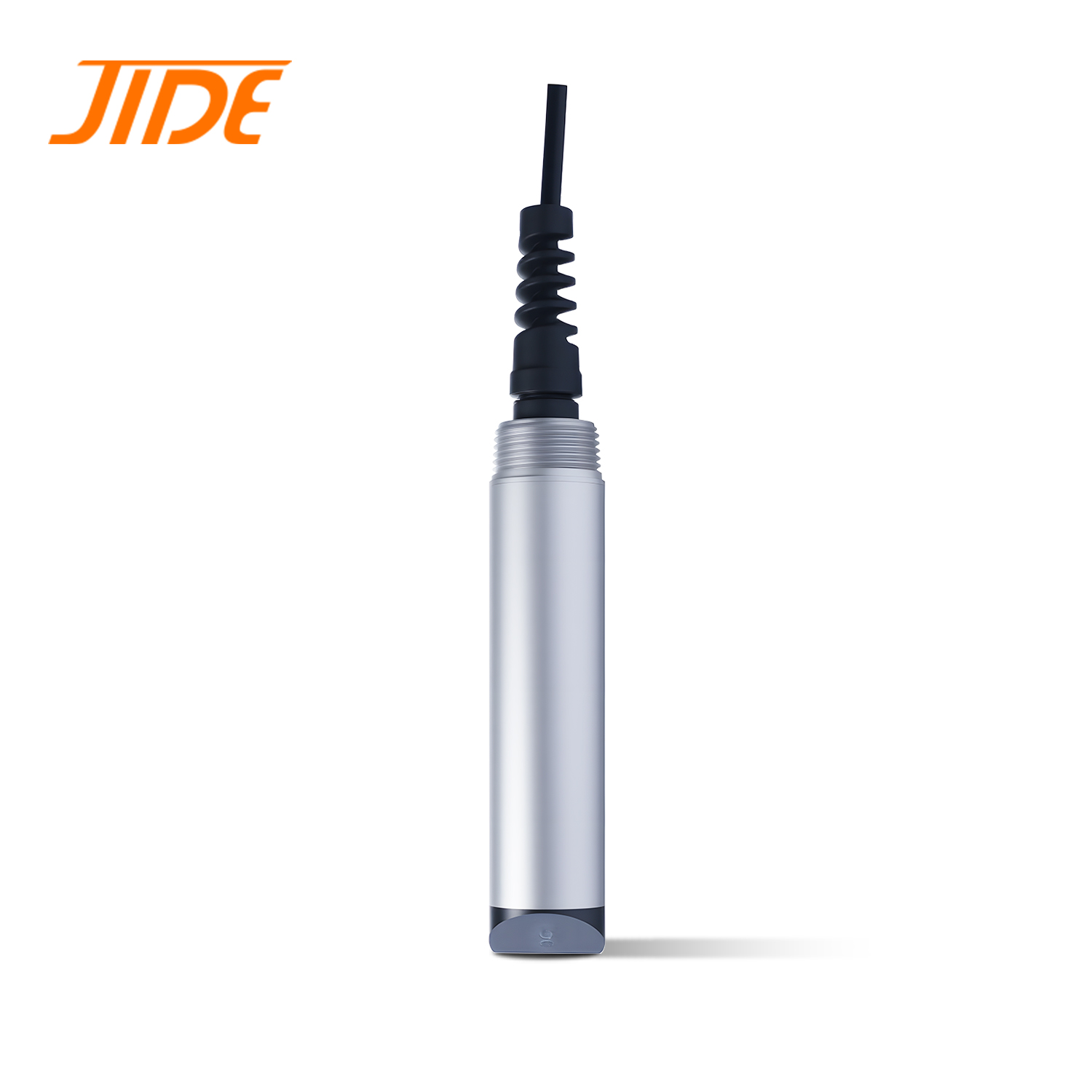
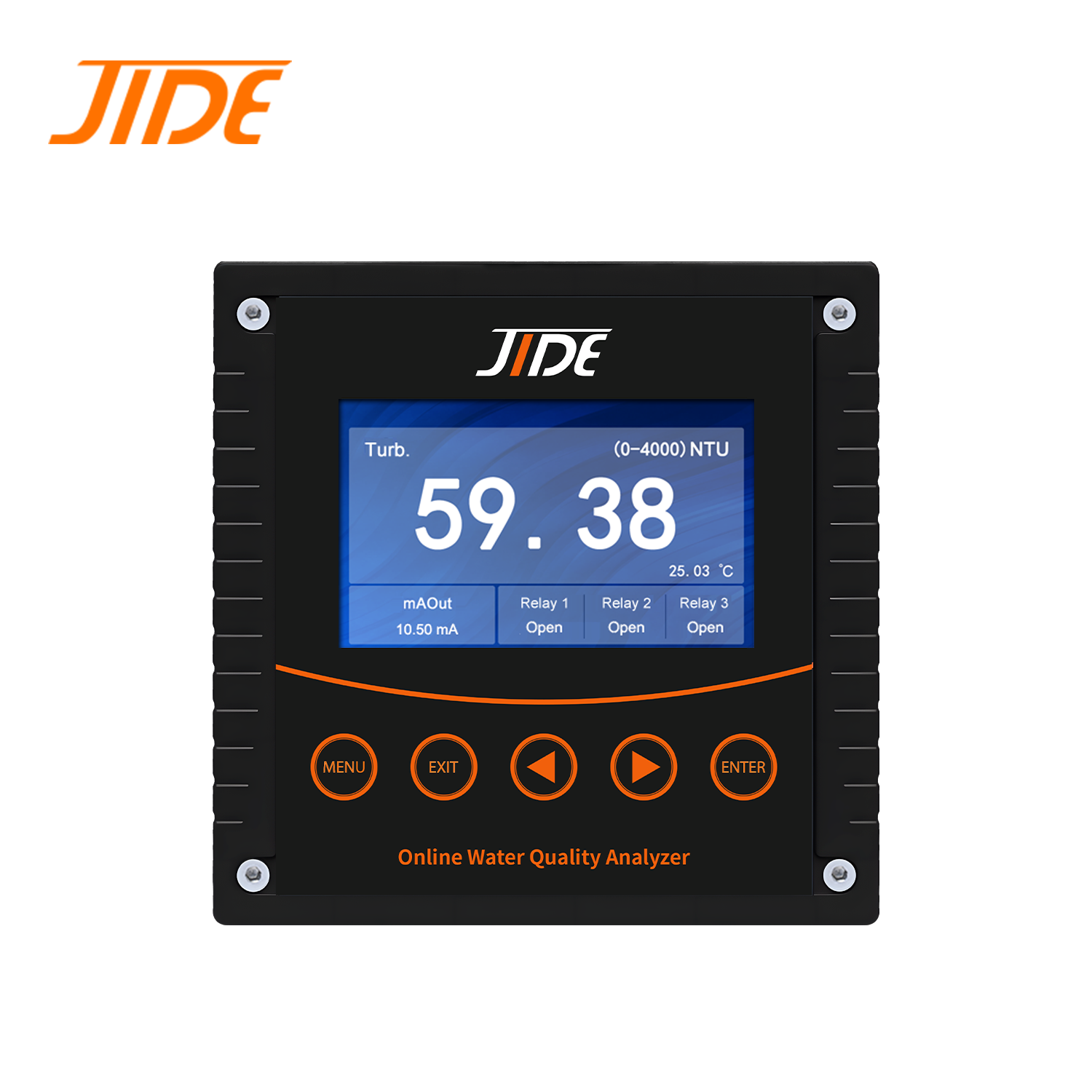
Turbidity sensors  are  important tools that help us understand the quality of water. Turbidity is a measure of how clear or cloudy water is.  When water has a lot of tiny particles like dirt or  algae, it becomes cloudy. This can  happen  in  rivers, lakes, or even  in drinking water  sources. Using a turbidity sensor can  help people  know when water is dirty and needs to  be  cleaned. This is very important for  keeping both people and  the environment safe. At JIDE, we  focus  on making high-quality turbidity sensors that  are easy  to use and very reliable. Additionally, our Industrial Online Turbidity Analyzer is specifically designed for precise monitoring.
 

What Are the Key Benefits of Using a Turbidity Sensor for Water Quality Monitoring?

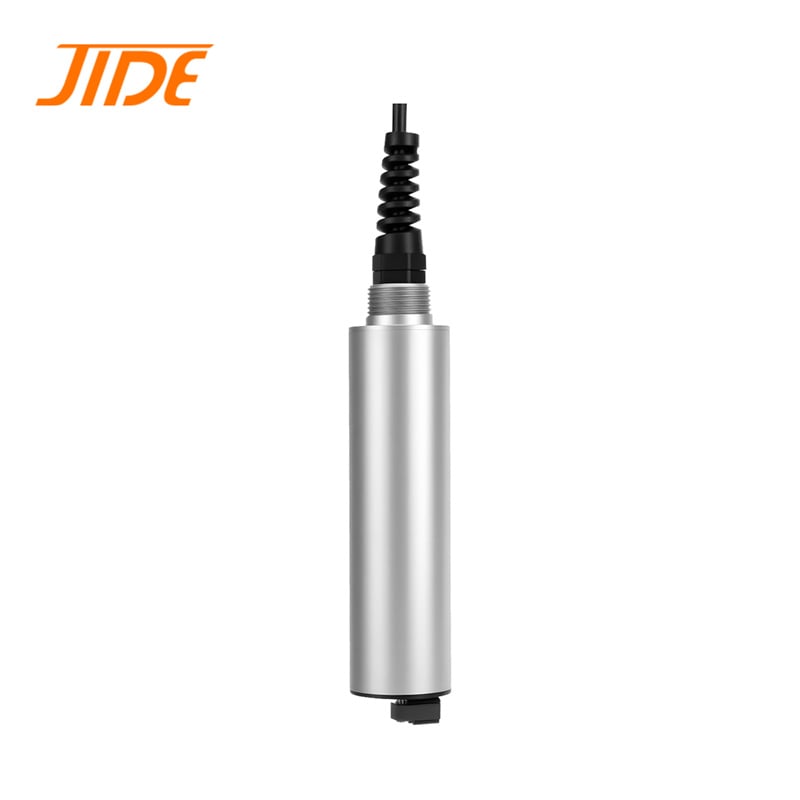
What Are the Key Benefits  of Using  a Turbidity Sensor for Water Quality Monitoring?  Turbidity sensors provide several  important benefits when it comes to monitoring water quality. First,  they help detect pollution  early. If there are sudden changes in turbidity, it can indicate that  something harmful is entering the water. For example, during heavy rains, runoff from streets can wash dirt and chemicals into nearby rivers. A turbidity sensor can quickly alert water treatment facilities to this problem. Secondly,  these sensors  can  help  in protecting aquatic life. Fish and other animals need clean water to thrive.  When the water is cloudy, it can harm them. By using turbidity sensors, cities can ensure that water stays clean and safe for wildlife. Also, turbidity sensors can save money. By catching problems early, water treatment plants can  avoid more costly repairs and cleanup later. Additionally, they can help meet regulations that require clean drinking  water. Governments often  set limits on how much turbidity is acceptable. Using these sensors  makes it easier to stay  within these limits. This not only helps public health but also builds trust with the community. Lastly, turbidity sensors are easy to  install and maintain. With  JIDE's products, users can quickly set them up and begin monitoring water quality right away. These sensors can be used in many places, from small ponds to large lakes.  Overall, using turbidity sensors is a smart choice for anyone who cares about clean water and the health of the environment.

Our Blog Posts

High Accuracy Turbidity Sensor for Wastewater Treatment Plants

17

Jul

High Accuracy Turbidity Sensor for Wastewater Treatment Plants

Turbidity sensors are important tools in wastewater treatment plants. These sensors help measure how clear or cloudy water is. When water is not clear, it can mean that there are too many tiny particles, like dirt or bacteria. This can be a problem f...
View More
Stable COD Online Analyzer for Continuous Wastewater Monitoring

29

Aug

Stable COD Online Analyzer for Continuous Wastewater Monitoring

When it comes to keeping our water clean, we need special tools to help us. One important tool is the COD (Chemical Oxygen Demand) online analyzer. This device helps us check how much pollution is in wastewater all the time. Having a reliable analyze...
View More
Industrial Process PH Online Monitoring: Key to Stable Production

18

Sep

Industrial Process PH Online Monitoring: Key to Stable Production

Monitoring the pH level in industrial processes is very important for businesses that want to keep their production stable. JIDE focuses on making this monitoring easier and more efficient. When companies know the pH levels of their materials and pro...
View More
Conductivity Sensor Application in Pure Water Production Lines

28

Sep

Conductivity Sensor Application in Pure Water Production Lines

Pure water is very important for many things, from drinking to making products. At JIDE, we make sure that pure water production is done the right way. One key part of this process is the conductivity sensor. This ph sensor helps us check how cl...
View More

Get a Free Quote

Our representative will contact you soon.
Email
Name
Company Name
Message
0/1000

Related product categories

Where to Buy High-Quality Turbidity Sensors at Competitive Prices

Where to Buy High-Quality Turbidity Sensors at Competitive Prices

Where  to Buy High-Quality  Turbidity  Sensors at Competitive Prices? If you're looking to buy turbidity sensors, JIDE is the place to go. We offer a range of  turbidity sensors that are known for  their quality and accuracy. One great thing about JIDE's  sensors is that they are designed to be user-friendly. This means that whether  you are  a student,  a researcher,  or a business owner, you can easily understand how to use them. You can find our turbidity sensors on our website,  where we provide detailed information about  each product. We also have a helpful customer service team ready to answer any questions you might have. When buying a turbidity sensor,  it’s important to consider both quality and price. At JIDE,  we strive to offer competitive prices without sacrificing quality. This  means you get a reliable  product that won’t break the bank. You can also check for discounts or special offers on our website. If you are buying in bulk, we can provide special pricing  to help you save even more. Lastly, we pride ourselves on fast  shipping, so you won’t have to wait long to receive your sensor. With JIDE, you  can be confident that you are getting a  top-notch product at a great price, along with excellent support. Our Online Water Quality Monitoring solutions also complement our turbidity sensors.

What Common Issues Do Users Face with Turbidity Sensors?

What Common Issues Do Users Face with Turbidity Sensors?

Turbidity sensors are important  tools used to measure how clear or cloudy water is.  They help in many places  like rivers, lakes,  and factories. However, people who use these sensors often face some problems. One common issue is that the sensors  can get dirty. When mud, algae, or other particles stick to the sensor, it can give wrong readings. This is  like trying to see through a dirty  window. If the sensor  is dirty, it won’t show the  true clarity of the water. Regular cleaning is really important to keep the sensors working well. Another problem is that turbidity sensors can be affected by temperature changes. If the water gets too hot or too cold, it can change how the sensor works. This might  lead to  inaccurate readings. Users need to make sure the sensors are designed to  handle different temperatures. Sometimes, the sensors can also face issues  with the type of  water they are measuring. For example, in muddy water, the sensor might have trouble picking up the right turbidity level. This is because the particles in muddy water can scatter light in different ways. Users should  understand the type of water  they are testing and choose the right sensor for that job. Lastly, some people find it hard to read the data from the sensors. If the display is complicated, it can  confuse users. It’s important  for sensor  makers like JIDE to create easy-to-read displays and clear instructions so that everyone can understand  the readings without difficulty.

How to Optimize Your Water Quality Analysis Using Turbidity Sensors

How to Optimize Your Water Quality Analysis Using Turbidity Sensors

To get the best results from turbidity sensors, users must take some steps to optimize  their water quality analysis. First, it’s important to  choose the right sensor for the specific type of water being tested. For instance, if you are checking water from a river that often has floating debris, a sensor designed for that environment will work better. Users should  also pay attention to the location of the sensor. Placing it in a spot where water flows smoothly will help get more accurate readings. If water  is  stagnant or there are obstacles, it can affect the sensor's performance. Another way  to improve results is to regularly calibrate the sensors. Calibration means  adjusting the sensor to make sure it gives accurate readings. Users should check the manufacturer’s guidelines on how often to calibrate. JIDE recommends calibrating turbidity sensors before important tests to ensure they are working properly. Additionally, it’s  helpful to take multiple  readings  over  time. Instead  of relying on just one reading,  taking several helps to see trends in  water  quality. This way, users  can notice if the water is getting clearer or cloudier. Finally, keeping good records of the readings is essential. Writing down the data helps users track changes in water quality over time. They can often find patterns or problems that need attention. By following these steps, users can make the most out of their turbidity  sensors and ensure they are analyzing  water quality  effectively.

 
Choose your global partner

Are you ready to consult with an engineer about your working conditions and specific needs?

Get a Quote

Get a Free Quote

Our representative will contact you soon.
Email
Name
Company Name
Message
0/1000