
 EN
EN
What are the differences between the three clarity indicators in wastewater treatment plants? Distinguishing between turbidity, SS, and transparency
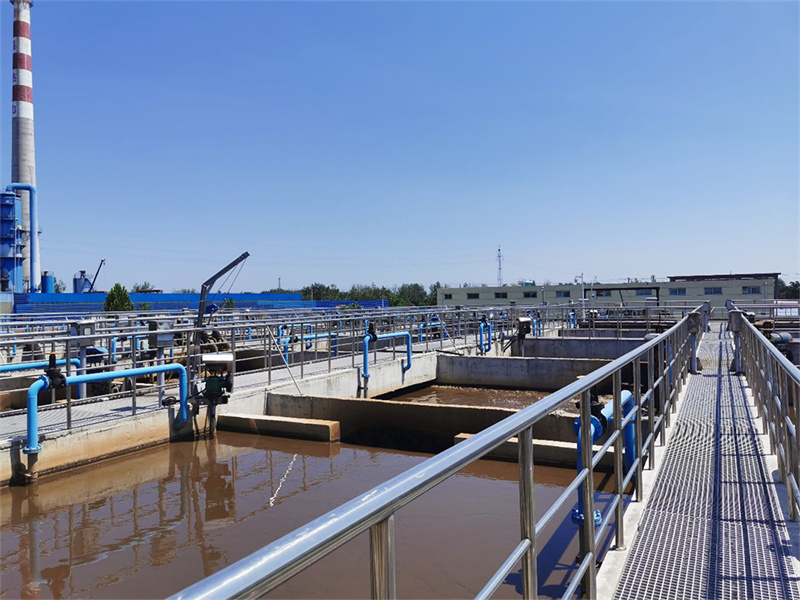
In wastewater treatment plants, three clarity indicators are frequently mentioned: turbidity, transparency, and suspended solids (SS). They represent three different dimensions of clarity evaluation: mass concentration, optical properties, and sensory perception. The standard test method for suspended solids is the gravimetric method, which involves passing a water sample through a filter membrane with specific pores and drying it to a constant weight. The unit of measurement is mg/L. Theoretically, this mass concentration indicator cannot be monitored online and must be dried and weighed. Substances affecting suspended solids include silt, clay, and large-radius microorganisms. Turbidity is defined as the degree of light scattering by suspended particles in water. The standard test method is the 90° scattering light method, which tests the ability of suspended particles to interfere with light propagation. The unit is NTU (or FTU, formalin turbidity unit). Many substances affect turbidity, such as silt, microorganisms, algae, particulate organic matter, and microbubbles.
Why is the 90° Scattered Light Method the Mainstream Solution for Online Turbidity Testing?
This method involves emitting a directional parallel beam of light into a water sample from a light source. A photodetector is positioned at a 90° angle perpendicular to the incident light. When the light strikes suspended particles in the water sample, it is scattered. The scattered light travels in all directions, but the photodetector only collects the intensity of the lateral scattered light, from which the turbidity value is calculated (the intensity of lateral scattered light is proportional to the particulate matter in the water). This is the most mainstream online turbidity testing solution, used by leading brands in the water quality monitoring market such as E+H, Hach, JIDE, and OPTEX.
Comparison of Turbidity Water Quality Standards in Various Countries
Turbidity standards in various countries focus on three areas:
1. Drinking water (mandatory standards, high standards);
2. Surface water (classified according to water body function, usually managed in conjunction with transparency);
3. Industrial wastewater (usually calculated as suspended solids).
Here are examples of standards from major countries and regions: The US EPA standard stipulates that turbidity of ordinary surface water such as rivers and lakes should be controlled between 25-150 NTU; drinking water turbidity should be below 1 NTU; the standard for industrial discharge outlets is suspended solids (TSS), with a control value between 30-100 mg/L.
China's surface water standards stipulate turbidity below 25 NTU (Class V water) and below 10 NTU (Class III water). For urban wastewater treatment plant discharges, calculated by TSS, the highest discharge standard is below 10 mg/L, and the limit for discharge into pretreatment networks is 50 mg/L; the turbidity limit for drinking water outlets is 1 NTU.
The EU EN ISO 7027 system stipulates that the guiding limit for applied water is below 4 FNU; the requirement for conventional effluent from urban wastewater treatment plants, calculated by TSS, is below 35 mg/L, and for high-standard sensitive water bodies, it is below 15 mg/L; surface water requires coordinated control of transparency and turbidity, and the requirement for source water is generally below 5 NTU.

Why Are Your Turbidity Measurements Always Inaccurate?
Pain Point 1: Industrial wastewater from some industries is colored and has low transparency, typically such as coking wastewater, dyeing wastewater, or wastewater with high levels of large particles. This leads to unstable turbidity sensor readings, with significant fluctuations and an overall significantly lower reading.
Interference Mechanism: Traditional turbidimeters based on the principle of scattered light measure the intensity of the light signal returning to the detector. If the water is colored, some of the scattered light will be absorbed prematurely, weakening the light signal received by the detector and resulting in a lower measurement value. Large suspended particles can also cause reading fluctuations as they pass through the light transmission path.
Solution: Turbidimeters based on 860nm infrared light effectively avoid interference from color. Simultaneously, an algorithm needs to be configured, using a ratio measurement method to adjust the light signal compensation algorithm to eliminate errors caused by large particle movement and color. Currently, mainstream models using this solution include HACH TSS-Sc, E+H's CUS51D Turbimax, and JIDE's WQ3000-TSS/Turb.
Pain Point 2: In advanced wastewater treatment processes, such as membrane treatment, MBR, reverse osmosis feed water, or secondary sedimentation tank treatment, when the effluent is very clear (typically turbidity less than 1 NTU), the turbidity meter's response speed decreases, or the reading suddenly rises sharply when the water sample is stable.
Interference Mechanism: Bubble interference. Bubbles generated by unstable flow rates significantly interfere with turbidity measurements at low turbidity levels, leading to falsely high test values. Uncalibrated instruments can introduce chaotic internal light signals, affecting the already very small amount of scattered light during low turbidity measurements, resulting in a decreased equipment response speed.
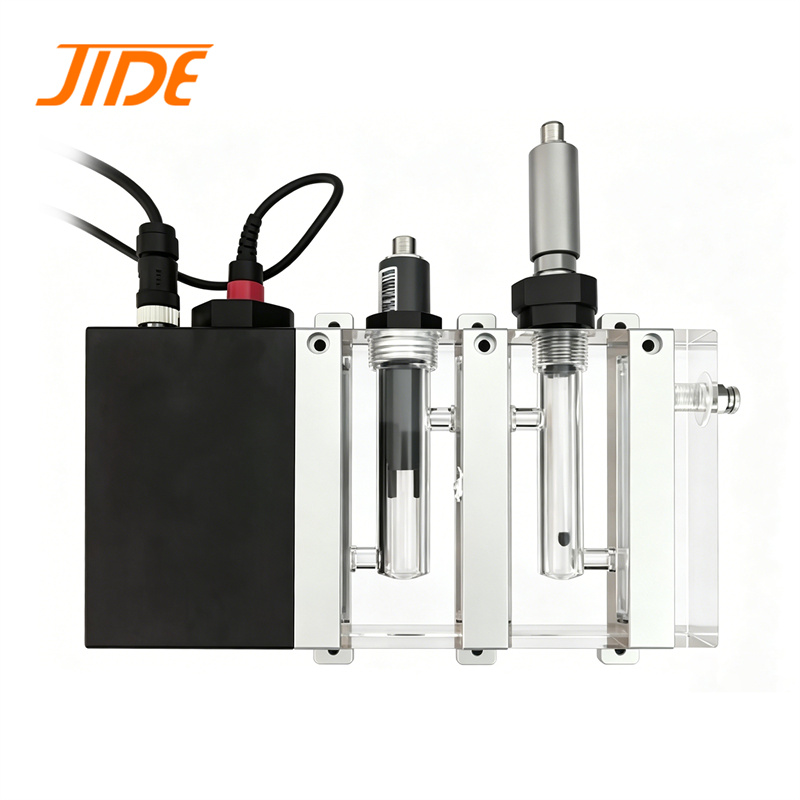
Solutions: Install a defoaming flow tank (gravity or pressurization principle), optimize the flow channel design, and perform regular zero-point calibration using ultrapure water.
Many other challenging turbidity testing issues exist on-site. You can contact our engineers through our website for further discussion. We welcome customers from various industries to provide us with case studies to improve our products and expand our on-site application experience.
Pain Point 3: The turbidity meter is highly accurate immediately after calibration, but after less than a week in natural water/wastewater, the readings fluctuate and drift upwards.
Interference Mechanism: Common interference from biofilms in natural water bodies and oceans, or interference from calcium and magnesium compounds adhering to the high hardness of wastewater. This interference easily obscures the light signal transmitting and receiving components, affecting test results.
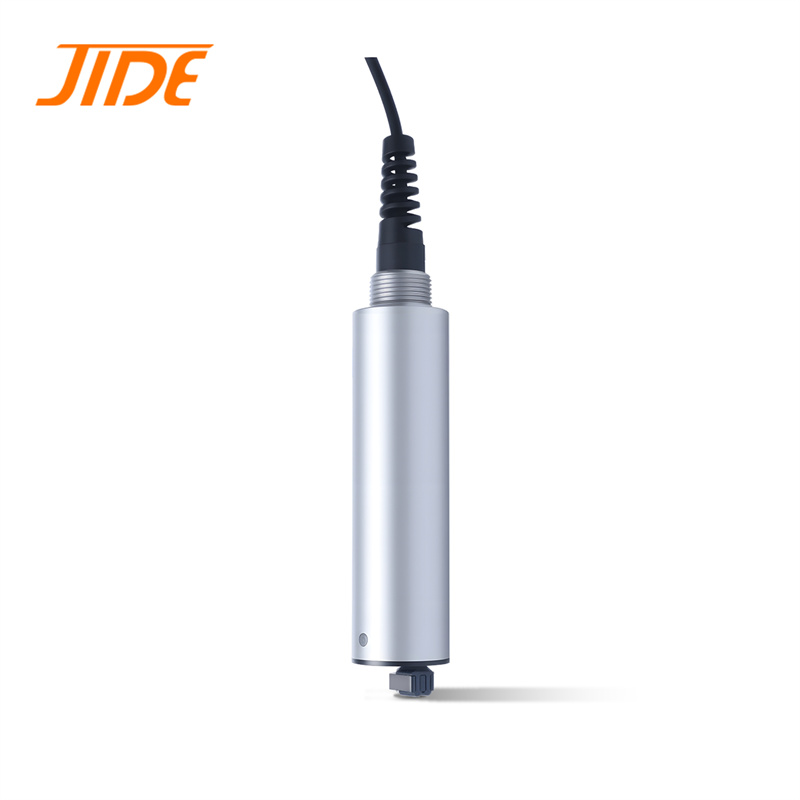
Solution: Select a turbidity meter with an automatic cleaning brush. This type of silicone cleaning brush is durable, easy to replace, and can periodically clean the optical window as needed, effectively reducing biofilm interference. For wastewater with high hardness, the maintenance frequency must be increased. Choose a turbidity meter encapsulated in corrosion-resistant materials such as titanium alloy (here, the highly cost-effective JIDE WQ3000-turb-Ti titanium alloy automatic cleaning version turbidity online analyzer is recommended). During routine maintenance, acid washing can effectively dissolve calcium and magnesium compounds.
Pain Point 4: The turbidity data from laboratory tests and the data from the online analyzer cannot be compared, with an error greater than 10%, making it impossible for either side to trust the test results.
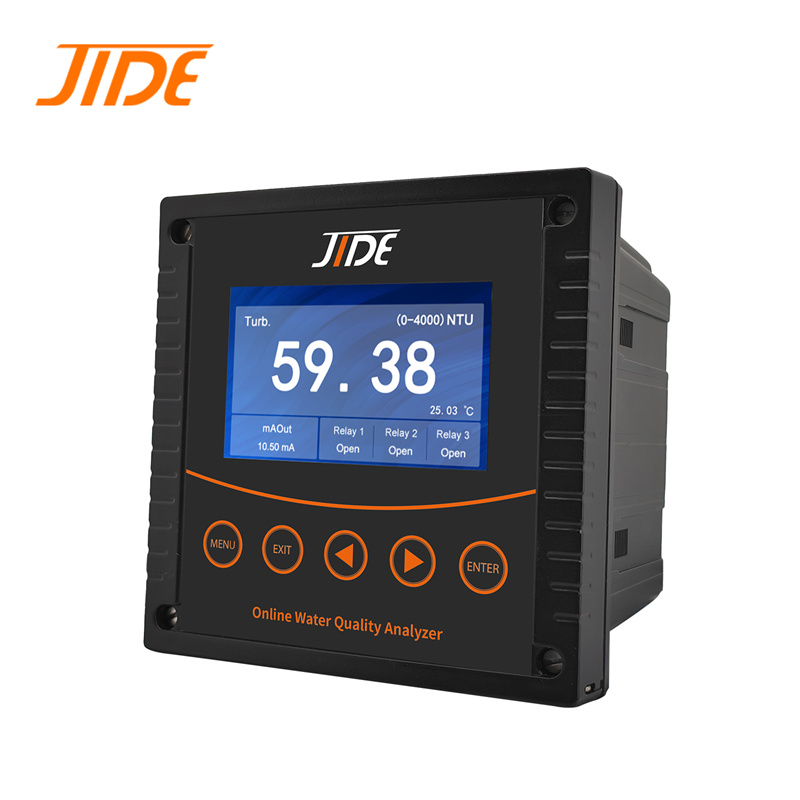
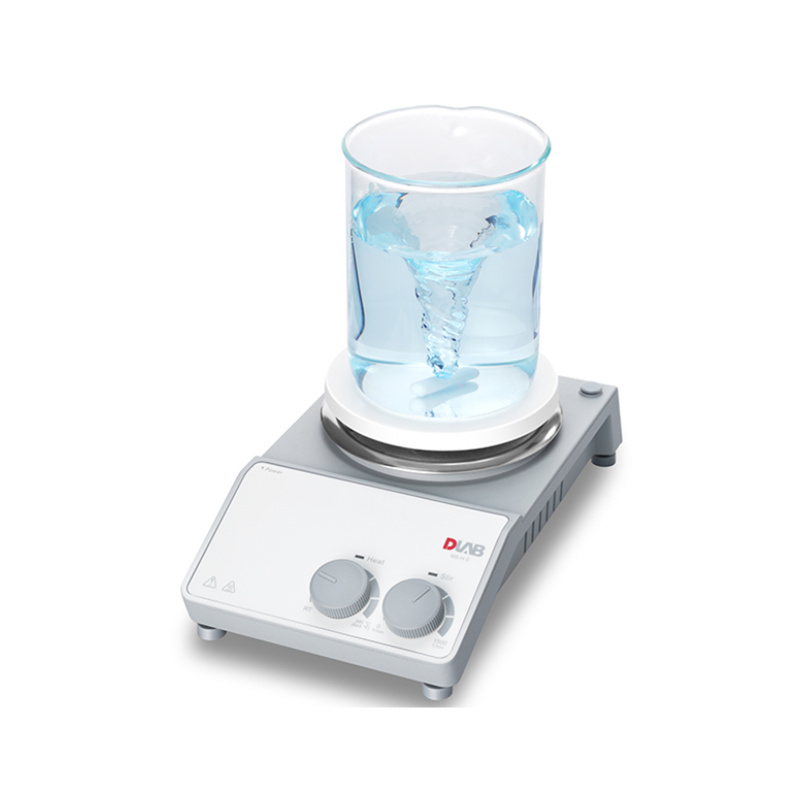
Interference Mechanisms: Turbidity and suspended solids are dynamic and active parameters that settle easily. Therefore, thorough shaking is essential before testing, and a magnetic stirrer may be necessary to maintain test stability. Furthermore, when calibrating online turbidity analyzers in the laboratory, a light-shielding calibration cup provided by the manufacturer should be used, and the standard formalin solution should be tested in a completely dark environment to avoid ambient light interference. In some complex operating conditions, if exact consistency with laboratory test data is required, and the instrument cannot match the laboratory's standard solution testing (the laboratory testing principle may be incandescent lamp method rather than infrared light method), actual water samples can be used for calibration to ensure the comparison results pass the test.
How to Select a High-Precision Turbidity Sensor Under Complex Operating Conditions in Wastewater Treatment Plants
In the entire process system of an industrial wastewater treatment plant, turbidity is a core process indicator that directly reflects the removal effect of total suspended solids (TSS), sludge settling performance, influent water quality monitoring, and whether the effluent water quality meets standards. Manual sampling and testing cannot provide accurate feedback on water quality fluctuations, posing a risk of exceeding discharge standards. Low-precision turbidity sensors are also susceptible to various interference factors, such as color, viscous deposits, organic matter, and air bubbles, potentially leading to frequent instability with long-term use, especially under complex operating conditions where uncertainty increases significantly.
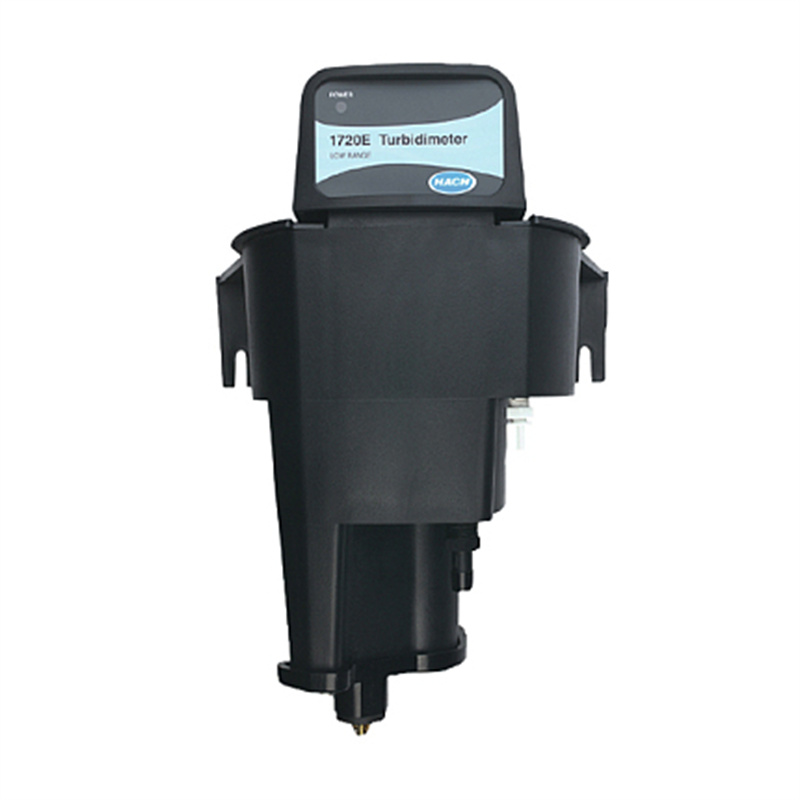
High-precision turbidity sensors, on the other hand, are designed with core monitoring principles and technical details aimed at eliminating interference and mitigating potential data drift and errors. This section uses JIDE's WQ3000 series turbidity/suspended solids analyzer and Hach's 1720E wastewater treatment plant benchmark low-range turbidity meter as examples.
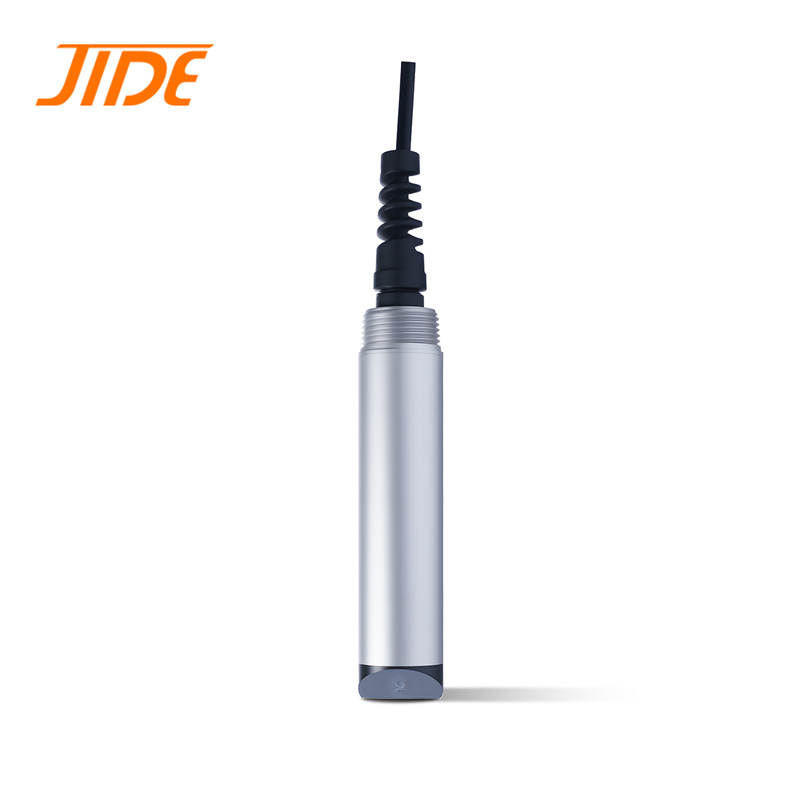
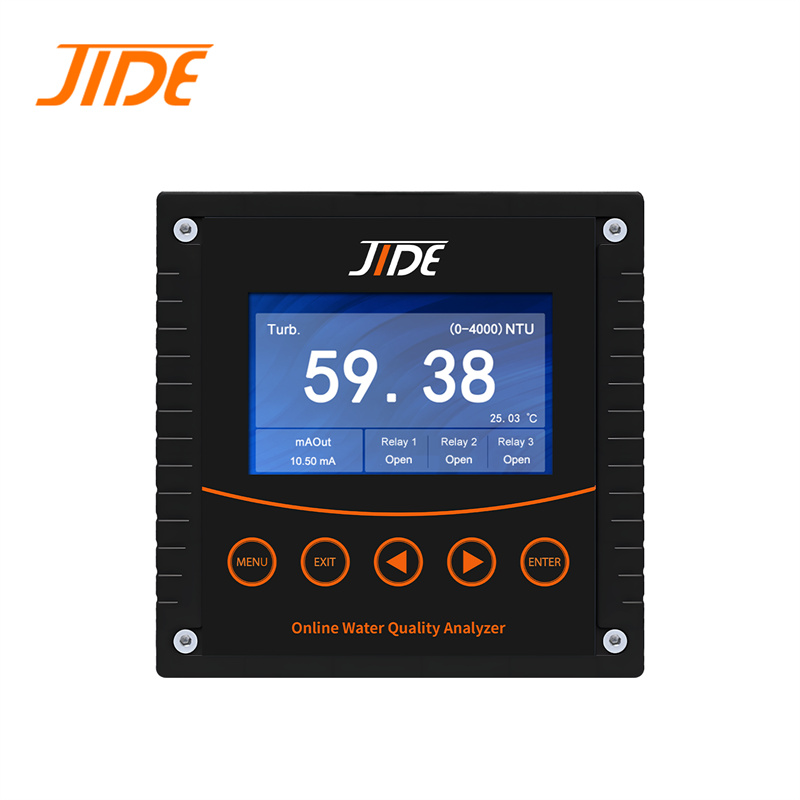
JIDE WQ3000 Series Turbidity The suspended solids analyzer incorporates an 860nm near-infrared LED light source that shines into the water, unaffected by the yellowish-brown color of sewage or the chromaticity of dyeing wastewater, thus avoiding the inherent errors of visible light detection.
A photoelectric receiving module is positioned 90° perpendicular to the incident light to specifically capture the lateral scattered light generated by suspended solids and colloidal particles in the water.
The intensity of the scattered light is linearly proportional to the turbidity of the water. The chip, through temperature compensation and algorithm filtering, accurately converts the turbidity to NTU standard turbidity units.
The circuit design incorporates an isolation system to prevent interference from ambient light, achieving ultra-high detection accuracy in the low turbidity range (0~50 NTU), with a resolution of up to 0.01 NTU.
The Hach 1720E low turbidity analyzer operates on the 90° scattered light method and incorporates a defoaming and degassing system to effectively eliminate the interference of air bubbles in low-range turbidity testing. This device has a measurement range of 0-100 NTU and a low-turbidity accuracy of 0.001 NTU, making it suitable for monitoring extremely high standards of drinking water and the highest standards of effluent discharge. This product currently has the largest market share and high recognition in the industry, but some field sample tanks are prone to scaling and require frequent maintenance, which are issues reported by the industry. It still has certain requirements for the quality of the water on site.
Comparison and Selection Guide
| Measurement methods | Core Principles | Advantages | Disadvantages/Limitations | Wastewater treatment plant application scenarios |
| 90° scattering method | Capturing 90° vertical side-scattered light | Compatible with both high and low measurement ranges, extremely high accuracy for low turbidity measurements | Scale/bubble interference must be considered. | Standard monitoring of inlet and outlet water quality |
| Transmission method | Measuring the attenuation of light penetrating water | Suitable for basic high turbidity measurements | Poor sensitivity in low turbidity range, highly susceptible to color interference. | Not suitable for fine monitoring of effluent |
| Backscattering method | Capturing near 180° wide-angle scattered light | Highly suitable for ultra-high concentration measurements | Poor linearity in the low turbidity range. | Only suitable for high-concentration sludge and influent |
Table of Contents
- What are the differences between the three clarity indicators in wastewater treatment plants? Distinguishing between turbidity, SS, and transparency
- Why is the 90° Scattered Light Method the Mainstream Solution for Online Turbidity Testing?
- Comparison of Turbidity Water Quality Standards in Various Countries
- Why Are Your Turbidity Measurements Always Inaccurate?
- How to Select a High-Precision Turbidity Sensor Under Complex Operating Conditions in Wastewater Treatment Plants
- Comparison and Selection Guide