 EN
EN
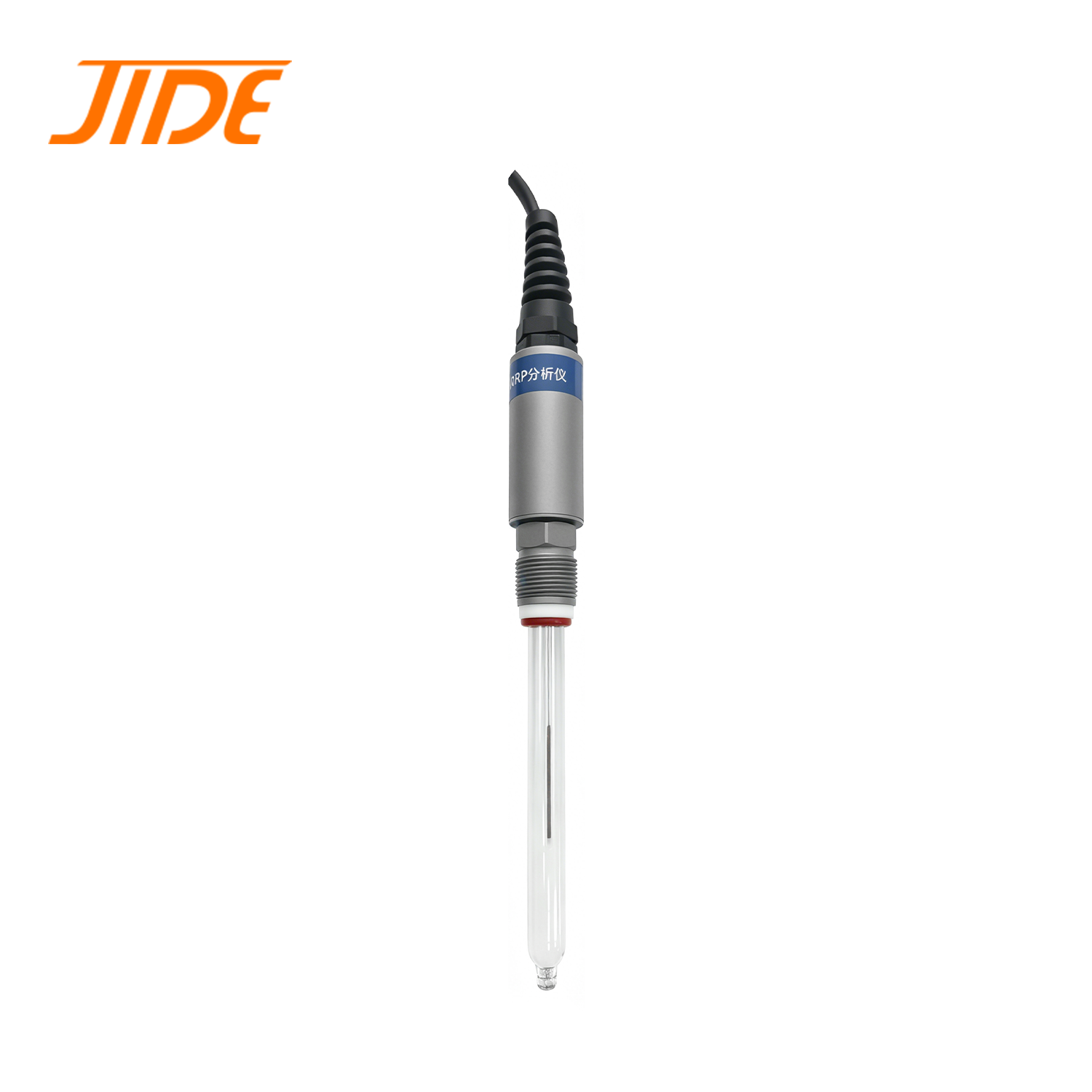
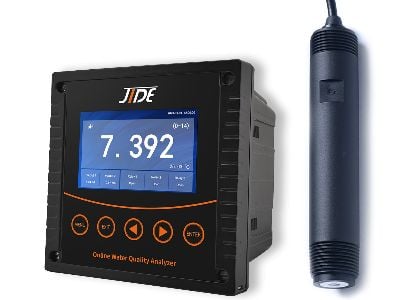
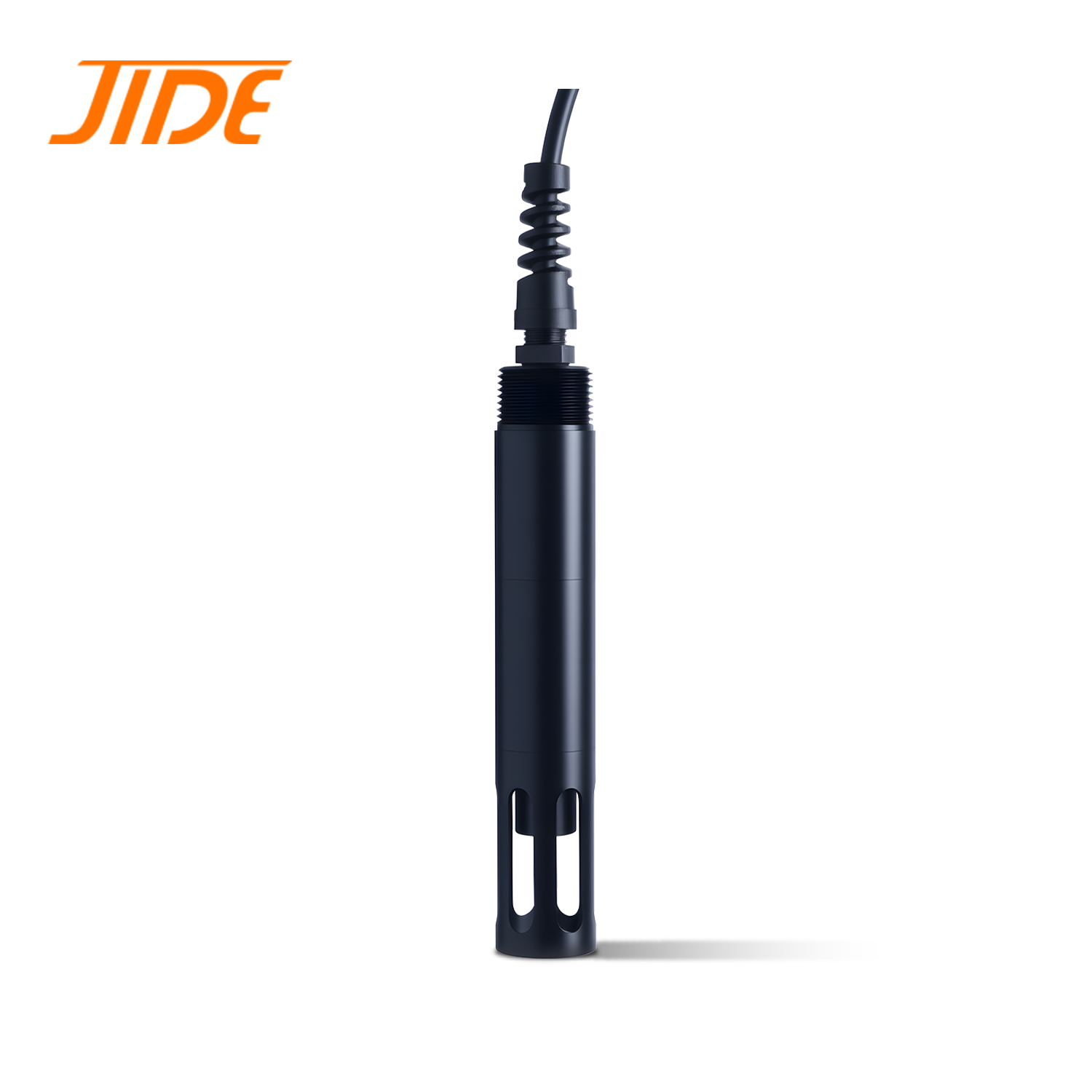
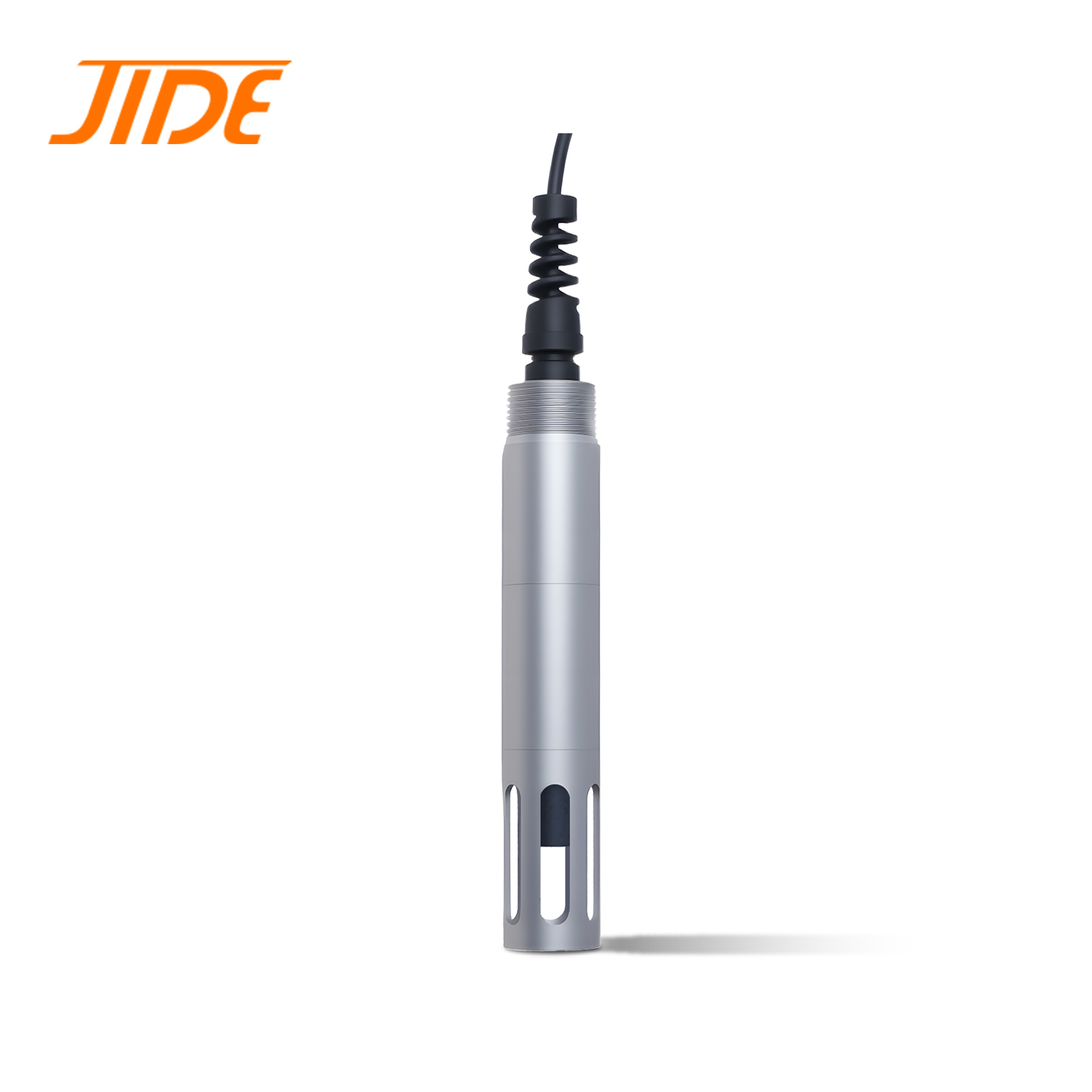
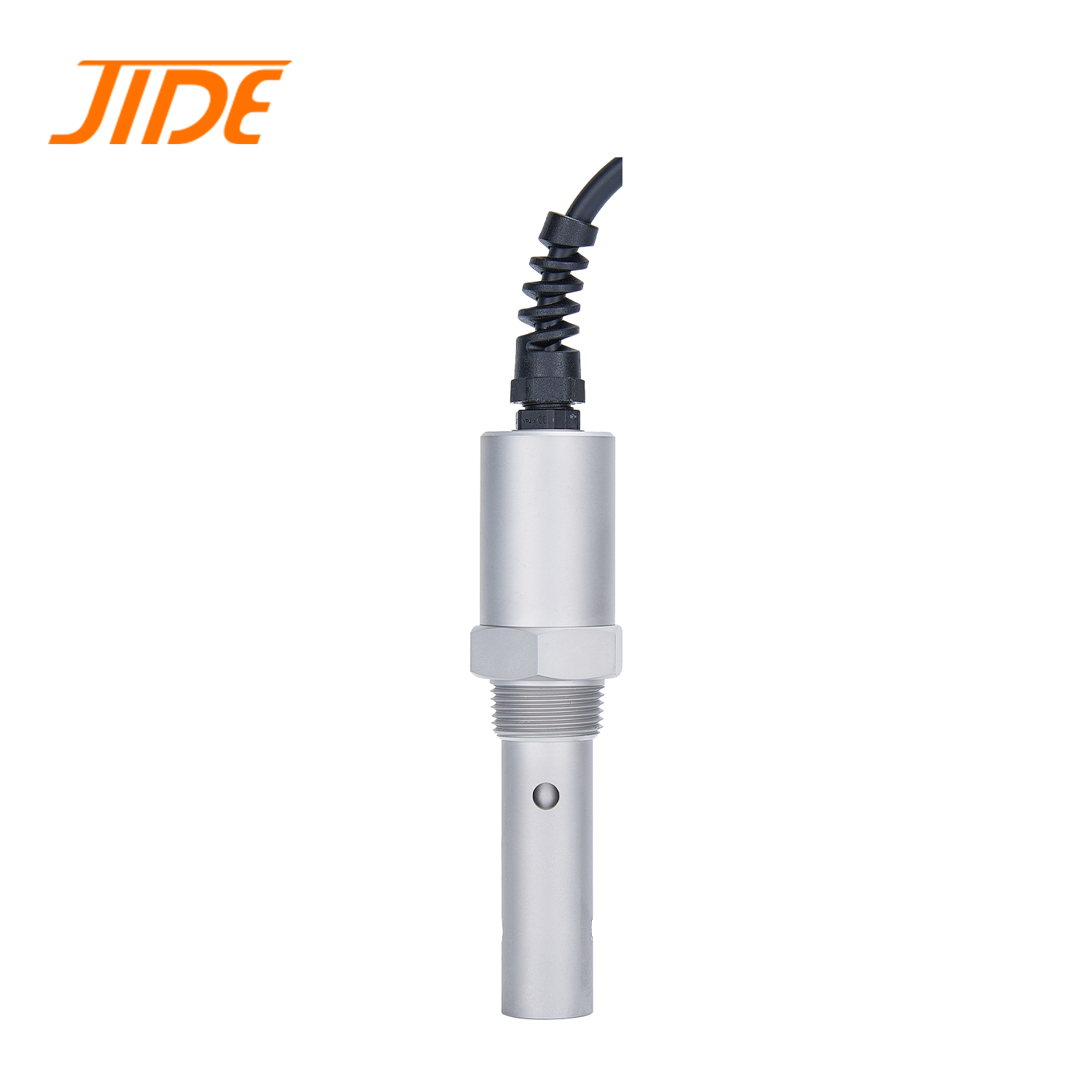
An inline TDS meter is a special tool that helps people check the quality of water. TDS stands for Total Dissolved Solids. This means all the tiny bits of stuff that are mixed in the water, like minerals and salts. Knowing how much TDS is in water is important because it can tell us if the water is clean and safe to drink. If the TDS level is too high, the water might not be good for our health. JIDE makes reliable inline TDS meters that are easy to use. These meters can be connected directly to water pipes, giving real-time readings of the water's TDS level. This is very useful for industries and homes alike, ensuring that the water being used is safe and of high quality.
An inline TDS meter is a device that continuously measures the TDS levels in water. It is usually installed in the water line, meaning it can check the water without needing to take samples. When water flows through the meter, it uses electrical conductivity to determine how many dissolved solids are in the water. Higher conductivity means more dissolved solids are present. For instance, if you have a TDS level of 0-50 mg/L, the water is usually very pure and safe. When the level goes above 500 mg/L, it might need filtering or treatment. The inline TDS meter gives instant feedback, which is really great for people who need to keep track of their water quality all the time. For example, aquariums or hydroponics systems depend on having the right water quality for fish or plants. If the TDS level goes too high, it can harm the fish or affect plant growth. JIDE’s inline TDS meters are designed for accuracy and durability, making them a smart choice for anyone who wants to monitor their water quality.