Buy High-Quality Optical Turbidity Sensors Online

All Categories

optical turbidity sensor

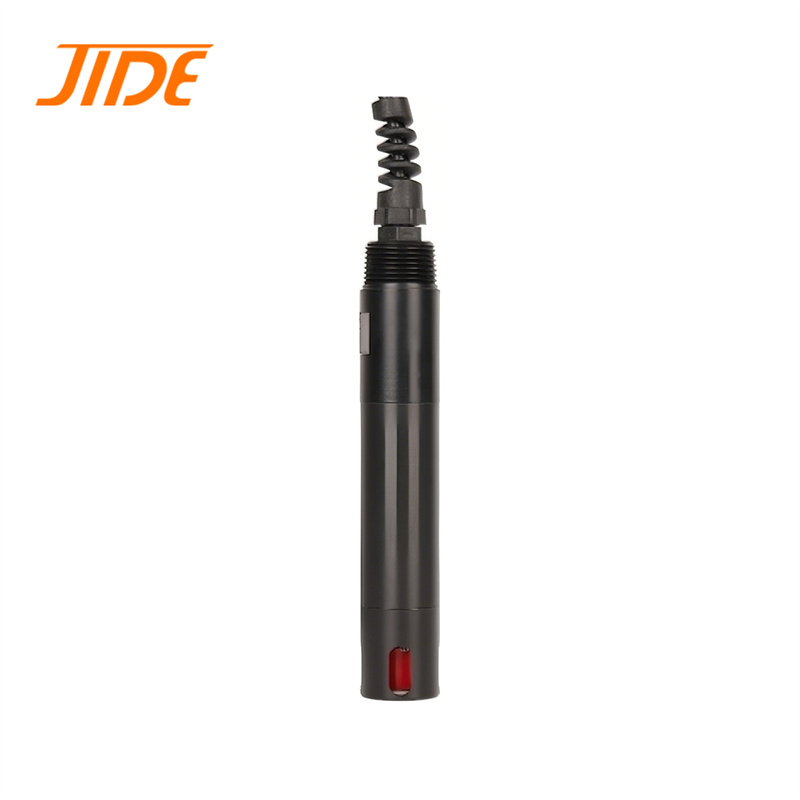
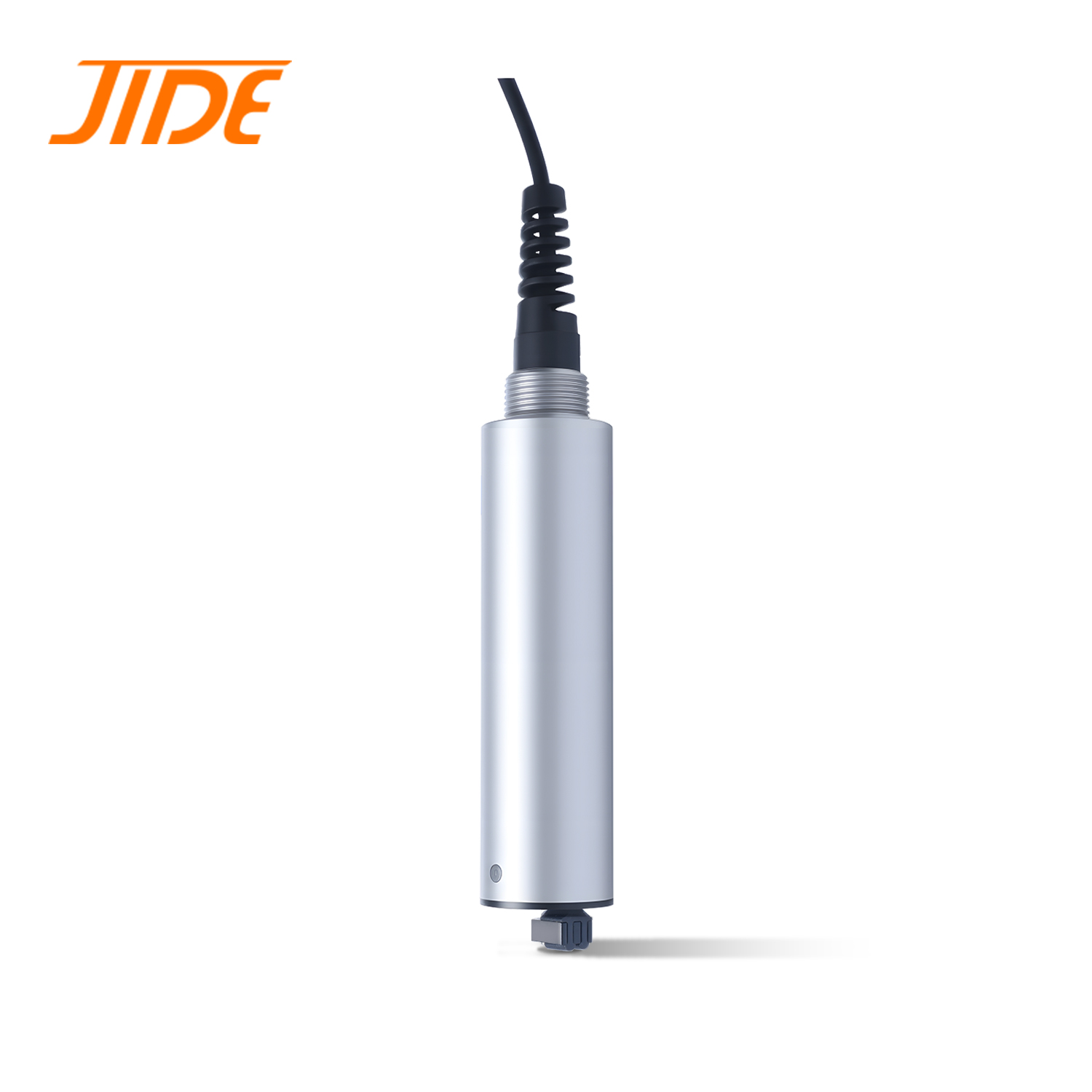
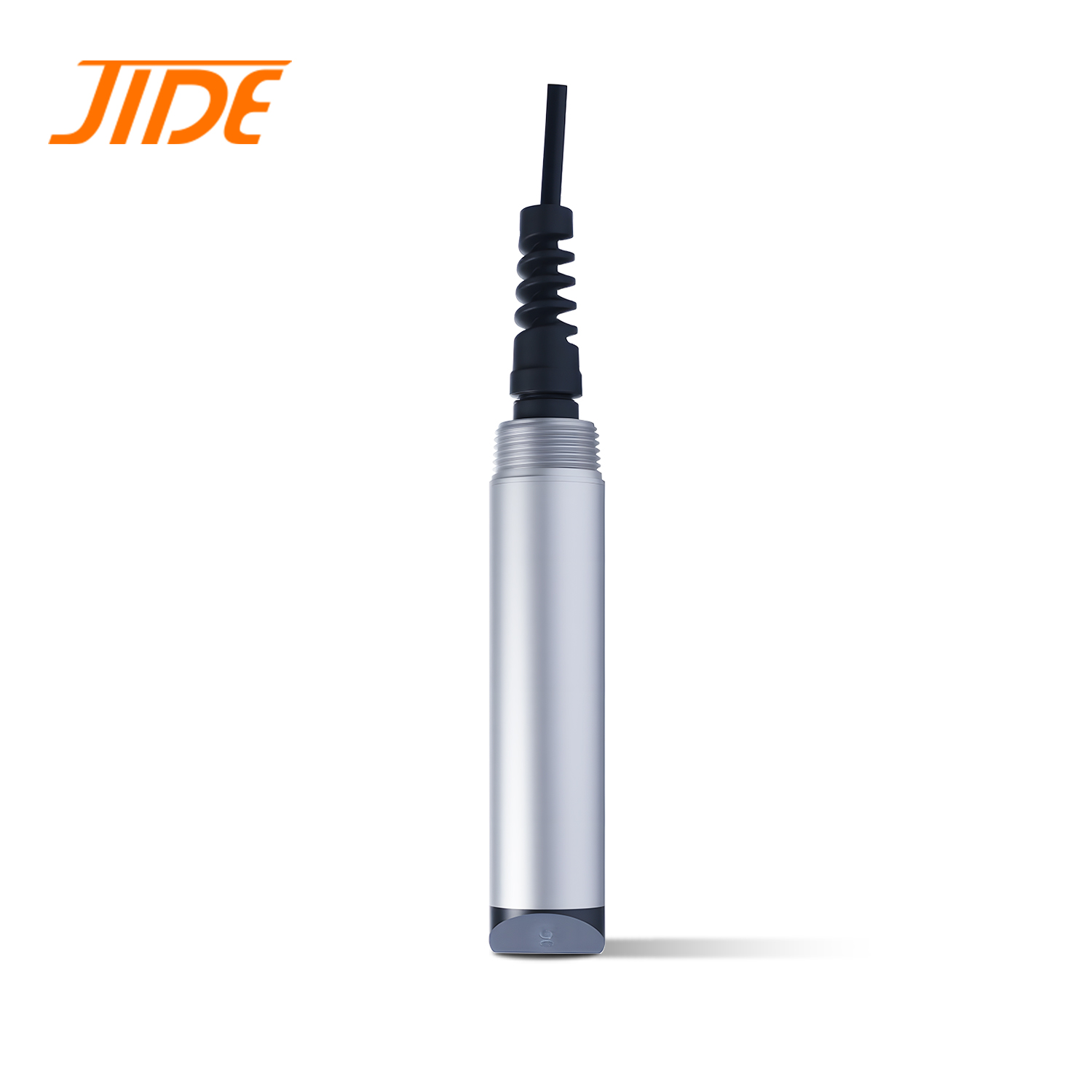
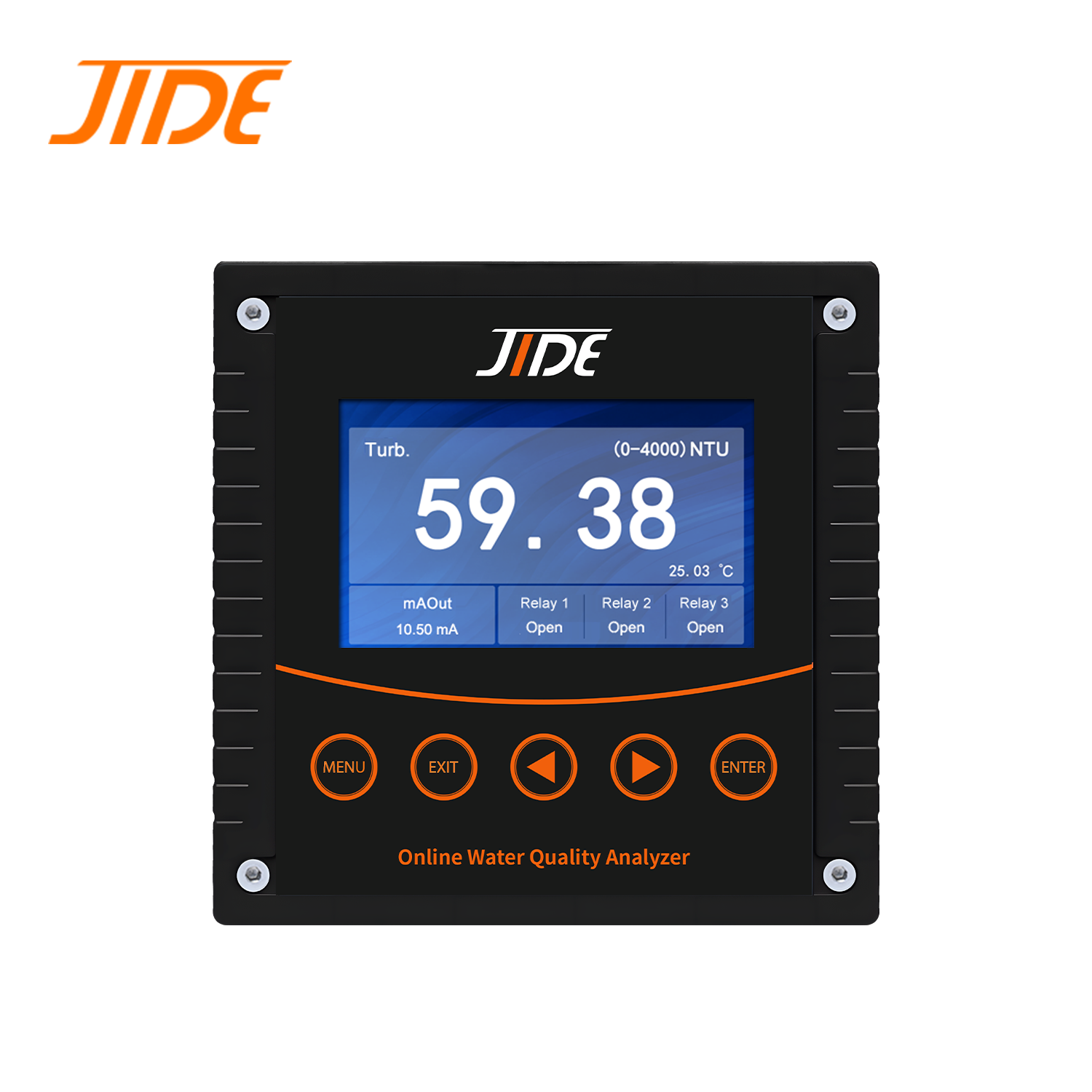
An optical turbidity sensor is a special tool used to measure how clear or cloudy water is. When water has  dirt, mud, or  tiny particles in it, it becomes cloudy. This cloudiness is called turbidity. Optical  turbidity sensors work by shining light  through the water and measuring how much light is  scattered by the particles. The more particles there are, the less light gets through. This helps us understand the quality  of the water. Clean water is important for  drinking, swimming,  and the health of plants and animals. Companies like JIDE make these sensors to help people monitor water quality better. If you are interested in advanced options, consider the Online Residual Chlorine Sensor/Meter/Probe JECA-RC K for enhanced monitoring.

If you want to buy optical turbidity sensors, JIDE is a great place to start. They offer high-quality sensors at prices that are friendly for businesses. You can visit their website to check out different models that  fit your needs. Shopping  online is easy. You can compare different sensors and see which one works best for you. It’s important to choose a  reliable supplier, and JIDE is known for its good  service. When you buy in bulk, you can often get better prices. This is helpful for schools, factories, and other places that need to monitor water. JIDE has many options, including sensors that are easy to install and use.  You can also  ask for help if you are unsure which sensor to choose. Their team is ready to answer questions and guide you through your purchase. Buying  from a trusted source like JIDE ensures that you get a product that lasts. They  also offer support after your purchase, so if you have any issues,  they can help you fix them. Remember, having the  right tools to check water quality is important for many reasons. It ensures safety and helps protect the  environment. JIDE  is committed to providing tools that help people keep water clean.
Where to Buy High-Quality Optical Turbidity Sensors at Wholesale Prices

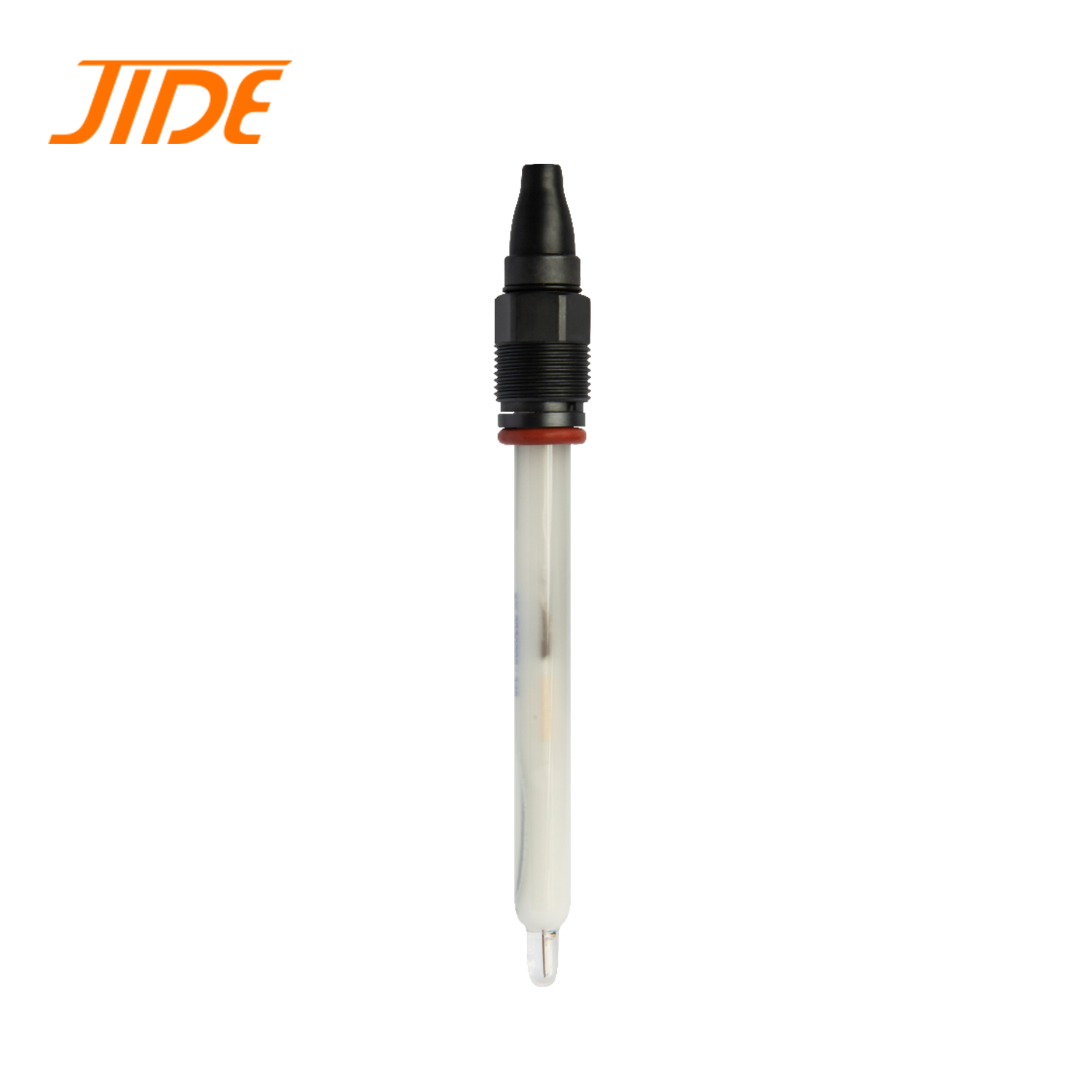
Optical turbidity  sensors play an important  role in keeping our water clean  and safe. When we  know how cloudy the water is,  we can take action  if it’s not safe to use. For example, if a sensor shows that the water is too cloudy, it  might mean that  there are  harmful substances in it. This  is especially important for places like lakes, rivers, and even swimming  pools.  With  JIDE's sensors, you can  continuously monitor the water without needing to take samples constantly. This  real-time  monitoring is crucial. It helps in making quick decisions to  clean  the  water if  necessary. For even more options, check out the Turbidity/Suspended Solids/Sludge Concentration Sensor/Meter/Probe JOSA-MLSS.

Our Blog Posts

Stable COD Online Analyzer for Continuous Wastewater Monitoring

29

Aug

Stable COD Online Analyzer for Continuous Wastewater Monitoring

When it comes to keeping our water clean, we need special tools to help us. One important tool is the COD (Chemical Oxygen Demand) online analyzer. This device helps us check how much pollution is in wastewater all the time. Having a reliable analyze...
View More
Ammonia Analyzer Ideal for Sewage Treatment Plant Monitoring

03

Sep

Ammonia Analyzer Ideal for Sewage Treatment Plant Monitoring

In sewage treatment plants, monitoring ammonia levels is very important. Ammonia can be harmful to the environment and human health if it gets into rivers and lakes. It comes from many sources, like fertilizers and animal waste. To keep our water cle...
View More
Professional Nitrate Analyzer for Underground Water Quality Detection

08

Sep

Professional Nitrate Analyzer for Underground Water Quality Detection

When it comes to keeping our underground water clean and safe, knowing how to test for nitrates is very important. Nitrates are chemicals that can get into our water from fertilizers, waste, and other sources. If there are too many nitrates in the wa...
View More
Complete Solutions for Environmental Water Quality Monitoring Projects

13

Sep

Complete Solutions for Environmental Water Quality Monitoring Projects

Water is vital for life, and its quality is essential for our health and the environment. Monitoring water quality helps us understand how clean our water is and if it is safe to use. Many businesses and organizations need to keep track of water...
View More

Get a Free Quote

Our representative will contact you soon.
Email
Name
Company Name
Message
0/1000

Related product categories

How Optical Turbidity Sensors Improve Water Quality Monitoring

How Optical Turbidity Sensors Improve Water Quality Monitoring

Using these sensors can also save money in the long run. For businesses that rely on clean water, like fish farms or water treatment plants,  knowing  the turbidity levels can help them avoid costly  problems.  If they catch a  turbidity  issue early, they  can fix it  before it affects  their operations. Additionally, these sensors are not  just for  big businesses. Schools and  community centers can also use them  to ensure their water is  safe for kids. By making water monitoring  easy and accurate, JIDE's optical turbidity sensors are a  big  help in protecting our health and the environment. They help keep our  water sources clean, which  is vital for everyone.

 
How to Maintain and Troubleshoot Optical Turbidity Sensors Effectively

How to Maintain and Troubleshoot Optical Turbidity Sensors Effectively

Maintaining and troubleshooting optical turbidity sensors is very important  to keep them working well. Optical  turbidity sensors help us measure how clear or cloudy  water is. These sensors are used in many places like factories, water treatment plants, and even in lakes and rivers. To keep an optical turbidity sensor in good shape, you should start  by cleaning it regularly. Dust, dirt, or algae  can build up  on the sensor's surface and affect its ability to get accurate readings. To clean it, use a soft cloth and some mild soap with water. Be sure to rinse it  well so that no soap is left behind. You should also check the sensor’s connections and cables. Make sure they are not damaged or loose.  If you see any cracks or breaks in the cables, it's time to replace them. Another important part of maintenance  is calibrating the sensor. This means checking if the sensor's  readings are correct. You can do this by testing it with water samples of known turbidity levels. If the sensor is not reading correctly, it might need to be adjusted or calibrated according to the manufacturer’s instructions. If you encounter problems, such as the sensor not giving any readings or showing strange numbers, it’s time to troubleshoot. First, check the power  supply. Make sure the sensor is plugged in and receiving electricity. If it is, then look at the sensor itself. Is  it clean? Is  there any damage? If everything looks good but  the sensor still doesn’t work, it  might be time to call a professional or reach out to JIDE for support. They can help you identify the problem and offer solutions  to  fix it. Regular maintenance and quick troubleshooting  can help keep your  optical turbidity sensor running smoothly and ensure  that you always get accurate readings.

What Are the Key Benefits of Using Optical Turbidity Sensors in Industry?

What Are the Key Benefits of Using Optical Turbidity Sensors in Industry?

Optical turbidity sensors have many benefits that make them very useful in  different industries. One big advantage is that they  provide quick and accurate results. This is important for industries like water treatment, where knowing how clean the water is can keep people safe.  When water is treated, it is  important to measure turbidity to make sure it meets safety standards. Optical turbidity sensors can give real-time readings, which helps  workers make fast decisions about water treatment. Another benefit is that these sensors are easy to use.  Many optical turbidity sensors, like those made by JIDE, come with user-friendly displays that show clear information. This means  that workers do not need specialized training to operate them, making it easier for companies  to save time and money.  Additionally, optical turbidity sensors are low maintenance.  Unlike other types of sensors, they do not have moving parts that can wear out.  This means companies can spend less time and money on repairs and more time focusing on their work. Another key benefit  is that they are very reliable. Optical turbidity sensors can work in tough  conditions, like high temperatures or in water with different chemicals. This makes them a good choice for industries like food processing or chemical  manufacturing, where conditions can change often.  Finally, using optical turbidity sensors  can help companies meet environmental regulations.  Many industries must follow rules about water quality. Using these sensors helps ensure that the water they release back into the environment is clean  and safe. This  not  only helps the planet but also supports the company’s reputation. Overall, optical turbidity sensors are valuable tools that can improve efficiency, safety, and compliance in many different industries.

Choose your global partner

Are you ready to consult with an engineer about your working conditions and specific needs?

Get a Quote

Get a Free Quote

Our representative will contact you soon.
Email
Name
Company Name
Message
0/1000