 EN
EN
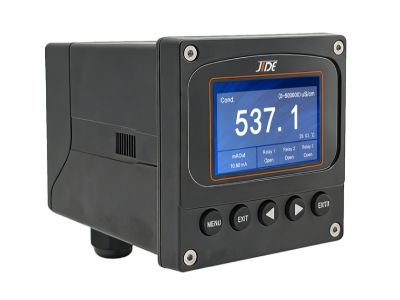
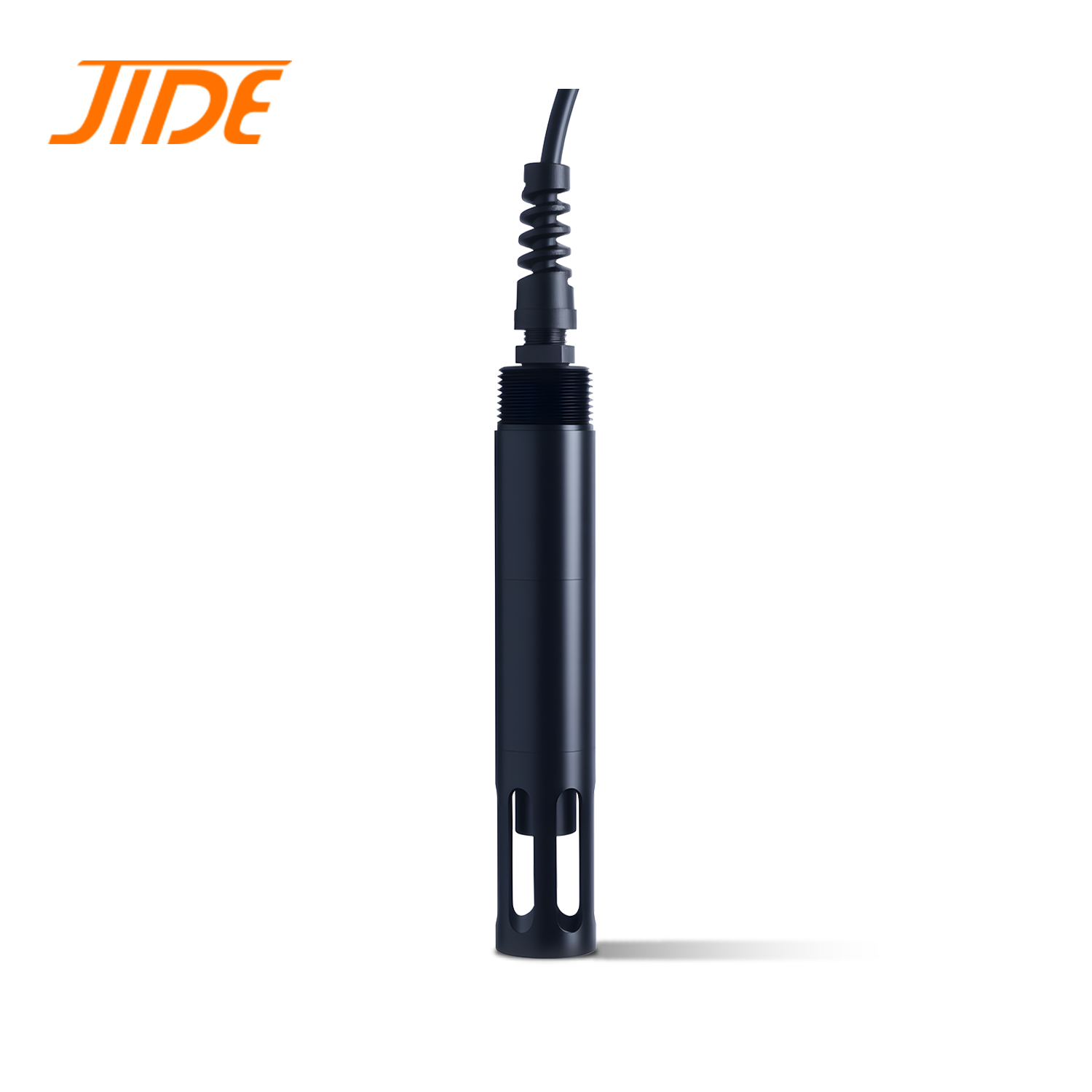
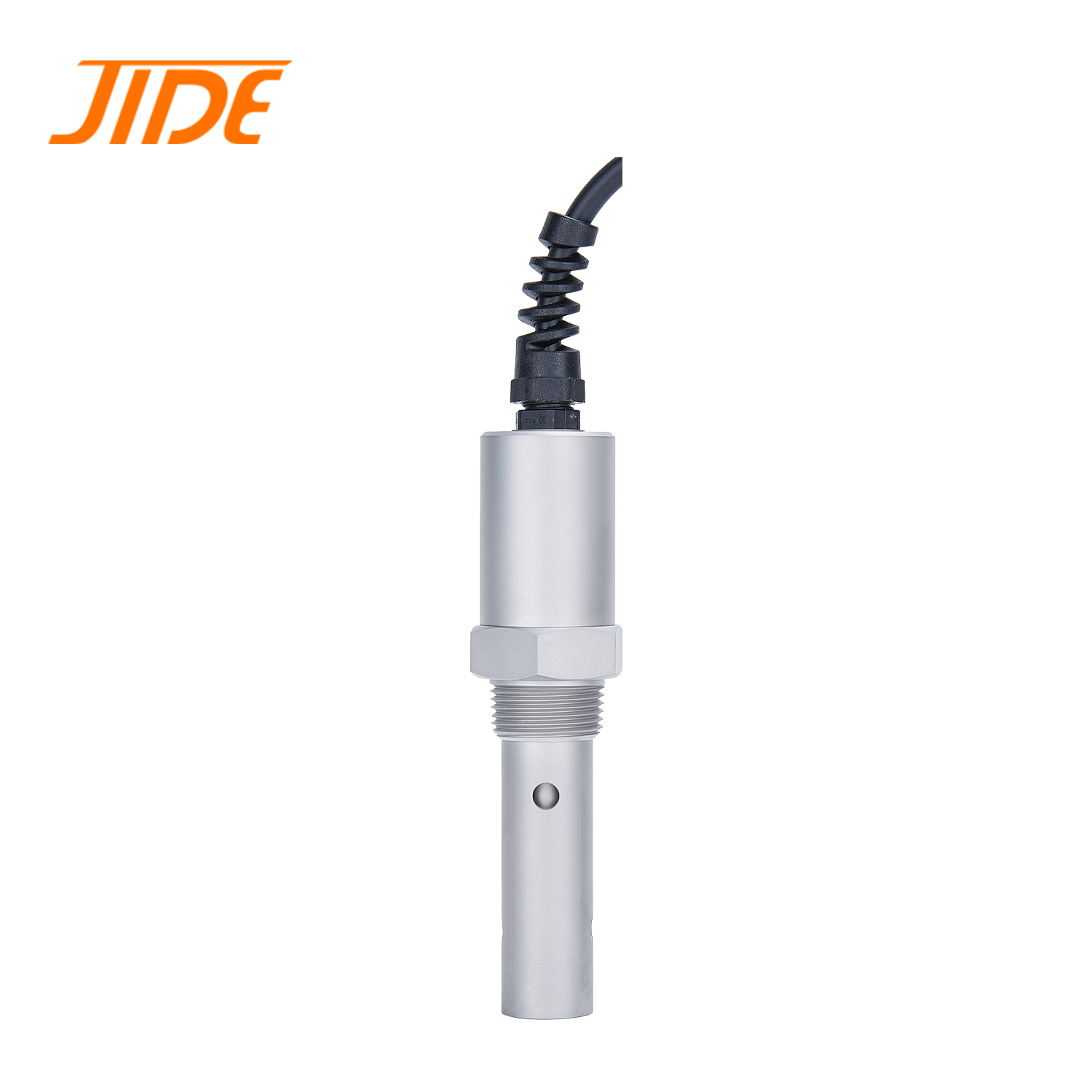
When it comes to checking the quality of water, a TDS checker is very useful. TDS stands for Total Dissolved Solids, which means it measures how many tiny things are mixed in the water, like minerals and salts. Too much TDS can make water unsafe to drink or taste bad. JIDE makes TDS checkers that can help you see how clean your water is. Using a TDS checker is simple and quick. You can use it at home or even when you travel. Just dip the tool into the water, and it will show you a number. This number helps you understand if your water is safe to drink. Knowing about TDS is important because clean water is vital for our health.
Real-Time Online Water Quality Monitoring System Overview
Water is essential for life, and knowing how clean it is makes a big difference. That’s where JIDE comes in. We create systems that check water quality in real-time. This means we can see what’s happening to the water right now, not just later. It he...
View More