 EN
EN
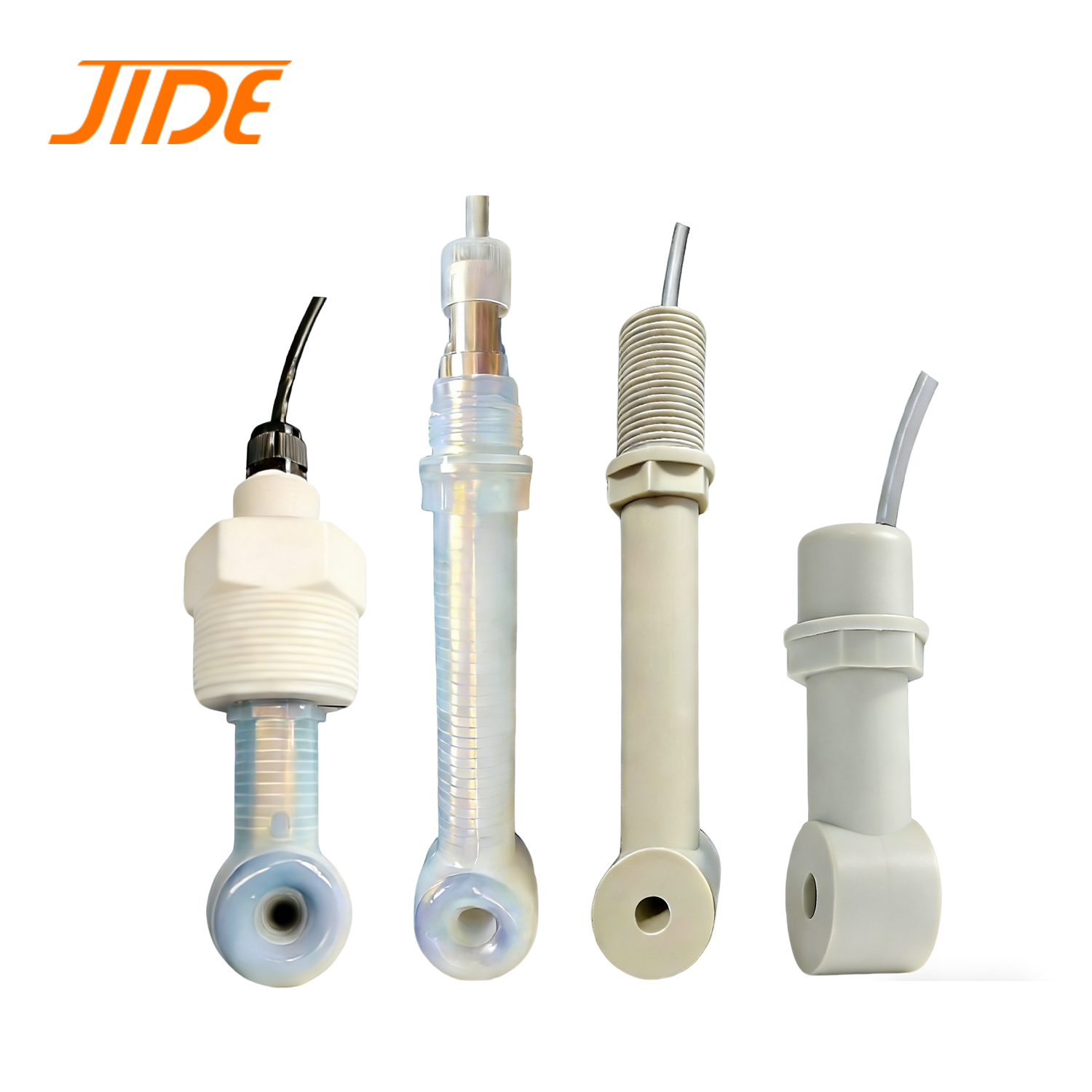
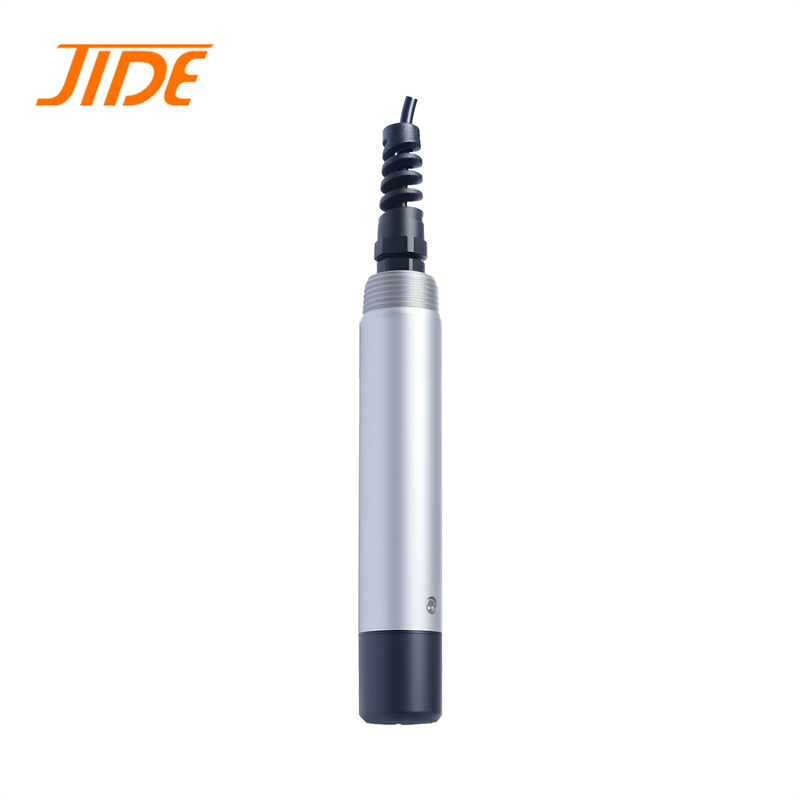
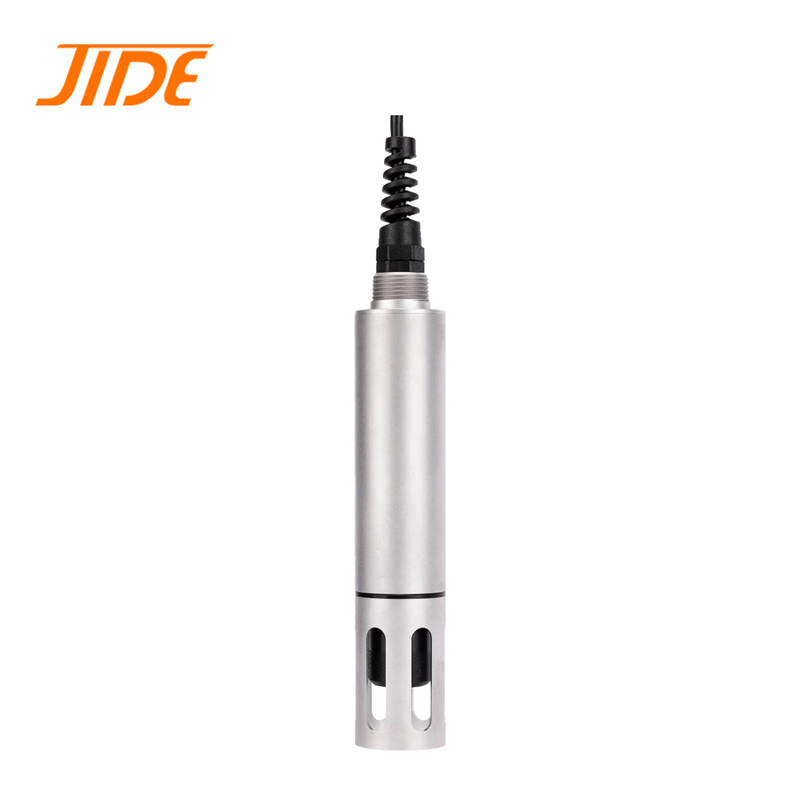
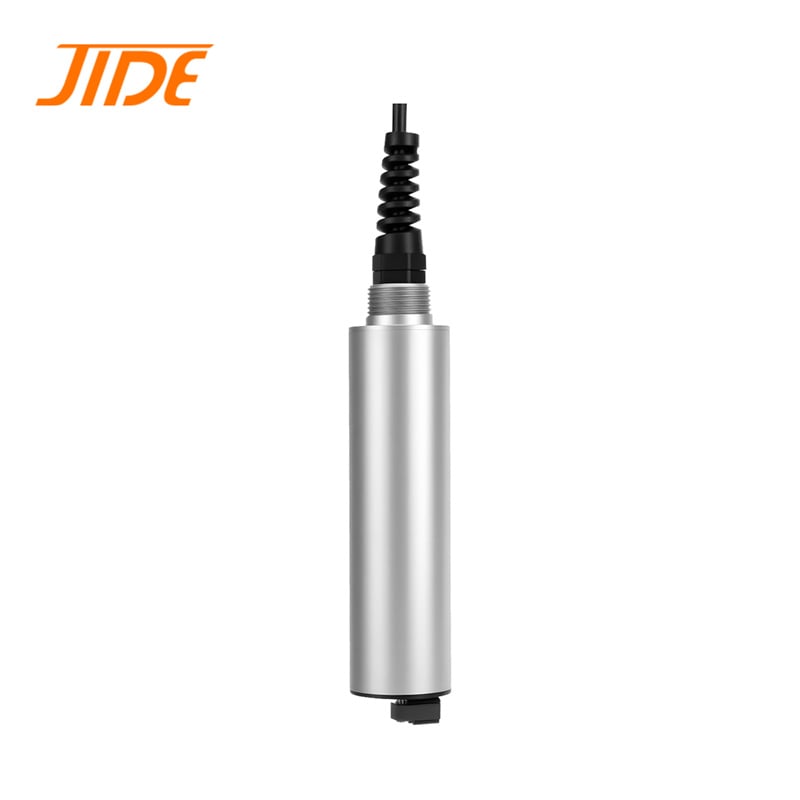
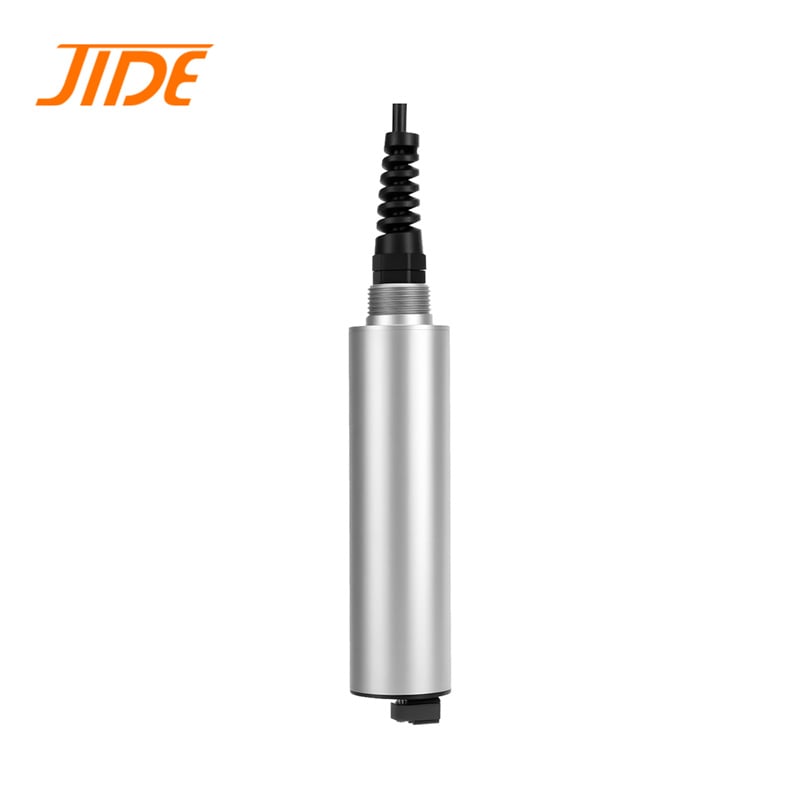
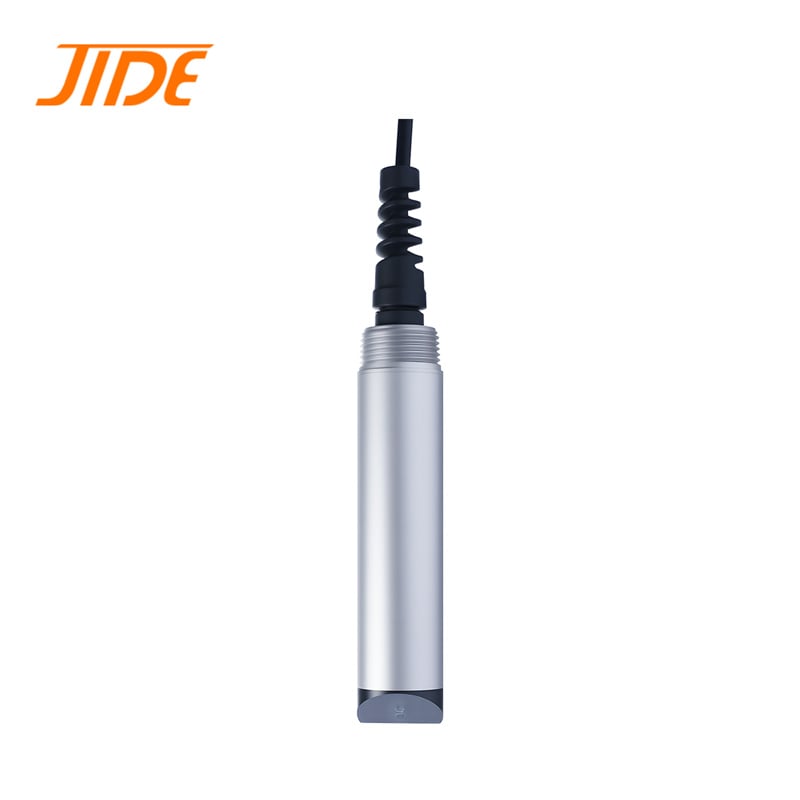
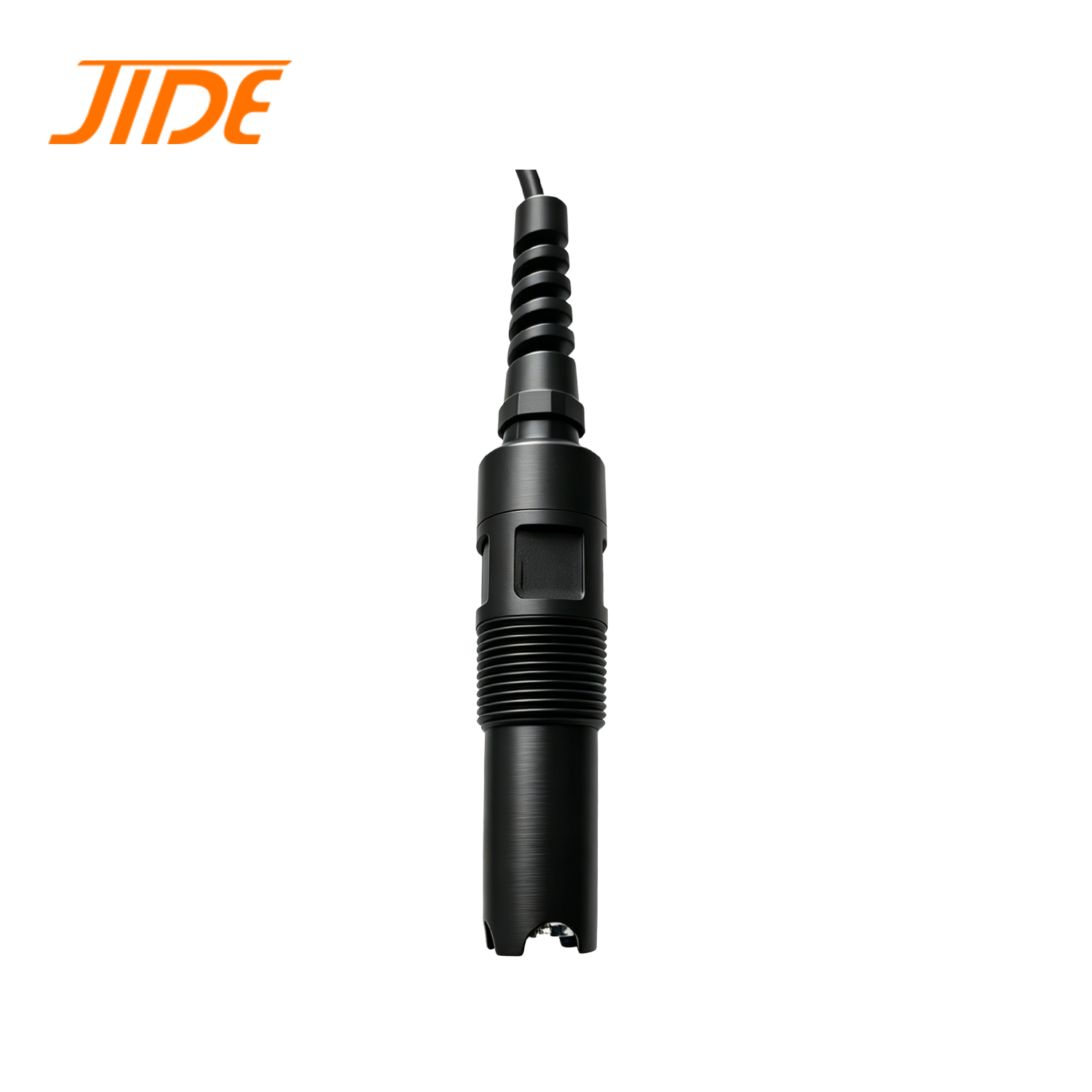
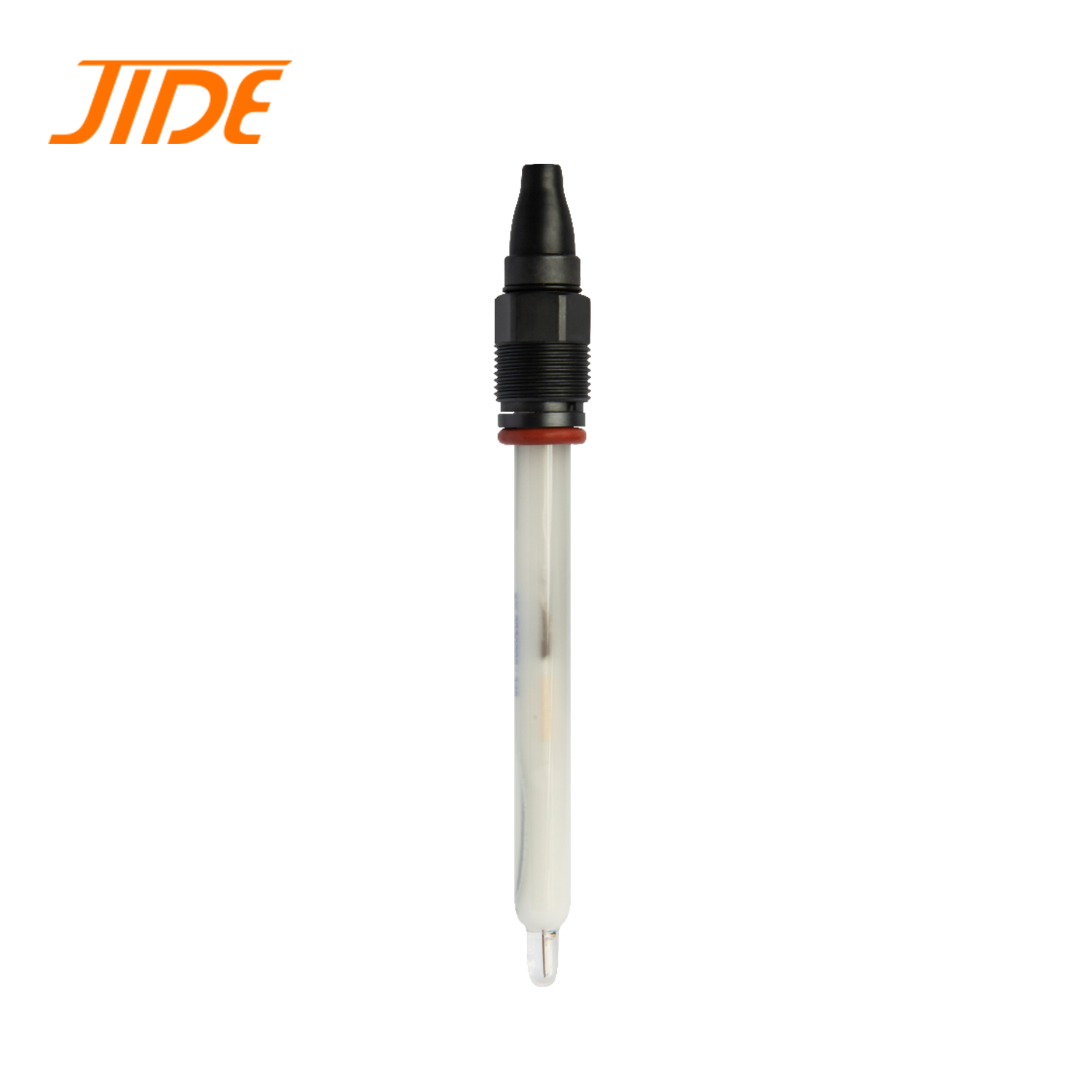
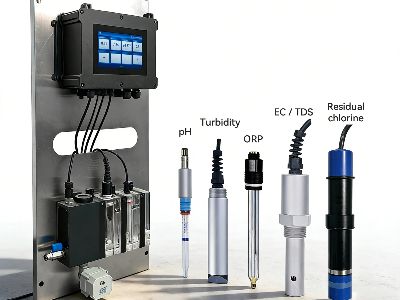
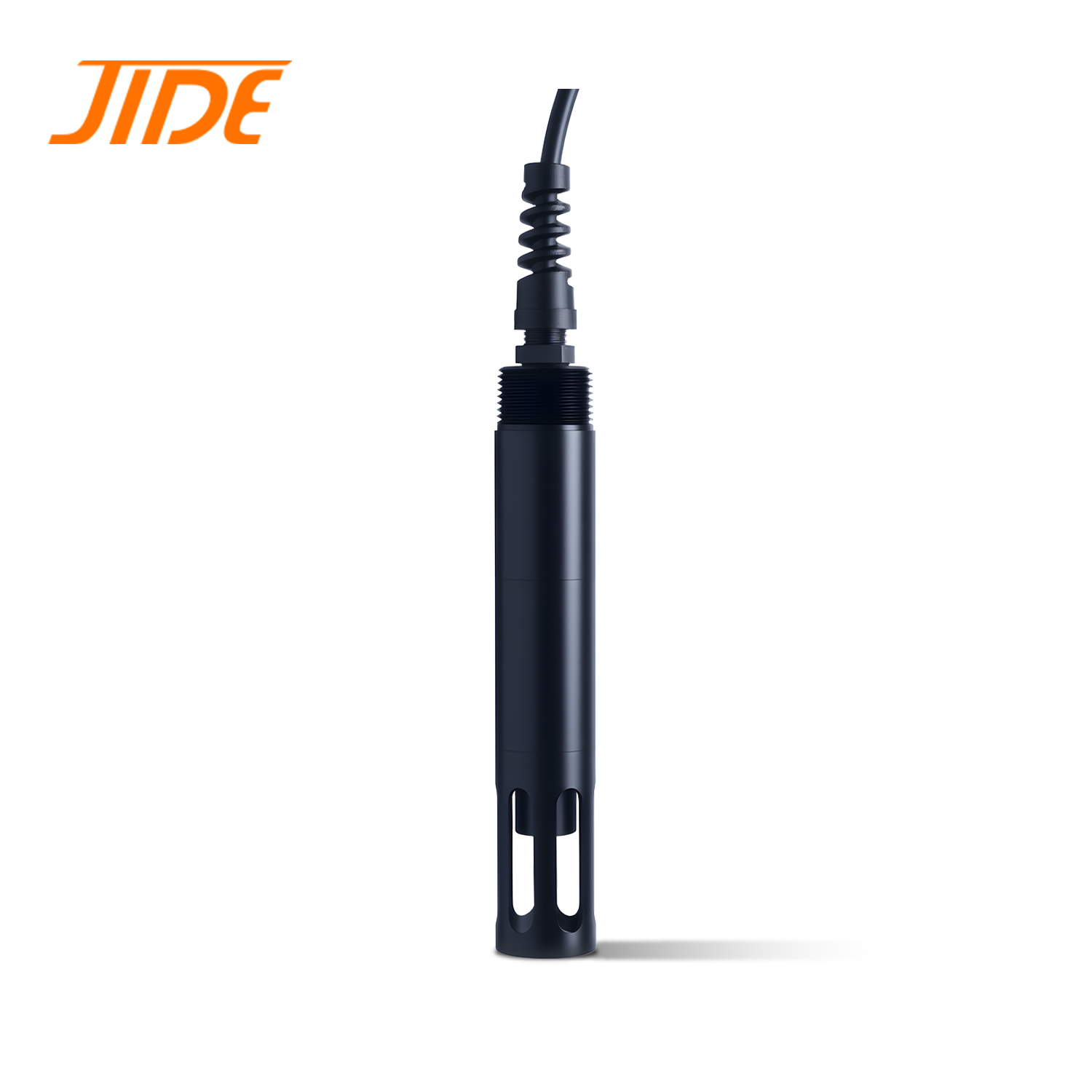
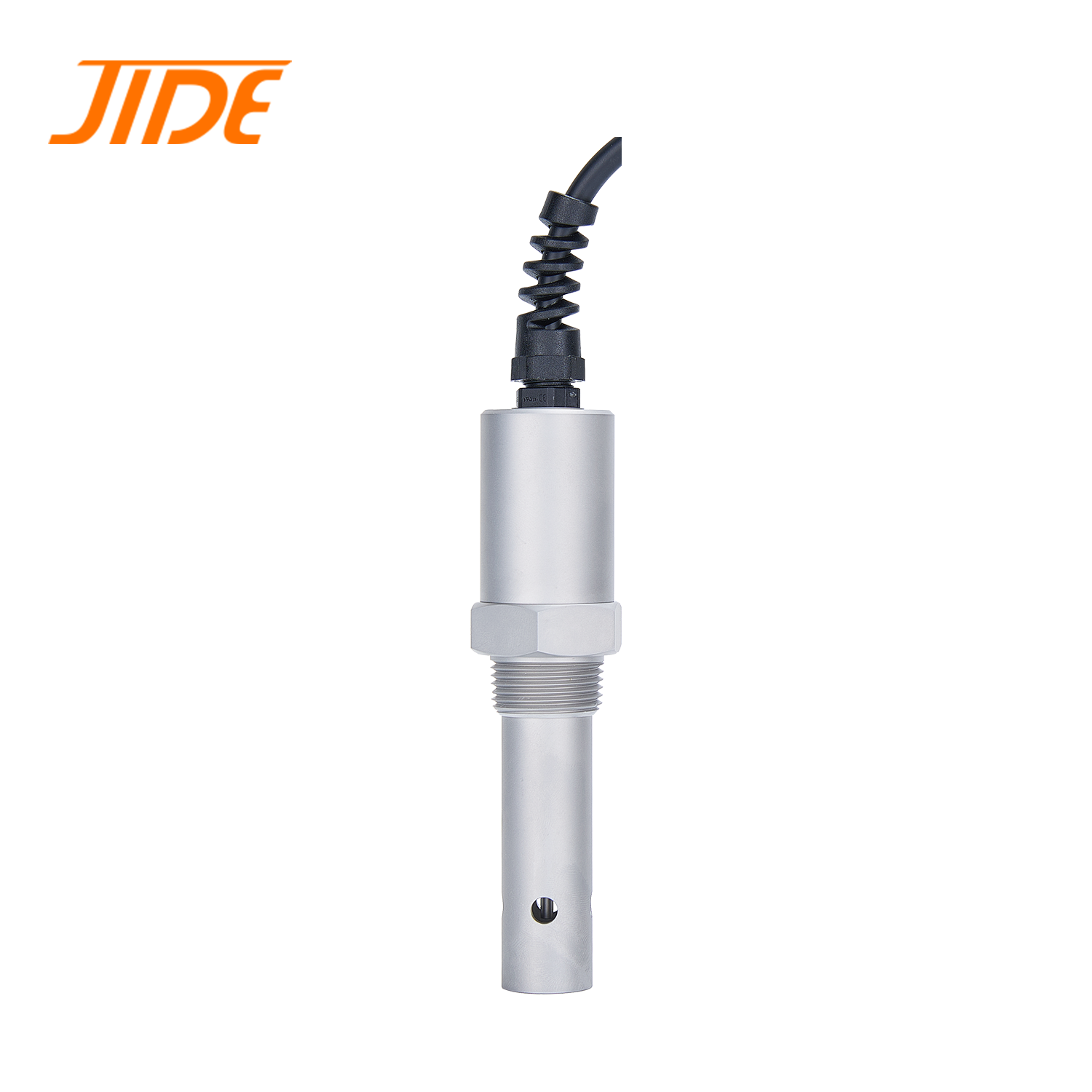
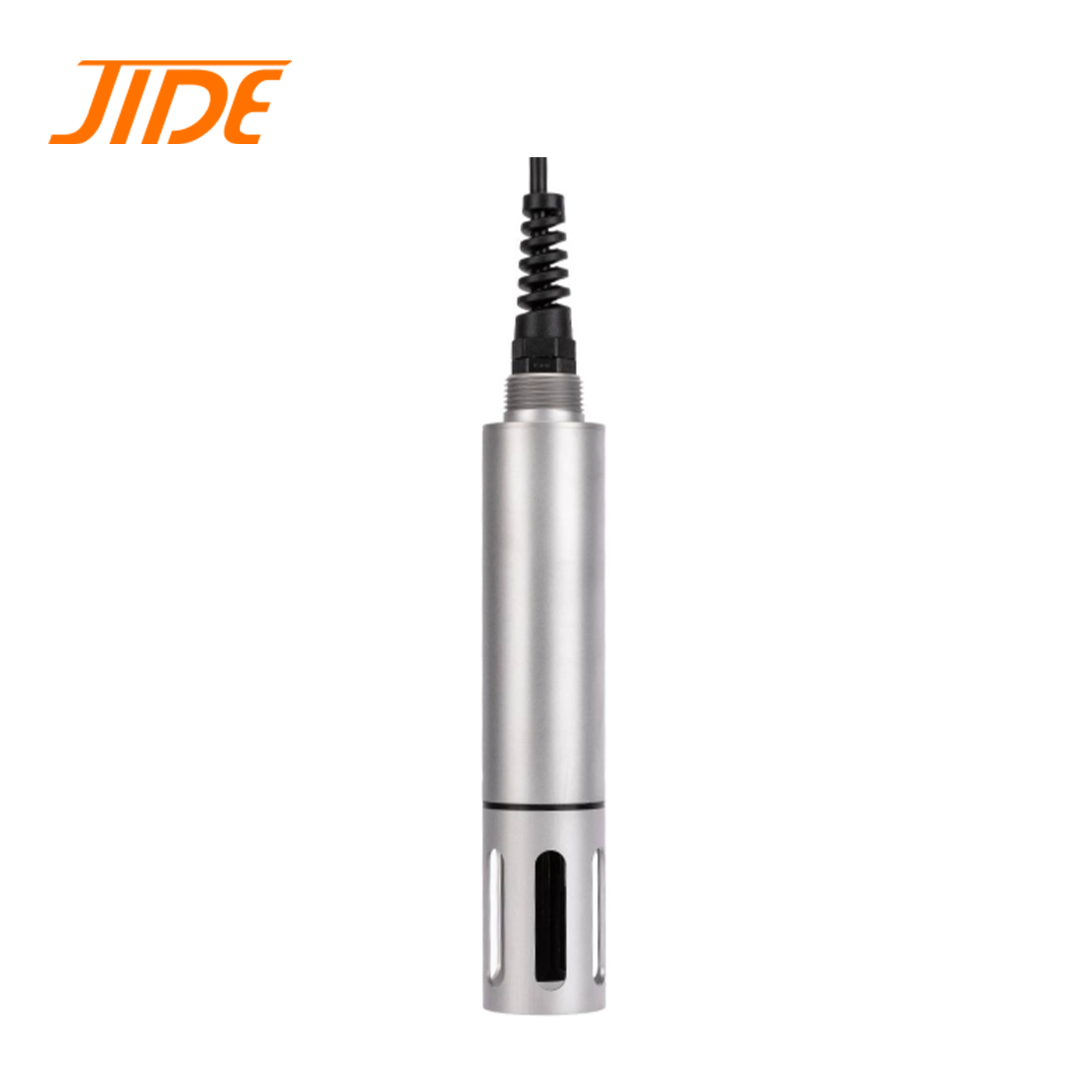
Ένα ενσωματωμένο μετρητής αγωγιμότητας είναι ένα ειδικό εργαλείο που βοηθά στη μέτρηση της ικανότητας των υγρών να διαπερνώνται από το ηλεκτρικό ρεύμα. Αυτό είναι σημαντικό σε πολλές βιομηχανίες, όπως η επεξεργασία νερού, η παραγωγή τροφίμων και η χημική βιομηχανία. Η λειτουργία του είναι αρκετά απλή: μετρά την ποσότητα των διαλυμένων αλάτων και ορυκτών στο νερό. Όταν υπάρχουν περισσότερα άλατα, το νερό διαπερνάται καλύτερα από το ηλεκτρικό ρεύμα. Αυτό το εργαλείο είναι ιδιαίτερα χρήσιμο για εταιρείες όπως η JIDE, οι οποίες επικεντρώνονται στην παραγωγή υψηλής ποιότητας βιομηχανικών προϊόντων. Με τη χρήση ενός ενσωματωμένου μετρητή αγωγιμότητας, οι επιχειρήσεις μπορούν να διασφαλίζουν την ομαλή και ασφαλή λειτουργία των διαδικασιών τους. Διασφαλίζει ότι τα υγρά περιέχουν την κατάλληλη ποσότητα ορυκτών, κάτι που είναι κρίσιμο για την παραγωγή προϊόντων που είναι ασφαλή και αποτελεσματικά
Τι καθιστά τους μετρητές αγωγιμότητας εν σειρά απαραίτητους για βιομηχανικές εφαρμογές; Οι μετρητές αγωγιμότητας εν σειρά είναι εξαιρετικά σημαντικοί σε πολλές βιομηχανίες. Για παράδειγμα, σε εγκαταστάσεις επεξεργασίας νερού, βοηθούν στον έλεγχο της καθαρότητας του νερού. Εάν η αγωγιμότητα είναι υπερβολικά υψηλή, αυτό σημαίνει ότι υπάρχουν πάρα πολλές ακαθαρσίες. Αυτό μπορεί να είναι επικίνδυνο για τους ανθρώπους και το περιβάλλον. Στην παραγωγή τροφίμων, αυτοί οι μετρητές διασφαλίζουν ότι το νερό που χρησιμοποιείται για την παρασκευή ποτών ή για τον καθαρισμό τροφίμων είναι ασφαλές. Εάν το νερό περιέχει υπερβολικά πολλά ορυκτά, μπορεί να αλλάξει η γεύση ή η ποιότητα των τροφίμων. Οι χημικές εταιρείες εξαρτώνται επίσης από αυτούς τους μετρητές. Πρέπει να γνωρίζουν την αγωγιμότητα για να διασφαλίσουν ότι τα προϊόντα τους παράγονται σωστά. Εάν η αγωγιμότητα είναι εκτός ορίων, μπορεί να προκύψουν προβλήματα κατά την παραγωγή. JIDE's επαγωγικός μετρητής αγωγιμότητας βοηθούν στην παρακολούθηση αυτών των επιπέδων σε πραγματικό χρόνο, ώστε οι εταιρείες να μπορούν να πραγματοποιούν γρήγορες προσαρμογές. Αυτό σημαίνει λιγότερα λάθη και ασφαλέστερα προϊόντα. Είναι σαν να έχετε ένα ρολόι που σας ενημερώνει πότε πρέπει να ελέγξετε την ταχύτητά σας κατά την οδήγηση. Το μετρητής σας ειδοποιεί εάν κάτι δεν πάει καλά, επιτρέποντάς σας να το διορθώσετε προτού εξελιχθεί σε μεγαλύτερο πρόβλημα. Διατηρώντας όλα υπό έλεγχο, οι ενσωματωμένοι μετρητές αγωγιμότητας βοηθούν τις βιομηχανίες να λειτουργούν αποτελεσματικότερα και να διασφαλίζουν την ασφάλεια όλων.