 EN
EN
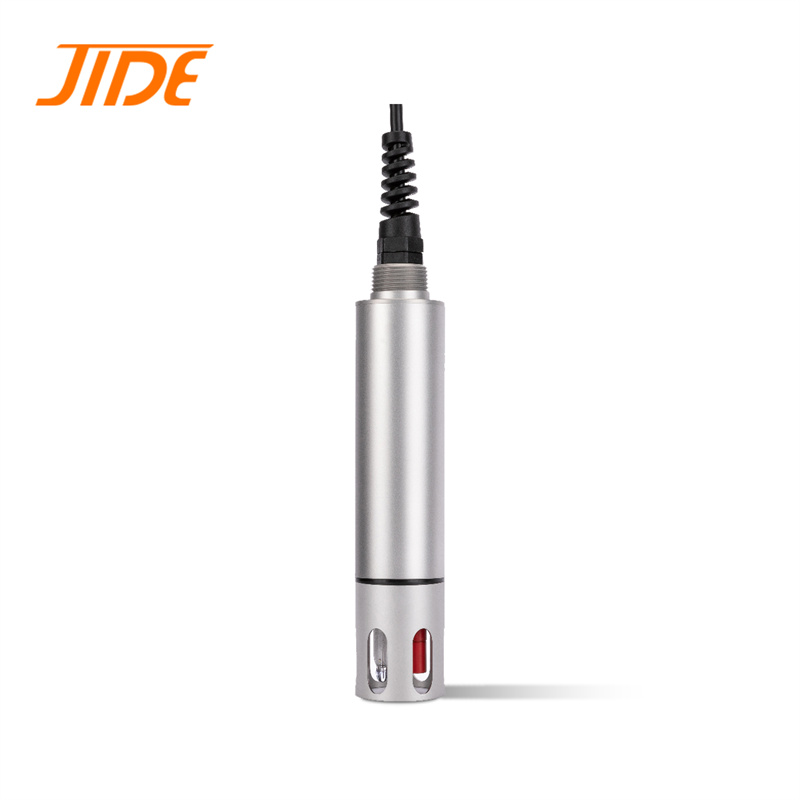
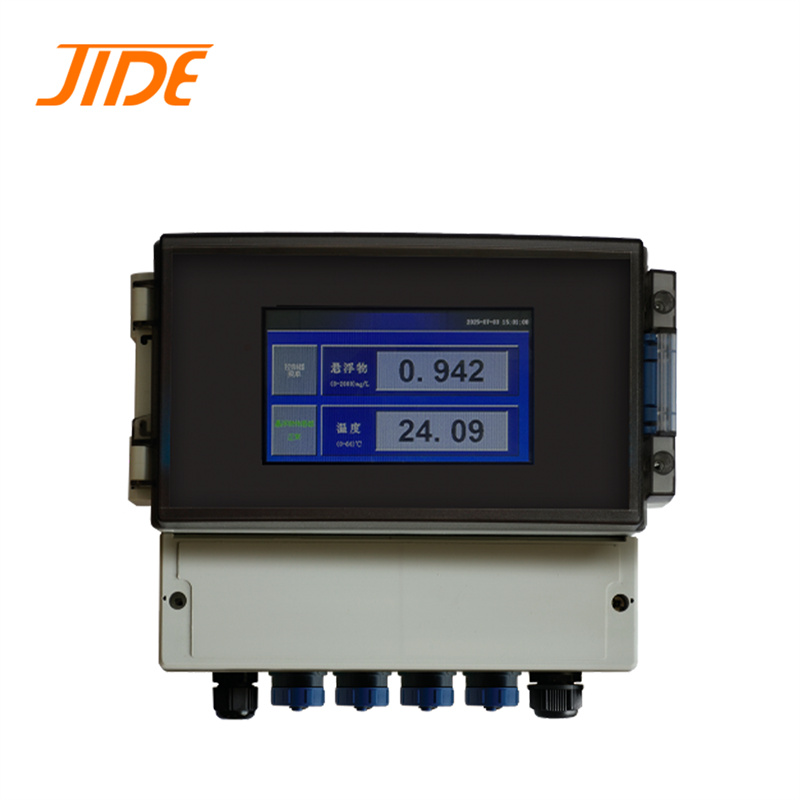
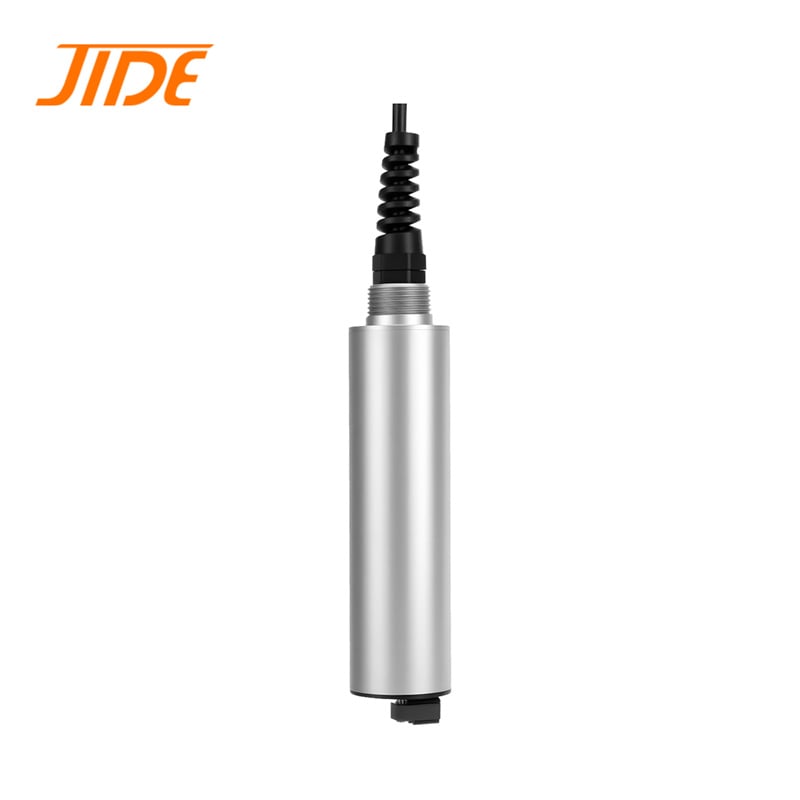
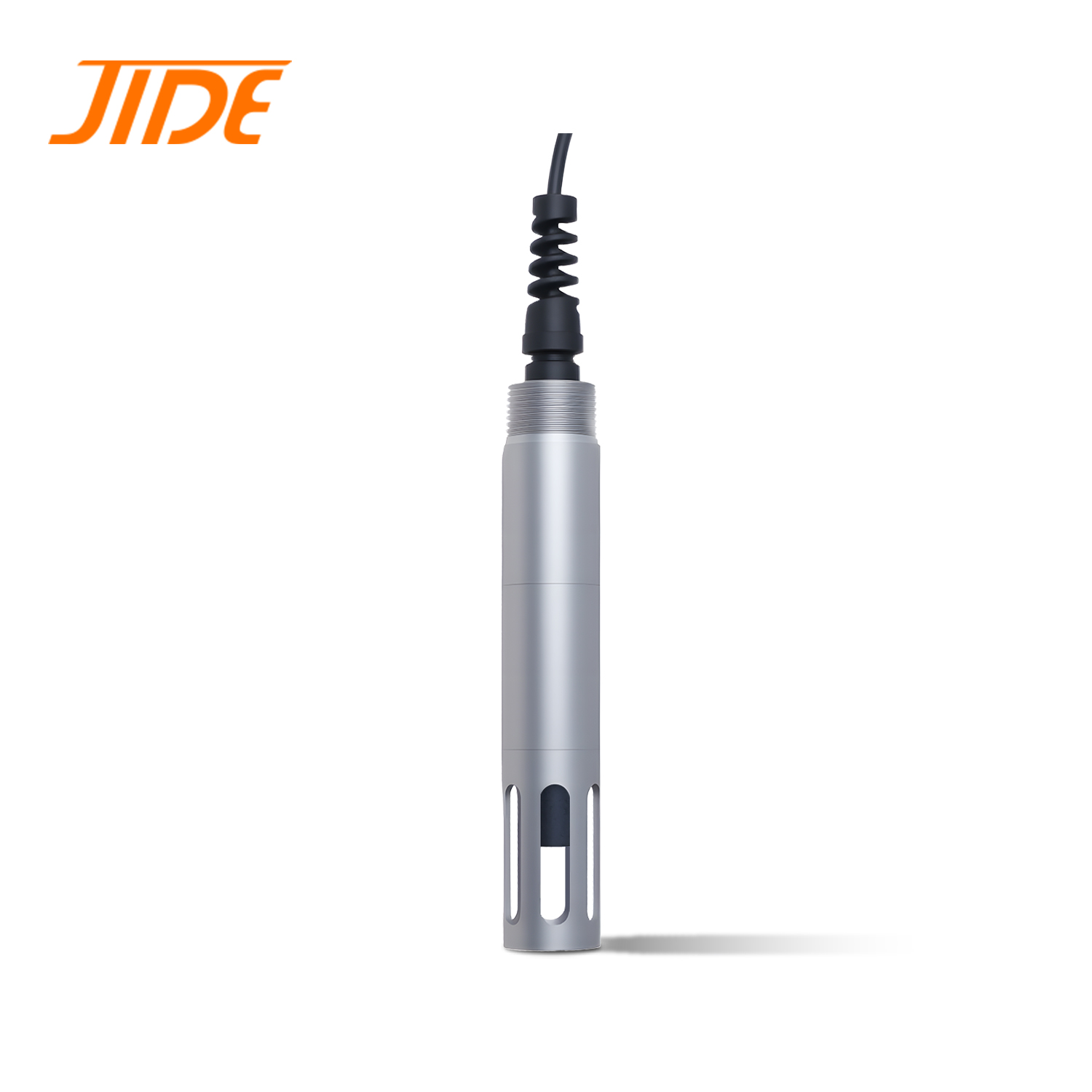
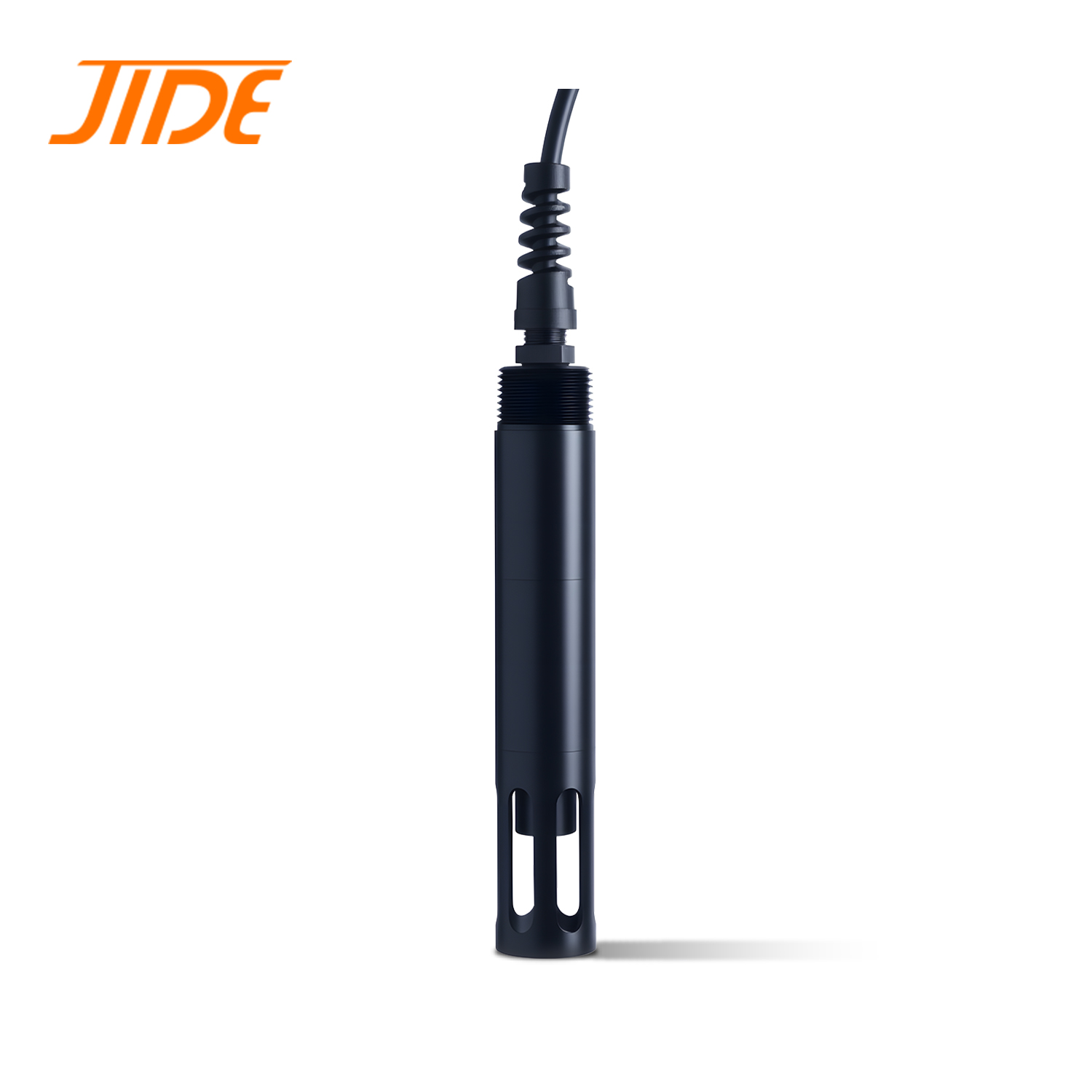
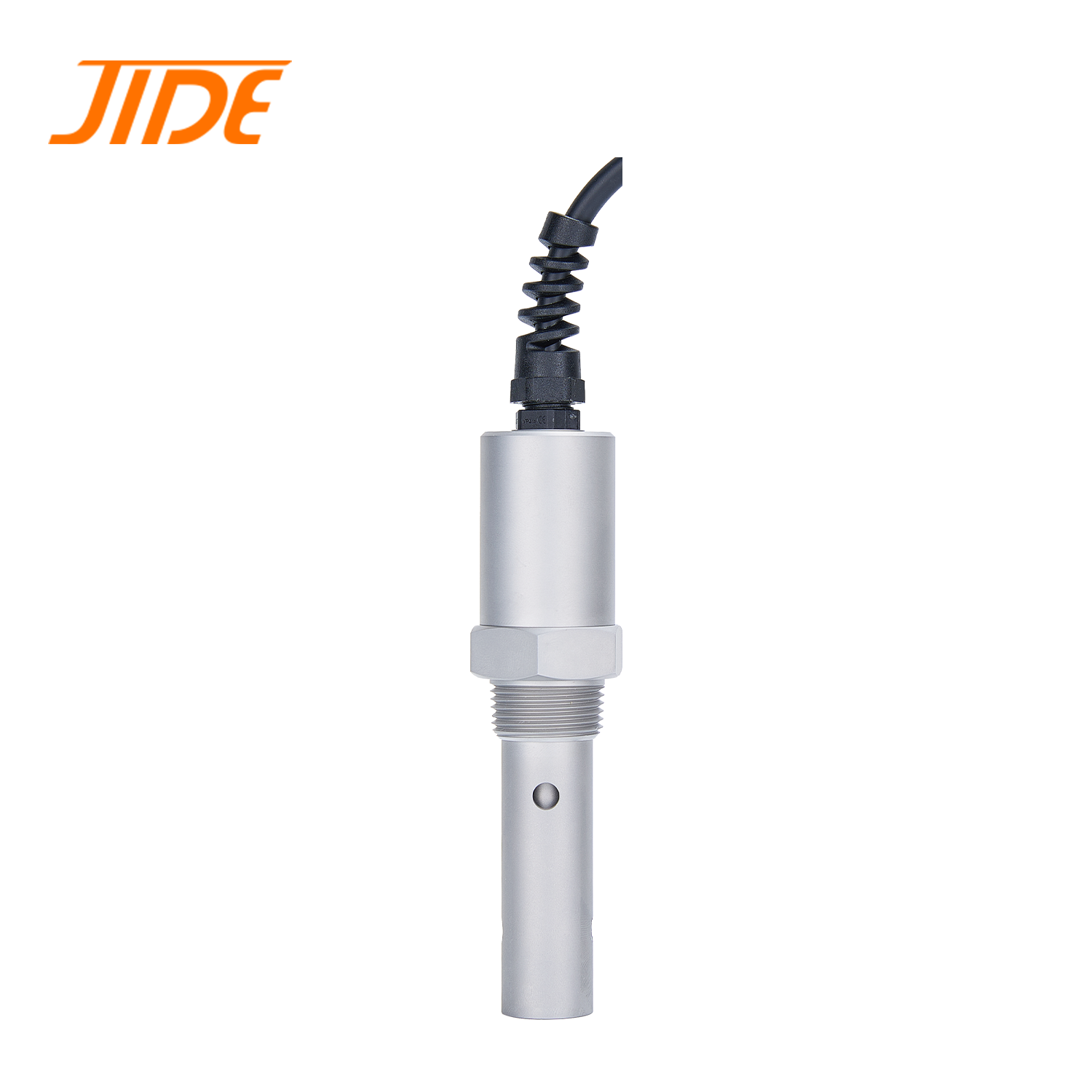
A TDS meter is a handy tool that helps us check the quality of water. TDS stands for Total Dissolved Solids. This means it measures all the tiny bits of stuff mixed in the water, like minerals, salts, and other substances. Understanding the TDS level is important because it tells us if the water is safe to drink or use. High TDS levels might mean there are too many dissolved solids, which can make the water taste bad or even be harmful to our health. This is where JIDE comes in. Our TDS meters are designed to give you quick and accurate readings of water quality. With a simple push of a button, you can know if your water is clean and safe.
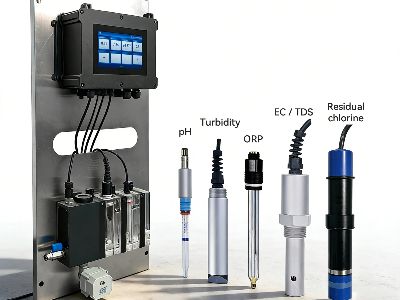
A TDS meter is a small device that you can use to test the quality of your water. It works by sending an electrical current through the water. The meter then measures how easily the current flows. If there are a lot of dissolved solids in the water, the current will flow differently compared to clean water. This change is what the meter reads and shows on its display. For example, if your TDS meter shows a reading of 50, this means there are 50 parts per million of dissolved solids in the water. On the other hand, a reading above 300 might indicate that the water is not safe for drinking. JIDE’s TDS meters are easy to use. You can check water from your tap, a bottle, or even a fish tank. It helps you know what’s in your water so you can make better choices. The beauty of using a TDS meter is that it gives you instant results. You don’t have to wait for days like you might with some lab tests. This is especially helpful for people who want to ensure their drinking water is pure. For instance, if you have a garden, knowing the TDS levels in your water can help you choose the best way to water your plants. Too much salt in the water can harm them. With JIDE’s meter, you can easily find out the right levels. Additionally, you might consider using an Online Residual Chlorine Sensor/Meter/Probe JECA-RC K for more comprehensive water quality analysis.