Best TDS Meter for RO Water Purification

All Categories

tds meter for ro

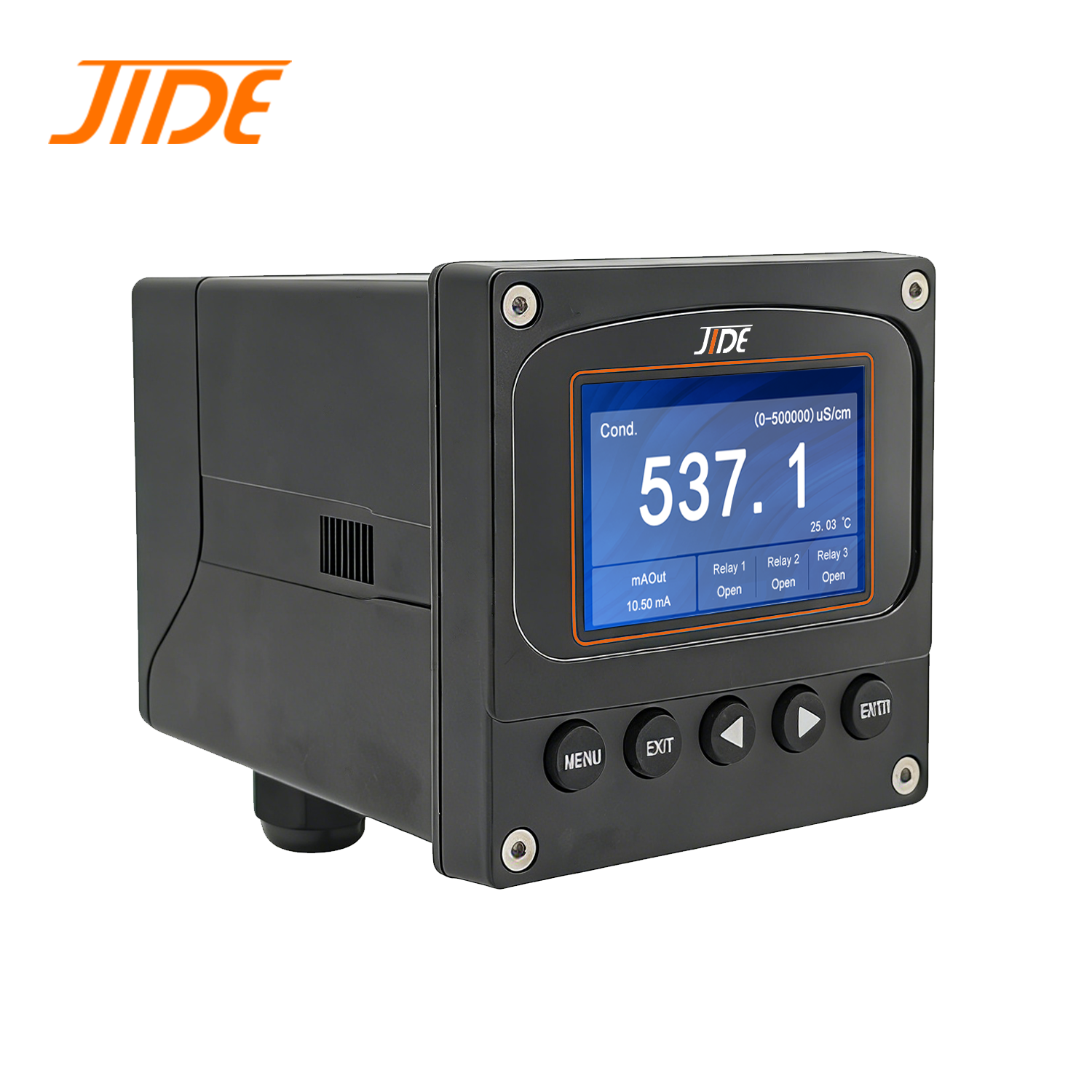
A TDS meter is a handy tool for anyone using a reverse osmosis&nbps; (RO) system. It&nbps; measures the total&nbps; dissolved solids in water,&nbps; which&nbps; helps you understand&nbps; how clean&nbps; your&nbps; water is. This is&nbps; important because clean&nbps; water is essential for drinking, cooking, and even for your plants. If you have an&nbps; RO&nbps; system, you want to make sure&nbps; it is working&nbps; properly. A TDS meter&nbps; from JIDE can&nbps; help you check the quality of your water&nbps; easily and quickly. Using a TDS meter is simple. You dip it into a glass of water, and it&nbps; will give you a reading in parts per&nbps; million (PPM). A lower&nbps; number means better water quality.
How to Choose the Best TDS Meter for Your RO Water Purification Needs

When looking for the best TDS meter for RO&nbps; systems, you want&nbps; something that&nbps; is accurate and easy&nbps; to&nbps; use. JIDE&nbps; offers several options that are perfect for&nbps; this task. One good choice&nbps; is a pocket-sized TDS meter. It is small&nbps; enough to carry around but powerful enough to give you reliable&nbps; readings. You can use it to check the water from your RO system, and it will tell&nbps; you if the water has&nbps; too many dissolved solids. A good TDS meter should also have an&nbps; easy-to-read display. Some models even come with a backlight, which is great for checking readings in&nbps; dim lighting. Also, you want a meter that can be calibrated easily. Calibration is when you adjust the meter to make sure it gives accurate readings. This is important&nbps; because over time, meters can become less&nbps; accurate. JIDE’s TDS meters are designed for easy calibration, so you can always trust the results. Lastly, consider how long the battery lasts. A&nbps; good TDS meter should provide a long battery life so you don’t have to worry about it dying when you need it most. A TDS meter&nbps; is a small investment that can help you ensure your RO&nbps; system is giving you clean, safe water. If you're looking for a reliable option, consider the Online Residual Chlorine Sensor/Meter/Probe JECA-RC K.

Our Blog Posts

Online Water Quality Monitoring Solutions for Industrial Applications

01

Jul

Online Water Quality Monitoring Solutions for Industrial Applications

Water is a vital part of many industries. Factories, farms, and plants all need clean water to work properly. When water quality is poor, it can cause big problems. Companies can lose money, face legal issues, and hurt the environment. That’s why it ...
View More
High Accuracy Turbidity Sensor for Wastewater Treatment Plants

17

Jul

High Accuracy Turbidity Sensor for Wastewater Treatment Plants

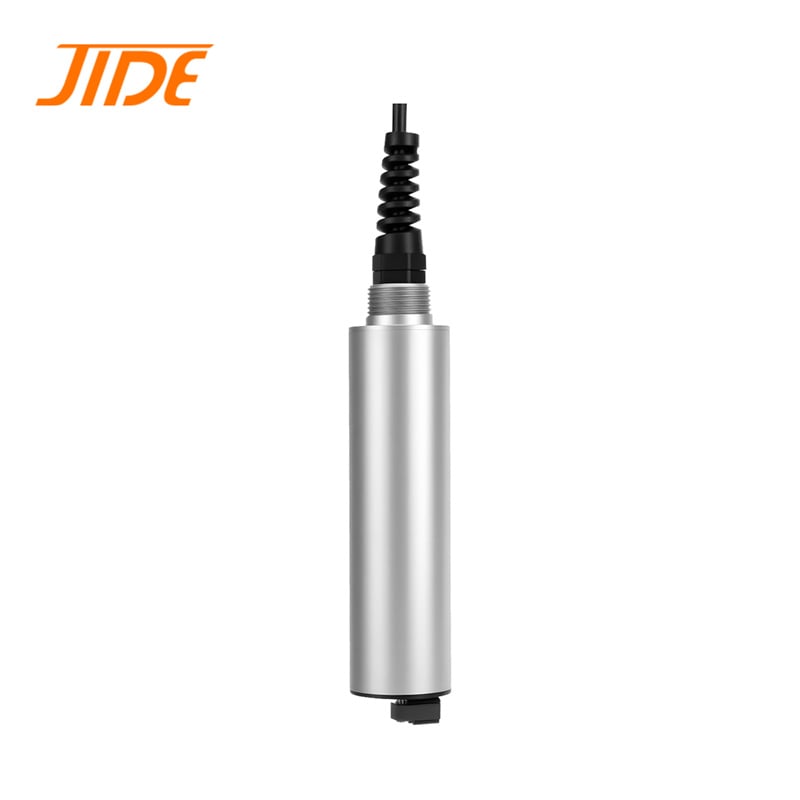
Turbidity sensors are important tools in wastewater treatment plants. These sensors help measure how clear or cloudy water is. When water is not clear, it can mean that there are too many tiny particles, like dirt or bacteria. This can be a problem f...
View More
Full Series Water Quality Sensors for Industrial & Environmental Use

19

Aug

Full Series Water Quality Sensors for Industrial & Environmental Use

Water quality plays a critical role in industrial operations and environmental protection. Clean water supports efficient manufacturing processes while helping preserve rivers, lakes, and oceans. Reliable monitoring is essential for detecting contami...
View More
Stable COD Online Analyzer for Continuous Wastewater Monitoring

29

Aug

Stable COD Online Analyzer for Continuous Wastewater Monitoring

When it comes to keeping our water clean, we need special tools to help us. One important tool is the COD (Chemical Oxygen Demand) online analyzer. This device helps us check how much pollution is in wastewater all the time. Having a reliable analyze...
View More

Get a Free Quote

Our representative will contact you soon.
Email
Name
Company Name
Message
0/1000

Related product categories

Where to Buy High-Quality TDS Meters for Wholesale?

Where to Buy High-Quality TDS Meters for Wholesale?

Choosing a&nbps; TDS meter for RO applications can be a bit tricky if you don't know what to look&nbps; for. First, think about the range of the&nbps; meter. A good TDS meter should measure&nbps; from 0&nbps; to 9999 PPM. This way, it can handle both very clean water and&nbps; water with higher levels of dissolved solids. JIDE’s TDS meters are designed to cover this&nbps; range effectively. Next, think about the design. You want a meter that feels comfortable in your&nbps; hand and is easy to use. Some TDS meters have a simple one-button operation, which&nbps; is great for beginners. You&nbps; also&nbps; want to look for a meter with a sturdy build. If&nbps; you drop it, you don’t want it to break easily. Additionally, consider whether&nbps; you want a meter that&nbps; shows temperature. Some TDS meters can also measure the temperature of the water, which can be helpful. Another important factor is price. While you&nbps; want a good meter, you don’t need to spend&nbps; a fortune to get a quality product. JIDE offers affordable&nbps; options that don't skimp on quality. Lastly, check the warranty. A good warranty means&nbps; the company stands behind its product. If something goes wrong, you can get a replacement or repair without extra costs. Selecting&nbps; the right TDS meter is important for anyone using an RO system. It helps ensure that the water you&nbps; drink is safe and healthy.

How to Accurately Measure TDS Levels in Your RO System?

How to Accurately Measure TDS Levels in Your RO System?

A TDS meter is a special&nbps; tool that helps you&nbps; measure the Total Dissolved Solids (TDS) in your water.&nbps; TDS includes all the tiny bits of stuff in the water that you can't see, like minerals, salts, and metals. When you have a Reverse Osmosis (RO) water&nbps; system, it is very important to keep track of TDS levels. This is because RO systems are designed to remove most of the bad stuff from the water, making it safe and clean to drink. By using&nbps; a&nbps; TDS meter,&nbps; you can see how well your&nbps; RO system is working. If the TDS level is high, it means there are still some unwanted particles in the&nbps; water. This can&nbps; happen if the RO filters are dirty&nbps; or&nbps; worn out. If you know&nbps; the TDS level, you can take action. For example, you might decide to change the&nbps; filters in your JIDE RO system to ensure you are drinking the&nbps; best quality water.&nbps; Keeping TDS levels low means the water has fewer harmful substances, making it better for your health. Also, regular checks with a TDS meter&nbps; can help&nbps; you understand the water quality in your home. It can be fun to watch the numbers go down, showing that your RO&nbps; system is doing its job. This way, you can feel confident that the water you drink&nbps; is clean and safe.

What Are the Benefits of Using TDS Meters for RO Systems?

What Are the Benefits of Using TDS Meters for RO Systems?

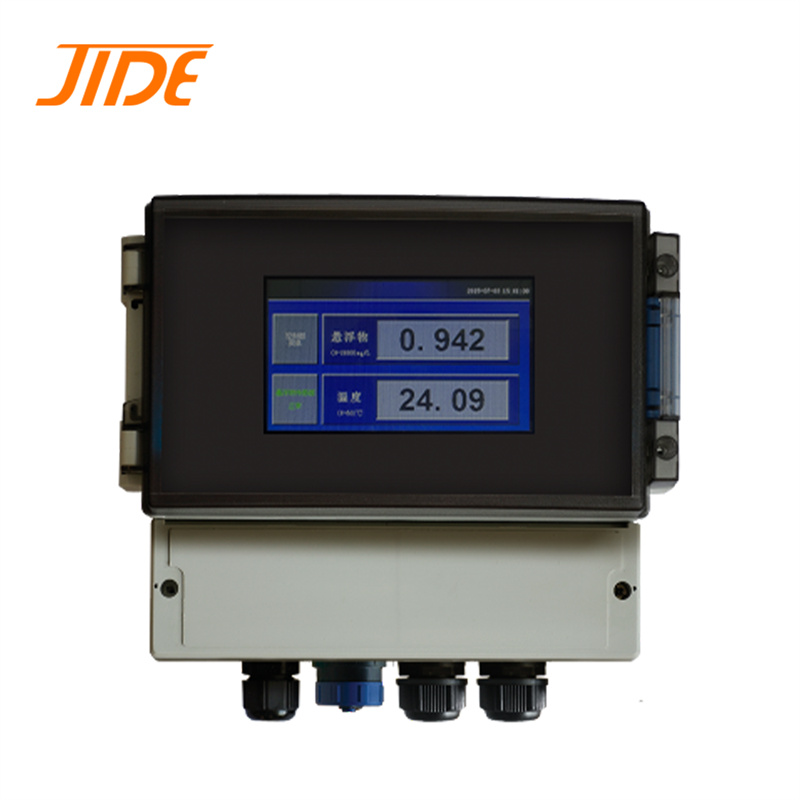
When using a TDS meter with&nbps; your RO system, it is important to know what levels to look for. Generally,&nbps; the TDS level for drinking water should be below 300 parts per million (ppm). If your&nbps; TDS level is over 300 ppm, it might not be safe to drink. In fact, the best drinking water usually has a TDS level between 50 and 150 ppm. This range shows that the water is&nbps; clean&nbps; and has some good minerals, which can be healthy for you. When you&nbps; first&nbps; set up your JIDE RO&nbps; system, you should check the TDS level of your tap&nbps; water. This will give you&nbps; a starting point&nbps; to compare with the TDS level of&nbps; the&nbps; water after it goes through the RO system. If the TDS is high in your&nbps; tap water but low after filtering, that means your RO&nbps; system is working well. You should also keep an eye on the TDS levels over&nbps; time. If you notice the TDS level rising, it could mean that the filters need to be changed.&nbps; Regular checks will help you keep track of how clean your water is. It’s a good habit to make sure your water stays healthy, especially&nbps; if you drink it every&nbps; day.&nbps; Monitoring TDS levels is a simple way to ensure that you are always getting the best water possible. For advanced options, you might also want to explore the Turbidity/Suspended Solids/Sludge Concentration Sensor/Meter/Probe JOSA-MLSS.

Choose your global partner

Are you ready to consult with an engineer about your working conditions and specific needs?

Get a Quote

Get a Free Quote

Our representative will contact you soon.
Email
Name
Company Name
Message
0/1000