Inline Turbidity Sensor for Quality Control

All Categories

inline turbidity sensor

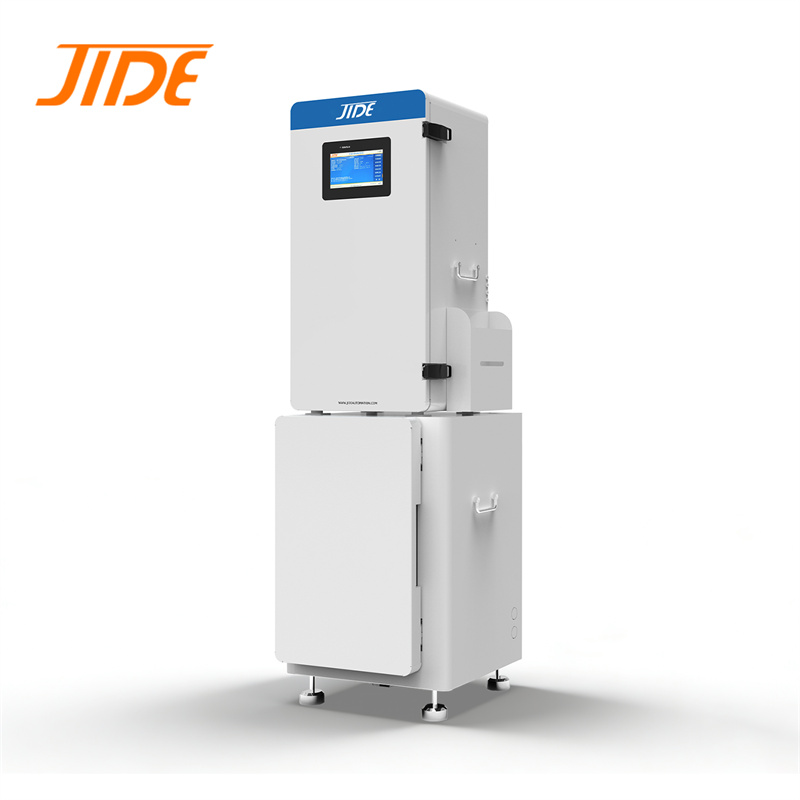
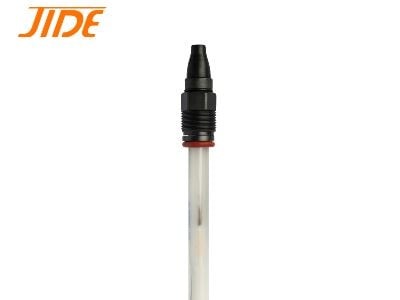
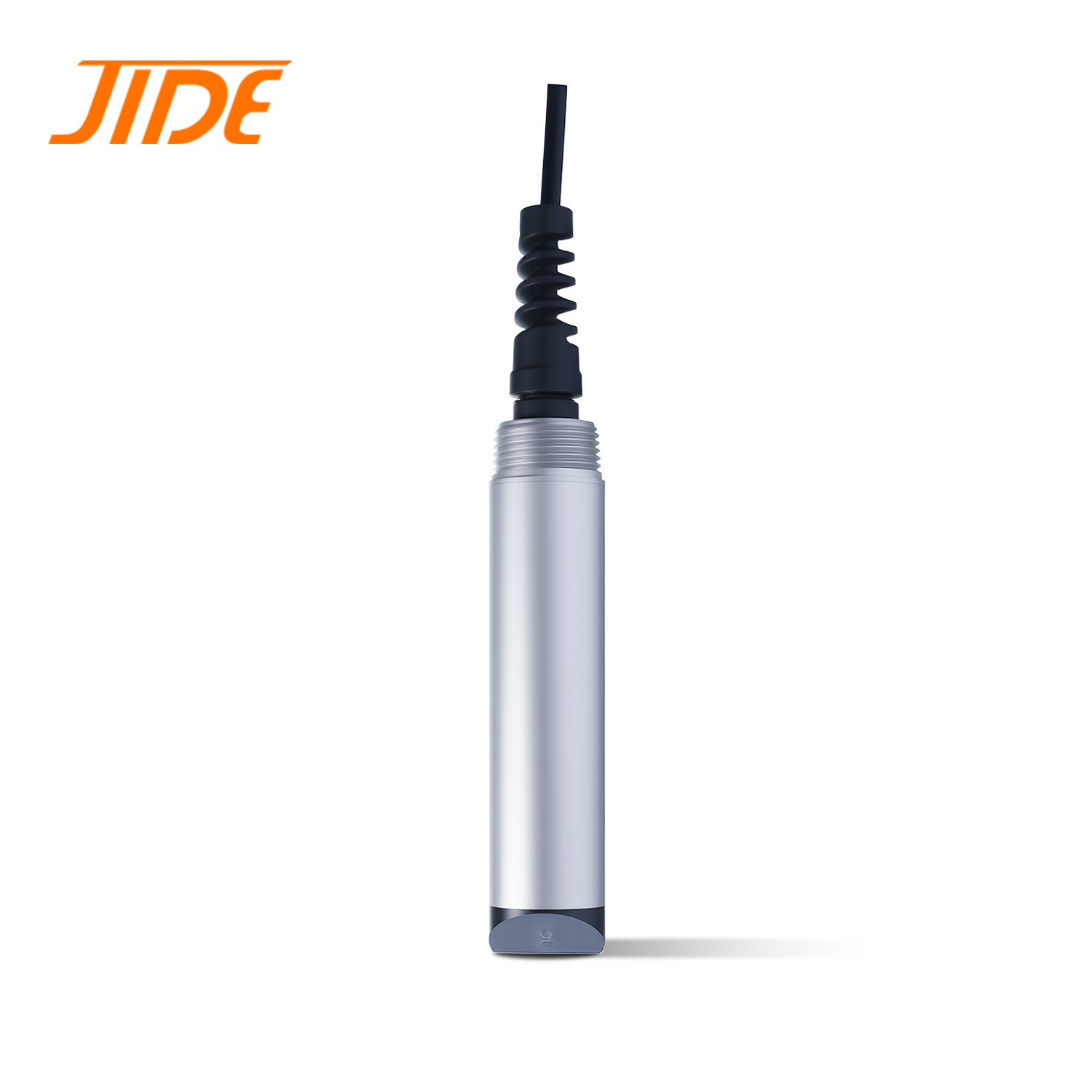
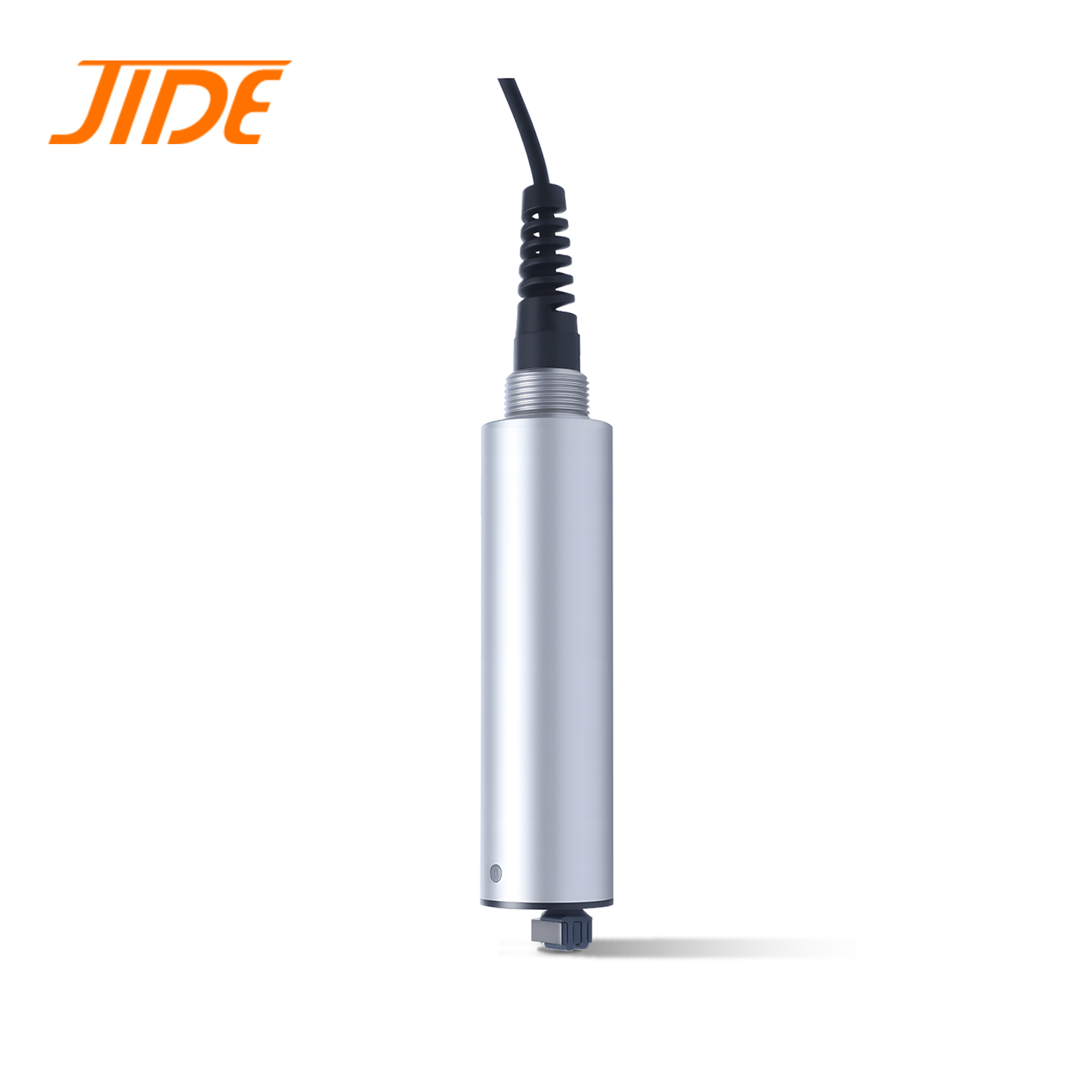
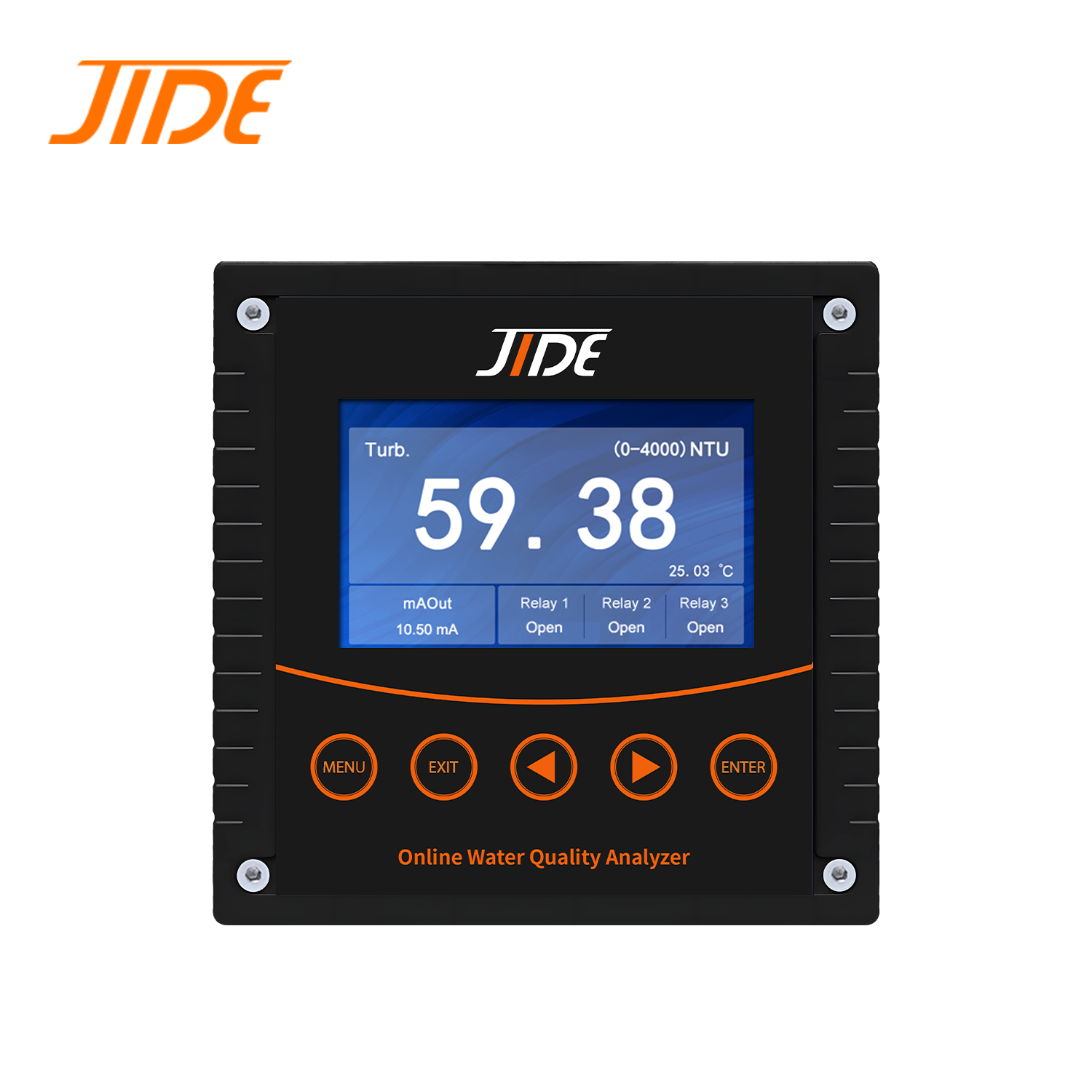
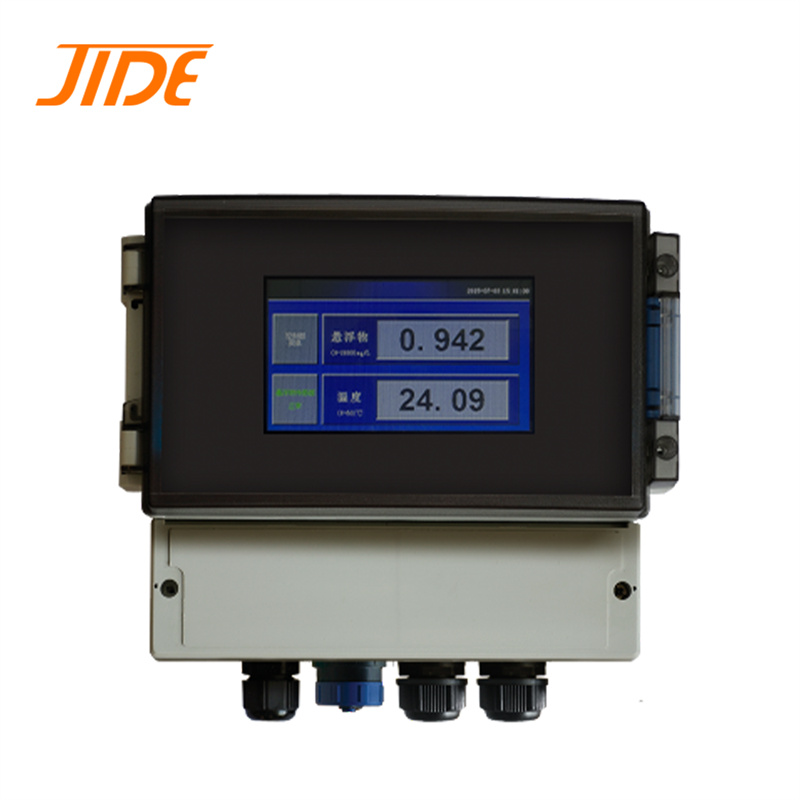
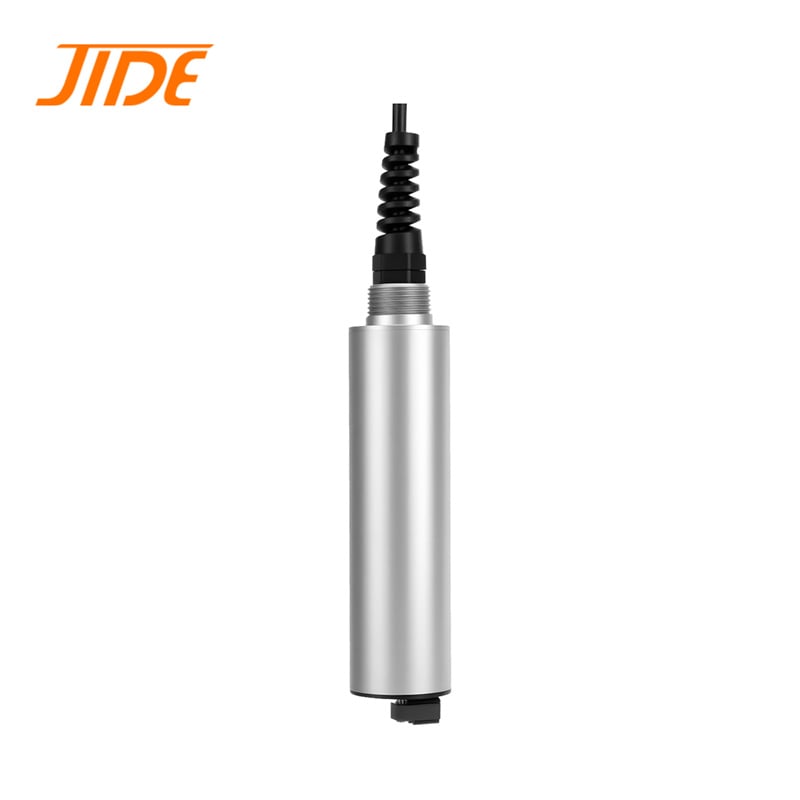
An inline turbidity sensor is a special device that helps measure how clear or cloudy a  liquid  is. It’s  important in many places, like factories and water treatment plants. When  water or  other liquids have too many tiny particles, they can look murky. This can be a problem for making products or keeping water safe to drink. The inline turbidity sensor helps to keep track of how much dirt or particles  are in the liquid. This way, companies can make sure their products are of good quality  and safe for everyone. JIDE  makes reliable inline turbidity sensors that help businesses keep their liquids clean and clear. For enhanced monitoring, consider using an Industrial Online Turbidity Analyzer.

An inline turbidity sensor is a tool that continuously measures the cloudiness of liquids. Cloudiness, or  turbidity, happens when tiny solids or particles are mixed in with the liquid.  It can be dirt, algae, or other materials. This sensor works while the liquid is flowing through pipes, making it easier for factories to monitor their processes. It sends real-time  data to  operators, helping them make quick decisions. For example, in a water treatment plant, if the turbidity level goes up, the operators know they need to take action quickly to clean the water. This is vital for  public health because dirty water can cause sickness. In manufacturing, if a product needs clear liquid, like in making beverages or pharmaceuticals, high turbidity can ruin the product. That’s why it is  crucial to have inline turbidity sensors. They ensure that the liquid’s clarity stays within the right limits. JIDE’s sensors are designed to be accurate and easy to  use, helping companies keep their quality control high. Plus, these sensors can save time and money by catching problems early. When  businesses use inline turbidity sensors, they can avoid  costly mistakes  and make better products. It’s not just about keeping things  clean;  it’s also about safety and quality for the people who use those products. Companies that invest in good sensors show they care about what they deliver to their customers. For comprehensive solutions, explore our Ocean-Specific Online Water Quality Monitoring options.
What is an Inline Turbidity Sensor and Why is it Essential for Quality Control?

Finding the best inline turbidity sensors can feel tricky, but there are some good places to look. First, it’s a good idea to check  online. Many companies, like JIDE, have websites where you can learn all about their products. You can  see different models, how they work, and even customer reviews. This can help you decide which sensor is best for your needs. Another great way to find quality sensors is by visiting trade  shows or industry fairs. These events let you see the sensors in action.  You can ask questions directly to  the experts and understand how each sensor works. Sometimes, companies offer demonstrations, which can be very helpful. Also, talking to other  businesses in your area can give  you insights. They might have experience with different types of sensors and can recommend what works best. When looking for the right inline turbidity sensor, consider the specific needs of your industry. Some sensors might be better for water treatment, while others are great for food and beverage production. JIDE focuses on creating sensors that fit different industrial applications, ensuring that you get the right tools for  your job. Make sure to look for sensors that offer good accuracy and reliability, as these are key to maintaining quality control. Checking the warranty and customer  support can also help you feel more  confident in your purchase. Overall, finding the  best inline turbidity sensor means doing a bit of research and talking to the right people,  but it’s worth it for keeping your liquids clear  and safe.

Inline turbidity sensors are special tools used in factories and other places to check how clear or  cloudy a liquid is. One of the biggest  benefits of using these  sensors is that they help  make sure products are made correctly. When a liquid is too cloudy, it can mean that there  are small particles or dirt in it. This can affect the quality of the final product. For example, in food and drink factories, clear liquids are important  for taste and safety. JIDE’s inline turbidity sensors help workers see if the liquid is good or if it needs to  be cleaned up before it is used.

Our Blog Posts

Online Water Quality Monitoring Solutions for Industrial Applications

01

Jul

Online Water Quality Monitoring Solutions for Industrial Applications

Water is a vital part of many industries. Factories, farms, and plants all need clean water to work properly. When water quality is poor, it can cause big problems. Companies can lose money, face legal issues, and hurt the environment. That’s why it ...
View More
High Accuracy Turbidity Sensor for Wastewater Treatment Plants

17

Jul

High Accuracy Turbidity Sensor for Wastewater Treatment Plants

Turbidity sensors are important tools in wastewater treatment plants. These sensors help measure how clear or cloudy water is. When water is not clear, it can mean that there are too many tiny particles, like dirt or bacteria. This can be a problem f...
View More
Complete Solutions for Environmental Water Quality Monitoring Projects

13

Sep

Complete Solutions for Environmental Water Quality Monitoring Projects

Water is vital for life, and its quality is essential for our health and the environment. Monitoring water quality helps us understand how clean our water is and if it is safe to use. Many businesses and organizations need to keep track of water...
View More
How to Choose a PH Sensor for Industrial Wastewater Monitoring

23

Sep

How to Choose a PH Sensor for Industrial Wastewater Monitoring

When it comes to checking the pH levels in industrial wastewater, choosing the right pH sensor is very important. Wastewater is the water that comes from factories and homes after it has been used. This water can have harmful chemicals and should be ...
View More

Get a Free Quote

Our representative will contact you soon.
Email
Name
Company Name
Message
0/1000

Related product categories

Where to Find the Best Inline Turbidity Sensors for Industrial Applications

Where to Find the Best Inline Turbidity Sensors for Industrial Applications

Another great thing about these sensors is that they work  all the time.  This means  they give real-time information. If something goes wrong, like if the liquid becomes  too cloudy, the  sensor can send a warning right away. This  helps workers  fix the issue before it becomes a big problem. Quick reactions can save a lot of time and money for the  company. Also, using JIDE’s inline turbidity  sensors can lower the number  of mistakes. When workers know  that the  sensors  are checking the  liquid, they can  trust that the product is  safe and high quality. This makes  everyone feel  better about what  they are  making.

What Are the Key Benefits of Using Inline Turbidity Sensors in Manufacturing?

What Are the Key Benefits of Using Inline Turbidity Sensors in Manufacturing?

In addition to ensuring  quality, using  inline turbidity sensors can also help companies save money. When they know  about  problems early, they  can fix them quickly,  which can reduce waste and save on materials. This not  only helps the  company but is also good for the  environment. It means less  trash and fewer resources used.  Overall, inline turbidity sensors  from JIDE are important  tools for manufacturing  because they  help keep products safe, save  time and  money,  and  protect the planet.

 
What Common Issues Can Occur with Inline Turbidity Sensors and How to Solve Them?

What Common Issues Can Occur with Inline Turbidity Sensors and How to Solve Them?

While inline  turbidity sensors are very useful,  they can have  some  problems. One common  issue is that the  sensors  can get dirty over time. When  this happens, they may  not work  correctly. If the sensor is covered in dirt  or other materials, it can  give false readings. This means it might say the  liquid is  clear when it is not. To  solve this problem, it is important to clean the sensors regularly. JIDE recommends setting up a cleaning schedule  to  make sure  the  sensors  are always in good shape.

Choose your global partner

Are you ready to consult with an engineer about your working conditions and specific needs?

Get a Quote

Get a Free Quote

Our representative will contact you soon.
Email
Name
Company Name
Message
0/1000