Best Industrial Turbidity Sensors for Your Business

All Categories

industrial turbidity sensor

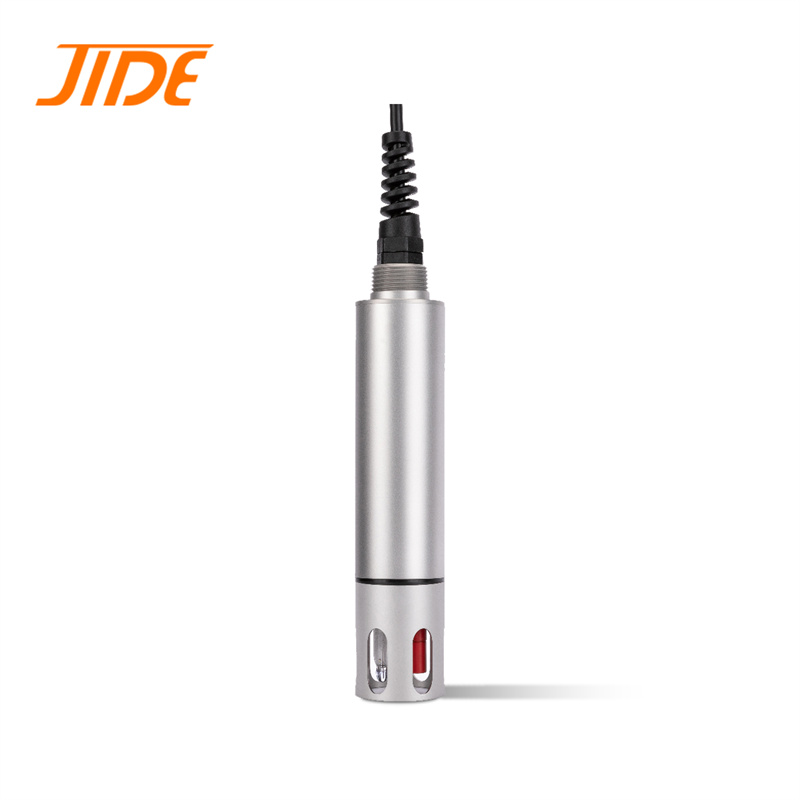
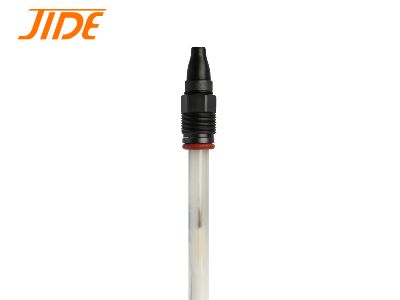
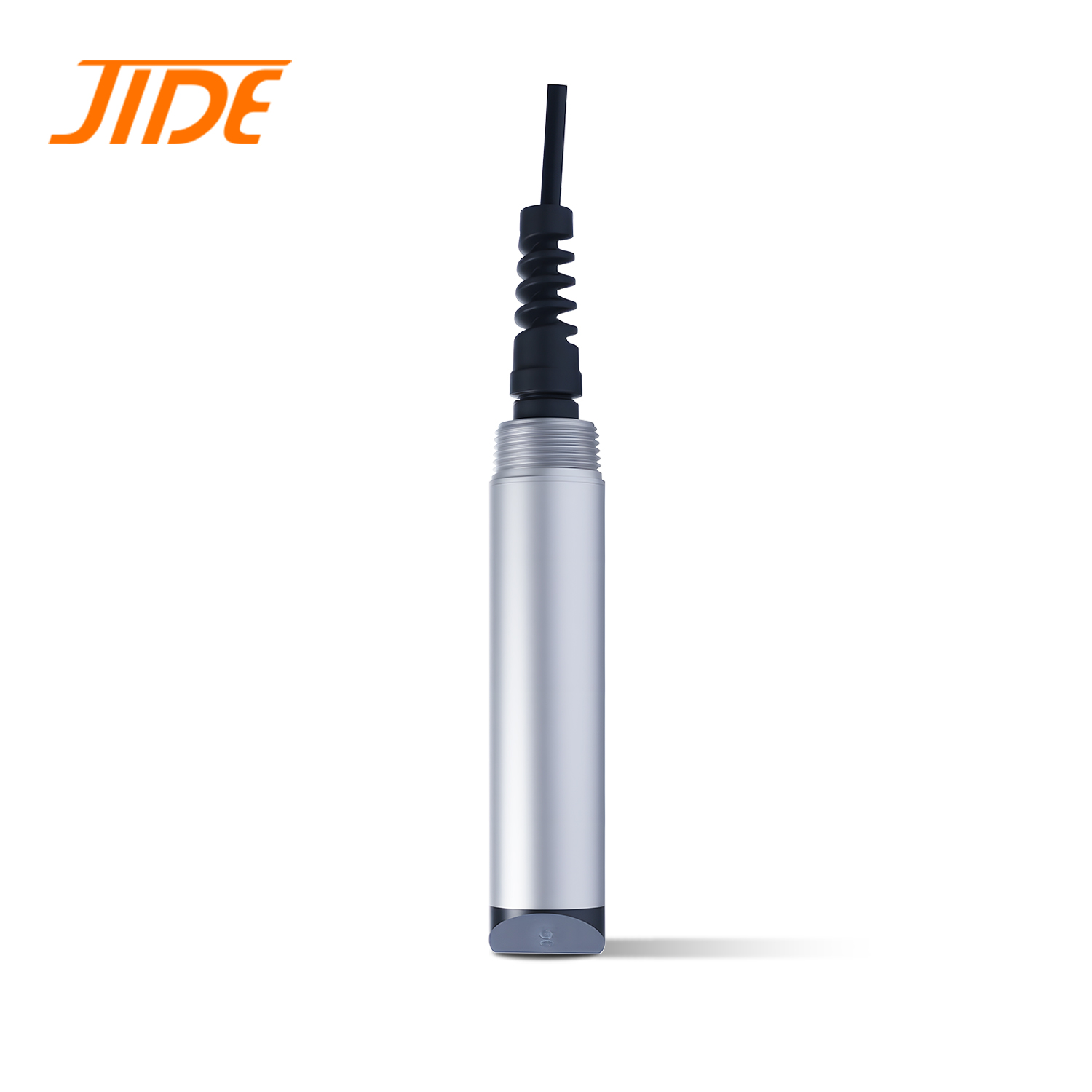
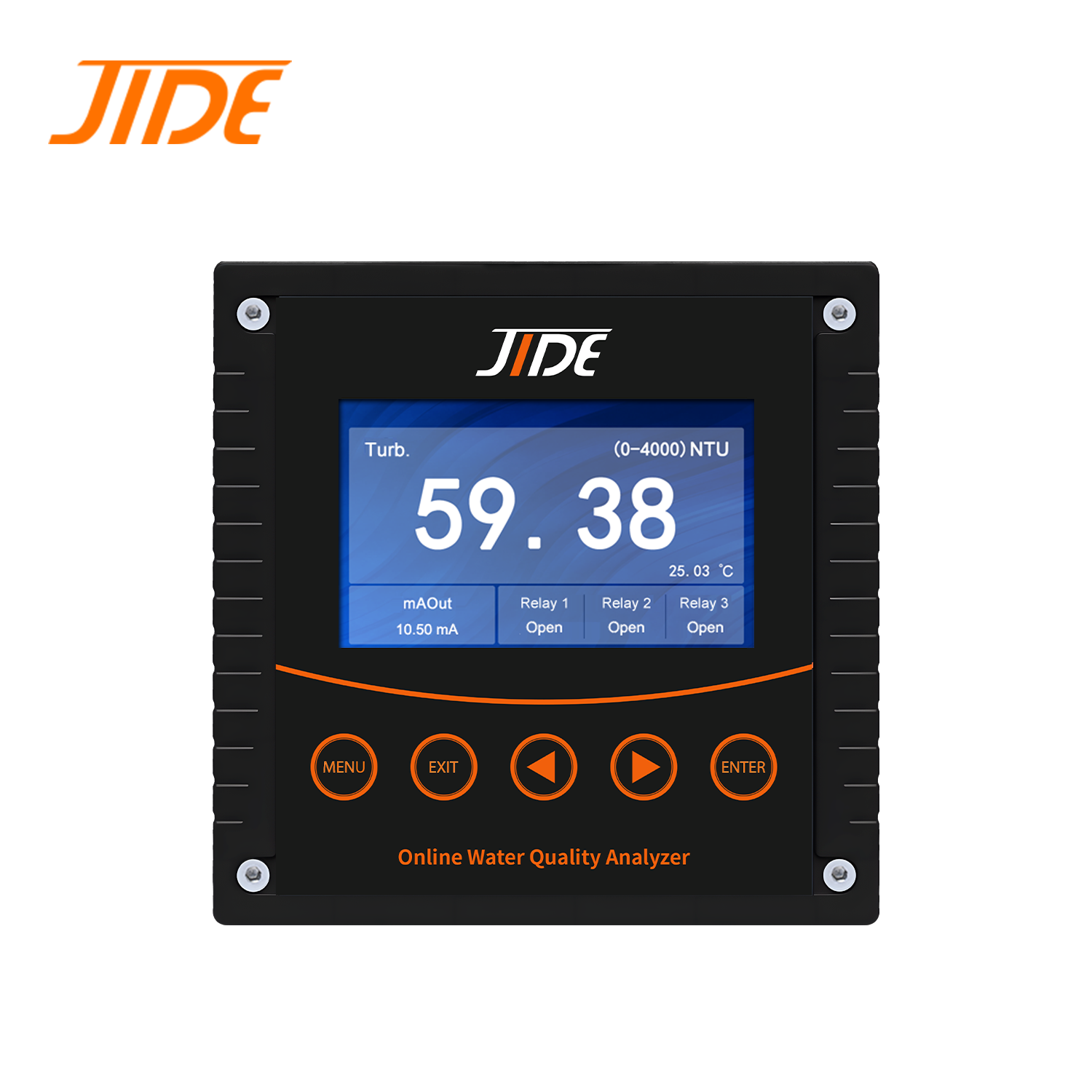
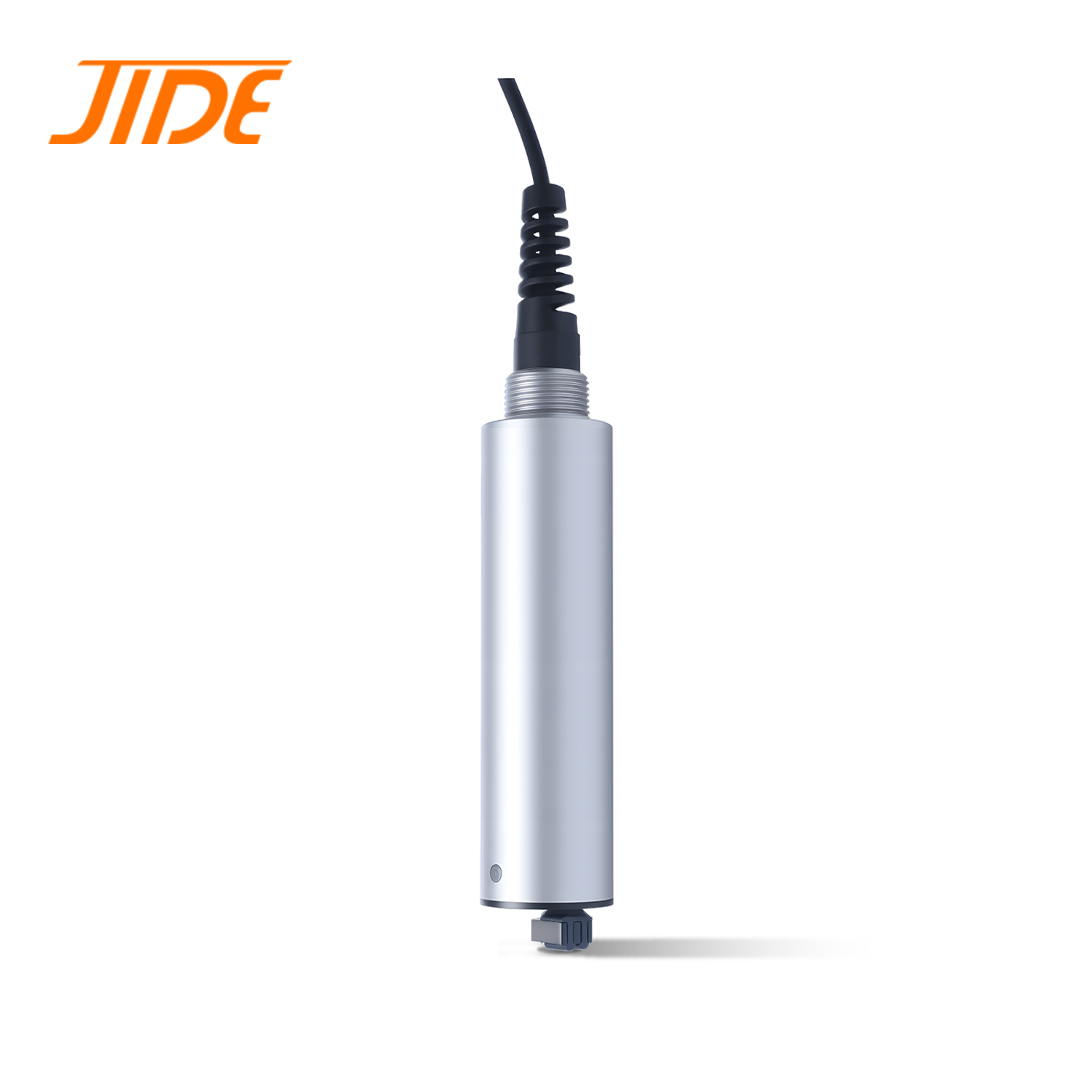
An industrial  turbidity sensor is a device used to measure  how clear or cloudy a liquid is. This  might sound simple, but it is very important in many industries.  For example, water treatment plants need  to ensure that the water they clean is safe for drinking. If the water is cloudy, it might have  harmful particles that can make  people sick. Turbidity sensors help workers see how clean the water is by providing a reading that shows the level of cloudiness. This  helps  them make better decisions about how to treat the water. JIDE makes  reliable turbidity sensors that help  businesses keep their water clean and safe. For a comprehensive solution, consider our Industrial Online Turbidity Analyzer.

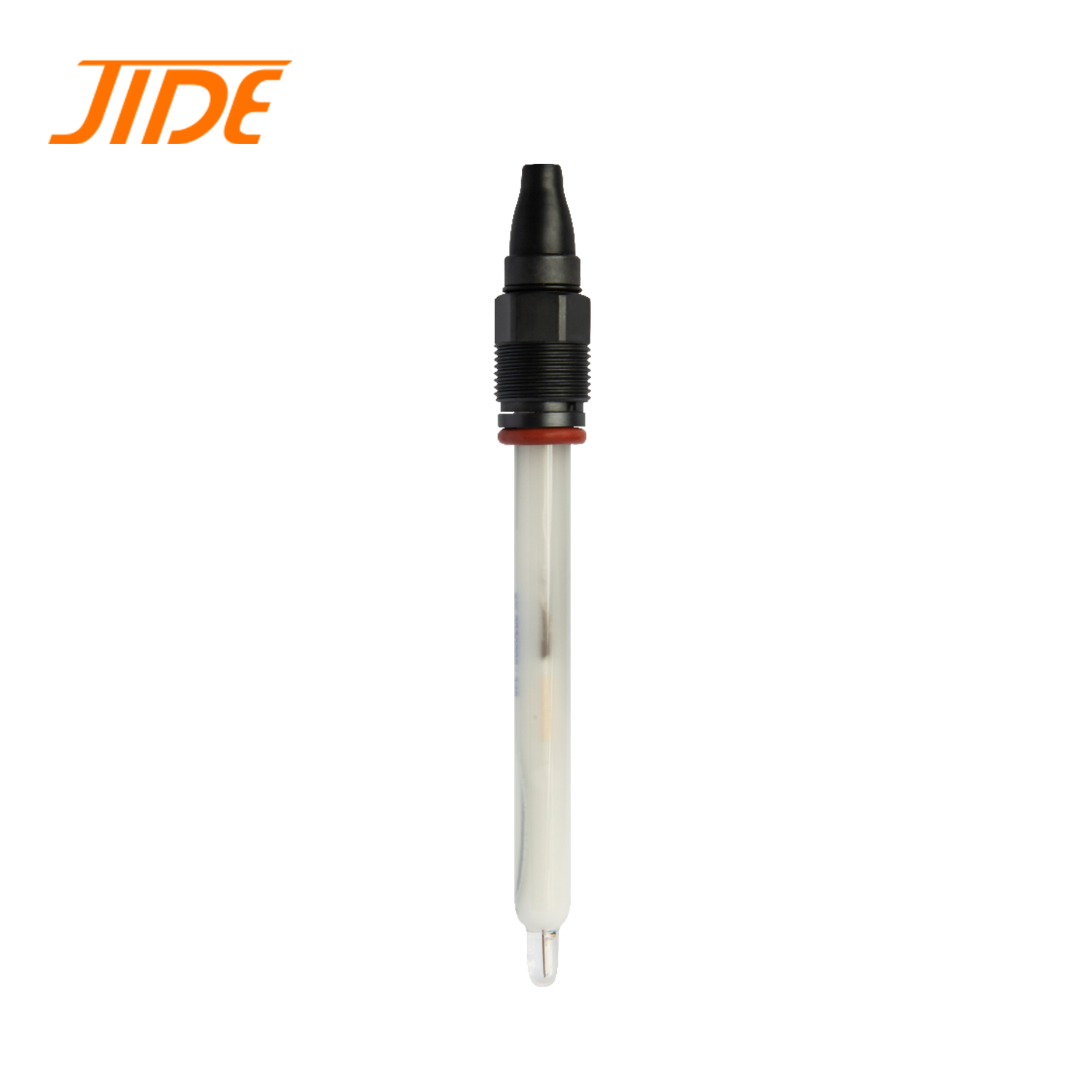
Choosing the right turbidity sensor for your business may seem hard, but it is important to think about a few things. First, you should know what kind of liquid you will measure. Different liquids can  have  different properties, and  some  sensors work better in certain conditions.  For  instance, if you  need to measure water with a lot of particles like  mud or sand, you might want a sensor that can handle those tough conditions. JIDE offers sensors that are designed  for all kinds of liquids, so you can find one that fits your needs. Additionally, if you're interested in monitoring other parameters, check out our Ocean-specific Multi-Parameter Sensor.
How to Choose the Right Industrial Turbidity Sensor for Your Business Needs

When people buy industrial turbidity sensors, they often face some common problems. One big issue is how to set up the sensor correctly. Sometimes, the instructions can be hard to understand, and that makes it difficult for users to install the device properly. If the sensor is not set up right,  it may not work as it  should, leading to incorrect readings. Another problem is the maintenance of the sensor. Turbidity sensors need to be cleaned  regularly  to work well. If they get dirty, they might give false readings.  For example, if a sensor is covered in mud or  grime, it might  show that the water is clean when it  is not. This can be  very  confusing and could lead to bad decisions, especially in industries that rely on clear water, like food  or drink  production.

Another issue buyers face is calibration. Calibration is when you set the sensor to make sure it gives accurate readings. If  a sensor is not calibrated properly, it can lead to wrong results. This can be very serious,  especially in industries where water quality is very important. Many buyers might not know how to calibrate  their sensors correctly,  which can cause them to struggle with  getting the information they need.  Also, some users find it  difficult to connect the sensor to their systems. If the sensor doesn’t connect well, it can’t send data, and that makes it  useless.

Our Blog Posts

Advanced Online Water Quality Monitoring Technology for Treatment Plants

05

Jul

Advanced Online Water Quality Monitoring Technology for Treatment Plants

Water is essential for life, but not all water is clean and safe. Treatment plants play a big role in cleaning water so that we can drink it and use it for different purposes. To ensure the water is safe, treatment plants need to monitor its quality ...
View More
Reliable DO Sensor for Dissolved Oxygen Detection in Aquaculture

09

Jul

Reliable DO Sensor for Dissolved Oxygen Detection in Aquaculture

What Are the Latest Trends in DO Sensor Technology for Aquaculture? Keeping fish and shrimp healthy in ponds or tanks is very important. Dissolved oxygen is a big part of that. Fish and other sea creatures need oxygen to breathe, just like we do...
View More
Professional NH4 Analyzer for Ammonia Nitrogen Water Quality Testing

09

Aug

Professional NH4 Analyzer for Ammonia Nitrogen Water Quality Testing

When it comes to testing water quality, especially for ammonia nitrogen, having the right tools is very important. JIDE offers a professional NH4 analyzer that helps people check the levels of ammonia in water accurately. Ammonia can be harmful to fi...
View More
Multiparameter Water Quality Meter: All-in-One Water Testing Device

24

Aug

Multiparameter Water Quality Meter: All-in-One Water Testing Device

A Multiparameter Water Quality Meter is a special tool that helps test the quality of water. It can measure many different things at once, like pH, temperature, oxygen levels, and more. This is really important for people who buy water-testing equipm...
View More

Get a Free Quote

Our representative will contact you soon.
Email
Name
Company Name
Message
0/1000

Related product categories

Where to Find Reliable Wholesale Suppliers of Industrial Turbidity Sensors

Where to Find Reliable Wholesale Suppliers of Industrial Turbidity Sensors

When wholesalers  think  about buying  industrial turbidity sensors, several factors can affect the price. One major factor is the  technology used  in the sensor. Some sensors use advanced technology that can measure turbidity  more  accurately and quickly. These high-tech sensors usually cost more than basic models. For example,  a sensor that  can  connect to the internet and send data in real-time will be more expensive than one that  requires manual  checks. Another  important factor  is the  material of the sensor. Sensors made from  high-quality materials  that resist corrosion and wear will typically have a higher price.  This means they can last longer and perform better, which is a  good  investment for wholesalers.

What Common Issues Do Buyers Face When Using Turbidity Sensors?

What Common Issues Do Buyers Face When Using Turbidity Sensors?

The brand can also affect the price. Well-known  brands like JIDE often charge more because they have a reputation  for  quality. Wholesalers  might  be willing to  pay extra for a JIDE  sensor  because they know they will  get reliable  performance and good  customer support. Another thing  to consider is  the features included  with the sensor. Some sensors come with additional features like data logging or alerts, which can make them more expensive. Wholesalers need  to decide which features  are  necessary for their  needs  and what they are willing to pay  for them.

What Factors Influence the Pricing of Industrial Turbidity Sensors for Wholesalers?

What Factors Influence the Pricing of Industrial Turbidity Sensors for Wholesalers?

Troubleshooting turbidity sensors can be simple if you know what to do. First, if the sensor is not working or giving strange readings,  check the power supply. Sometimes, the sensor  might not be plugged in  properly  or  the battery might be dead. Ensuring that the sensor is getting  power is the first step. If the  power supply  is fine, the  next  step  is to look for dirt or other obstructions on  the  sensor. If the glass or the part that touches the water is  dirty, it can affect  how the sensor  measures  turbidity. Cleaning the sensor gently with a soft cloth can  often solve  this problem.

Choose your global partner

Are you ready to consult with an engineer about your working conditions and specific needs?

Get a Quote

Get a Free Quote

Our representative will contact you soon.
Email
Name
Company Name
Message
0/1000