 EN
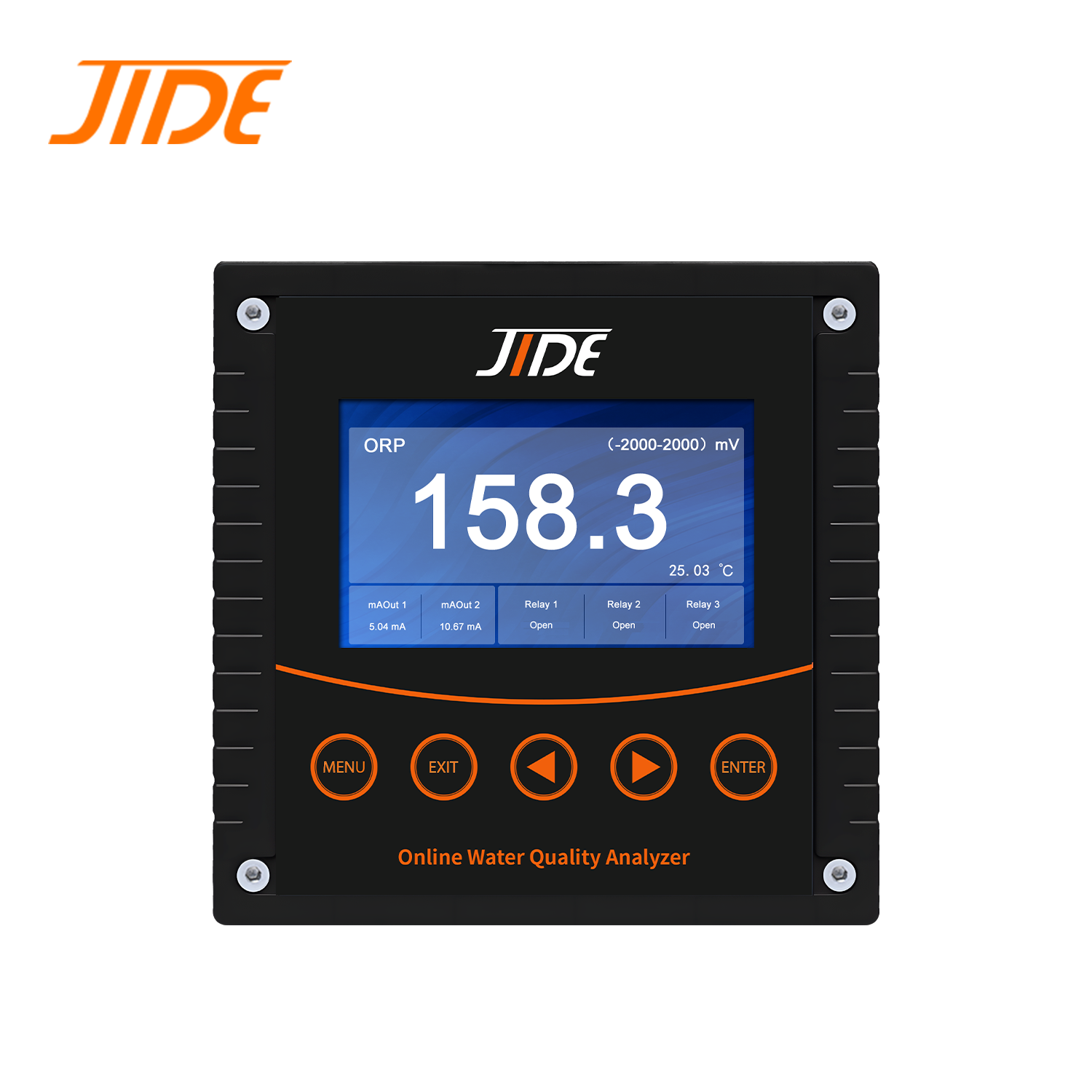
An ORP pH probe is an important tool used in many industries, such as water treatment, food production, and even swimming pools. JIDE makes high-quality ORP pH probes that help measure the acidity or alkalinity of a solution. These probes also check the oxidation-reduction potential. This is important because it shows how much chemical activity is happening in the liquid. When using an ORP pH probe, it is key to know how to use it properly. Sometimes, people face issues that can lead to incorrect readings. This can affect the quality of what they are working with. Knowing how to solve these problems can help you get accurate results and keep everything running smoothly.
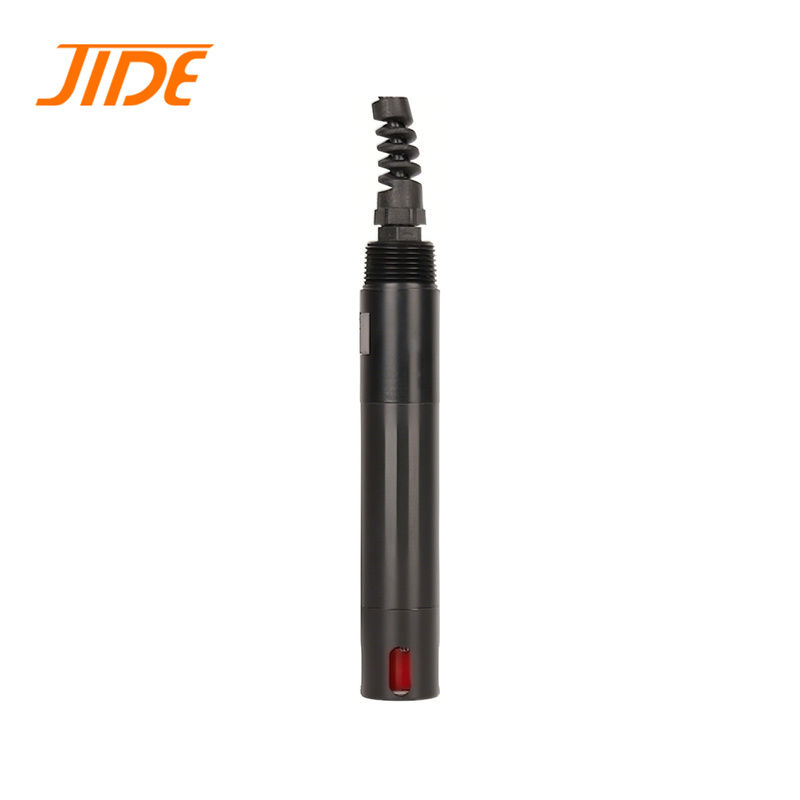
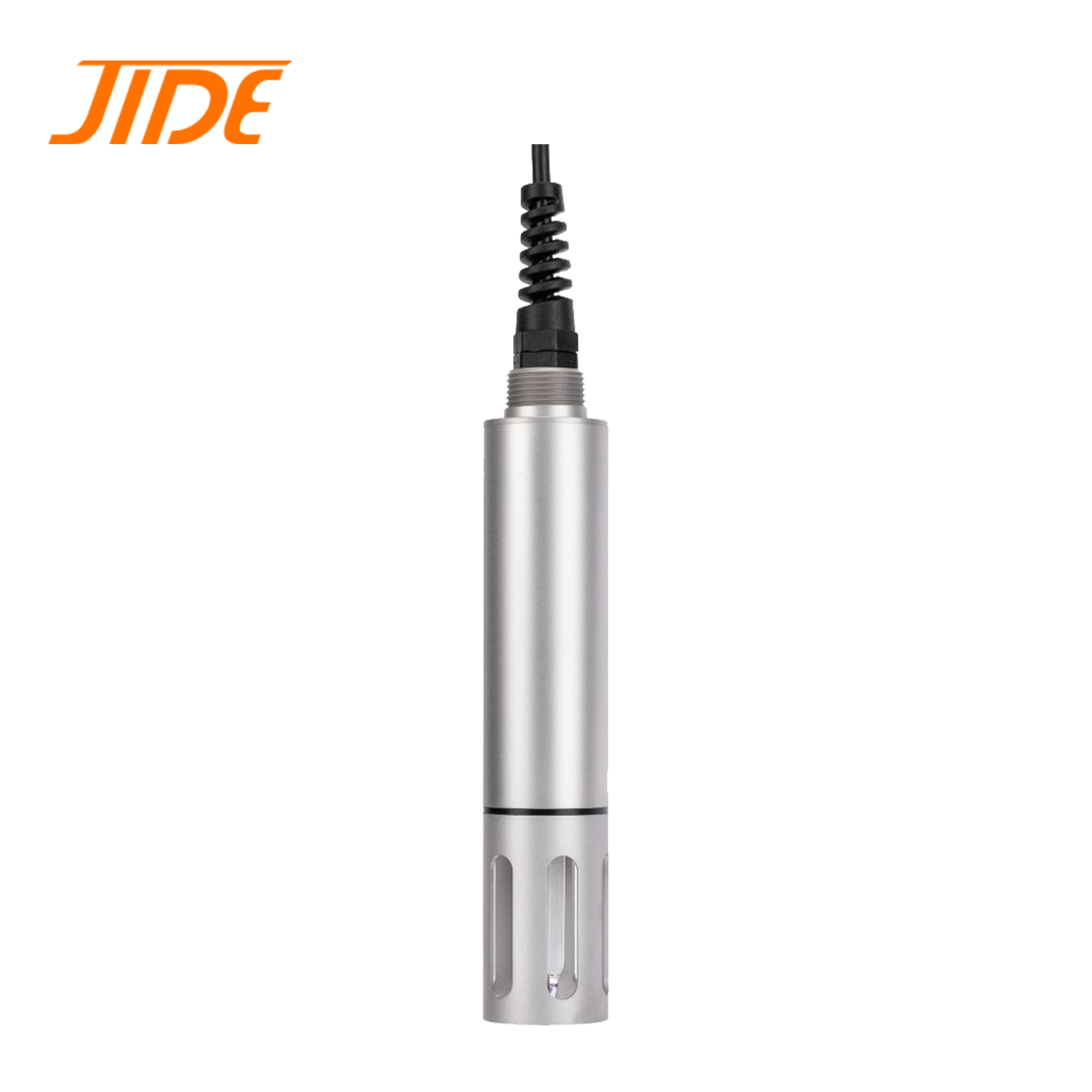
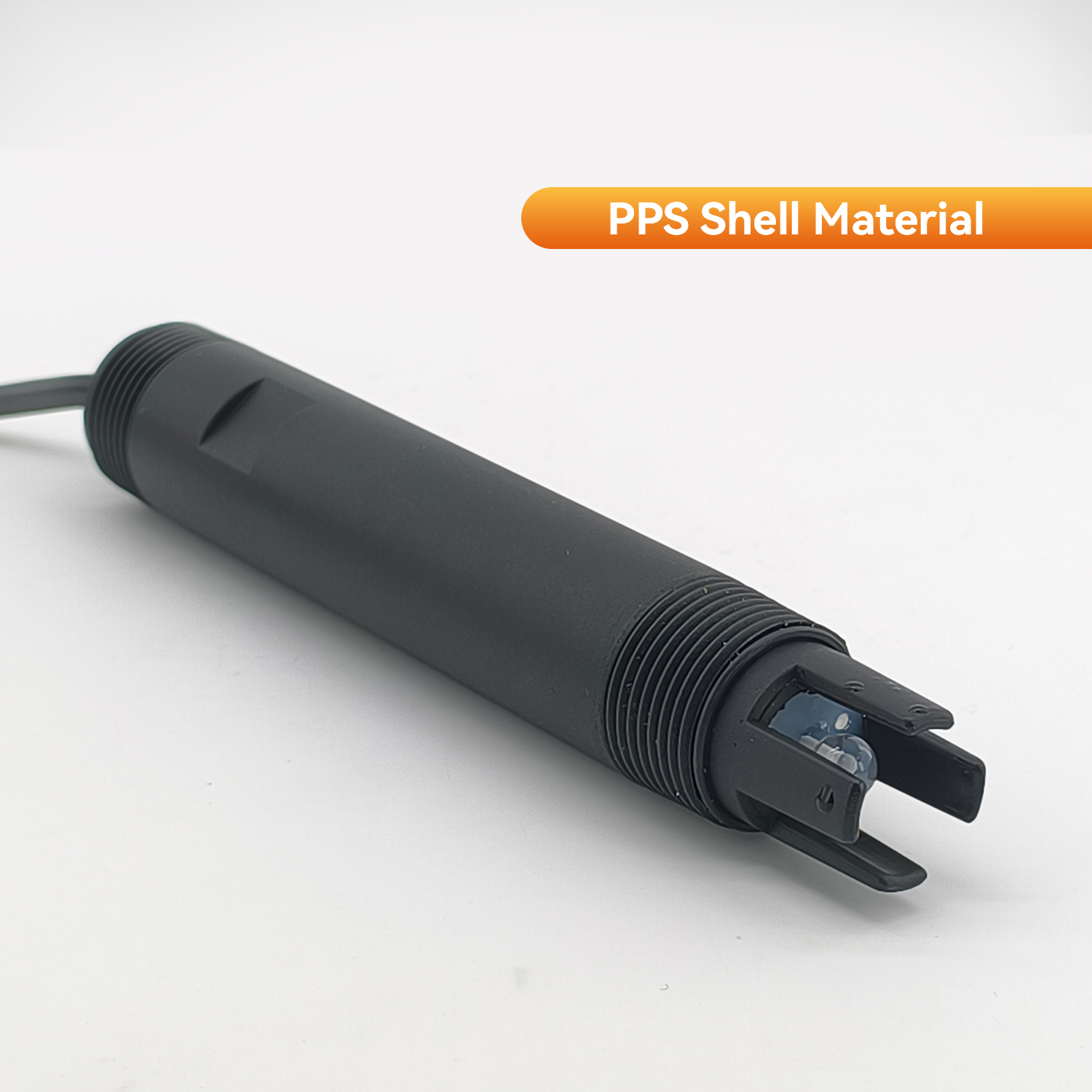
One common issue with ORP pH probes is that they can give incorrect readings if they are dirty or not calibrated correctly. For instance, if the tip of the probe is covered in slime or other substances, it may not work well. To fix this, you should clean the probe with a soft cloth and rinse it with clean water before use. Sometimes, people forget to calibrate their probes. Calibration is like teaching the probe what is normal. If you skip this step, your readings might be way off. You should regularly check your probe against known standards to make sure it is measuring correctly. Another problem is that the probe might not last long if it is used in extreme conditions, like very hot or cold temperatures. JIDE probes are built to handle tough situations, but taking care of them is still important. For instance, you could consider using our Industrial ORP Sensor/Meter/Probe for Wastewater Treatment JSR-106 which is designed for harsher environments. If you notice that your readings are jumping around, it might mean your probe is damaged. In this case, replacing the probe can help. Also, if you are using the probe in a solution that has a lot of chemicals, it can wear out quicker. To avoid this, make sure to use the right type of probe for your specific application. An example is using a probe designed for aquariums in water treatment; they are not the same, and using the wrong one can cause problems. Finally, remember that different liquids can affect how the probe works. Some liquids may cause the probe to read incorrectly, so knowing your solution is key.