High Temperature Conductivity Sensor Solutions

All Categories

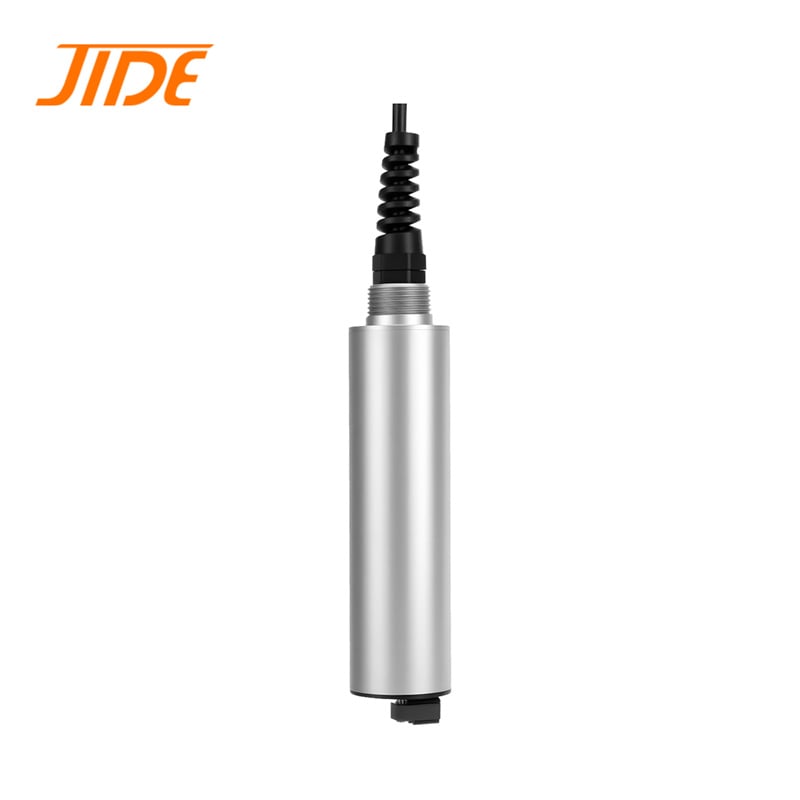
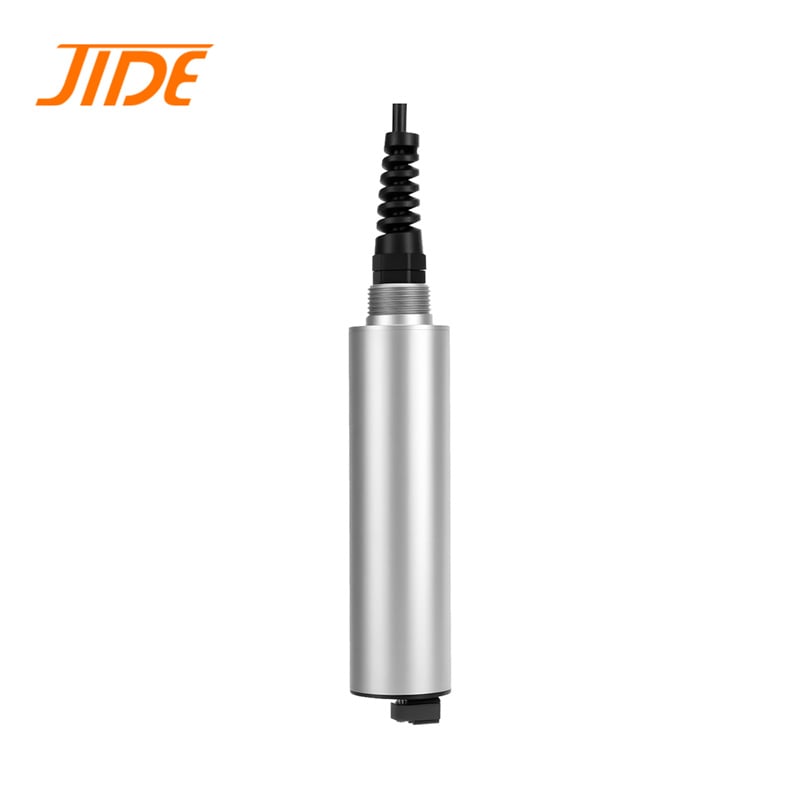
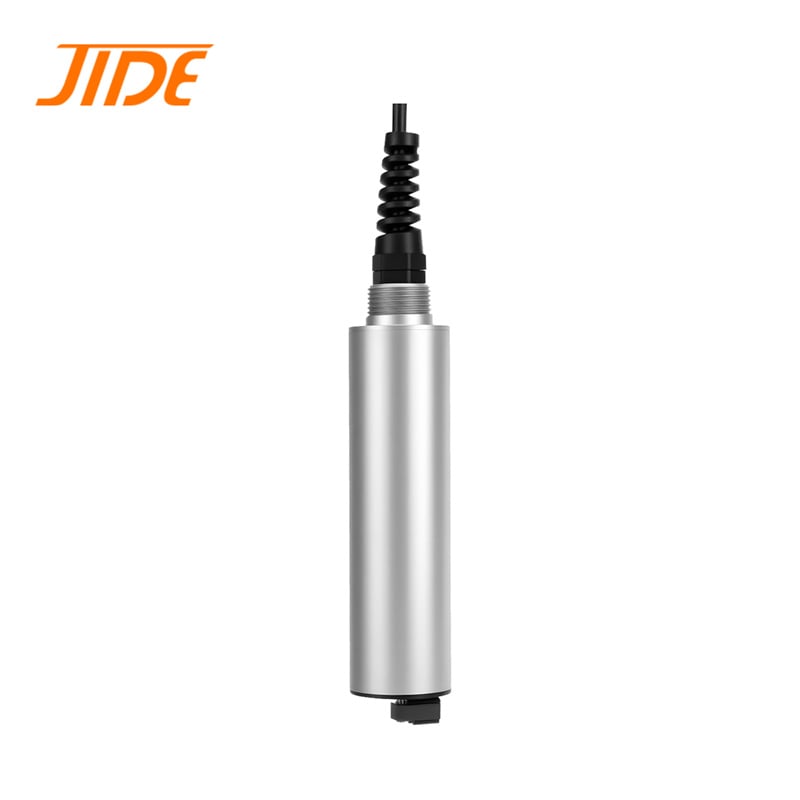
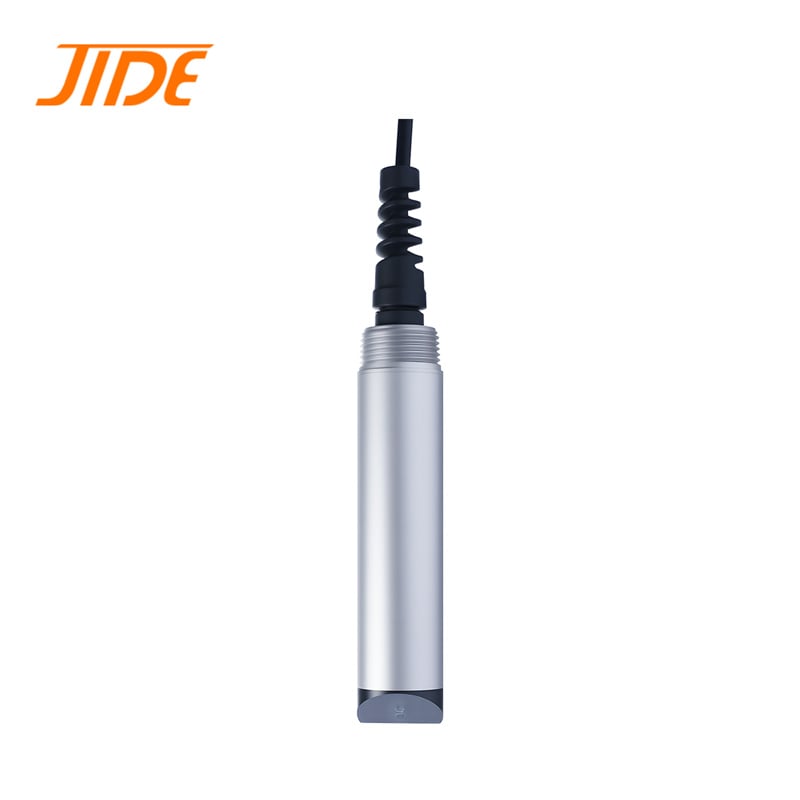
High temperature conductivity sensor

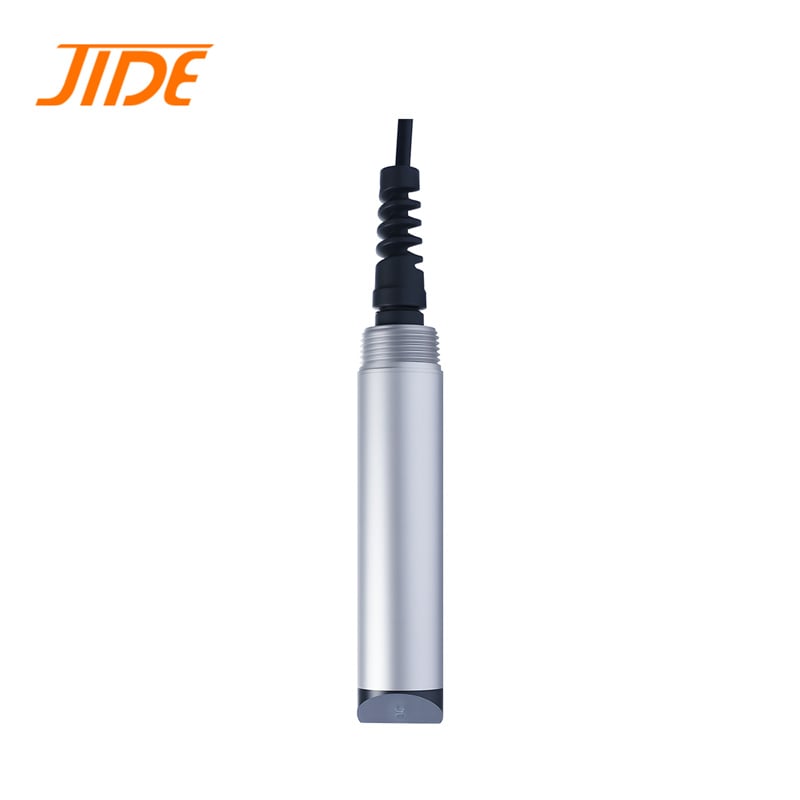
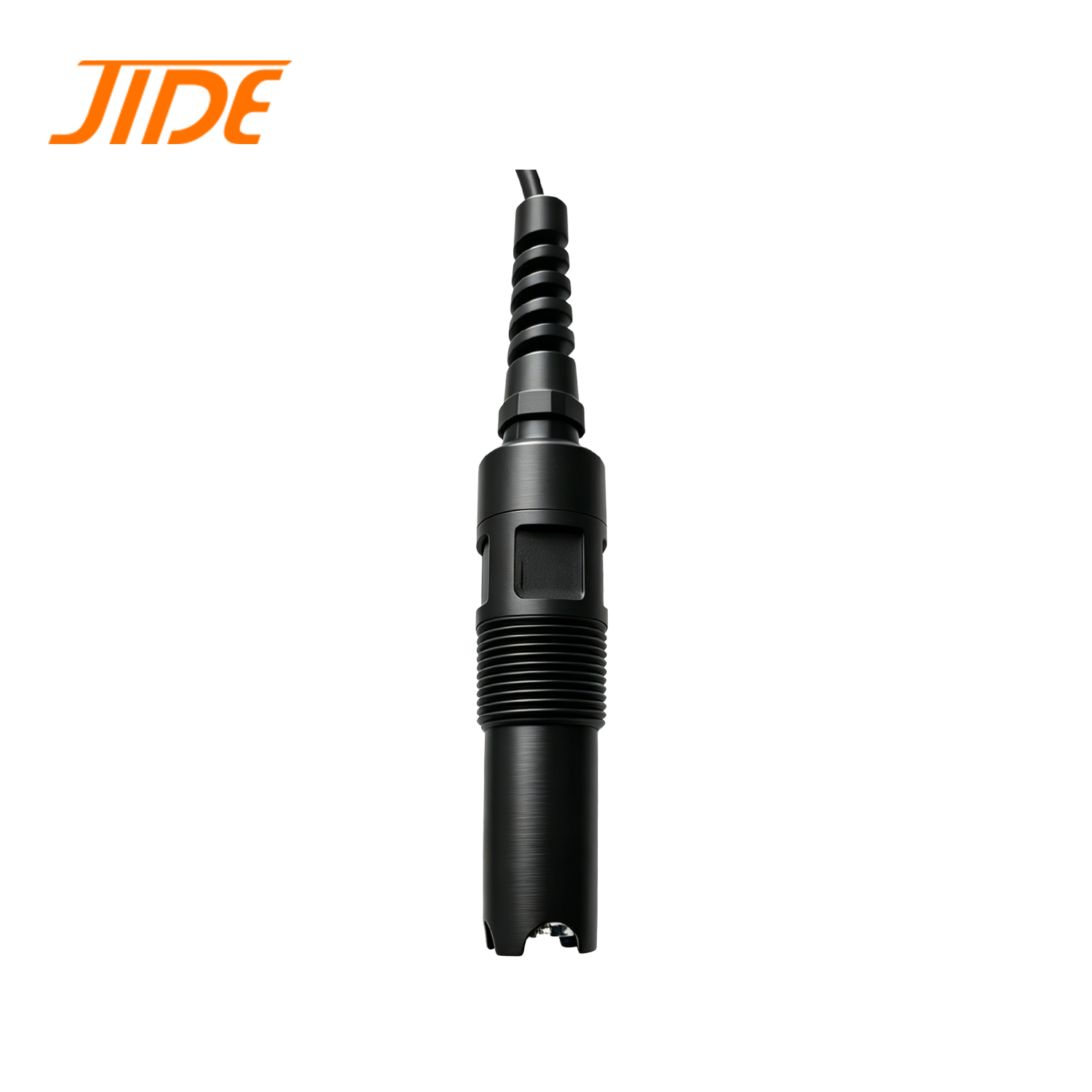
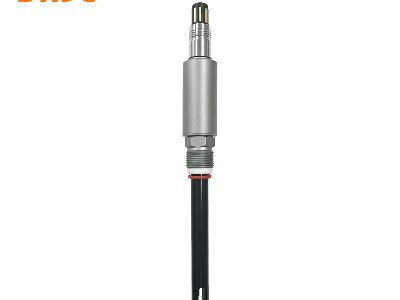
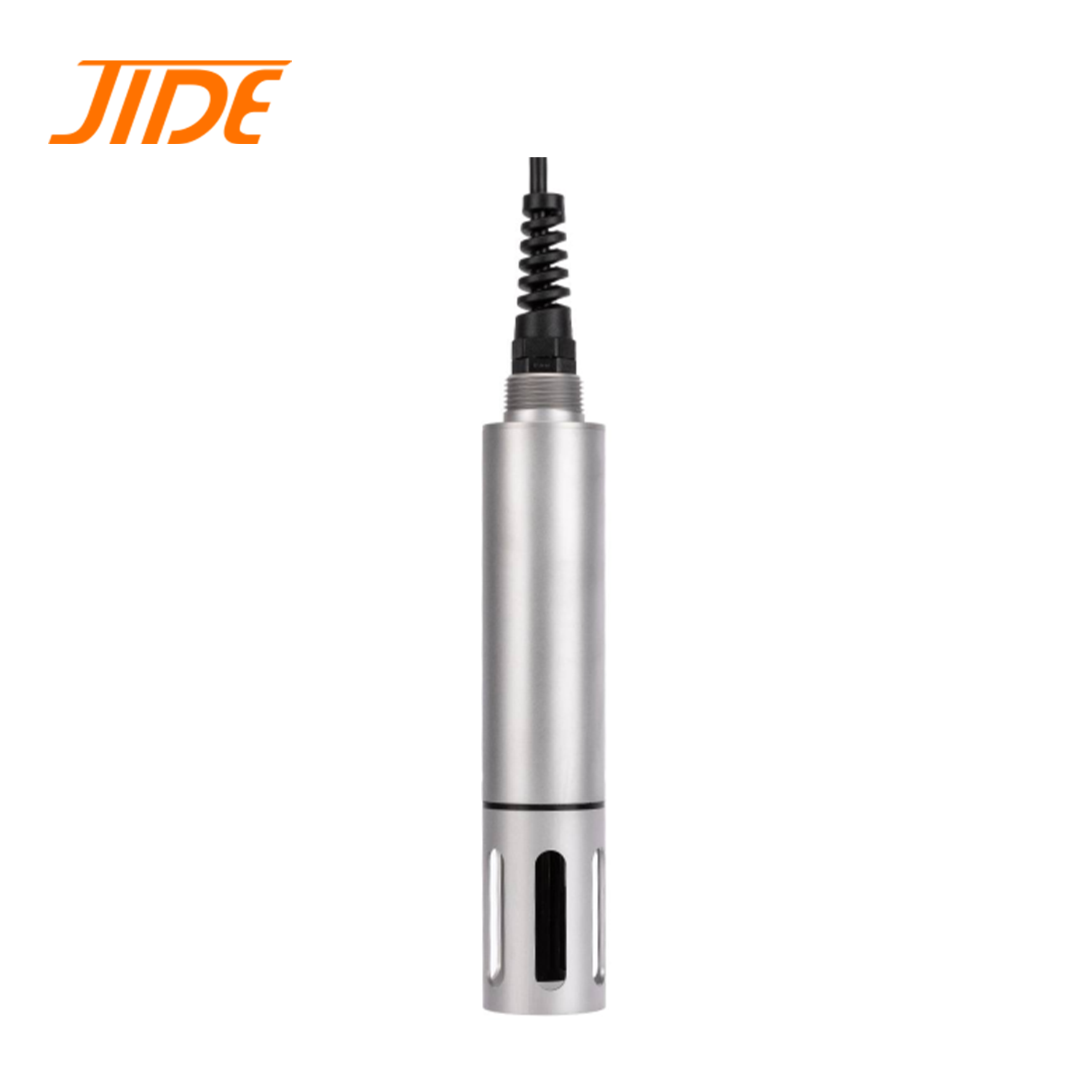
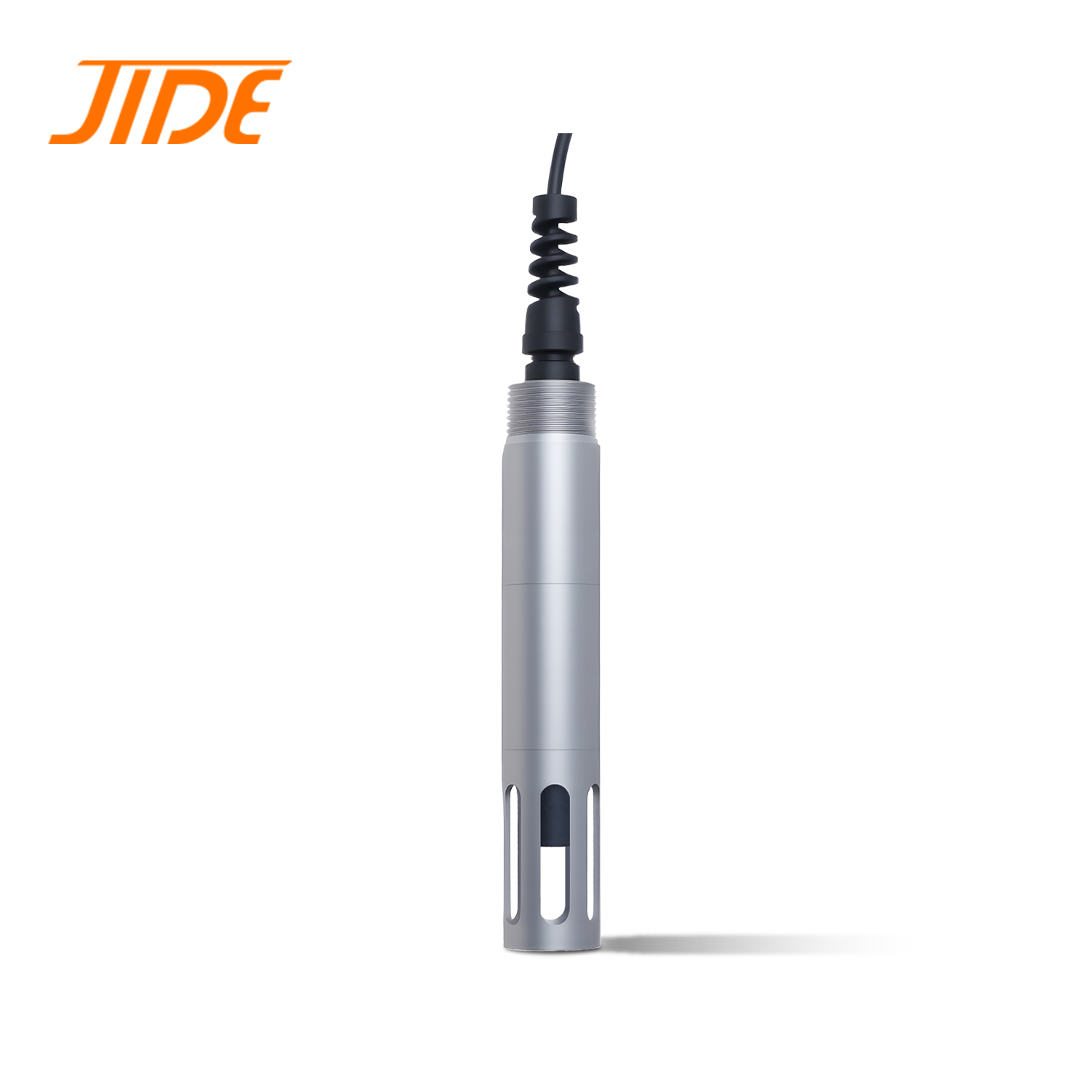
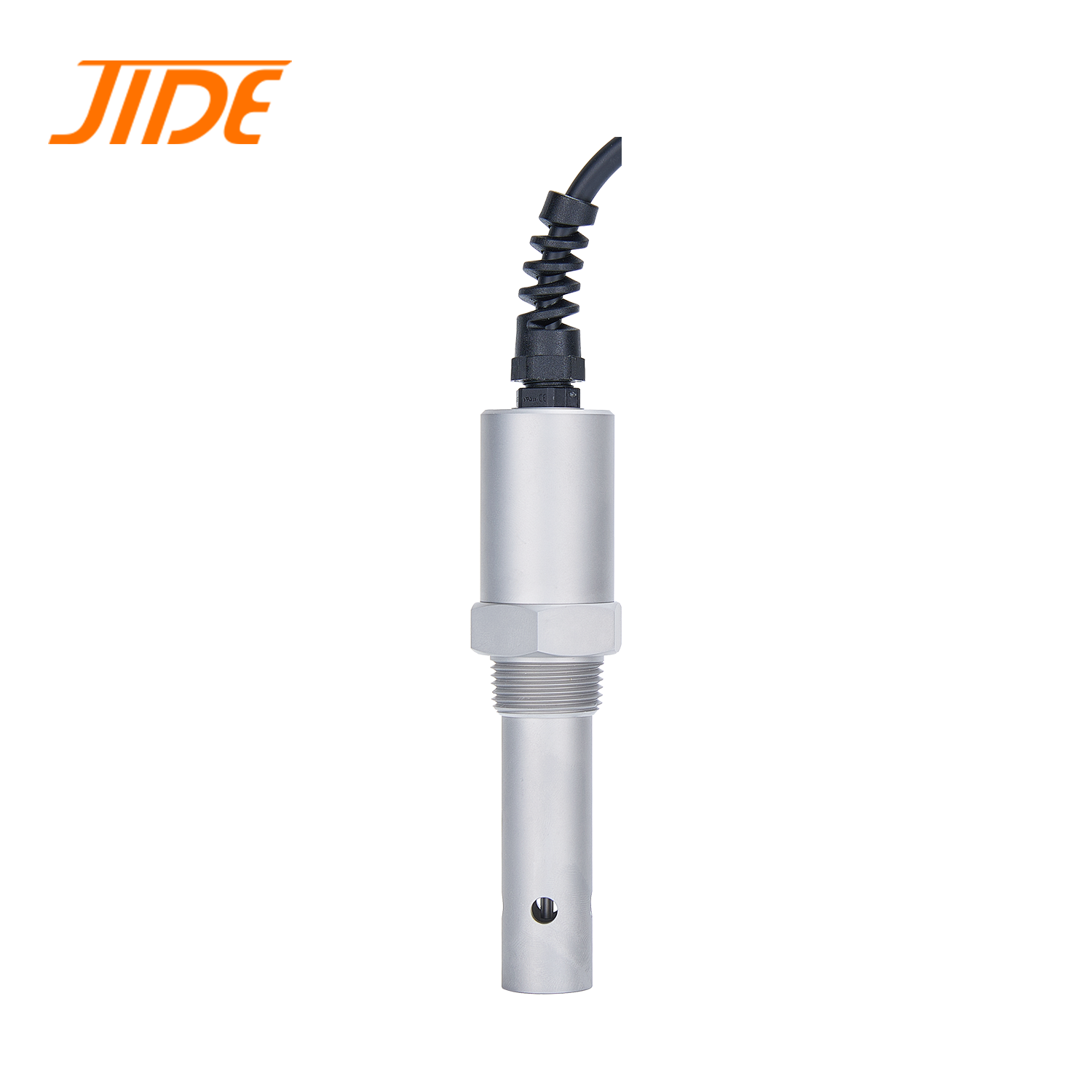
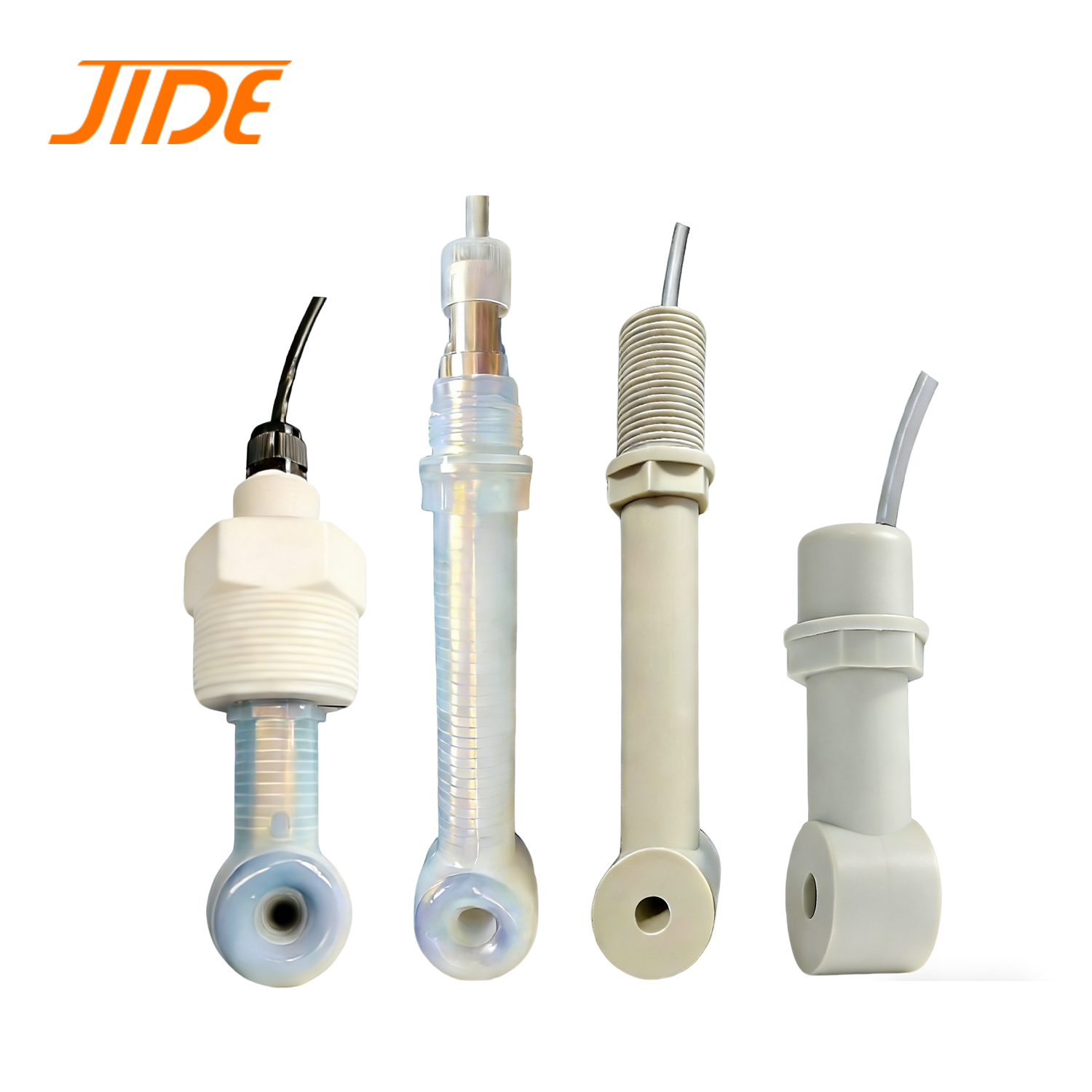
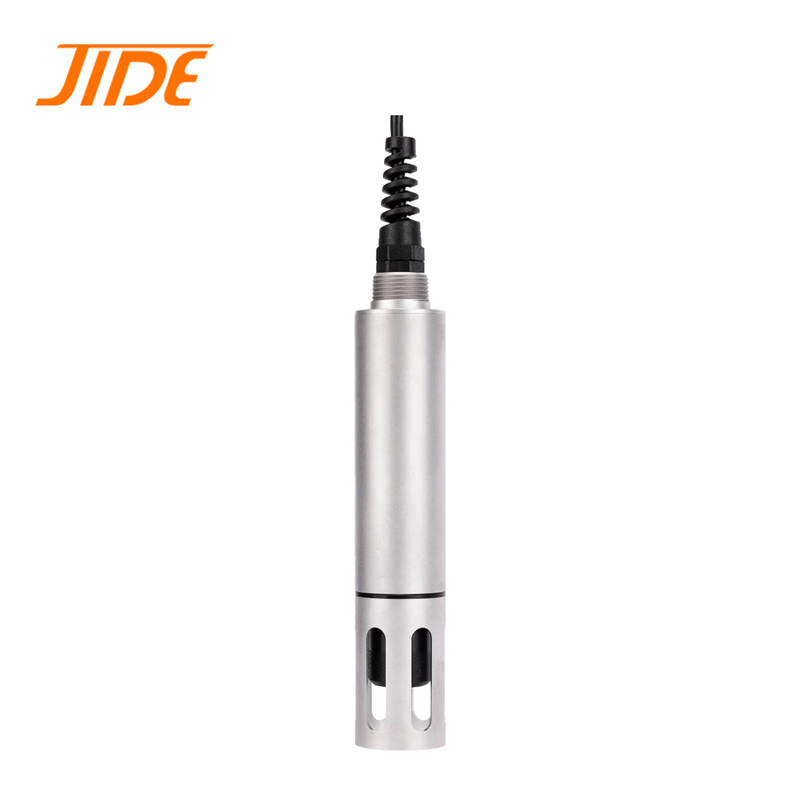
High temperature conductivity sensors are special tools that help us measure how well things can conduct electricity at high temperatures. These sensors are used in many industries, like manufacturing and energy, to make sure processes run smoothly. For example, in factories where metals are melted, it's important to know how conductive the liquid metal is. This helps workers control the process better and keep everything safe. JIDE makes advanced high temperature conductivity sensors that are reliable and accurate. With these sensors, companies can improve their work, save time, and reduce costs. When you can measure conductivity correctly, you can make better decisions about how to handle materials and control equipment

High temperature conductivity sensors are vital for improving process efficiency in various industries. When these sensors are used, they can provide real-time information about the conductivity of liquids and gases. For instance, in a steel manufacturing plant, knowing how well the molten metal conducts electricity helps workers to adjust the temperature and chemical composition quickly. If the conductivity is too low, it might mean that the metal is not ready for the next step. By detecting this early, workers can make adjustments, preventing delays. This not only speeds up production but also reduces waste.
Our Products

How High Temperature Conductivity Sensors Improve Process Efficiency

Moreover, these sensors help in maintaining quality. If the conductivity changes unexpectedly, it can indicate a problem with the materials being used. For example, if a chemical solution in a battery manufacturing process isn't conducting properly, this could lead to defective batteries. With conductivity sensor, problems can be spotted early, allowing for corrections before any damage is done. This is crucial for companies that aim for high quality and customer satisfaction

Another benefit is energy savings. When processes are running efficiently, less energy is wasted. For example, in a power plant, monitoring the conductivity of cooling water can help ensure that the system is working as it should. If the conductivity is off, it could mean that the cooling system is struggling, which would require more energy to keep it running. By using JIDE’s sensors, companies can optimize their energy use, which not only saves money but also helps the environment.

Frequently Asked Questions

What is the high temperature conductivity sensor for?

Measures electrical conductivity of liquids at elevated temperatures for environmental and industrial process monitoring.
Designed for high-temperature applications; typical models handle up to 200°C. Confirm exact rating for your model.
Ideal for wastewater, power plants, chemical processing, and other industrial environments needing reliable high-temp conductivity data.
Calibrate with standard conductivity solutions; our in-house R&D ensures stable performance and traceable adjustment procedures.
Offers flange, inline or insertion mounting and multiple outputs: 4-20mA, RS485 Modbus, and digital interfaces to integrate with control systems.

Our Blog Posts

Professional ORP Sensor for Water Disinfection Monitoring

11

Jul

Professional ORP Sensor for Water Disinfection Monitoring

Professional ORP Sensors for Reliable Water Disinfection and Water Quality MonitoringWater is essential for life, and keeping it safe and clean is a top priority. One of the most effective ways to maintain water quality is through continuous monitori...
View More
Durable Industry PH Probe for Long-Term Online Water Monitoring

30

Jul

Durable Industry PH Probe for Long-Term Online Water Monitoring

Water is essential for life, and monitoring its quality is very important. One way to do this is by using a pH probe. A pH probe helps us know how acidic or basic the water is. For long-term online water monitoring, choosing a durable pH probe is key...
View More
Efficient Chlorine Sensor for Residual Chlorine Detection in Tap Water

04

Aug

Efficient Chlorine Sensor for Residual Chlorine Detection in Tap Water

Chlorine Sensor Guide for Safe and Accurate Water MonitoringChlorine is commonly added to tap water to kill harmful germs and keep drinking water safe. While chlorine is essential for water disinfection, excessive amounts can affect water quality and...
View More
Complete Solutions for Environmental Water Quality Monitoring Projects

13

Sep

Complete Solutions for Environmental Water Quality Monitoring Projects

Water is vital for life, and its quality is essential for our health and the environment. Monitoring water quality helps us understand how clean our water is and if it is safe to use. Many businesses and organizations need to keep track of water...
View More

Get a Free Quote

Our representative will contact you soon.
Email
Name
Company Name
Message
0/1000

Related product categories

How to Choose the Right High Temperature Conductivity Sensor for Your Needs

How to Choose the Right High Temperature Conductivity Sensor for Your Needs

Another factor is the type of materials you are working with. Different liquids and gases have different conductivity levels. It’s essential to select a sensor that can accurately measure the conductivity of your specific material. For example, a sensor that works well in water may not function properly in molten metal. JIDE’s range includes sensors designed for various substances, ensuring you find the right fit for your application.

Common Usage Issues with High Temperature Conductivity Sensors and Their Solutions

Common Usage Issues with High Temperature Conductivity Sensors and Their Solutions

High temperature conductivity sensors are important tools used in many industries. They help measure how well electricity moves through liquids, especially when things are really hot. However, there are some common problems that people face when using these sensors. One issue is that the sensors can get dirty or covered with materials from the liquids they measure. This can make the readings incorrect. To solve this problem, it is important to regularly clean the sensors. Using special cleaning solutions or brushes can help remove any buildup. Another issue is that extreme heat can damage the sensors. If a sensor is used in temperatures that are too high for too long, it might break or stop working. To fix this, it is crucial to choose the right sensor that can handle the specific temperatures of the job. JIDE offers sensors designed to work safely in high temperatures, ensuring they last longer and provide accurate readings. Sometimes, the environment around the sensor can also affect its performance. For example, strong vibrations or electromagnetic interference can cause problems. To prevent this, it is a good idea to install the sensors in places where they are safe from these issues. JIDE’s sensors come with protective features that help reduce the impact of these environmental factors. Lastly, calibration can be a challenge. Calibration is when you check and adjust the sensor to make sure it gives correct readings. If a sensor is not calibrated properly, it can lead to wrong results. To help with this, JIDE provides easy-to-follow instructions and support for users to calibrate their sensors correctly. By understanding these common issues and their solutions, users can make the most out of their conductivity sensor and ensure they work well.

How High Temperature Conductivity Sensors Enhance Quality Control in Manufacturing

How High Temperature Conductivity Sensors Enhance Quality Control in Manufacturing

High temperature conductivity sensors play a big role in quality control in manufacturing. Quality control is important because it helps make sure that products are made correctly and safely. These sensors help manufacturers check the quality of liquids used in their processes. For example, in food manufacturing, it is crucial to know that the liquids are safe and meet certain standards. conductivity sensor can quickly measure the conductivity of these liquids, showing if they are at the right level. If the readings are off, manufacturers can fix the problem before it affects the final product. This helps prevent waste and keeps customers happy. JIDE’s sensors are designed to give accurate readings even at high temperatures, which is important in many manufacturing processes. In chemical manufacturing, these sensors are also very useful. They help monitor the mixture of chemicals, ensuring that everything is balanced and safe. By keeping track of the conductivity, manufacturers can adjust their processes immediately if something is wrong. This helps to avoid accidents and ensures that the products are high quality. Additionally, using high temperature conductivity sensors helps factories save money. When products are made correctly the first time, there is less need to rework or throw away bad products. This means more profits for the company. JIDE’s sensors help factories keep an eye on their systems and catch any issues early. This builds trust among customers, who know they are getting reliable products. Overall, high temperature conductivity sensors are important tools in manufacturing. They help improve quality control, save money, and ensure that products are safe and effective.

Choose your global partner

Are you ready to consult with an engineer about your working conditions and specific needs?

Get a Quote

Get a Free Quote

Our representative will contact you soon.
Email
Name
Company Name
Message
0/1000