Top Conductivity Sensor Solutions for Industries

All Categories

Conductivity sensor

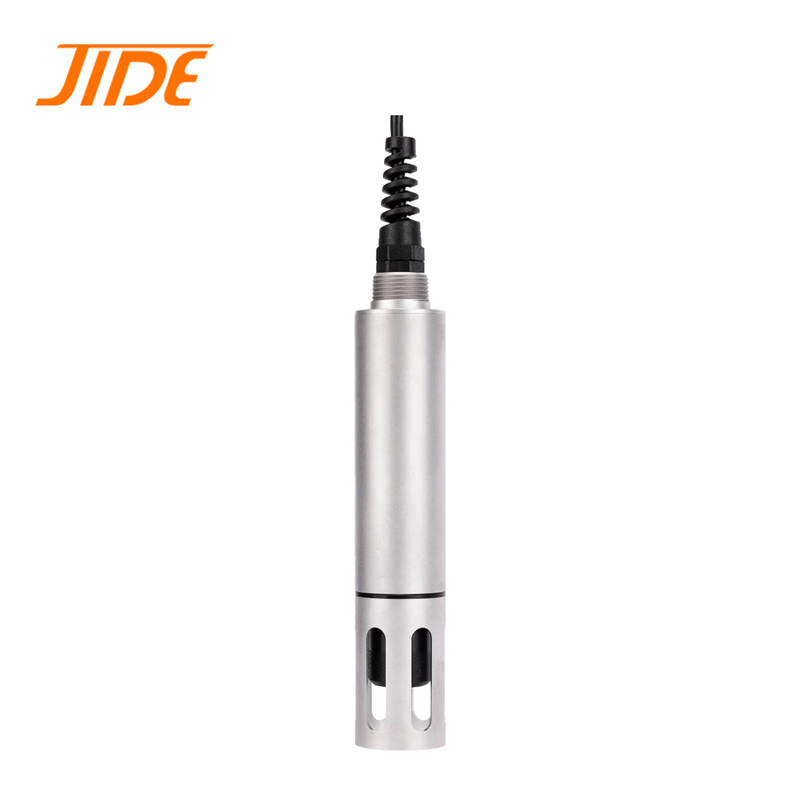
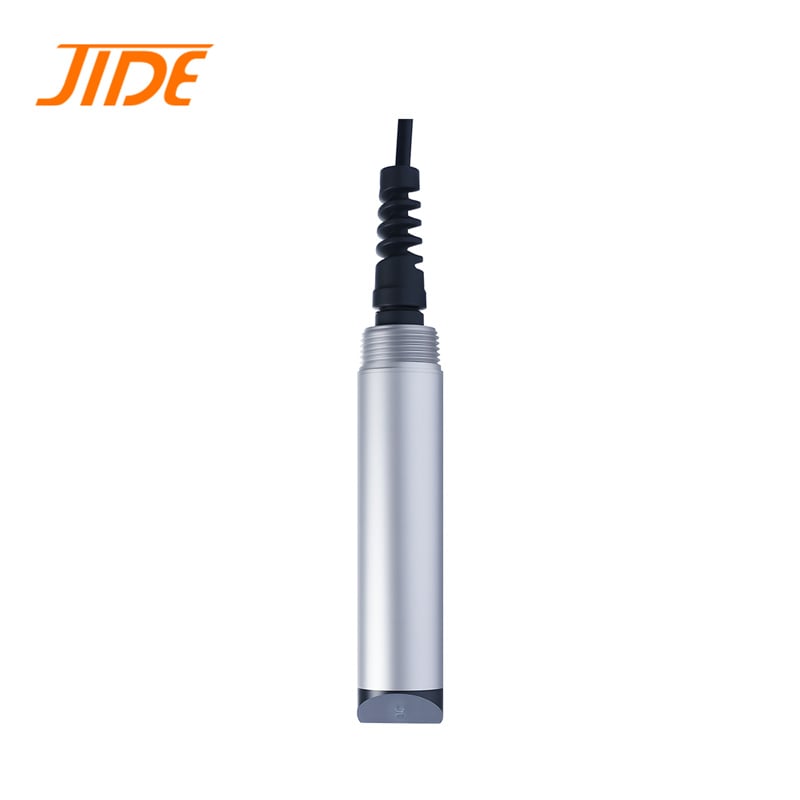
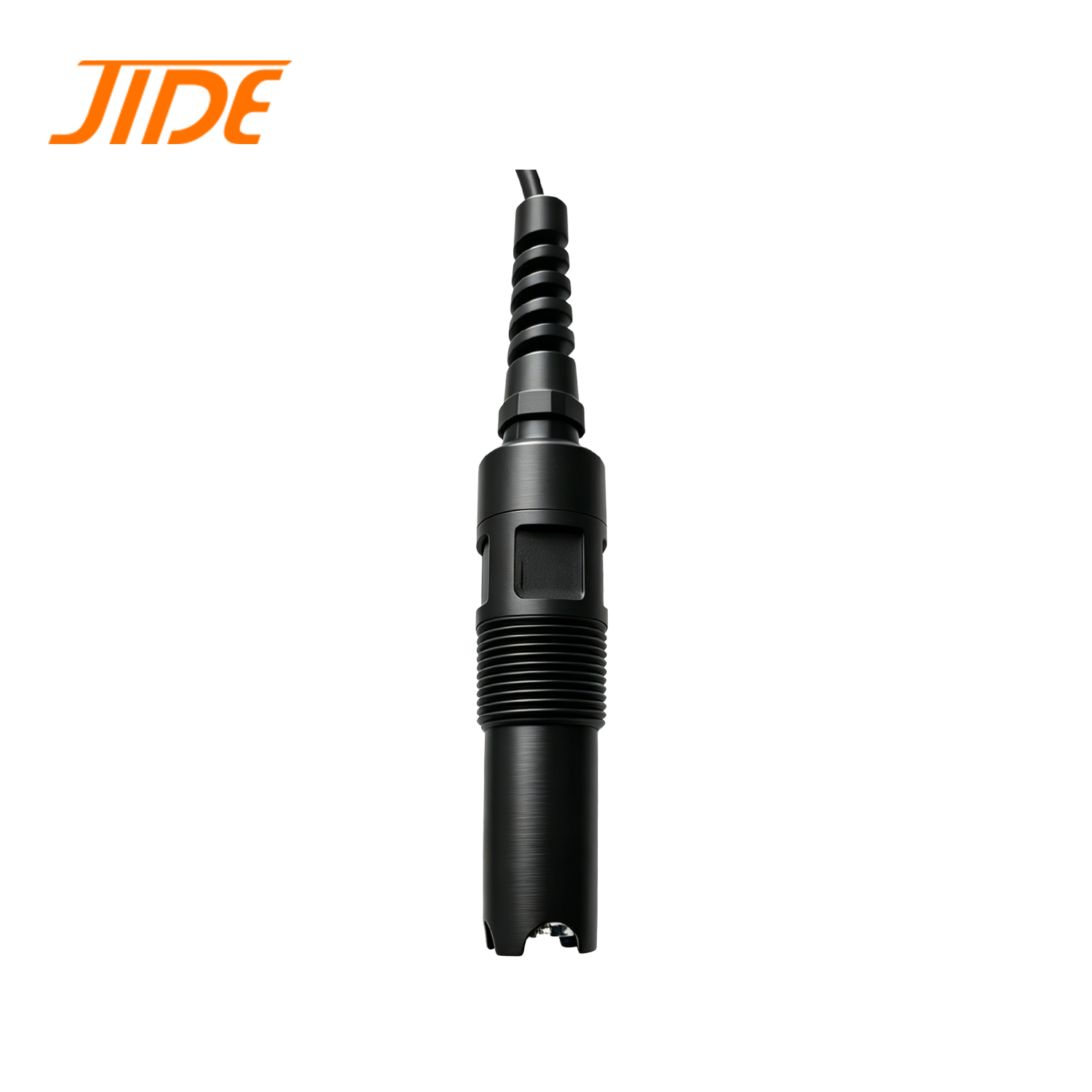
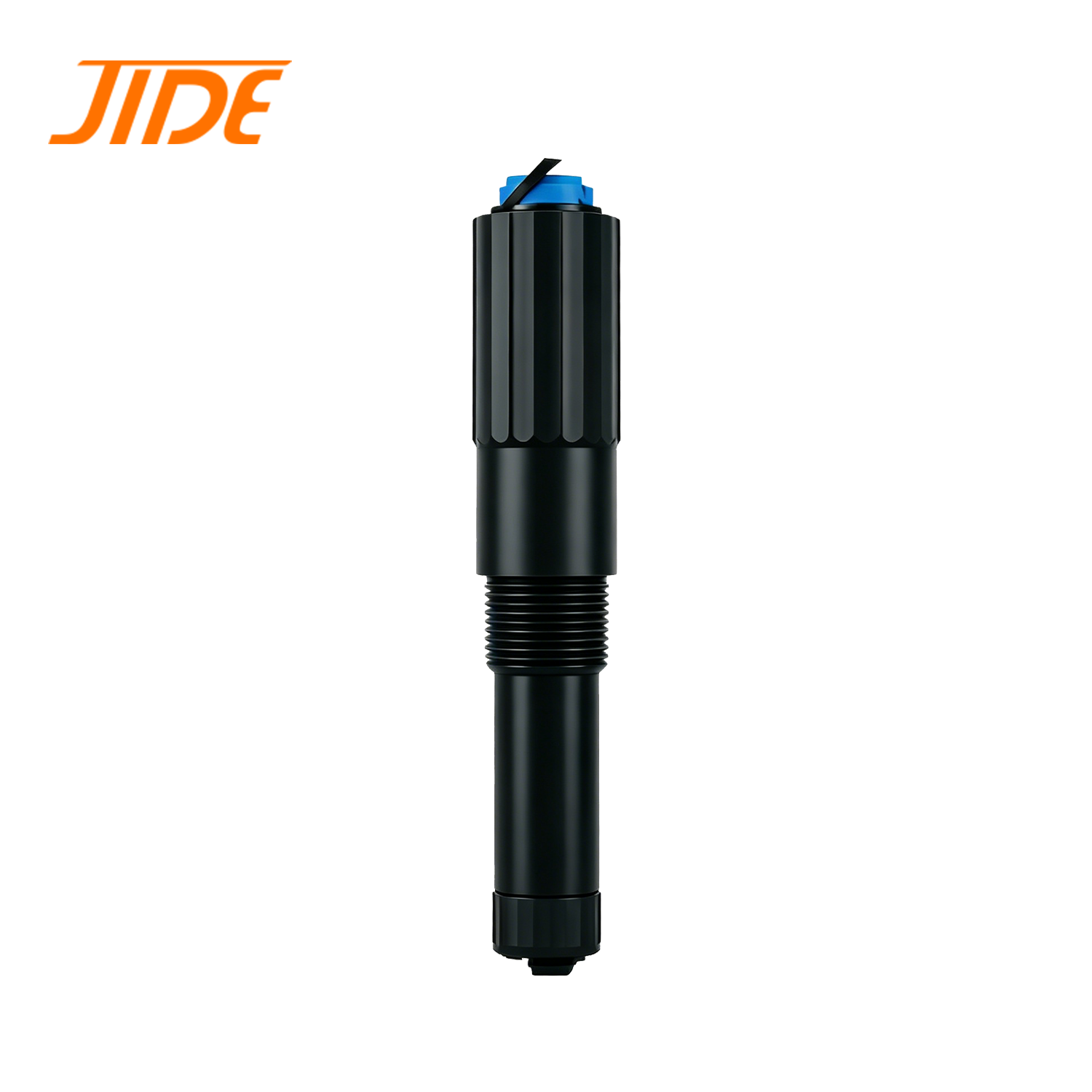
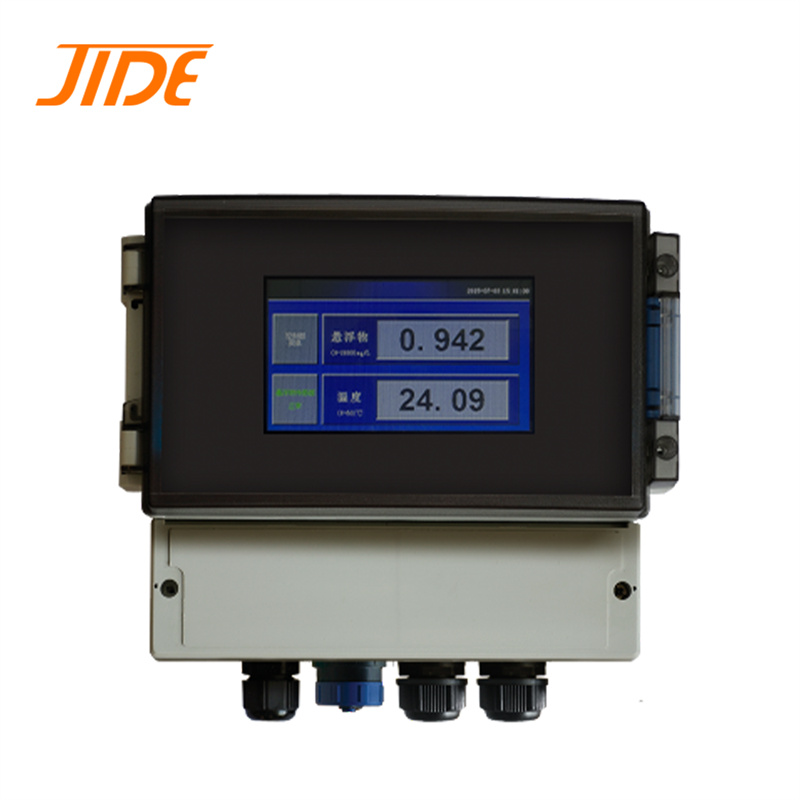
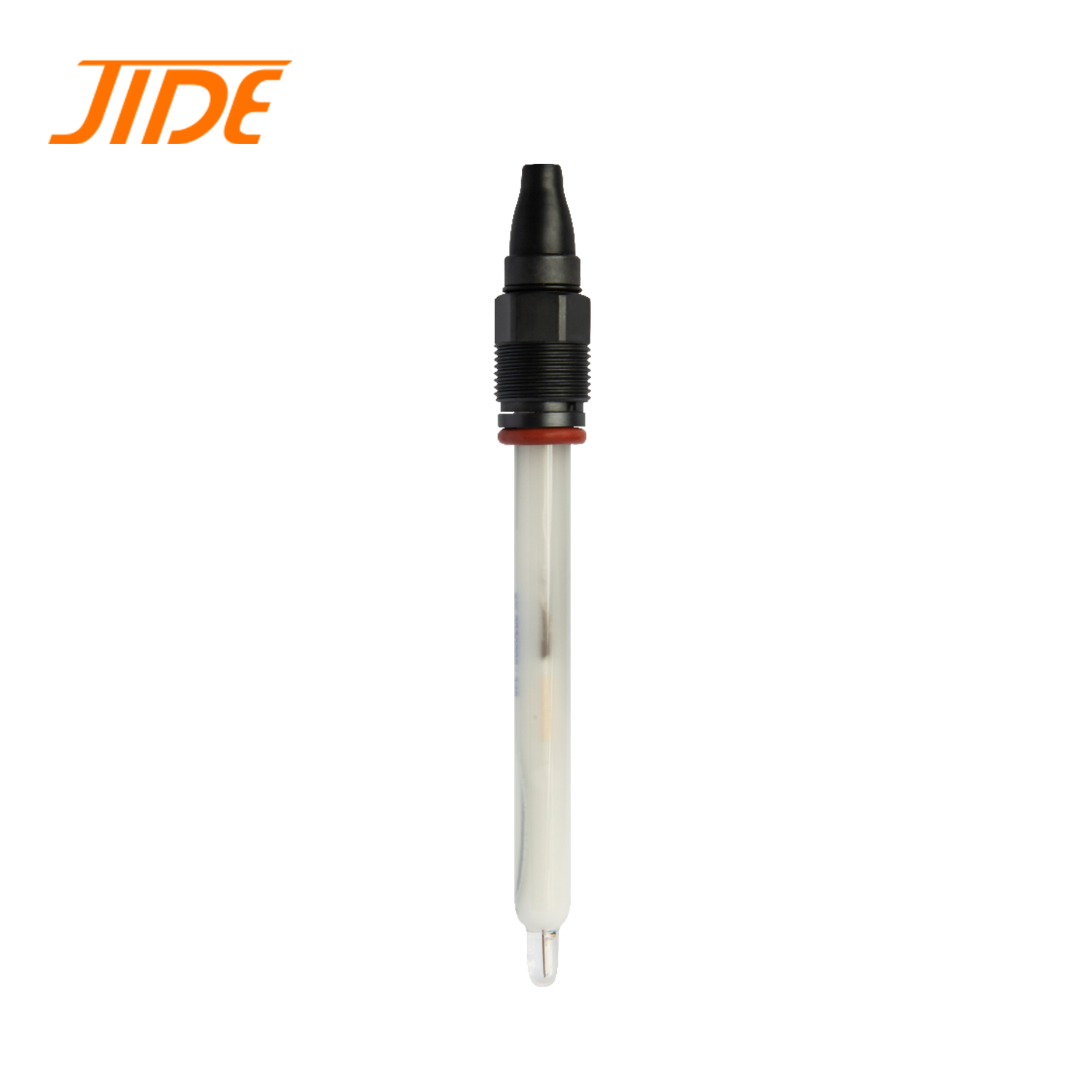
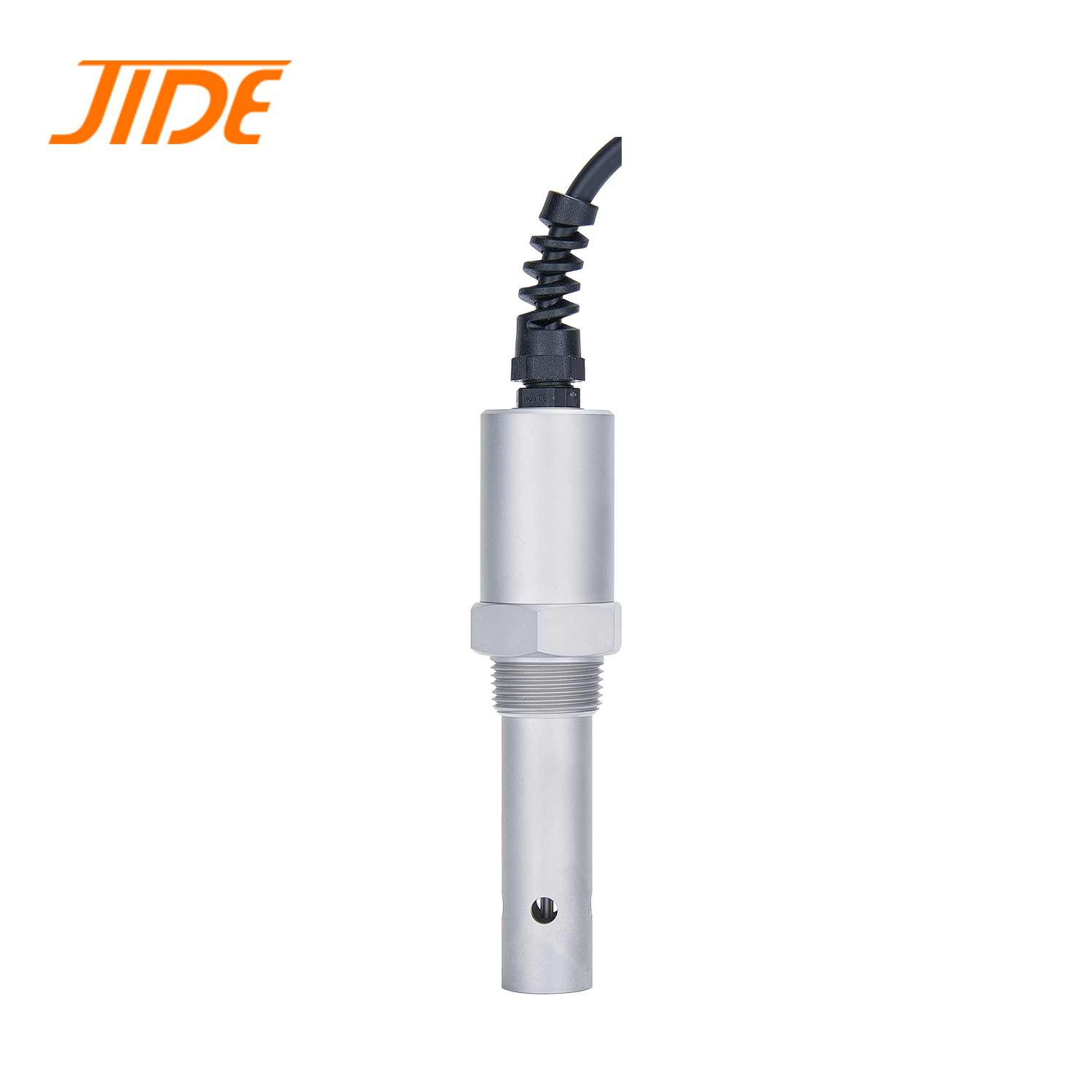
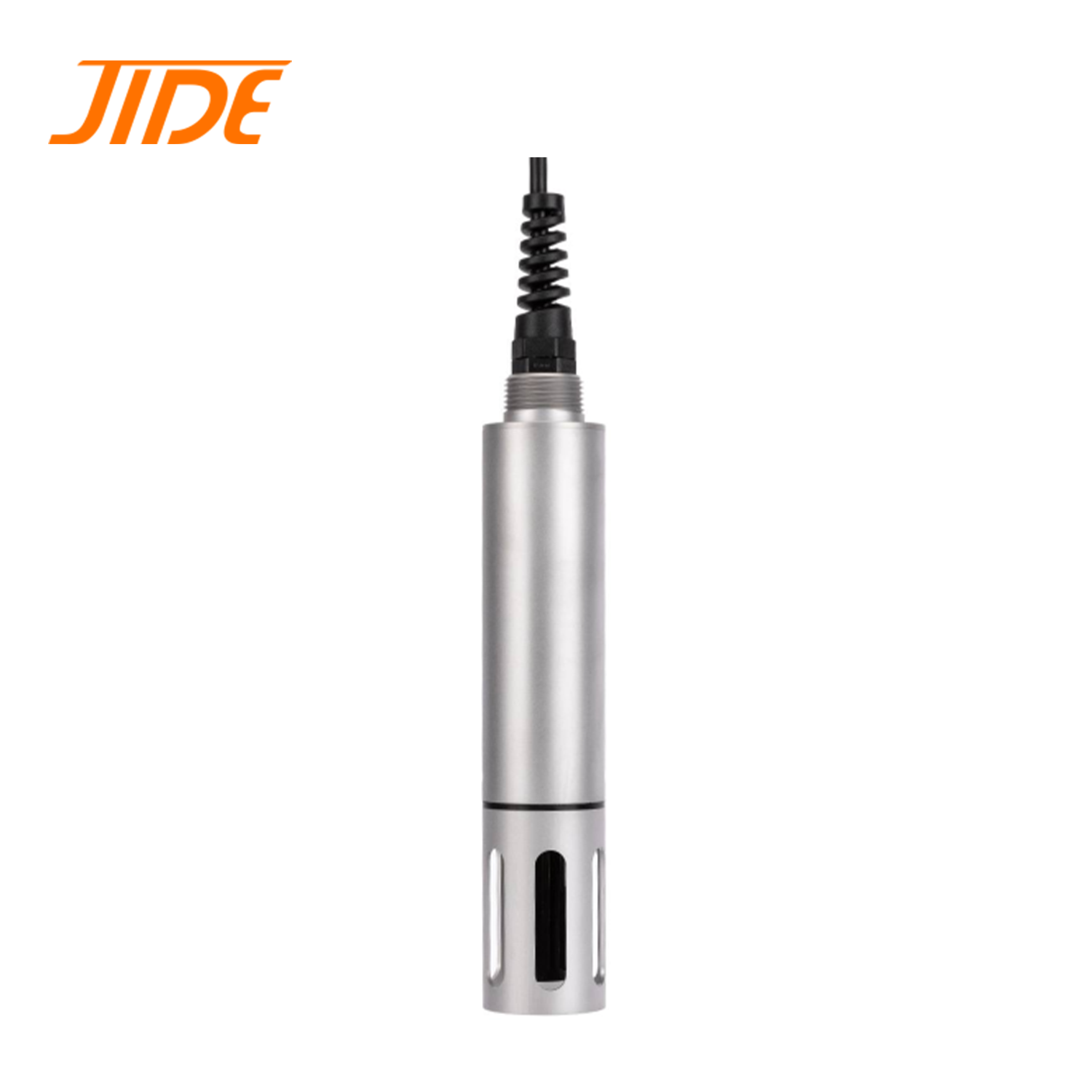
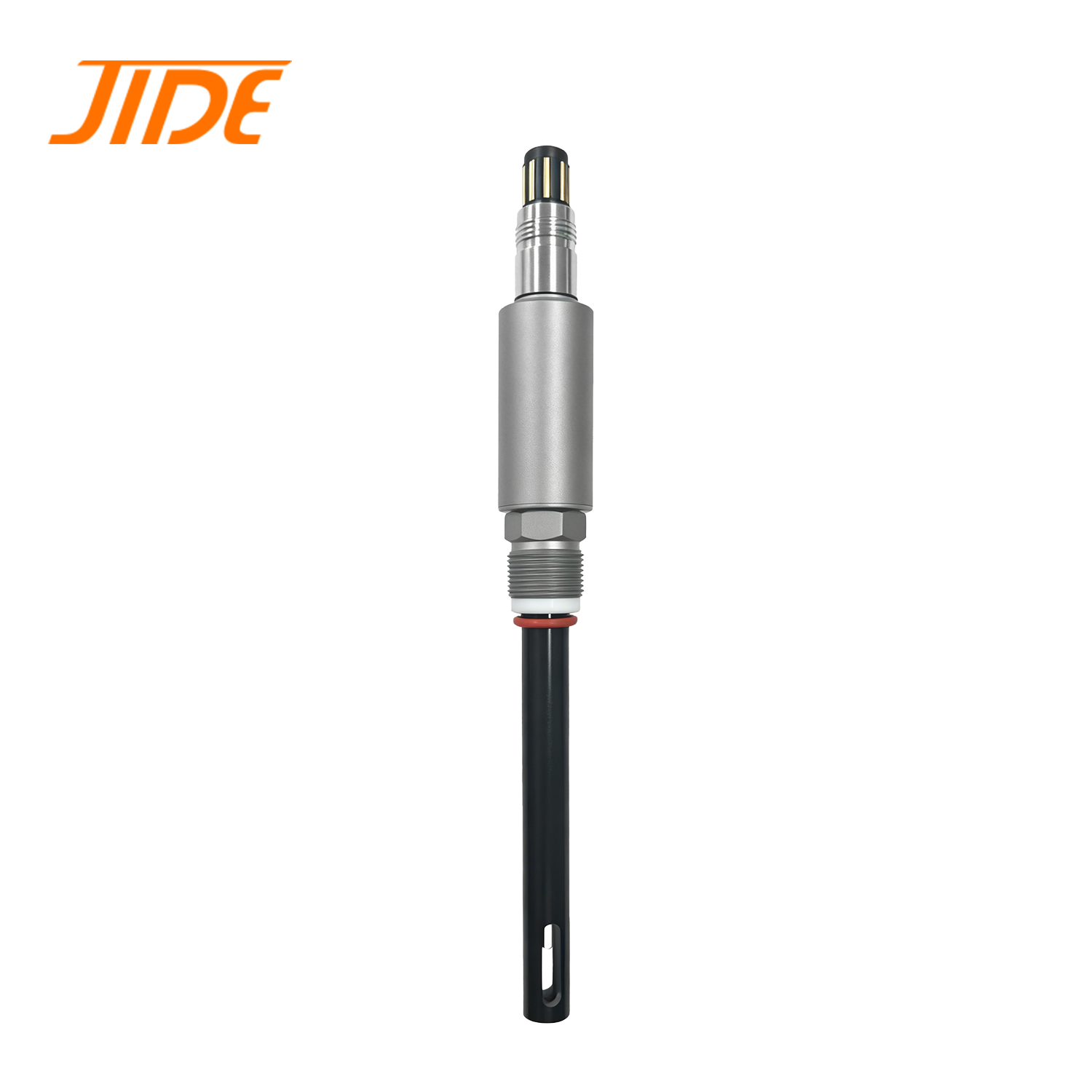
Conductivity sensors are special tools that help measure how well a liquid conducts electricity. This is important because it can tell us about the liquid’s purity, concentration, or even if it has the right amount of minerals. These sensors are used in many places like schools, factories, and even in your home. For example, if a farmer wants to check the quality of water for their crops, they can use a conductivity sensor. At JIDE, we make high-quality conductivity ph meter sensor that help businesses get accurate readings and make better decisions.
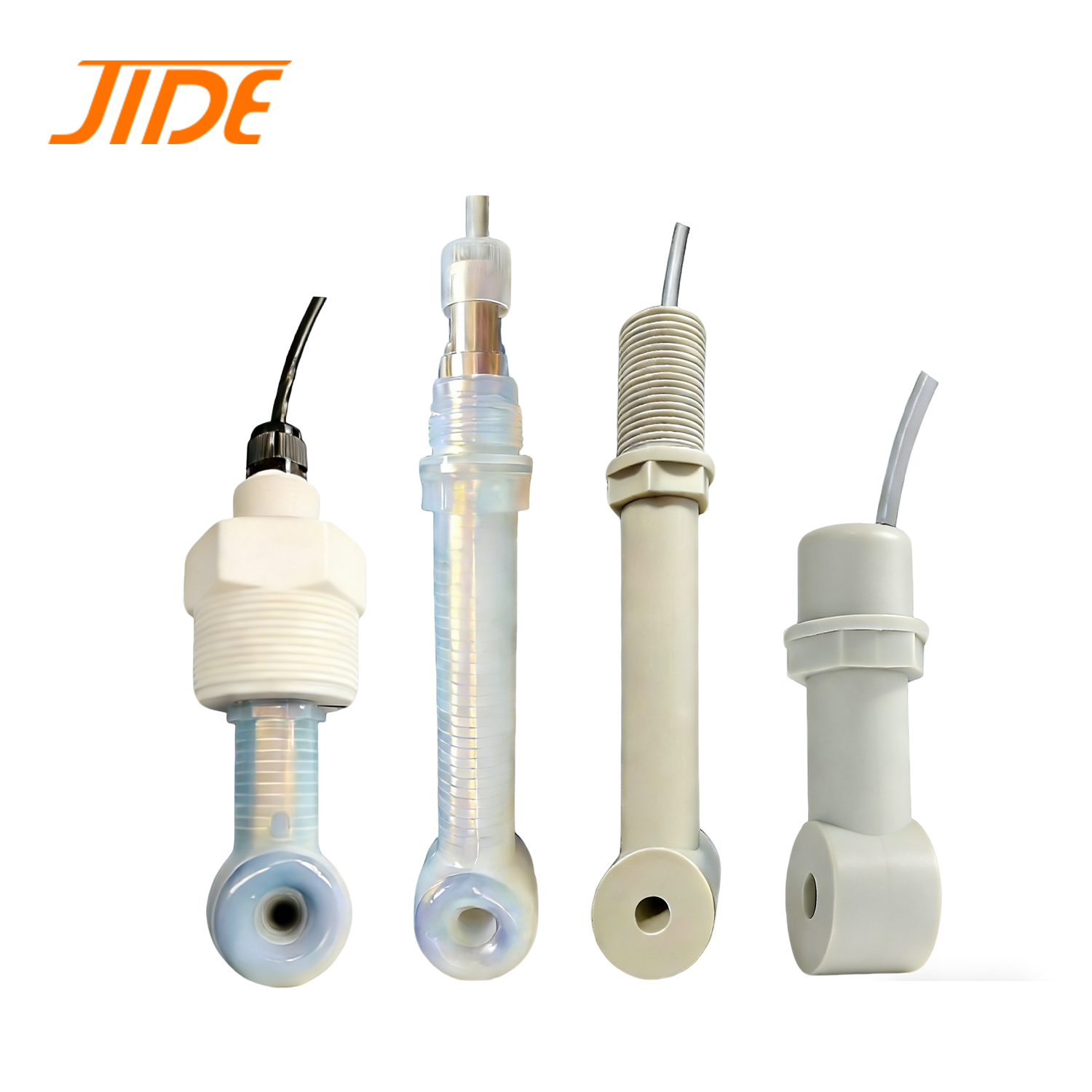
Our Products

Where to Buy Reliable Conductivity Sensors for Your Wholesale Needs

Choosing the right conductivity sensor is super important for getting the best results. First, think about what you will measure. Different industries have different needs. For example, if you’re working in water treatment, you might need a sensor that can handle a wide range of conductivity levels. Meanwhile, if you’re testing the water for fish farms, you might look for a sensor that detects low levels of conductivity accurately. Next, consider the environment where the sensor will be used. Some environments are harsh, and not all sensors are made to handle those conditions. JIDE offers sensors that are tough and reliable, even in challenging settings. You should also think about how often you need to take measurements. Some sensors are designed for continuous monitoring, while others are best for occasional checks. If your industry needs constant data, choose a sensor that can operate continuously. Don't forget to check how easy it is to maintain the sensor. A complicated sensor might make it hard for workers to keep it running well. Lastly, always look for customer support from the manufacturer. JIDE is known for its excellent customer service, and having help when you need it can make a big difference. By keeping these factors in mind, you can choose the best conductivity sensor that meets your industry’s needs perfectly.


Frequently Asked Questions

What applications suit this conductivity sensor?

Ideal for water quality monitoring, environmental testing, wastewater treatment, and industrial process control where accurate conductivity measurements are required.
Ranges and accuracy vary by model; typical ranges cover low to high conductivity with industry-standard accuracy. Contact JIDE for specific model specs and calibration options.
Offers inline, submersible, or insertion mounting depending on model. Installation manuals and mounting kits are available to ensure proper placement and reliable readings.
Periodic calibration using standard solutions is recommended. Routine rinsing, electrode inspection, and scheduled recalibration maintain accuracy and extend sensor life.
Yes. JIDE offers technical support, in-house R&D assistance, and products built to global quality control standards for environmental and industrial applications.

Our Blog Posts

Online Water Quality Monitoring Solutions for Industrial Applications

01

Jul

Online Water Quality Monitoring Solutions for Industrial Applications

Water is a vital part of many industries. Factories, farms, and plants all need clean water to work properly. When water quality is poor, it can cause big problems. Companies can lose money, face legal issues, and hurt the environment. That’s why it ...
View More
Real-Time Online Water Quality Monitoring System Overview

02

Jul

Real-Time Online Water Quality Monitoring System Overview

Water is essential for life, and knowing how clean it is makes a big difference. That’s where JIDE comes in. We create systems that check water quality in real-time. This means we can see what’s happening to the water right now, not just later. It he...
View More
Advanced Online Water Quality Monitoring Technology for Treatment Plants

05

Jul

Advanced Online Water Quality Monitoring Technology for Treatment Plants

Water is essential for life, but not all water is clean and safe. Treatment plants play a big role in cleaning water so that we can drink it and use it for different purposes. To ensure the water is safe, treatment plants need to monitor its quality ...
View More

Get a Free Quote

Our representative will contact you soon.
Email
Name
Company Name
Message
0/1000

Related product categories

Common Usage Issues with Conductivity Sensors and How to Troubleshoot Them

Common Usage Issues with Conductivity Sensors and How to Troubleshoot Them

Another issue is calibration. Calibration is when you adjust the sensor to make sure it gives the right readings. If a sensor is not calibrated well, the measurements can be off. This can happen if the glass electrode ph sensor has not been used for a long time or if it has been damaged. Users need to check their sensors regularly to make sure they are working correctly. Some users may also struggle with understanding the readings. Conductivity is measured in Microsiemens per centimeter, and not everyone knows what those numbers mean. If someone sees a high number, they might not understand if it is good or bad.

What Are the Latest Trends in Conductivity Sensor Technology?

What Are the Latest Trends in Conductivity Sensor Technology?

Technology is always changing, and this includes conductivity sensors. One of the latest innovations is the development of smart sensors. Smart industrial ph sensor can connect to the internet and send data directly to a computer or smartphone. This means users can see real-time readings from anywhere. For example, if you have a conductivity sensor in a fish tank, you can check the water quality right from your phone. This is very helpful for people who need to monitor conditions closely, like aquarists or farmers.


How to Maximize the Efficiency of Your Conductivity Sensors

How to Maximize the Efficiency of Your Conductivity Sensors

Another innovation is the use of better materials. New sensors are made with materials that resist dirt and corrosion. This helps them last longer and gives more accurate readings. JIDE has worked on creating sensors that can withstand tough environments, making them perfect for industrial use. Additionally, some new sensors are designed to be more user-friendly. They have clearer displays and simple buttons, which make it easier for anyone to use them, even if they don’t have much experience.

Choose your global partner

Are you ready to consult with an engineer about your working conditions and specific needs?

Get a Quote

Get a Free Quote

Our representative will contact you soon.
Email
Name
Company Name
Message
0/1000