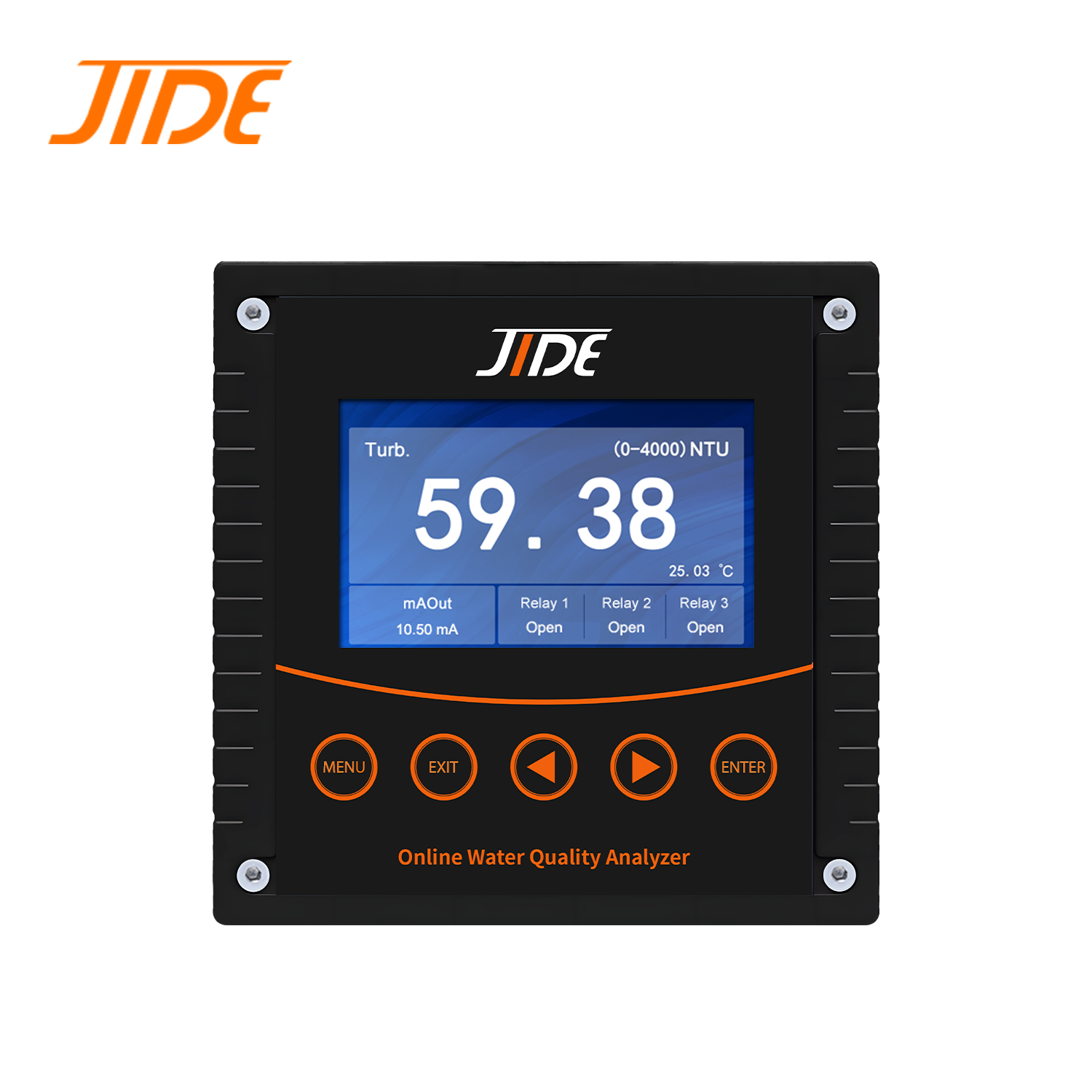
Turbidity Measurement Units for Quality Control

All Categories

turbidity measurement unit

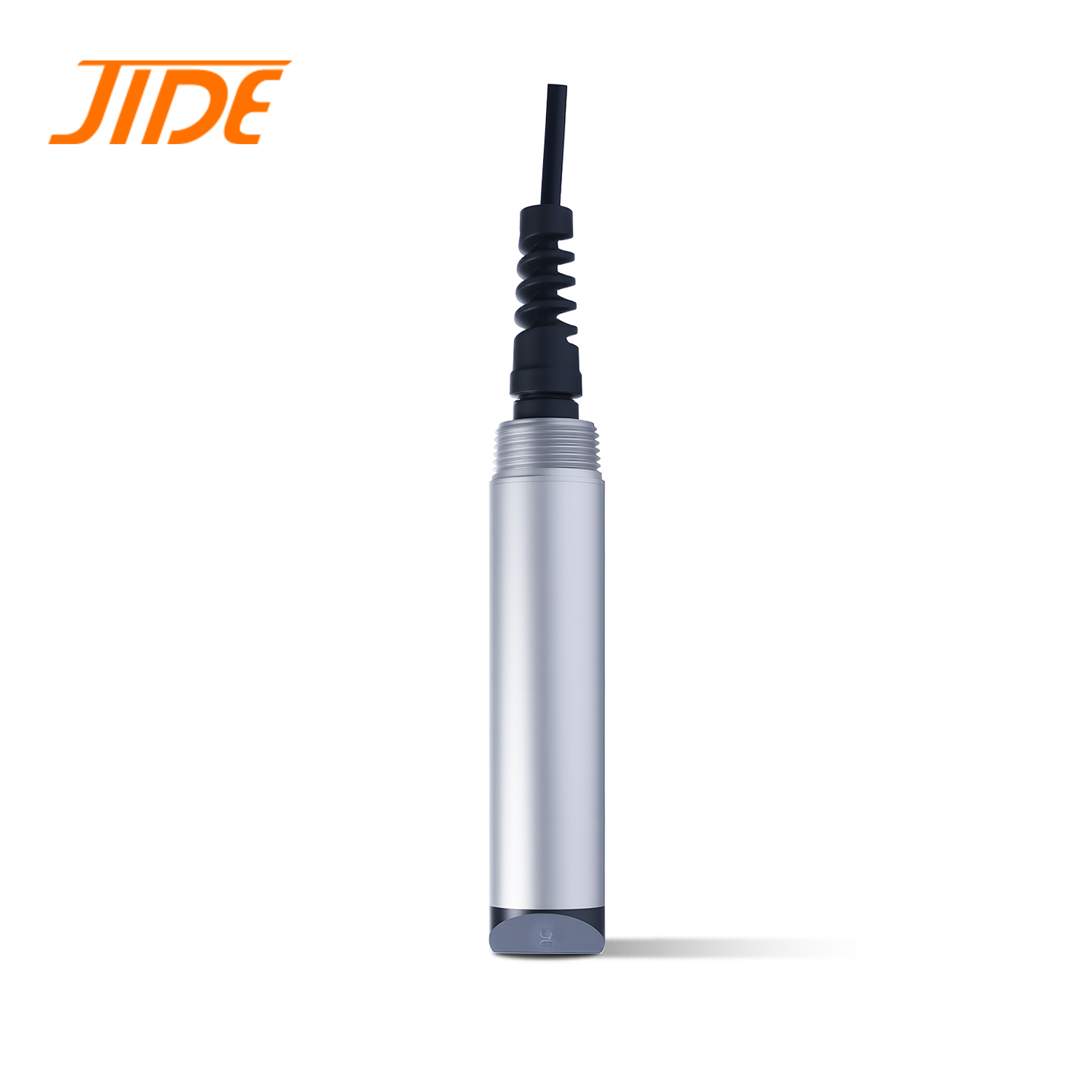
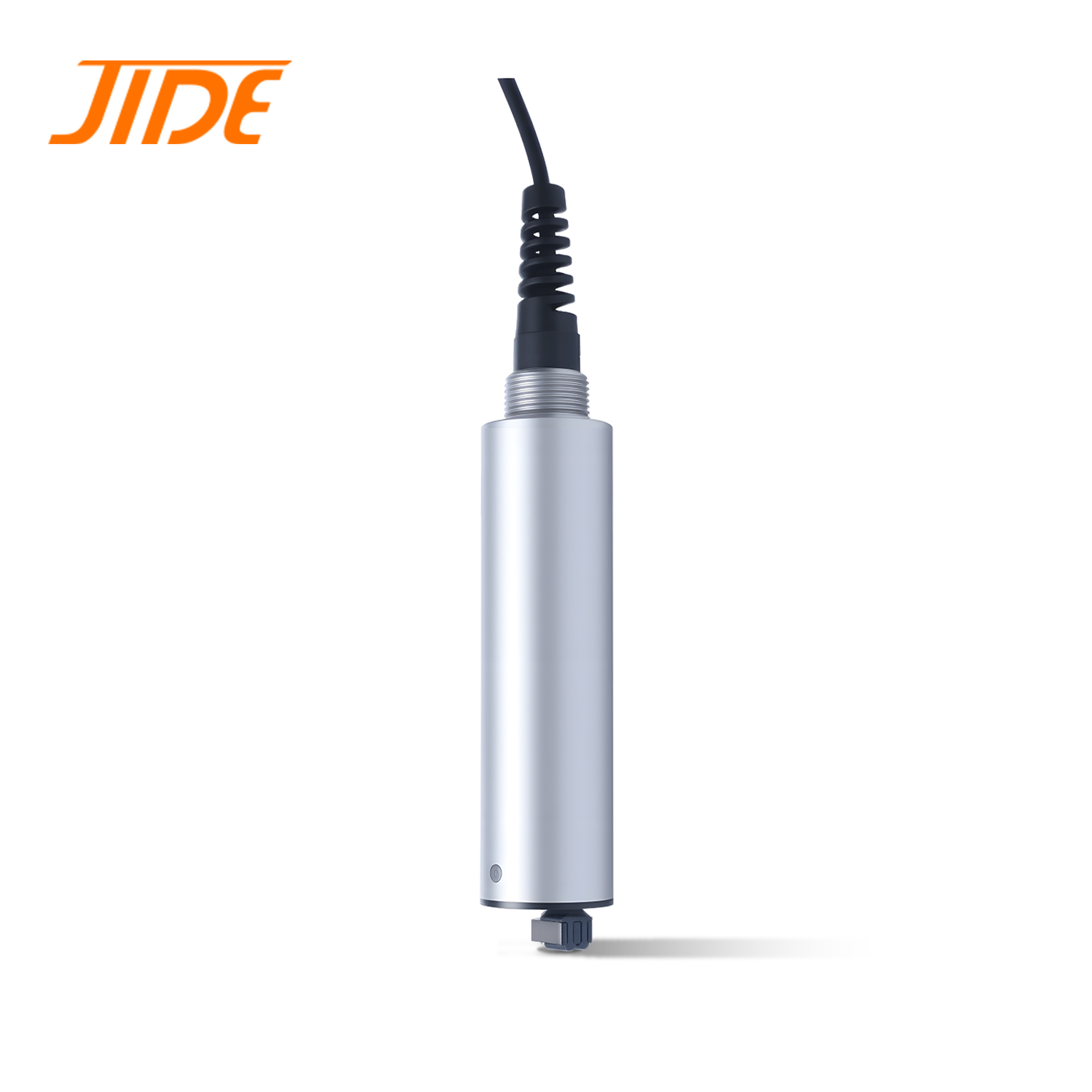
Turbidity is a big word that means how clear or cloudy a liquid is. When we look at water, we want it to be clear so we can see through it. If the water is cloudy, it could mean there are tiny particles floating in it. This is important for places like factories, drinking water plants, and aquariums. Our company, JIDE, helps measure this cloudiness using something called a turbidity measurement unit. This unit tells us how clean or dirty the water is. Knowing this helps keep our water safe and clean for everyone. For example, our Online Residual Chlorine Sensor/Meter/Probe JECA-RC K is one of the tools we use to ensure water clarity.
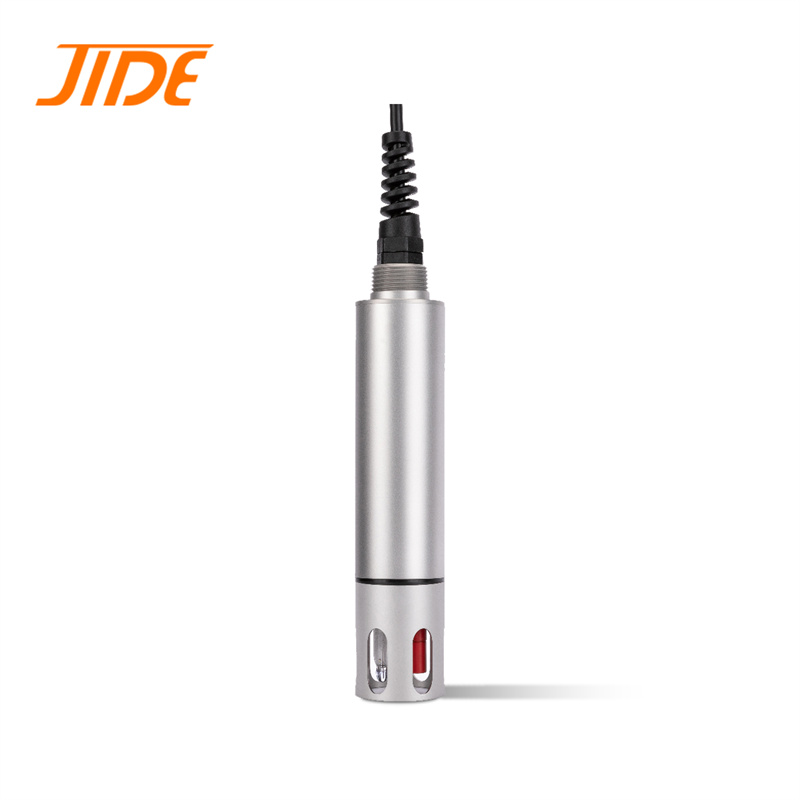
 

What is a Turbidity Measurement Unit and Why is it Essential for Quality Control?

A turbidity measurement unit is a tool that helps us understand how clear or murky water is. It measures the amount of light that is blocked by particles in the water. The more particles there are, the murkier the water is, and the higher the turbidity reading will be. For example, if you fill a glass with clean water and then add some dirt, the water will become cloudy. A turbidity unit helps us see how much dirt is in the water. This is super important for making sure the water is safe for people and animals. Factories that use water must keep it clean. If they don’t, their products might get damaged or unsafe. Drinking water plants use these units to make sure the water is safe to drink. If the water is too murky, they know they need to clean it more. JIDE’s turbidity measurement units are designed to be accurate and easy to use. This makes it easier for workers to check the water quality quickly. Keeping an eye on turbidity helps companies avoid problems. If they find that the water is too cloudy, they can take steps to fix it right away. This helps meet health regulations and keeps customers safe. By using these units, JIDE helps companies maintain high standards for quality control.


Our Blog Posts

Professional NH4 Analyzer for Ammonia Nitrogen Water Quality Testing

09

Aug

Professional NH4 Analyzer for Ammonia Nitrogen Water Quality Testing

When it comes to testing water quality, especially for ammonia nitrogen, having the right tools is very important. JIDE offers a professional NH4 analyzer that helps people check the levels of ammonia in water accurately. Ammonia can be harmful to fi...
View More
Advanced COD Sensor for Real-Time Organic Matter Monitoring

14

Aug

Advanced COD Sensor for Real-Time Organic Matter Monitoring

Real-time monitoring of organic matter plays a critical role in maintaining water quality and protecting the environment. One of the most effective tools for this purpose is a Chemical Oxygen Demand (COD) sensor, which measures the amount of oxygen r...
View More
Full Series Water Quality Sensors for Industrial & Environmental Use

19

Aug

Full Series Water Quality Sensors for Industrial & Environmental Use

Water quality plays a critical role in industrial operations and environmental protection. Clean water supports efficient manufacturing processes while helping preserve rivers, lakes, and oceans. Reliable monitoring is essential for detecting contami...
View More
Professional Nitrate Analyzer for Underground Water Quality Detection

08

Sep

Professional Nitrate Analyzer for Underground Water Quality Detection

When it comes to keeping our underground water clean and safe, knowing how to test for nitrates is very important. Nitrates are chemicals that can get into our water from fertilizers, waste, and other sources. If there are too many nitrates in the wa...
View More

Get a Free Quote

Our representative will contact you soon.
Email
Name
Company Name
Message
0/1000

Related product categories

What Are the Common Usage Issues with Turbidity Measurement Units?

What Are the Common Usage Issues with Turbidity Measurement Units?

Sometimes, people using turbidity measurement units run into problems. One issue is that the units need to be cleaned regularly. If they aren’t cleaned, the readings can be wrong. This can lead to trouble because it might show that the water is clean when it’s not. Another common problem is that the units need to be set up correctly. If they are not positioned right or not calibrated, they might give strange results. This means users have to pay attention and follow the instructions carefully. Also, different types of water can affect turbidity readings. For instance, saltwater can behave differently than freshwater. This can confuse the measurements. JIDE understands these challenges and designs its turbidity measurement units to be user-friendly. Training and support are also important. Sometimes, users don’t know how to use the units well, leading to mistakes. JIDE offers resources to help people learn the best ways to use their turbidity measurement units. This way, companies can get accurate readings and keep their water safe. Overcoming these common issues is essential for keeping water clean and safe.

 
How Does a Turbidity Measurement Unit Improve Product Quality in Water Treatment?

How Does a Turbidity Measurement Unit Improve Product Quality in Water Treatment?

Turbidity measurement units are important tools used in water treatment. They help us see how clear or cloudy water is. When water is cloudy, it means there are tiny particles in it, like dirt, algae, or other materials. These particles can make water unsafe to drink. When water treatment plants use turbidity measurement units, they can check the water quality easily. If the turbidity level is too high, the plant knows that they need to clean the water more. This can include filtering out the dirt or using chemicals to make the particles settle at the bottom. By keeping the turbidity level low, water treatment plants ensure that the water is safe and clean for people to drink. JIDE’s turbidity measurement units are reliable and help workers at water treatment plants make quick decisions. When they see that turbidity levels are high, they can act fast to fix the problem. This means cleaner water reaches homes and schools. Without these units, it would be harder to know if the water is safe. In summary, turbidity measurement units play a crucial role in improving product quality in water treatment by helping to keep our drinking water safe and clear.

 
What Are the Benefits of Using Advanced Turbidity Measurement Units in Industry?

What Are the Benefits of Using Advanced Turbidity Measurement Units in Industry?

Using advanced turbidity measurement units in industry has many benefits. These units are not just for water treatment plants; they can be used in many industries, like food and beverage, pharmaceuticals, and more. One of the main benefits is that they help companies maintain high quality in their products. For example, in the food industry, clear liquids like juices must be free from unwanted particles. If the juice is cloudy, it might not taste good, and it could even be harmful to health. With JIDE’s advanced turbidity measurement units, companies can easily test their products and make sure they meet safety standards. Another benefit is that these units can save money. When companies use turbidity measurement units, they can catch problems early. If a product is too cloudy, they can fix it before it gets to customers. This prevents waste and helps companies keep their reputation high. Additionally, advanced turbidity measurement units are often very easy to use. They can give quick readings, which helps workers make fast decisions. This is important in busy industries where time is money. Advanced turbidity measurement units bring many benefits, such as improved product quality, cost savings, and ease of use, making them valuable tools in various industries.

Choose your global partner

Are you ready to consult with an engineer about your working conditions and specific needs?

Get a Quote

Get a Free Quote

Our representative will contact you soon.
Email
Name
Company Name
Message
0/1000