
 EN
EN
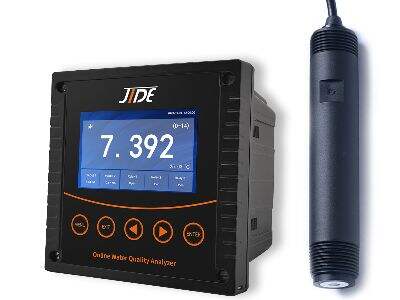
Monitoring river water is very important because it helps keep our environment healthy. One way to do this is by using turbidity sensors. These sensors help us see how clear or cloudy the water is. When water is clear, it usually means it is clean, but when it is cloudy, it can mean there are harmful things in it. JIDE is a company that makes turbidity sensors to help people understand the quality of river water better. By using these sensors, we can keep our rivers safe for plants, animals, and people
What is the Working Principle of Turbidity Sensors in River Water Monitoring
Turbidity sensors work by shining a light through the water and measuring how much light is scattered. When water is clear, most of the light goes straight through. However, if there are dirt, tiny plants, or other particles in the water, the light bounces off these particles. The more particles there are, the less light makes it through. This is how turbidity sensors can tell how cloudy the water is. JIDE’s turbidity sensors use special technology to make sure they measure the light very accurately. They can help people see changes in water quality quickly. For example, if it rains a lot, the water might get muddy. The sensor can show this change right away. This way, people can respond quickly to protect the river. It is like having a watchful friend who tells you when something is wrong. The sensors are placed in the river and can collect data over time. This helps scientists and local authorities understand how the river's health changes with seasons, weather, and human activities. Having this information is very valuable for keeping our rivers clean and safe
How Turbidity Sensors Improve River Water Quality Analysis
Turbidity sensors improve river water quality analysis by providing real-time information. This means that instead of waiting for lab tests to see if the water is clean, we can know right away if something is wrong. When people know that the water is getting cloudy, they can take action immediately. For example, they can stop fishing or swimming until the water gets clearer. JIDE’s sensors are also very reliable, which means they give correct information many times. This helps communities make better decisions about how to care for their rivers. Additionally, these sensors can help track pollution sources. If a river gets muddy after construction work, the sensor will show a spike in turbidity. This helps authorities find out what caused the problem and how to fix it. They can talk to construction companies or create rules to prevent future issues. Moreover, the data from these sensors can be shared with schools and local organizations. This raises awareness about river health and encourages people to take part in keeping their rivers clean. Everyone can learn how important it is to protect our water. With JIDE’s turbidity sensors, we can all play a part in making sure our rivers stay healthy for a long time
What Are the Common Usage Issues with Turbidity Sensors in Rivers
Turbidity sensors are tools that help us measure how clear or muddy the water is in rivers. They are very important for keeping track of water quality. However, there are some problems that people often face when using these sensors. One common issue is that sensors can get dirty or covered with mud. This can happen if the water is very cloudy or if there is a lot of sediment. When the sensor is dirty, it can give incorrect readings. To fix this, it is important to clean the sensor regularly. Another issue is that sensors can sometimes break or stop working if they are not taken care of properly. For example, if the sensor is not secured well, it might fall into the river or be damaged by strong currents. Users must ensure that the sensors are installed correctly and checked often. Also, the temperature of the water can affect how well the sensor works. If the water is too hot or too cold, it might change the reading. This is why it is crucial to use sensors that can handle different temperatures. Finally, sometimes the sensors do not get enough power to work. This can happen if batteries are low or if the solar panels are not getting enough sunlight. To solve this problem, users should check the power supply regularly and make sure everything is working as it should. By taking care of these issues, we can use turbidity sensors more effectively to monitor river water
What Factors Affect Turbidity Readings in River Water
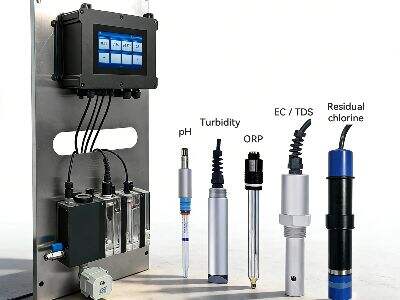
Turbidity readings show how clear or muddy river water is, but many things can change these readings. One big factor is the amount of soil or sediment in the water. When it rains a lot, soil can wash into the river, making the water murky. This can cause the turbidity reading to go higher. Another factor is the presence of algae or tiny plants in the water. When there are a lot of algae, they can make the water appear green or brown, which also raises turbidity. The time of year can also play a role. In spring and summer, more rain can lead to more sediment in the water. Lastly, human activities can affect turbidity. For example, if people are building near the river or if there is farming nearby, dirt can get into the water. This is why it is important to monitor turbidity regularly. Another factor is the flow of the river. When the water flows fast, it can stir up more sediment, increasing turbidity. On the other hand, slow-moving water may settle down, making it clearer. The weather can also influence readings. If it is very windy or rainy, it can cause more waves and movement in the water, which can change how much mud and sediment is in the water. Understanding these factors helps us know why turbidity readings change and how to take better care of our rivers
Where to Find Reliable Suppliers of Turbidity Sensors for Wholesale Buyers
If you are looking to buy turbidity sensors in bulk, it is important to find trustworthy suppliers. One good place to start is by searching online. Many companies, like JIDE, have websites where you can learn about their products and services. It is helpful to read reviews from other customers to see if they had a good experience. This can help you feel more confident about your choice. You can also contact suppliers directly to ask questions. Good suppliers will respond quickly and provide helpful information. Another way to find reliable suppliers is to attend trade shows or industry events. These events allow you to meet suppliers in person, see their products, and ask questions. You can also connect with other buyers who can give recommendations. Asking friends or colleagues in the industry can also lead you to trusted suppliers. Once you have a list of potential suppliers, compare their prices and products. Make sure they offer quality sensors and good customer service. It is important to choose a supplier who can support you with any issues or questions after your purchase. JIDE is known for providing quality turbidity sensors and great support, making it a good choice for anyone looking to buy in bulk. By doing your research and checking your options, you can find the best suppliers for your turbidity sensors
Table of Contents
- What is the Working Principle of Turbidity Sensors in River Water Monitoring
- How Turbidity Sensors Improve River Water Quality Analysis
- What Are the Common Usage Issues with Turbidity Sensors in Rivers
- What Factors Affect Turbidity Readings in River Water
- Where to Find Reliable Suppliers of Turbidity Sensors for Wholesale Buyers