 EN
EN
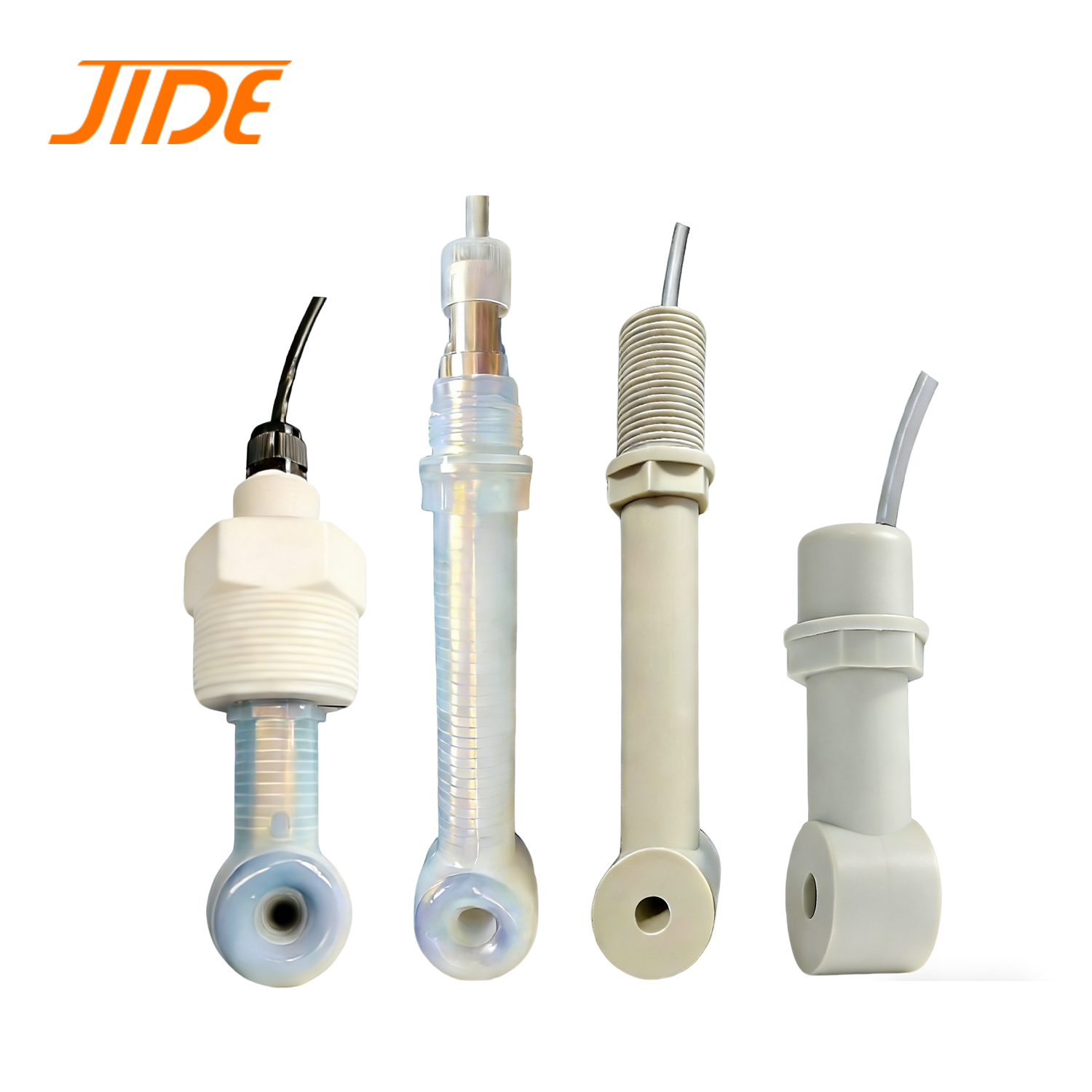
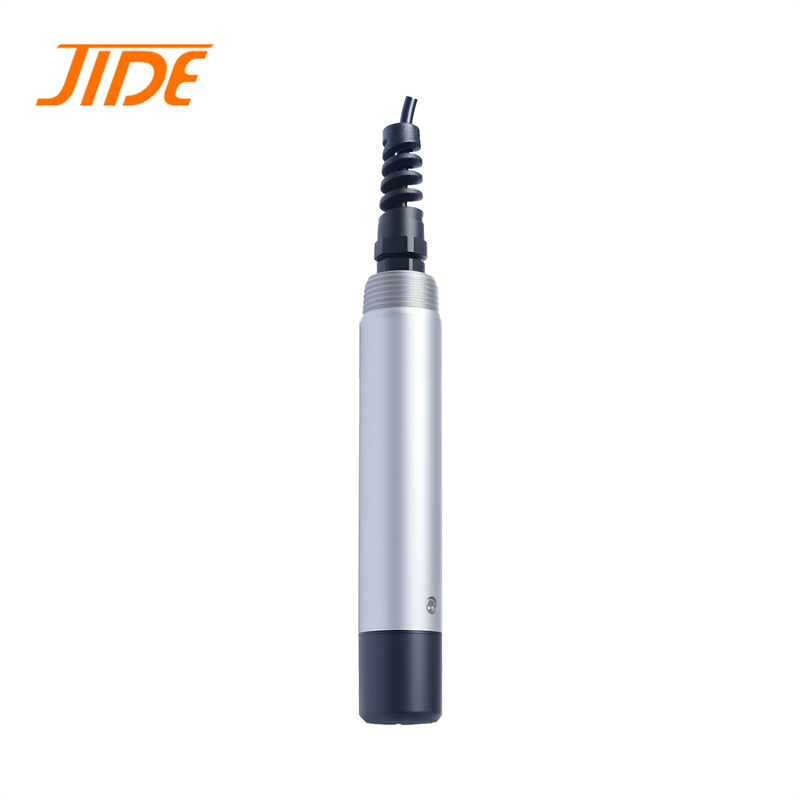
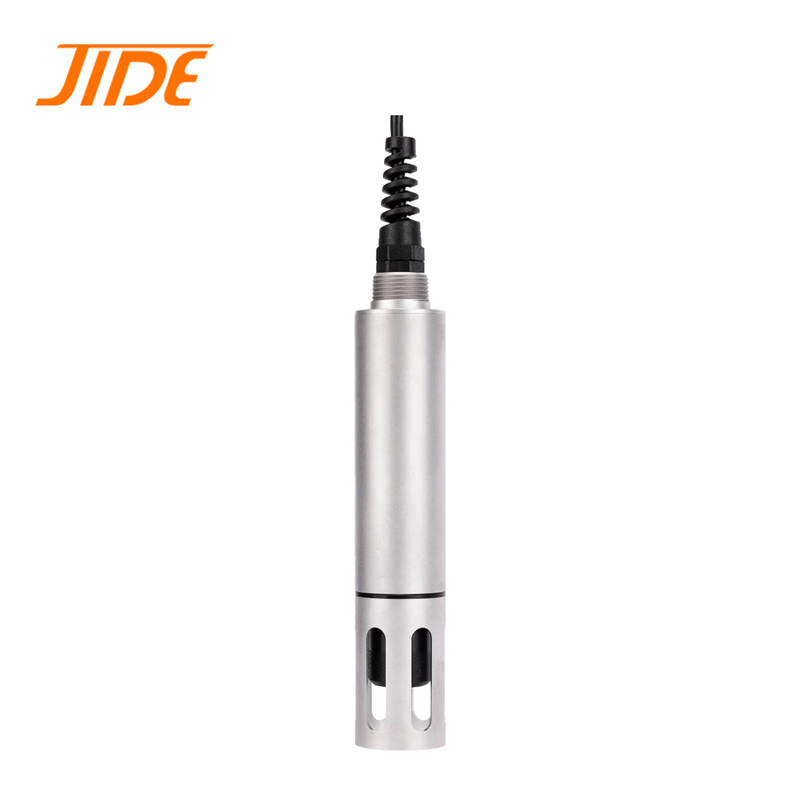
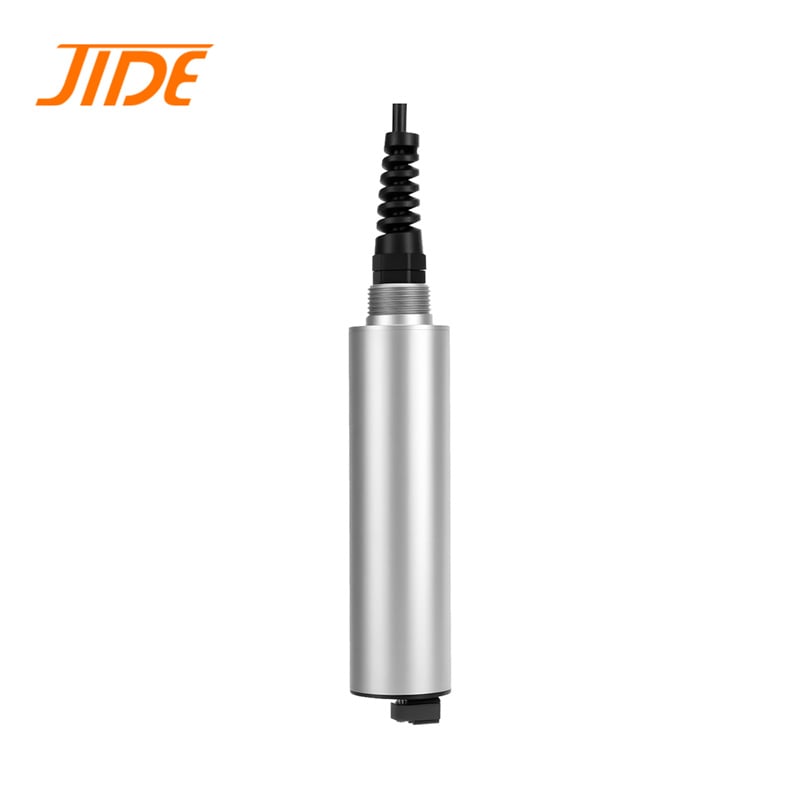
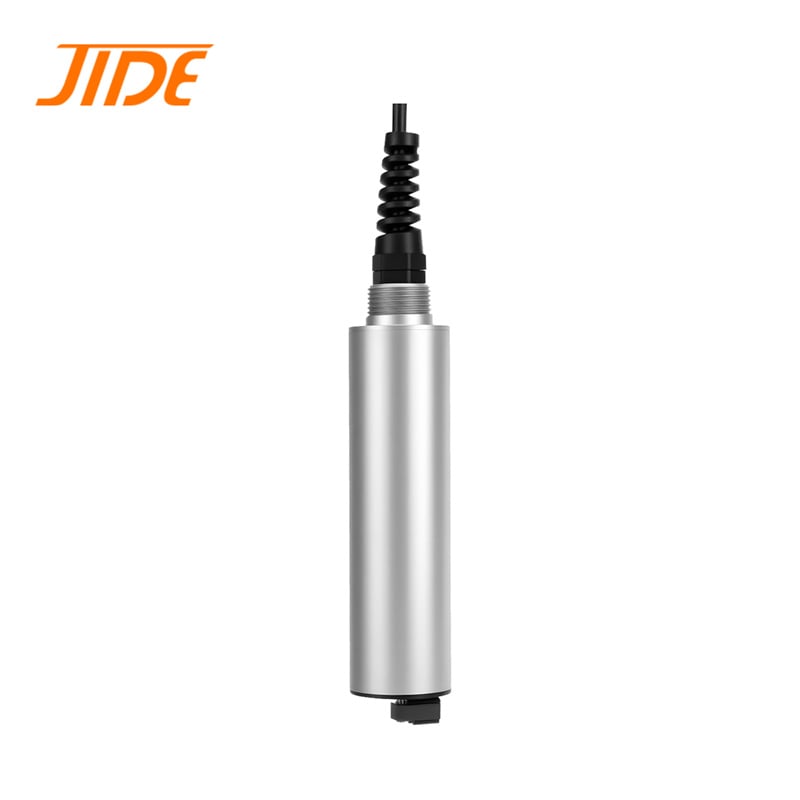
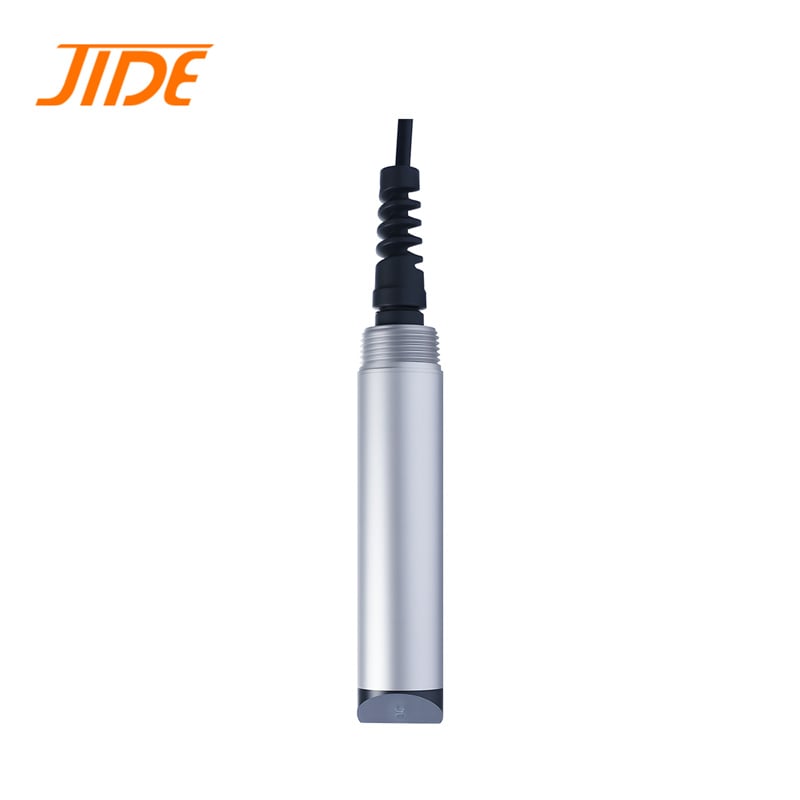
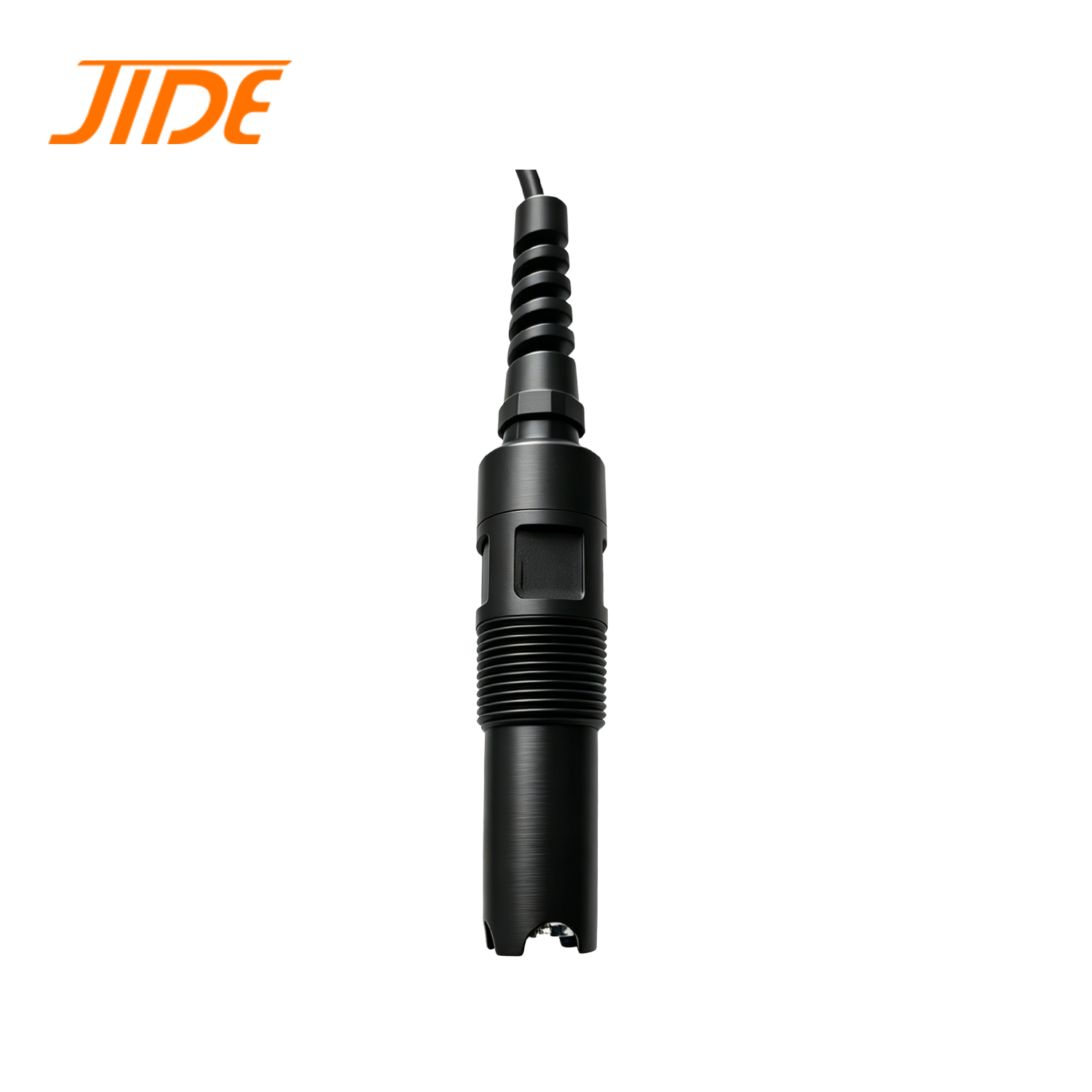
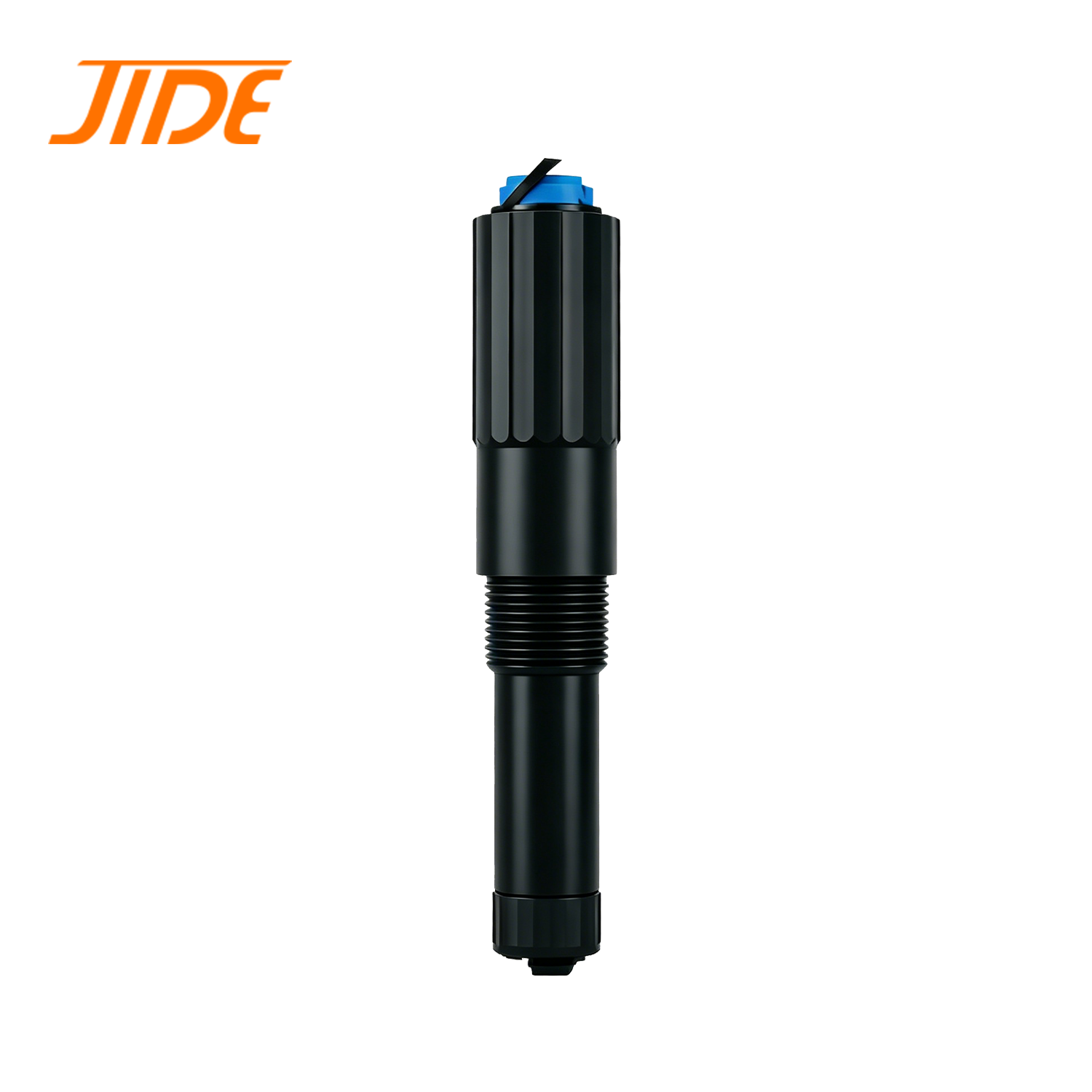
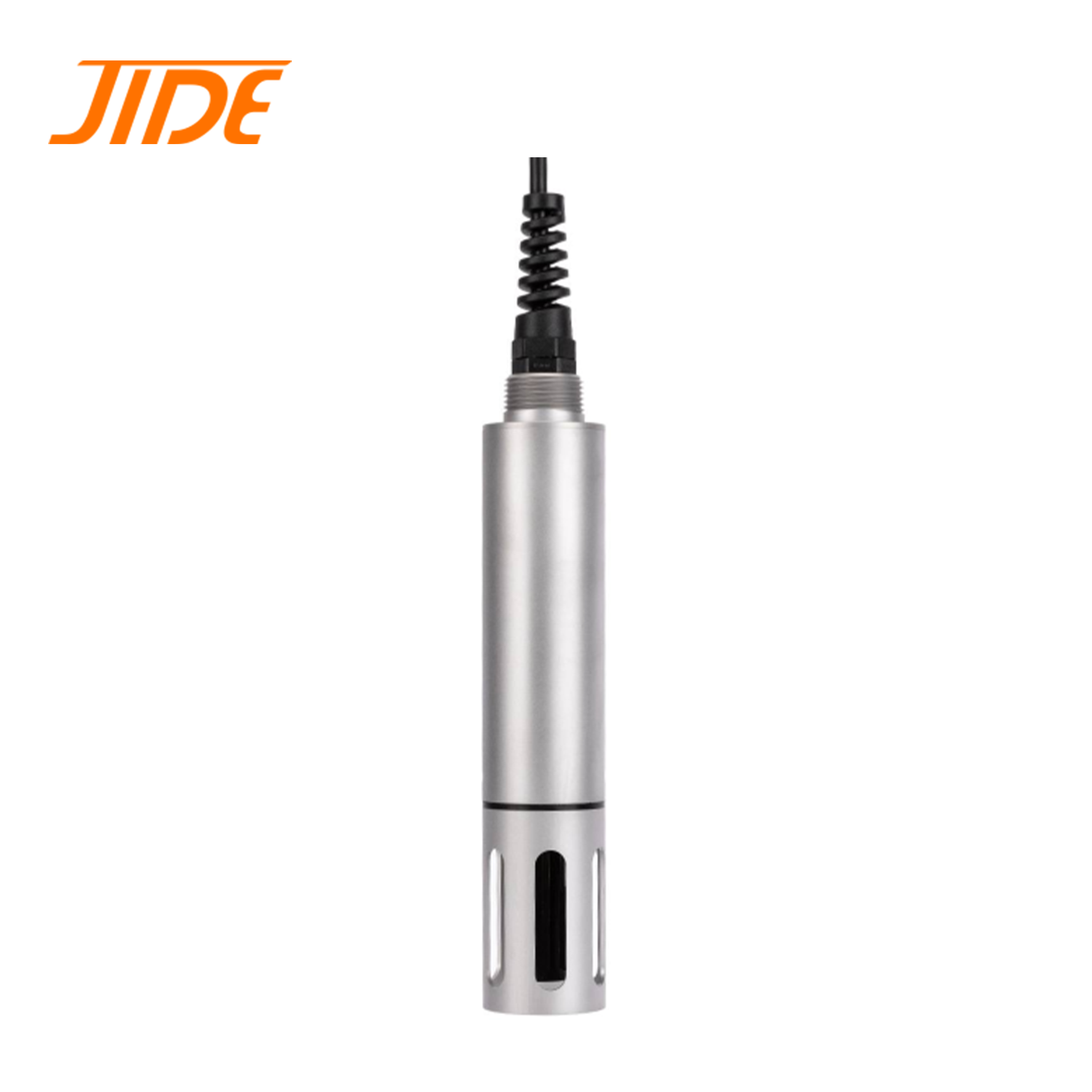
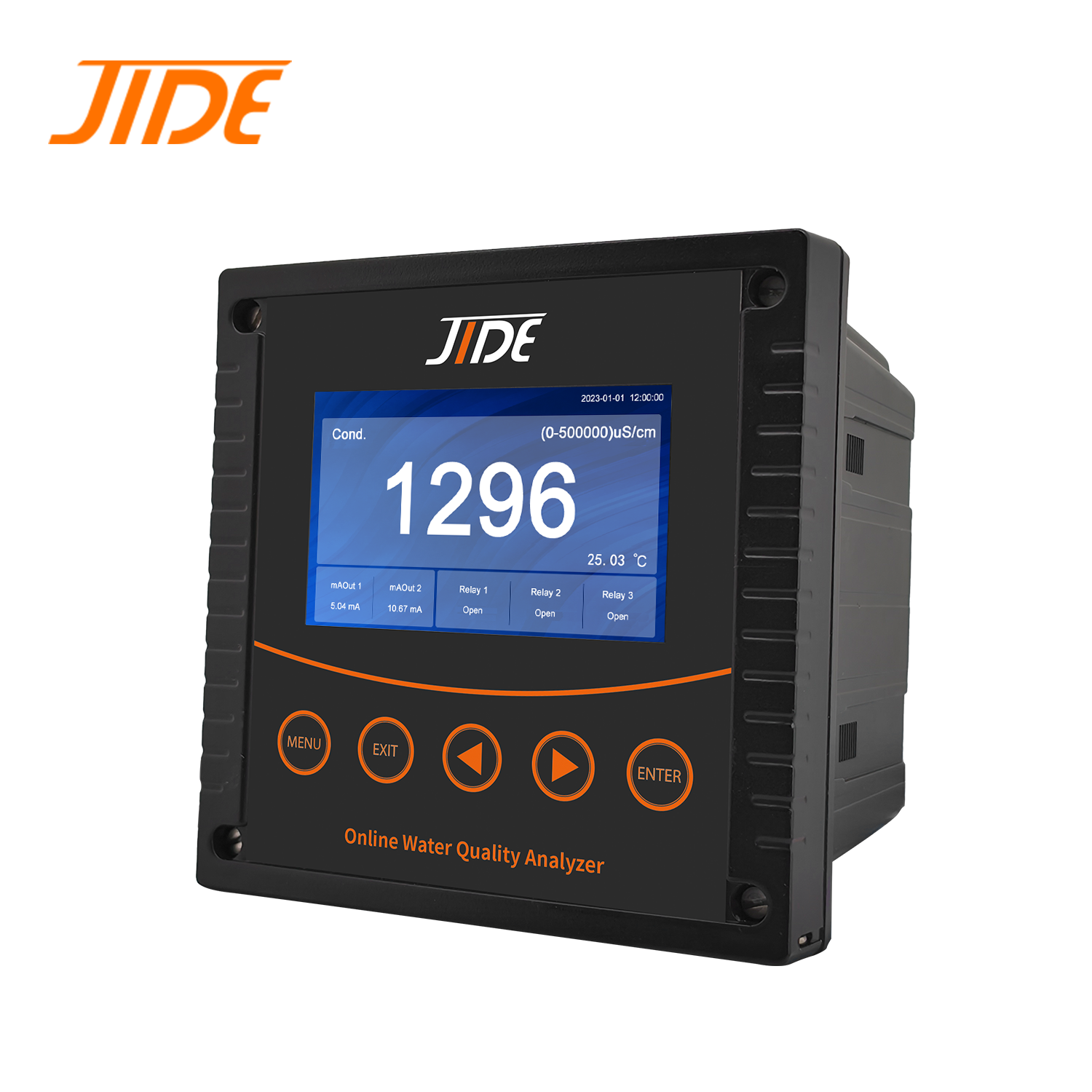
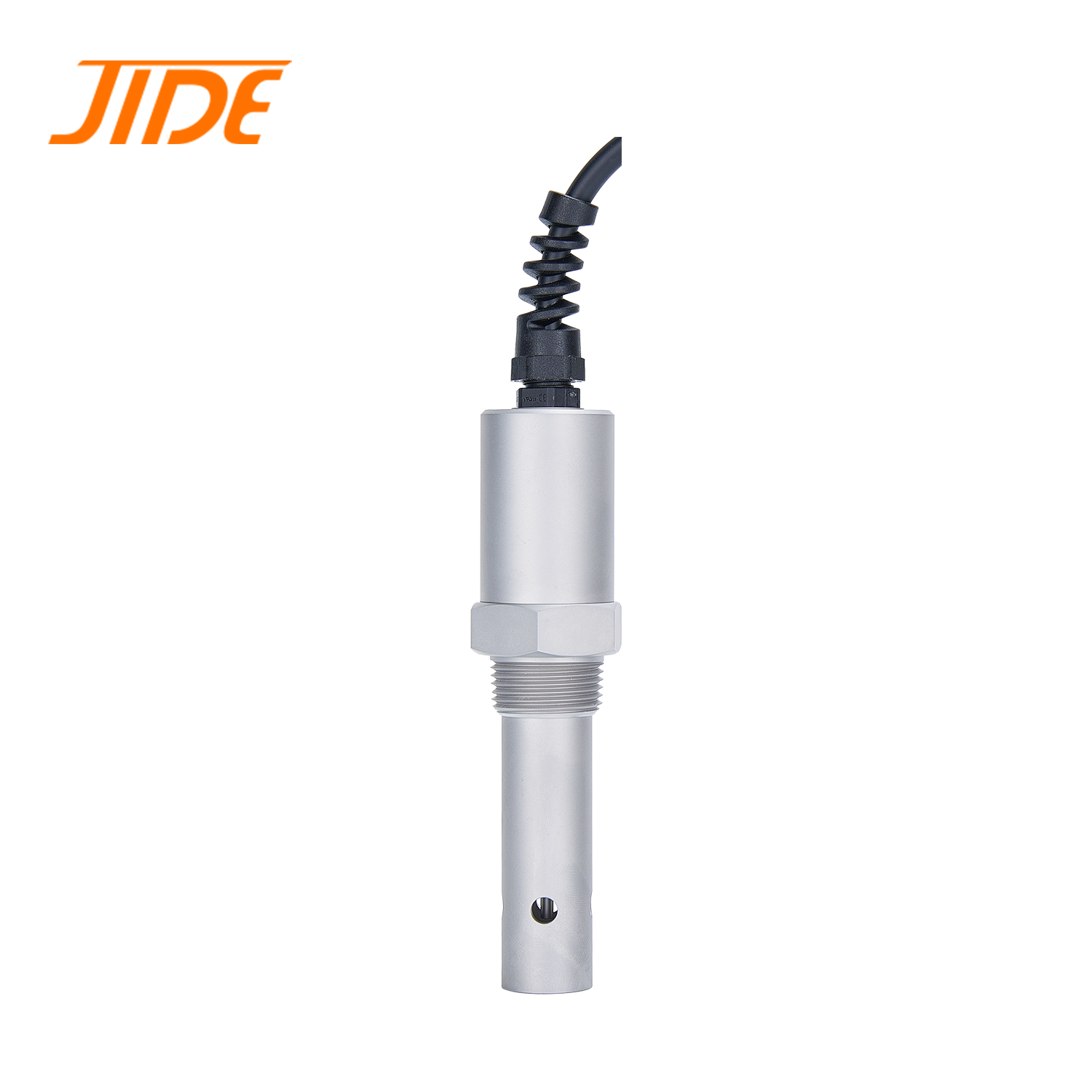
Οι αισθητήρες επαφής για τη μέτρηση της ηλεκτρικής αγωγιμότητας αποτελούν σημαντικά εργαλεία που χρησιμοποιούνται για τη μέτρηση της ικανότητας των υγρών να διαπερνώνται από το ηλεκτρικό ρεύμα. Οι αισθητήρες αυτοί συναντώνται σε πολλούς τομείς, όπως σε εργοστάσια, ερευνητικά εργαστήρια και ακόμη και σε πισίνες. Βοηθούν στην παρακολούθηση της ποιότητας του νερού και διασφαλίζουν την ομαλή λειτουργία των διαδικασιών. Η JIDE είναι μια εμπιστευόμενη εταιρεία όσον αφορά την κατασκευή αυτών των αισθητήρων. Επικεντρωνόμαστε στην παραγωγή προϊόντων υψηλής ποιότητας που ανταποκρίνονται στις ανάγκες των πελατών μας. Η κατανόηση του τρόπου επιλογής του κατάλληλου αισθητήρα και η γνώση της σημασίας τους σε διάφορους τομείς μπορεί να βοηθήσει τις επιχειρήσεις να λειτουργούν αποτελεσματικότερα
Κατά την επιλογή ενός αισθητήρα αγωγιμότητας επαφής, είναι σαν να επιλέγετε το κατάλληλο εργαλείο για μια εργασία. Πρώτα, σκεφτείτε για ποιο σκοπό χρειάζεστε τον αισθητήρα. Χρησιμοποιείται για τον έλεγχο του νερού σε μια πισίνα ή για την παρακολούθηση υγρών σε μια βιομηχανική εγκατάσταση; Επίσης, έχει σημασία και ο τύπος του υγρού. Ορισμένα υγρά είναι ρυπαρά ή περιέχουν χημικές ουσίες που μπορούν να επηρεάσουν τη λειτουργία των αισθητήρων. Για παράδειγμα, αν δοκιμάζετε νερό με υψηλή περιεκτικότητα ορυκτών, χρειάζεστε έναν αισθητήρα που να μπορεί να αντεπεξέρχεται σε αυτή την κατάσταση. Στη συνέχεια, ελέγξτε το εύρος θερμοκρασίας του αισθητήρα. Ορισμένοι αισθητήρες λειτουργούν καλά σε πολύ ζεστό ή πολύ κρύο νερό. Αν ζείτε σε περιοχή με ακραίες καιρικές συνθήκες, αυτό είναι σημαντικό. Επίσης, σκεφτείτε πόσο εύκολη είναι η εγκατάσταση και η χρήση του. Ορισμένοι αισθητήρες είναι απλοί στην εγκατάσταση και συνοδεύονται από σαφείς οδηγίες. Άλλοι ενδέχεται να απαιτούν ειδική εκπαίδευση. Είναι επίσης χρήσιμο να ελέγξετε πόσο συχνά χρειάζεται να καθαρίζετε ή να συντηρείτε τον αισθητήρα. Η JIDE προσφέρει διάφορες επιλογές που εξισορροπούν την ευκολία χρήσης με την απόδοση. Τέλος, λάβετε υπόψη σας τον προϋπολογισμό σας. Αν και είναι πειστικό να επιλέξετε τη φθηνότερη επιλογή, θυμηθείτε ότι η καλύτερη ποιότητα συνήθως διαρκεί περισσότερο και λειτουργεί καλύτερα.