Choosing the Right Conductivity Sensor for You

All Categories

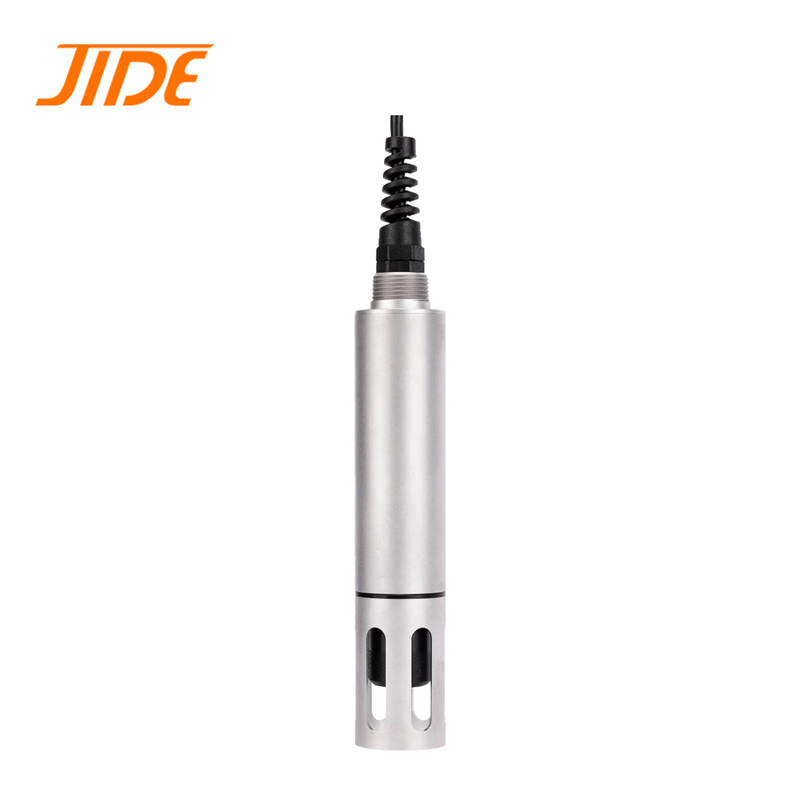
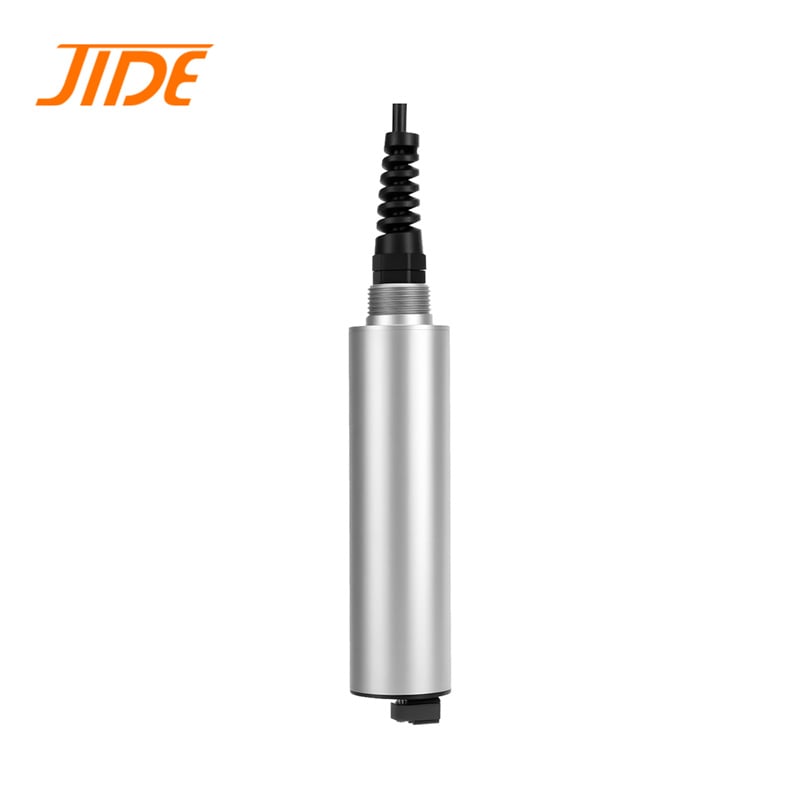
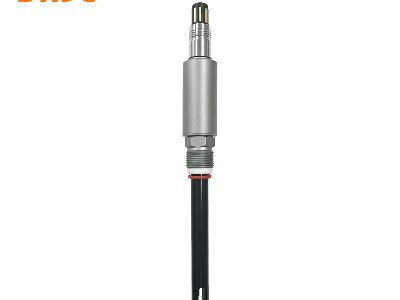
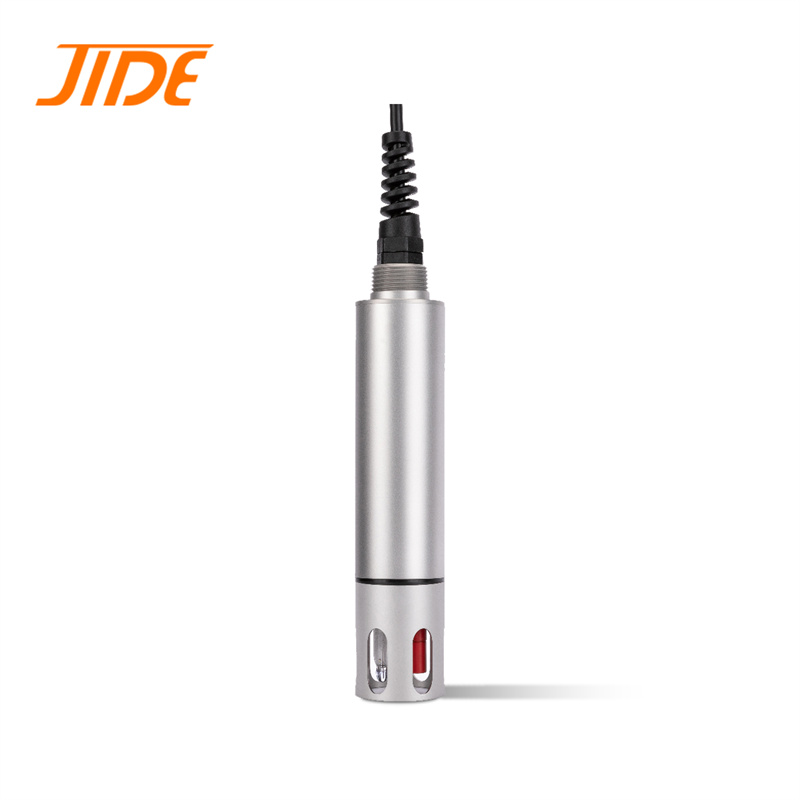
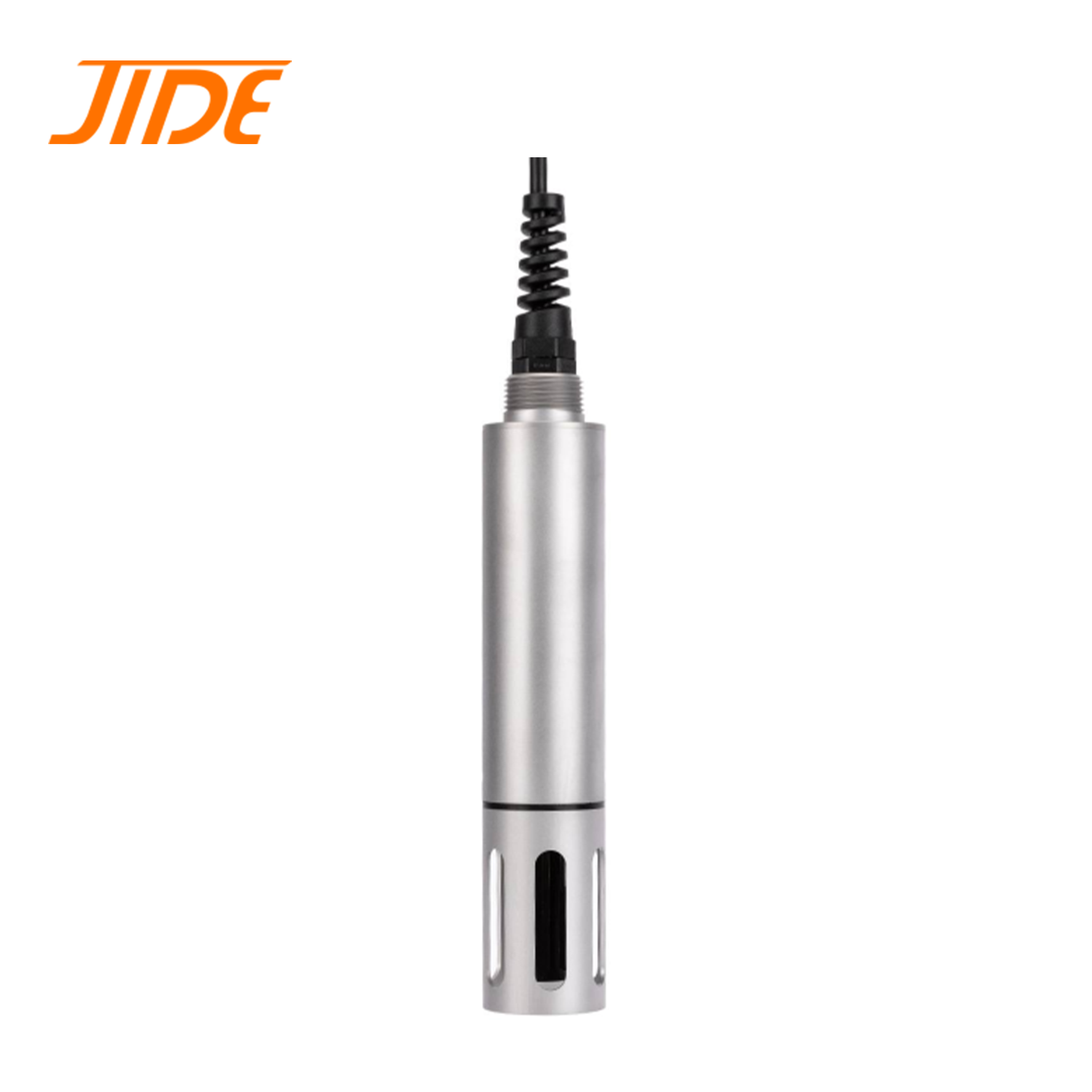
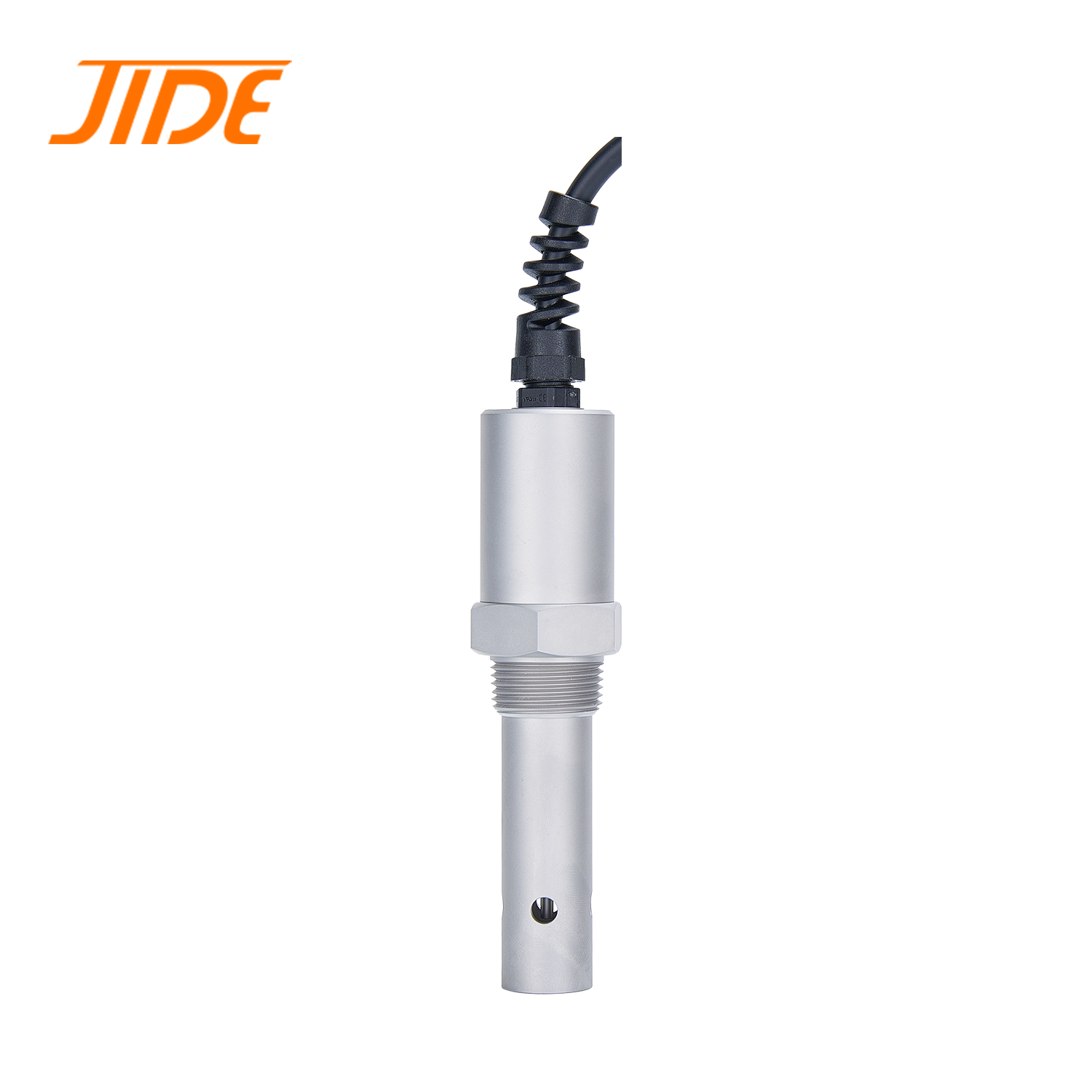
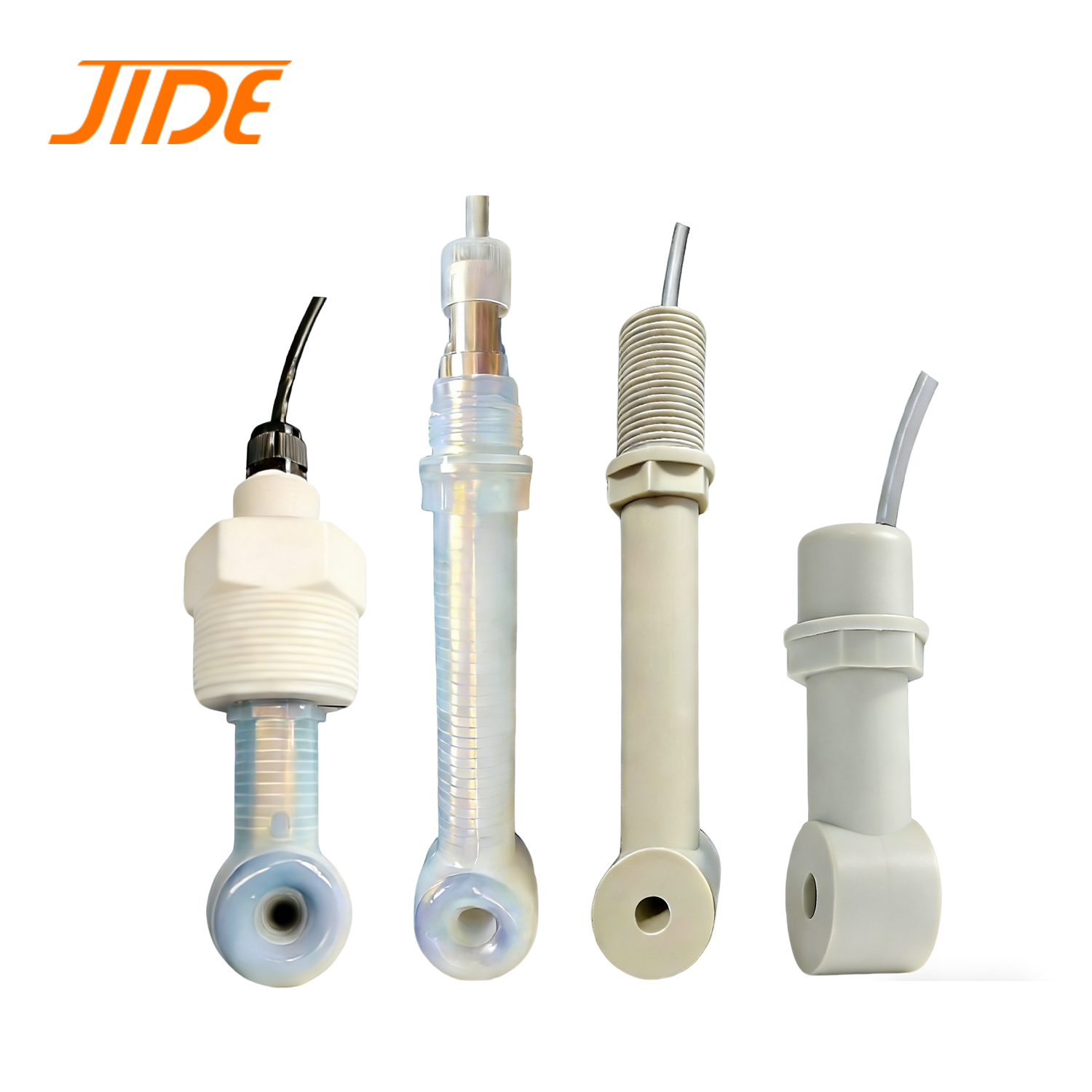
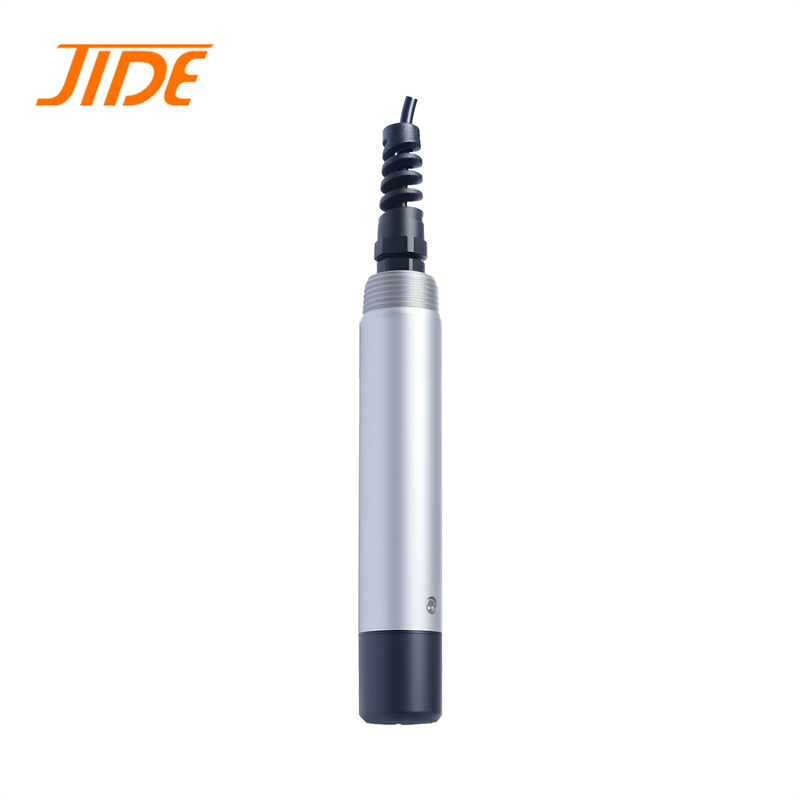
Contacting conductivity sensor

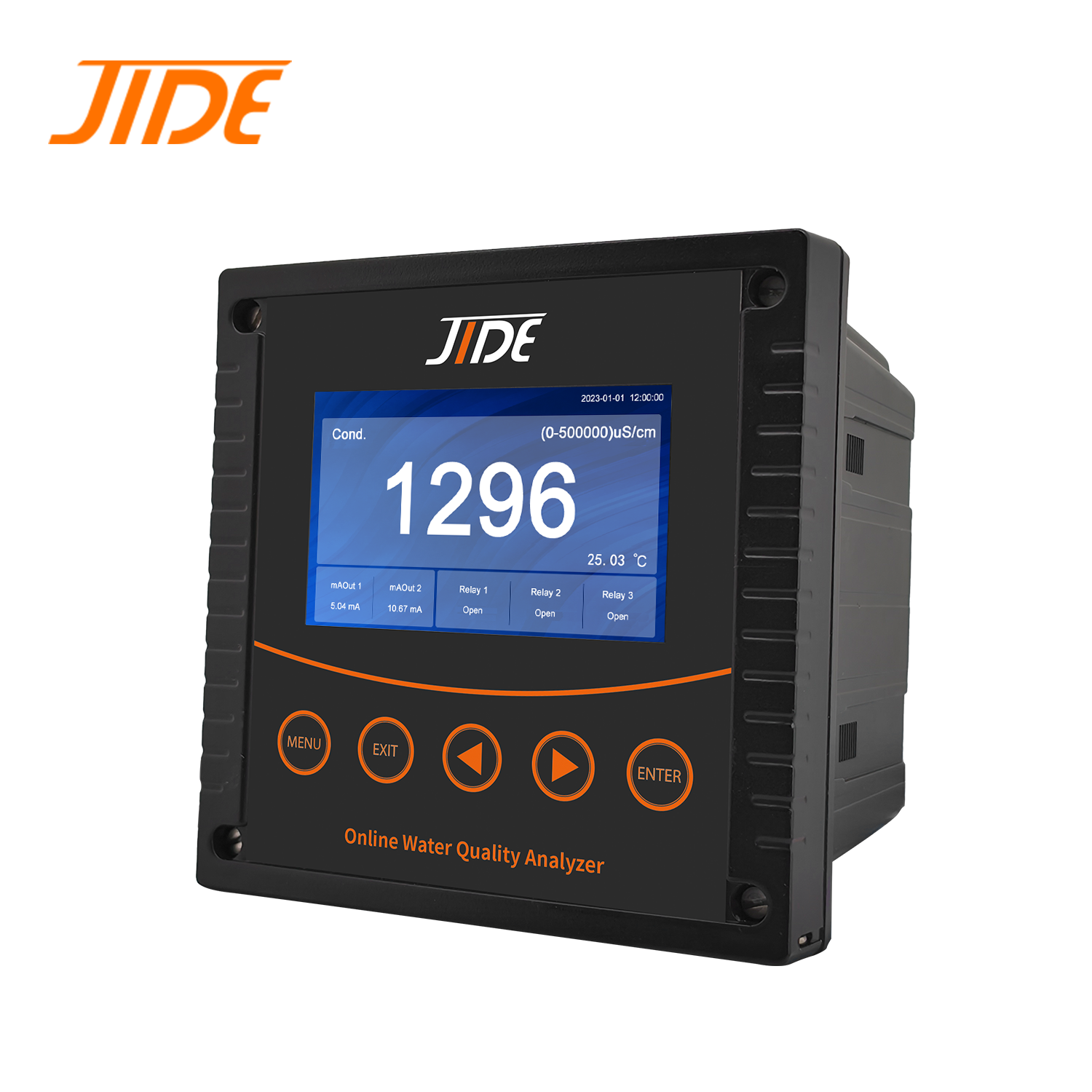
Contacting conductivity sensors are important tools used to measure how well liquids conduct electricity. These sensors can be found in many places, like in factories, research labs, and even in pools. They help monitor water quality and ensure that processes run smoothly. JIDE is a trusted name when it comes to manufacturing these sensors. We focus on making high-quality products that meet the needs of our customers. Understanding how to choose the right sensor and knowing why they are essential in different industries can help companies run better

When picking a contacting conductivity sensor, it’s like choosing the right tool for a job. First, think about what you need the sensor for. Is it for checking water in a swimming pool or for monitoring liquids in a factory? The type of liquid matters too. Some liquids are dirty or have chemicals that can affect how sensors work. For example, if you're testing water with a lot of minerals, you need a sensor that can handle that. Next, look at the sensor's temperature range. Some sensors work well in very hot or very cold water. If you live in a place with extreme weather, this is important. Also, think about how easy it is to install and use. Some sensors are simple to set up and come with clear instructions. Others might need special training. It's also good to check how often you need to clean or maintain the sensor. JIDE offers various options that balance ease of use with performance. Finally, consider your budget. While it’s tempting to pick the cheapest option, remember that better quality often lasts longer and works better.
Our Products

How to Choose the Right Contacting Conductivity Sensor for Your Needs

Contacting conductivity sensors are used in many industries because they help keep things running smoothly. In the water treatment industry, for example, these sensors monitor how clean the water is. If the water isn't clean enough, it can be harmful to people and the environment. They are also used in food and beverage industries to ensure that products meet health standards. If a factory is making soda, for instance, the conductivity of the water used must be just right to keep the taste consistent. In chemical plants, these sensors help keep track of processes so that reactions happen safely and effectively. If the wrong amount of a chemical is used, it can be dangerous. JIDE's sensors are trusted in these settings because they are built to last and provide accurate readings. In agriculture, farmers use these sensors to check soil moisture. This helps them know when to water crops, saving water and improving harvests. Each industry has its own needs, but conductivity sensor from JIDE are flexible enough to meet those needs. By using these sensors, companies can save money, time, and effort while ensuring safety and quality

Using contacting conductivity sensors can really help you keep things running smoothly in your operations. These sensors are special tools that measure how well electricity can flow through liquids. They are very useful in many industries like water treatment, food processing, and chemical manufacturing. To make the most out of these sensors, it’s important to understand how they work and how to use them correctly. First, you should ensure that the sensors are installed in the right place. This means placing them where the liquid flows freely, so the sensor can get a good reading. If the sensor is blocked or not in the right spot, it won't work well.

Frequently Asked Questions

What is a contacting conductivity sensor?

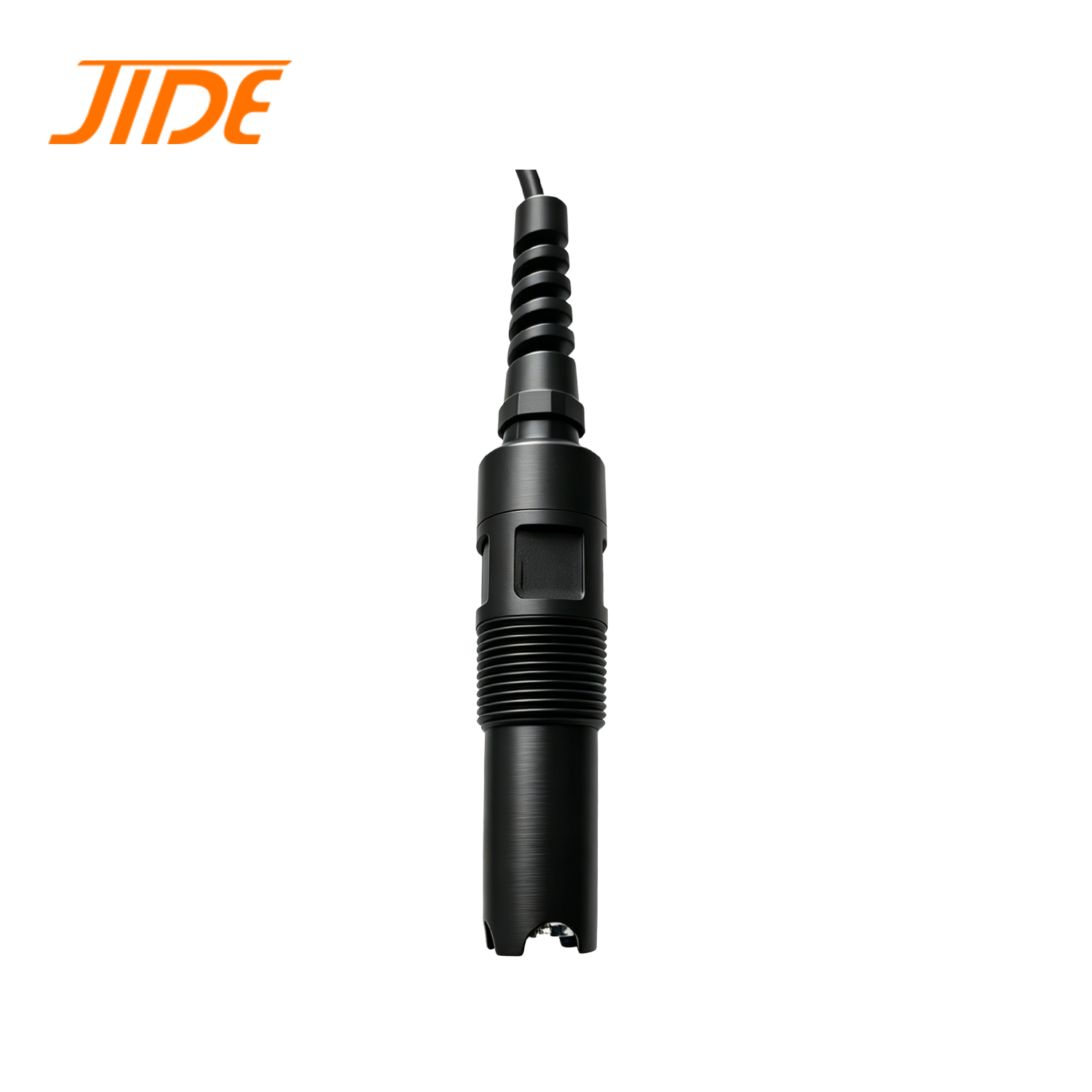
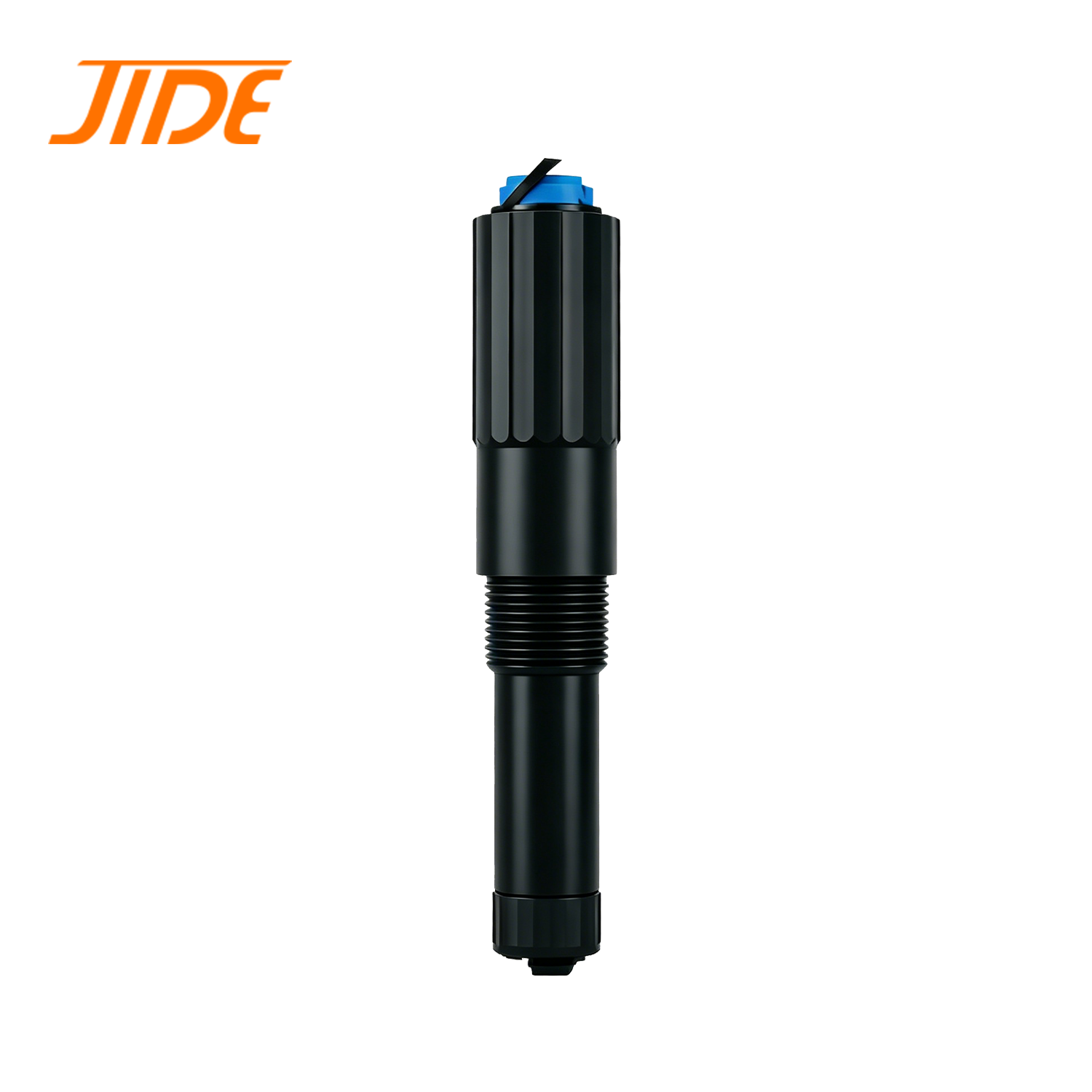
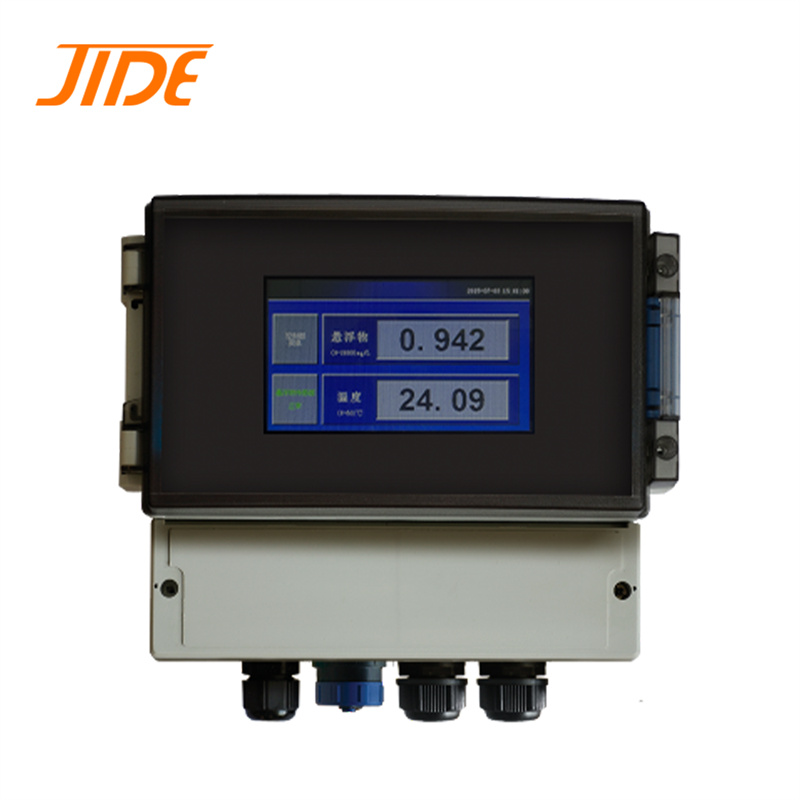
A contacting conductivity sensor measures solution conductivity by direct electrode contact, providing accurate ionic concentration readings for water quality and process control.
Ideal for wastewater, industrial process liquids, cooling towers, and water treatment monitoring where precise conductivity data is required.
Mount the probe in the flow or tank, ensure correct orientation, secure connections to the instrument, and follow wiring and grounding guidelines from the manual.
Periodic cleaning of electrodes, routine calibration, and inspection for coating or corrosion extend sensor life and ensure measurement accuracy.
Yes. JIDE LTD offers technical support, calibration guidance, and quality-controlled products with R&D-backed documentation for commissioning and troubleshooting.

Our Blog Posts

Online Water Quality Monitoring Solutions for Industrial Applications

01

Jul

Online Water Quality Monitoring Solutions for Industrial Applications

Water is a vital part of many industries. Factories, farms, and plants all need clean water to work properly. When water quality is poor, it can cause big problems. Companies can lose money, face legal issues, and hurt the environment. That’s why it ...
View More
Professional ORP Sensor for Water Disinfection Monitoring

11

Jul

Professional ORP Sensor for Water Disinfection Monitoring

Professional ORP Sensors for Reliable Water Disinfection and Water Quality MonitoringWater is essential for life, and keeping it safe and clean is a top priority. One of the most effective ways to maintain water quality is through continuous monitori...
View More
Efficient Chlorine Sensor for Residual Chlorine Detection in Tap Water

04

Aug

Efficient Chlorine Sensor for Residual Chlorine Detection in Tap Water

Chlorine Sensor Guide for Safe and Accurate Water MonitoringChlorine is commonly added to tap water to kill harmful germs and keep drinking water safe. While chlorine is essential for water disinfection, excessive amounts can affect water quality and...
View More
Professional NH4 Analyzer for Ammonia Nitrogen Water Quality Testing

09

Aug

Professional NH4 Analyzer for Ammonia Nitrogen Water Quality Testing

When it comes to testing water quality, especially for ammonia nitrogen, having the right tools is very important. JIDE offers a professional NH4 analyzer that helps people check the levels of ammonia in water accurately. Ammonia can be harmful to fi...
View More

Get a Free Quote

Our representative will contact you soon.
Email
Name
Company Name
Message
0/1000

Related product categories

What Makes Contacting Conductivity Sensors Essential for Various Industries?

What Makes Contacting Conductivity Sensors Essential for Various Industries?

Next, regular maintenance is key. Just like you clean your room or take care of your bike, you need to clean and check your sensors. Dirt or build-up can affect how they measure conductivity. JIDE recommends cleaning the conductivity level sensor according to the manufacturer’s instructions to keep them in top shape. Another tip is to use the right settings. Depending on the type of liquid you are measuring, you may need to adjust the settings on your sensor. For example, different liquids like saltwater and fresh water have different conductivity levels. By knowing the type of liquid you’re working with, you can set the sensor for the best results.

How to Maximize Efficiency with Contacting Conductivity Sensors in Your Operations

How to Maximize Efficiency with Contacting Conductivity Sensors in Your Operations

Another tip is to read reviews or ask others about their experiences with the sensors. This can help you understand which models work best and which ones to avoid. JIDE has many satisfied customers who can share their stories. Additionally, consider the customer service of the company. If you have questions or need help, you want to work with a company that is easy to reach and willing to assist you. JIDE is known for its helpful team, making it easier for you to get the support you need.

Where to Buy Reliable and Affordable Contacting Conductivity Sensors in Bulk

Where to Buy Reliable and Affordable Contacting Conductivity Sensors in Bulk

There are a lot of misunderstandings about contacting conductivity sensor that can confuse people. One common misconception is that these sensors can only be used in pure water. In reality, contacting conductivity sensors work in many types of liquids, including those with impurities, like saltwater or chemicals. They are designed to measure how well electricity flows through different liquids, so they can be very versatile. JIDE’s sensors are built to handle various conditions, making them useful in many industries.

Choose your global partner

Are you ready to consult with an engineer about your working conditions and specific needs?

Get a Quote

Get a Free Quote

Our representative will contact you soon.
Email
Name
Company Name
Message
0/1000