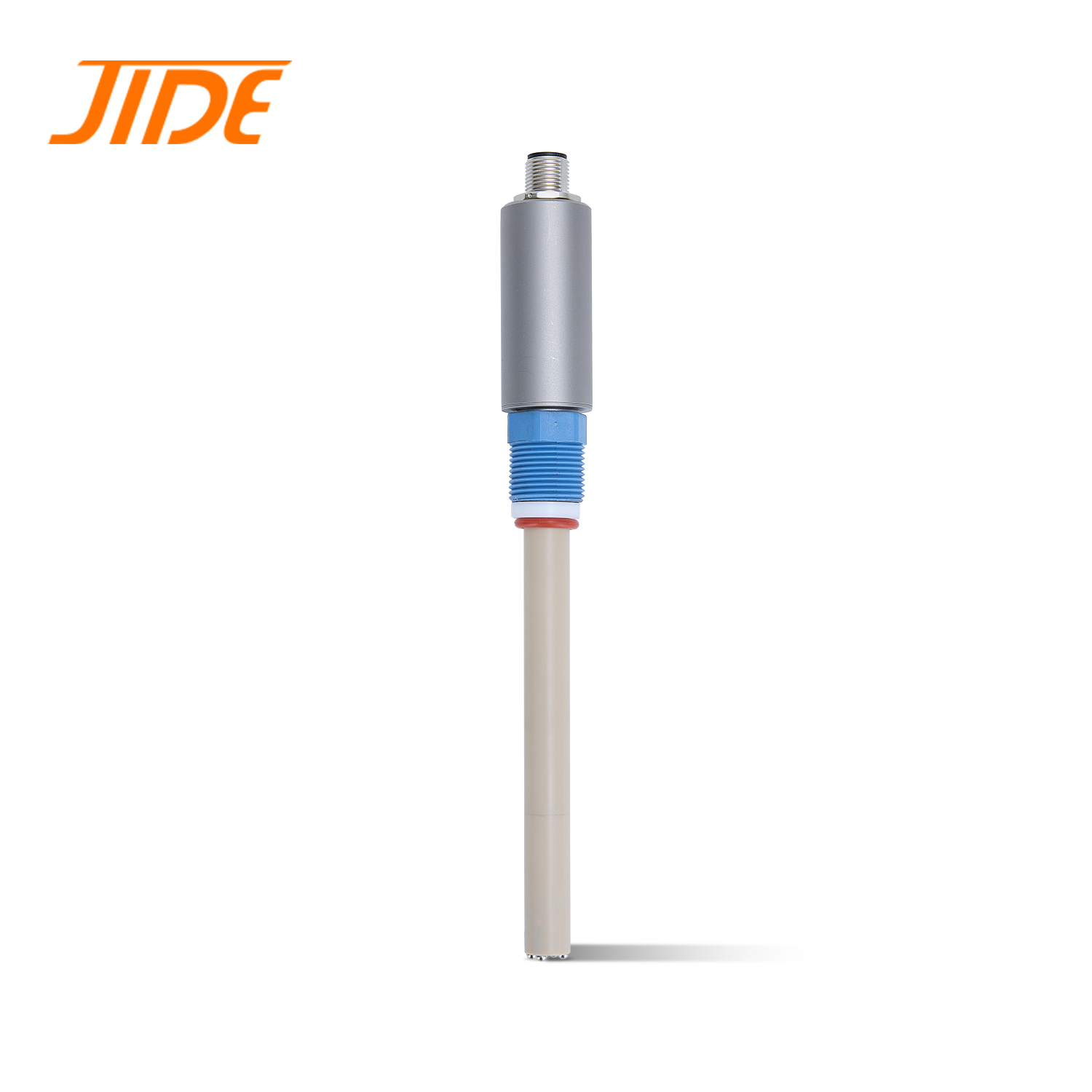
Liquid Conductivity Sensors for Various Applications

All Categories

Liquid conductivity sensor

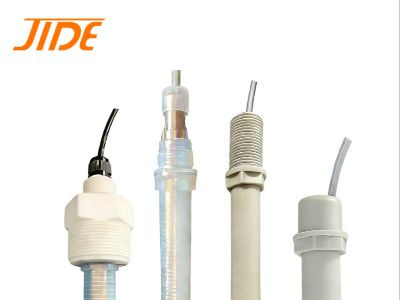
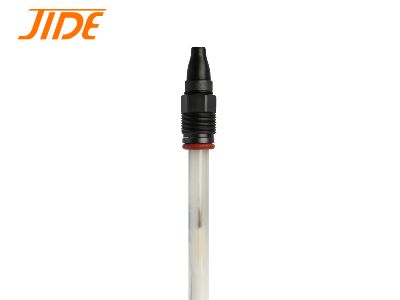
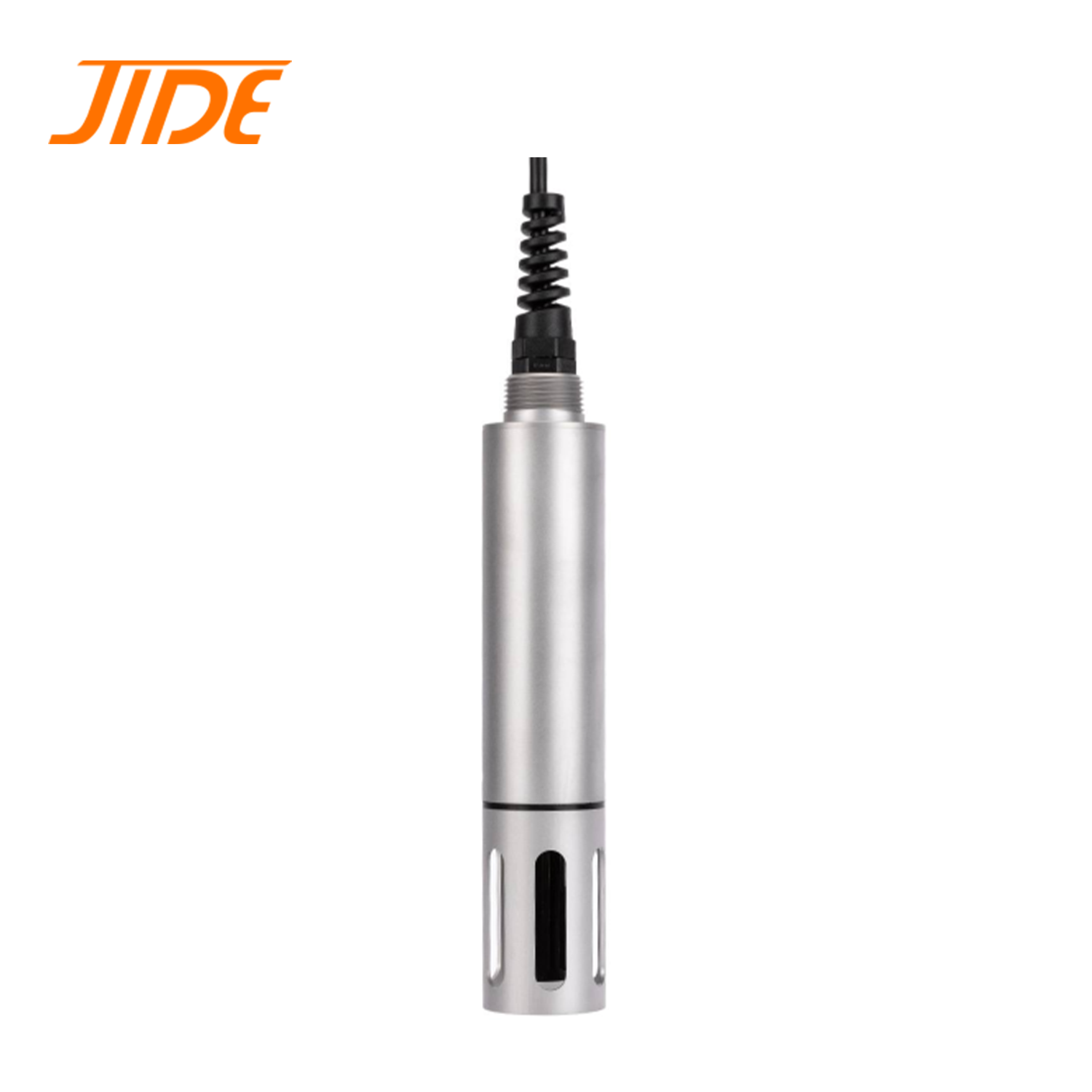
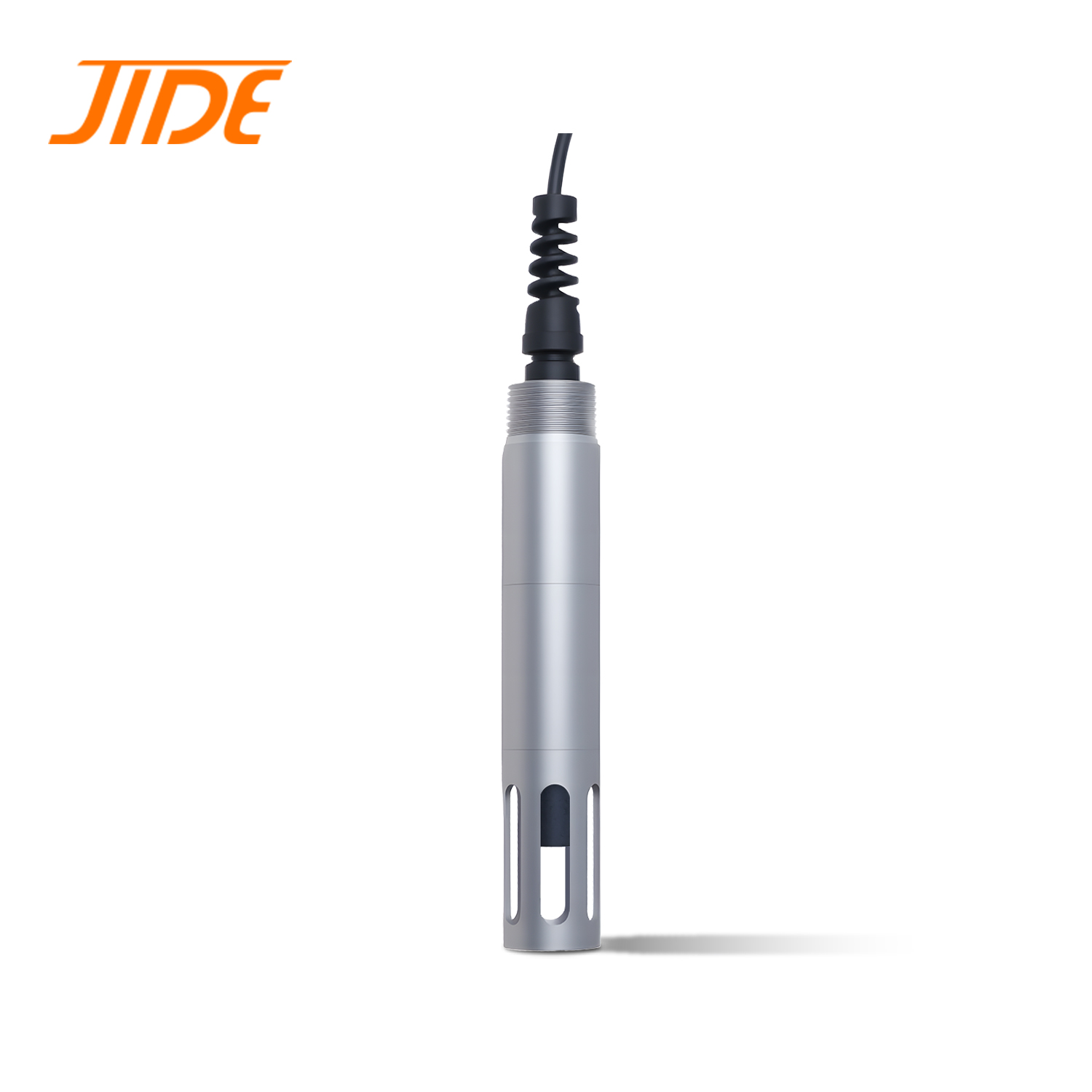
Liquid conductivity sensors are important devices used to measure how well liquids can conduct electricity. These sensors help us understand the quality of water and other liquids. For instance, water with a lot of impurities conducts electricity better than pure water. Knowing this helps people in many industries, like food and beverage, chemical manufacturing, and environmental monitoring. JIDE is proud to offer high-quality liquid conductivity sensor that provides accurate and reliable measurements. Using these sensors can help ensure that the liquids we use are safe and meet the necessary standards.

How to Choose the Best Liquid Conductivity Sensor for Your Needs

When picking a liquid conductivity sensor, first think about what you need it for. There are many types available, and each has its own special features. If you want to measure water in a swimming pool, you might choose a sensor that is good for that specific purpose. However, if you need to check chemicals in a factory, a different kind of sensor would be better. Look at the range of conductivity that the sensor can measure. Some sensors work well with low-conductivity liquids, while others are better for highly conductive liquids. Next, consider the environment where you will use the sensor. If it will be in a harsh environment, like a chemical plant, you need a sensor that is durable and can handle tough conditions. Think about the size and shape, too. Some sensors are small and easy to fit in tight spaces, while others are bigger and need more room. You will also want to look at how easy it is to install and maintain the sensor. Some sensors can be set up quickly, while others might take more time and effort. Finally, check if the sensor can connect to other devices or systems you already have. This will make it easier to collect and analyze data. JIDE’s conductivity water level sensor is designed with user-friendliness in mind, making them a great choice.


Frequently Asked Questions

What is a liquid conductivity sensor used for?

Measures the electrical conductivity of liquids to monitor water quality, process control, and environmental applications.
Ranges vary by model; typical sensors cover low to high conductivity for ultra-pure to industrial waters. Contact JIDE for specific model ranges.
Can be inline, insertion, or immersion mounted depending on process piping and tank configuration; installation kit and instructions provided.
Periodic calibration, electrode cleaning, and inspection. Frequency depends on process conditions; JIDE provides guidelines and support.
Yes. Outputs include analog (4-20 mA) and digital options for integration with controllers, PLCs, and data loggers; verify model interfaces.

Our Blog Posts

Reliable DO Sensor for Dissolved Oxygen Detection in Aquaculture

09

Jul

Reliable DO Sensor for Dissolved Oxygen Detection in Aquaculture

What Are the Latest Trends in DO Sensor Technology for Aquaculture? Keeping fish and shrimp healthy in ponds or tanks is very important. Dissolved oxygen is a big part of that. Fish and other sea creatures need oxygen to breathe, just like we do...
View More
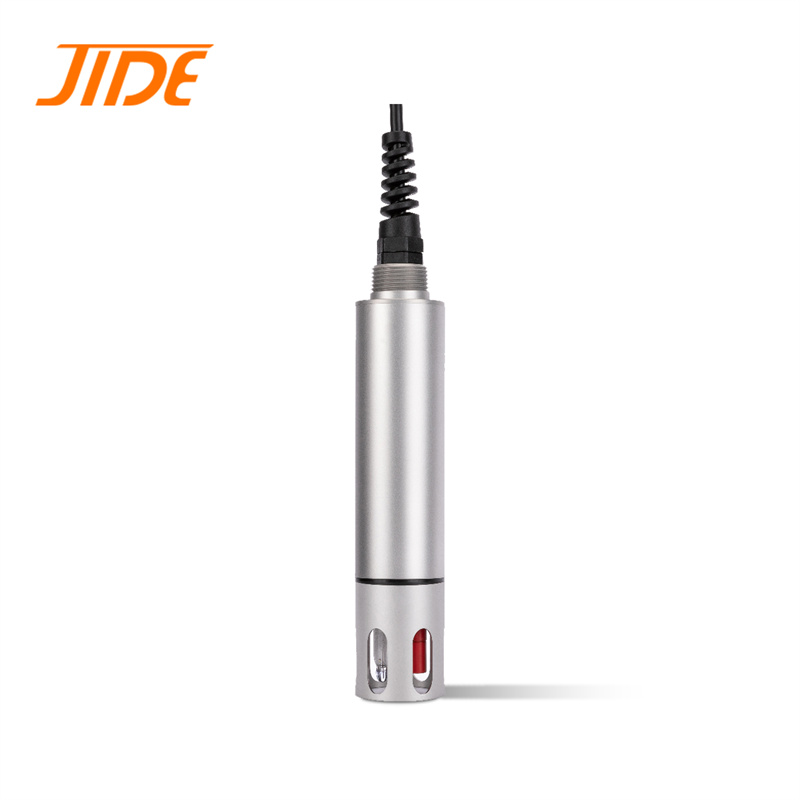
Professional NH4 Analyzer for Ammonia Nitrogen Water Quality Testing

09

Aug

Professional NH4 Analyzer for Ammonia Nitrogen Water Quality Testing

When it comes to testing water quality, especially for ammonia nitrogen, having the right tools is very important. JIDE offers a professional NH4 analyzer that helps people check the levels of ammonia in water accurately. Ammonia can be harmful to fi...
View More
Full Series Water Quality Sensors for Industrial & Environmental Use

19

Aug

Full Series Water Quality Sensors for Industrial & Environmental Use

Water quality plays a critical role in industrial operations and environmental protection. Clean water supports efficient manufacturing processes while helping preserve rivers, lakes, and oceans. Reliable monitoring is essential for detecting contami...
View More
Multiparameter Water Quality Meter: All-in-One Water Testing Device

24

Aug

Multiparameter Water Quality Meter: All-in-One Water Testing Device

A Multiparameter Water Quality Meter is a special tool that helps test the quality of water. It can measure many different things at once, like pH, temperature, oxygen levels, and more. This is really important for people who buy water-testing equipm...
View More

Get a Free Quote

Our representative will contact you soon.
Email
Name
Company Name
Message
0/1000

Related product categories

Common Usage Issues with Liquid Conductivity Sensors and How to Resolve Them

Common Usage Issues with Liquid Conductivity Sensors and How to Resolve Them

Sometimes, users face problems when using liquid conductivity sensors. One common issue is that the readings can be inaccurate. This might happen if the sensor is dirty or not calibrated correctly. Cleaning the sensor regularly is important. You can use a soft cloth or a special cleaning solution to remove any buildup. If the sensor is still giving strange readings, it might need calibration. This means adjusting the sensor to make sure it gives the right measurements. Another issue is temperature. Conductivity can change with temperature, so it’s important to know the temperature of the liquid you are measuring. Some sensors come with temperature-compensation features, which help correct the readings automatically. If you notice the sensor stops working altogether, check the connections and power supply. Sometimes, loose wires or dead batteries can cause problems. If everything looks good but the sensor is still not working, contacting JIDE’s customer support can provide quick help. They can guide you through troubleshooting steps or help with repairs. Using a liquid conductivity sensor doesn't have to be complicated. By keeping these tips in mind, you can make sure your sensor works well and gives you the information you need.


How Liquid Conductivity Sensors Improve Water Quality Monitoring

How Liquid Conductivity Sensors Improve Water Quality Monitoring

Liquid conductivity sensors are important tools that help us understand the quality of water. These sensors measure how well electricity can pass through water. When we talk about conductivity, we mean how many tiny charged particles, called ions, are in the water. If there are many ions, the conductivity is high; if there are few, the conductivity is low. This is important because the number of ions can tell us a lot about the water. For example, if there are too many salts or other substances in the water, it may not be safe for drinking or for plants and animals. JIDE makes reliable liquid conductivity sensors that can help keep track of water quality. Using these conductivity meter for water testing allows us to get real-time information about the water. This means that if something goes wrong—like if the water suddenly becomes dirty—we can find out quickly and take action. This helps protect our health and the environment. In many places, people use these sensors in rivers, lakes, and even in their homes to check for safe drinking water. With JIDE’s technology, we can ensure that the water we use is safe for everyone.


What Are the Benefits of Using Liquid Conductivity Sensors in Agriculture?

What Are the Benefits of Using Liquid Conductivity Sensors in Agriculture?

In agriculture, liquid conductivity sensors offer many benefits. Farmers need to know how healthy their soil and water are to grow crops successfully. JIDE’s sensors help farmers understand how much salt and other materials are in the water they use for irrigation. If the water has too much salt, it can harm the plants and make it hard for them to grow. By using JIDE sensors, farmers can monitor water quality regularly. This information helps them make better decisions about when and how to water their crops. When farmers use the right amount of water with the right quality, they can grow healthier plants and get better harvests. Additionally, using these sensors can save money. If farmers know in advance that their water is not suitable, they can treat it or find other sources before it's too late. This prevents them from wasting time and resources on plants that might not survive. Furthermore, good water quality leads to better crop yields, which means farmers can sell more produce. Overall, JIDE’s liquid conductivity sensors help farmers take care of their crops and their land, leading to a more successful farming business and a healthier environment.

Choose your global partner

Are you ready to consult with an engineer about your working conditions and specific needs?

Get a Quote

Get a Free Quote

Our representative will contact you soon.
Email
Name
Company Name
Message
0/1000