 EN
EN
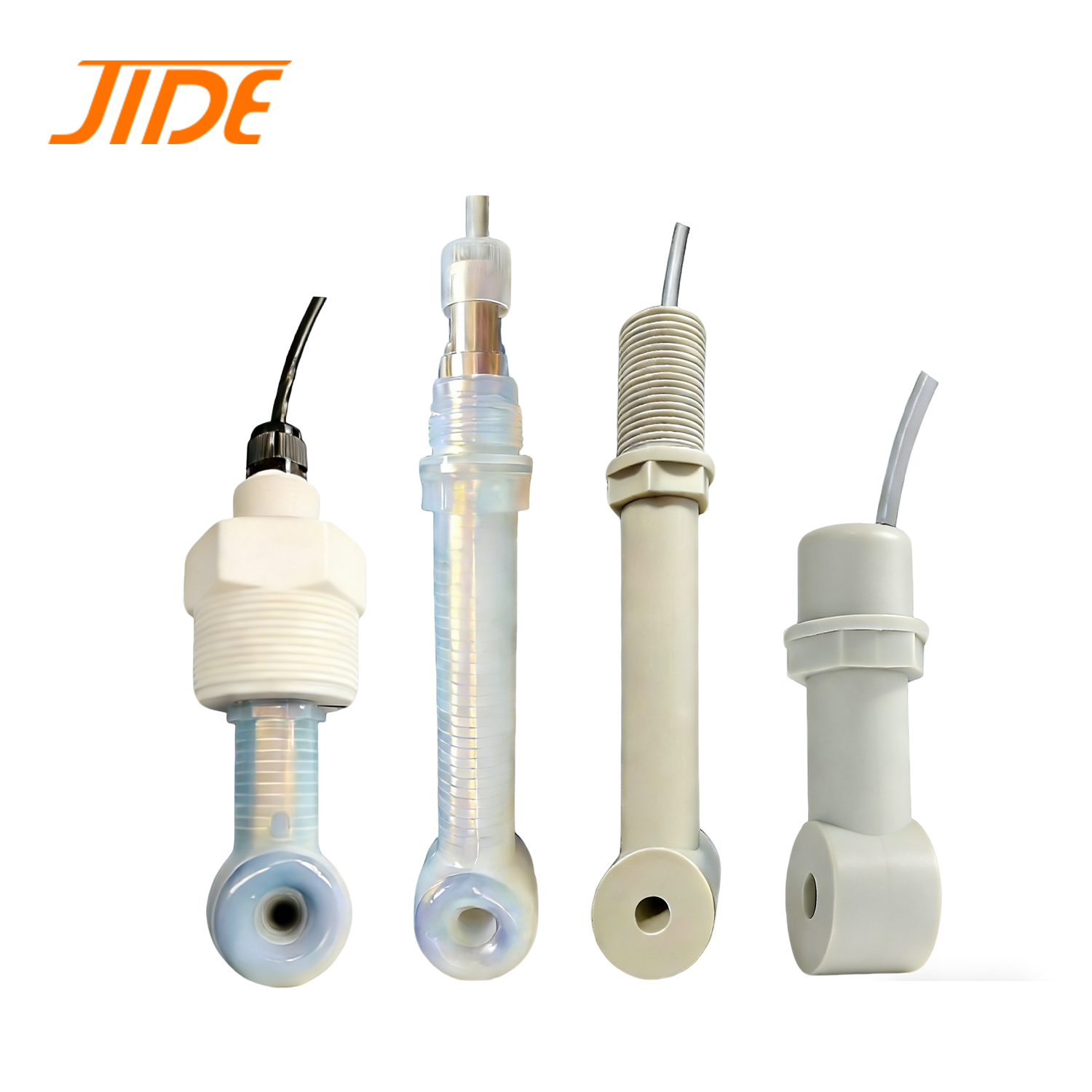
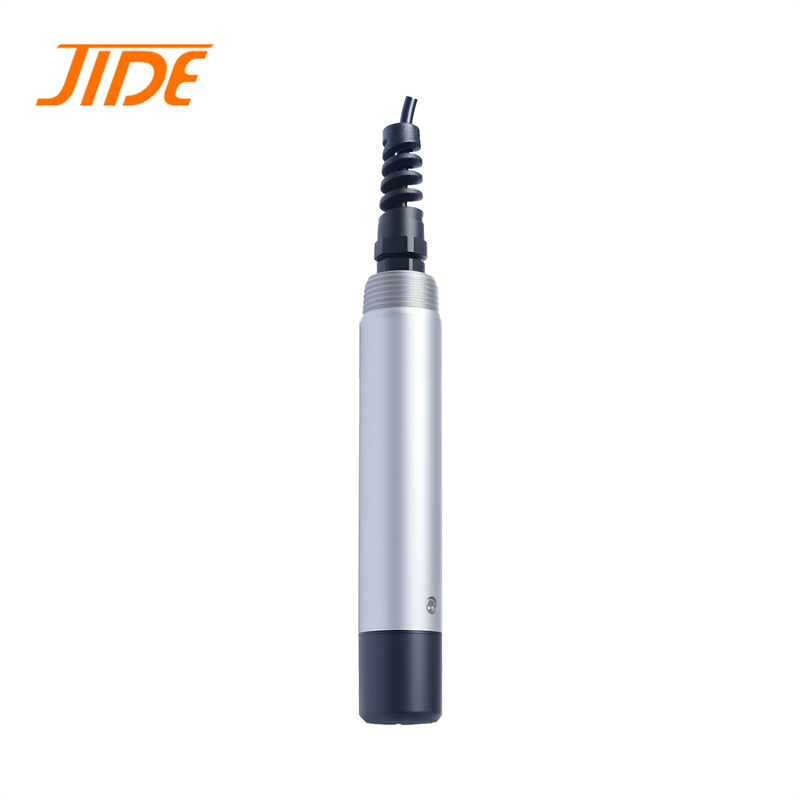
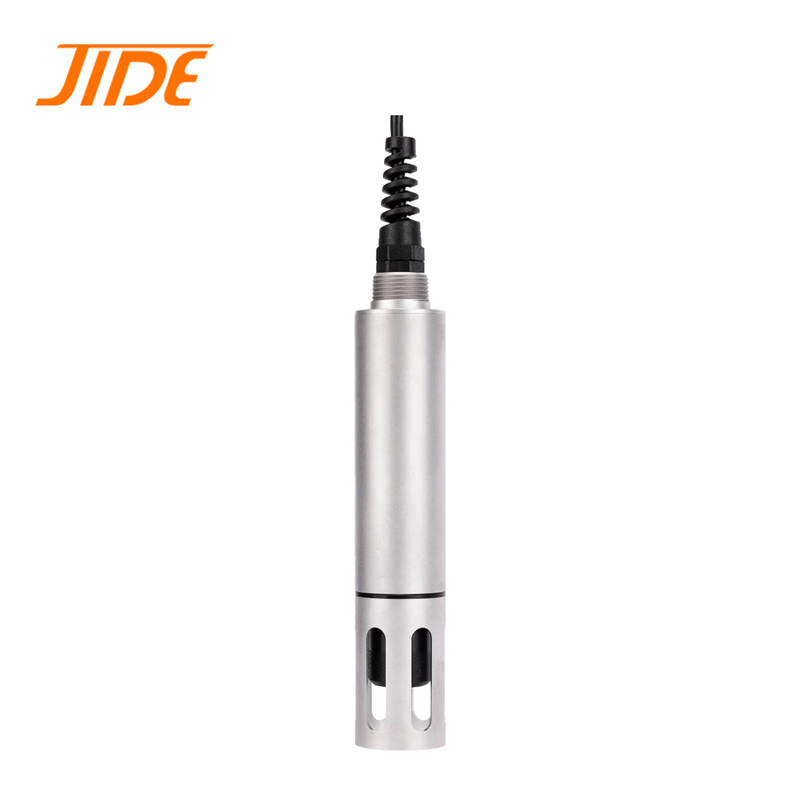
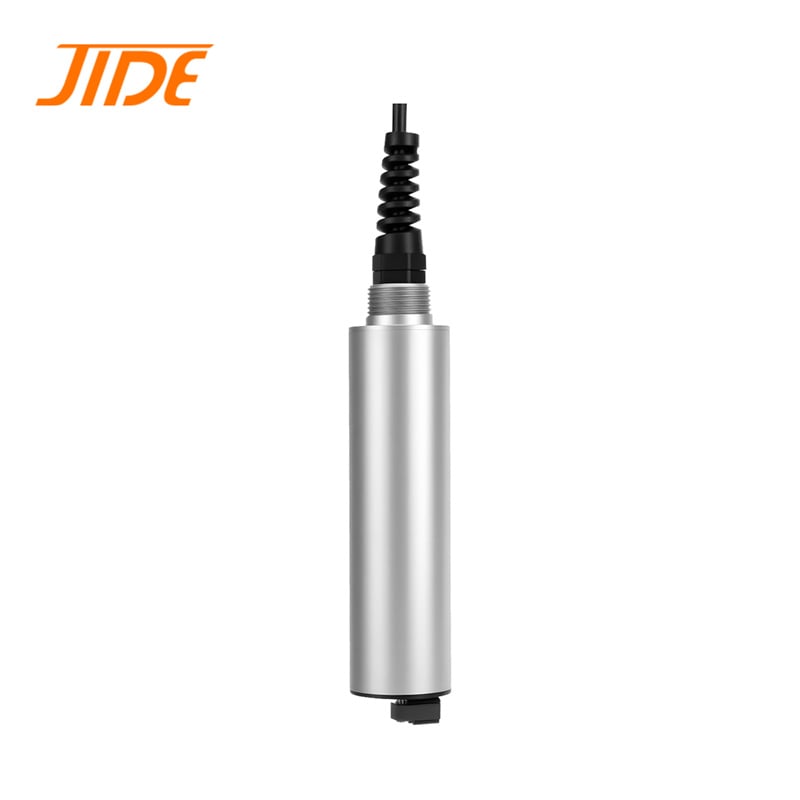
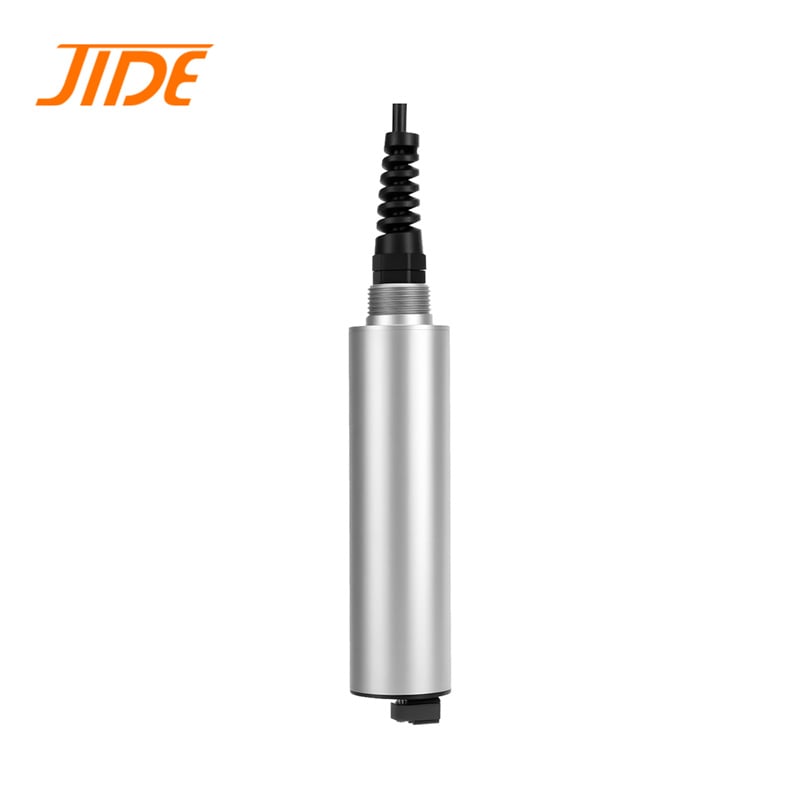
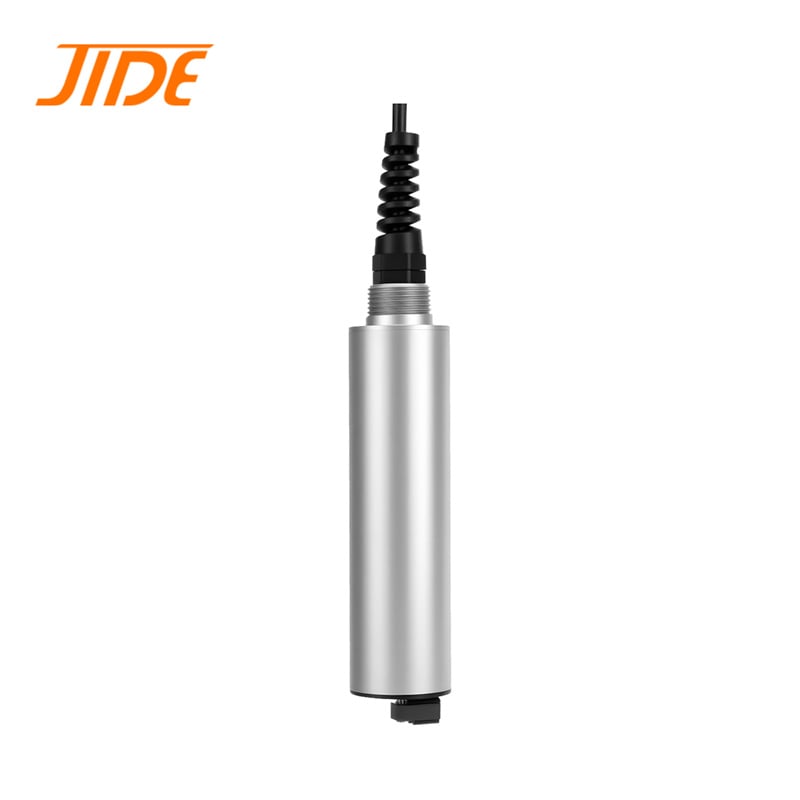
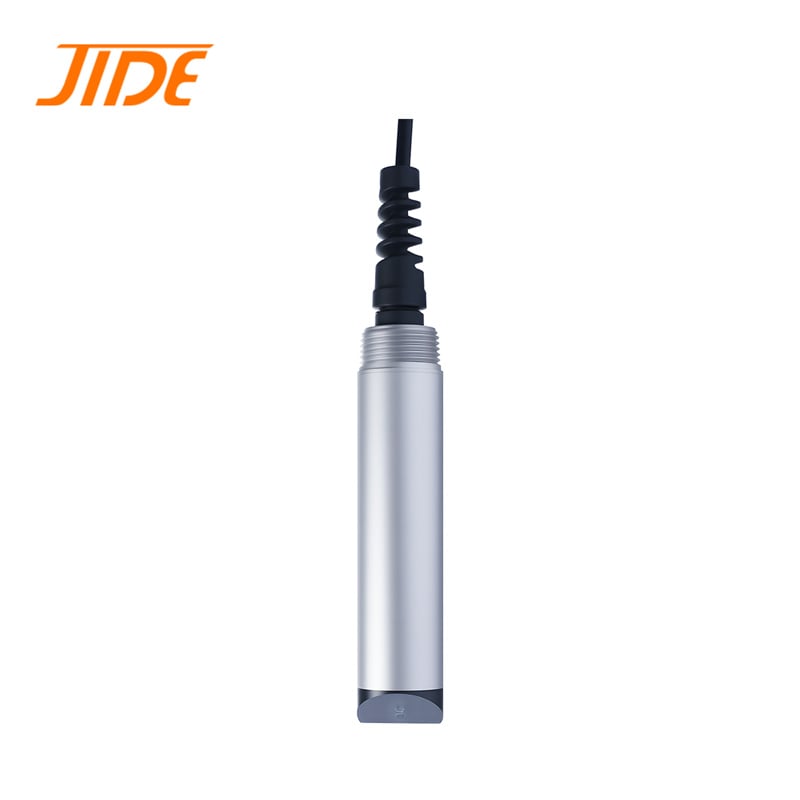
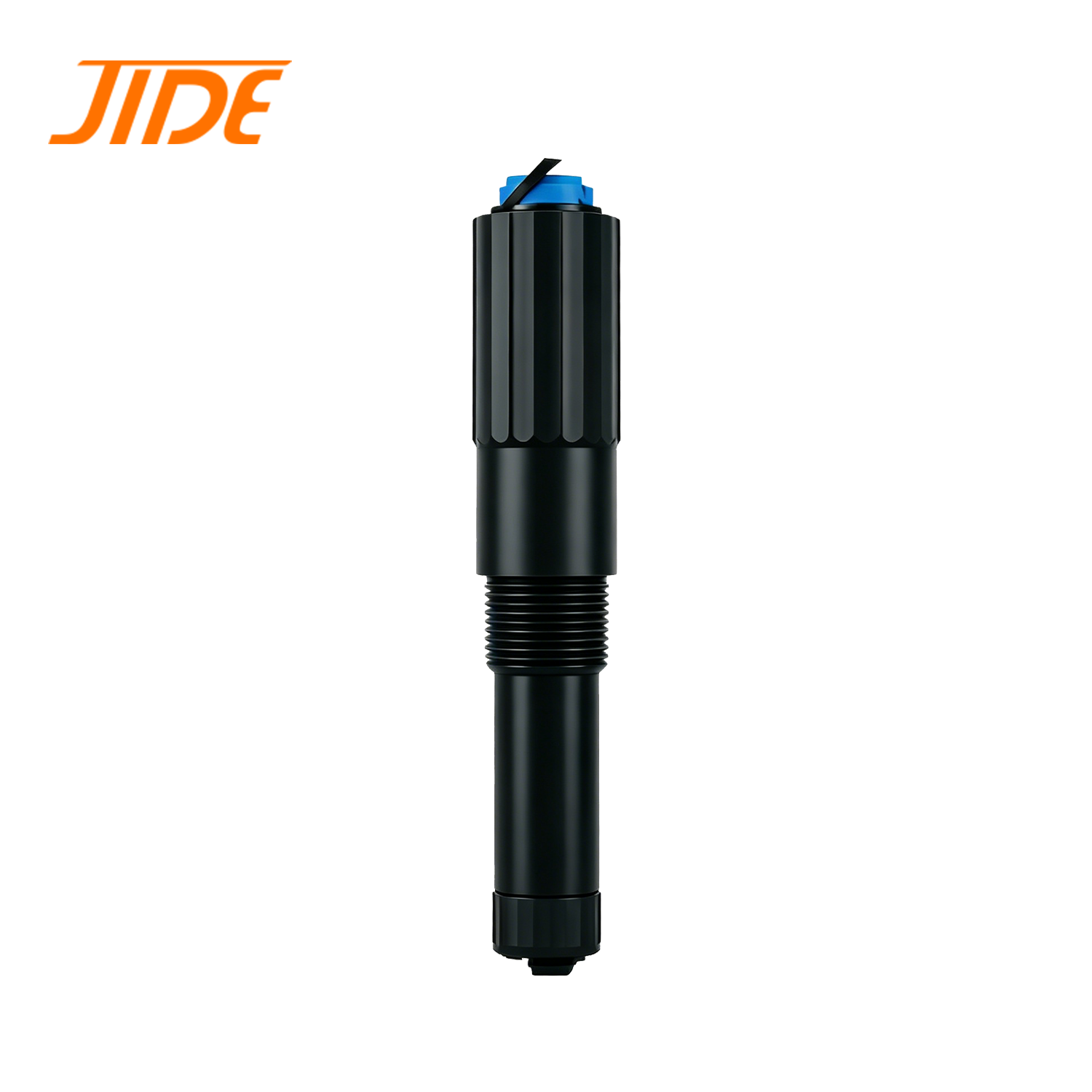
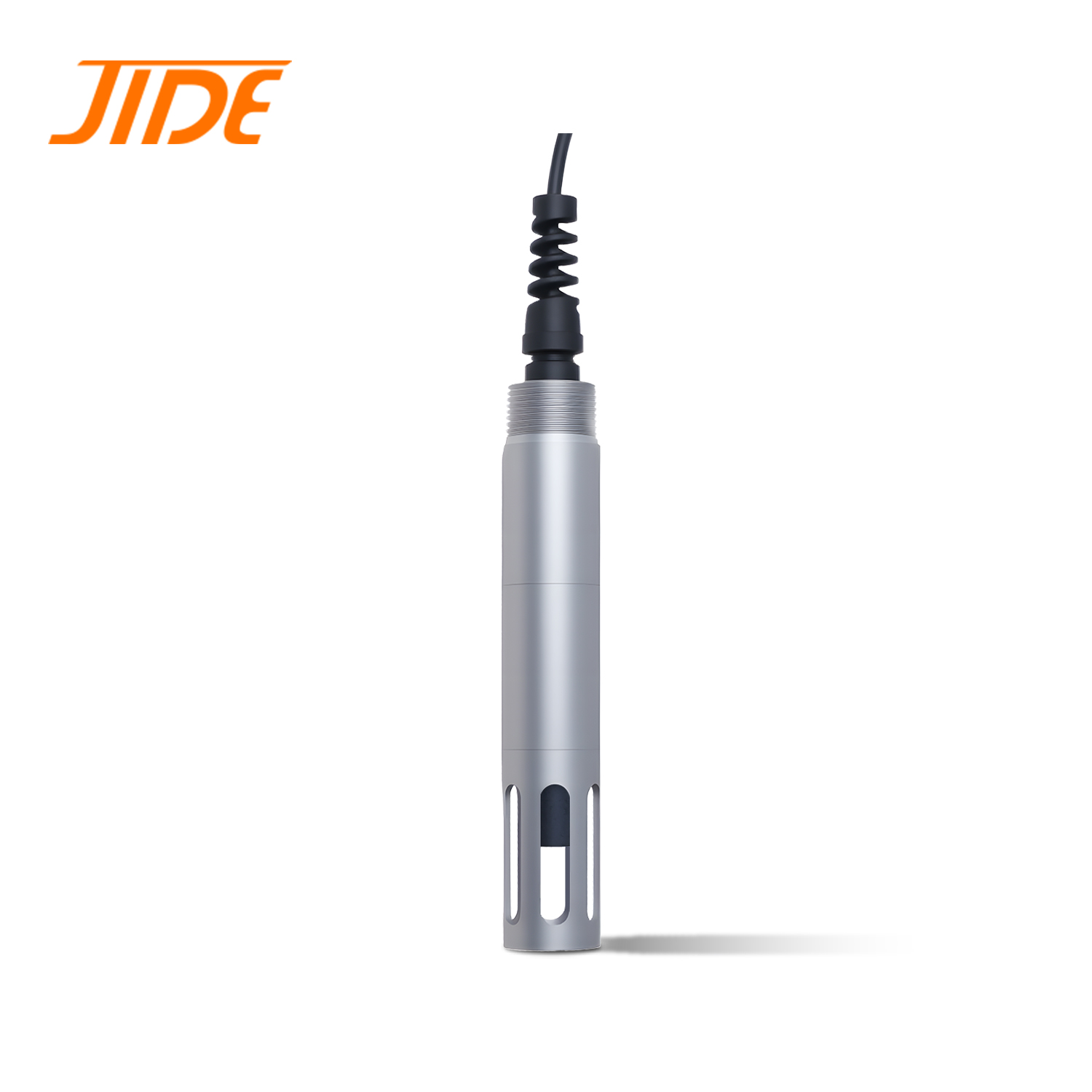
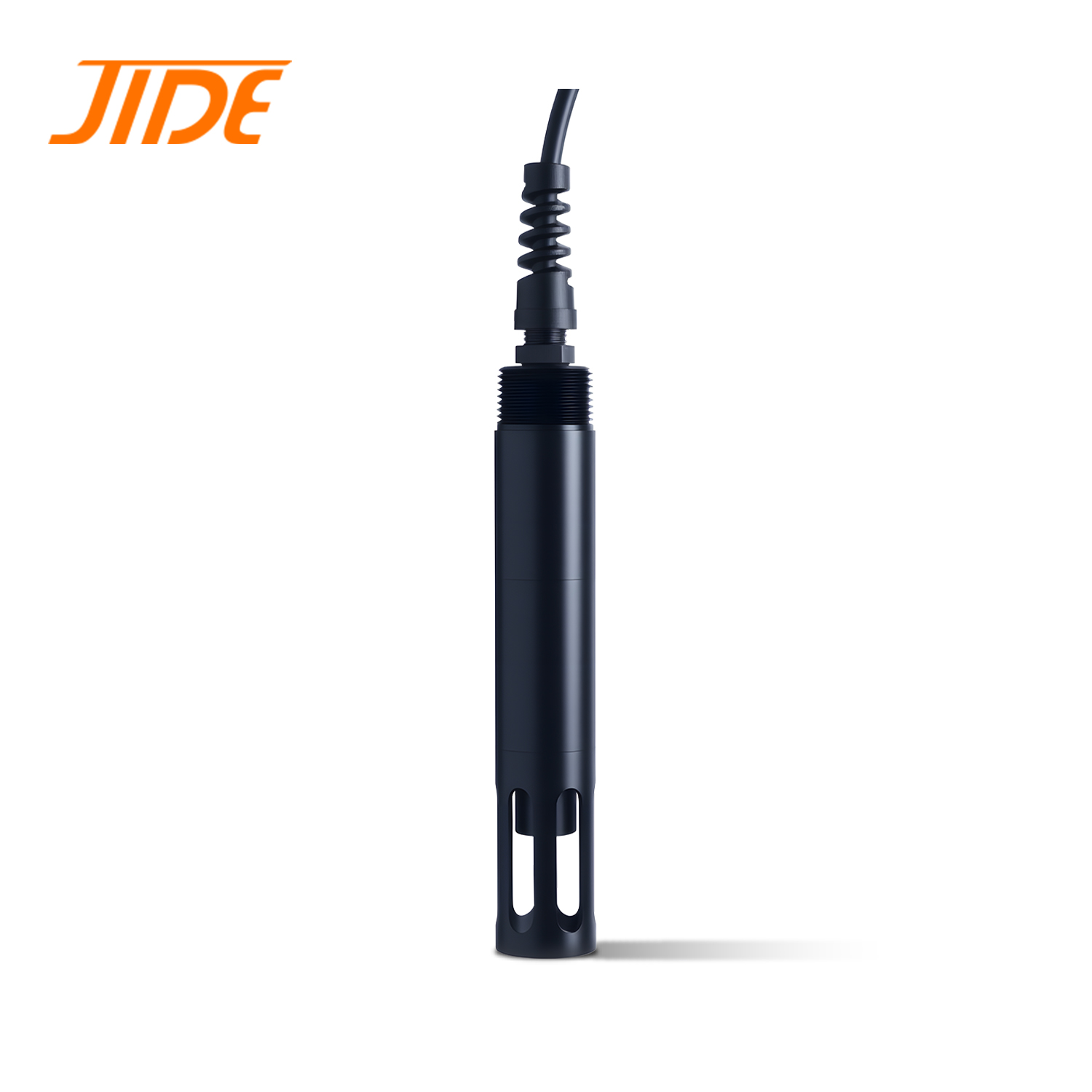
Water is everywhere around us, and it plays a big part in our lives. But not all water is the same. Some water is clean and safe to drink, while other water might have dirt or chemicals in it. To help us know how good our water is, we can use a tool called a conductivity water sensor. This special gadget measures how easily electricity can pass through water. When water contains more dissolved minerals or salts, it conducts electricity better. That means the conductivity sensor can tell us how pure or dirty the water is. If you’re looking for a way to check the quality of your water, a conductivity water sensor from JIDE can be a great choice. Let’s learn more about how to pick the best one for you, common problems you might face, and how to fix them.
When picking a conductivity water sensor, there are a few important things to think about. First, you need to decide what you will be using it for. Are you checking water in a fish tank, a swimming pool, or maybe in a lab? Different water ph sensor work better for different jobs. For example, if you're using it for a fish tank, you need a sensor that can detect low levels of conductivity because fish need clean water to live. On the other hand, if you’re testing water in a pool, you might want a sensor that can handle higher levels of salts and chemicals.