Product Development Background
Large water bodies around the world—oceans and lakes alike—are facing varying degrees of pollution. This is largely because humans have overestimated the self - purification capacity of these vast water systems, leading to illegal discharges driven by a false sense of security. In recent years, typical water pollution crises have occurred frequently across every major continent.
Australia – Great Barrier Reef: Environmental surveys in 2025 revealed severe eutrophication. Nutrient salts such as nitrogen and phosphorus were found at critically high levels, causing repeated coral bleaching events and starfish outbreaks. Coral communities on the seafloor have suffered extensive damage.
Nigeria – Niger River Delta: Oil and heavy metal pollution has led to widespread mangrove die - off. The national fishery has nearly collapsed, and cancer rates among local residents have increased significantly.
Europe – Baltic Sea: Nitrogen and phosphorus pollution triggers massive algal blooms almost every year, severely impacting the fishing industry. Yet, wastewater discharges from surrounding cities remain unchecked.
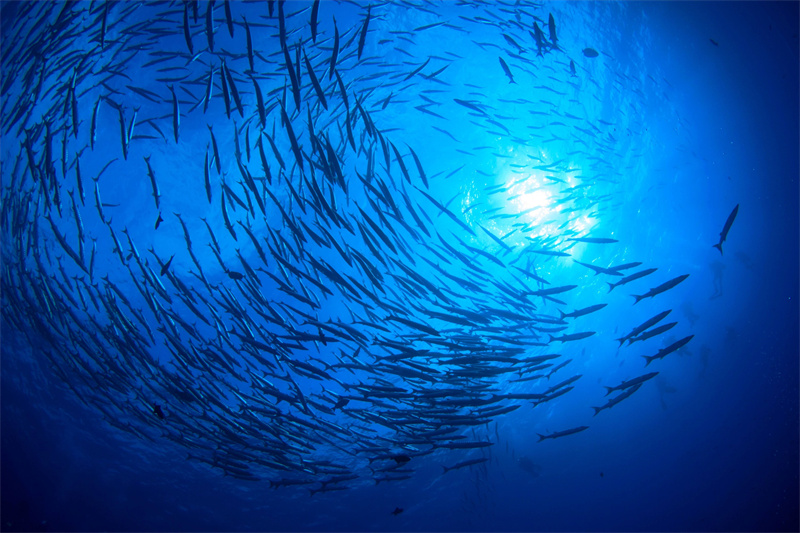
In China, major water bodies such as Lake Dianchi, Lake Tai, and Lake Hong have all experienced algal blooms driven by eutrophication. The South China Sea and the East China Sea have also suffered severe pollution due to wastewater discharges and oil spills, resulting in unquantifiable economic losses to fisheries, ecosystems, and tourism.
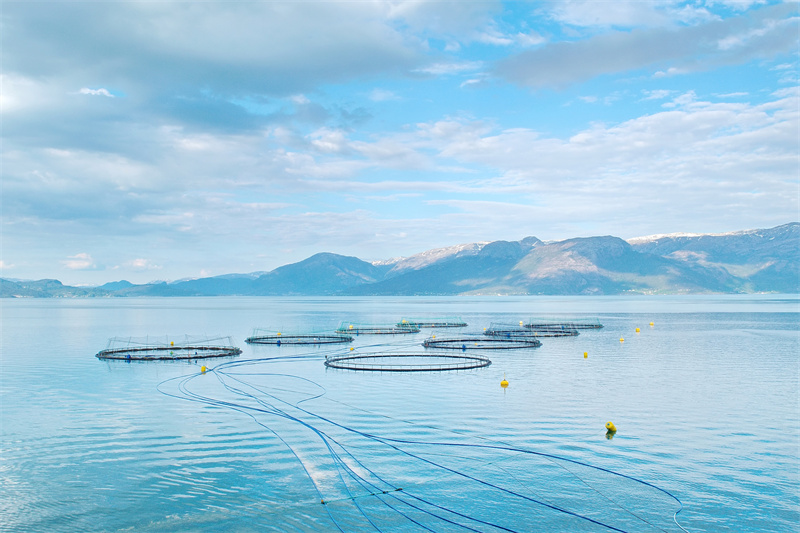
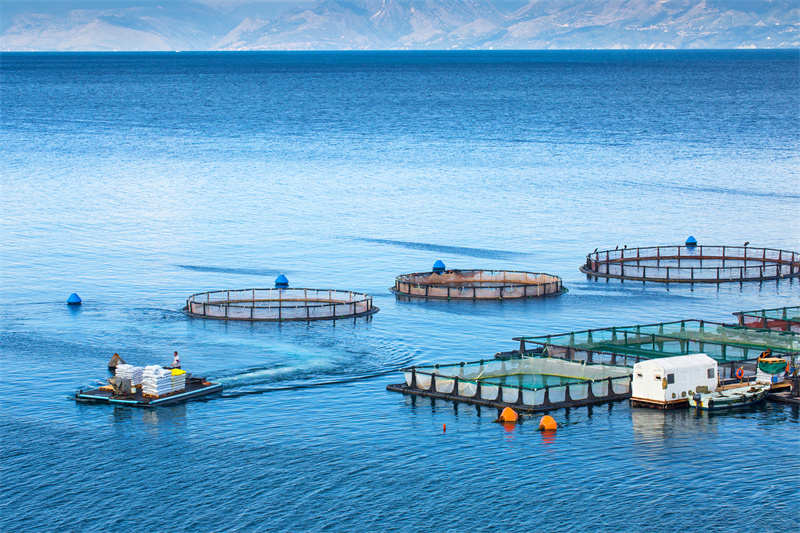
In response to the growing demand for monitoring large water bodies, JIDE has developed a multi‑parameter online sensor system specifically designed for oceans and lakes. Given current technological limitations, parameters such as total phosphorus and total nitrogen remain difficult to measure directly with sensors. Therefore, on open oceans and at the center of large lakes, the system is deployed on large buoy stations.
It can measure key parameters including:
• Temperature
• pH
• ORP (Oxidation - Reduction Potential)
• Conductivity/TDS
• Dissolved oxygen
• Turbidity/SS
• Chlorophyll
• Blue - green algae
• Potassium ion (K⁺)
• Ammonium ion (NH₄⁺)
• Nitrate ion (NO₃⁻)
• Chloride ion (Cl⁻)
• Fluoride ion (F⁻)
These measurements provide real - time monitoring and early warning capabilities for excessive nutrient levels, eutrophication, algal blooms, and declining oxygen levels.
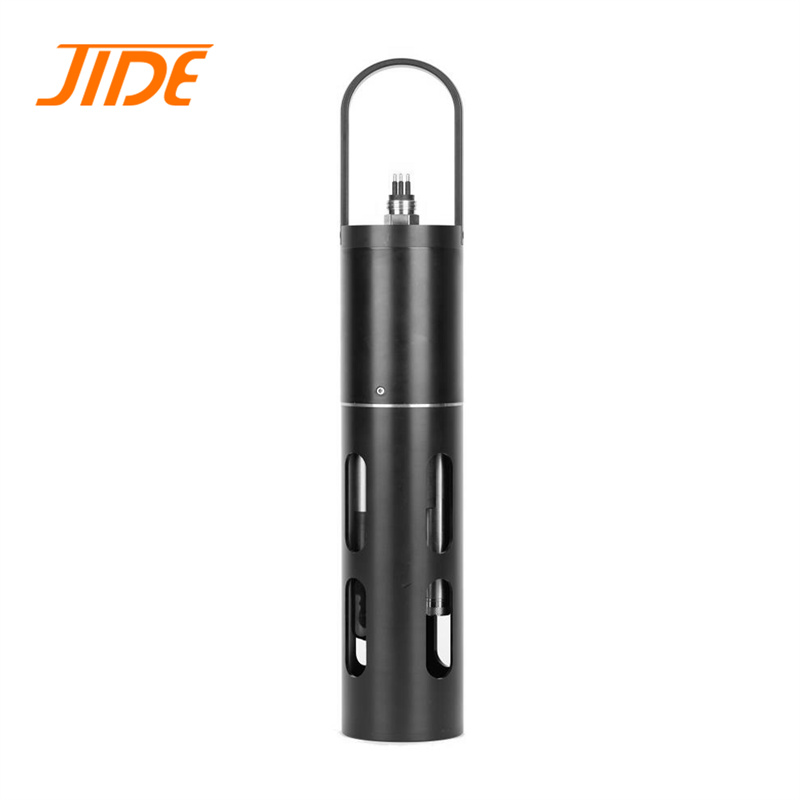
JDMPA - 6S – Highest Configuration
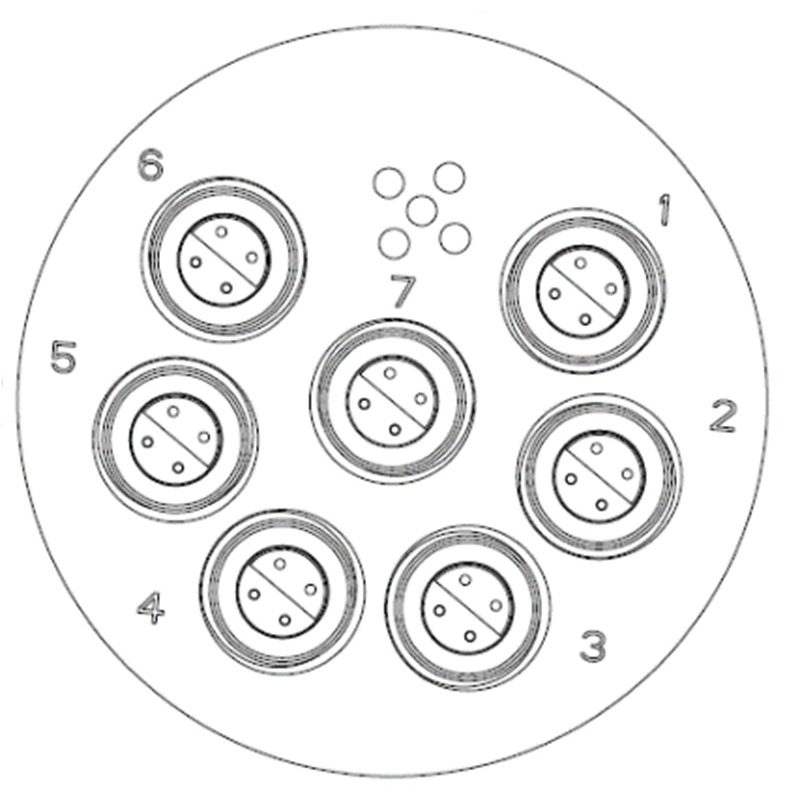
The JDMPA - 6S model is the highest configuration in the series. The main unit can accommodate up to seven sensors. The sensors operate on electrochemical, optical, and physical detection principles to measure their respective parameters.
All sensor ports on the main unit use a universal interface. Sensors can be installed into any port, and the main unit automatically recognizes the sensor type. The JDMPA - 6S main unit can read sensor data, configure sensor parameters, and perform calibration operations. Depending on user settings, it can store data locally, transmit data to a data acquisition platform, or send data directly to a PC or mobile phone. Data communication is supported via both wired transmission and Bluetooth wireless transmission.
Measurement Principles of Each Parameter
1. Depth
JIDE uses a pressure sensor—a piezoresistive sensing element isolated by a stainless steel corrugated diaphragm—to measure water depth. One side of the sensor faces the water, while the other side is exposed to a vacuum to measure pressure. Depth is calculated by subtracting atmospheric pressure from the water pressure.
Factors affecting depth measurement include barometric pressure, water density, and temperature. Performing a "zero" calibration in air provides a reference against local atmospheric pressure.

2. Conductivity
JIDE uses four graphite electrodes to measure the conductivity of a solution. Two electrodes measure current, and the other two measure voltage; conductivity is calculated from these measurements. The resulting conductivity value is multiplied by a cell constant (in 1/cm) to convert it into conductivity in millisiemens per centimeter (mS/cm).
Each sensor contains an internal temperature sensor. However, the temperature value measured by this sensor is not recorded or displayed; it is used exclusively for sensor compensation. Calibration of temperature values is referenced to the temperature sensor on the conductivity probe.
3. Dissolved Oxygen
JIDE's optical dissolved oxygen sensor is based on the principle of fluorescence quenching. A specific wavelength of blue light is directed at a fluorescent material fixed on a glass substrate, causing the material to emit fluorescence. In the absence of oxygen, the fluorescence duration is longest. When oxygen is present on the sensor membrane, the fluorescence duration shortens.
To ensure accuracy and stability, a red light is emitted toward the fluorescent material during each measurement cycle as a reference to determine the fluorescence duration.
Oxygen concentration is inversely proportional to fluorescence duration. This relationship can be quantitatively described by the Stern - Volmer equation:
((T₀/T) – 1) versus O₂ partial pressure.
This is not a strictly linear relationship (especially at higher oxygen pressures); the relevant data require polynomial nonlinear regression analysis. This nonlinear characteristic does not change significantly over time and will not affect measurement accuracy for a long period.
4. pH / ORP / AMMO (Ammonium) – Optional
The system consists of a pH electrode and a front - end circuit module to measure water acidity/alkalinity, or an ORP electrode and front - end circuit module to measure oxidation - reduction potential. ORP is a non - chemical measurement that represents the combined potential of all dissolved substances in the medium.
Alternatively, an ammonium (NH₄⁺) sensor can be selected. It consists of an ammonium electrode and a front - end circuit module. When the ammonium electrode is used together with a reference electrode, it measures millivolt voltage, which is then converted into an ion concentration value using a specific calculation method.
To facilitate maintenance, the sensor features a unique design that allows field replacement of the electrode or membrane cap. A connector is located between the top circuit module and the electrode. To replace the electrode, simply unscrew the old electrode and install a new one—no additional steps are required.
5. Turbidity
Turbidity is an indirect measurement of the concentration of suspended solids in water. The turbidity sensor emits infrared light into the sample and measures the light scattered by particles in the water. Turbidity is both an important water quality indicator and a basic parameter for assessing environmental changes. Suspended solids in natural water bodies come from a wide range of uncertain sources (e.g., silt, clay, sediment, algae, and organic matter), but all particles affect light transmission and generate a turbidity signal.
6. Total Algae
The total algae sensor uses dual - wavelength excitation to simultaneously measure chlorophyll and blue - green algae concentrations.
• Chlorophyll molecules fluoresce when exposed to blue light; the fluorescence intensity is used to calculate chlorophyll concentration.
• Phycocyanin (a pigment in blue - green algae) fluoresces when exposed to orange light; the fluorescence intensity is used to calculate blue - green algae concentration.
Field Adoption
JIDE's JDMPA series online analyzers are now widely used in oceans and large lakes across China. Engineers appreciate the robust and durable housing, the open MODBUS communication protocol that facilitates easy networking, and the easily maintainable, replaceable modular design. These features have made the JDMPA series a favored choice among professionals in the field.

 EN
EN