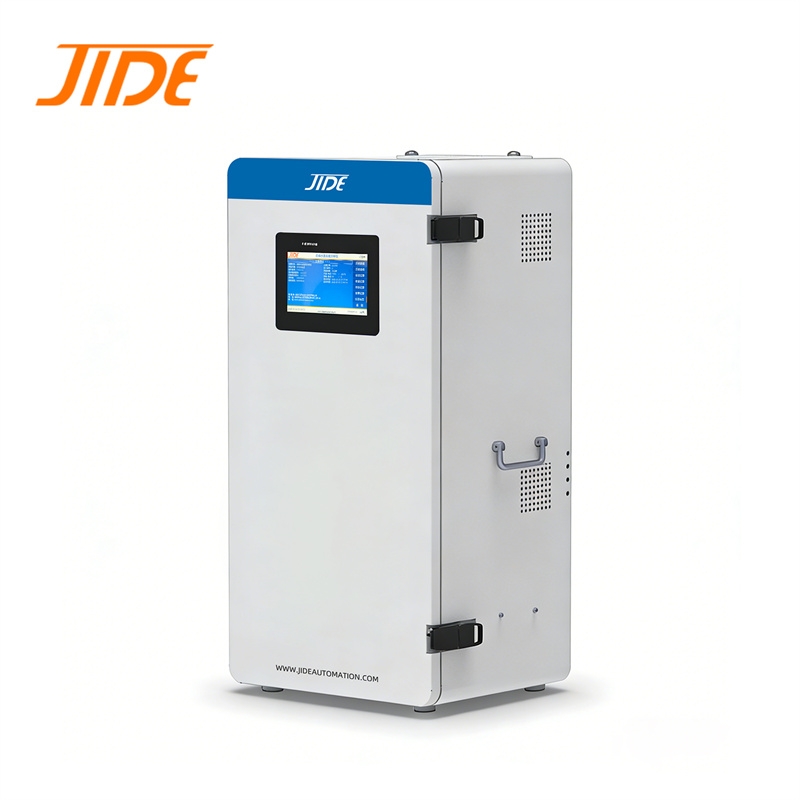
1. pH is a Critical Factor Influencing Nitrification
The most important functional factor in nitrification is bacterial activity. Nitrifying bacteria are highly sensitive to pH. Under neutral or slightly alkaline conditions (pH in the range of 8–9), their biological activity is strongest, and the nitrification process proceeds rapidly.
Under other extreme pH conditions, such as when pH > 9.6 or < 6.0, the biological activity of nitrifying bacteria is inhibited and tends to cease. When pH > 9.6, although the conversion of NH₄⁺ to NO₂⁻ and NO₃⁻ is still unusually rapid, the ionization equilibrium of NH₄⁺ indicates that the concentration of NH₃ increases rapidly. Because nitrifying bacteria are extremely sensitive to NH₃, this ultimately affects the nitrification rate.
Under acidic conditions, when pH < 7.0, the nitrification rate slows down. When pH < 6.5, the nitrification rate decreases significantly. When pH < 5.0, the nitrification rate approaches zero.
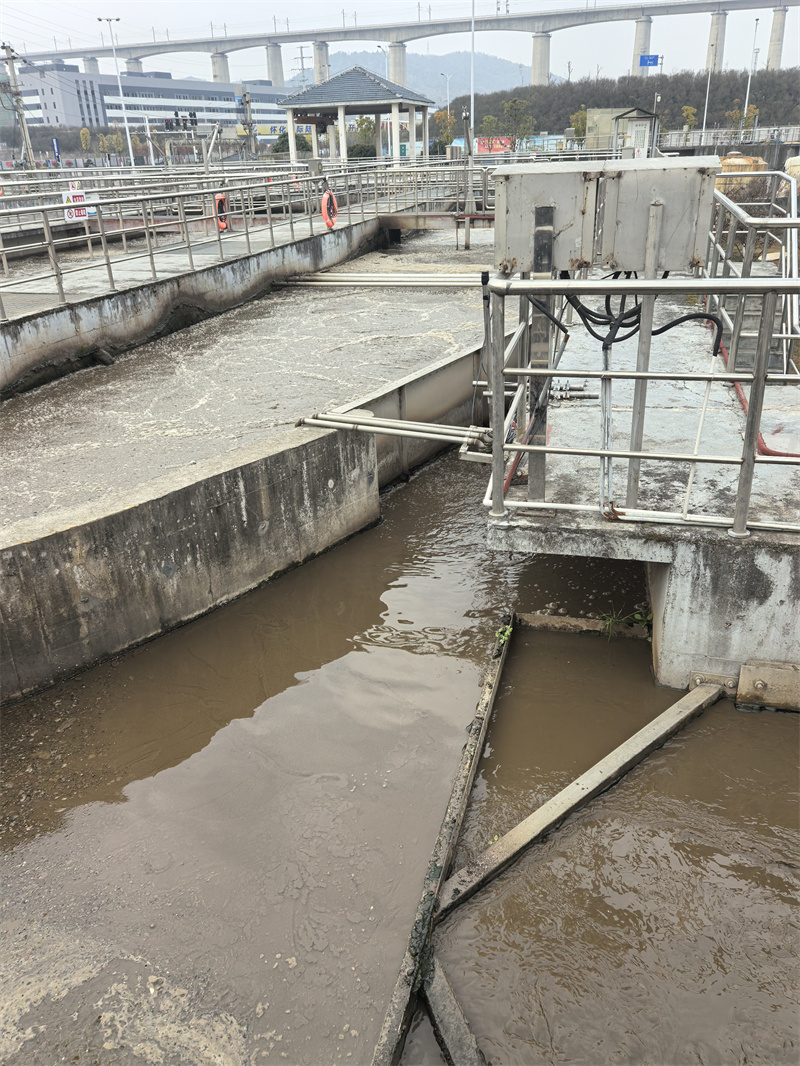
2. Causes of pH Drop During Nitrification
A drop in pH can be attributed to two possible causes. First, the inflow contains strong acids, which lower the pH of the incoming wastewater and consequently reduce the pH of the mixed liquor.
Second, as shown by the nitrification equation, the conversion of NH₃-N to NO₃⁻-N generates mineral acidity (H⁺), which consumes part of the alkalinity. Each gram of NH₃-N converted to NO₃⁻-N consumes approximately 7.14 grams of alkalinity (as CaCO₃). Therefore, when the alkalinity in the wastewater is insufficient and the TKN (Total Kjeldahl Nitrogen) load is relatively high, the alkalinity in the wastewater can be depleted. This causes the pH of the mixed liquor to drop below 7.0, reducing or inhibiting the nitrification rate.
If no strong acids are present in the influent, normal municipal wastewater is typically slightly alkaline, meaning the pH is generally above 7.0. In this case, the pH primarily depends on the alkalinity of the incoming wastewater.
Therefore, in a biological nitrification reactor, every effort should be made to control the mixed liquor pH above 7.0. Maintaining pH > 7.0 is a prerequisite for a successful biological nitrification system. To precisely control pH, alkalinity calculations must be performed. When pH < 6.5, it is necessary to add alkali to the wastewater.
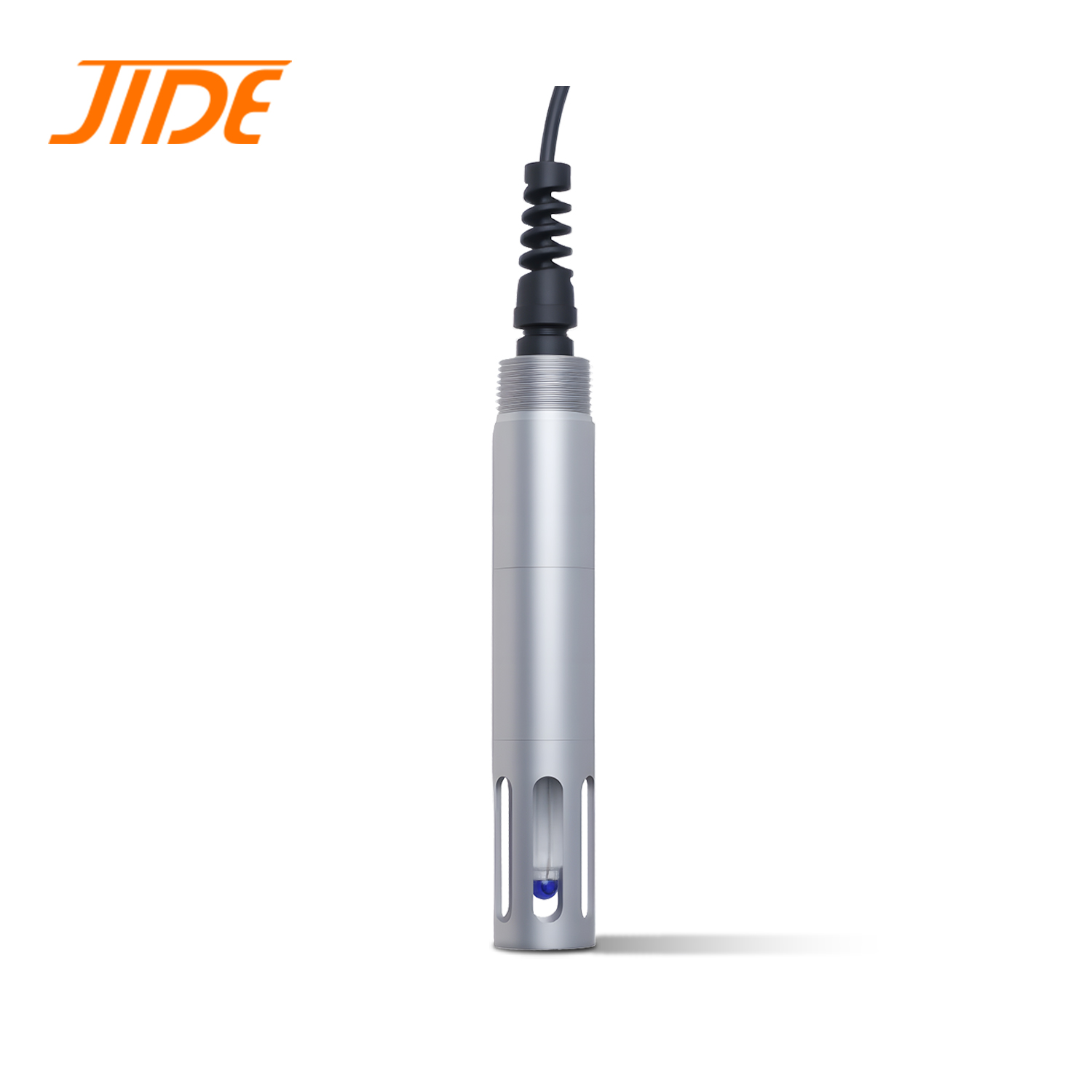
JIDE offers pH sensors specifically designed for wastewater treatment processes. They support digital transmission and precise measurement. Equipped with three external signal relay functions, these sensors can start and stop dosing pumps based on high and low pH setpoints. They are widely used for pH monitoring in nitrification processes.
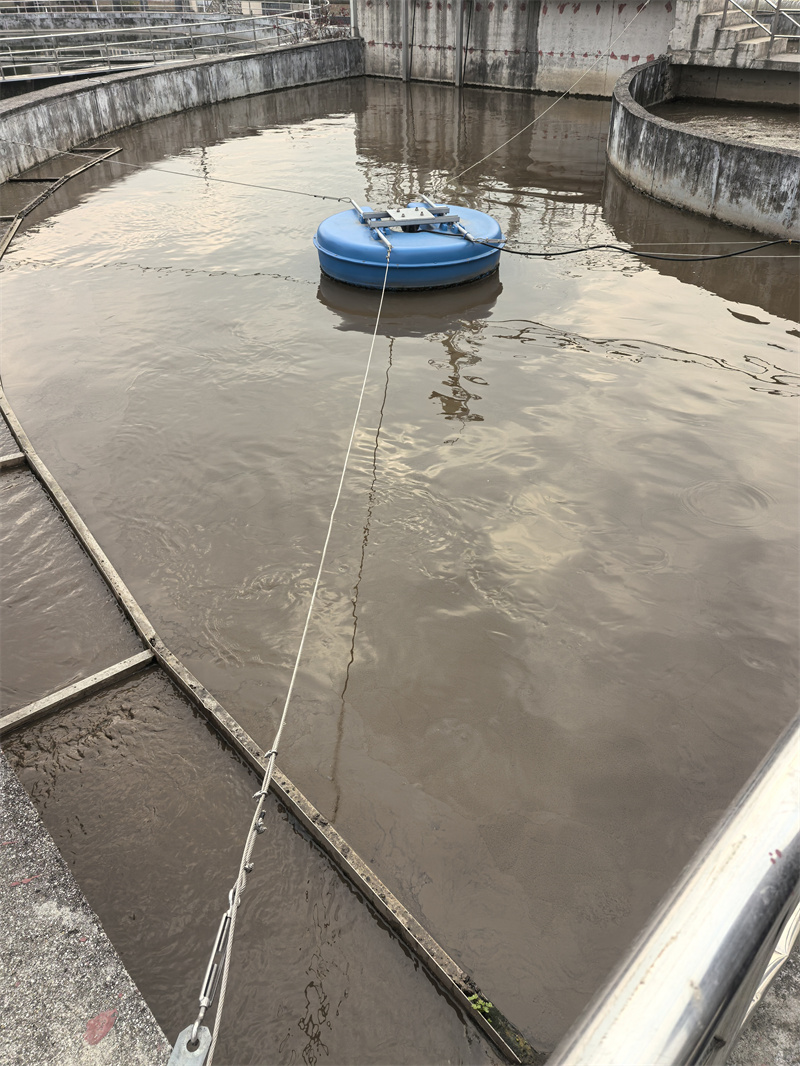
3. Extended Product: Organic Load Monitoring – COD/BOD Online Analyzers
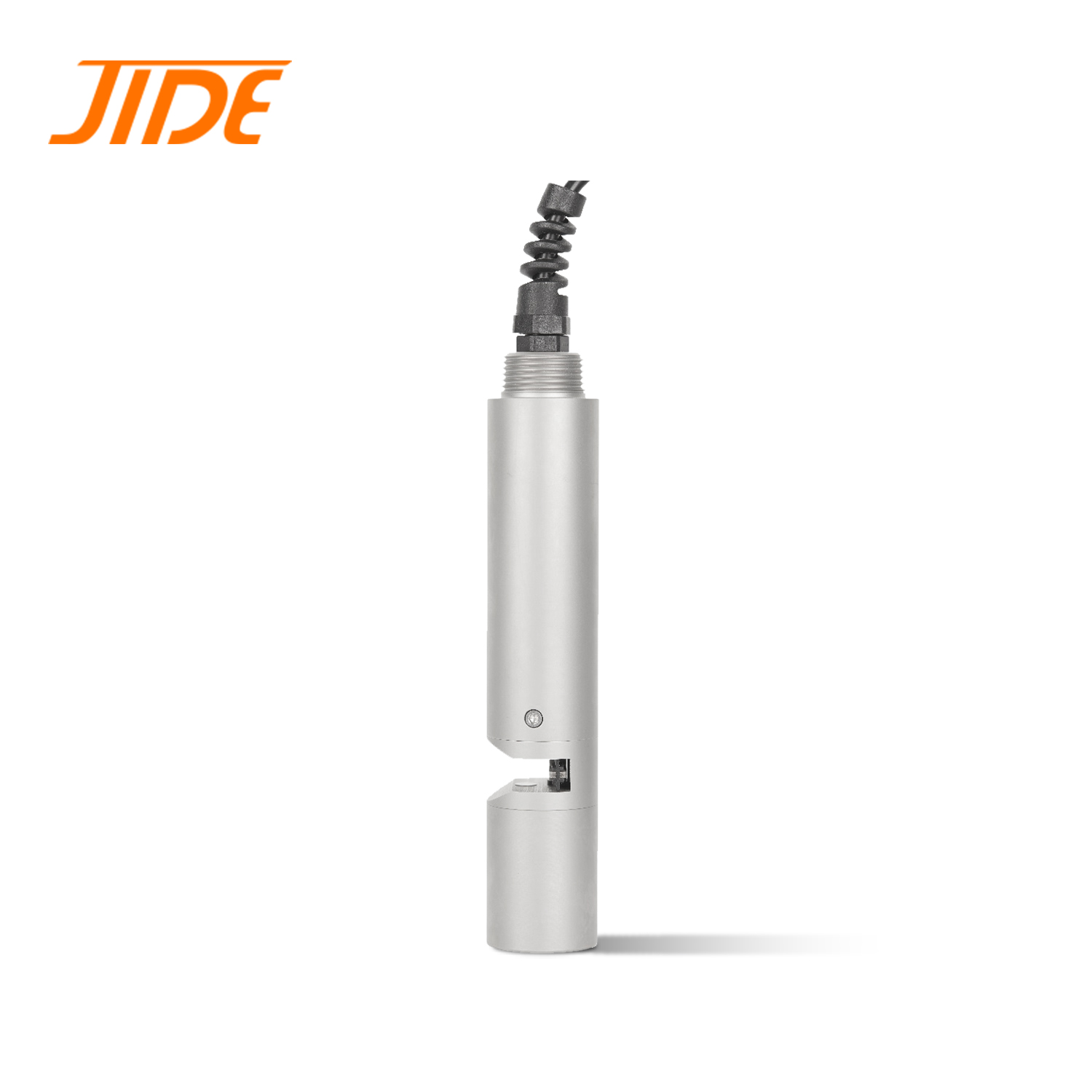
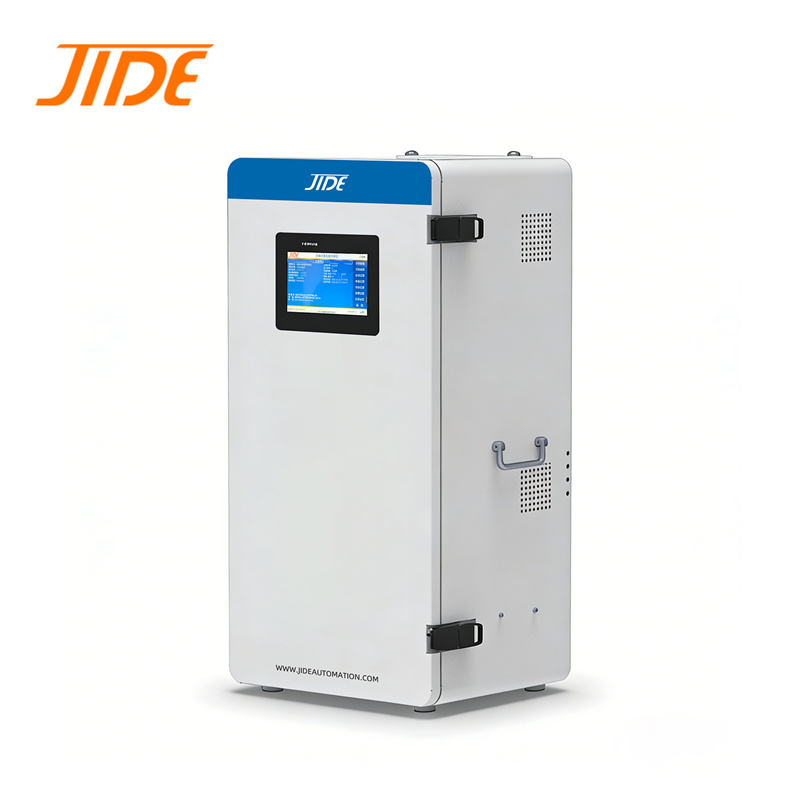
JIDE's COD and BOD online analyzers are also commonly used for monitoring in nitrification reactions. When using a biological aerated filter (BAF) process for nitrification and nitrogen removal, the removal of NH₄-N depends to some extent on the organic load.
When the organic load slightly exceeds 3.0 kg BOD/(m³ media•d), the removal of NH₃-N is inhibited. When the organic load exceeds 4.0 kg BOD/(m³ media•d), the removal of NH₃-N is significantly inhibited. Therefore, when using a biological aerated filter for simultaneous carbon removal and nitrification, the organic load must be reduced.
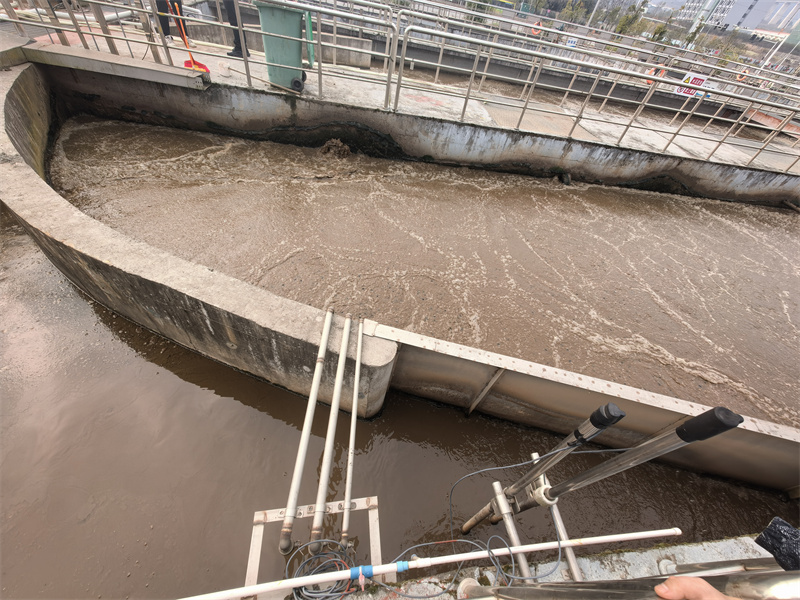
When designing a biological aerated filter process specifically for organic matter removal, an appropriate BOD volume load must first be selected based on the type of wastewater being treated and the required discharge water quality. The selection of the BOD volume load should be determined by analyzing actual operational data from similar wastewater treatment plants, and a margin should be reserved in the design. When using a biological aerated filter for simultaneous carbon removal and nitrification, the organic load must be reduced, and it is best to keep the organic load below 2.0 kg BOD/(m³ media•d).

 EN
EN