 EN
EN
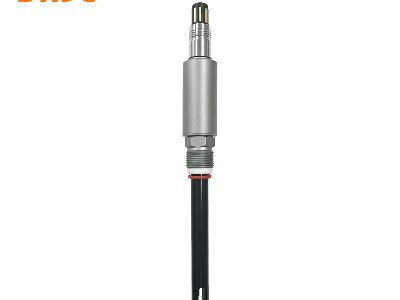
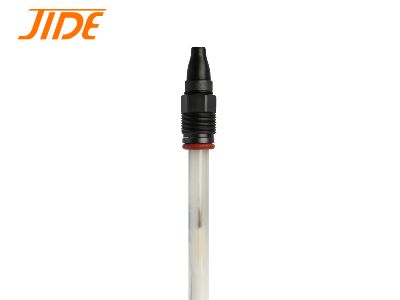
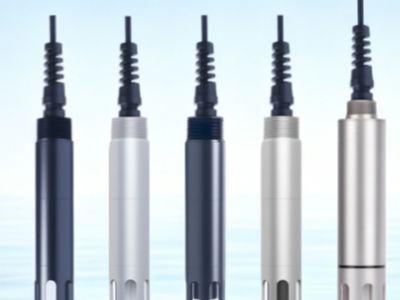
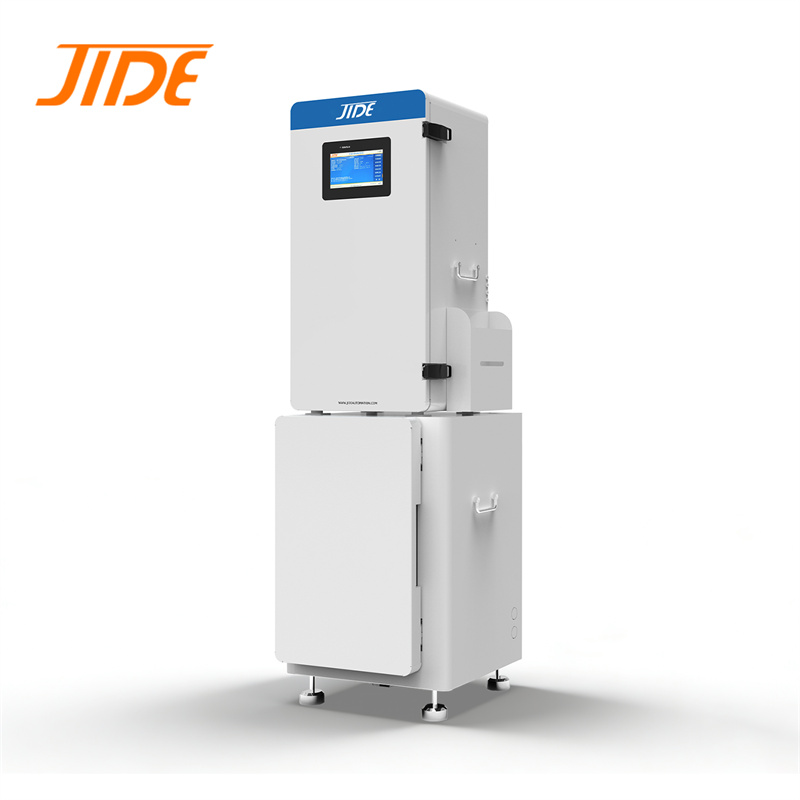
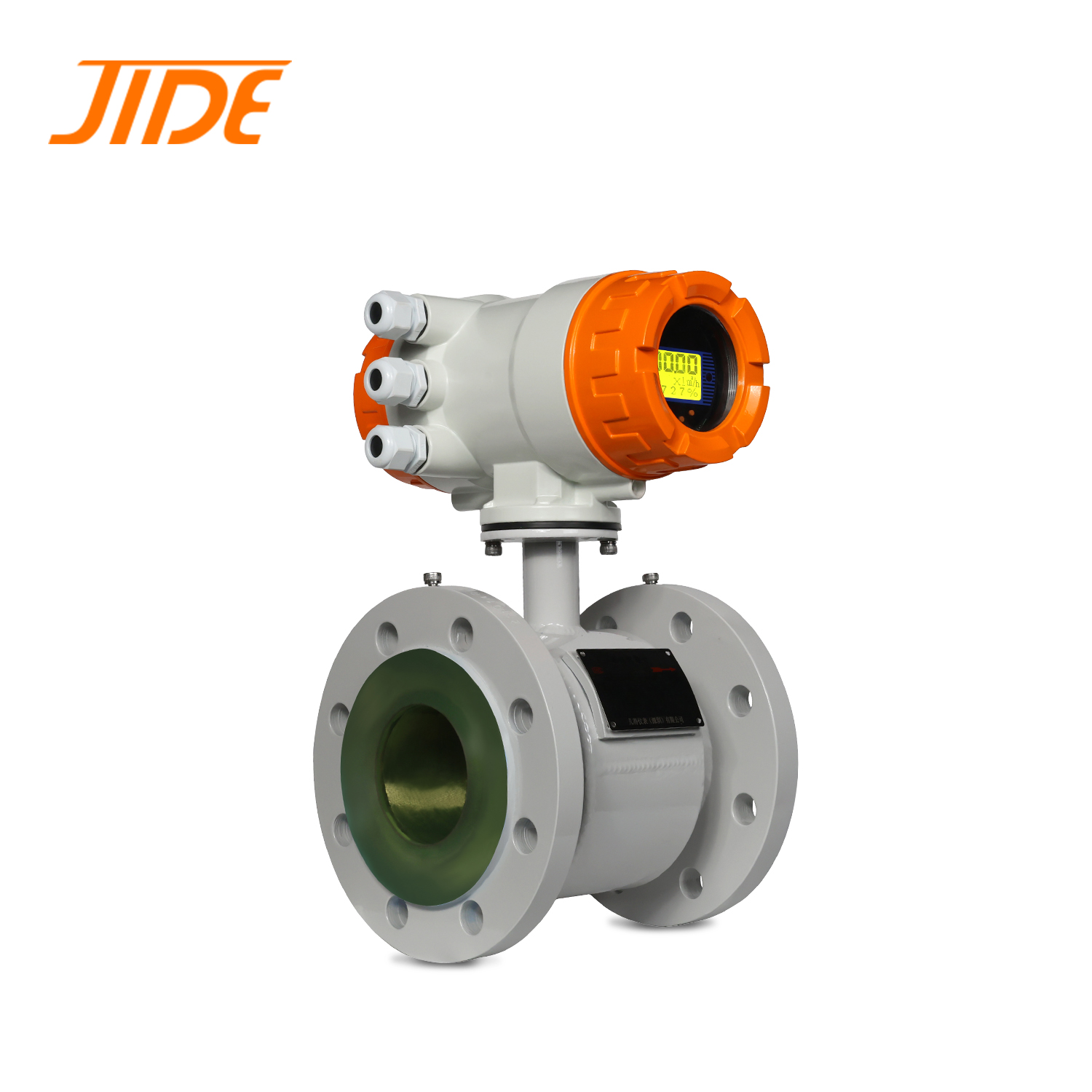
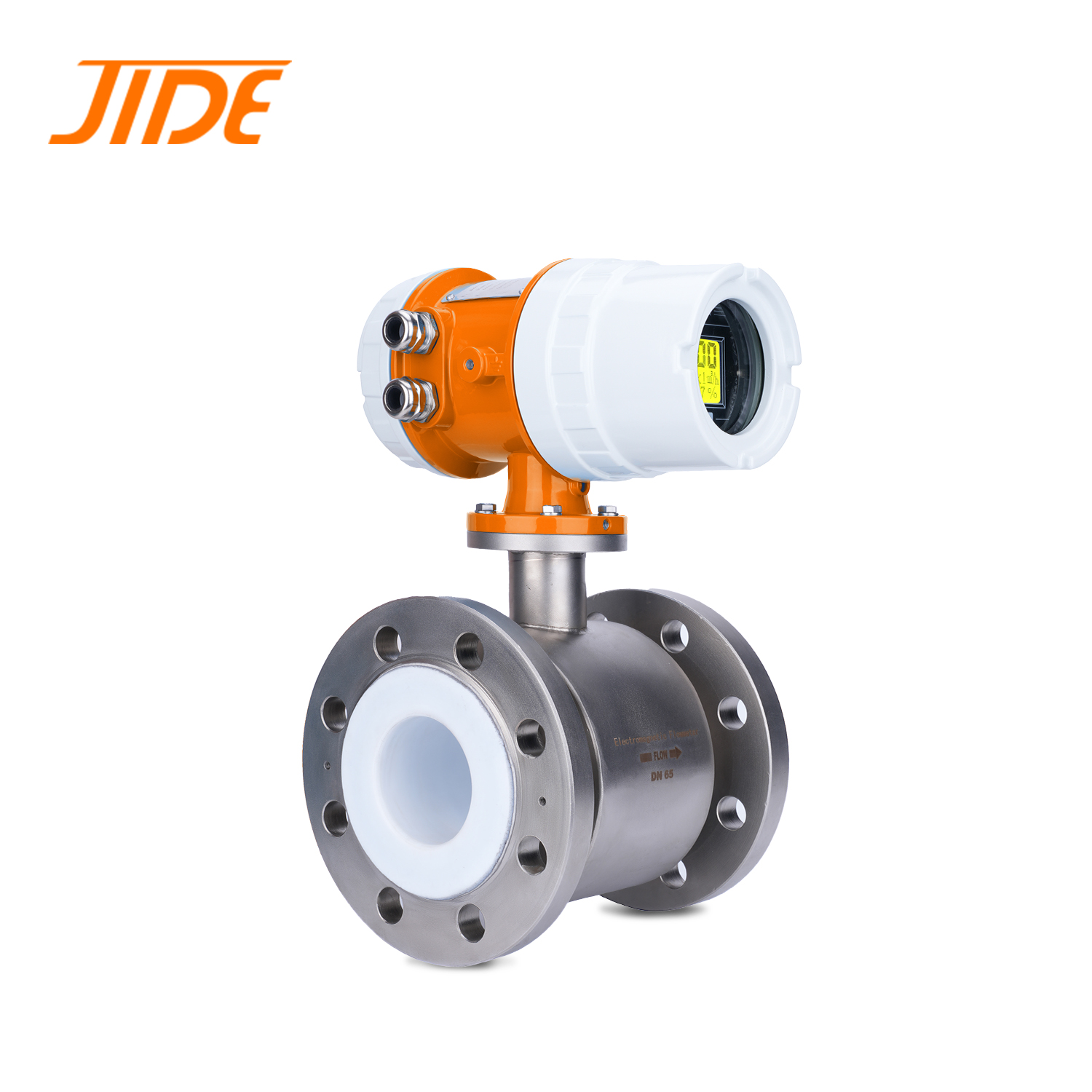
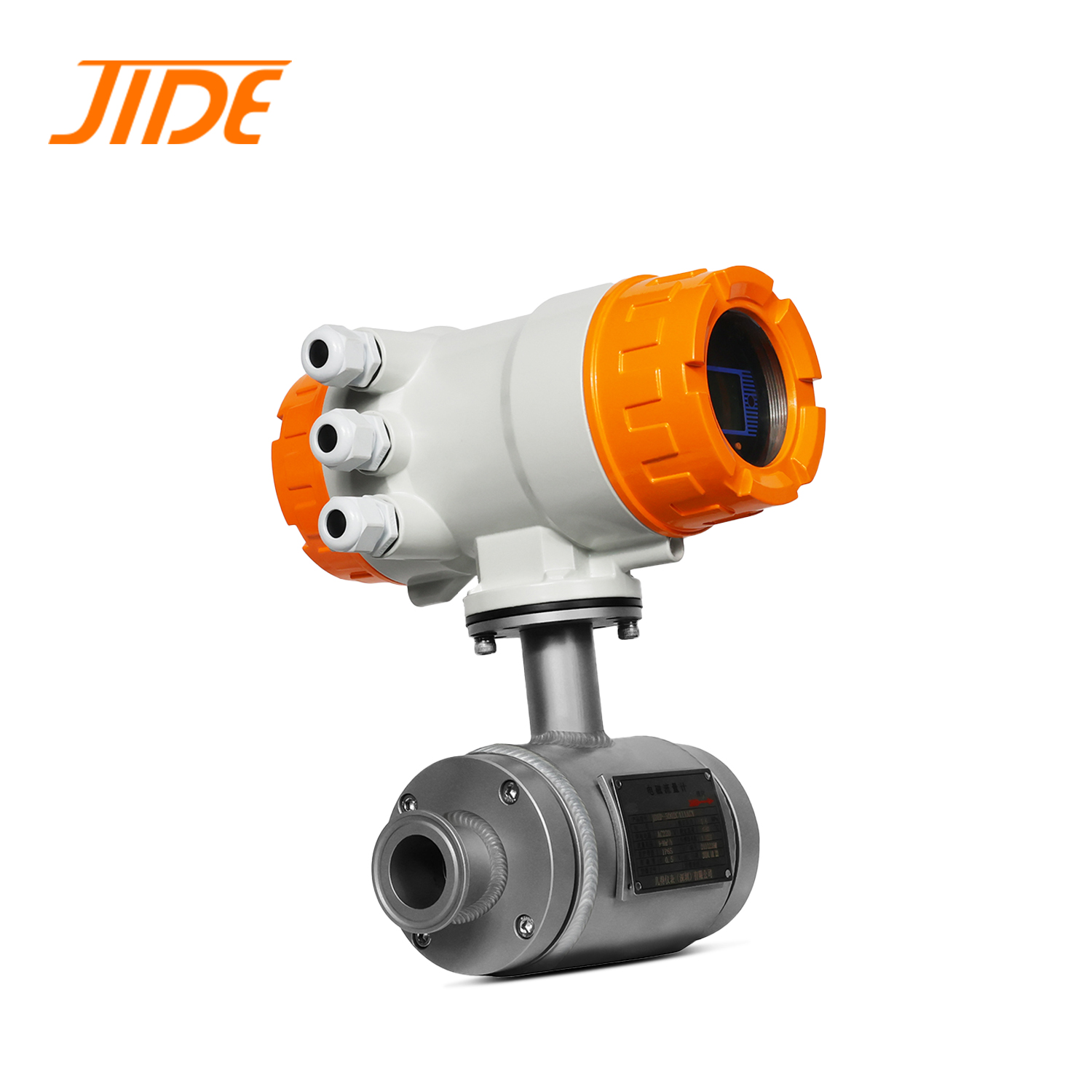
An electromagnetic meter for water is a special tool that helps us know how much water is flowing through pipes. It uses science to measure water without needing to touch it. This is important because it gives us correct numbers. When we know how much water is flowing, we can save it and use it wisely. JIDE makes these meters to help businesses and homes keep track of their water use. This way, we can keep our environment clean and conserve water for the future. For instance, you might want to consider the Online Residual Chlorine Sensor/Meter/Probe JECA-RC K to enhance your water quality monitoring.
An electromagnetic meter works by using magnets and electricity to find out how much water is moving in a pipe. It does not have any moving parts inside, which makes it different from other types of water meters. This means it can last a long time and doesn’t break easily. When water flows through the meter, it creates a magnetic field. The meter measures how much water is flowing by checking how the water affects this magnetic field. This is called electromagnetic flow measurement. The cool thing is that this method is very accurate and can work with lots of different types of water, like dirty or clean water. Knowing the right amount of water flowing can help save money and resources. If a city or a business knows exactly how much water is being used, they can make better decisions on how to manage it. For example, if a factory uses too much water, they can change their processes to save it. This is good for the environment and helps keep costs down. JIDE’s electromagnetic meters are designed to be user-friendly, so anyone can understand the readings. This is really important for people who need to keep a close eye on their water usage. In addition, these meters can help find leaks in pipes. If water is leaking, the meter can show a higher reading, which tells the owners they need to fix it. This not only saves water but also prevents damage to buildings and property. So, having an electromagnetic meter is not just about measuring water; it’s about being smart with our resources.