 EN
EN
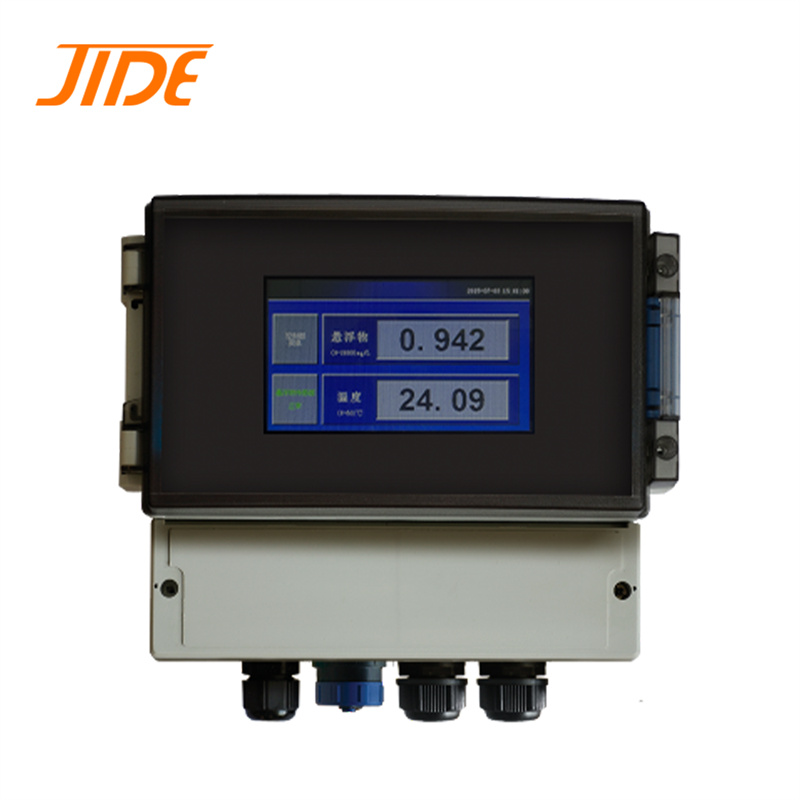
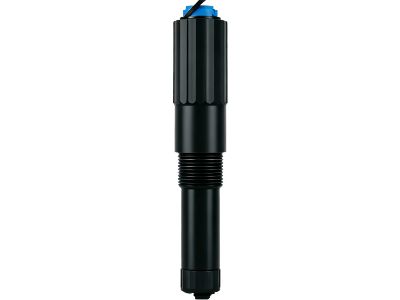
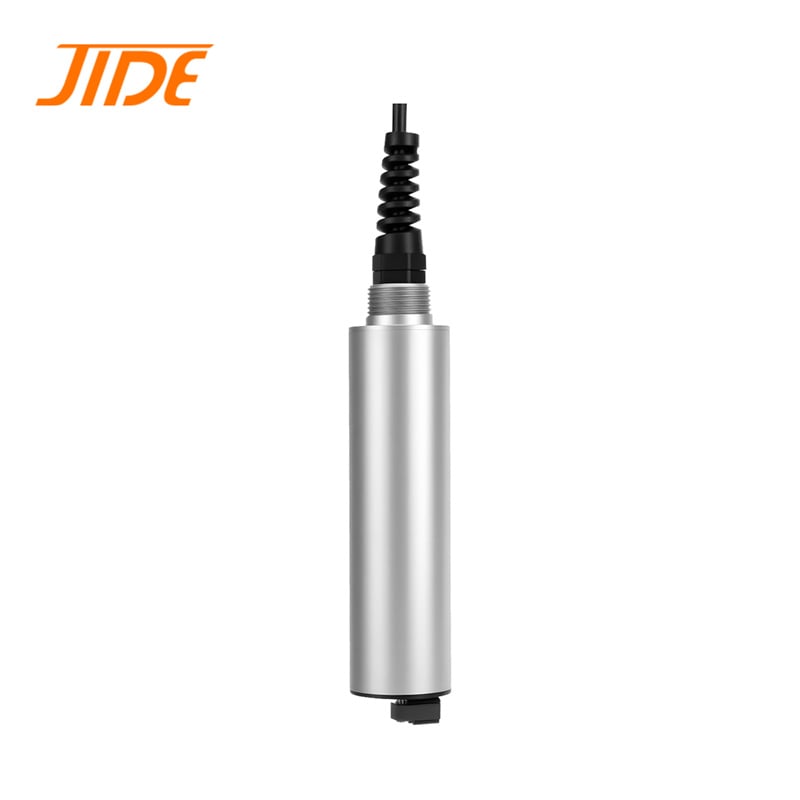
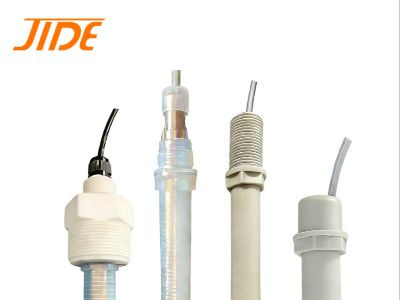
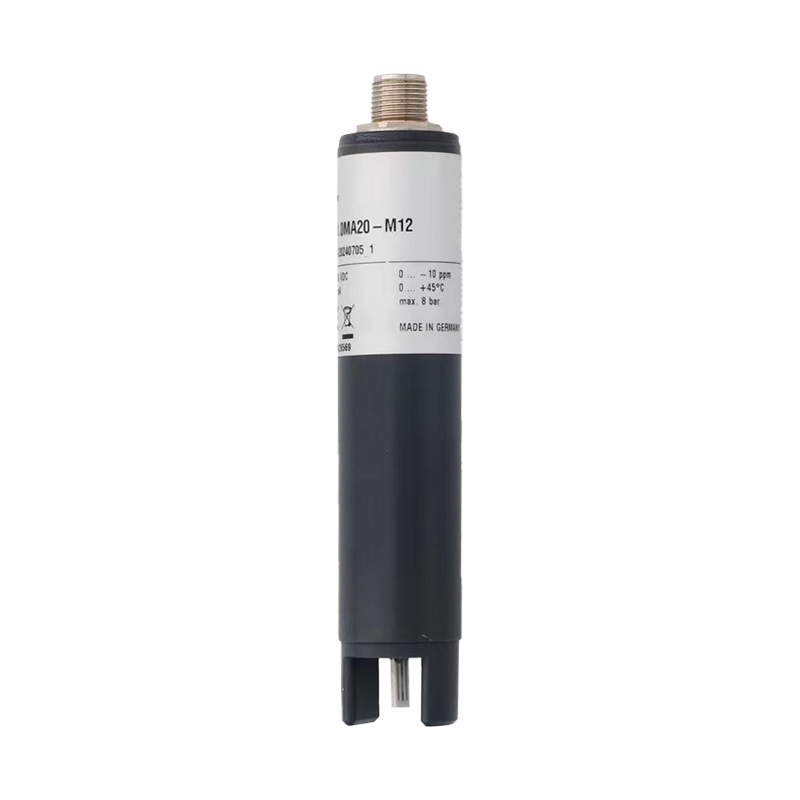
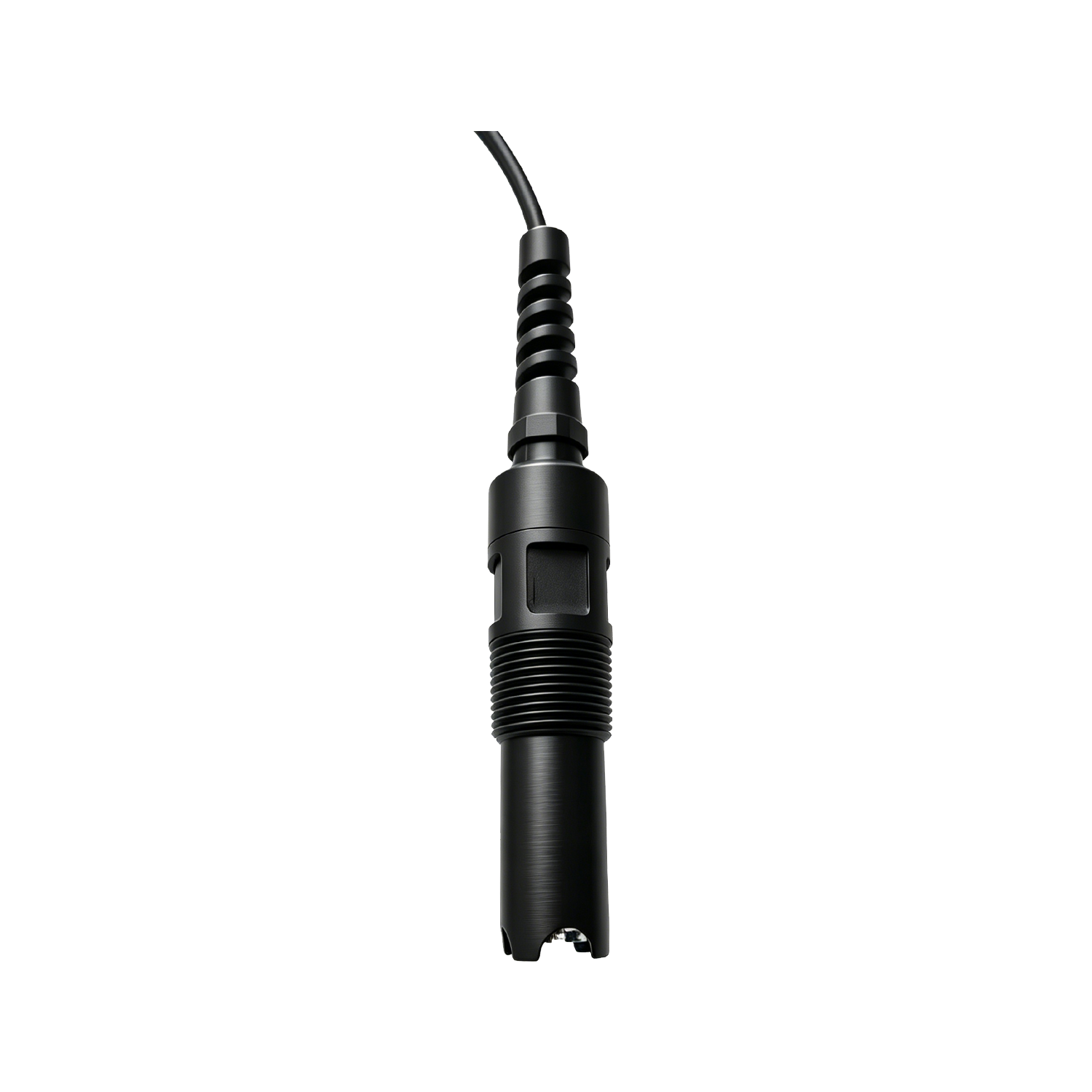
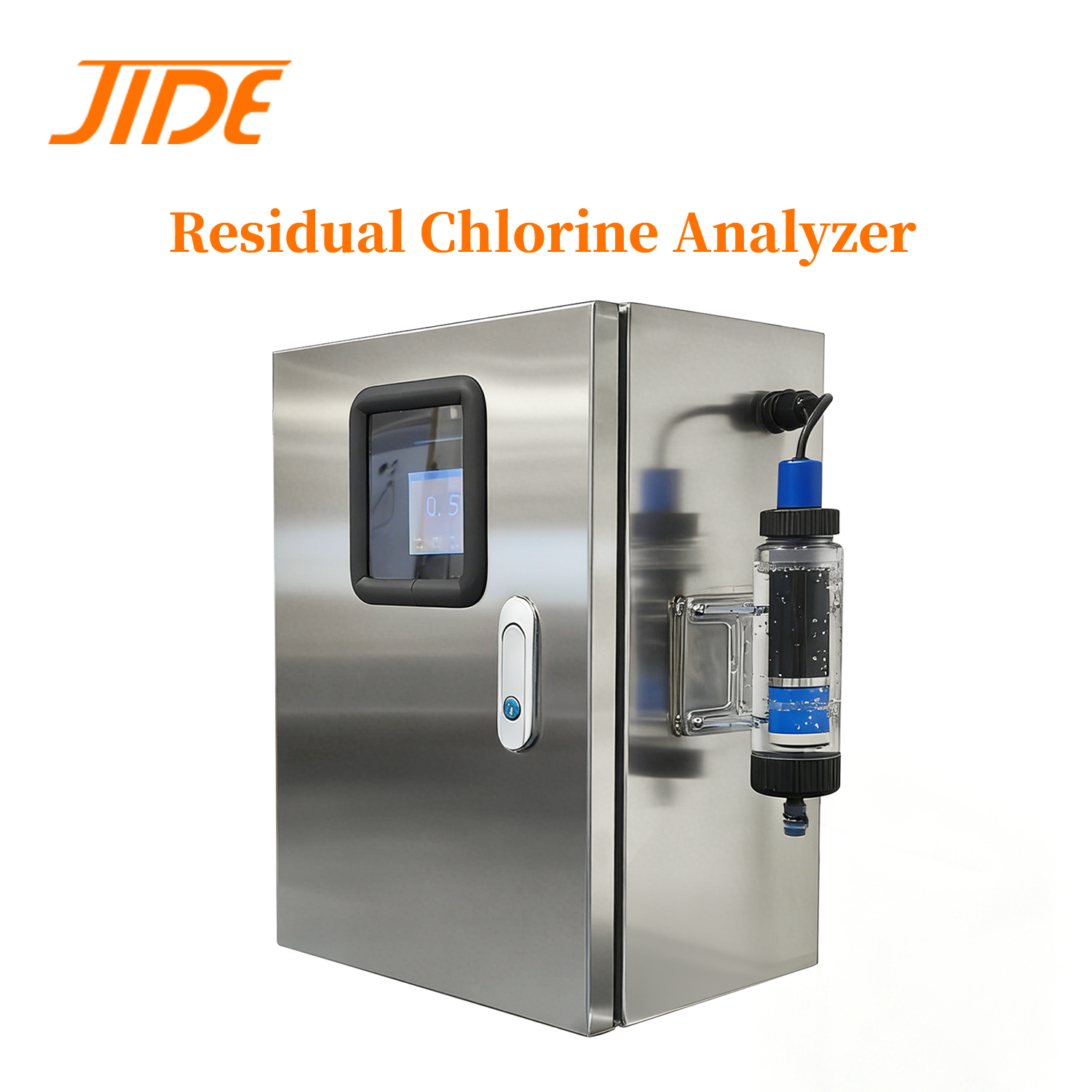
Water is very important for life. We drink it, use it for cooking, and even swim in it. But sometimes, water can have things in it that are not good for us. One of these things is chlorine. Chlorine is often used to clean water, but too much of it can be harmful. That’s where a residual chlorine sensor comes in. This special device helps to check how much chlorine is left in the water. By keeping track of chlorine levels, we can make sure our water is safe and clean. Our company, JIDE, makes high-quality residual chlorine sensors to help keep water safe for everyone.
A residual chlorine sensor is a tool that measures the amount of chlorine in water. When water is treated with chlorine, it helps kill germs and bacteria. But, it's important to know how much chlorine is still in the water after cleaning. If there is too little chlorine, the water may not be safe. If there is too much chlorine, it can taste bad and may be harmful to drink. This is why having a sensor is so important. It tells us exactly how much chlorine is in the water at any time. For example, if you run a swimming pool, keeping the right chlorine level is key to making sure swimmers are safe. If you have a fish tank, too much chlorine can harm the fish. With JIDE's residual chlorine sensors, people can easily check their water. They are designed to be user-friendly, giving clear readings that anyone can understand. This makes it easier for schools, homes, and businesses to ensure their water is safe. Monitoring water quality helps to protect everyone's health. It can prevent illnesses that come from dirty water and ensures that we all have access to clean drinking water. Additionally, using devices like Drinking Water/Pool Online Analysis can enhance your understanding of water quality.