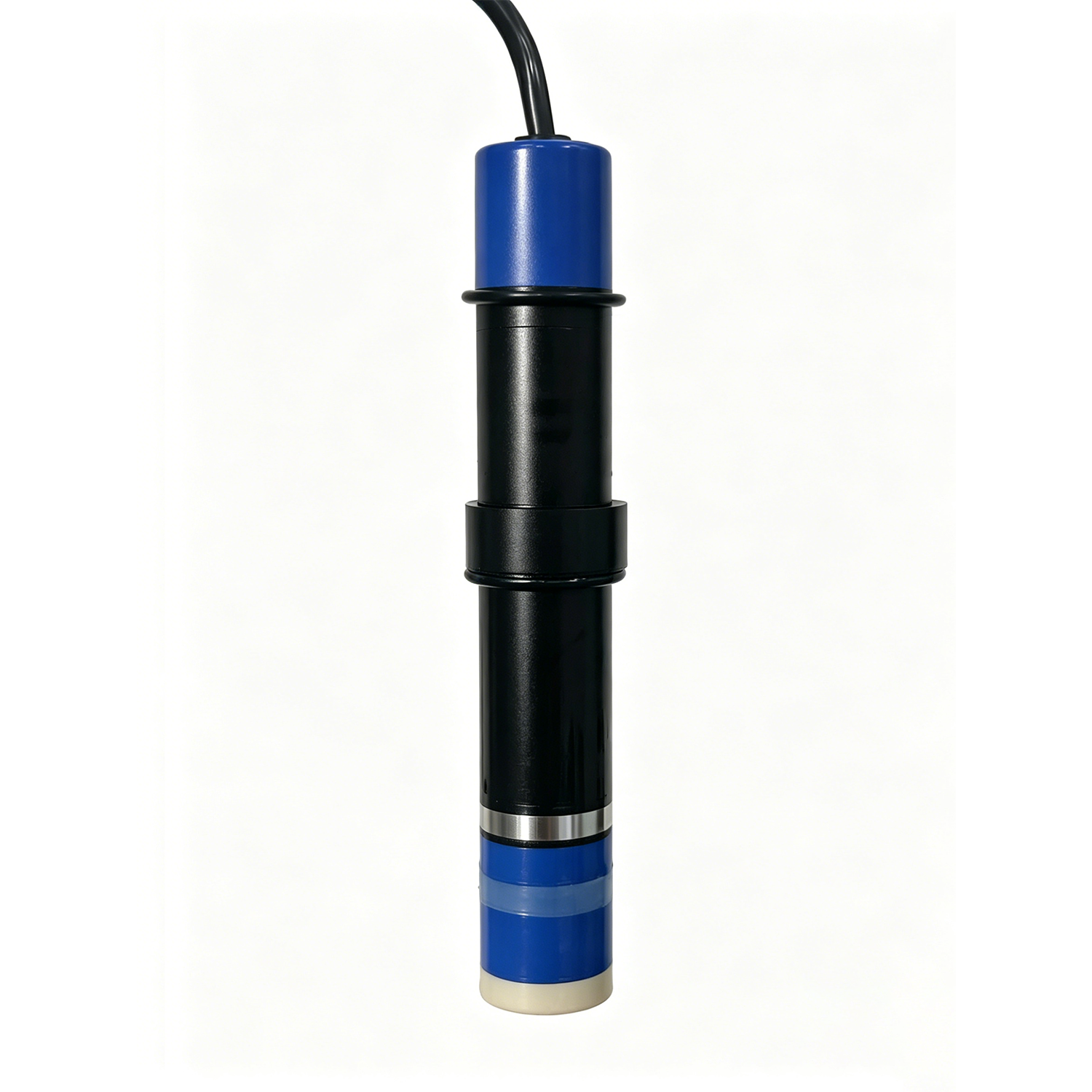
Chlorine Sensor for Water Quality Monitoring

All Categories

chlorine sensor

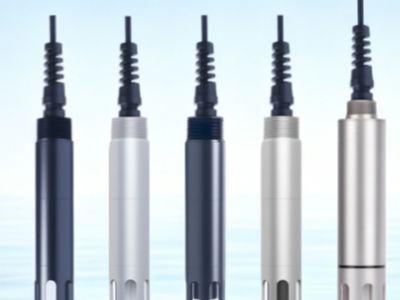
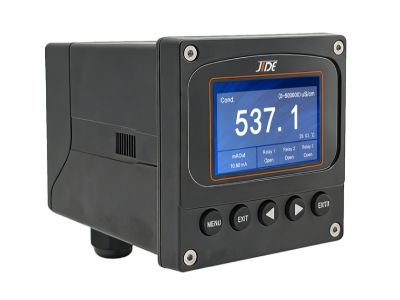
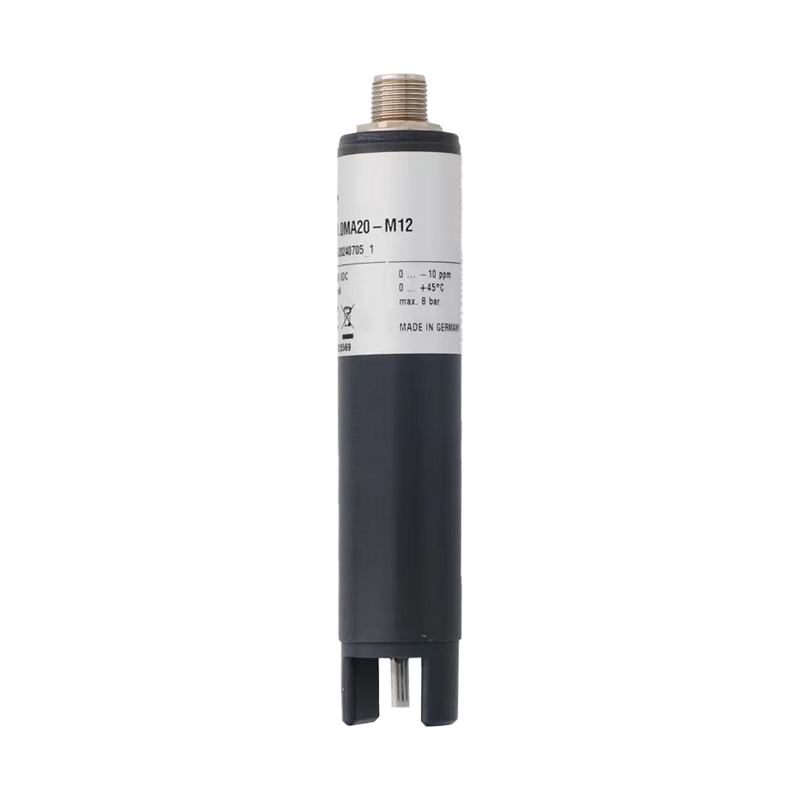
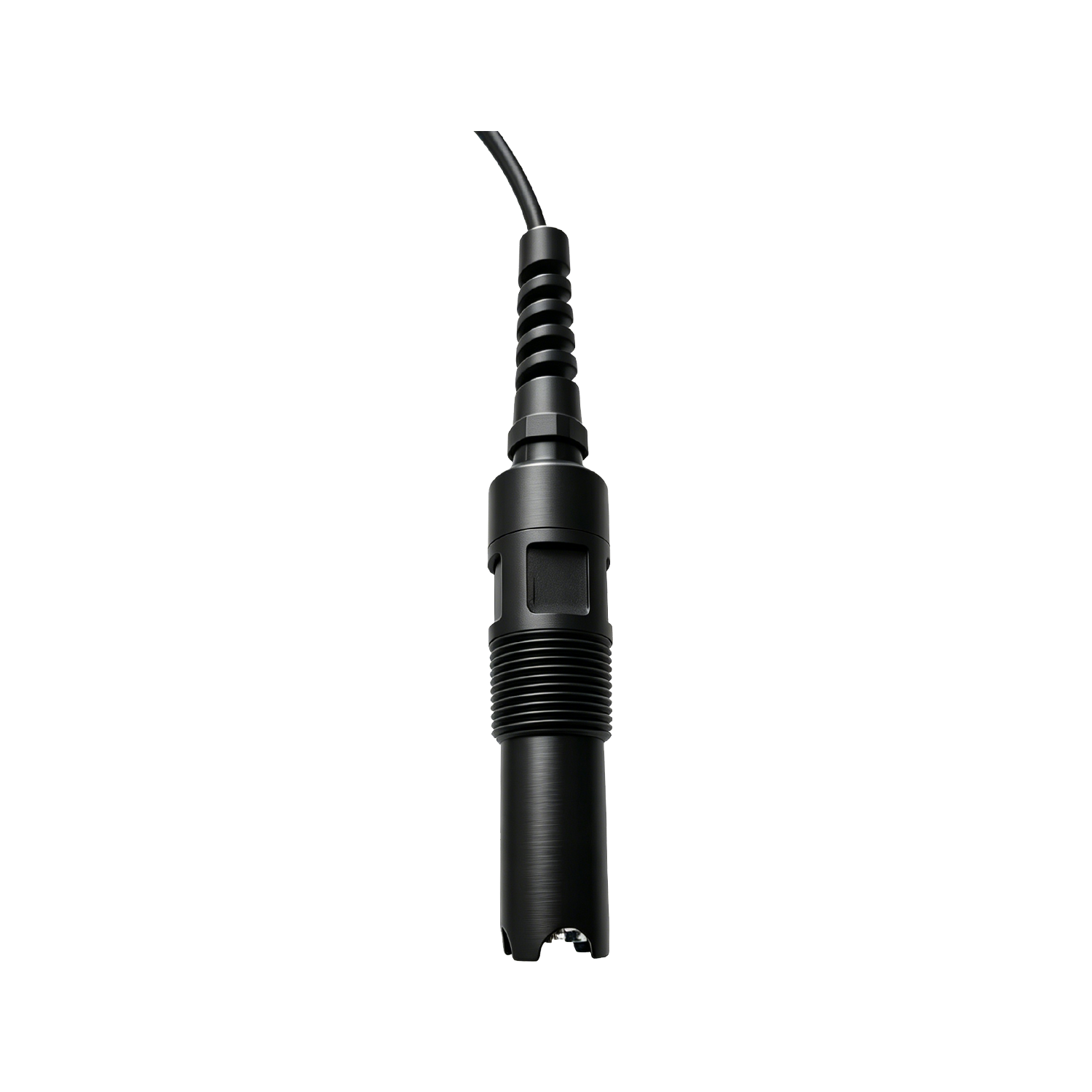
Chlorine sensors are special tools  that help  us check how much chlorine is in water. Chlorine is often used to clean  water,  especially  in  pools, to  kill germs  and keep it safe for people. But too much chlorine can be bad for health.  That’s  why it  is important to know how much chlorine is present. JIDE makes reliable chlorine sensors that are easy to use and  very accurate. These  sensors help people in many  areas,  like swimming pools, water  treatment plants, and even  in homes. By using  these sensors, people can make sure the water they drink or  swim  in is safe.
What Are the Key Benefits of Using a Chlorine Sensor for Water Quality Monitoring?

Using a chlorine sensor is very helpful for many reasons. First, these sensors give you real-time information about the chlorine levels in water. This means you can see if the water is safe right  away. For example, if you have a swimming pool, using a chlorine sensor can tell you if the amount of chlorine is just right for  swimming. If the level is too high, you can take  action before someone jumps in. This helps prevent skin irritation or other health issues. Another benefit  is that chlorine  sensors are very accurate.  They can measure even small changes in chlorine levels, so you can catch problems quickly. This is important for water treatment facilities that need to keep the water safe for everyone. JIDE’s chlorine sensors are built  to last and perform well in different conditions. They can be used in hot weather, cold weather, or even in places  where there’s a lot of dirt. So, whether you are checking water in  a pool or in a big plant, these sensors work  reliably. Also, using chlorine sensors can  save  money in the long run. By knowing the exact chlorine levels, you can avoid using too much chlorine, which saves  you money on chemicals. This also helps protect the environment by reducing chemical waste. Lastly, having  a chlorine sensor can give you  peace  of mind. If you’re a parent, you want to know your kids are safe when they swim. A chlorine sensor can help you feel  secure that the water is safe  for them. All these benefits make  chlorine sensors very important for anyone who  wants to monitor water quality effectively. Additionally, for those interested in ocean-related applications, our Ocean-Specific Online Water Quality Monitoring solutions provide robust data in marine environments.

Our Blog Posts

Durable Industry PH Probe for Long-Term Online Water Monitoring

30

Jul

Durable Industry PH Probe for Long-Term Online Water Monitoring

Water is essential for life, and monitoring its quality is very important. One way to do this is by using a pH probe. A pH probe helps us know how acidic or basic the water is. For long-term online water monitoring, choosing a durable pH probe is key...
View More
Professional NH4 Analyzer for Ammonia Nitrogen Water Quality Testing

09

Aug

Professional NH4 Analyzer for Ammonia Nitrogen Water Quality Testing

When it comes to testing water quality, especially for ammonia nitrogen, having the right tools is very important. JIDE offers a professional NH4 analyzer that helps people check the levels of ammonia in water accurately. Ammonia can be harmful to fi...
View More
Professional Nitrate Analyzer for Underground Water Quality Detection

08

Sep

Professional Nitrate Analyzer for Underground Water Quality Detection

When it comes to keeping our underground water clean and safe, knowing how to test for nitrates is very important. Nitrates are chemicals that can get into our water from fertilizers, waste, and other sources. If there are too many nitrates in the wa...
View More
TDS Meter Usage Guide for Drinking Water Quality Inspection

03

Oct

TDS Meter Usage Guide for Drinking Water Quality Inspection

A TDS meter is a helpful tool for checking the quality of drinking water. TDS stands for Total Dissolved Solids. It tells us how many tiny bits, like minerals or salts, are mixed in the water. Knowing this is super important because too many solids c...
View More

Get a Free Quote

Our representative will contact you soon.
Email
Name
Company Name
Message
0/1000

Related product categories

What Common Issues Do Users Face with Chlorine Sensors and How to Resolve Them?

What Common Issues Do Users Face with Chlorine Sensors and How to Resolve Them?

Like any tool, chlorine sensors  can sometimes have problems. One common issue users face is  calibration.  Calibration is when you adjust the  sensor to make sure it gives correct readings. If a chlorine sensor is not calibrated right, it might  show wrong numbers. This  can be confusing, especially if  you think the water is safe when it isn’t. To fix this, users should follow the instructions given by JIDE carefully. Regular checks and  recalibration can help keep the sensors working well. Another problem can be interference from other substances. Sometimes, if there are a lot of other chemicals in  the water, they can  confuse the sensor. This might lead to inaccurate readings. If you  notice strange  numbers, check the water for other chemicals. Cleaning the sensor regularly can also help prevent this issue. Users also sometimes struggle with finding the best place to install the sensor. If  it’s not in the right  spot, it might not work as well. It’s important to put the sensor where the water flows freely, so it can get an accurate reading. JIDE provides guidelines for the best placement of sensors, which can help users a lot. Lastly, battery life can be an issue. If your sensor runs out of battery, it won't work.  Users should keep an eye on the battery and change it when needed. This will keep the sensor running smoothly.  By knowing these common issues and how  to solve them, users can make the most of their  JIDE chlorine sensors  and keep  their water safe and clean.

What Features to Look for in a High-Performance Chlorine Sensor?

What Features to Look for in a High-Performance Chlorine Sensor?

When  looking for a high-performance chlorine sensor, there  are several important features to consider. First, accuracy is key. A good chlorine sensor should be able to measure chlorine levels correctly and give you  reliable readings. This is important because too much chlorine can be harmful, and  too little can mean the water is not  safe.  Another important feature is the speed of response. The sensor should be able to detect changes in chlorine levels quickly. If  something goes wrong with the water, you want to  know  right away. Durability is also something to think about.  The sensor should be built to last and work well in different conditions. For example, it should be able to handle  changes in temperature and humidity. Additionally, ease of use is essential. A great chlorine sensor should be easy to set up and use,  even for  someone who is not very tech-savvy. It should come with clear instructions and not require too much maintenance. You should also check  if the sensor has a good range. This  means it should be able to detect both low and high levels of chlorine without any problems. Some sensors even have features that allow them to connect to smartphones or computers, making it  easier to monitor chlorine levels  remotely. Lastly, consider  the price.  While you want a high-quality sensor, it’s also important to find one that fits your budget. JIDE offers a variety of chlorine sensors that include these  features and more, ensuring you get the best value for your money. For more advanced monitoring, consider our Industrial Online Water Quality Monitoring systems, which cater to larger applications.

Where to Buy Affordable Chlorine Sensors for Bulk Purchases?

Where to Buy Affordable Chlorine Sensors for Bulk Purchases?

If you are looking to buy affordable chlorine sensors in bulk, there  are a few places you can check out. One of the best options is to go directly to manufacturers like JIDE. Buying directly from manufacturers  often means  you can  get lower prices,  especially when buying in large  quantities. Many manufacturers offer discounts for bulk purchases, which can help you save money. Another option is to check online marketplaces. Websites that specialize in industrial equipment often have a wide selection of  chlorine sensors at competitive prices. When shopping online, make  sure  to compare prices from  different sellers to find  the best deal. You should also read reviews from other buyers to ensure that you are getting a good product. Local distributors are another option. They often carry chlorine sensors and may offer bulk pricing. Additionally,  local distributors can provide support and  assistance, which can be helpful if you  have questions about  the products. Finally, consider reaching out to JIDE directly.  They may offer  special programs for bulk buyers  that include discounts and promotions. By exploring these options, you can find affordable chlorine sensors that meet your needs  without  breaking the bank.

Choose your global partner

Are you ready to consult with an engineer about your working conditions and specific needs?

Get a Quote

Get a Free Quote

Our representative will contact you soon.
Email
Name
Company Name
Message
0/1000