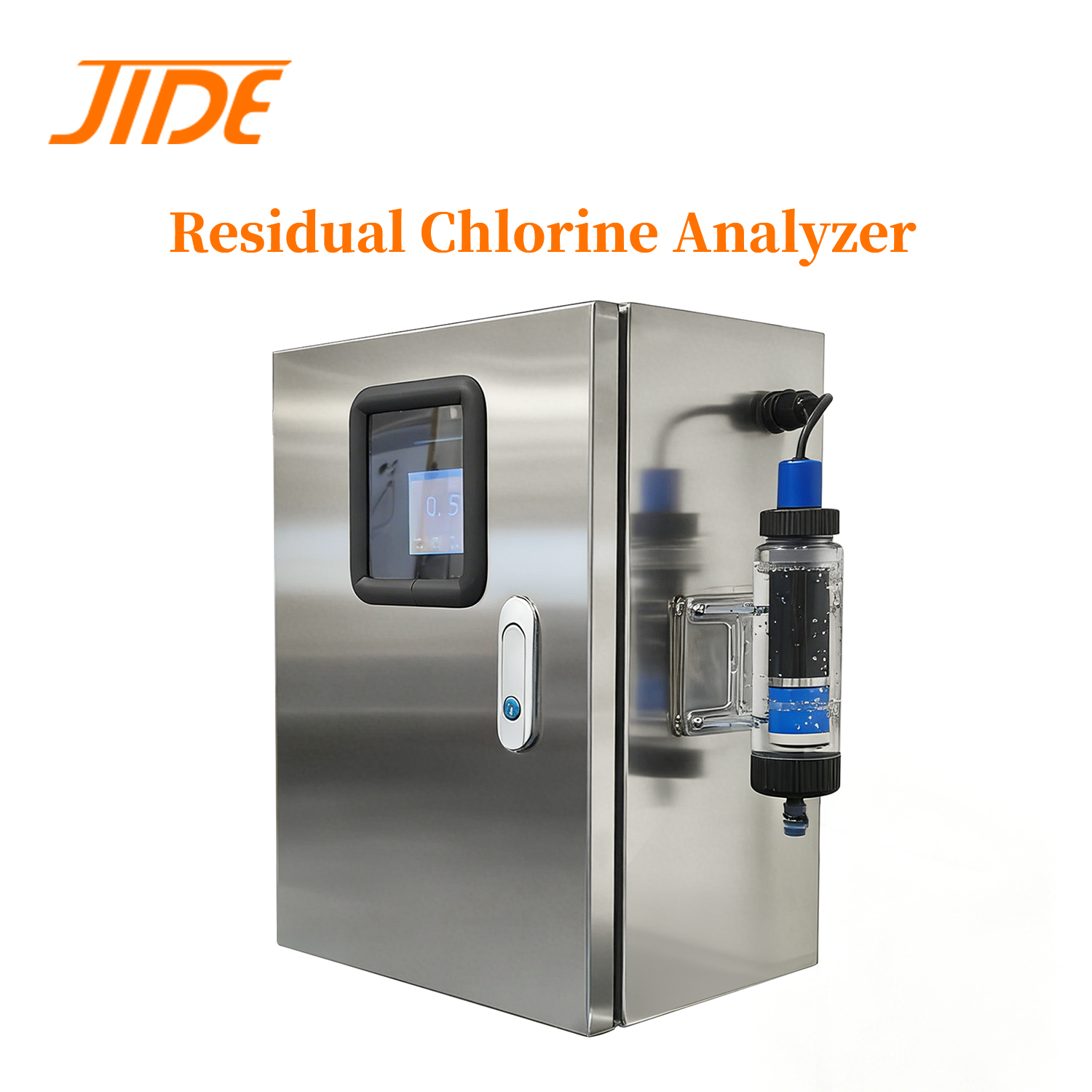
Chlorine Gas Sensor for Enhanced Safety Solutions

All Categories

chlorine gas sensor

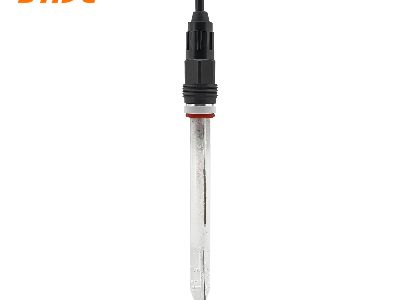
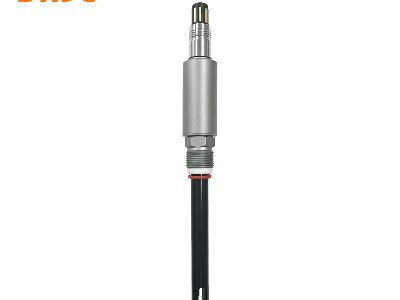
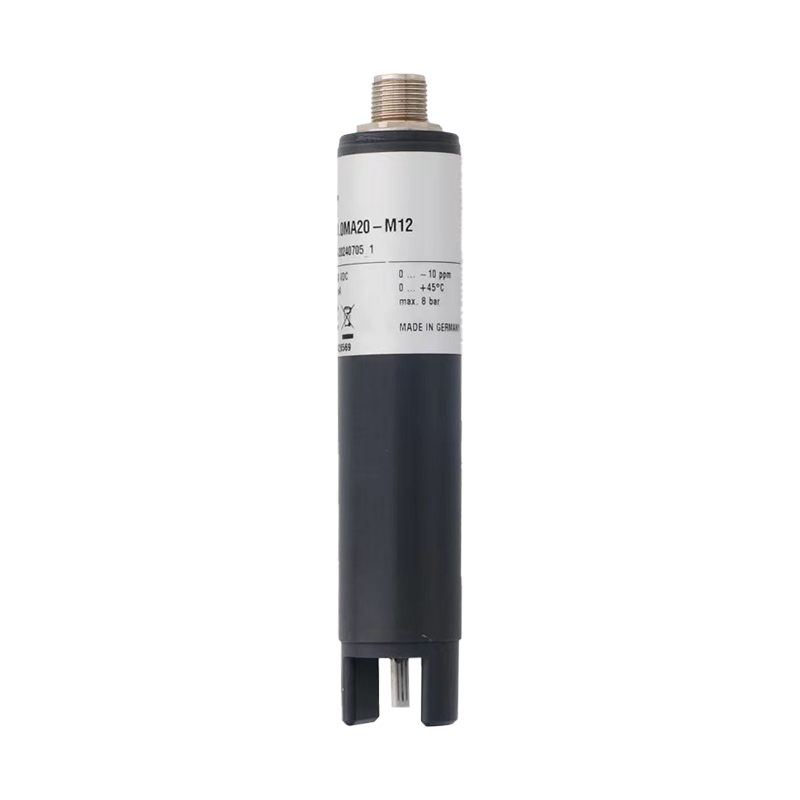
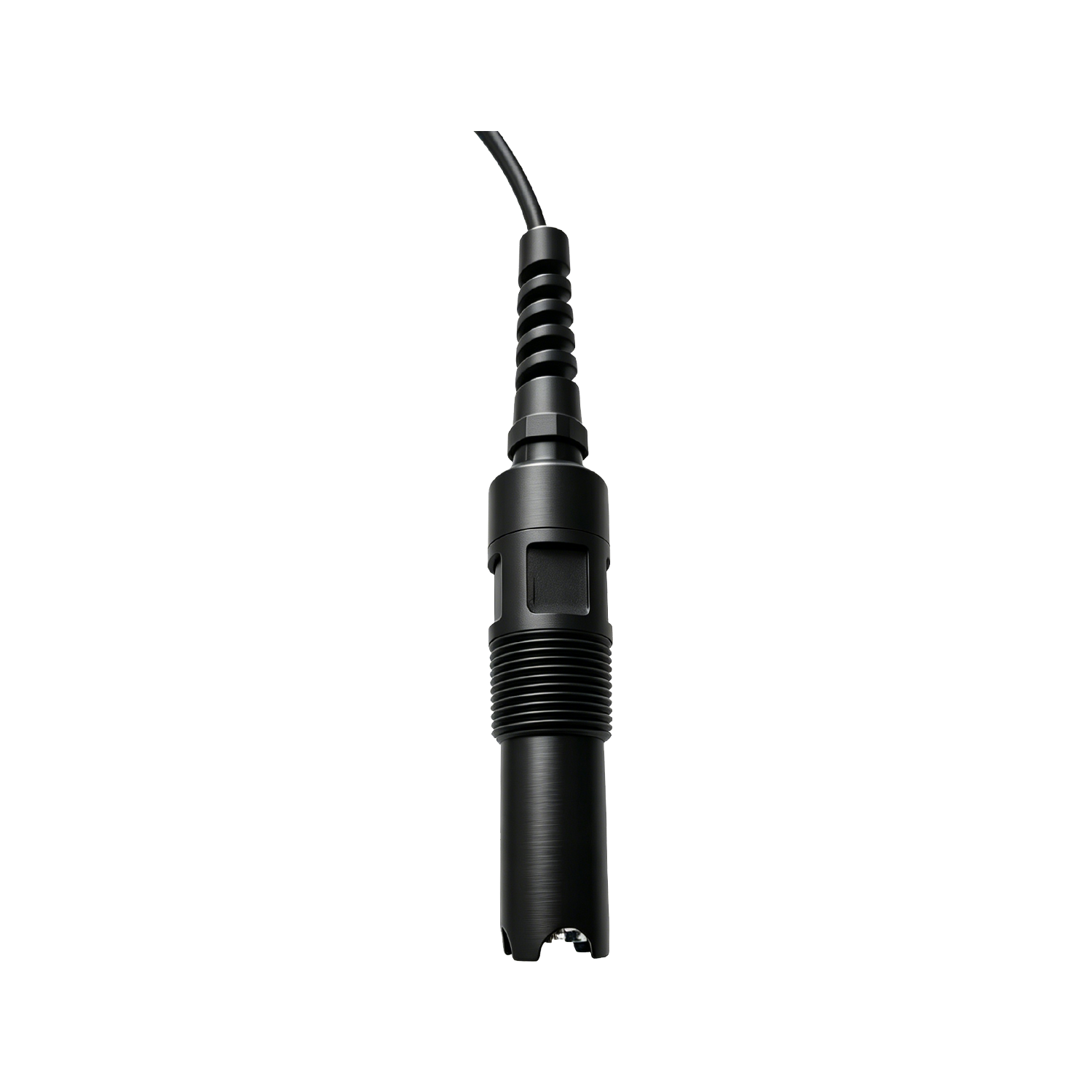
Chlorine gas sensors are important tools used to detect chlorine gas  in the air.  Chlorine gas is often found in places where water is treated or in certain manufacturing  processes.  It can be  very harmful to people if  they breathe it in. That's why having a good sensor is crucial. The JIDE brand makes reliable chlorine gas sensors  that help  keep  workers  and the environment  safe.  These sensors  can  quickly  alert people if there are dangerous levels  of chlorine  gas, allowing for quick action to be  taken. In this way, JIDE  helps create safer  workplaces. For effective monitoring, consider using the Online Residual Chlorine Sensor/Meter/Probe JECA-RC K.
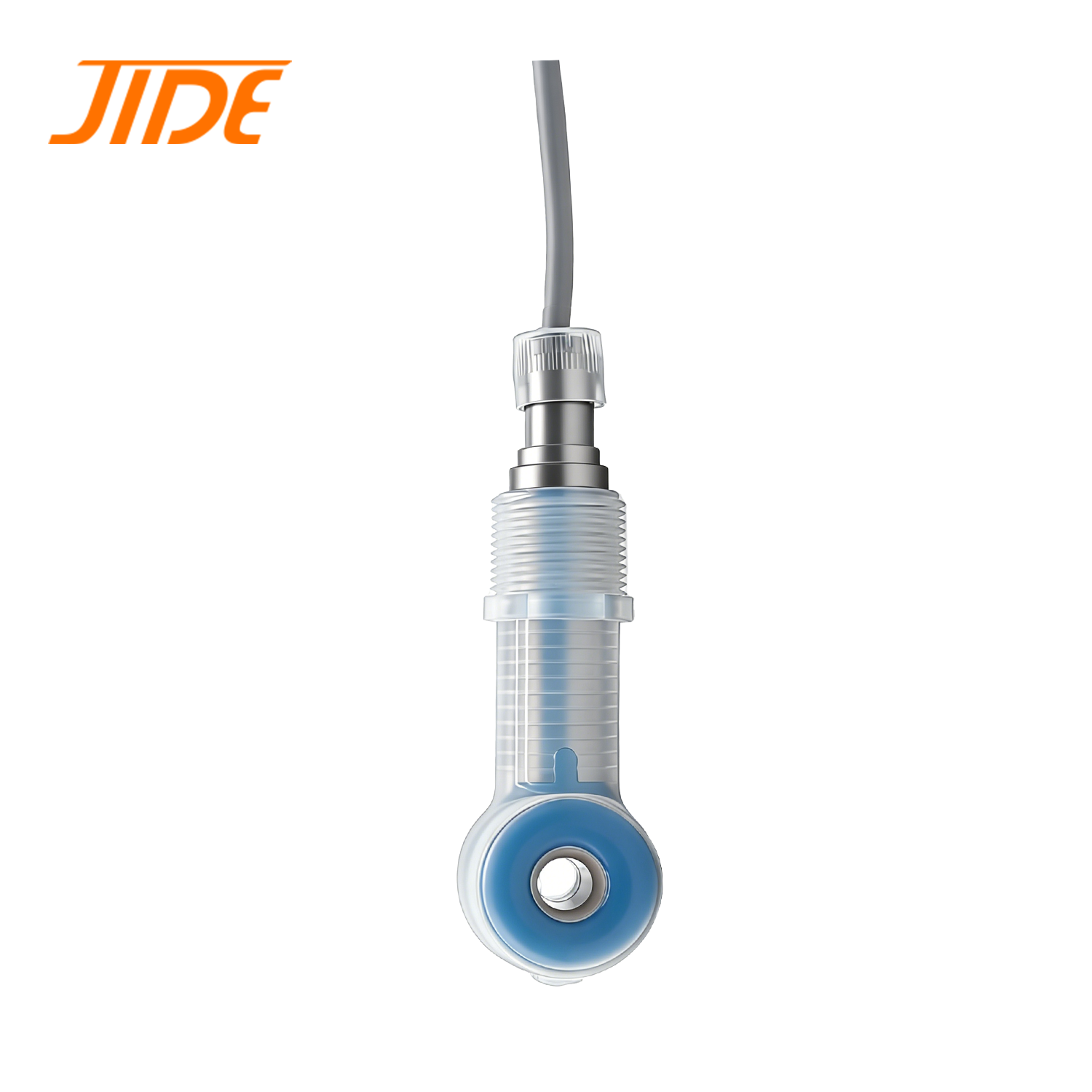
Common Usage Issues with Chlorine Gas Sensors and How to Resolve Them

Sometimes, people face  issues when using chlorine gas sensors. One common problem is that the sensors might not respond quickly enough. This can happen if the  sensor is dirty or needs maintenance. Regular cleaning and checking can help avoid this. Another issue is false alarms.  Sensors might sometimes beep or flash even when there is no chlorine gas. This can be annoying and make people less trustful of  the sensor.  To fix this, it’s good to follow the manufacturer’s instructions and calibrate the sensor regularly, just like you would tune a musical instrument to keep it sounding right. Another challenge is placement.  If the sensor is not in the right spot, it might not detect chlorine gas effectively. For instance, if it  is placed near  a vent or in an area where air does not flow well, it might  miss  the gas. It’s  best to place sensors where they can  get a clear view of the air,  like in the  middle of a room. Sometimes, sensors can  be affected by  other chemicals in the air. For example, if there are strong odors or vapors from other materials,  the  sensor might get confused. Choosing a high-quality sensor from JIDE can help, as they  are designed to work well even in tricky conditions. Lastly, battery life can be an issue. If the sensor’s battery dies, it won't work at  all. Regularly checking the battery and replacing it when needed is an easy way to avoid this problem.

Our Blog Posts

Top Rated PH Sensor for Industrial Water Quality Monitoring

06

Jul

Top Rated PH Sensor for Industrial Water Quality Monitoring

Water quality is very important in industries. Many businesses need clean water for their processes. One way to check the quality of water is by using a pH sensor. JIDE makes top-rated pH sensors that help industries monitor water quality. These sens...
View More
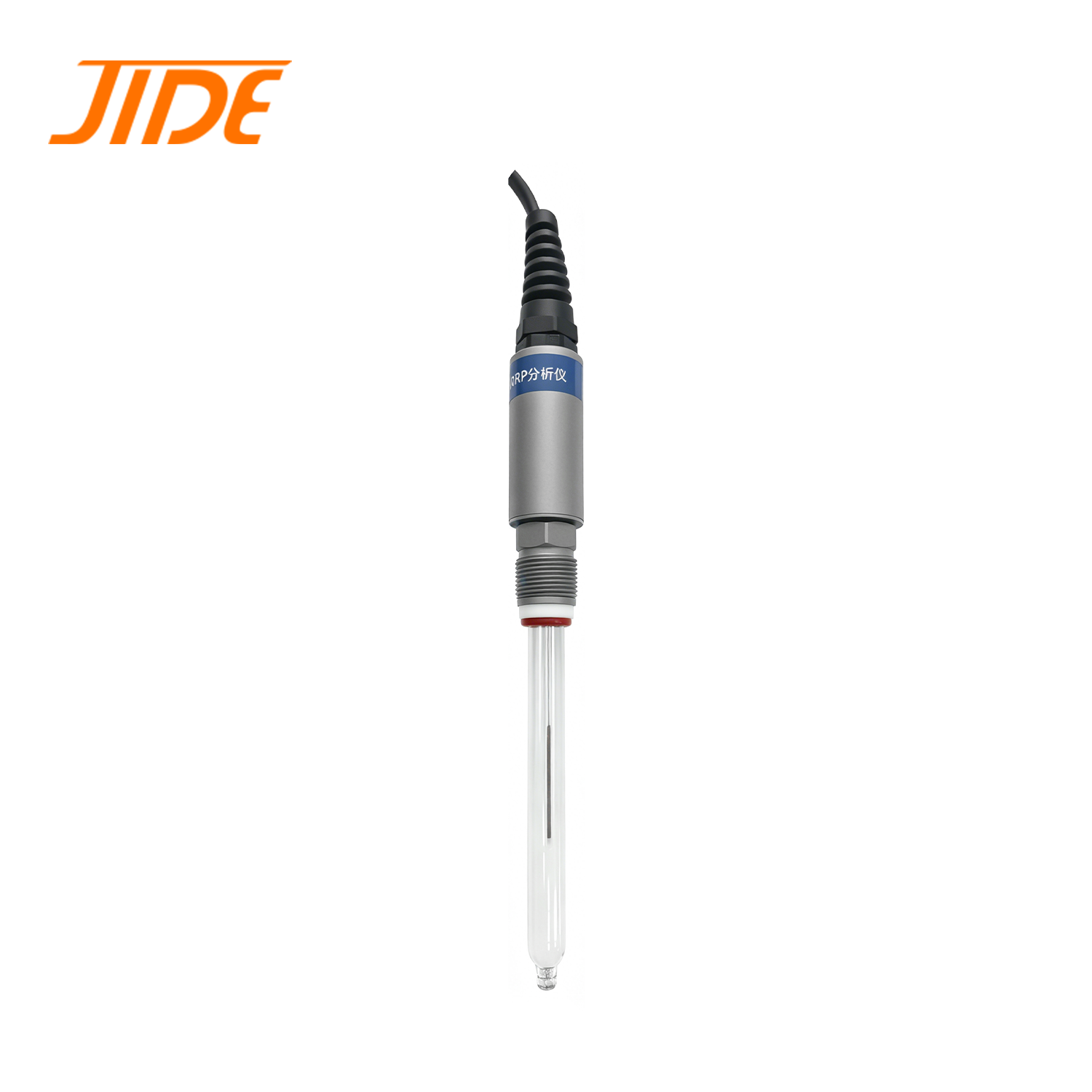
High Precision Conductivity Sensor for Water Treatment Systems

07

Jul

High Precision Conductivity Sensor for Water Treatment Systems

Water is essential for life, and treating it properly is very important. To make sure water is clean and safe, many systems are used in treatment plants. One important tool in these systems is the high precision conductivity sensor. This sensor helps...
View More
Reliable DO Sensor for Dissolved Oxygen Detection in Aquaculture

09

Jul

Reliable DO Sensor for Dissolved Oxygen Detection in Aquaculture

What Are the Latest Trends in DO Sensor Technology for Aquaculture? Keeping fish and shrimp healthy in ponds or tanks is very important. Dissolved oxygen is a big part of that. Fish and other sea creatures need oxygen to breathe, just like we do...
View More
Efficient Chlorine Sensor for Residual Chlorine Detection in Tap Water

04

Aug

Efficient Chlorine Sensor for Residual Chlorine Detection in Tap Water

Chlorine Sensor Guide for Safe and Accurate Water MonitoringChlorine is commonly added to tap water to kill harmful germs and keep drinking water safe. While chlorine is essential for water disinfection, excessive amounts can affect water quality and...
View More

Get a Free Quote

Our representative will contact you soon.
Email
Name
Company Name
Message
0/1000

Related product categories

What Are the Key Features to Look for in a Chlorine Gas Sensor?

What Are the Key Features to Look for in a Chlorine Gas Sensor?

When choosing a  chlorine gas sensor,  several key features can make a big  difference. First, sensitivity is important. A good sensor should be able to detect low levels of chlorine gas quickly. This  helps to catch leaks  before they become dangerous. JIDE sensors are known for their high sensitivity, which is crucial in  environments where chlorine  gas is present. Another feature to consider is the response time. The faster a sensor reacts, the better it is for safety. Look for sensors that provide immediate alerts when chlorine gas is detected. Durability is also essential.  Sensors should be able to withstand harsh environments, especially if  they are used in industrial settings. A robust casing can protect  the sensor from damage. Additionally, ease of use is  vital. Some sensors have complicated controls that can be  hard to understand. A user-friendly design makes it easier for everyone to operate the sensor.  Another feature to  check is if the sensor has a visual display or alarm.  This can help notify people nearby when there is a problem. Finally, think about the power  source. Sensors that run on batteries are convenient, but  those that can be plugged in may offer more  consistent power. JIDE's chlorine gas sensors often combine many of these features  to provide the best protection possible. By keeping these key features in mind, anyone can make an informed choice when selecting a chlorine  gas sensor. For advanced monitoring, consider the Online Residual Chlorine Sensor/Meter/Probe JECA-RC C.

How Chlorine Gas Sensors Enhance Safety in Various Environments

How Chlorine Gas Sensors Enhance Safety in Various Environments

Chlorine gas sensors are important devices that help keep people safe in different places.  These sensors are  designed to detect  chlorine gas, which can  be  very dangerous if it is present in high amounts. Chlorine gas is often used in cleaning and disinfecting products. In places like swimming pools, water treatment plants, and even some  factories, chlorine is used to clean water  and surfaces. However,  too much chlorine gas can cause health  problems. This is where chlorine gas sensors come in.  They work by alerting people when they  sense high levels of chlorine gas in the air. This can help prevent  accidents and protect workers and  the public from harm. For example, in a swimming pool area, if the sensor detects too much chlorine, it  will send out an alarm.  This gives people time to leave the  area  and helps staff to fix the problem  quickly. By using chlorine gas sensors, places can ensure that they are safe and that people can enjoy their time without worrying about  harmful gases.

 
Where to Find Reliable Suppliers of Chlorine Gas Sensors?

Where to Find Reliable Suppliers of Chlorine Gas Sensors?

If you are  looking for reliable suppliers  of chlorine gas sensors, it is important to know  where  to find them. One good option is to check online. Many companies sell chlorine gas sensors on their websites. You  can read reviews from other customers to see if they are trustworthy. Look for companies that have good ratings  and offer high-quality products. JIDE is one such company  that provides reliable chlorine  gas sensors. They  have a  reputation for making sensors that are accurate and easy to use. You can also ask local safety  equipment  stores if they carry chlorine gas sensors. Sometimes, these stores  can help you find the right sensor for your needs. It’s always a good idea to talk  to someone who knows  about safety equipment. They can give you important information about what to look for in a sensor, such as how sensitive it is and  how often it needs to  be checked. Remember, choosing the right supplier is  key to  ensuring you get a good product that works well and keeps  you safe. Also, you might want to explore the Industrial ORP Sensor/Meter/Probe for Wastewater Treatment JSR-106 as a complementary solution in your safety equipment.

Choose your global partner

Are you ready to consult with an engineer about your working conditions and specific needs?

Get a Quote

Get a Free Quote

Our representative will contact you soon.
Email
Name
Company Name
Message
0/1000