 EN
EN
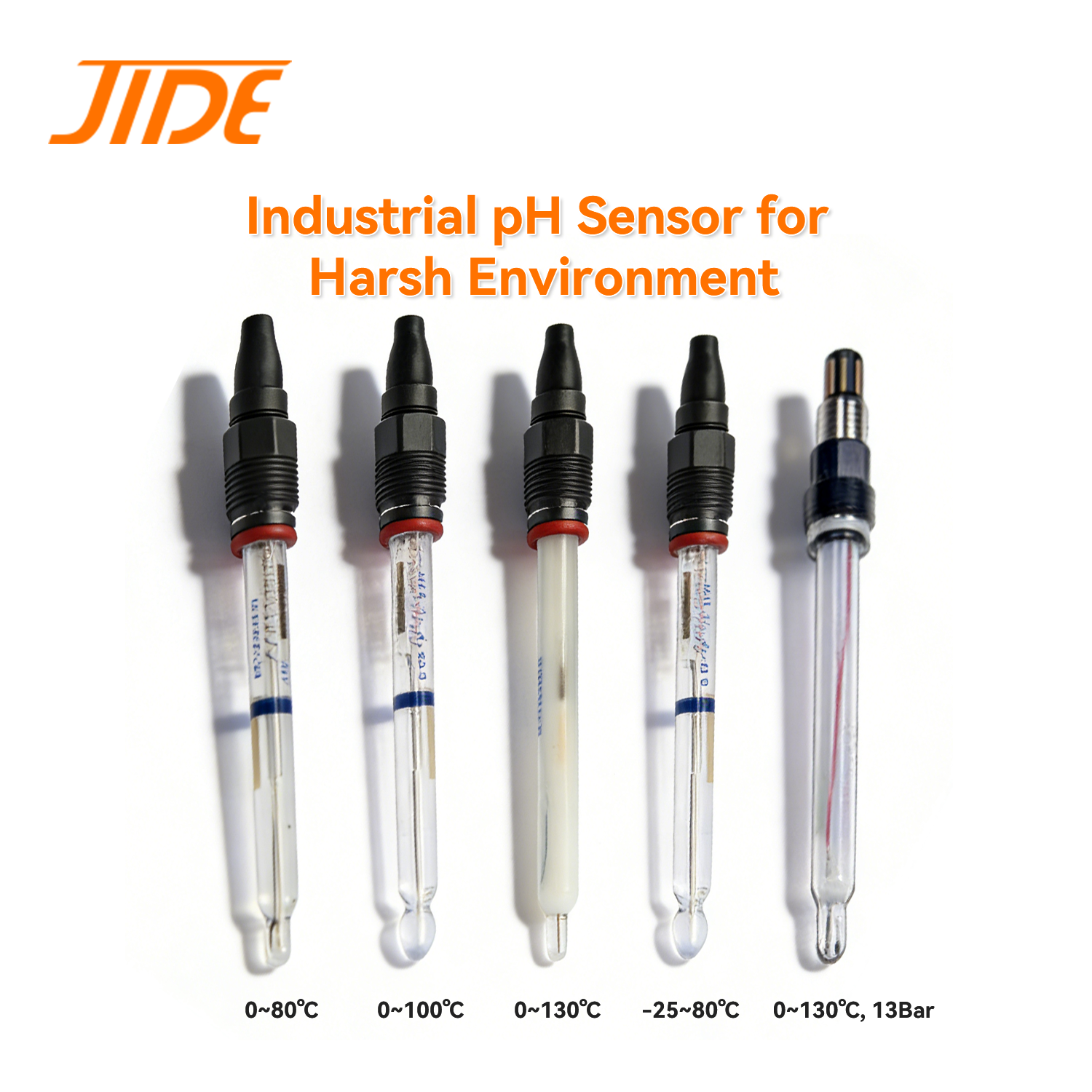
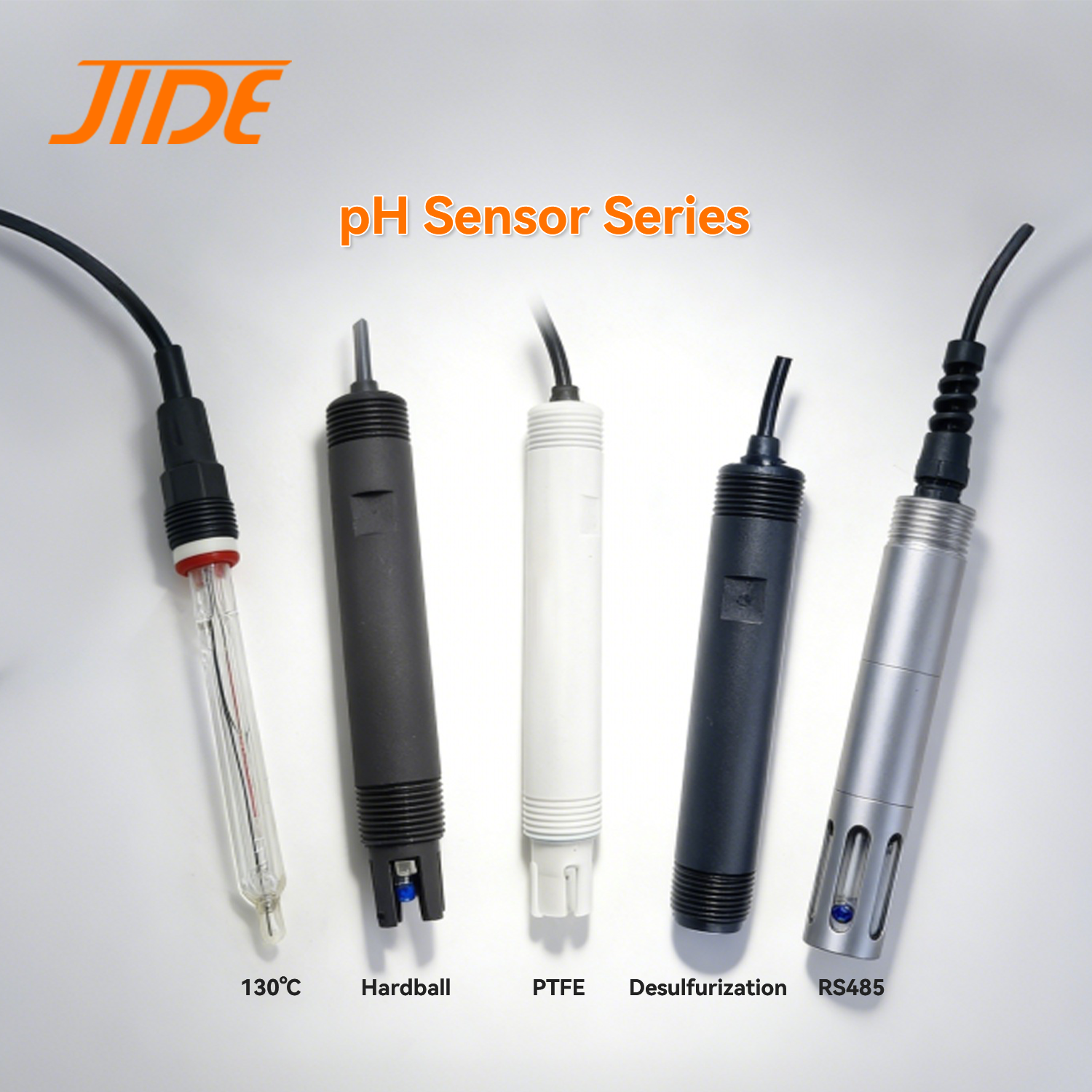
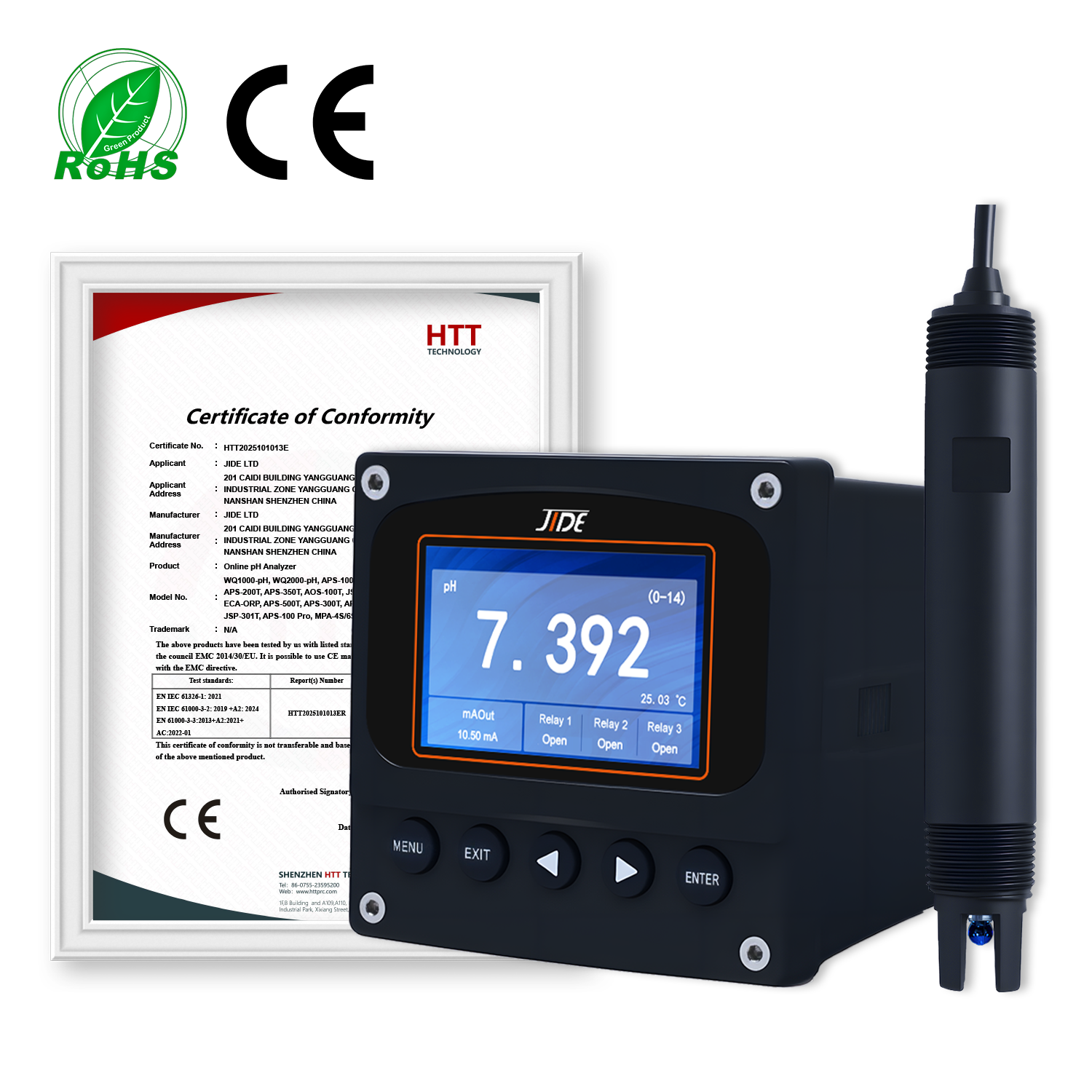
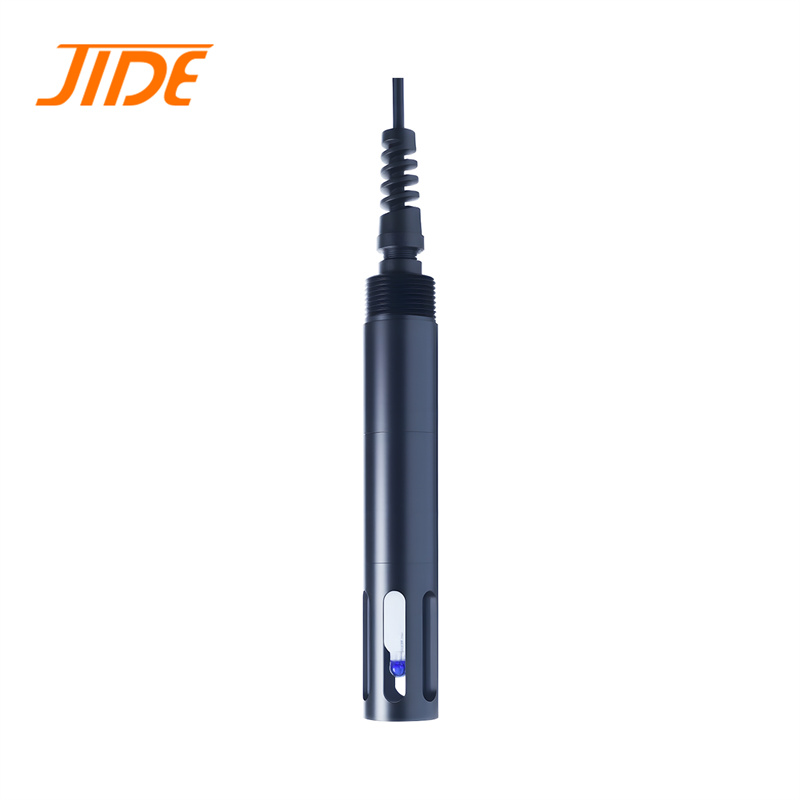
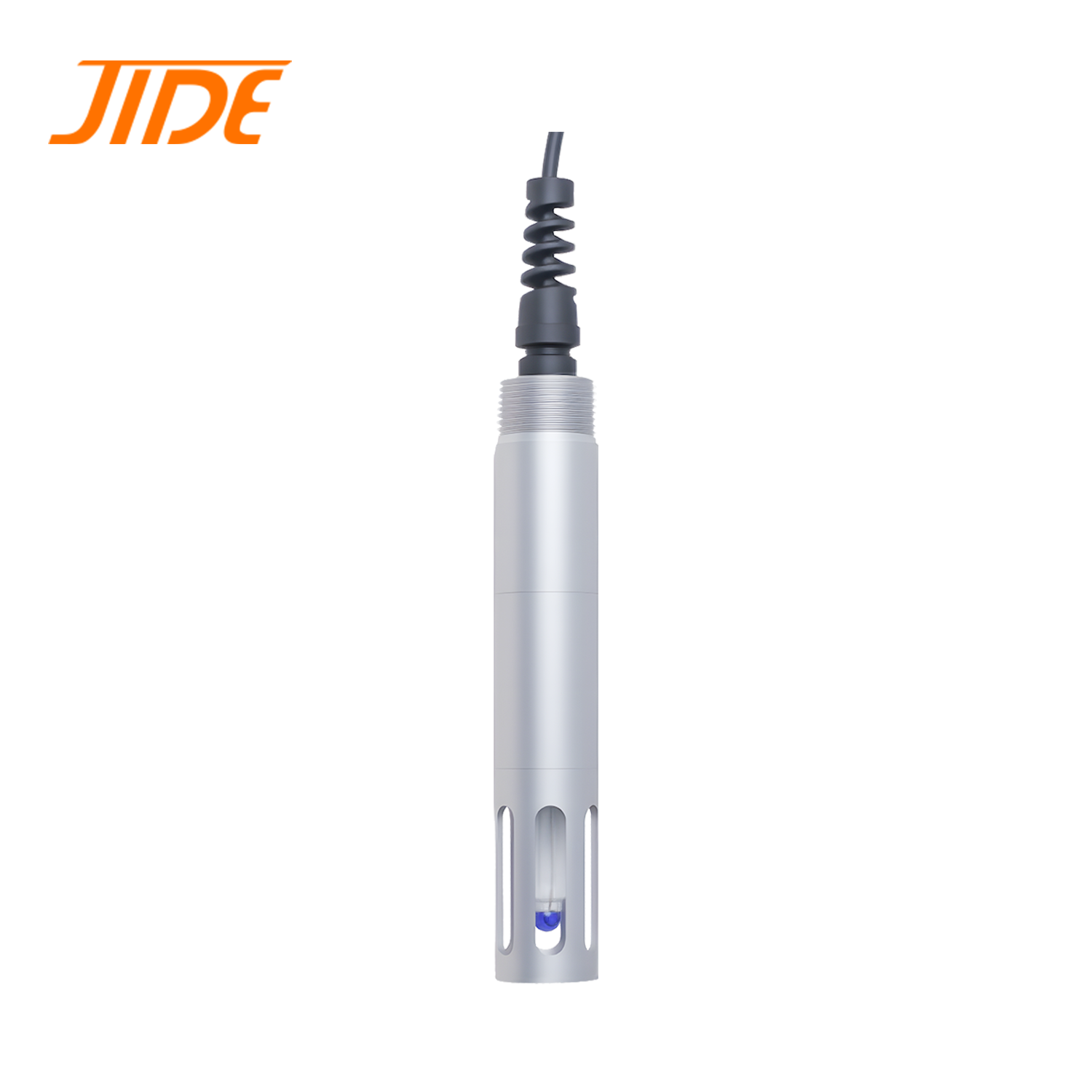
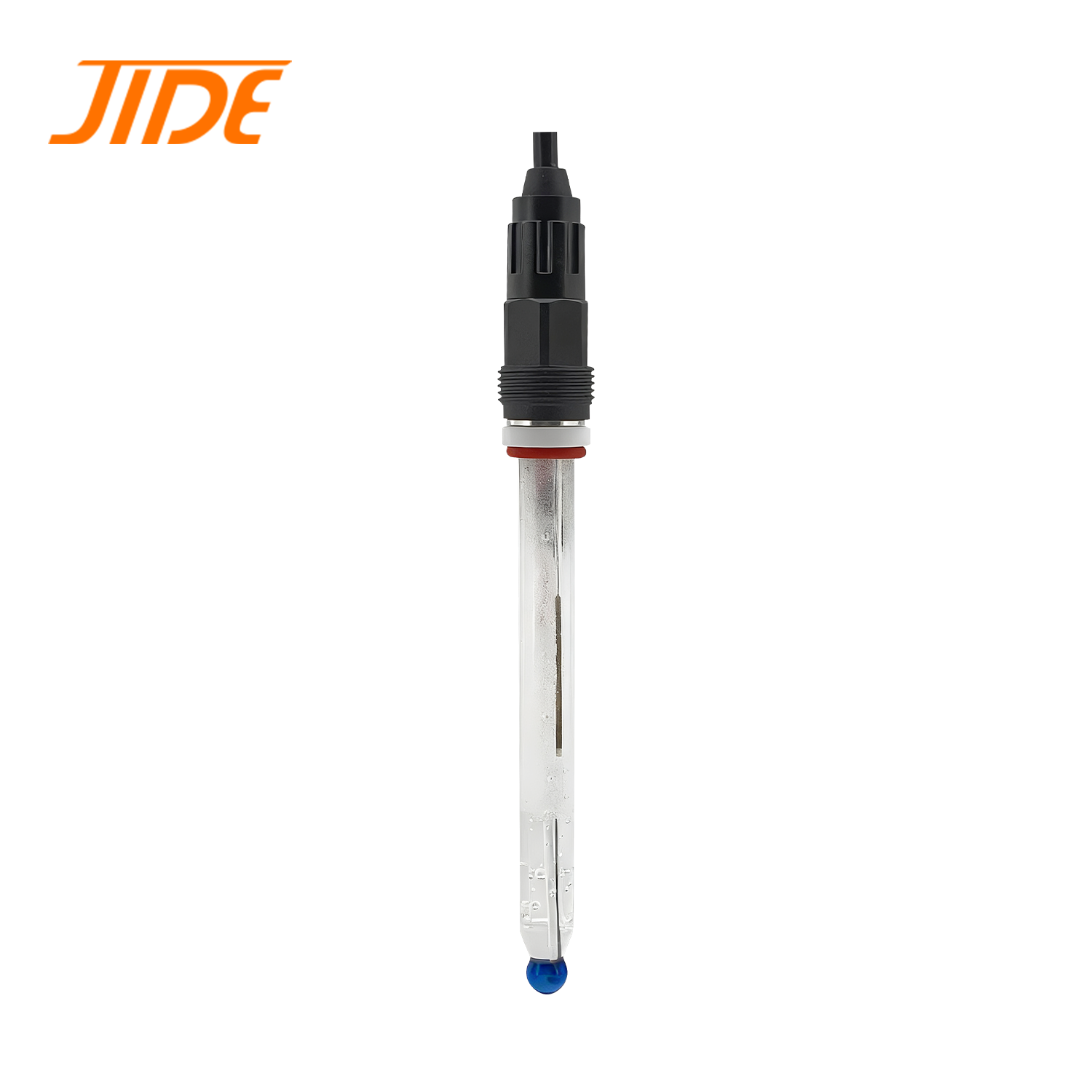
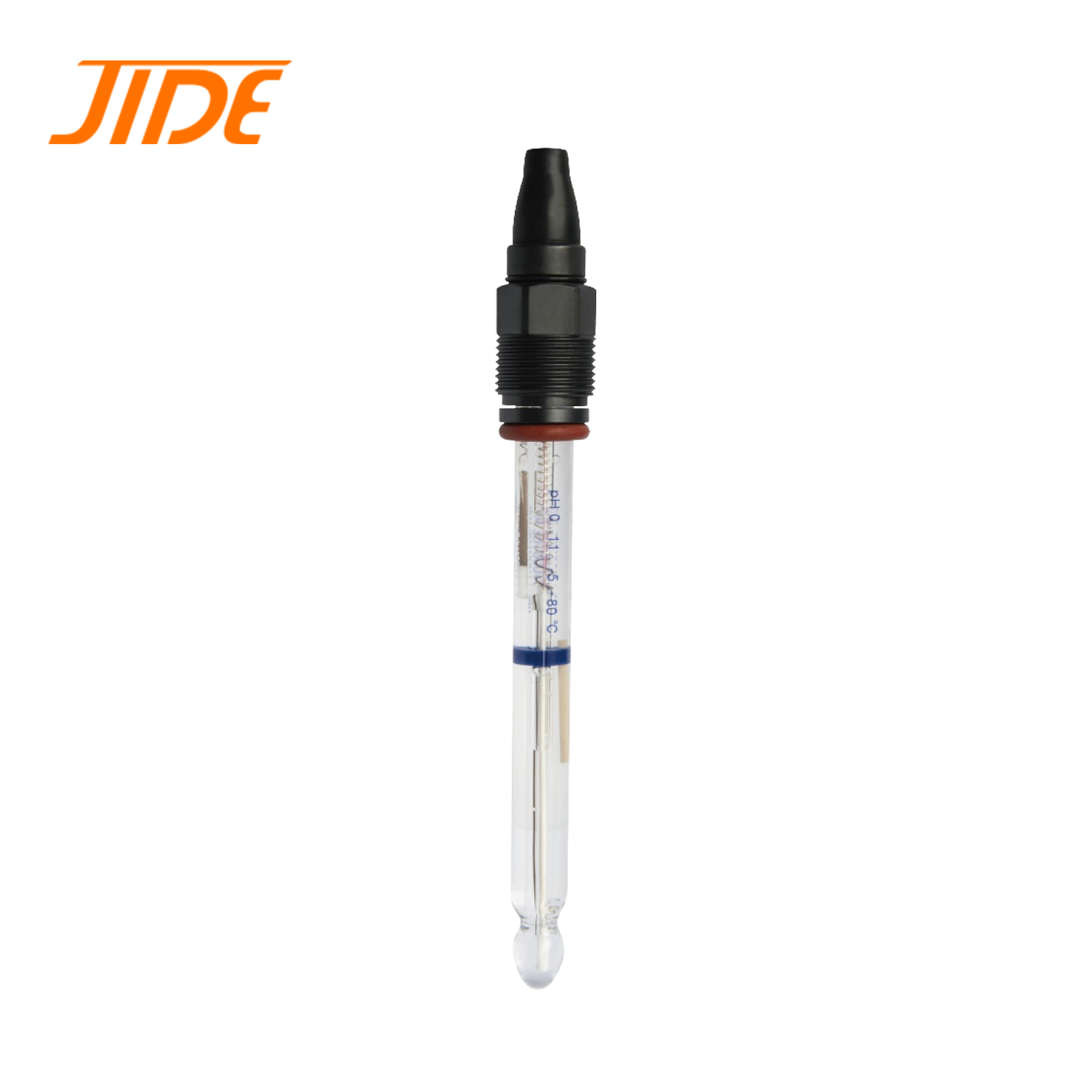
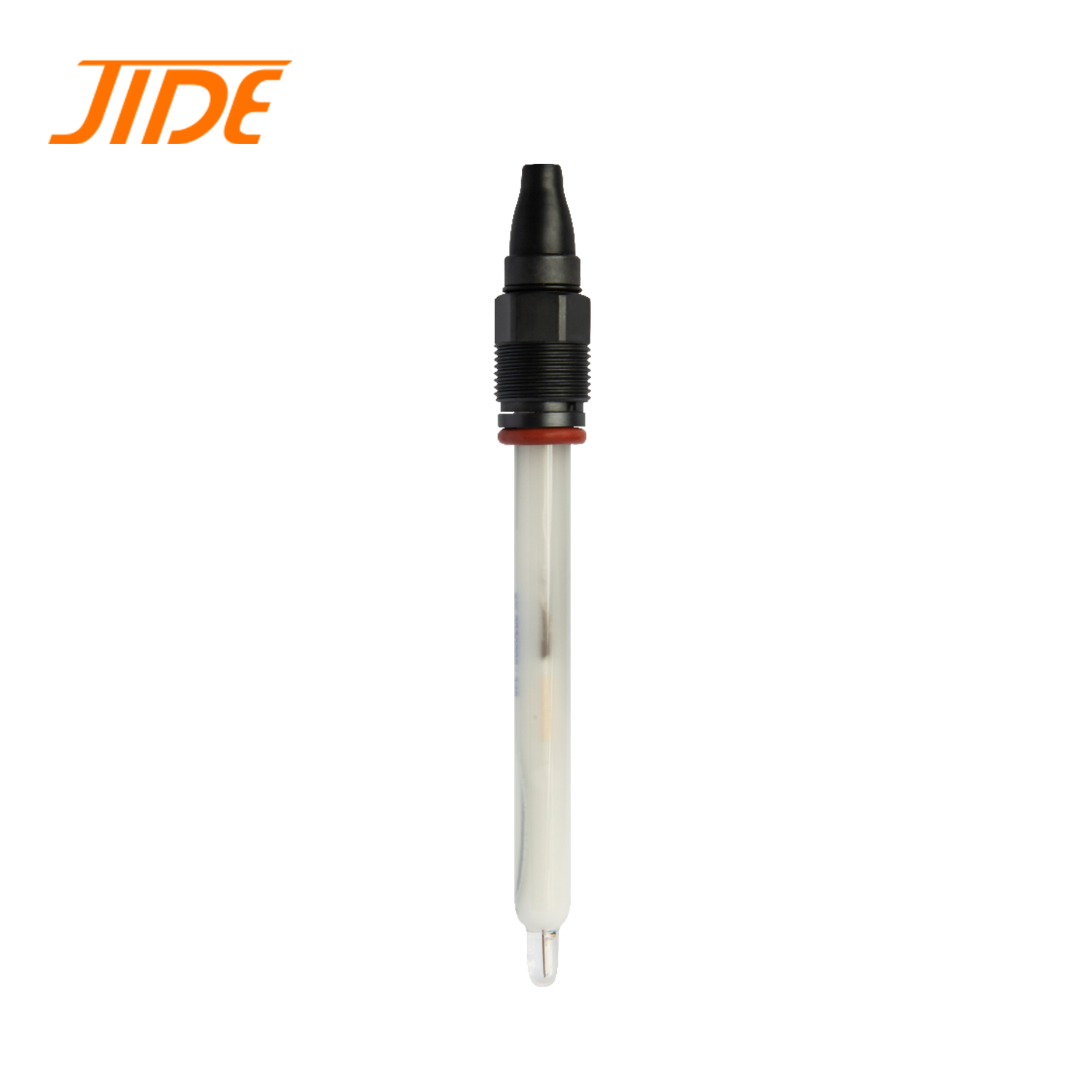
A combination pH sensor is a handy tool that helps measure how acidic or basic a liquid is. These sensors are important in many industries, including food, water treatment, and pharmaceuticals. JIDE makes high-quality combination pH sensors that provide accurate readings. This is useful for businesses that need to keep their products safe and effective. By using these ph sensors, companies can ensure their processes run smoothly. They can also save time and money by getting quick and reliable results.
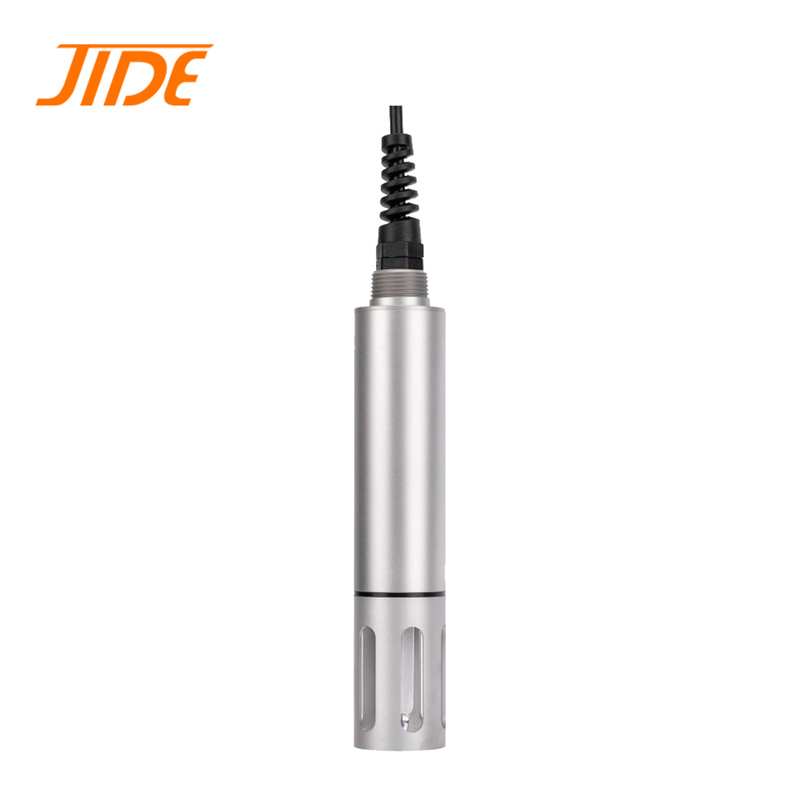
Real-Time Online Water Quality Monitoring System Overview
Water is essential for life, and knowing how clean it is makes a big difference. That’s where JIDE comes in. We create systems that check water quality in real-time. This means we can see what’s happening to the water right now, not just later. It he...
View More