Glass Electrode pH Sensor for Accurate Measurement

All Categories

Glass electrode ph sensor

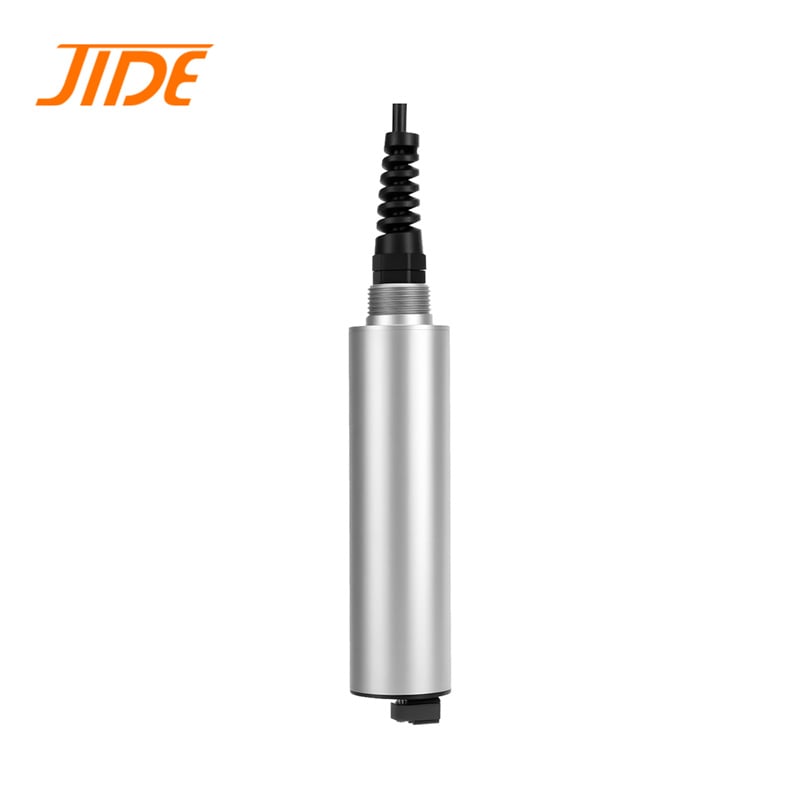
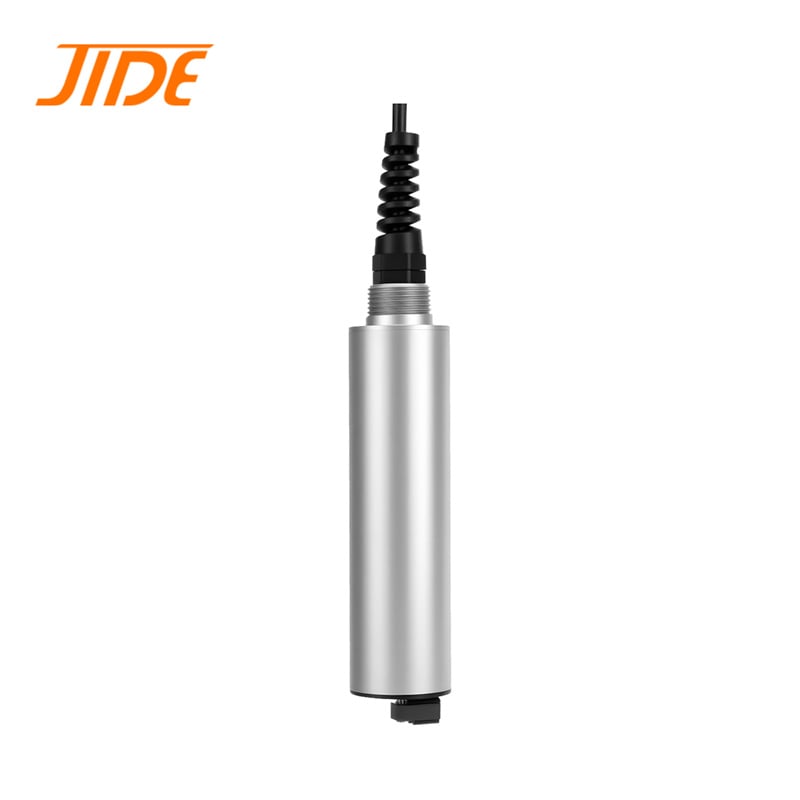
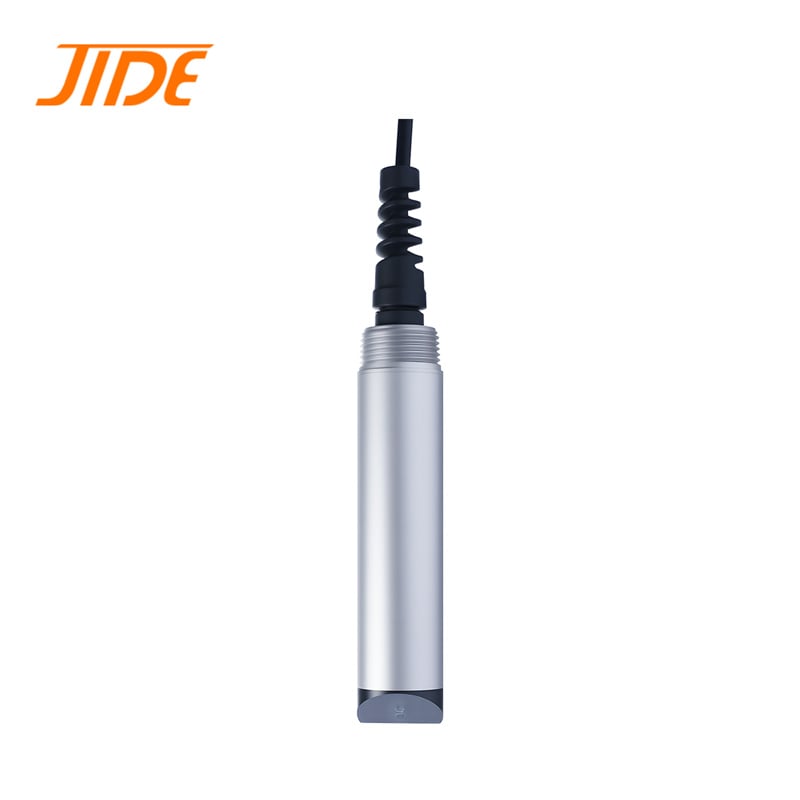
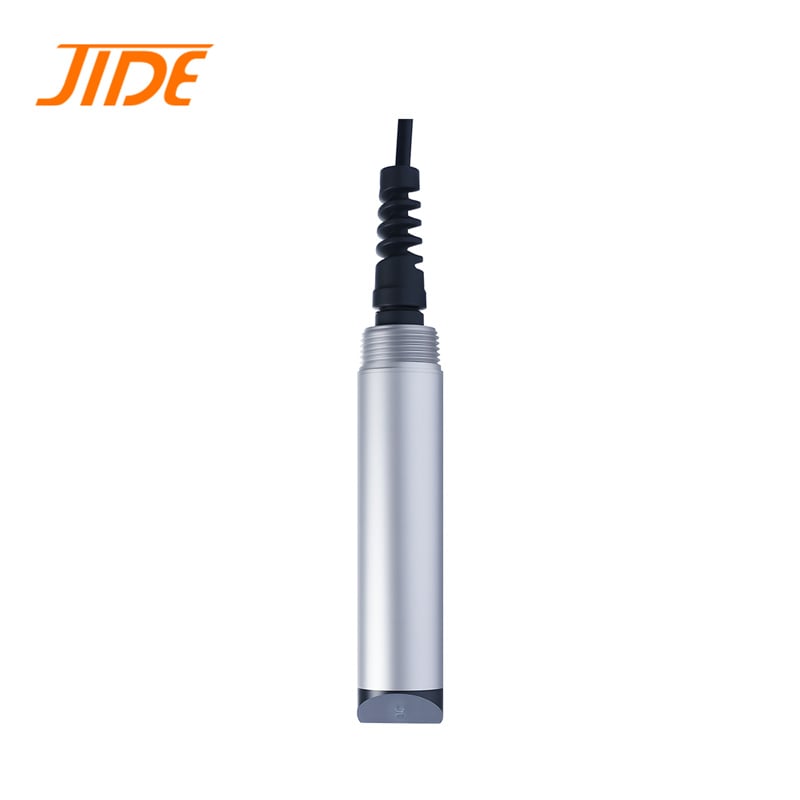
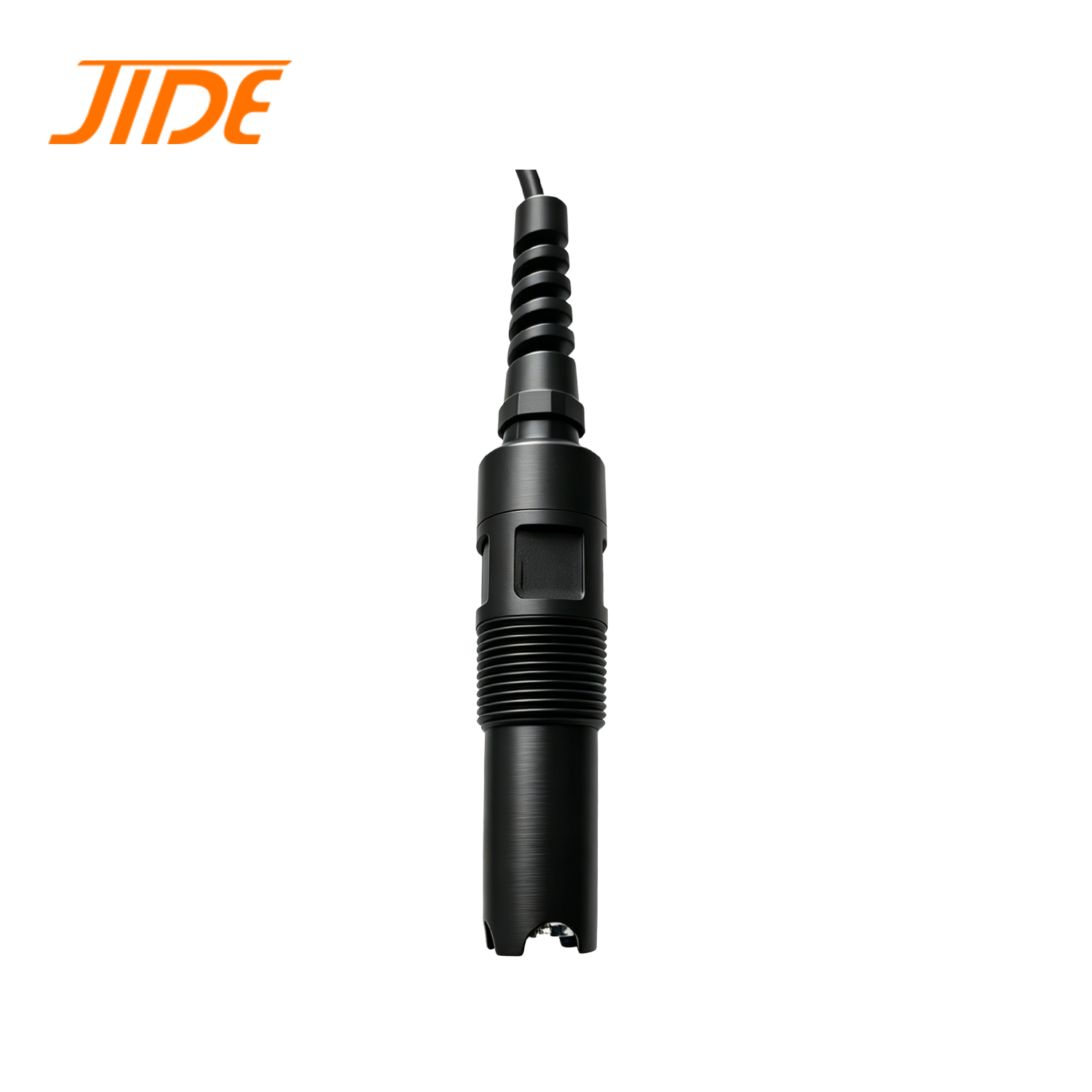
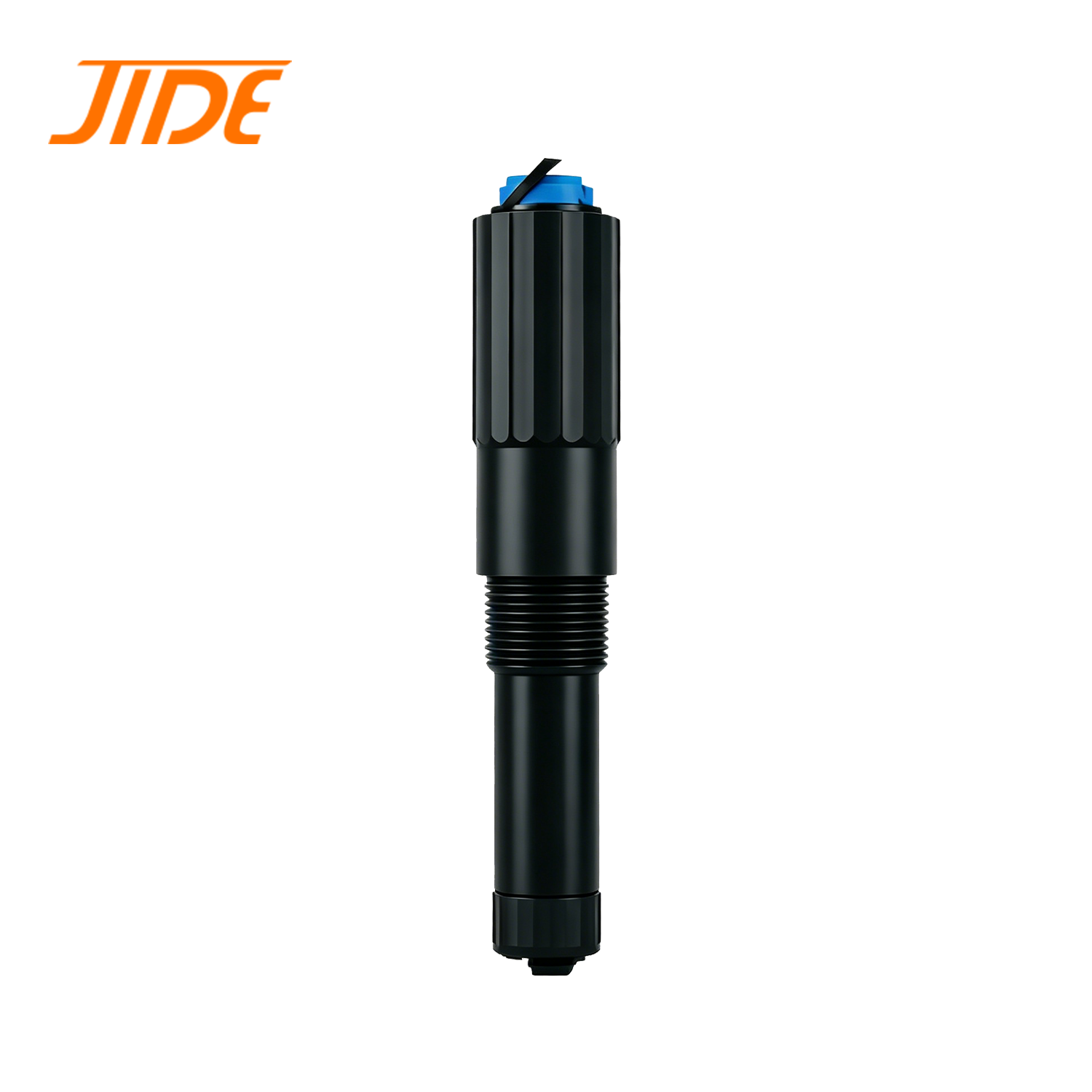
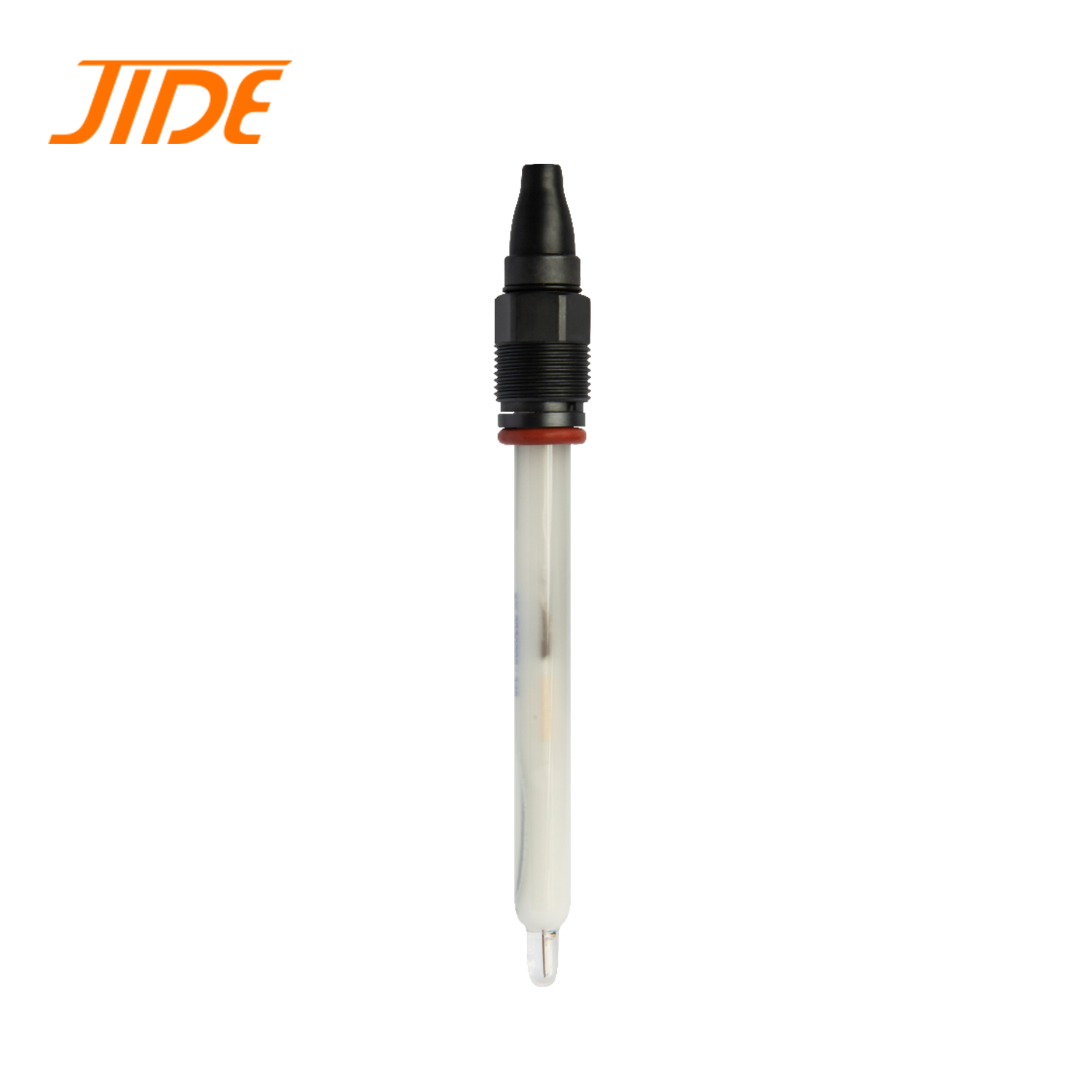
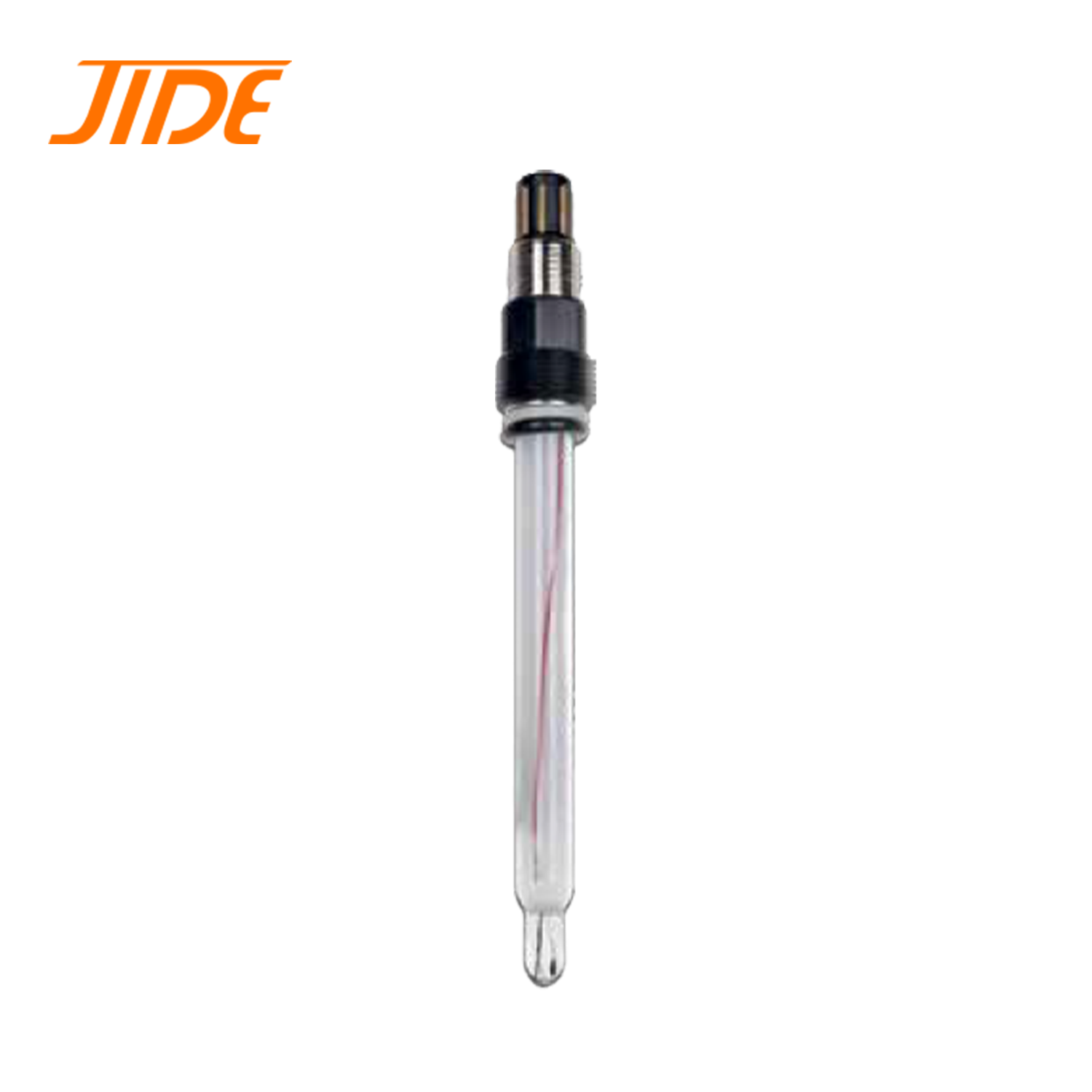
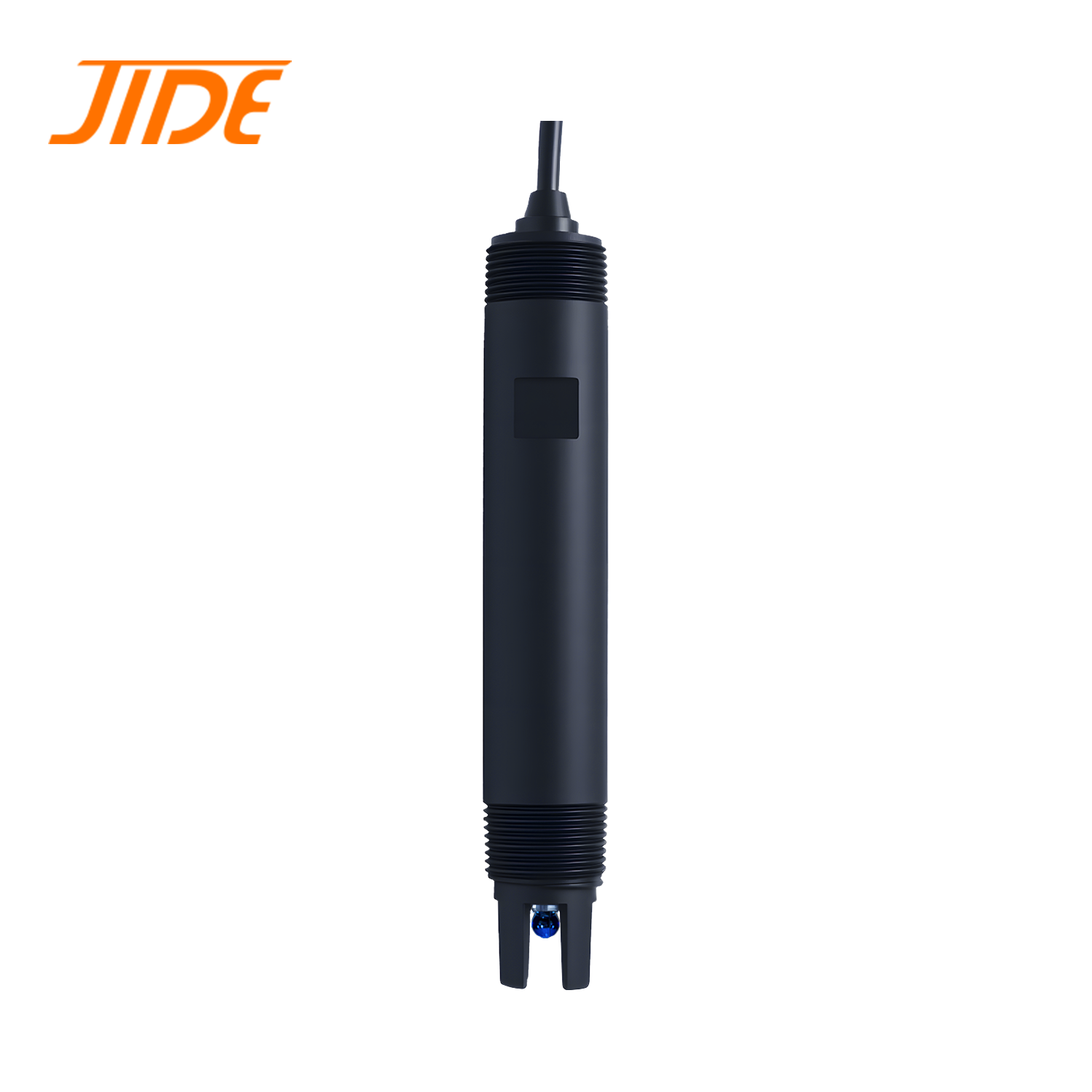
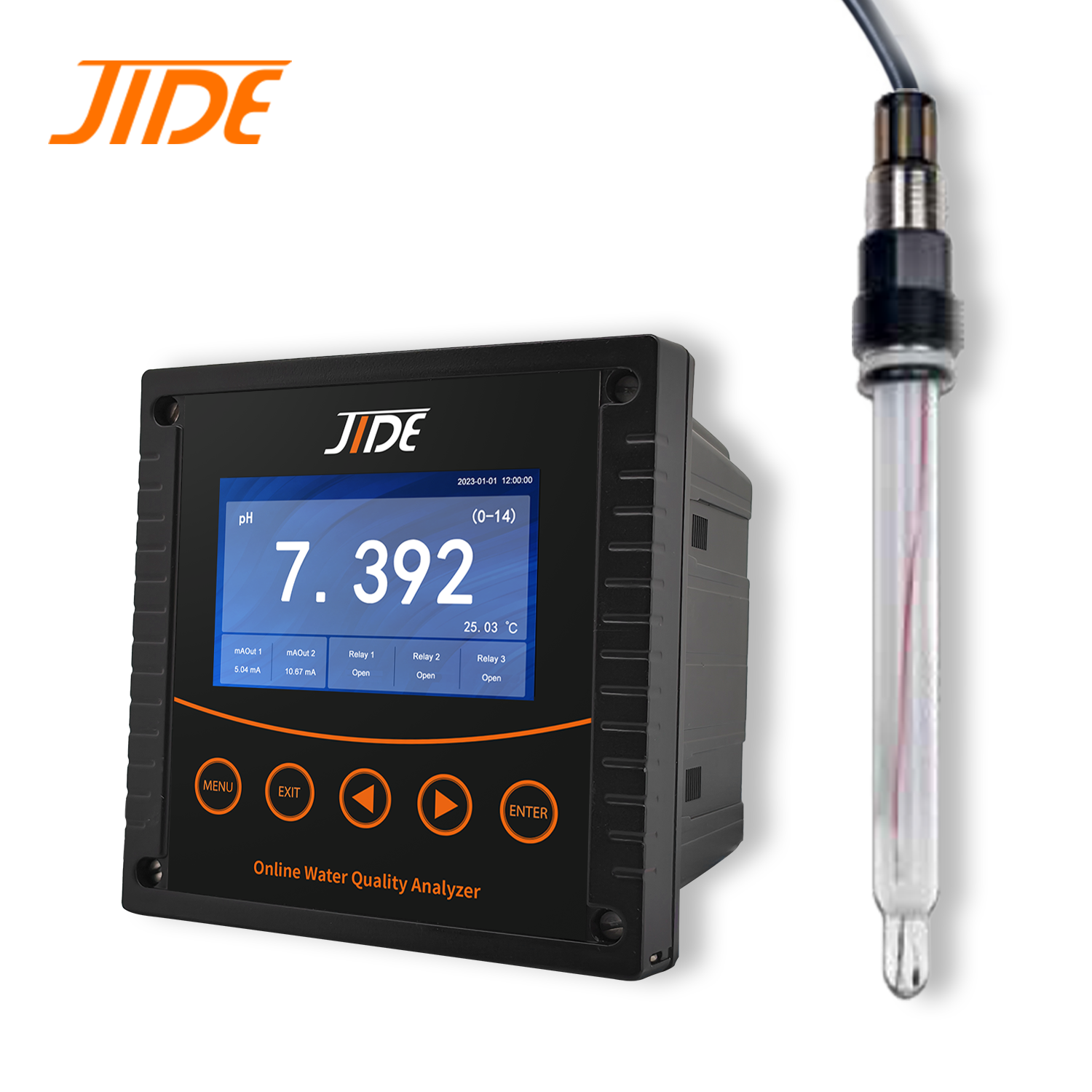
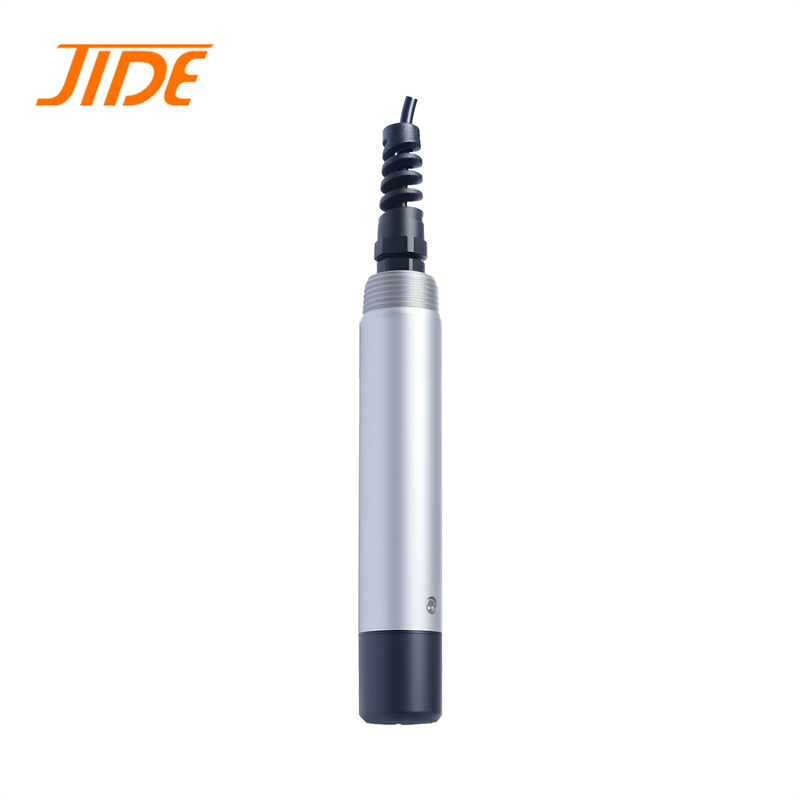
A glass electrode pH sensor is a special tool that helps measure how acidic or basic a liquid is. It uses a glass bulb that reacts to the presence of hydrogen ions in the liquid. This kind of sensor is important in many fields, like science, food production, and even swimming pools. At JIDE, we make these sensors with high quality to ensure they work well and give accurate results. Knowing the pH level of a liquid can help people make better choices, whether they are testing soil for plants, checking the water in a pool, or making sure food is safe to eat

Using glass electrode pH sensors has many benefits that make them popular. First, they are very precise. This means they can give you a very exact number for the pH level. For example, if you are growing plants, knowing the exact pH of the soil can help you know what nutrients to add. This helps plants grow better. Also, glass electrode sensors can work with different kinds of liquids. They can test water, juice, and even some chemicals. This makes them very useful in different jobs. Another benefit is that they are durable. While they do need some care, they can last a long time if used properly. This means less money spent on replacements. Plus, glass electrodes respond quickly to changes in pH levels. If you pour a little lemon juice into water, the sensor can show the change almost immediately. This helps workers and scientists see how things change in real time. Lastly, they are simple to use. You can just dip the sensor into the liquid and read the pH level on a screen. This ease of use makes them great for schools and labs. At JIDE, we focus on making these sensors easy for anyone to understand and use.
Our Products

What Are the Key Benefits of Using Glass Electrode pH Sensors for Accurate Measurement?

Even though glass electrode pH sensors are great, there are some common problems users might face. One issue is that they can break easily. The glass part is fragile, so if you drop it, it might shatter. This can be a big problem, especially in busy places like labs or factories. Another problem is that the sensors need to be kept clean. If they get dirty or covered in chemicals, they can give wrong readings. Users must follow cleaning instructions carefully to keep the sensors in good shape. Sometimes, the readings might drift over time. This means that after using the sensor for a while, it might not give the right pH level anymore. Regular calibration is important to fix this. Calibration means adjusting the sensor to make sure it gives accurate results. Some people forget this step, leading to mistakes. Temperature can also affect readings. If the liquid is too hot or too cold, it might change how the sensor works. Users need to be aware of this and may need to wait for the liquid to reach room temperature before testing. Lastly, if the sensor is stored improperly, it can dry out, leading to poor performance. Users should always follow the storage guidelines to keep the sensor working well. JIDE emphasizes the importance of proper use and care for our sensors to help avoid these issues

Glass electrode pH sensors are very important tools used to check the acidity or alkalinity of water. When we talk about water quality testing, we mean checking if the water is clean and safe to use. JIDE’s glass electrode pH sensors help make this testing faster and more accurate. These sensors are made of a special glass that can sense tiny changes in pH levels. This is important because even a small change in pH can tell us a lot about the water. For example, if the pH is too low, it means the water is acidic, which can be harmful to fish and plants. If the pH is too high, the water is basic, which can also cause problems.

Frequently Asked Questions

What is the Glass Electrode pH Sensor used for?

It measures pH in industrial and environmental water applications, suitable for process control, wastewater, and lab monitoring where accurate aqueous acidity/alkalinity readings are required.
Features include a durable glass electrode, fast response, high accuracy, temperature compensation compatibility, and robust housing for industrial environments.
Mount per supplier instructions into a flow cell, immersion sleeve, or probe holder. Ensure proper orientation, secure connections, and avoid air pockets. Calibrate after installation.
Calibrate regularly depending on use—typically weekly to monthly. Clean the glass tip and reference junction periodically and replace the electrode if response slows or readings drift.
Designed for industrial water and wastewater conditions with standard temperature and pressure ranges. Avoid extreme chemical exposure beyond specified compatibility; consult product specs for limits.

Our Blog Posts

Real-Time Online Water Quality Monitoring System Overview

02

Jul

Real-Time Online Water Quality Monitoring System Overview

Water is essential for life, and knowing how clean it is makes a big difference. That’s where JIDE comes in. We create systems that check water quality in real-time. This means we can see what’s happening to the water right now, not just later. It he...
View More
Advanced Online Water Quality Monitoring Technology for Treatment Plants

05

Jul

Advanced Online Water Quality Monitoring Technology for Treatment Plants

Water is essential for life, but not all water is clean and safe. Treatment plants play a big role in cleaning water so that we can drink it and use it for different purposes. To ensure the water is safe, treatment plants need to monitor its quality ...
View More

Get a Free Quote

Our representative will contact you soon.
Email
Name
Company Name
Message
0/1000

Related product categories

What Common Usage Issues Can Occur with Glass Electrode pH Sensors?

What Common Usage Issues Can Occur with Glass Electrode pH Sensors?

Using JIDE’s glass electrode pH sensors, people can quickly get results. In the past, testing pH levels took a long time and required many steps. But with these sensors, you can dip them into the water and get a reading almost instantly. This saves time for scientists and workers who need to test a lot of water samples, like in lakes, rivers, or even swimming pools. Fast results mean that any problems can be fixed quickly. For example, if a pool’s water is too acidic, the pool manager can add chemicals right away to make the water safe for swimmers. Also, these sensors are very reliable. They can give accurate readings in different conditions, whether the water is hot or cold, which helps ensure that the water quality is always good.

How Glass Electrode pH Sensors Improve Efficiency in Water Quality Testing?

How Glass Electrode pH Sensors Improve Efficiency in Water Quality Testing?

In laboratories, scientists do a lot of experiments that require precise measurements. JIDE’s glass electrode pH sensors are essential for these tasks. They provide very accurate pH readings, which is crucial when mixing chemicals or testing solutions. If the pH is not right, the results of the experiments can be wrong or even dangerous. For example, when scientists create new medicines or study the effects of different substances, they need to know the exact pH levels. JIDE’s sensors help them get this information quickly and correctly.

How Do Glass Electrode pH Sensors Compare to Other pH Measurement Solutions?

How Do Glass Electrode pH Sensors Compare to Other pH Measurement Solutions?

Another reason these sensors are important in labs is that they are easy to use. Scientists can just insert the glass electrode into a liquid and get a reading. This is much simpler than older methods that required complicated setups. Because they are user-friendly, many people in the lab can use them without needing a lot of training. This allows more experiments to be done in less time, making the lab more efficient. Additionally, glass electrode pH sensors are sturdy and can be used in many types of liquids, including those that are very strong or corrosive. This makes them flexible tools for many different scientific fields, from biology to chemistry. Overall, JIDE’s glass electrode pH sensors play a vital role in laboratories, helping scientists to conduct their work safely and effectively.

Choose your global partner

Are you ready to consult with an engineer about your working conditions and specific needs?

Get a Quote

Get a Free Quote

Our representative will contact you soon.
Email
Name
Company Name
Message
0/1000