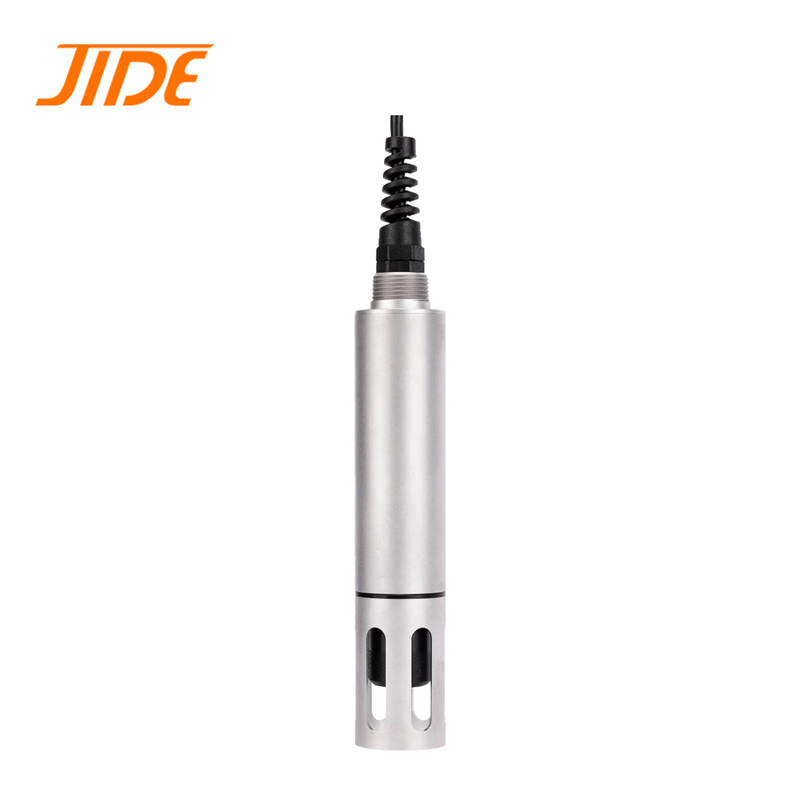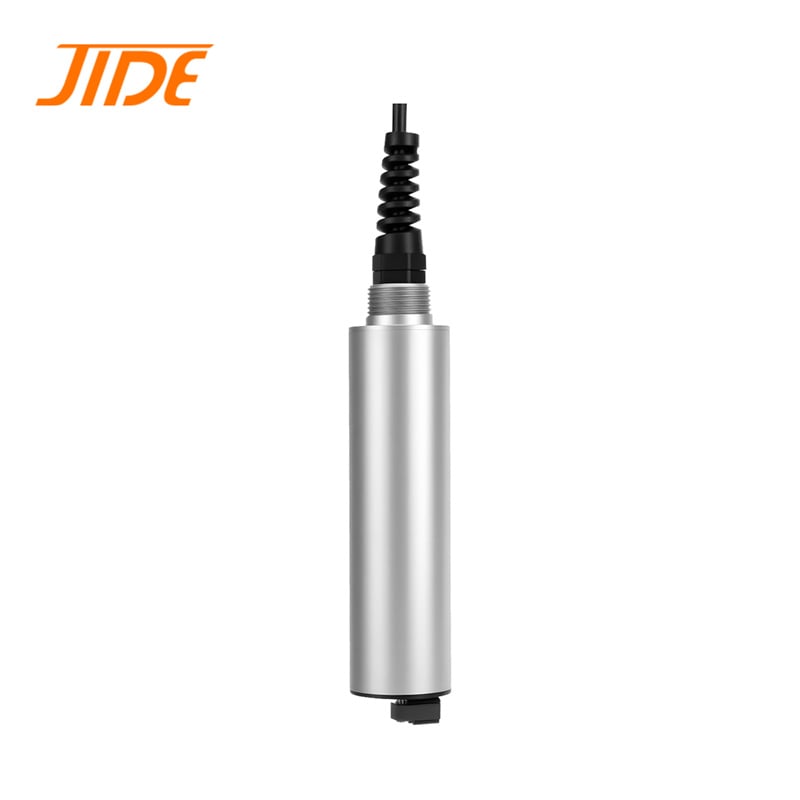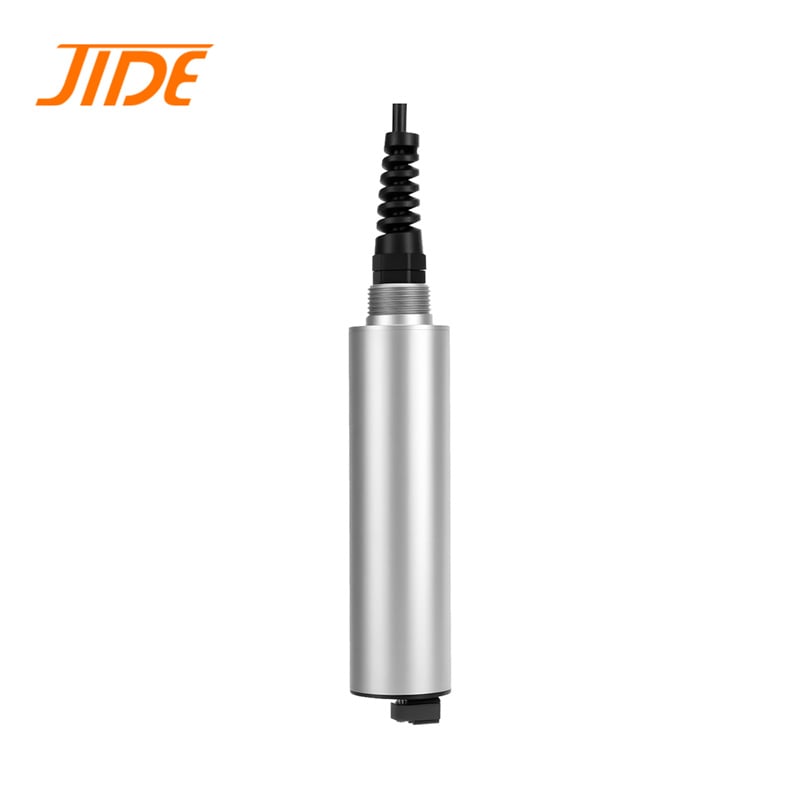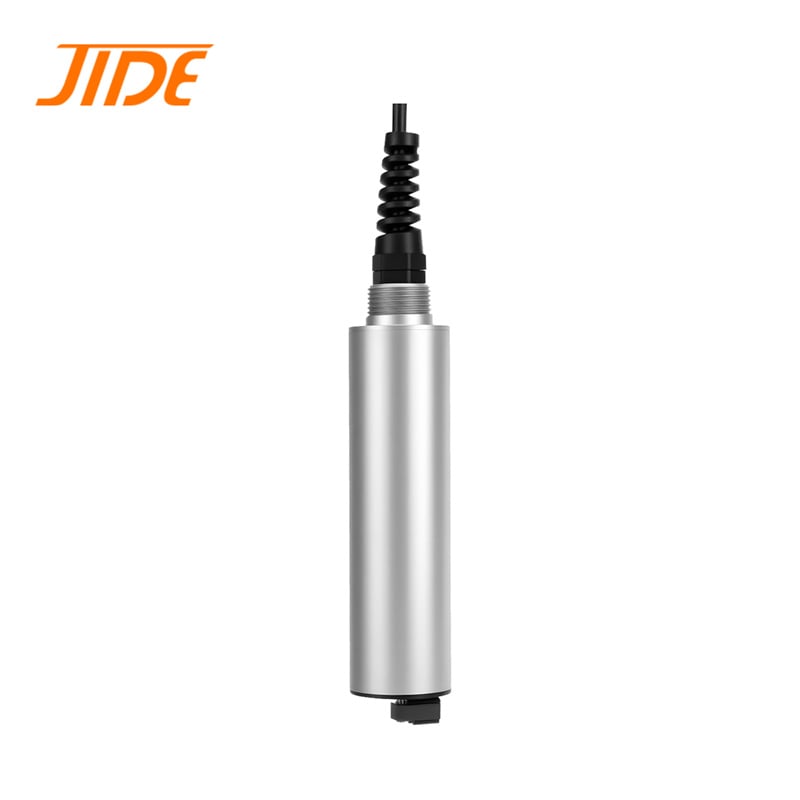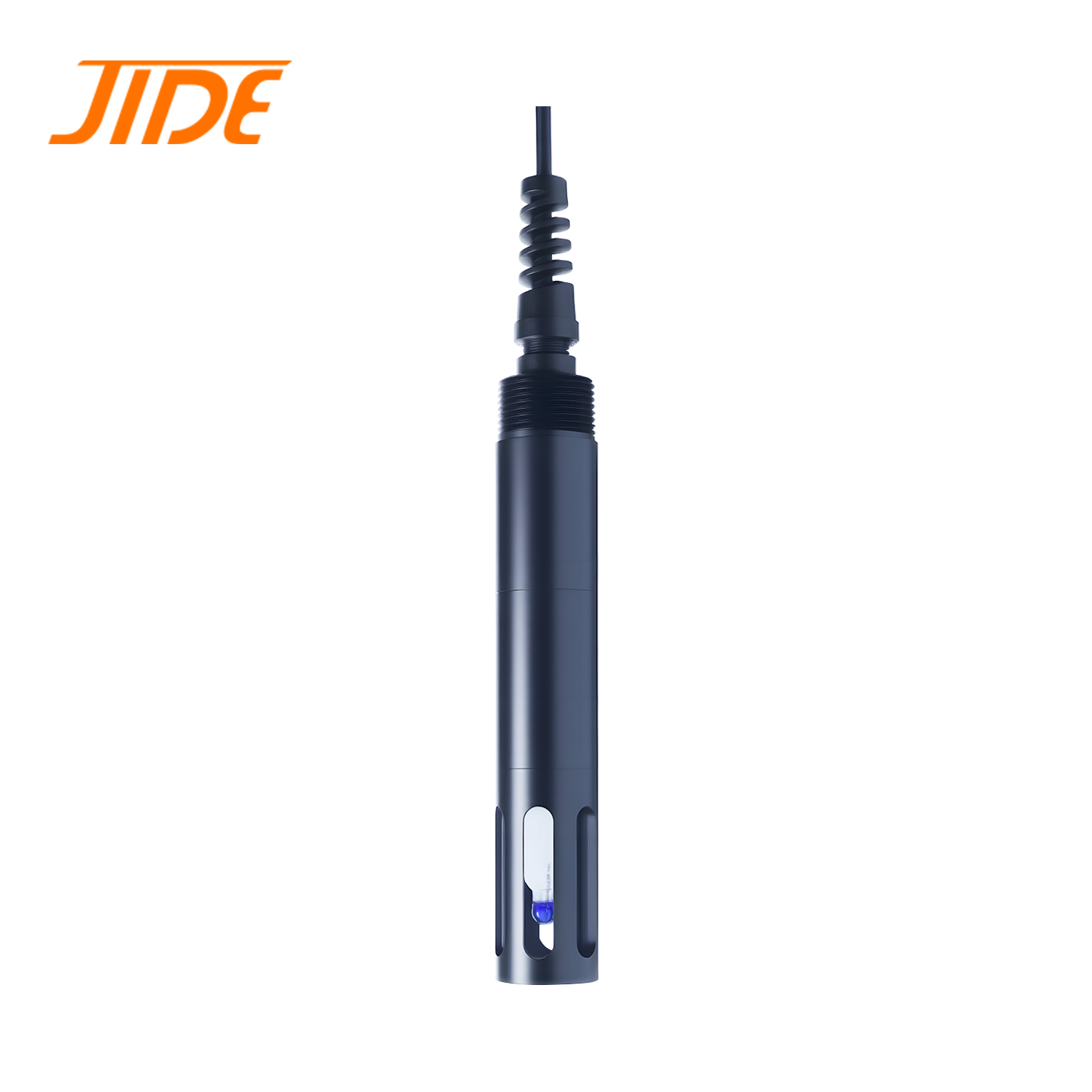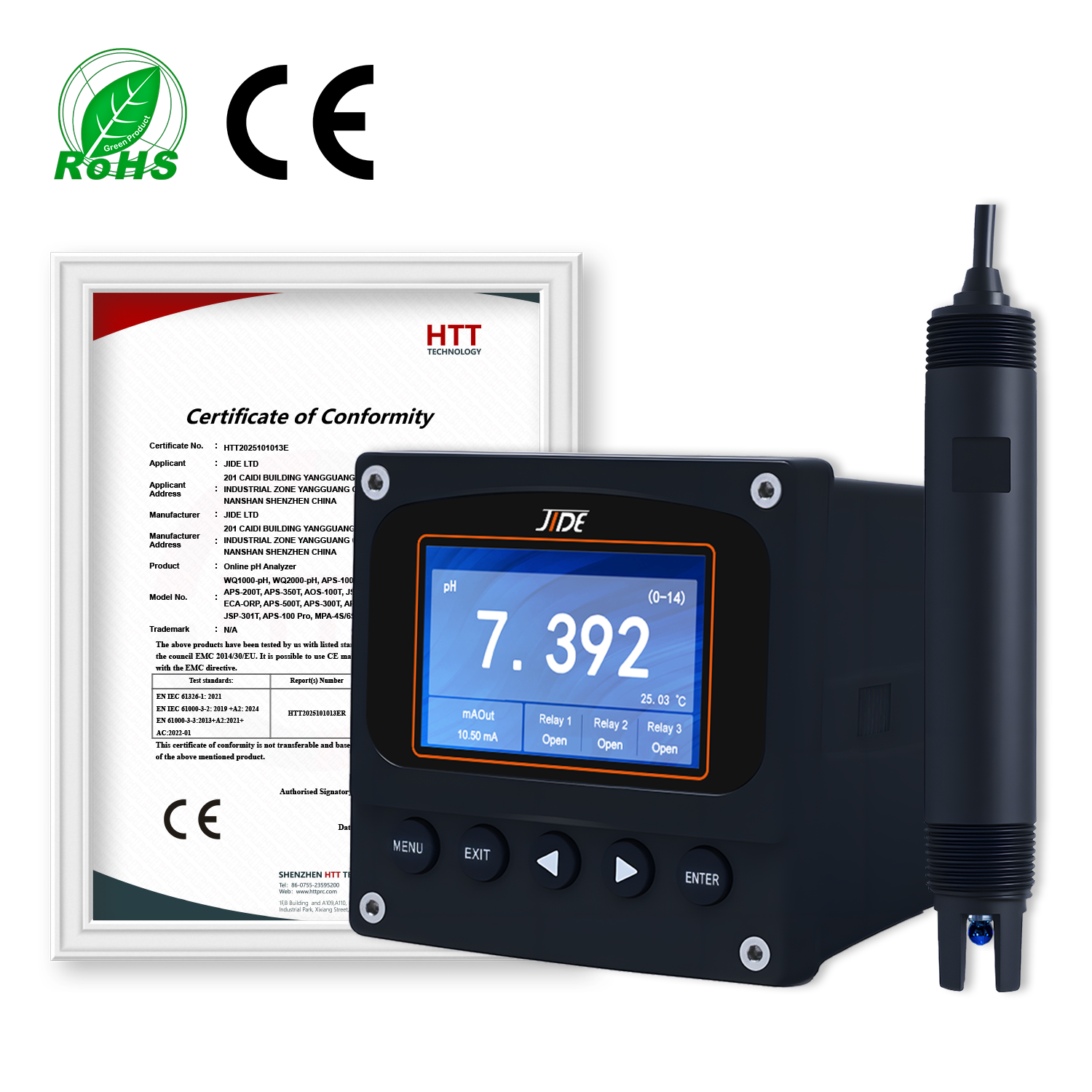
High-Quality pH Sensors for Industrial Use

All Categories

Ph sensor

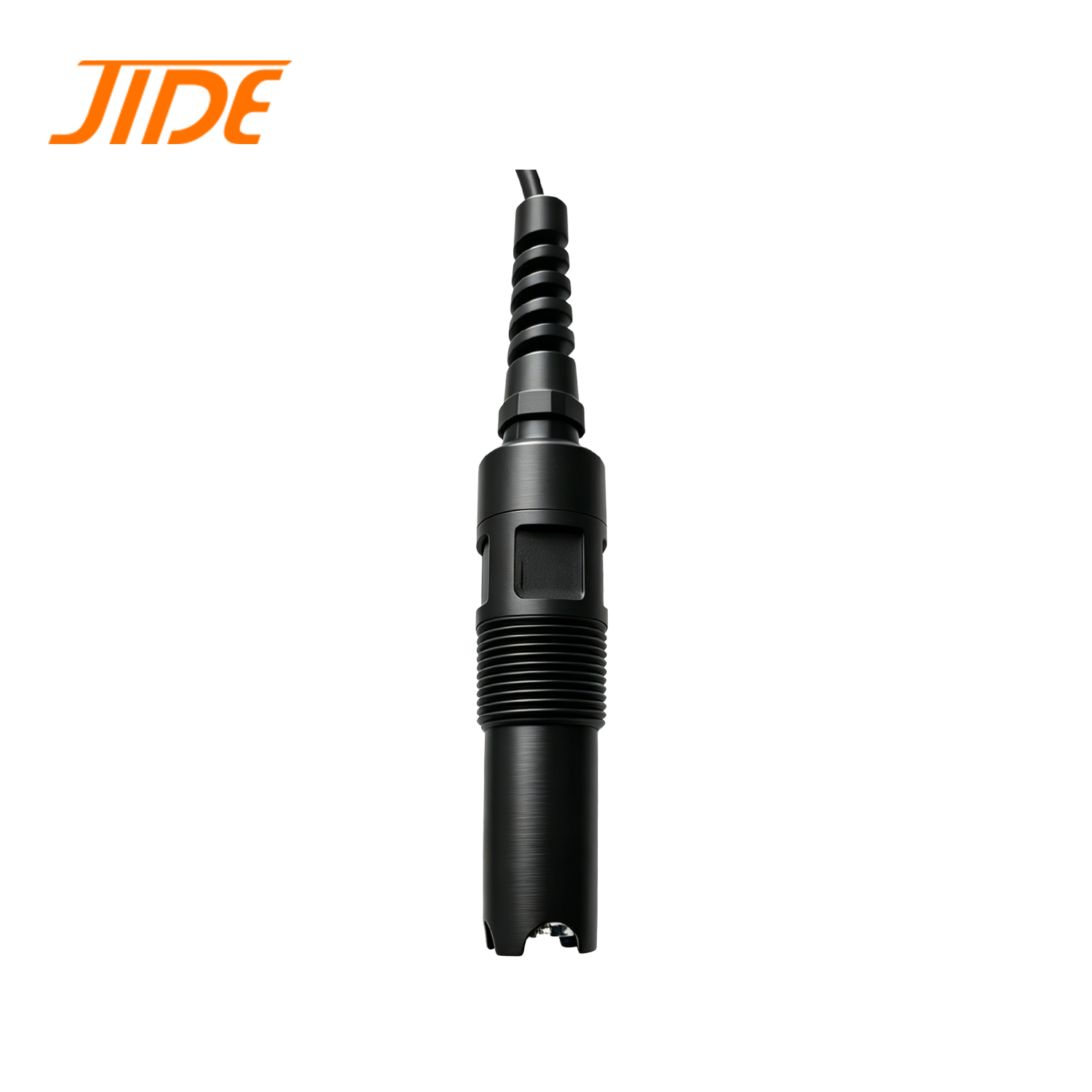
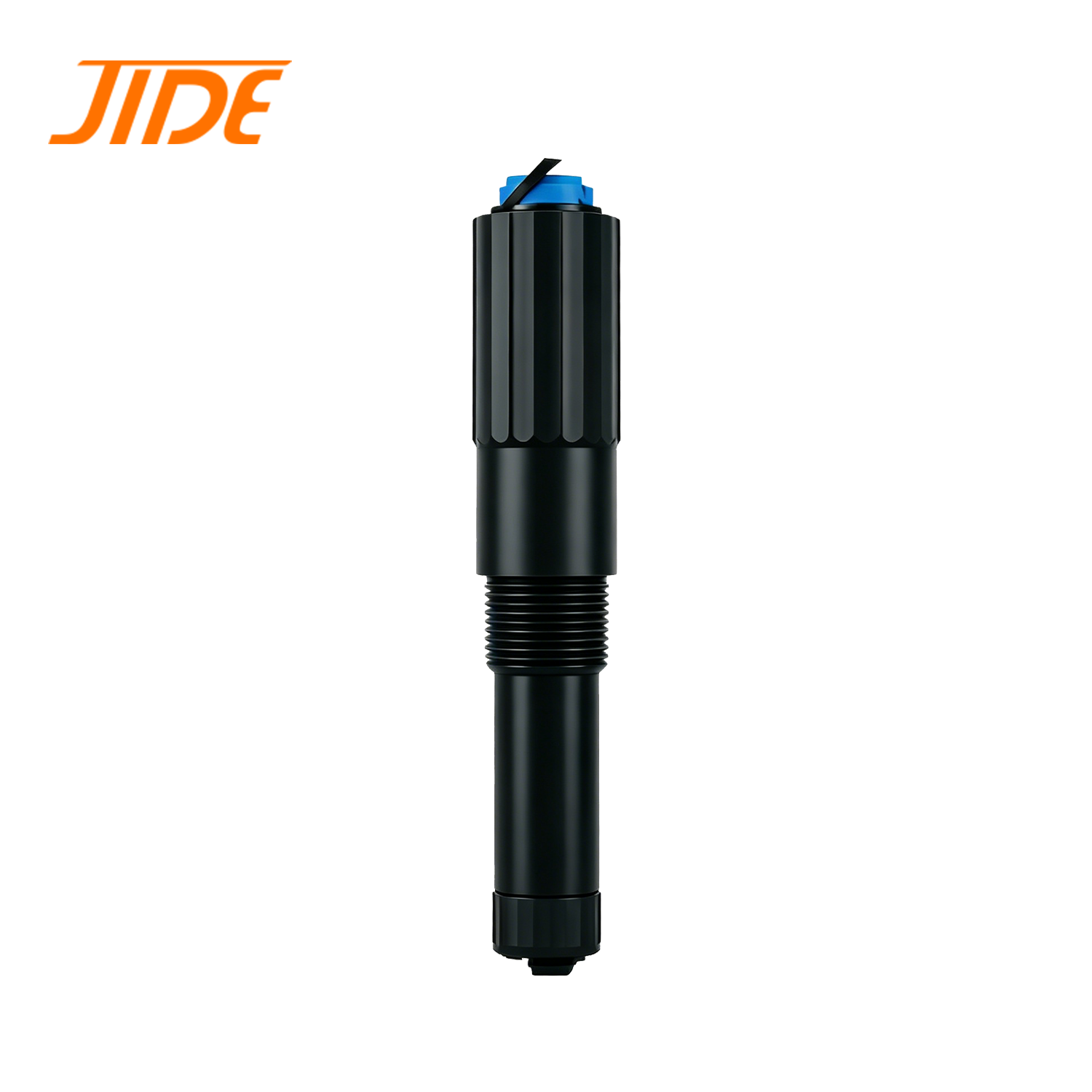
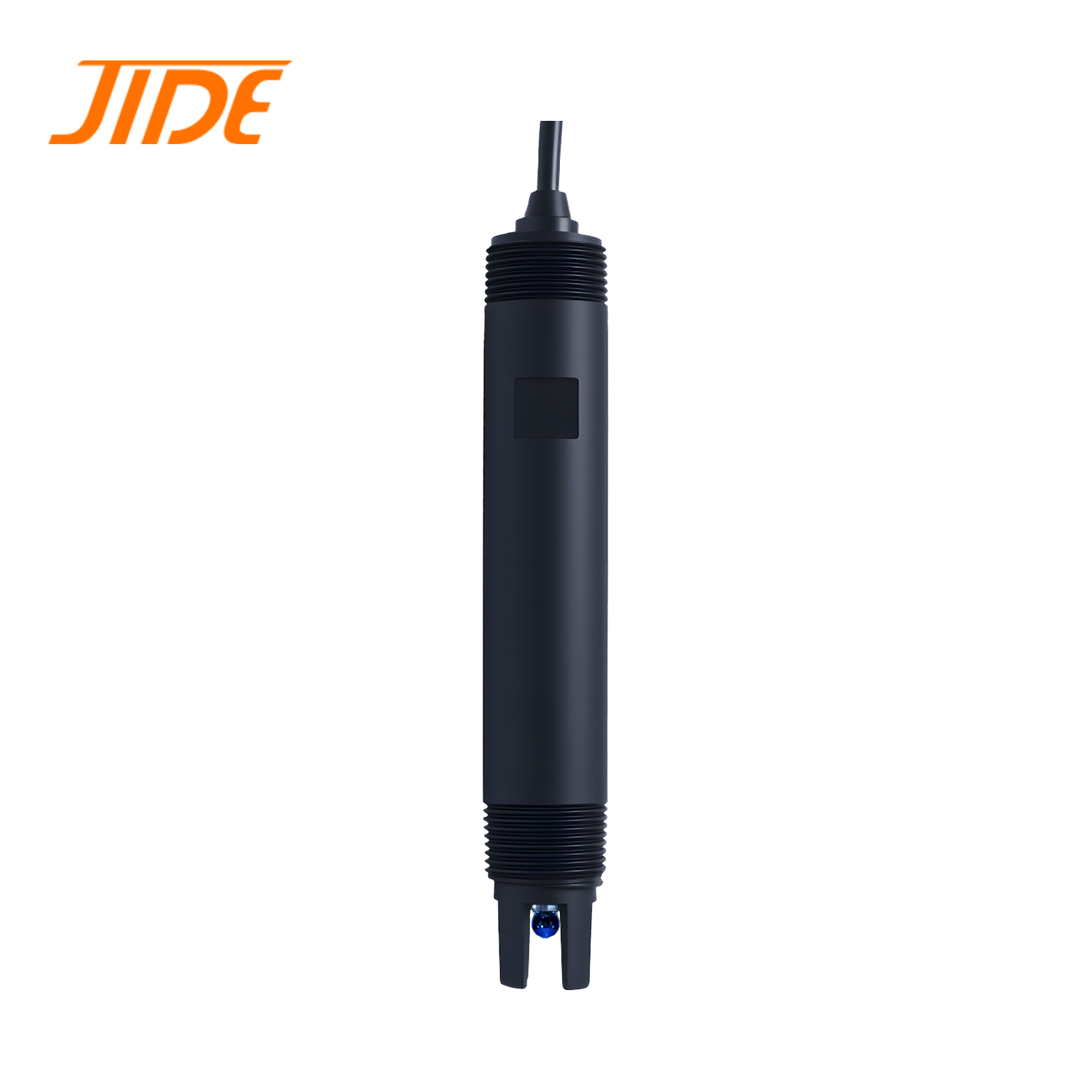
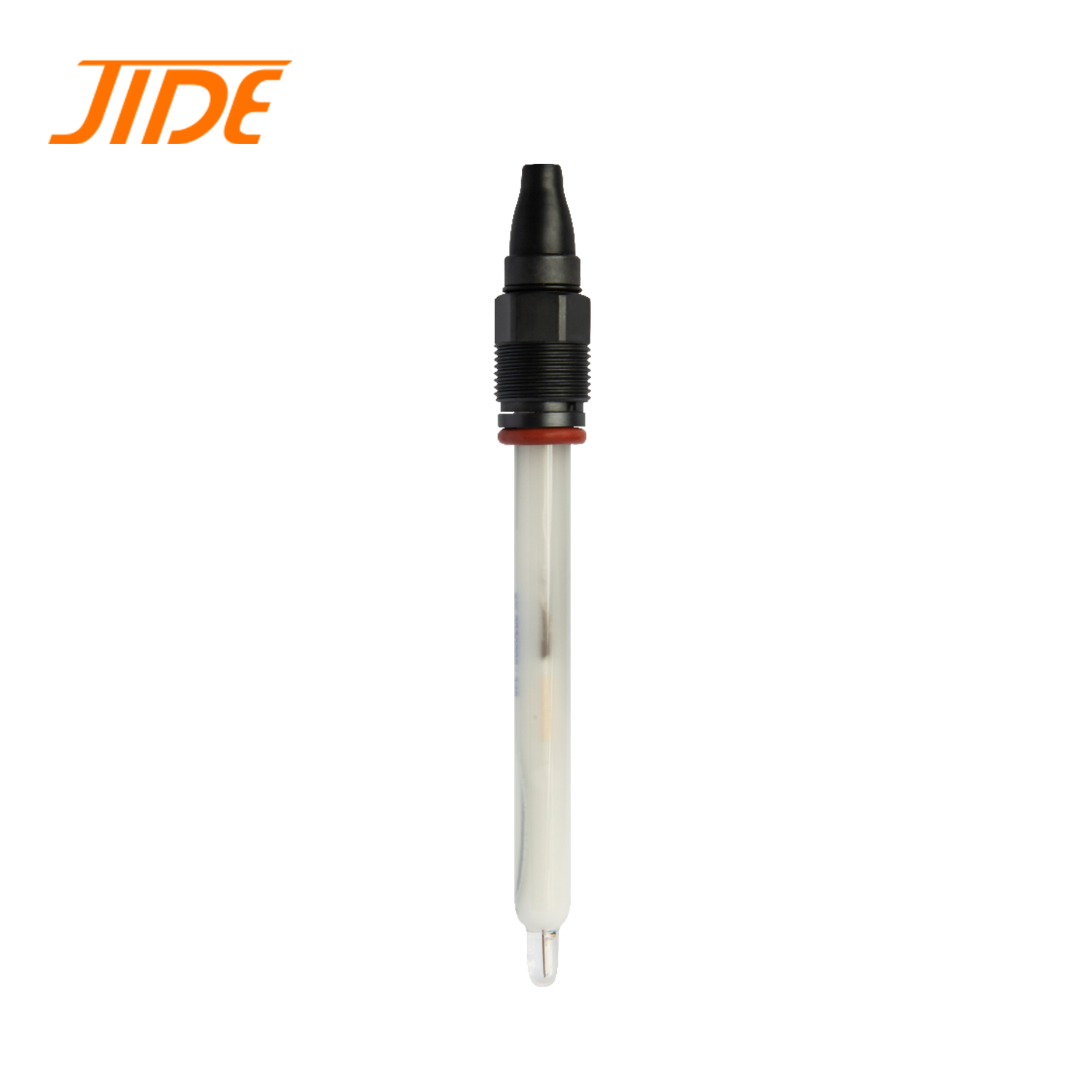
pH sensors are important tools that help us measure the acidity or alkalinity of liquids. These sensors tell us how much hydrogen ion concentration is in a solution. If a solution has a pH level less than 7, it is acidic, while a pH level above 7 means it is alkaline. A pH of 7 is neutral, like pure water. Knowing the pH level is crucial in many industries, such as agriculture, food and beverage, and environmental monitoring. JIDE manufactures high-quality pH Sensors & Controllers that are reliable and easy to use, making them a great choice for businesses that need precise measurements.
Our Products

What to Look for in High-Quality pH Sensors for Wholesale Purchase

When looking for high-quality pH sensors for wholesale purchase, there are several things to keep in mind. First, the accuracy of the sensor is very important. A good pH sensor should provide readings that are close to the actual pH of the solution being tested. You should also consider the sensor's response time. A fast response time means you can get results quickly, which is useful in busy environments. Additionally, durability matters pH Sensors & Controllers can be used in harsh conditions, so they need to be tough and able to withstand chemicals and extreme temperatures. The design also plays a role; some sensors are easier to use than others. Features like a clear display and simple controls can make a big difference. JIDE’s pH sensors are designed with users in mind, offering clear readings and robust construction. Finally, don’t forget about support and warranty options. A reliable company like JIDE should provide good customer service and a warranty to cover any issues that may arise.

Frequently Asked Questions

What applications suit this pH sensor?

Our pH sensor is designed for environmental monitoring, wastewater treatment, process control, and laboratory use in industrial settings requiring reliable water quality measurement.
Typical pH range is 0–14 with accuracy ±0.01–0.1 pH depending on model. Specific specs are provided per model to match process requirements.
Calibration uses standard buffer solutions (pH 4,7,10). Regular cleaning, recalibration and electrode storage in recommended solution ensure stable performance.
Constructed with industrial-grade electrodes and corrosion-resistant housings. Designed for harsh environments with in-house R&D and quality control for long-term reliability.
Yes. We offer installation guidance, documentation and technical support for integration with flowmeters and water quality monitors to ensure proper setup and operation.

Our Blog Posts

Real-Time Online Water Quality Monitoring System Overview

02

Jul

Real-Time Online Water Quality Monitoring System Overview

Water is essential for life, and knowing how clean it is makes a big difference. That’s where JIDE comes in. We create systems that check water quality in real-time. This means we can see what’s happening to the water right now, not just later. It he...
View More
Advanced Online Water Quality Monitoring Technology for Treatment Plants

05

Jul

Advanced Online Water Quality Monitoring Technology for Treatment Plants

Water is essential for life, but not all water is clean and safe. Treatment plants play a big role in cleaning water so that we can drink it and use it for different purposes. To ensure the water is safe, treatment plants need to monitor its quality ...
View More

Get a Free Quote

Our representative will contact you soon.
Email
Name
Company Name
Message
0/1000

Related product categories

How to Choose the Best pH Sensor for Your Business Needs

How to Choose the Best pH Sensor for Your Business Needs

Choosing the best pH sensor for your business needs can feel overwhelming, but it doesn’t have to be. Start by understanding what you need the sensor for. Different industries have different requirements. For example, if you’re in agriculture, you might need a sensor that works well in soil and water. If you are in food processing, a sensor that can handle various liquid types is important. Next, think about how often you will use the sensor. Some sensors are designed for frequent use, while others may be better for occasional testing. Budget is another important factor. High-quality COD Sensors can vary in price, so knowing how much you want to spend will help narrow your options. JIDE offers a range of pH sensors that cater to different budgets while maintaining quality. Lastly, always look for reviews or testimonials from other users. This can give you insight into how well the sensor performs and if it meets the needs of other businesses like yours. By taking these steps, you can find the right pH sensor to help your business succeed.

Where to Find Reliable Wholesale Suppliers of pH Sensors

Where to Find Reliable Wholesale Suppliers of pH Sensors

If you need pH sensors for your projects, finding a good supplier is very important. One place to look is online. Many websites sell pH sensors in bulk, which means you can buy a lot at once. This can save you money. You can search for "wholesale pH sensors" to find different suppliers. Another good option is to attend trade shows or science fairs. At these events, you can meet suppliers face to face. You can ask questions and see the pH sensors in person. A company like JIDE often attends these events, and they can show you their products and explain how they work. You can also check local electronics stores. Some of these stores might sell pH sensors in larger quantities. Make sure to read reviews about the suppliers you are considering. Good reviews mean other customers were happy with their products. It’s also smart to ask your friends or teachers if they know where to buy pH sensors. They might have suggestions for reliable suppliers. Finally, don’t forget to compare prices. Different suppliers can charge different amounts for the same product, so look for the best deal. By doing your research and exploring different options, you can find a trustworthy supplier for your pH sensors.

Common Usage Issues with pH Sensors and How to Overcome Them

Common Usage Issues with pH Sensors and How to Overcome Them

Using pH sensors can sometimes be tricky. One common problem is that they can get dirty or clogged. When this happens, the sensor might not give accurate readings. To fix this, you should clean the sensor regularly. You can use a soft cloth or a special cleaning solution designed for pH sensors. Another issue is that pH sensors can break if they are not handled carefully. It’s important to store them properly when you’re not using them. Keep them in a safe place where they won’t get knocked over or dropped. People also sometimes forget to calibrate their pH sensors. Calibration is when you adjust the sensor to make sure it gives the right readings. You should calibrate your pH sensor before each use. This can help you get the most accurate results. If you notice that the readings seem off, it could be because the sensor needs to be recalibrated. Sometimes, pH sensors can also be affected by temperature. If the water or liquid you are testing is too hot or too cold, the readings might not be correct. To solve this, try to test your samples at room temperature. If you follow these tips, you can avoid many common problems with pH sensors. JIDE also offers helpful guides and tips on how to use their sensors correctly, so it’s a good idea to check their resources for more information.

Choose your global partner

Are you ready to consult with an engineer about your working conditions and specific needs?

Get a Quote

Get a Free Quote

Our representative will contact you soon.
Email
Name
Company Name
Message
0/1000