Top Conductivity Level Sensors for Industrial Use

All Categories

Conductivity level sensor

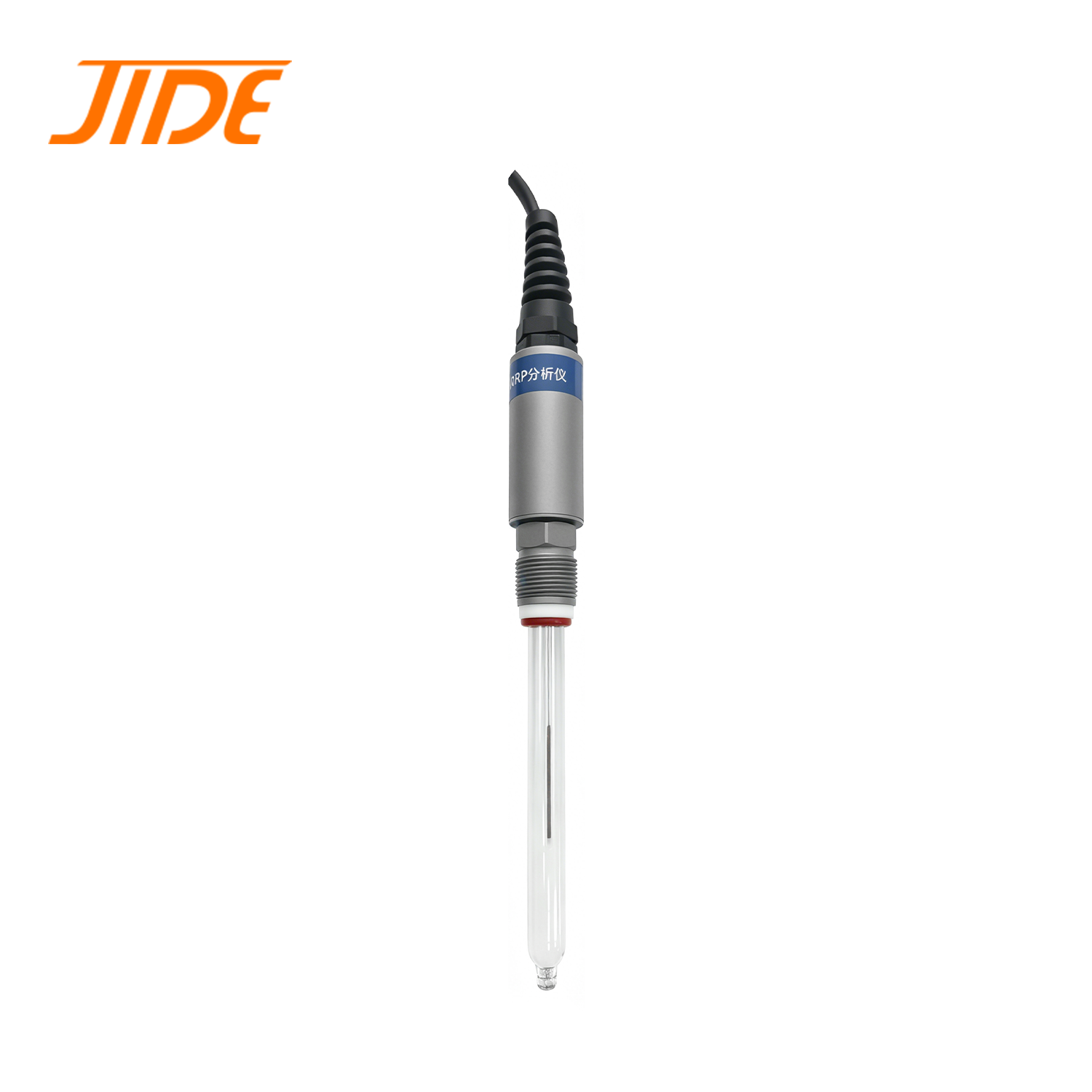
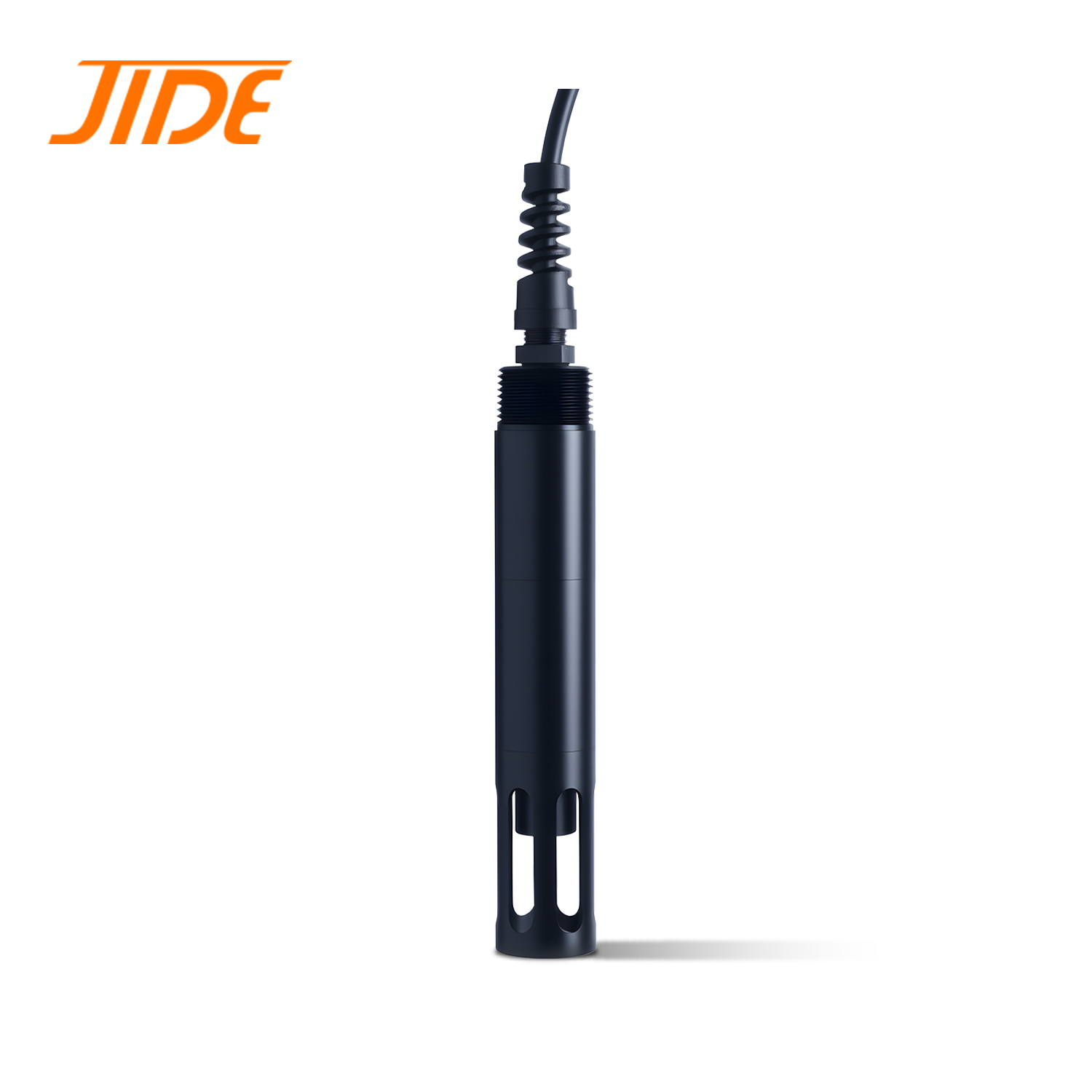
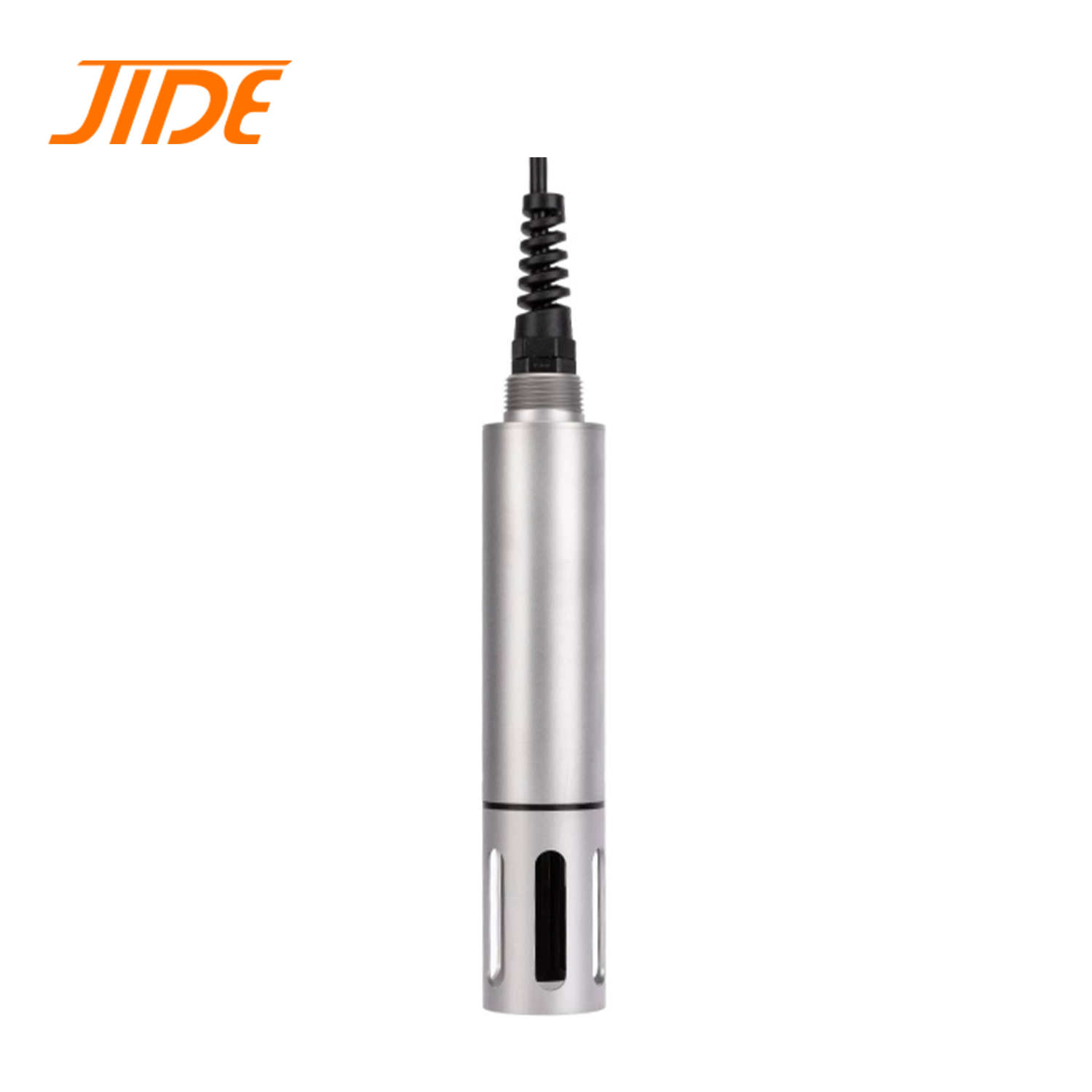
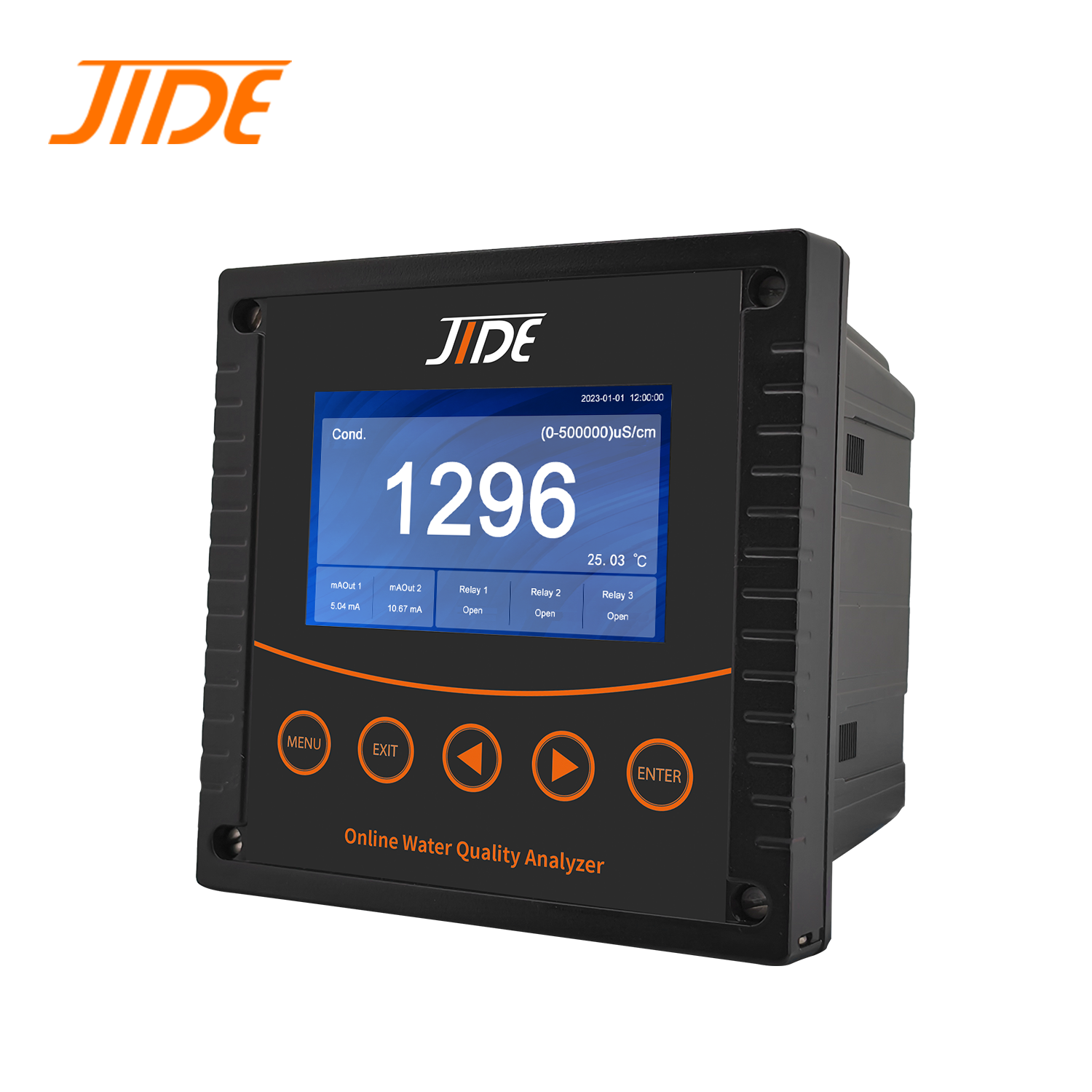
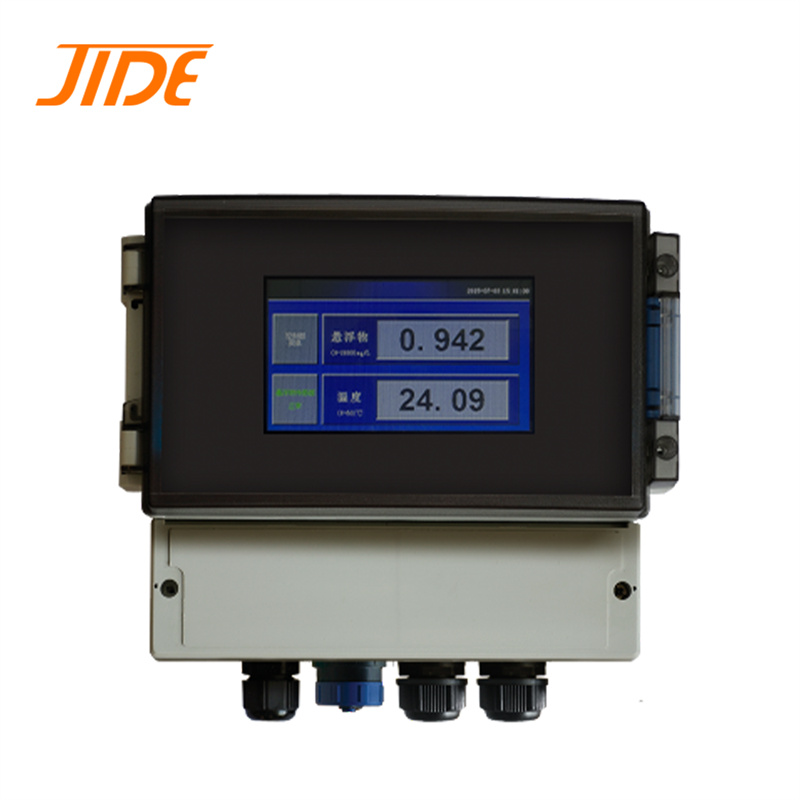
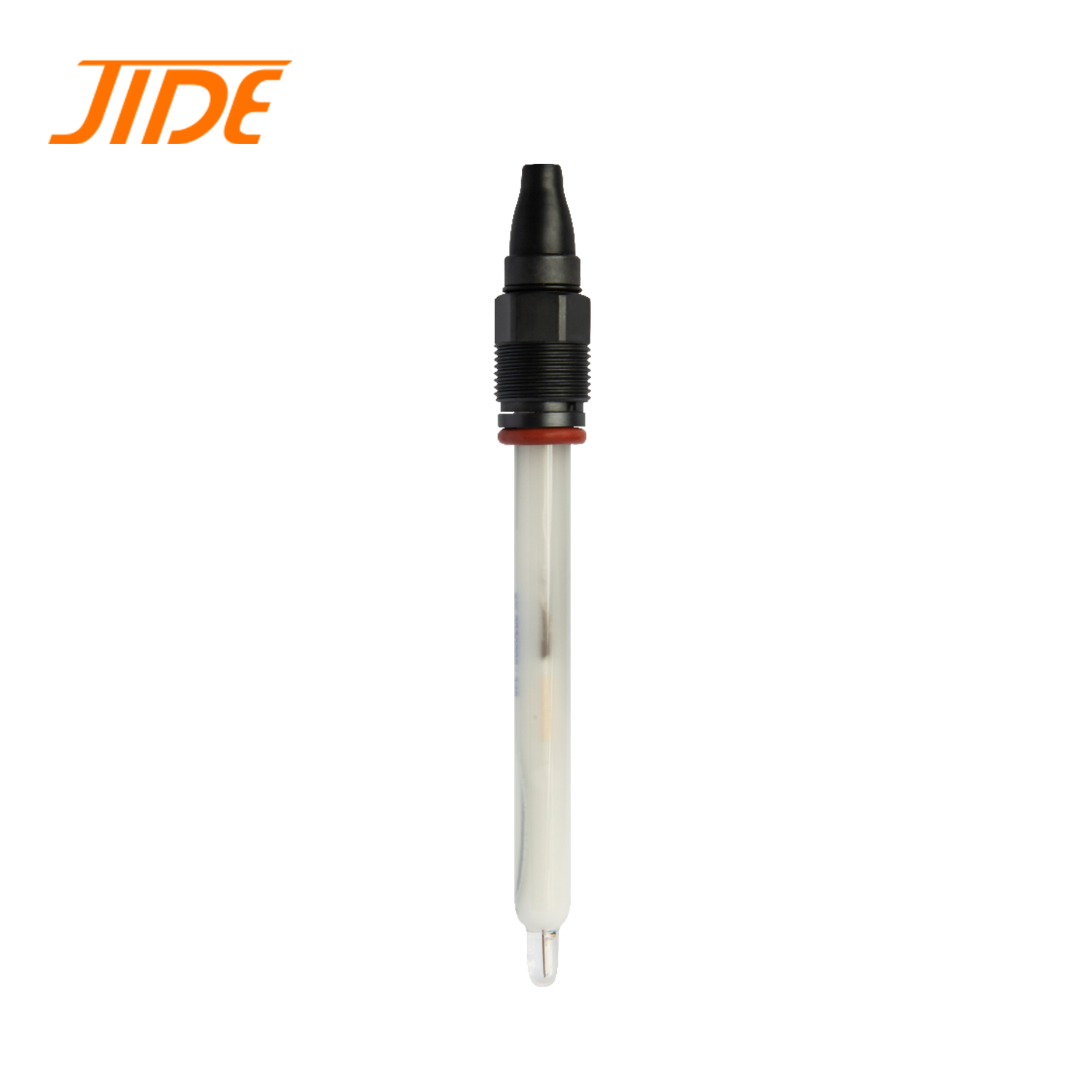
A conductivity level sensor is a device that helps us measure how well electricity can move through liquids. This is important in many industries, like water treatment, food processing, and chemical manufacturing. These ph sensor can tell us how full a tank is or if the liquid is safe to use. They work by sending a small amount of electricity through the liquid. If the liquid conducts electricity well, it means it has a lot of ions in it, which can tell us about its quality. JIDE makes high-quality conductivity level sensors that help businesses operate smoothly and safely.  

When choosing the best conductivity level sensor, there are a few things to think about. First, you need to know what kind of liquid you will measure. Some liquids are very pure, like distilled water, while others can have many chemicals mixed in. JIDE sensors are designed to work in different environments, so you can find one that fits your needs. Next, consider the temperature of the liquid. Some sensors work better in hot or cold liquids. Make sure the sensor you choose can handle the temperature range you expect.
How to Choose the Best Conductivity Level Sensor for Optimal Performance

Conductivity level sensors are special tools that help in water treatment plants. These sensors work by measuring how well water can conduct electricity. When water has more impurities, like salts and minerals, it conducts electricity better. This means conductivity level sensors can tell us how clean or dirty the water is. In water treatment processes, it is important to know the quality of the water. By using conductivity level sensor ph, companies like JIDE can quickly check the water quality. This helps them decide what treatment is needed to make the water safe for drinking or other uses. 

Moreover, these sensors can provide real-time data. That means they can give updates right away, helping workers make quick decisions. For example, if a sensor shows that the conductivity level is rising, the team can act immediately to fix the problem. This quick response helps keep the water safe and clean. Using conductivity level sensors means fewer mistakes and better water quality. In the long run, this helps the environment and keeps people healthy. JIDE knows that when water treatment is efficient, it benefits everyone, from the plant workers to the communities that rely on clean water.

Frequently Asked Questions

What is the conductivity level sensor used for?

It measures water or process fluid conductivity to monitor water quality, detect contamination, and control industrial processes in environmental and process applications.
Designed for freshwater, wastewater, and many industrial process fluids; compatible fluids depend on sensor materials and concentration ranges.
Options include insertion, inline, or submersible mounting with standard electrical outputs; installation depends on process piping and site requirements.
Typical outputs include 4-20mA, digital signals, and alarm relays; advanced models offer communication protocols for integration with control systems.
Routine cleaning, periodic calibration with standard solutions, and following manufacturer guidelines ensure accuracy; JIDE LTD provides support and documentation.

Our Blog Posts

Online Water Quality Monitoring Solutions for Industrial Applications

01

Jul

Online Water Quality Monitoring Solutions for Industrial Applications

Water is a vital part of many industries. Factories, farms, and plants all need clean water to work properly. When water quality is poor, it can cause big problems. Companies can lose money, face legal issues, and hurt the environment. That’s why it ...
View More
Advanced Online Water Quality Monitoring Technology for Treatment Plants

05

Jul

Advanced Online Water Quality Monitoring Technology for Treatment Plants

Water is essential for life, but not all water is clean and safe. Treatment plants play a big role in cleaning water so that we can drink it and use it for different purposes. To ensure the water is safe, treatment plants need to monitor its quality ...
View More
High Precision Conductivity Sensor for Water Treatment Systems

07

Jul

High Precision Conductivity Sensor for Water Treatment Systems

Water is essential for life, and treating it properly is very important. To make sure water is clean and safe, many systems are used in treatment plants. One important tool in these systems is the high precision conductivity sensor. This sensor helps...
View More
Reliable DO Sensor for Dissolved Oxygen Detection in Aquaculture

09

Jul

Reliable DO Sensor for Dissolved Oxygen Detection in Aquaculture

What Are the Latest Trends in DO Sensor Technology for Aquaculture? Keeping fish and shrimp healthy in ponds or tanks is very important. Dissolved oxygen is a big part of that. Fish and other sea creatures need oxygen to breathe, just like we do...
View More

Get a Free Quote

Our representative will contact you soon.
Email
Name
Company Name
Message
0/1000

Related product categories

What Makes Conductivity Level Sensors Essential for Industrial Applications

What Makes Conductivity Level Sensors Essential for Industrial Applications

Installing conductivity level sensors is not very complicated, but it needs to be done carefully to work well. First, you need to pick the right place for the sensor. This is usually in a spot where the water flows consistently, like a pipe or tank. It’s important to avoid places where there are bubbles or turbulence because that can give false readings. JIDE recommends following the instructions that come with the ph sensor kit for the best results.

How Conductivity Level Sensors Improve Efficiency in Water Treatment Processes

How Conductivity Level Sensors Improve Efficiency in Water Treatment Processes

Technology is always changing, and so are conductivity level sensors! Nowadays, there are many new features that make these sensors better and easier to use. One of the latest trends is wireless technology. This means that sensors can send data to computers or smartphones without needing wires. This makes it easier for workers to monitor water quality from different places. JIDE is excited about these advancements because they allow for faster responses to any problems in the water treatment process.

How to Install and Maintain Conductivity Level Sensors for Long-Term Success

How to Install and Maintain Conductivity Level Sensors for Long-Term Success

Another trend is the use of smart technology. Some sensors are now equipped with artificial intelligence (AI). This means they can learn and adapt over time. For example, they can recognize patterns in water quality and predict when there might be changes. This helps water treatment plants prepare in advance and take action before problems occur. Smart sensors can also alert workers if something is wrong, like if the conductivity level suddenly spikes.

Choose your global partner

Are you ready to consult with an engineer about your working conditions and specific needs?

Get a Quote

Get a Free Quote

Our representative will contact you soon.
Email
Name
Company Name
Message
0/1000