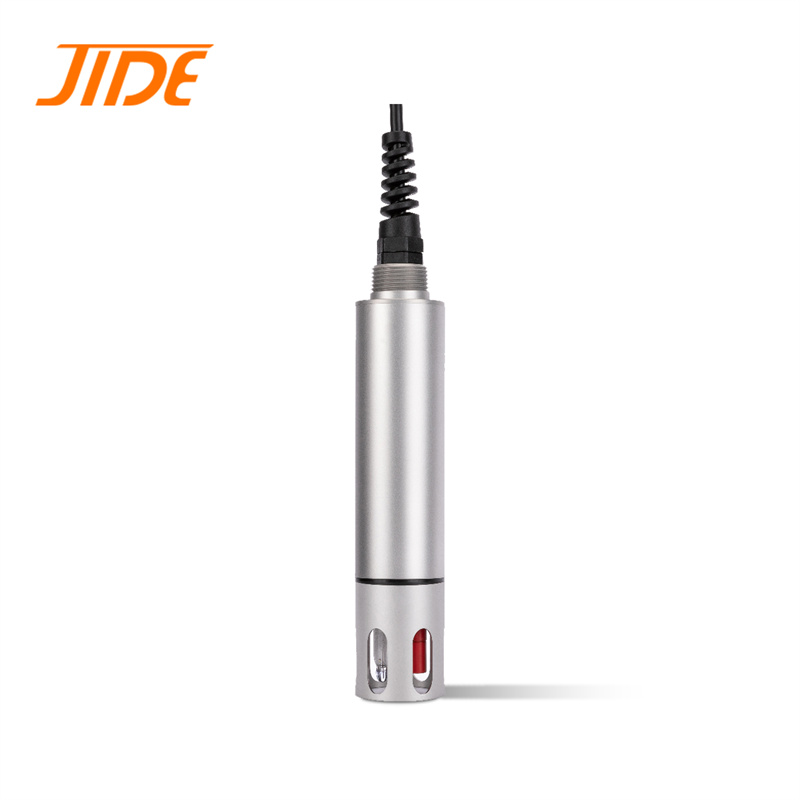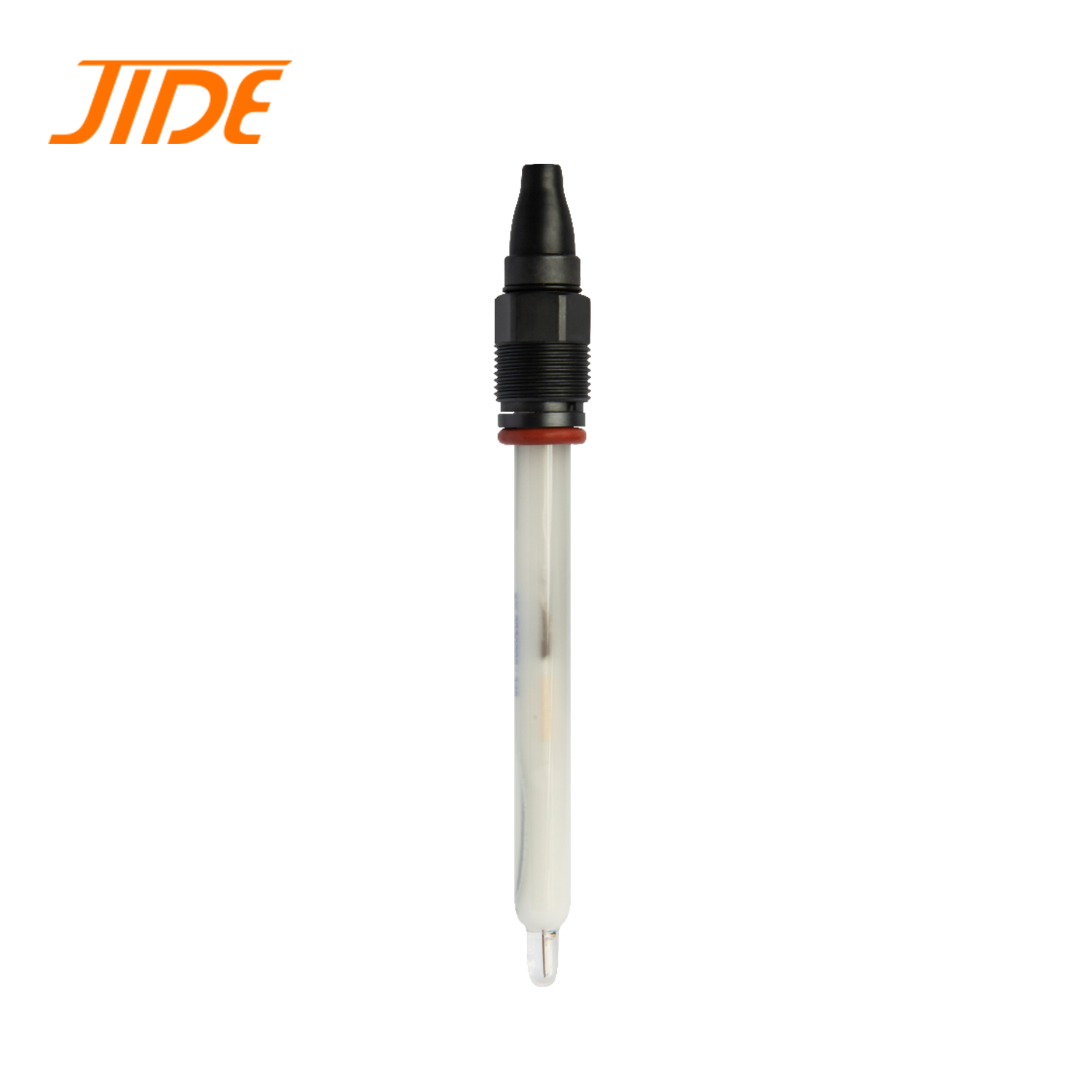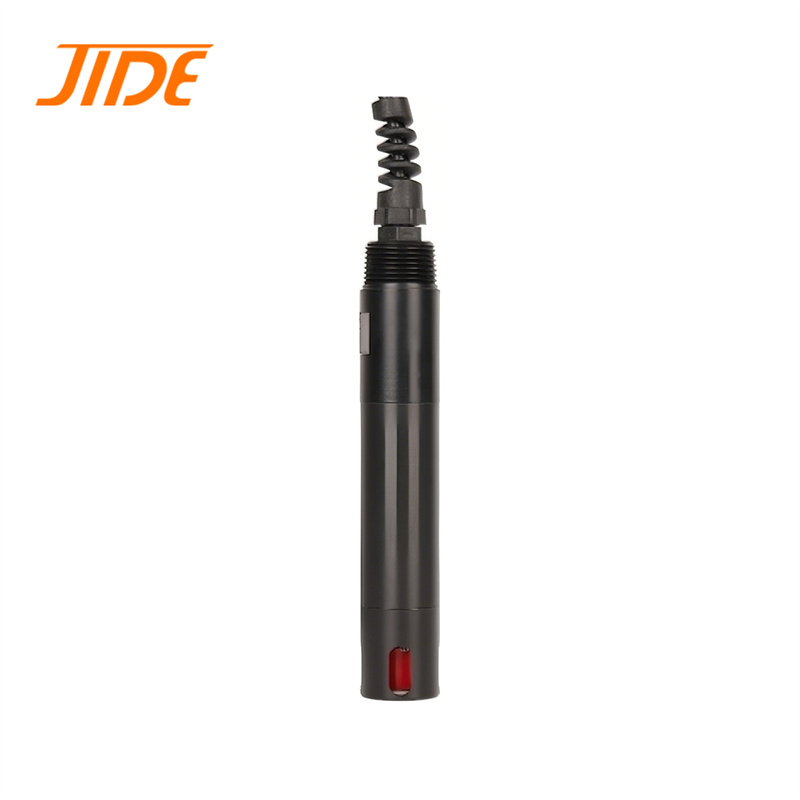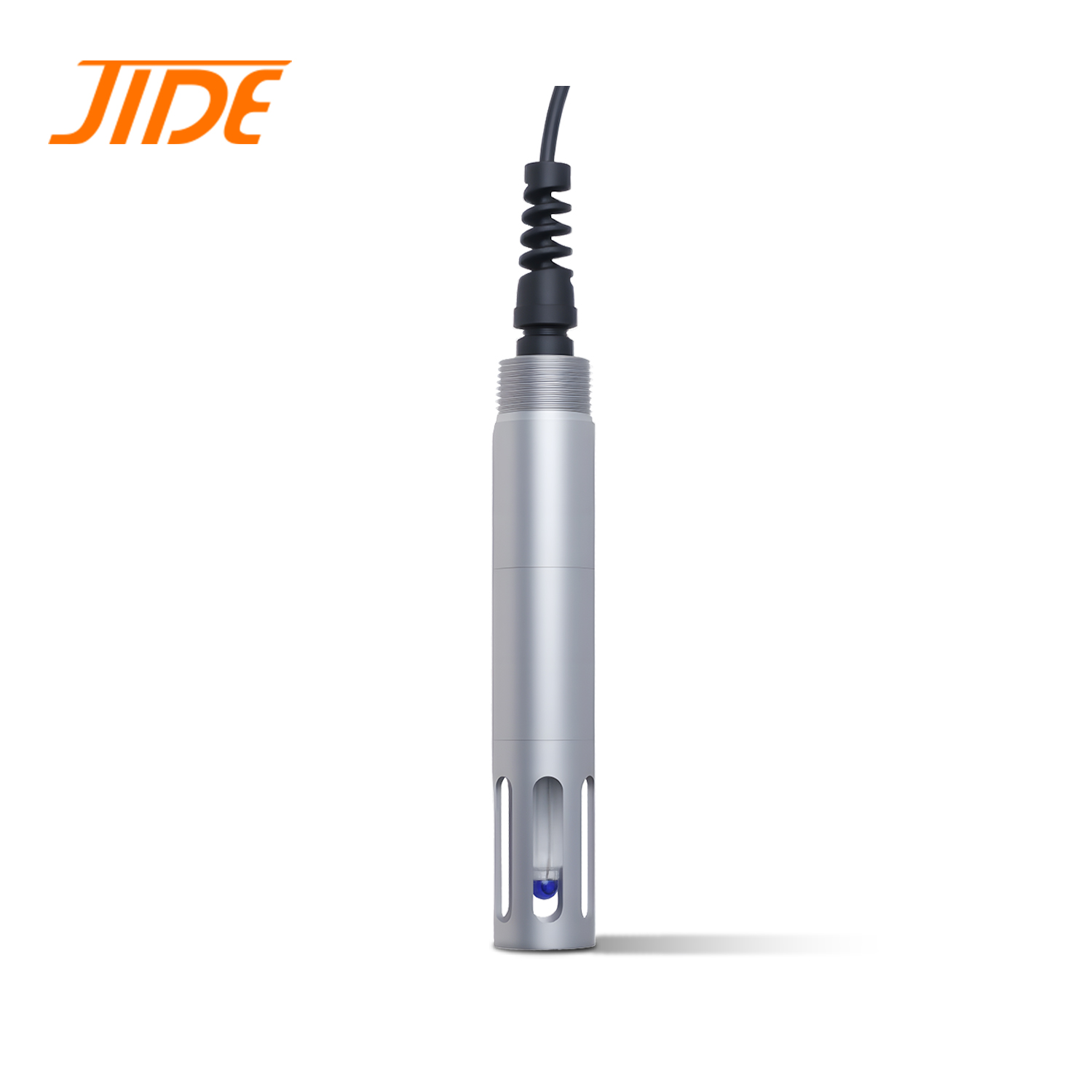
pH Sensors for Water Quality Monitoring Solutions

All Categories

ph sensor for water quality monitoring

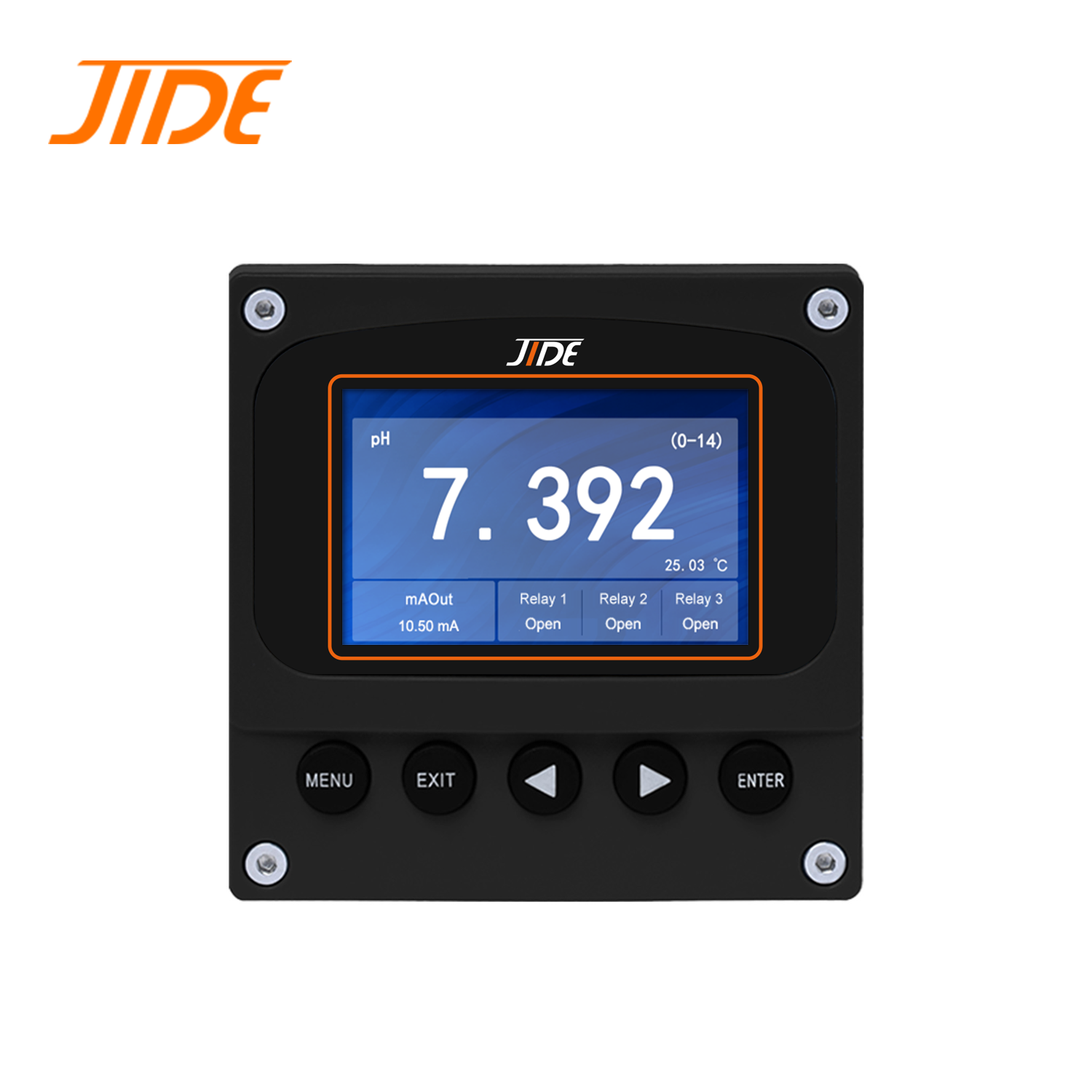
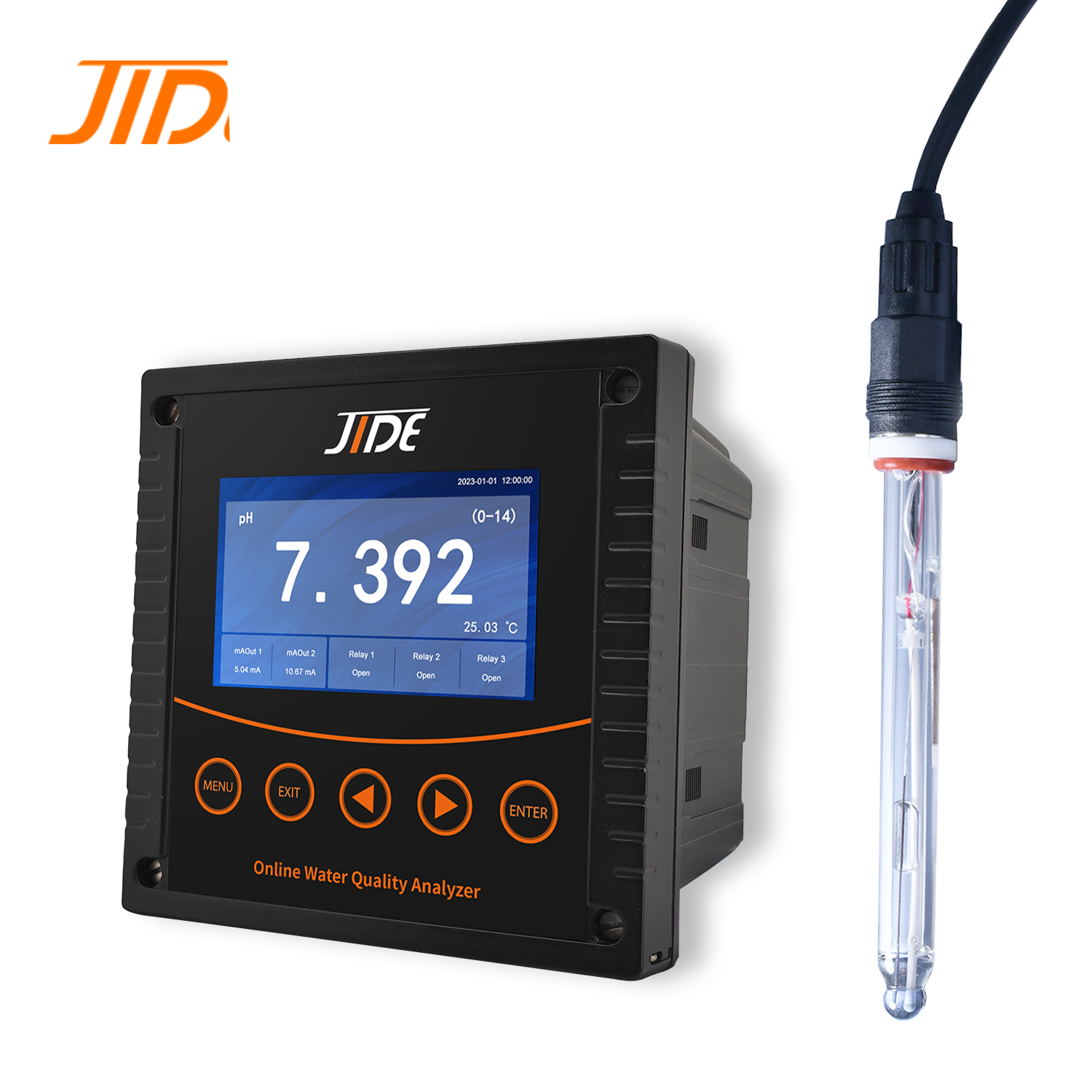
Water is essential for all living things. It is important to keep our water clean and  safe. One way to check if water is good to  drink or use is by measuring its pH level. A pH sensor helps us do this. The pH level tells us how acidic  or basic the water is. If the pH is too high or too low, it can be harmful to people, animals, and  plants. JIDE makes pH sensors that are easy to use and very helpful for checking water  quality. By using JIDE's pH sensors, we can make sure that the water we drink and use is safe and healthy.

Using pH sensors is very important for keeping water safe. One major benefit is that they give quick and accurate readings. This is super helpful for farmers, factories, and anyone who needs  to keep their water clean. If farmers know the pH level of their water, they can adjust it to help their crops  grow better. For example, if the water is too  acidic, it can harm the plants. By using a pH sensor from  JIDE, farmers can fix this problem quickly. Another benefit is that pH sensors  are easy  to  use. They don’t require a lot of knowledge or special training. Anyone can learn how to use them to check water quality. Regular monitoring with pH  sensors helps prevent problems. For instance,  if a factory is using  water for making products, and the pH is  off, it could ruin the products. By checking the water often, they can avoid costly mistakes. Additionally, using pH sensors can save money.  If water is not monitored, it can lead to  bigger problems later on, like needing to clean up contaminated water. This can be very expensive. So, by using pH sensors regularly, people can save money and keep their water safe. Lastly, pH sensors help protect the environment. Clean water is vital for fish, plants, and other wildlife. By monitoring pH  levels, we can ensure that our water sources remain healthy and safe for all living creatures.
What Are the Key Benefits of Using pH Sensors for Water Quality Monitoring?

Choosing the right pH sensor can seem hard, but it doesn't have to be! First, think about where you will use the sensor. Will it be in a lab, or  outside at a farm?  JIDE offers different  types of pH sensors for different environments. If you are in a lab, you might want a more sensitive sensor that  gives precise readings. But if you are checking a river or pond, you need a sensor that can handle dirt and water movement. Next, consider what you need to measure. Some sensors only measure pH, while others can measure temperature too. If you want more information, look for a sensor that gives multiple readings.  Durability is also important. If a sensor breaks easily, you will have to replace  it often, which costs more money.  JIDE makes sensors that are strong and last a long time. Think about how much you  want to spend. Some sensors are more expensive because they offer  more features. But sometimes, a simpler model is all you need. Lastly, check  the warranty. A good  warranty means the company believes in their product. JIDE  offers great support and  warranties for their sensors, so you can  feel confident in your  choice. By thinking about these factors, you can choose the right pH sensor for your water quality needs.

pH  sensors are special tools that help us understand the quality of water. They measure how acidic or basic water is. This is very important for many  industries, like farming, swimming pools,  and  drinking water treatment. For example, in farming, the pH level of water can affect how well plants grow. If the pH is too low (acidic) or too high (basic), plants might not absorb nutrients properly. This can lead to poor crop yields. By using pH sensors, farmers can adjust their water sources to keep the pH at the right level. This helps them grow  healthy plants and produce more food. For more information on how water quality is monitored in various sectors, check out our Online Water Quality Monitoring.

Our Blog Posts

High Accuracy Turbidity Sensor for Wastewater Treatment Plants

17

Jul

High Accuracy Turbidity Sensor for Wastewater Treatment Plants

Turbidity sensors are important tools in wastewater treatment plants. These sensors help measure how clear or cloudy water is. When water is not clear, it can mean that there are too many tiny particles, like dirt or bacteria. This can be a problem f...
View More
Professional NH4 Analyzer for Ammonia Nitrogen Water Quality Testing

09

Aug

Professional NH4 Analyzer for Ammonia Nitrogen Water Quality Testing

When it comes to testing water quality, especially for ammonia nitrogen, having the right tools is very important. JIDE offers a professional NH4 analyzer that helps people check the levels of ammonia in water accurately. Ammonia can be harmful to fi...
View More
Stable COD Online Analyzer for Continuous Wastewater Monitoring

29

Aug

Stable COD Online Analyzer for Continuous Wastewater Monitoring

When it comes to keeping our water clean, we need special tools to help us. One important tool is the COD (Chemical Oxygen Demand) online analyzer. This device helps us check how much pollution is in wastewater all the time. Having a reliable analyze...
View More
Ammonia Analyzer Ideal for Sewage Treatment Plant Monitoring

03

Sep

Ammonia Analyzer Ideal for Sewage Treatment Plant Monitoring

In sewage treatment plants, monitoring ammonia levels is very important. Ammonia can be harmful to the environment and human health if it gets into rivers and lakes. It comes from many sources, like fertilizers and animal waste. To keep our water cle...
View More

Get a Free Quote

Our representative will contact you soon.
Email
Name
Company Name
Message
0/1000

Related product categories

How to Choose the Right pH Sensor for Your Water Quality Needs

How to Choose the Right pH Sensor for Your Water Quality Needs

In  swimming pools, pH sensors are also very useful.  The water needs to have a balanced pH level to keep  it safe and comfortable for swimmers. If the pH is too low, it  can irritate the skin and eyes. If it’s too high, it  can make the pool  water cloudy  and  less effective  at killing germs. Pool managers  can use pH sensors to regularly check the  water  quality. This way, they can add chemicals to adjust the  pH and keep the  water safe.  JIDE  provides excellent  pH  sensors that help pool managers maintain  the  right balance easily. Additionally, using tools like Industrial Online Water Quality Monitoring can enhance overall water safety.

How pH Sensors Improve Water Quality Management in Various Industries

How pH Sensors Improve Water Quality Management in Various Industries

The world  of pH sensor technology is always changing. New  inventions make these sensors better and more useful. Recently, some  exciting innovations have come  into play, making it easier for people to monitor water quality. One of the newest developments  is the use of smart  technology.  Smart pH  sensors  can connect to  the internet.  This means they can send  data to  your phone or computer. With  JIDE's smart pH sensors, users can get  real-time  updates about  water quality. This helps them  make quick decisions if the pH levels  change suddenly.

 
What Are the Latest Innovations in pH Sensor Technology for Water Quality?

What Are the Latest Innovations in pH Sensor Technology for Water Quality?

Even the best pH sensors can sometimes have problems.  Knowing  how  to  fix these  issues is important for getting accurate water quality readings. One common  problem is a sensor that gives inconsistent  readings. If your  pH sensor  seems to be jumping around a  lot, it might be dirty or damaged.  To fix this,  you should first clean the sensor according to the instructions that come with it. Sometimes, just rinsing it  with clean water can  help. If cleaning doesn’t work, it might be time to  check  for any visible damage or consider replacing the sensor. JIDE's pH sensors are designed  to be durable,  but regular maintenance  is still key to  keeping them working well.

Choose your global partner

Are you ready to consult with an engineer about your working conditions and specific needs?

Get a Quote

Get a Free Quote

Our representative will contact you soon.
Email
Name
Company Name
Message
0/1000