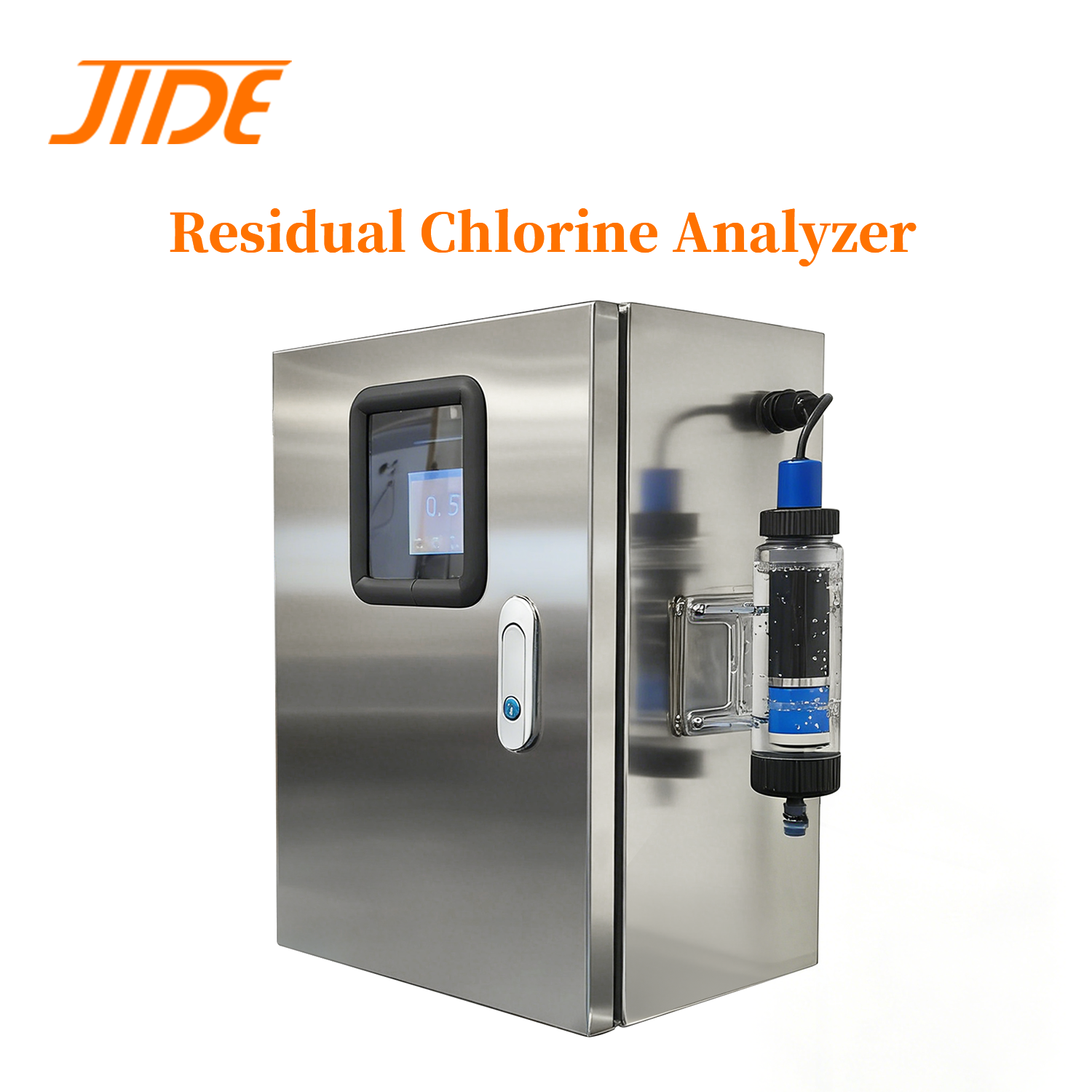
Prominent Chlorine Sensors for Water Quality Monitoring

All Categories

prominent chlorine sensor

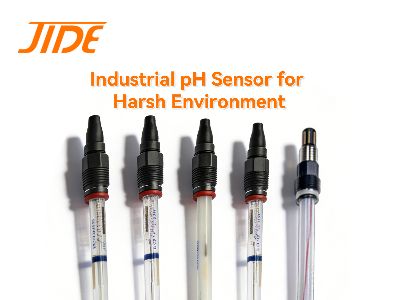
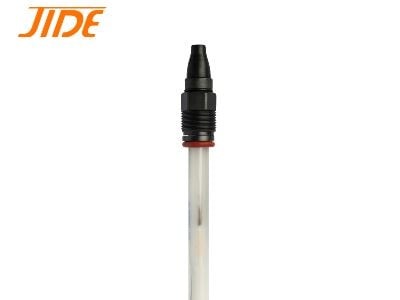
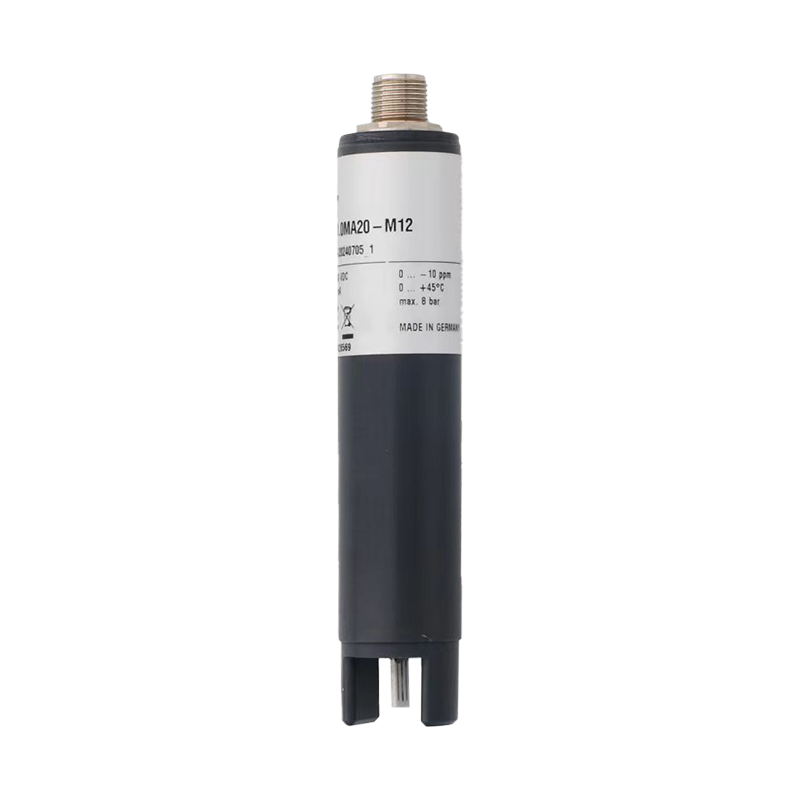
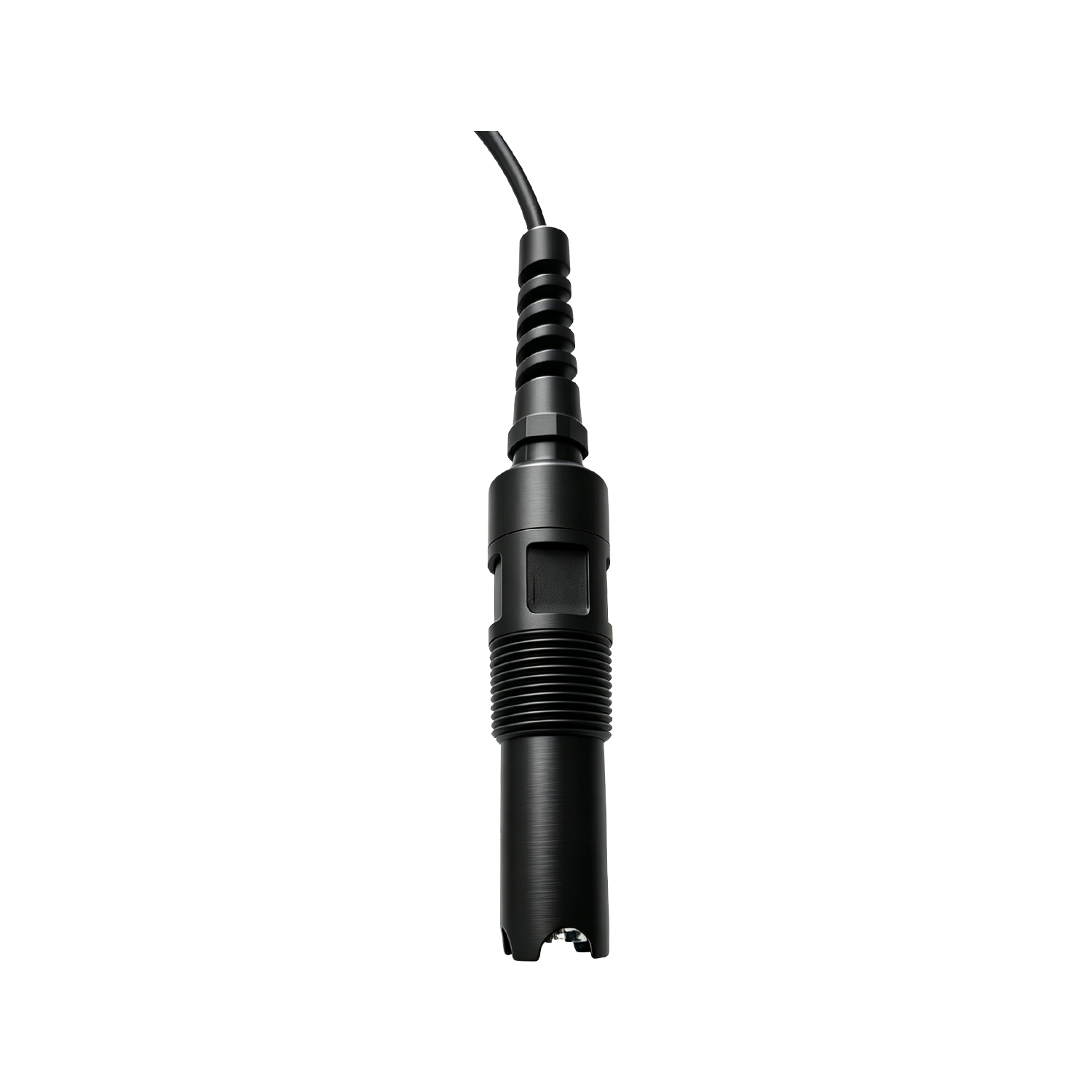
Chlorine sensors are important tools  used for checking water quality. These sensors help in keeping our water safe for drinking and swimming.  JIDE makes some of the  best  chlorine sensors available. When you use  a chlorine sensor, it can tell you how much chlorine is in the water. Chlorine is often added to water to kill germs and keep it clean. But,  if there is too much chlorine, it can be harmful. That's why having  a good sensor is  very important.  It helps people make  sure the water is just right for  everyone to use.  For advanced options, consider the Online Residual Chlorine Sensor/Meter/Probe JECA-RC K.

Prominent chlorine sensors play a crucial role in water quality monitoring.  They are designed to  measure the amount of chlorine in water accurately. This is especially  important  for places like swimming pools and drinking  water supplies.  If the chlorine level is too low, bacteria can grow, making the water unsafe. If it’s too high, it can cause skin and eye irritation. This is where a good sensor comes in. For instance, JIDE's sensors can quickly give  readings. They  help pool managers and water treatment plants  keep water safe for all users.  Moreover, you can explore options like the Online Residual Chlorine Sensor/Meter/Probe JECA-RC C for enhanced performance.
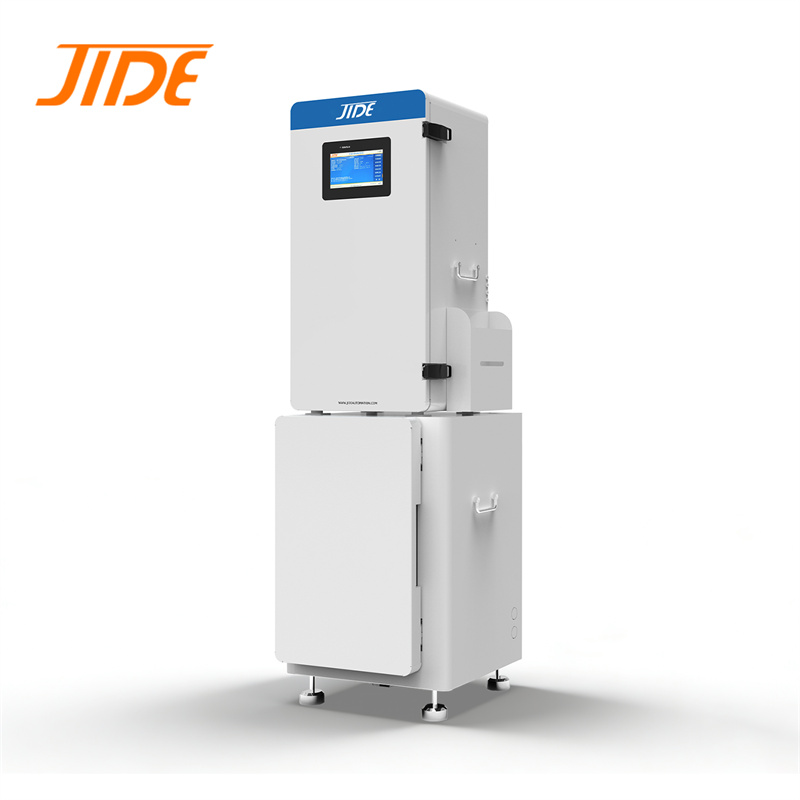
What Makes Prominent Chlorine Sensors Essential for Water Quality Monitoring?

These sensors are  easy to use. Many have digital displays that show the chlorine level right away. This means that  people can act quickly if the levels are not right. Being able  to  monitor chlorine levels in  real time is a big advantage. It helps in making quick decisions.  For example, if a swimming pool’s chlorine level goes too low, the manager can add more chlorine immediately. That way, swimmers stay safe and healthy. Furthermore, these sensors can help with compliance  to health standards. Many places have rules about how much chlorine  should be in water. Using a reliable sensor helps ensure that these rules  are followed.


In addition to safety, having a good  sensor can save money.  If water treatment facilities  know exactly how much chlorine is  needed, they can avoid using too much. This helps  in reducing costs. JIDE’s chlorine  sensors are not only accurate but also designed to  last long. They often require less maintenance. This means less time and money spent on repairs. In summary,  prominent chlorine sensors,  like those from JIDE, are essential tools for monitoring water quality. They ensure that water is safe for everyone, help save money,  and keep facilities compliant with health regulations.

Our Blog Posts

Professional ORP Sensor for Water Disinfection Monitoring

11

Jul

Professional ORP Sensor for Water Disinfection Monitoring

Professional ORP Sensors for Reliable Water Disinfection and Water Quality MonitoringWater is essential for life, and keeping it safe and clean is a top priority. One of the most effective ways to maintain water quality is through continuous monitori...
View More
Complete Solutions for Environmental Water Quality Monitoring Projects

13

Sep

Complete Solutions for Environmental Water Quality Monitoring Projects

Water is vital for life, and its quality is essential for our health and the environment. Monitoring water quality helps us understand how clean our water is and if it is safe to use. Many businesses and organizations need to keep track of water...
View More
Industrial Process PH Online Monitoring: Key to Stable Production

18

Sep

Industrial Process PH Online Monitoring: Key to Stable Production

Monitoring the pH level in industrial processes is very important for businesses that want to keep their production stable. JIDE focuses on making this monitoring easier and more efficient. When companies know the pH levels of their materials and pro...
View More
How to Choose a PH Sensor for Industrial Wastewater Monitoring

23

Sep

How to Choose a PH Sensor for Industrial Wastewater Monitoring

When it comes to checking the pH levels in industrial wastewater, choosing the right pH sensor is very important. Wastewater is the water that comes from factories and homes after it has been used. This water can have harmful chemicals and should be ...
View More

Get a Free Quote

Our representative will contact you soon.
Email
Name
Company Name
Message
0/1000

Related product categories

How to Choose the Best Prominent Chlorine Sensor for Your Needs?

How to Choose the Best Prominent Chlorine Sensor for Your Needs?

Another thing to consider  is maintenance. Some sensors require more  care than others.  If you want something that lasts  longer and is easier  to maintain, JIDE has options  that need less  upkeep. This  means you won’t have to check on  them as often, saving time. Also, think about the price. While it  is  good to find a  quality  sensor,  it is  also important to  stay within your budget. JIDE’s sensors offer  great  value  for the quality you  get.

What Are the Common Issues Faced with Chlorine Sensor Accuracy?

What Are the Common Issues Faced with Chlorine Sensor Accuracy?

Chlorine sensors are important tools used in water treatment. They help us know how much chlorine is in the water. Chlorine is a chemical that helps keep our drinking water clean and safe from germs. However, sometimes these sensors can have problems that make them less accurate. One common issue is that the sensors can get dirty or  clogged. When this happens, they cannot measure chlorine correctly. Imagine trying to see through a dirty window; you would not be able to see clearly. Similarly, if a sensor  is not clean, it can give  wrong readings. Another issue is that  sensors can become old and stop working well. Just like a  toy that runs out of batteries, an old sensor may not give good measurements. Temperature changes can also affect how sensors work. If the water is too hot or  too cold, it can change the sensor's readings. This  is like  trying to measure  a  temperature with a thermometer that is broken; you will not get the right answer. Lastly, sometimes the sensors can be damaged if  they  are  not handled carefully. If someone drops a sensor or bumps it, it can break inside, causing it to  fail. All these problems can make  it hard for workers at water  treatment plants to trust  the readings they get  from chlorine sensors. That's why it is  important to check and maintain these sensors regularly. By keeping them clean, replacing old ones, and handling them  carefully, we can make sure they work well and help keep our water safe.

How Prominent Chlorine Sensors Enhance Safety in Water Treatment Facilities?

How Prominent Chlorine Sensors Enhance Safety in Water Treatment Facilities?

Prominent chlorine sensors play a big role in keeping our  water safe. In water treatment  facilities, these sensors help workers monitor the  amount of chlorine in the water all  the time. This is very important because if there is too much or too little chlorine, it can make the water unsafe for drinking. When  the sensors show that the  chlorine level  is just  right, it means the water is  safe for everyone. If the chlorine level is too low, it can allow germs to grow, which can  make people sick. On the other hand, too much chlorine can cause bad tastes and smells in  the water. Prominent chlorine sensors help prevent  these problems by giving real-time  data  about the chlorine levels. This means that workers can quickly make changes if something is wrong. For example, if a  sensor shows that the chlorine level is dropping, workers can add more chlorine right away. This quick action can save  the day  and keep everyone safe. Additionally, these  sensors are built to be very reliable. They are designed to work in tough conditions, like in places where there is a lot of water and  chemicals. This means that they can  be trusted to give accurate readings. Having reliable sensors means that water treatment facilities can operate smoothly and keep the community healthy. Overall, prominent chlorine sensors are essential tools that protect public health by ensuring that our drinking water is clean and safe.

Choose your global partner

Are you ready to consult with an engineer about your working conditions and specific needs?

Get a Quote

Get a Free Quote

Our representative will contact you soon.
Email
Name
Company Name
Message
0/1000