High-Quality TDS Conductivity Sensors for Purchase

All Categories

Tds conductivity sensor

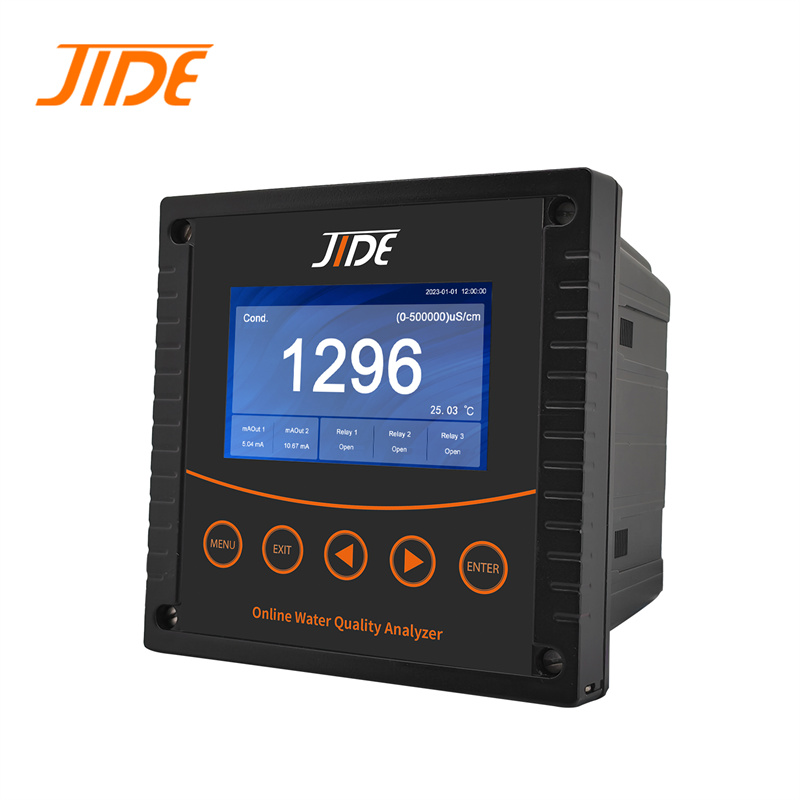
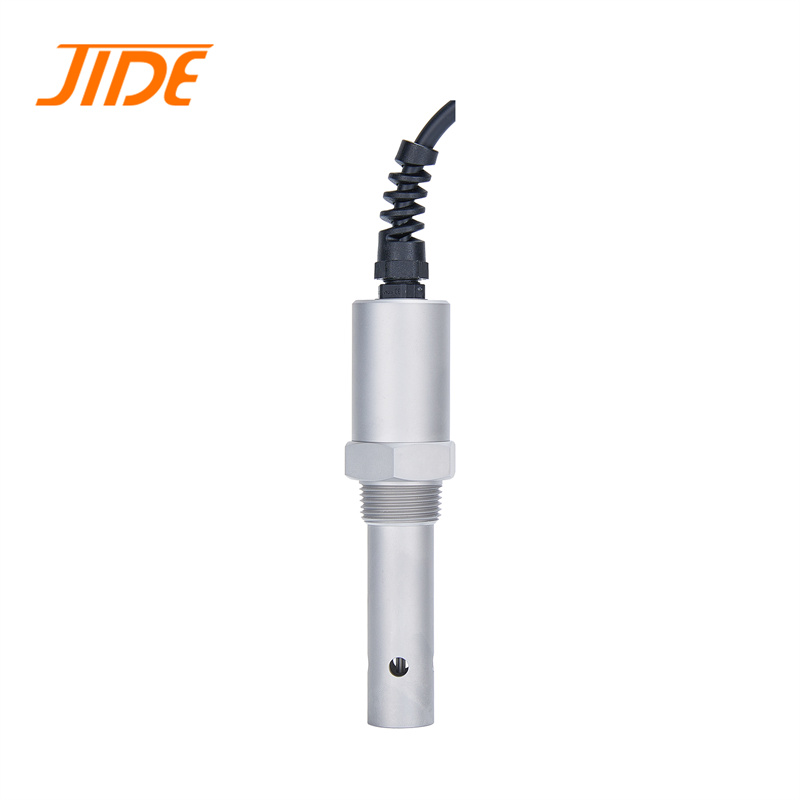
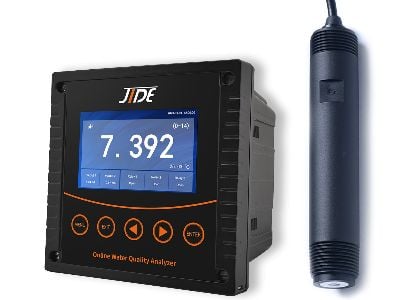
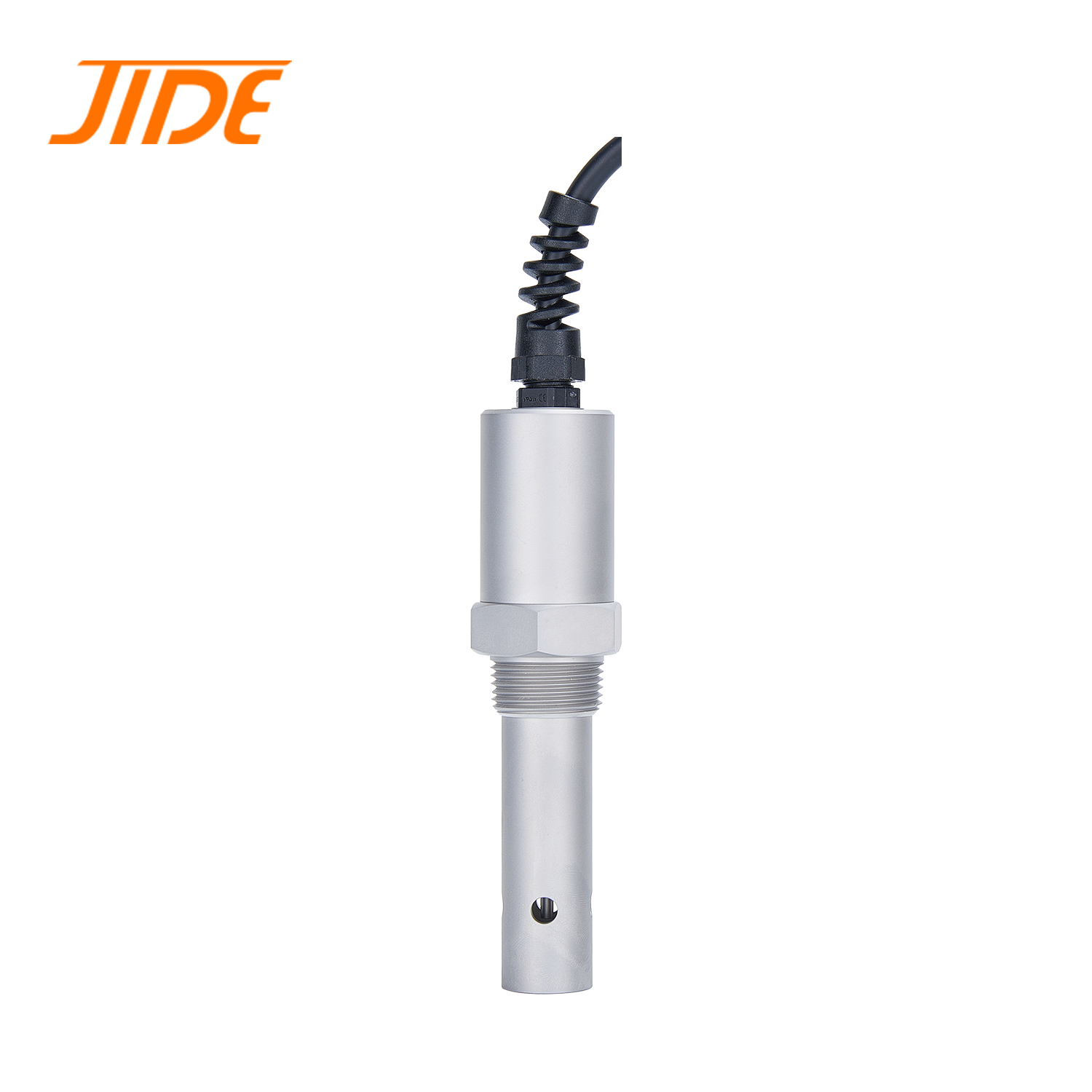
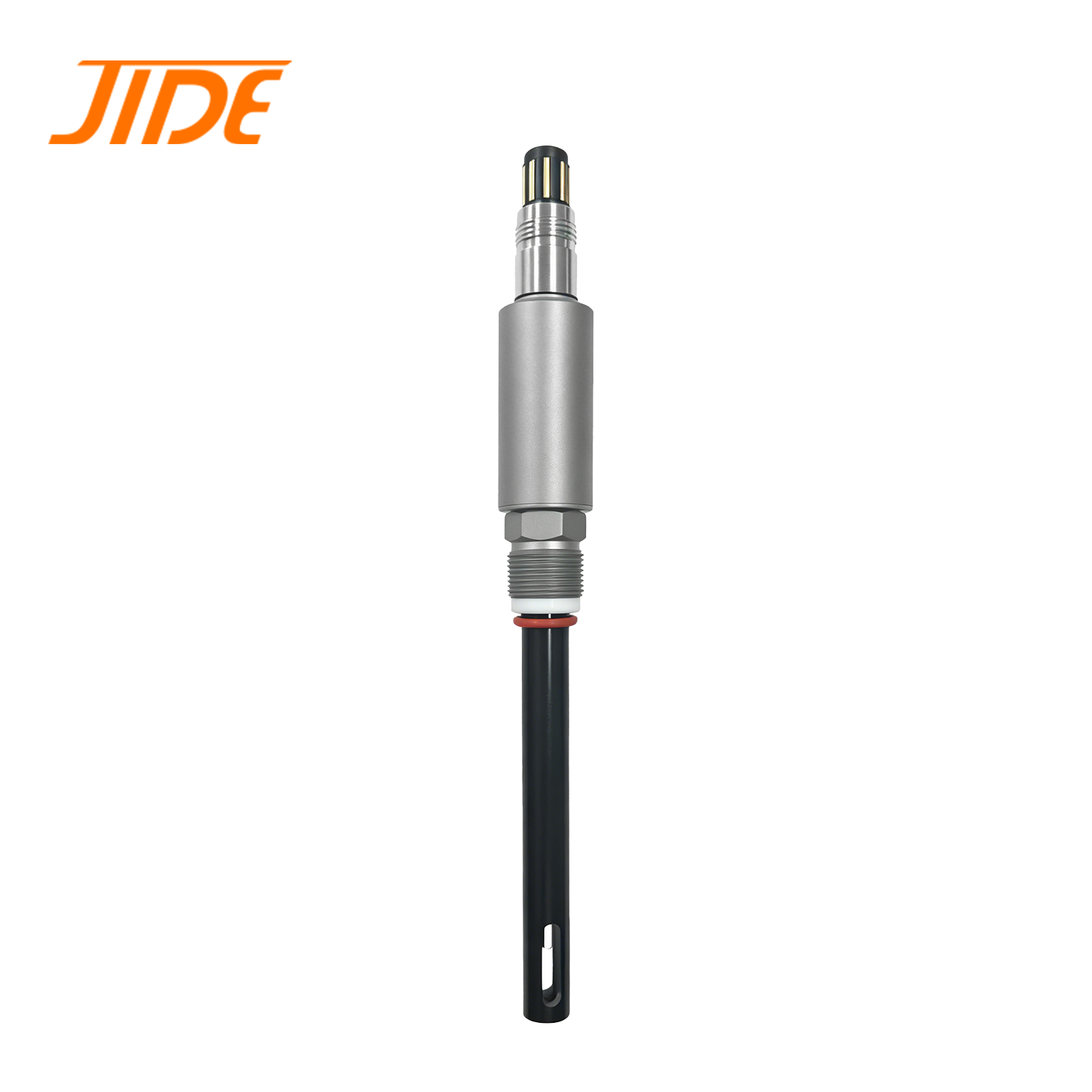
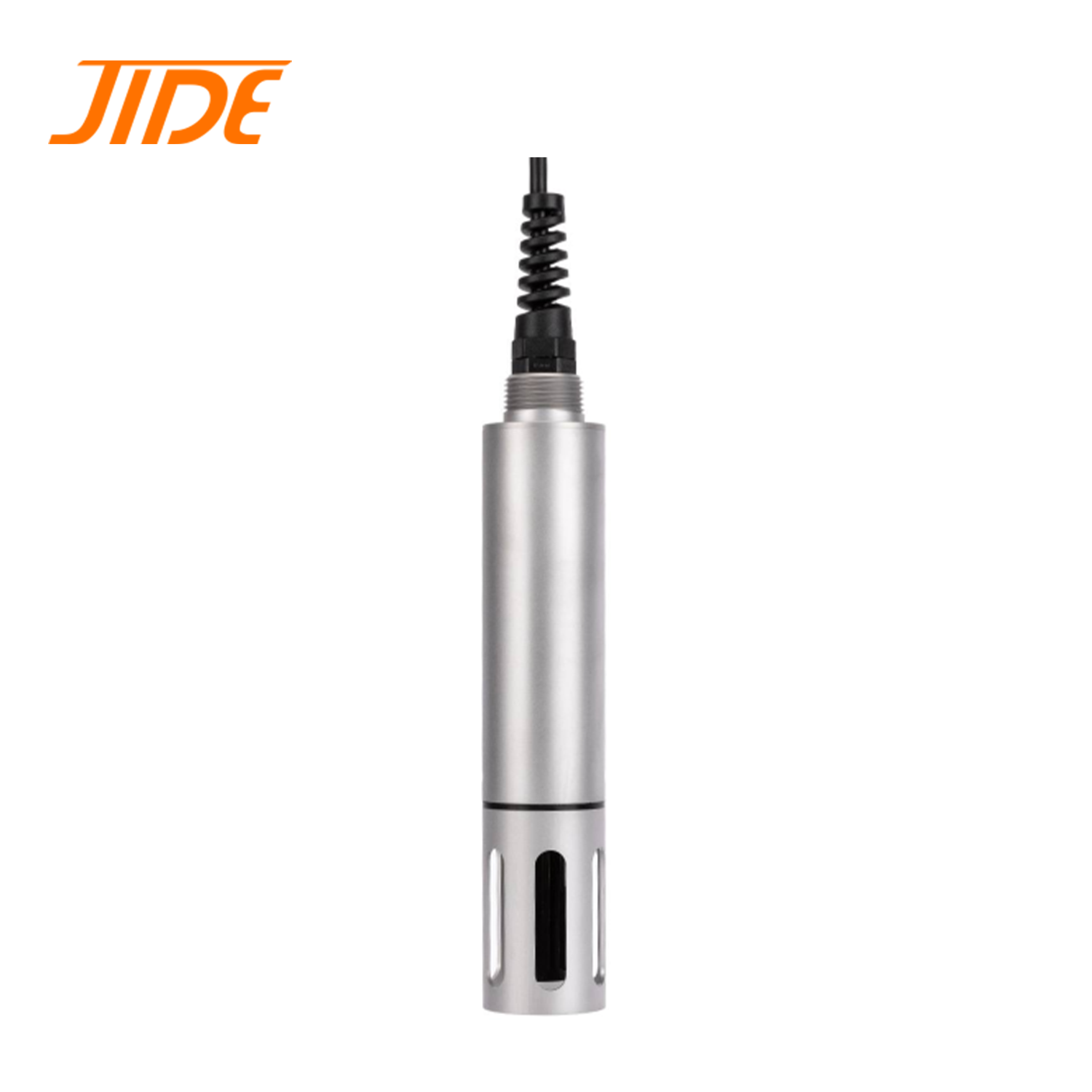
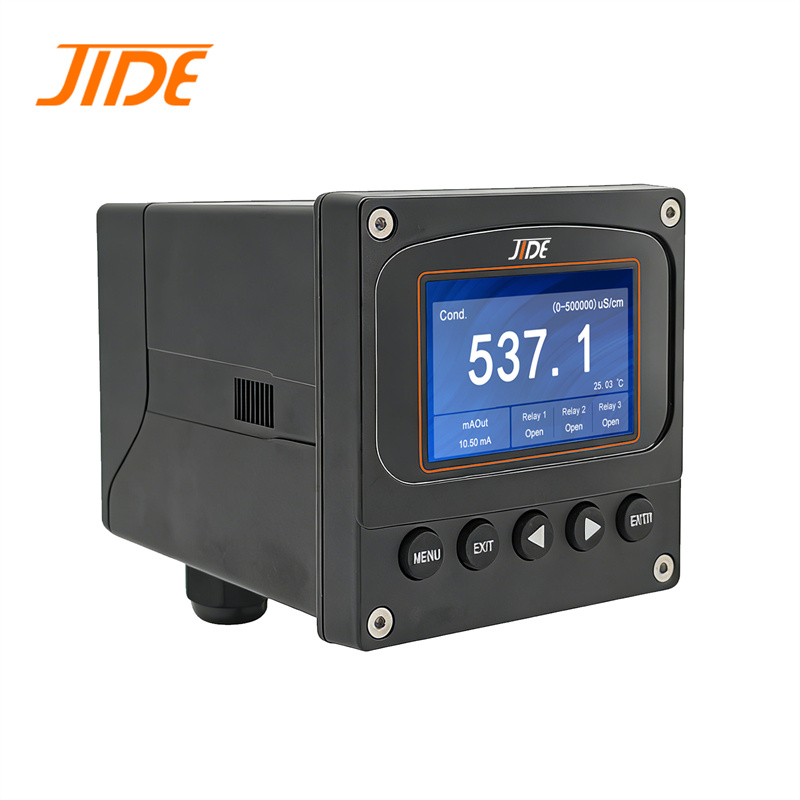
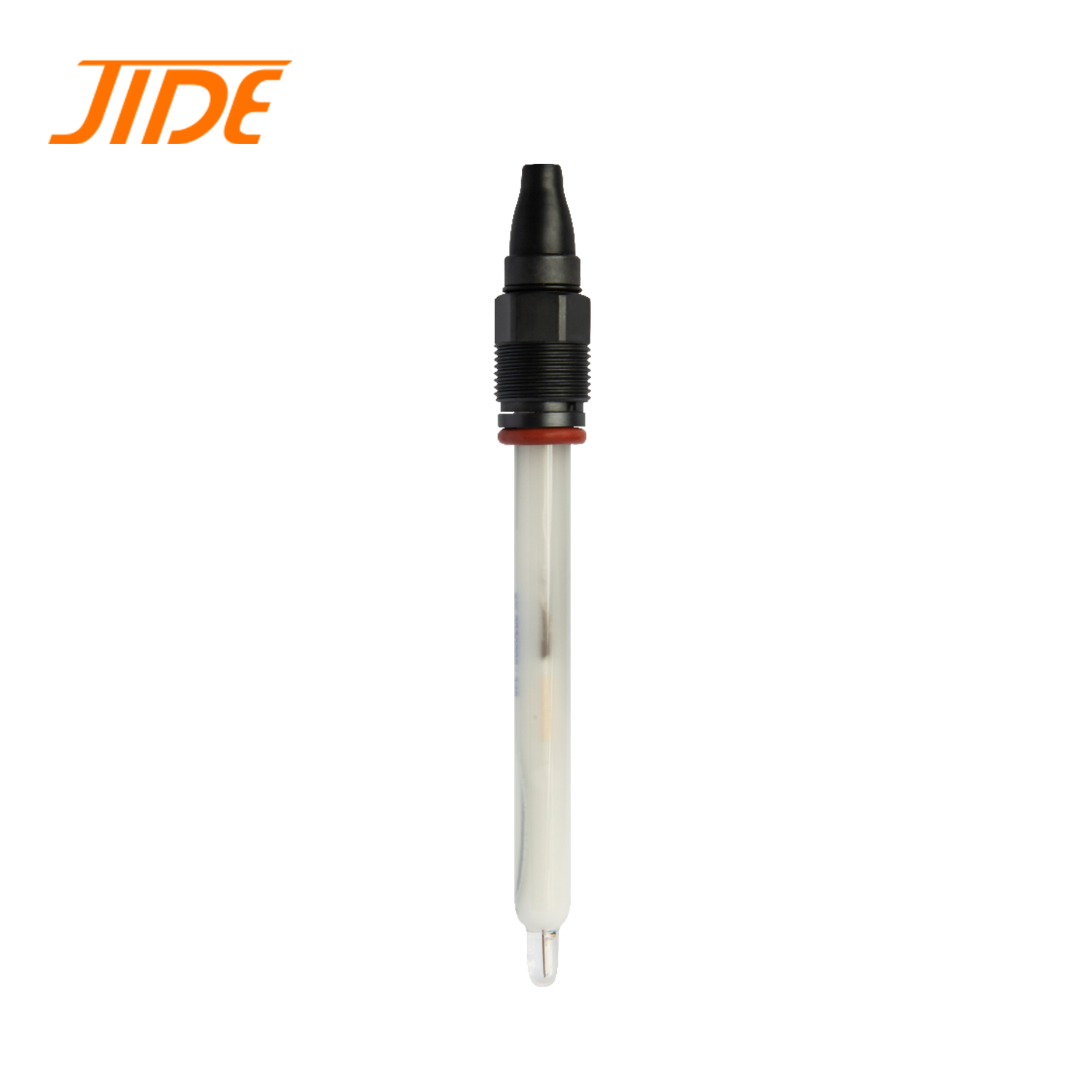
A TDS conductivity sensor is an important tool used to measure the total dissolved solids (TDS) in water. This means it can tell us how many tiny particles, like salts and minerals, are mixed into the water. A good TDS sensor is very useful in many settings, such as aquariums, swimming pools, and even drinking water systems. Knowing the TDS level in water helps us understand if it is safe to drink or if it is suitable for fish and plants. At JIDE, we focus on making high-quality TDS conductivity level sensor that are reliable and easy to use.


Our Products

Where to Buy High-Quality TDS Conductivity Sensors Wholesale

If you want to buy TDS conductivity sensors in large quantities, it is smart to look for wholesalers. Wholesalers usually sell products in bulk, which can save you money. You can find JIDE TDS conductivity sensor probe through various online platforms that specialize in industrial equipment. Websites that focus on manufacturing supplies often have sections for water testing devices. When buying from these platforms, make sure to check the reviews. Good reviews can help you determine if a wholesaler is trustworthy. You can also contact the wholesaler directly to ask questions about the sensors, such as their accuracy and what kind of warranty they offer. It is important to ensure you are getting a product that meets your needs. Sometimes, local suppliers may also carry JIDE products, so do not forget to check nearby stores. This way, you can see the sensors in person before making a purchase.


Frequently Asked Questions

What is the Tds conductivity sensor used for?

Measures total dissolved solids and conductivity in water for environmental and industrial process monitoring, supporting water quality control and treatment verification.
Designed for wastewater, drinking water, aquaculture, and industrial process streams with robust construction for continuous monitoring.
Supports in-line, immersion, or panel mounting depending on model; requires proper flow exposure and secure fittings per installation guide.
Periodic cleaning, calibration checks, and electrode inspection; follow recommended intervals in the manual to ensure accuracy and longevity.
Yes. In-house R&D and quality control back technical support, calibration services, documentation, and after-sales assistance for integration and troubleshooting.

Our Blog Posts

Online Water Quality Monitoring Solutions for Industrial Applications

01

Jul

Online Water Quality Monitoring Solutions for Industrial Applications

Water is a vital part of many industries. Factories, farms, and plants all need clean water to work properly. When water quality is poor, it can cause big problems. Companies can lose money, face legal issues, and hurt the environment. That’s why it ...
View More
Advanced Online Water Quality Monitoring Technology for Treatment Plants

05

Jul

Advanced Online Water Quality Monitoring Technology for Treatment Plants

Water is essential for life, but not all water is clean and safe. Treatment plants play a big role in cleaning water so that we can drink it and use it for different purposes. To ensure the water is safe, treatment plants need to monitor its quality ...
View More
Durable Industry PH Probe for Long-Term Online Water Monitoring

30

Jul

Durable Industry PH Probe for Long-Term Online Water Monitoring

Water is essential for life, and monitoring its quality is very important. One way to do this is by using a pH probe. A pH probe helps us know how acidic or basic the water is. For long-term online water monitoring, choosing a durable pH probe is key...
View More
Conductivity Sensor Application in Pure Water Production Lines

28

Sep

Conductivity Sensor Application in Pure Water Production Lines

Pure water is very important for many things, from drinking to making products. At JIDE, we make sure that pure water production is done the right way. One key part of this process is the conductivity sensor. This ph sensor helps us check how cl...
View More

Get a Free Quote

Our representative will contact you soon.
Email
Name
Company Name
Message
0/1000

Related product categories

What Are the Key Features to Look for in a TDS Conductivity Sensor?

What Are the Key Features to Look for in a TDS Conductivity Sensor?

When choosing a TDS conductivity sensor, there are several important features to consider. First, look for accuracy. A sensor that gives reliable readings is essential, especially if you are testing drinking water or water for fish. Next, consider the sensor's range. Some sensors can measure a wide range of TDS levels, while others might only work within a small range. If you plan to use it in different situations, a wider range is better. Durability is another key feature. You want a sensor that lasts, especially if it will be used in rough conditions. Some sensors are made to resist water and dust, which is a major plus. Also, think about how easy it is to read the results; a digital display can make it simpler to see the numbers. Lastly, check if the sensor is easy to calibrate. Regular calibration helps keep the readings accurate over time. At JIDE, our TDS conductivity sensors have all these features, making them a great choice for anyone needing to measure water quality.


Common Usage Issues with TDS Conductivity Sensors and How to Fix Them

Common Usage Issues with TDS Conductivity Sensors and How to Fix Them

TDS conductivity sensors are important tools that help us measure the amount of dissolved solids in water. However, these sensors can sometimes experience issues that make them less accurate. One common problem is that sensors can get dirty. When dirt or algae builds up on the sensor, it can cause false readings. To fix this, you can clean the sensor with a soft cloth or a special cleaning solution. It is also important to make sure the sensor is properly calibrated. Calibration means adjusting the sensor so that it gives the correct measurements. If the sensor is not calibrated, it might show incorrect numbers. You can calibrate your sensor by using solutions with known TDS levels, which helps ensure that your readings are accurate. Another issue can be temperature changes. When water gets too hot or too cold, it can affect how the sensor works. Some sensors come with temperature compensation features that automatically adjust the readings based on the water temperature. If your sensor does not have this feature, try to keep the water at a stable temperature for the best results. Finally, make sure you are using the sensor in the right type of water. Some sensors are designed for clean water, while others can work in dirty water; using the wrong type can lead to incorrect readings. By understanding these common issues and their solutions, you can get the best performance from your TDS electrode-less conductivity sensor and help keep your water safe and clean. At JIDE, we want you to have the best experience with our products, so always read the instructions carefully and take care of your sensor.


How TDS Conductivity Sensors Improve Water Quality Monitoring

How TDS Conductivity Sensors Improve Water Quality Monitoring

TDS conductivity sensors play a major role in keeping our water clean and safe to drink. These sensors help us monitor water quality by measuring how many dissolved solids are in the water. Dissolved solids can include minerals, salts, and even some harmful substances. When we know the TDS level, we can tell if the water is safe. If the TDS level is too high, it can mean that the water is polluted or unsafe for drinking. By using TDS conductivity sensors, we can check our water regularly to ensure it stays clean. In homes, people can use these sensors to test their tap water. This helps them know if they need to use a water filter or if their water is safe to drink. In schools, TDS sensors can be used to teach students about the importance of clean water and how to test it. In larger settings, like factories or farms, these sensors help monitor water used for growing food. If the TDS levels are too high, it can negatively affect crops and animals. By keeping an eye on water quality, farmers can ensure their products are safe and healthy. At JIDE, we believe that everyone should have access to clean water, and our TDS conductivity sensors make it easier to keep track of water quality. With regular monitoring, we can act quickly if something goes wrong, helping to protect both our health and the environment.

Choose your global partner

Are you ready to consult with an engineer about your working conditions and specific needs?

Get a Quote

Get a Free Quote

Our representative will contact you soon.
Email
Name
Company Name
Message
0/1000