 EN
EN
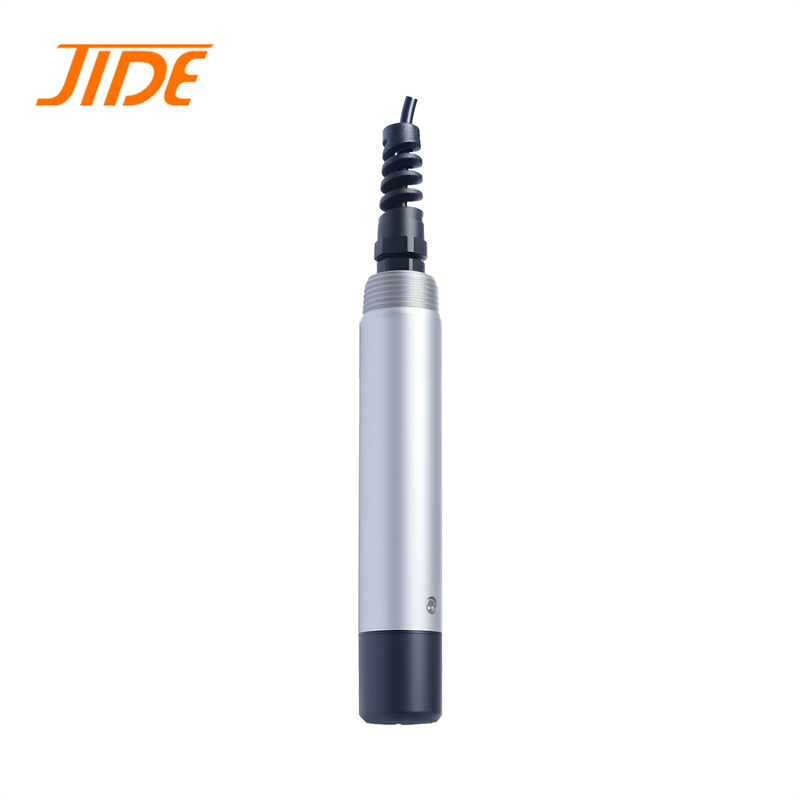
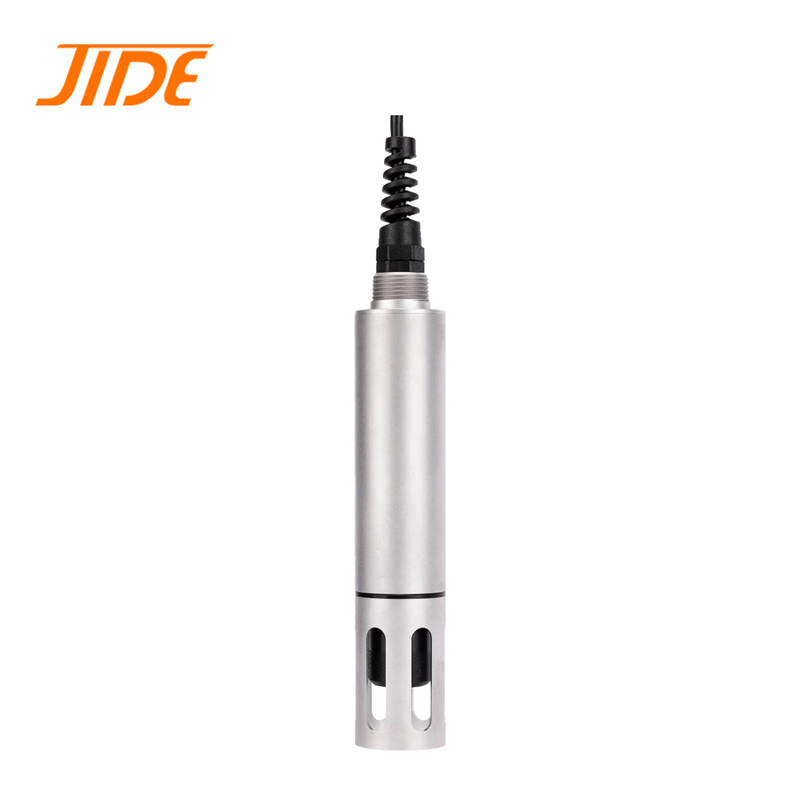
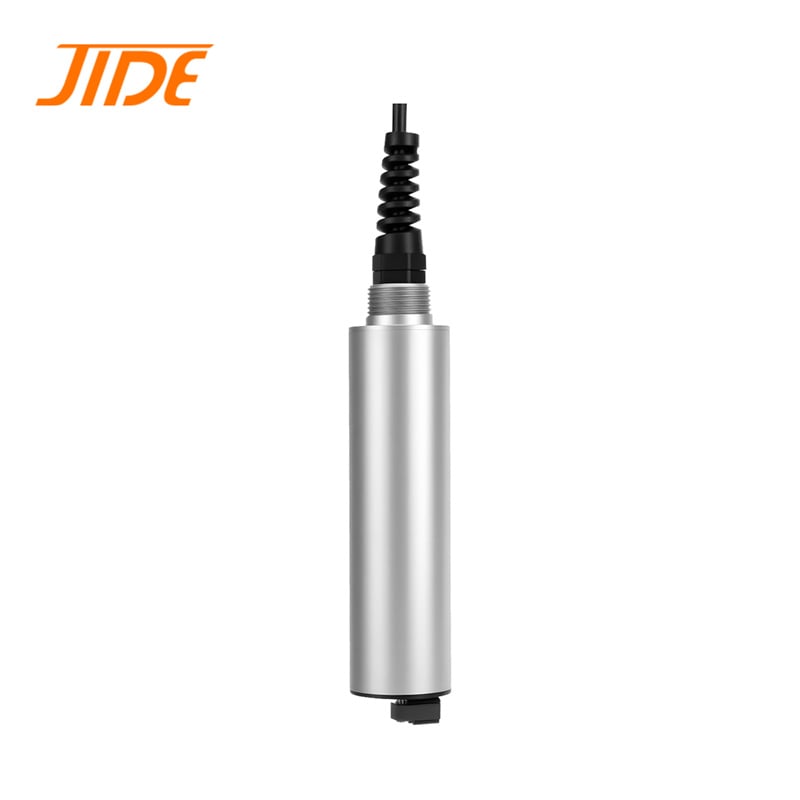
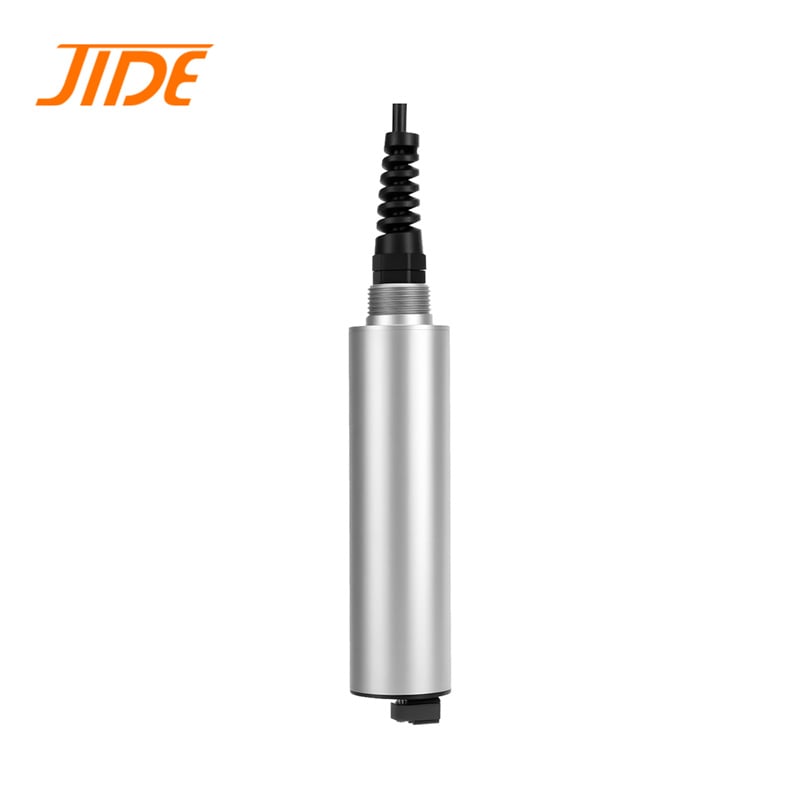
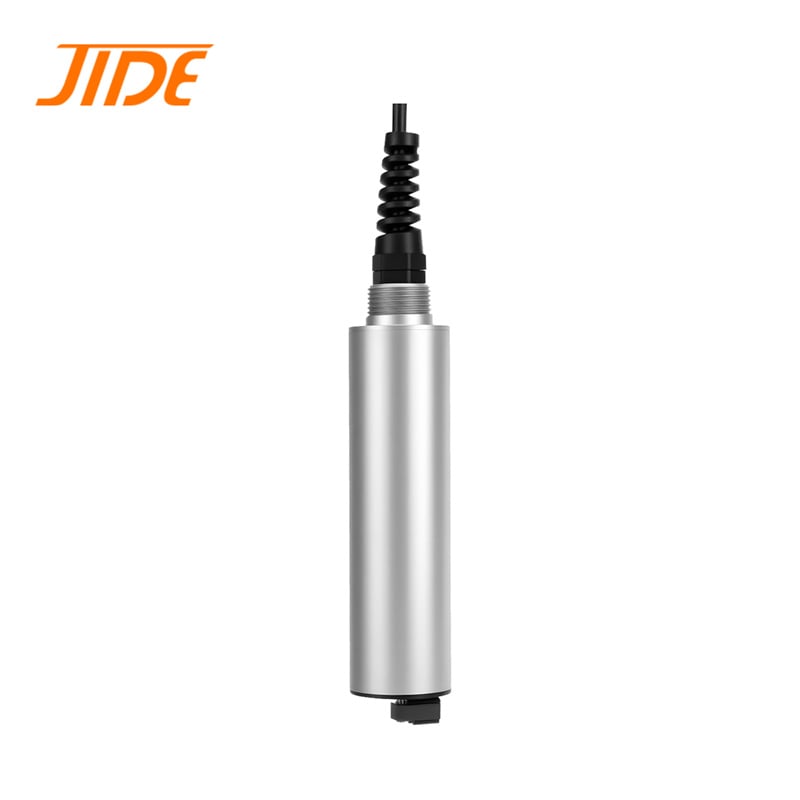
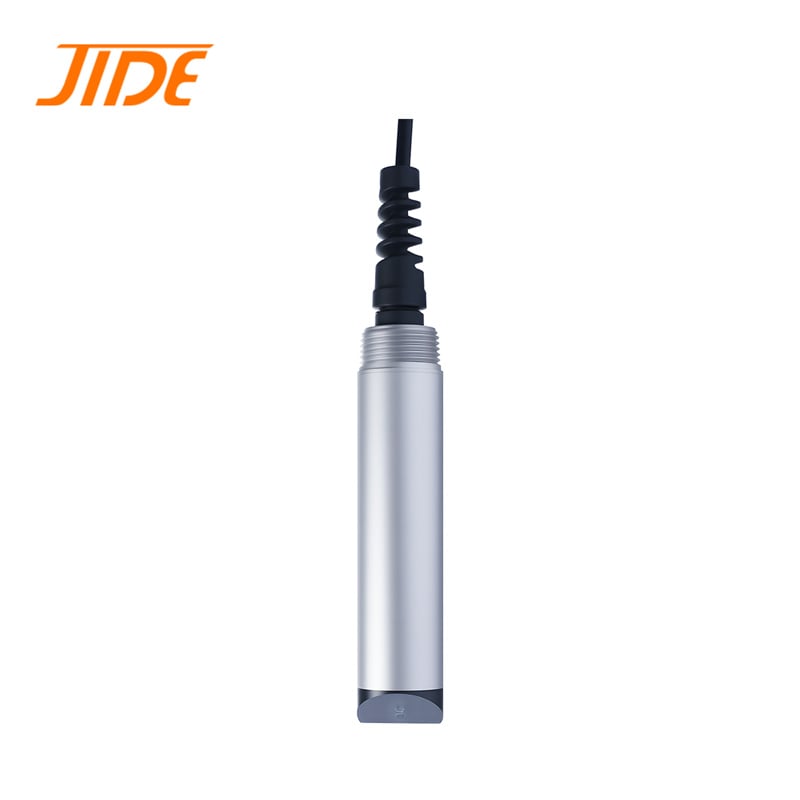
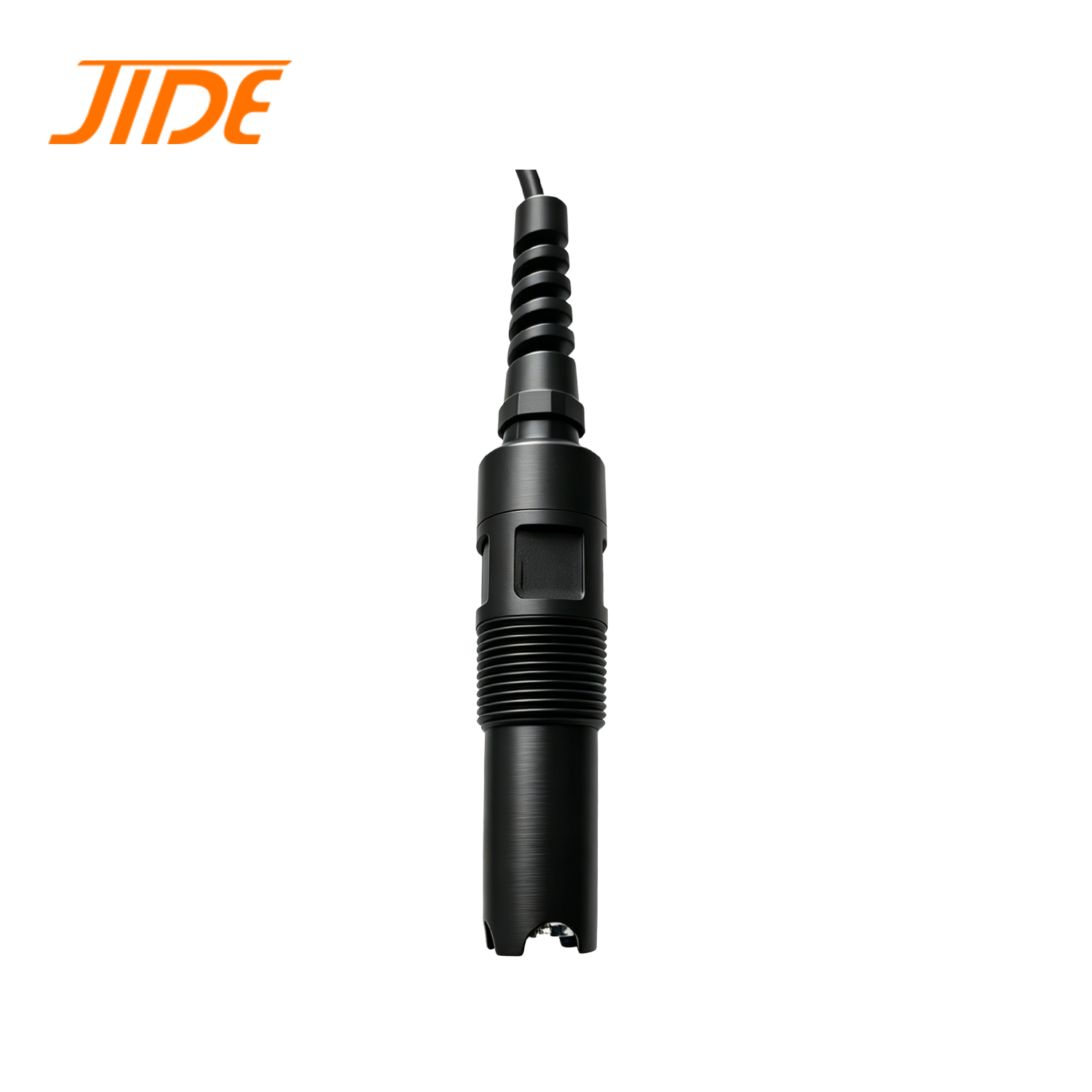
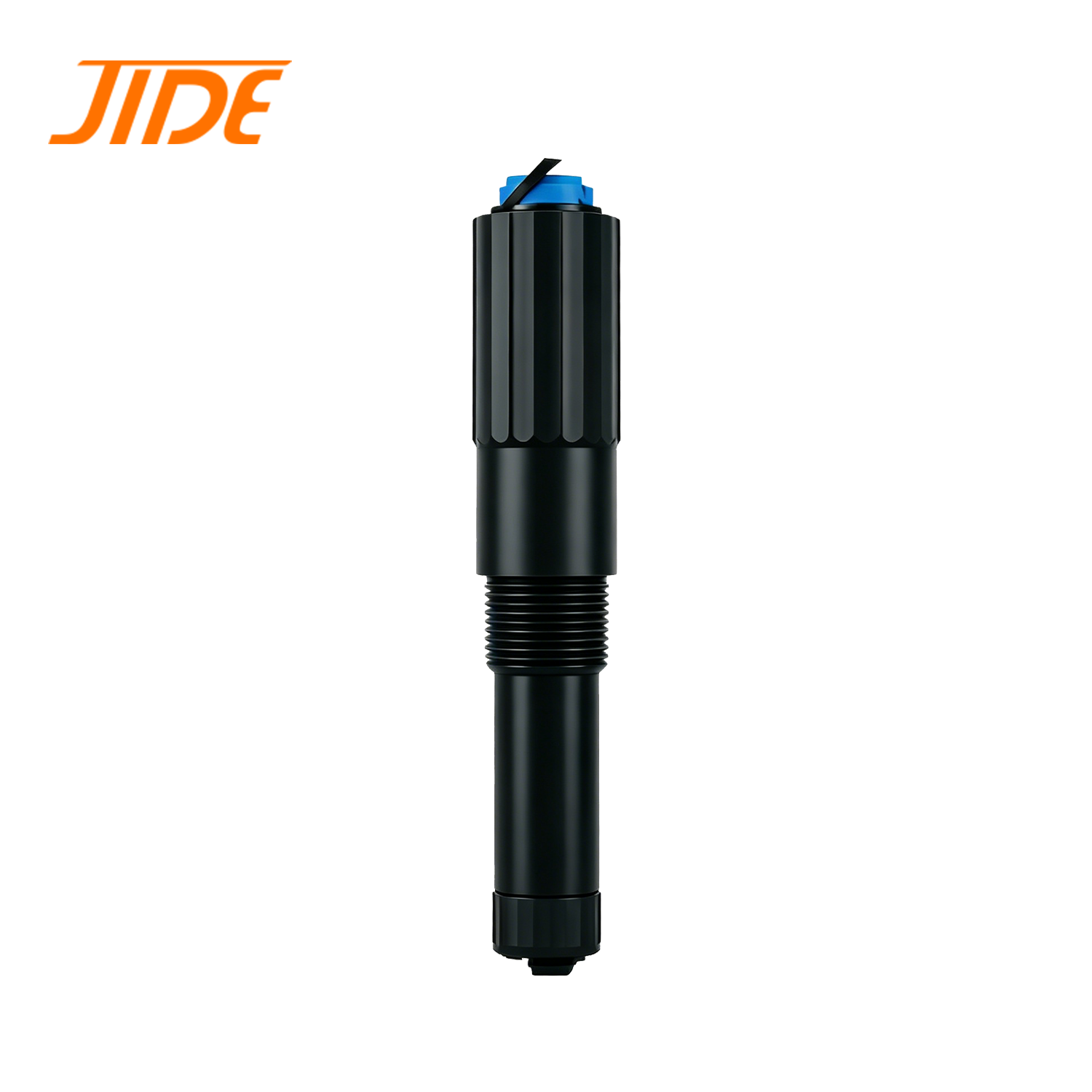
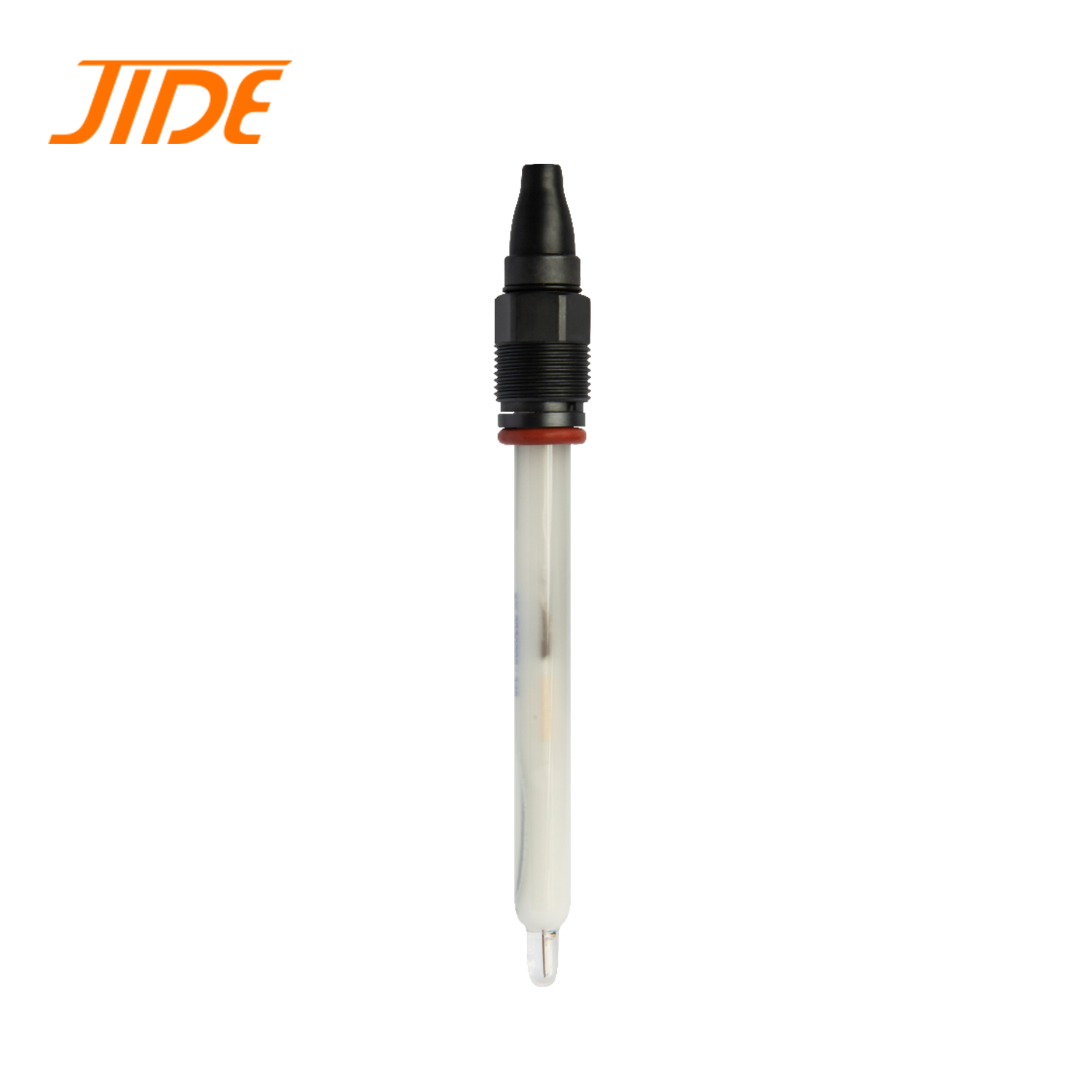
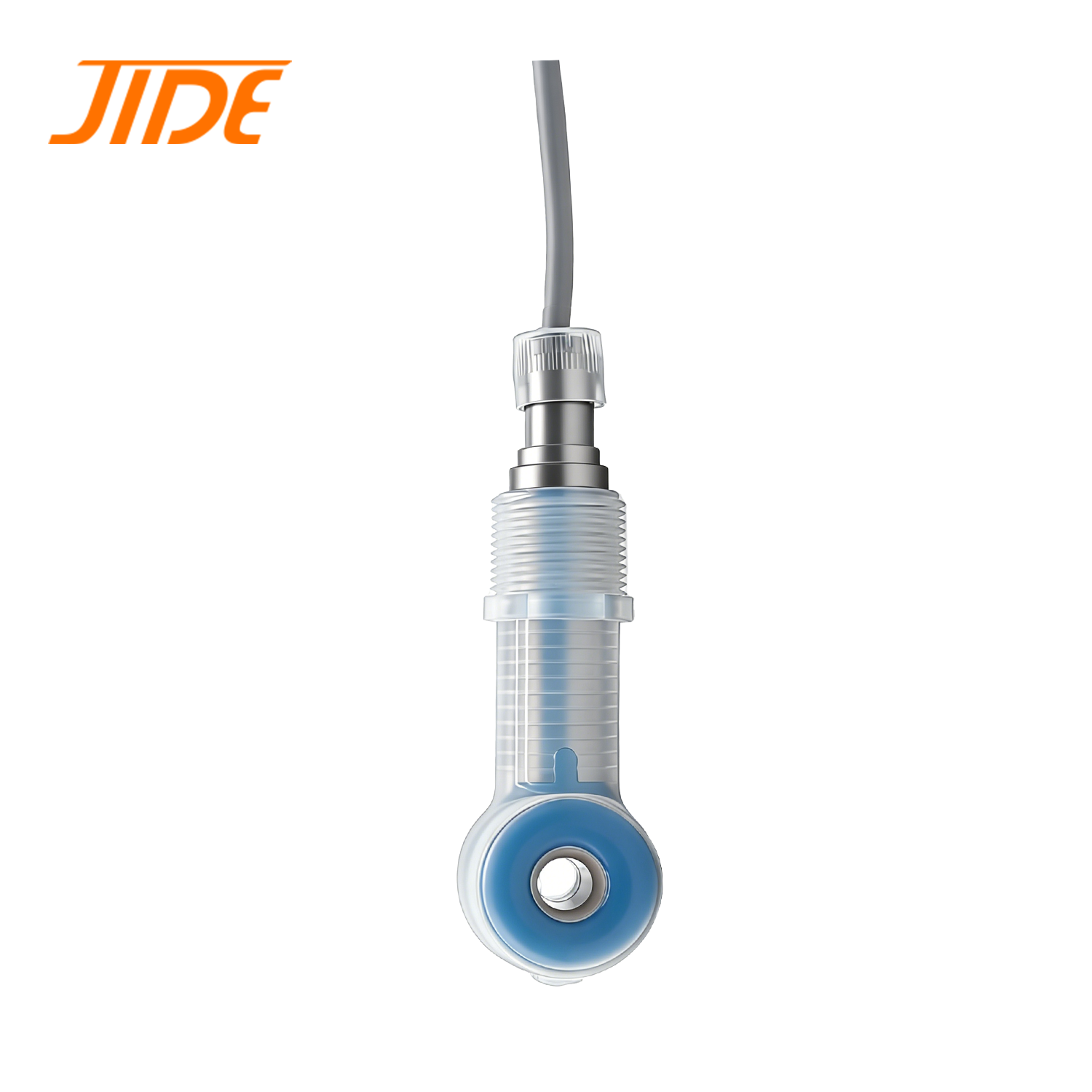
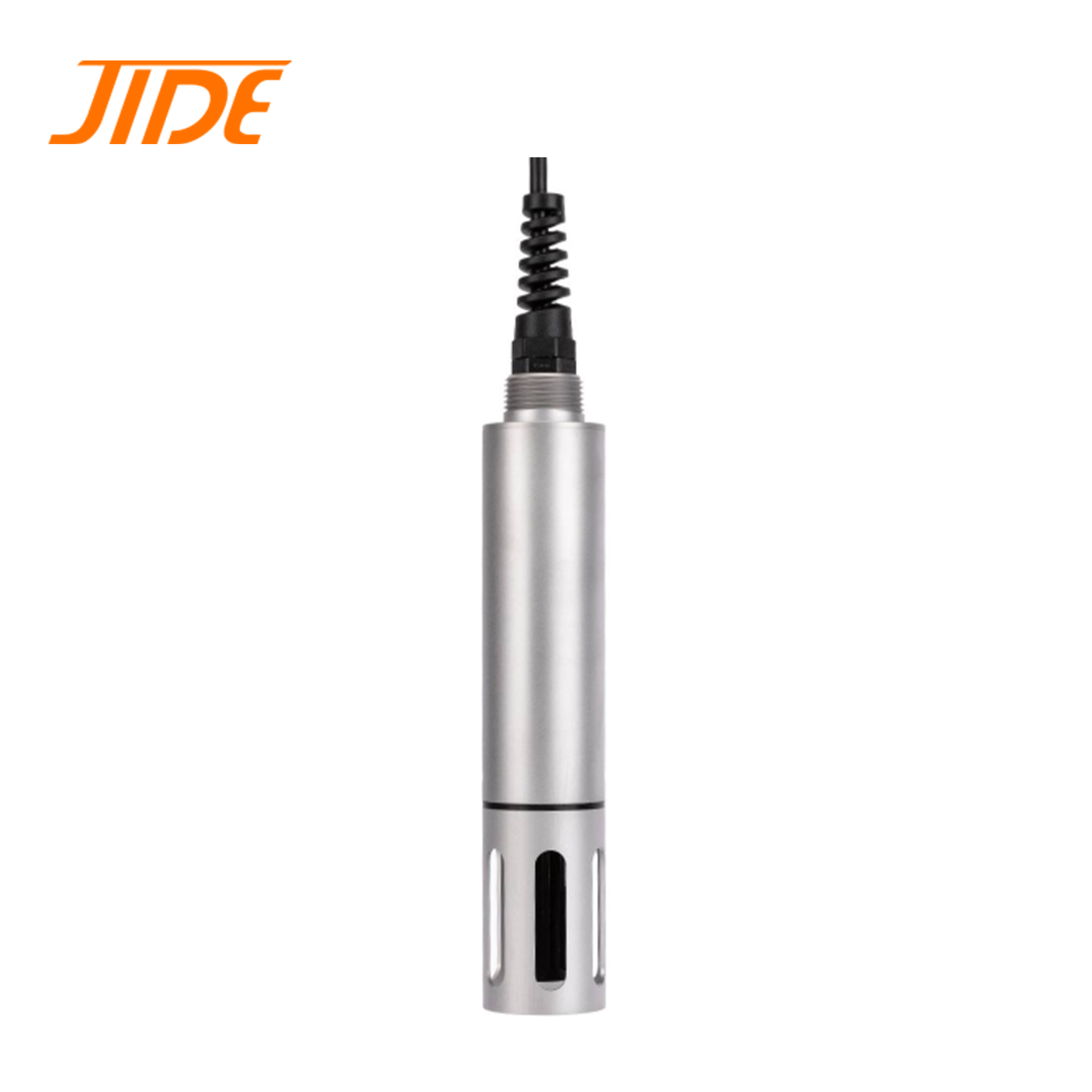
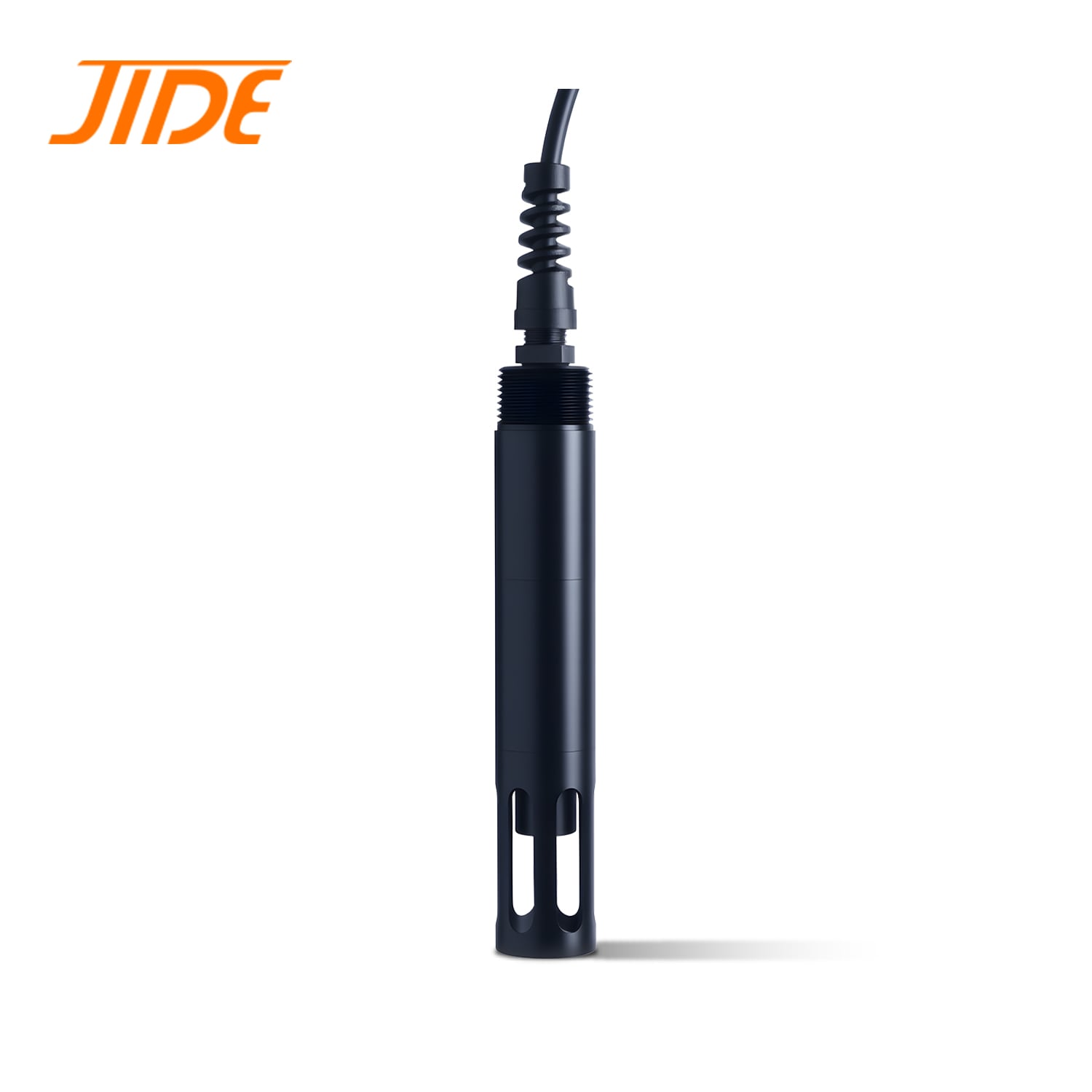
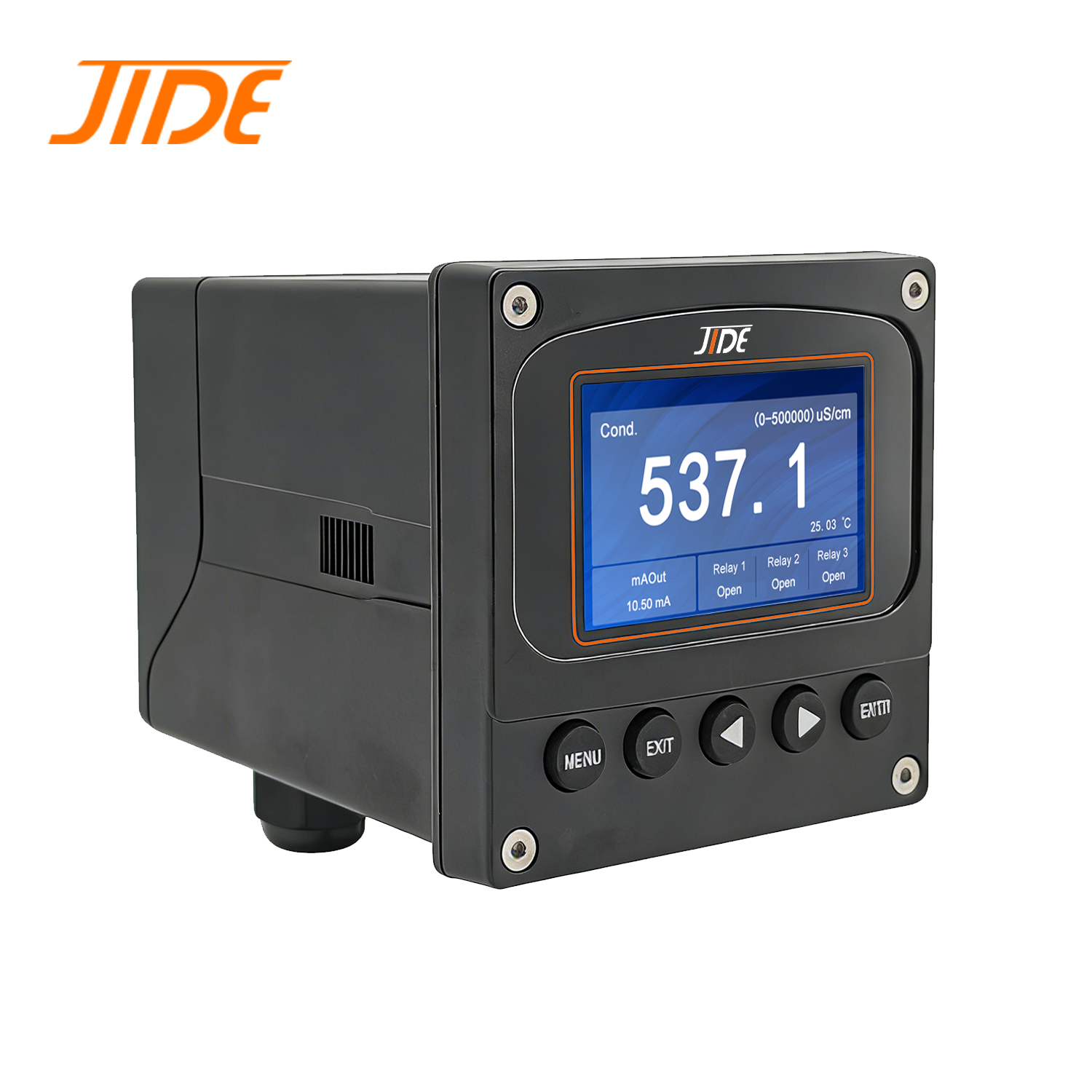
Electrodeless conductivity sensors are special tools used to measure how well a liquid can conduct electricity. Unlike regular sensors that have electrodes, JIDE conductivity sensor don’t have any metal parts that touch the liquid. This design helps them work better in many different situations. For example, they can be used in water treatment plants, food processing, and chemical manufacturing. Companies like JIDE create these sensors to help businesses get accurate data without worrying about the problems that come with traditional sensors. This makes it easier to keep track of how liquids are behaving, which is very important for safety and quality control.
Electrodeless conductivity sensors are designed to give very precise readings. Because JIDE electrical conductivity sensor do not have metal parts, they avoid problems like corrosion, which can happen with regular sensors. Corrosion can change how a sensor works, leading to wrong measurements. With no electrodes, these sensors can last longer and provide more reliable data. For instance, in a factory where chemicals are mixed, the sensor can accurately measure how well the mixture conducts electricity. JIDE conductivity level sensor helps workers know if the mixture is right, preventing mistakes that could be dangerous.