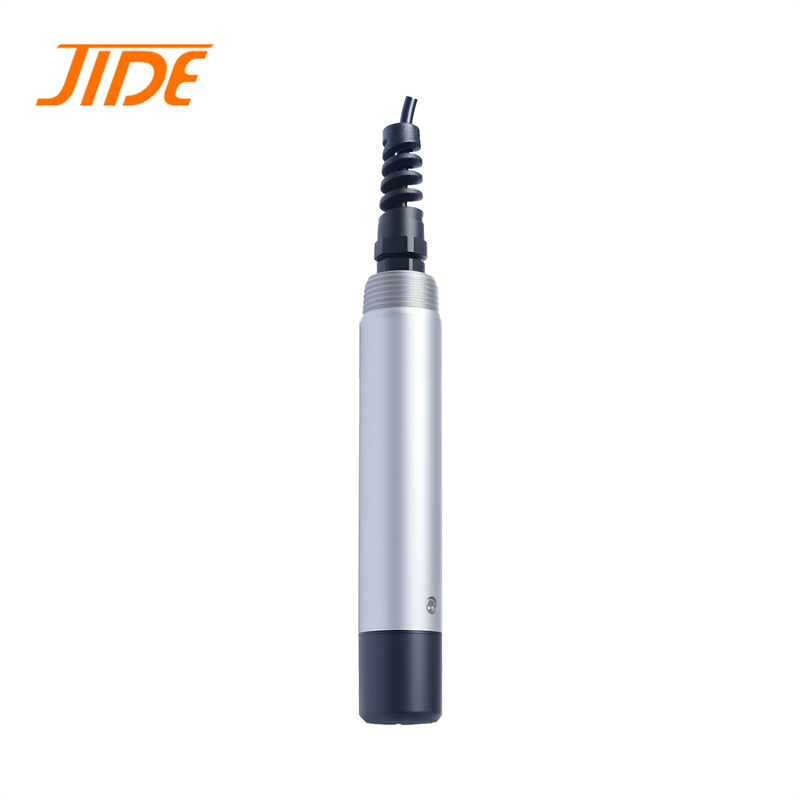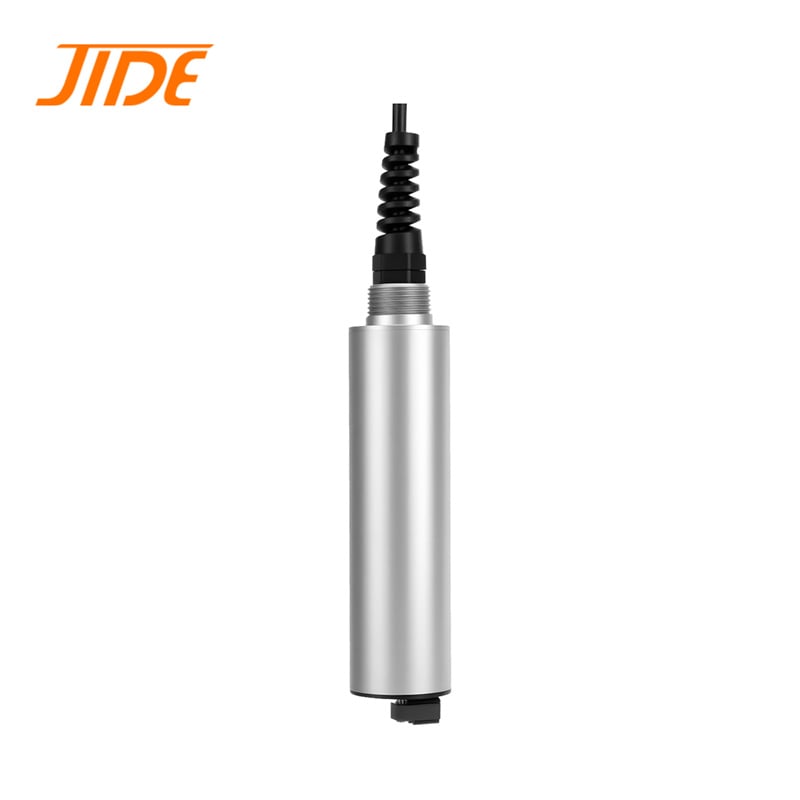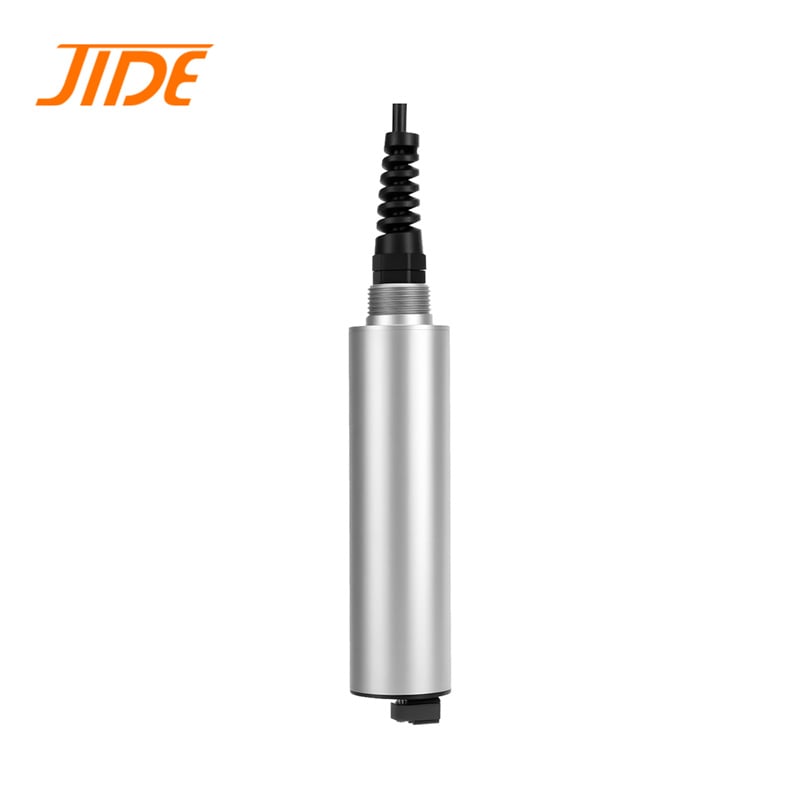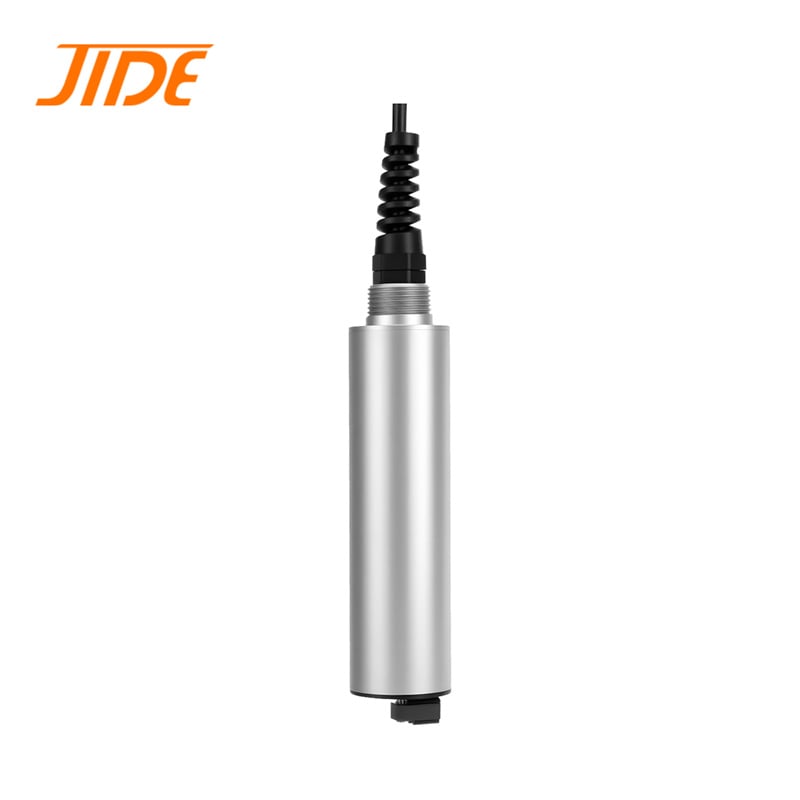
High-Quality Digital pH Sensors for Water Testing

All Categories

Digital ph sensor

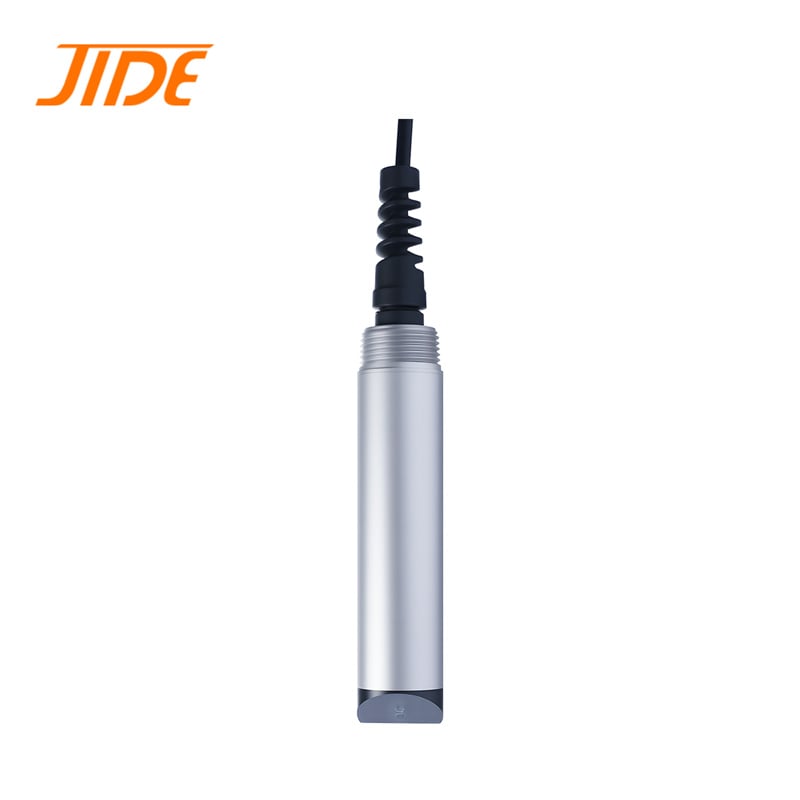
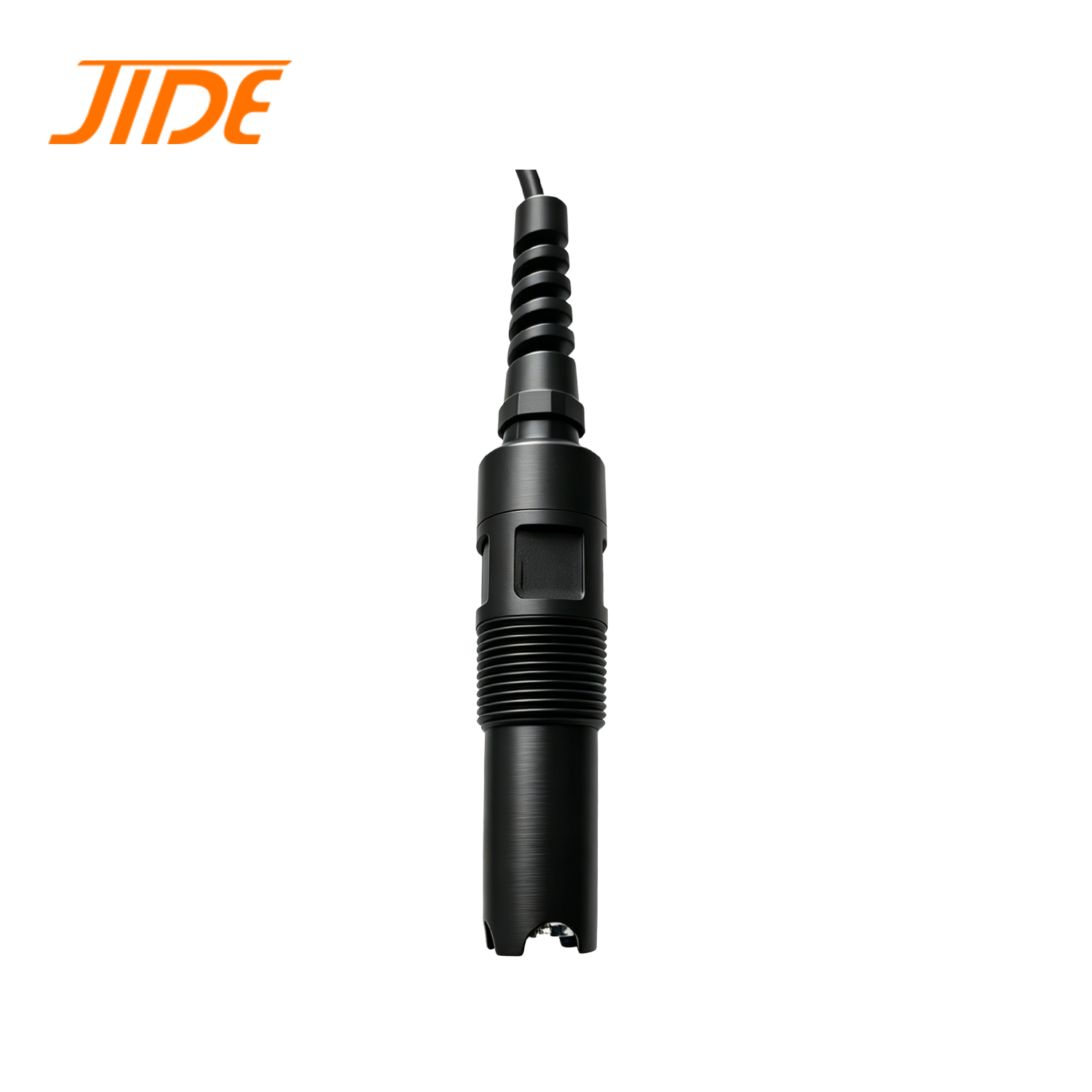
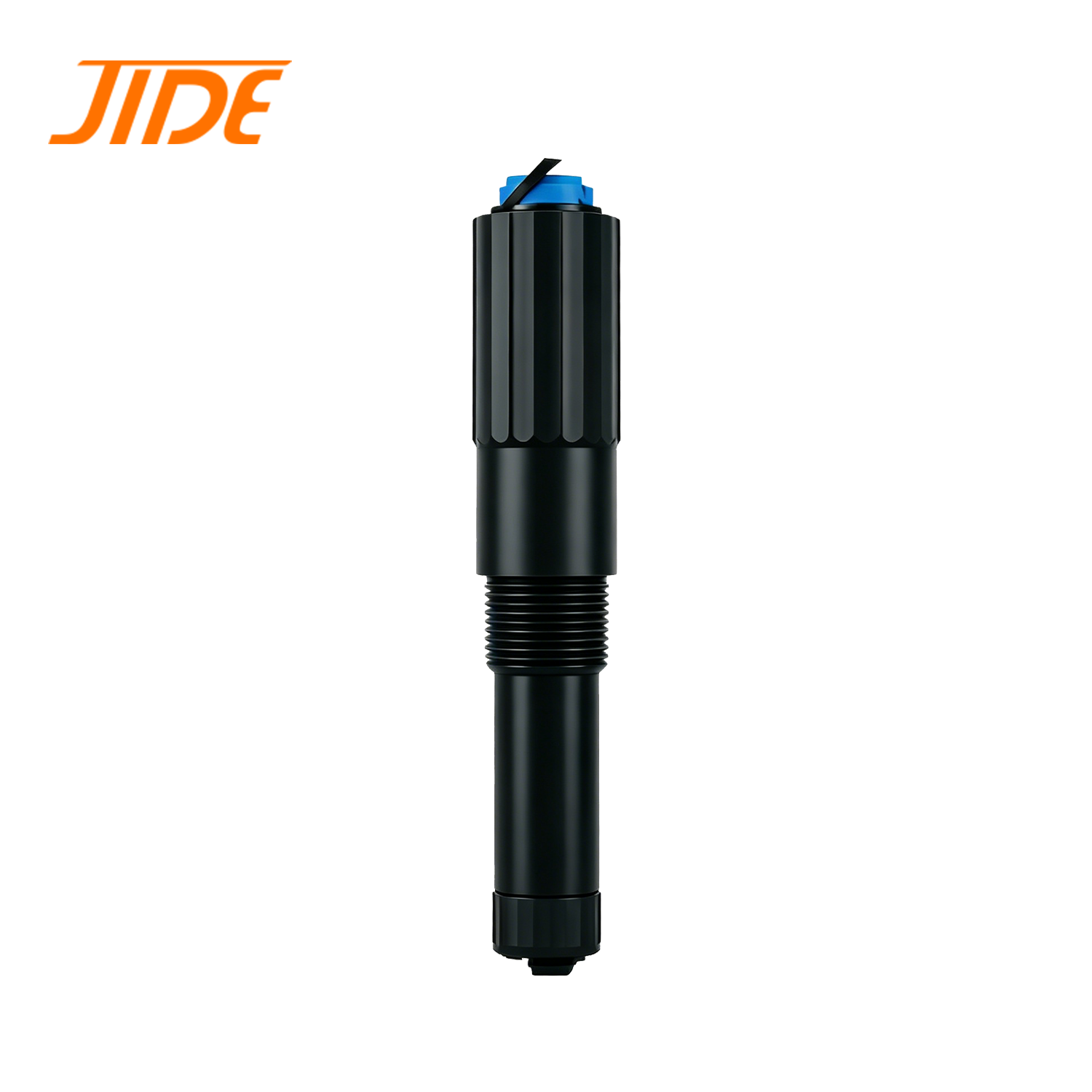
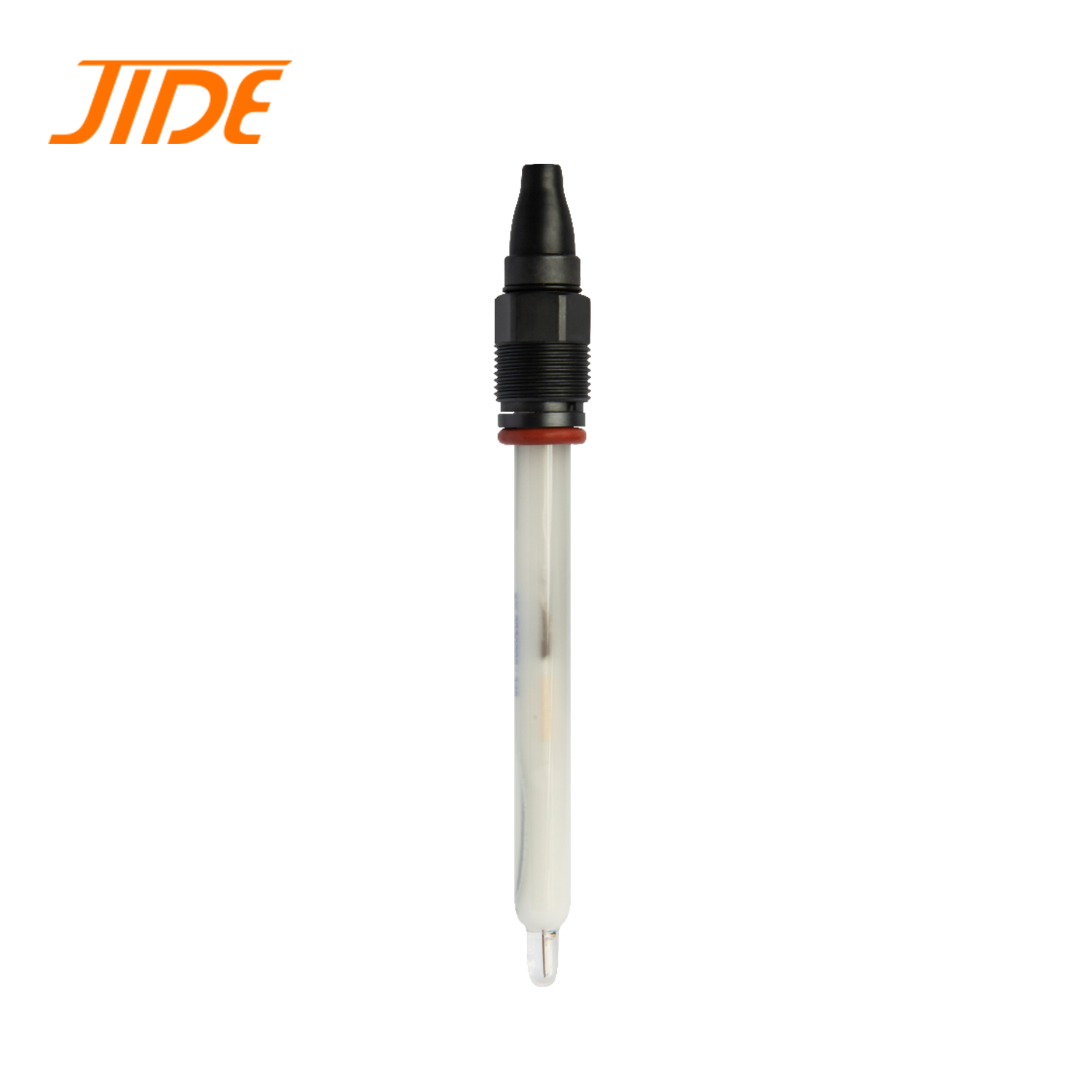
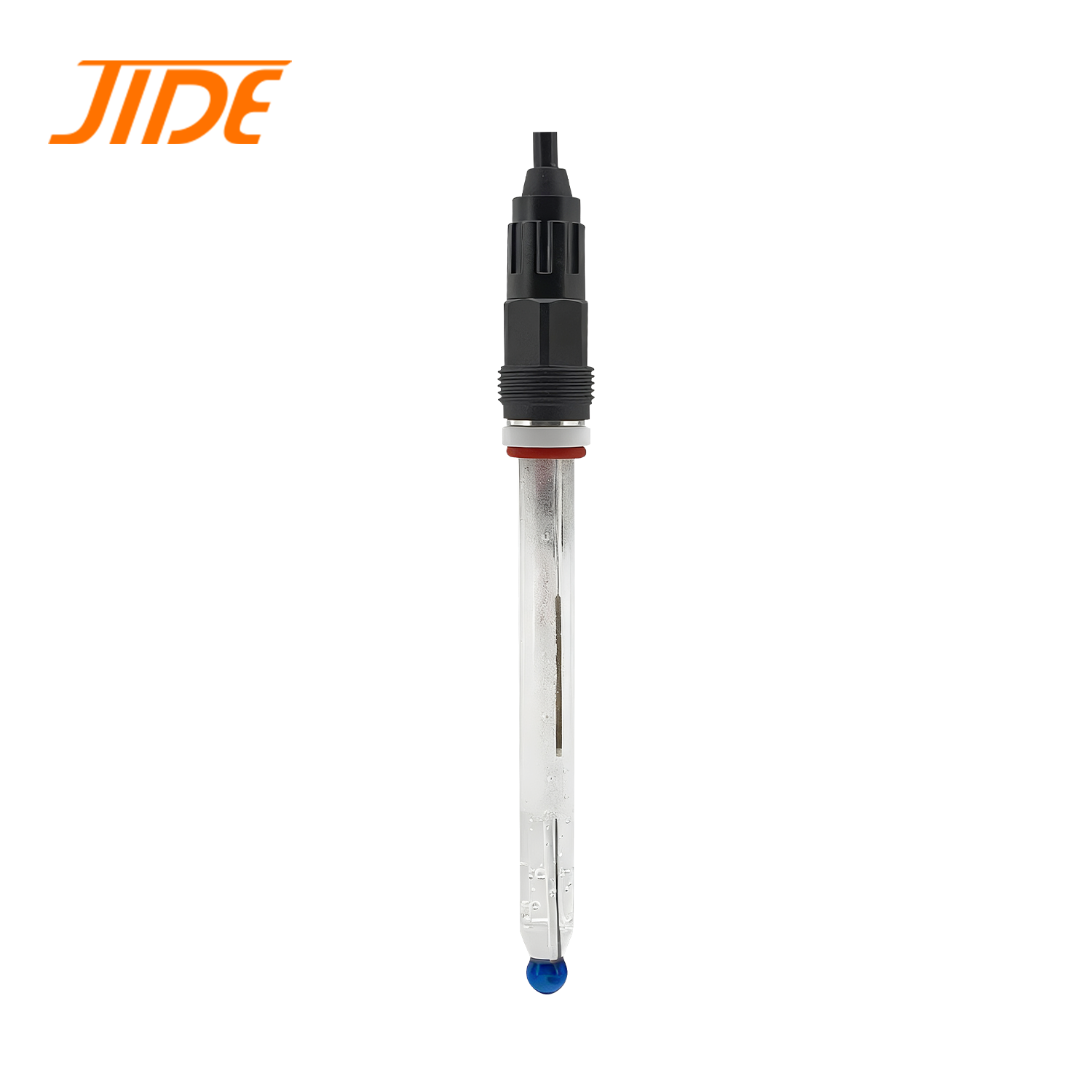
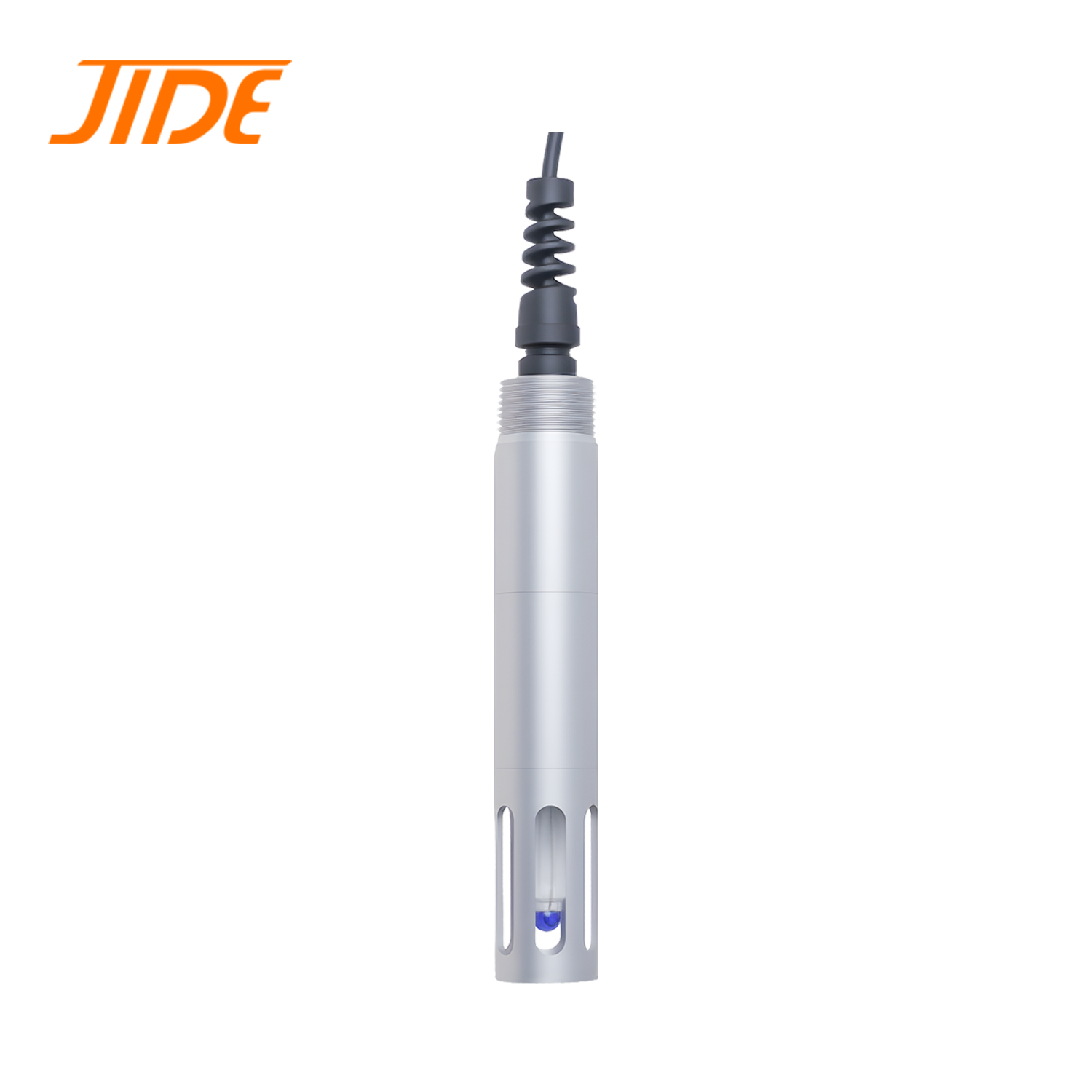
            Digital pH sensors are important tools that help us measure how acidic or basic a liquid is. They are used in many places, like farms, labs, and even swimming pools. Understanding the pH level is important for growing healthy plants, making clean water, and keeping pools safe for swimming. At JIDE sensor ph air, we focus on making high-quality digital pH sensors that are reliable and easy to use. This article will guide you about what to look for when choosing a digital pH sensor and how they improve testing water quality.     

When buying a digital pH sensor for wholesale, there are several key features to look for. First, accuracy is very important. A JIDE industrial ph sensor should give you the right readings every time you use it. If the sensor is not accurate, it can lead to problems, especially in farming or water treatment. Additionally, you want a sensor that is durable. It should be able to withstand harsh conditions, like high temperatures or pressure. A strong build means it will last longer and be worth the investment. Also, consider the ease of use. Some sensors come with complicated instructions, making it hard for beginners. Look for sensors that are user-friendly and have clear displays. Another factor is response time. JIDEph sensor kit should give quick results. Waiting too long for measurements can slow down your work, especially in busy environments. Lastly, think about the maintenance. Sensors need regular calibration to stay accurate. Choose a sensor that is easy to maintain, with features that help you know when it needs recalibration. By keeping these points in mind, you can find the right digital pH sensor from JIDE that meets your needs.         
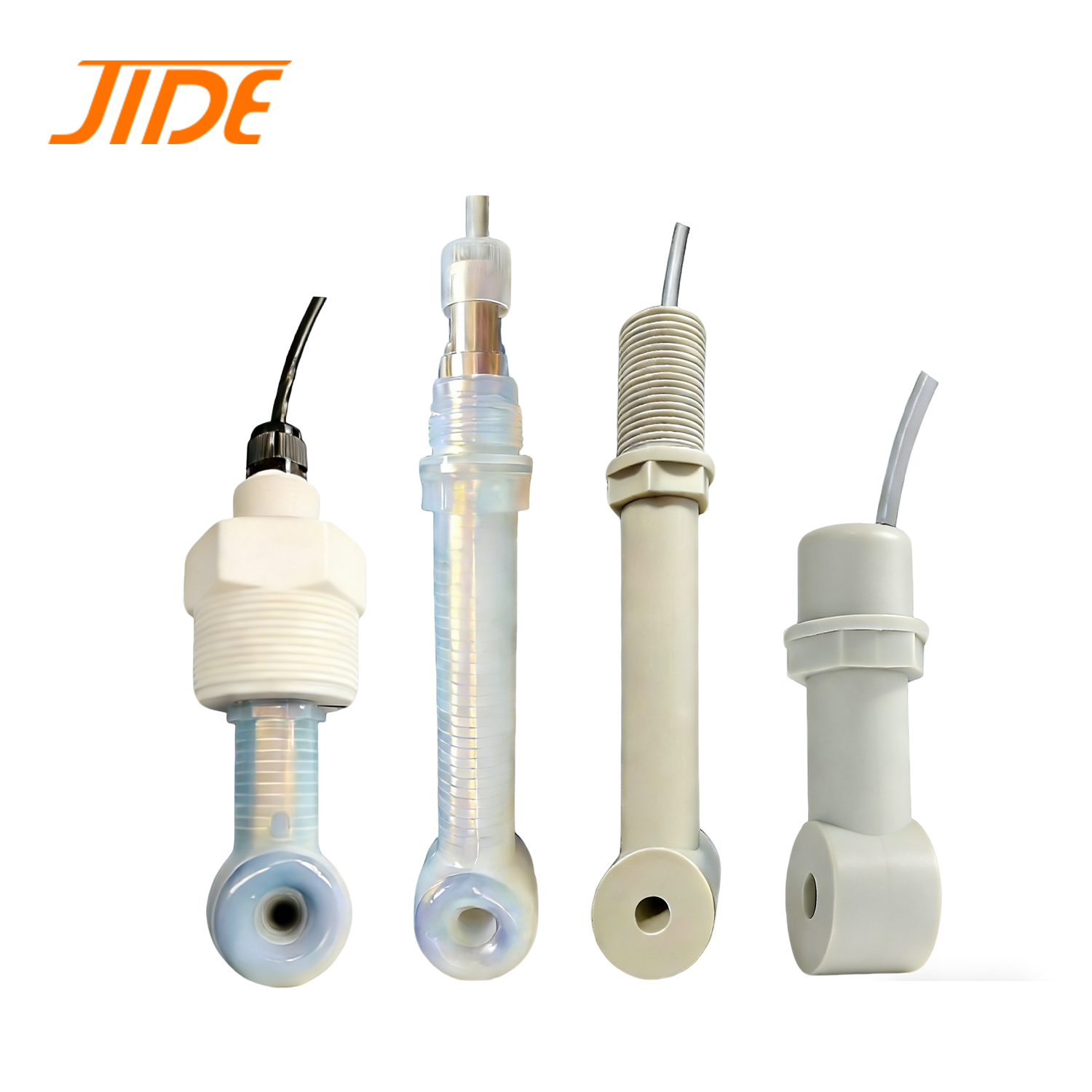

Our Products

What to Look for in a High-Quality Digital pH Sensor for Wholesale Purchase

Digital pH sensors greatly enhance the precision of water quality testing. When measuring pH levels, precision is essential. If the pH is too low or too high, it can harm plants, fish, or even people. Digital pH sensors provide accurate readings that help prevent these issues. For example, in aquaculture, monitoring pH levels is critical for fish health. Fish can suffer or die if the water is too acidic or basic. With a reliable digital pH sensor, aquaculture farms can maintain proper water conditions, ensuring fish thrive. In agriculture, farmers use these sensors to optimize soil health. Knowing the pH helps them understand what nutrients are available to plants. If the soil is too acidic or basic, farmers can adjust it by adding lime or sulfur. This leads to healthier crops and better yields. Swimming pools also benefit from digital pH sensors. They help pool owners maintain safe water for swimmers. If the pH is off, it can cause skin and eye irritation. By using digital pH sensors, pool owners can easily keep the water balanced. Overall, digital pH sensors from JIDE play a vital role in various fields by improving the precision of water quality testing, leading to better outcomes for plants, animals, and people.   

Digital pH sensors are handy tools used to measure how acidic or basic a liquid is. However, sometimes these sensors can have problems. If your sensor is not working well, it can be frustrating. Here are some tips from JIDE to help you fix common issues. First, check the calibration. Calibration is when you set the sensor to measure correctly. If your sensor is giving strange readings, it might need recalibration. You can do this by using pH buffer solutions. These solutions have known pH levels that help you set the sensor right. Make sure to follow the instructions from JIDE carefully for the best results.

Frequently Asked Questions

What is the Digital pH Sensor used for?

The Digital pH Sensor measures liquid pH in environmental and industrial processes, supporting wastewater, water treatment, and process control applications.
Typical accuracy is ±0.01–0.1 pH depending on model. Measurement range commonly spans 0–14 pH; specific specs available on request.
It features digital outputs (Modbus/4-20mA/RS485 depending on model) for integration with PLCs, SCADA, and our water quality monitors.
Routine calibration with standard buffer solutions and periodic electrode cleaning are recommended. Frequency depends on process conditions.
Yes. JIDE LTD offers technical support, factory calibration and customization for industrial mounting, housings, and communication protocols.

Our Blog Posts

Real-Time Online Water Quality Monitoring System Overview

02

Jul

Real-Time Online Water Quality Monitoring System Overview

Water is essential for life, and knowing how clean it is makes a big difference. That’s where JIDE comes in. We create systems that check water quality in real-time. This means we can see what’s happening to the water right now, not just later. It he...
View More
Advanced Online Water Quality Monitoring Technology for Treatment Plants

05

Jul

Advanced Online Water Quality Monitoring Technology for Treatment Plants

Water is essential for life, but not all water is clean and safe. Treatment plants play a big role in cleaning water so that we can drink it and use it for different purposes. To ensure the water is safe, treatment plants need to monitor its quality ...
View More

Get a Free Quote

Our representative will contact you soon.
Email
Name
Company Name
Message
0/1000

Related product categories

How Digital pH Sensors Enhance Precision in Water Quality Testing

How Digital pH Sensors Enhance Precision in Water Quality Testing

Next, look at the sensor itself. Sometimes, dirt or other materials can get on the sensor and mess up the readings. If you see any dirt, gently clean the sensor with a soft cloth or sponge. Be careful not to scratch it! If the sensor is very dirty, you might need to soak it in a special cleaning solution. JIDE offers cleaning solutions that are safe for your sensor. Also, check the connection. If the sensor is not connected properly to the device, it won’t work right. Make sure all the wires and connections are snug and secure.

How to Troubleshoot Common Problems with Digital pH Sensors

How to Troubleshoot Common Problems with Digital pH Sensors

Another common problem is if the sensor stops working completely. If this happens, first check the batteries. If they are low, replace them with new ones. If the sensor still does not work, it might be damaged and need to be replaced. Sometimes, sensors can wear out over time. If you have tried everything and it still does not work, it might be time to contact JIDE for help. They can provide support and guide you on what to do next. Troubleshooting can seem hard, but with these tips, you can solve many common problems with digital pH sensors.

What Innovations in Digital pH Sensors Are Trending in 2023?

What Innovations in Digital pH Sensors Are Trending in 2023?

Additionally, some digital pH sensors now have built-in features. For example, some can automatically calibrate themselves. This means they can adjust their readings to stay accurate without needing much help from the user. This feature saves time and makes it easier for people who may not be experts in using pH sensors. JIDE is focused on making sensors that are user-friendly and efficient. With these new features, everyone can feel confident using digital pH sensors, whether in a lab or at home. As technology continues to grow, we can expect even more exciting changes in the world of digital pH sensors.

Choose your global partner

Are you ready to consult with an engineer about your working conditions and specific needs?

Get a Quote

Get a Free Quote

Our representative will contact you soon.
Email
Name
Company Name
Message
0/1000