Reliable Electrical Conductivity Sensors for Sale

All Categories

Electrical conductivity sensor

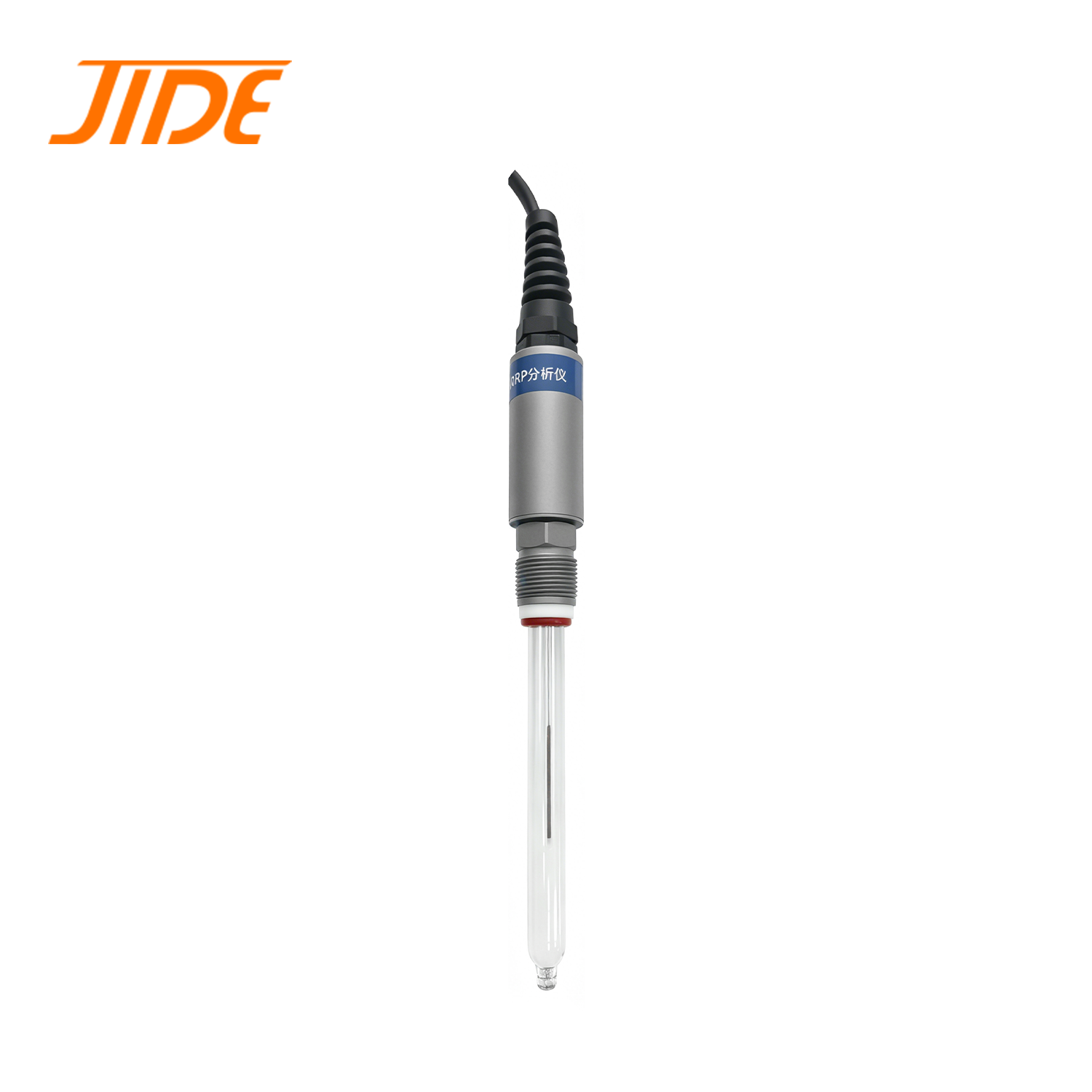
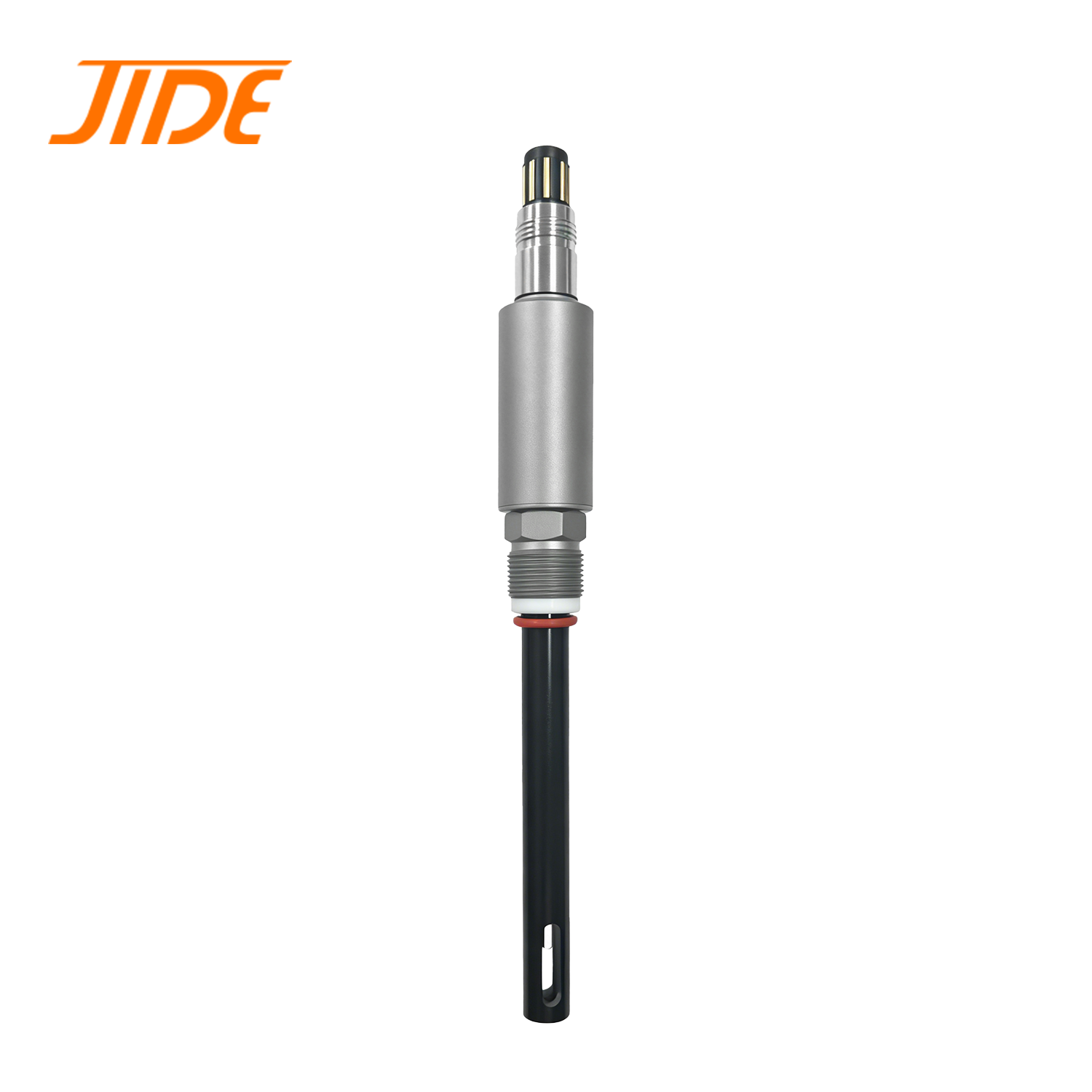
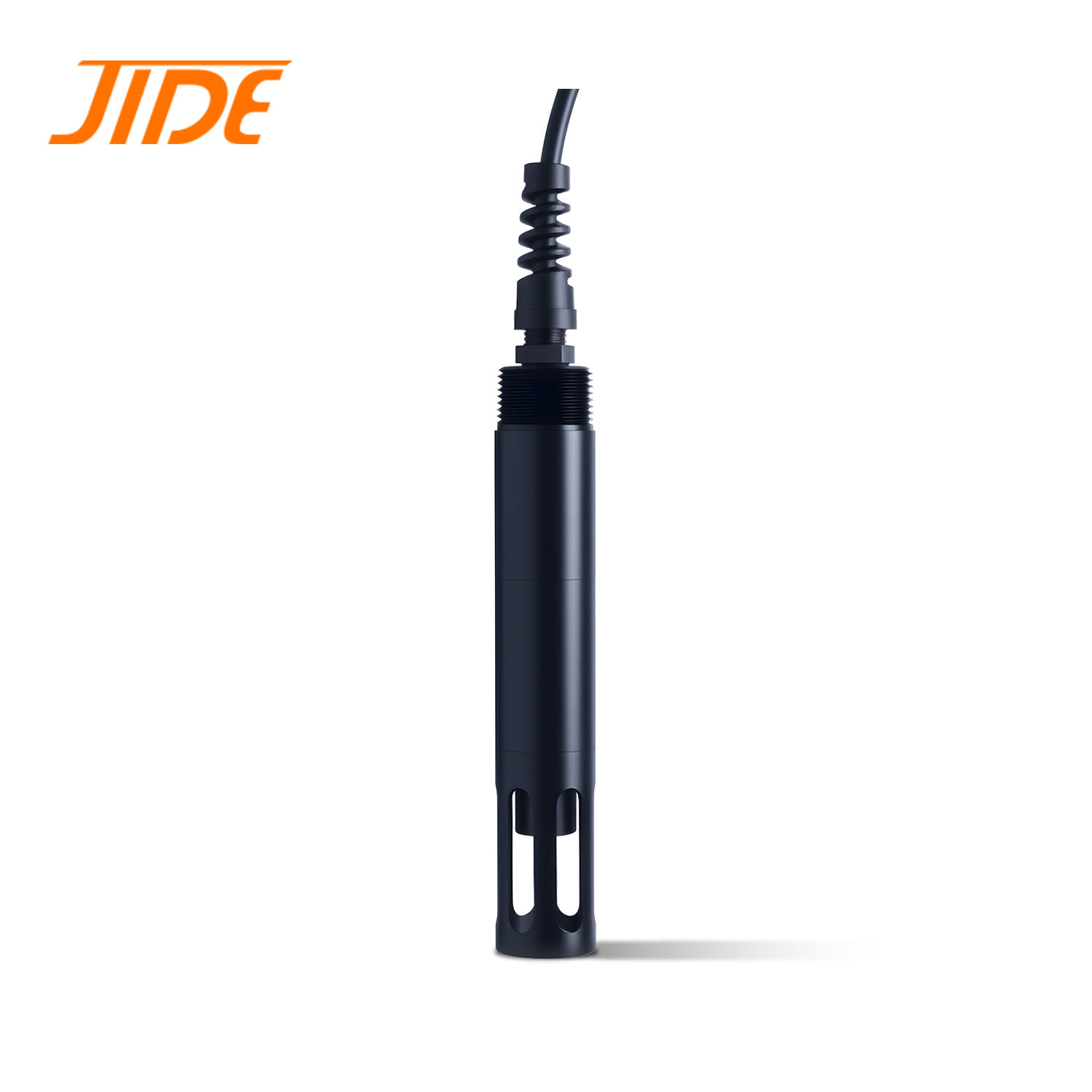
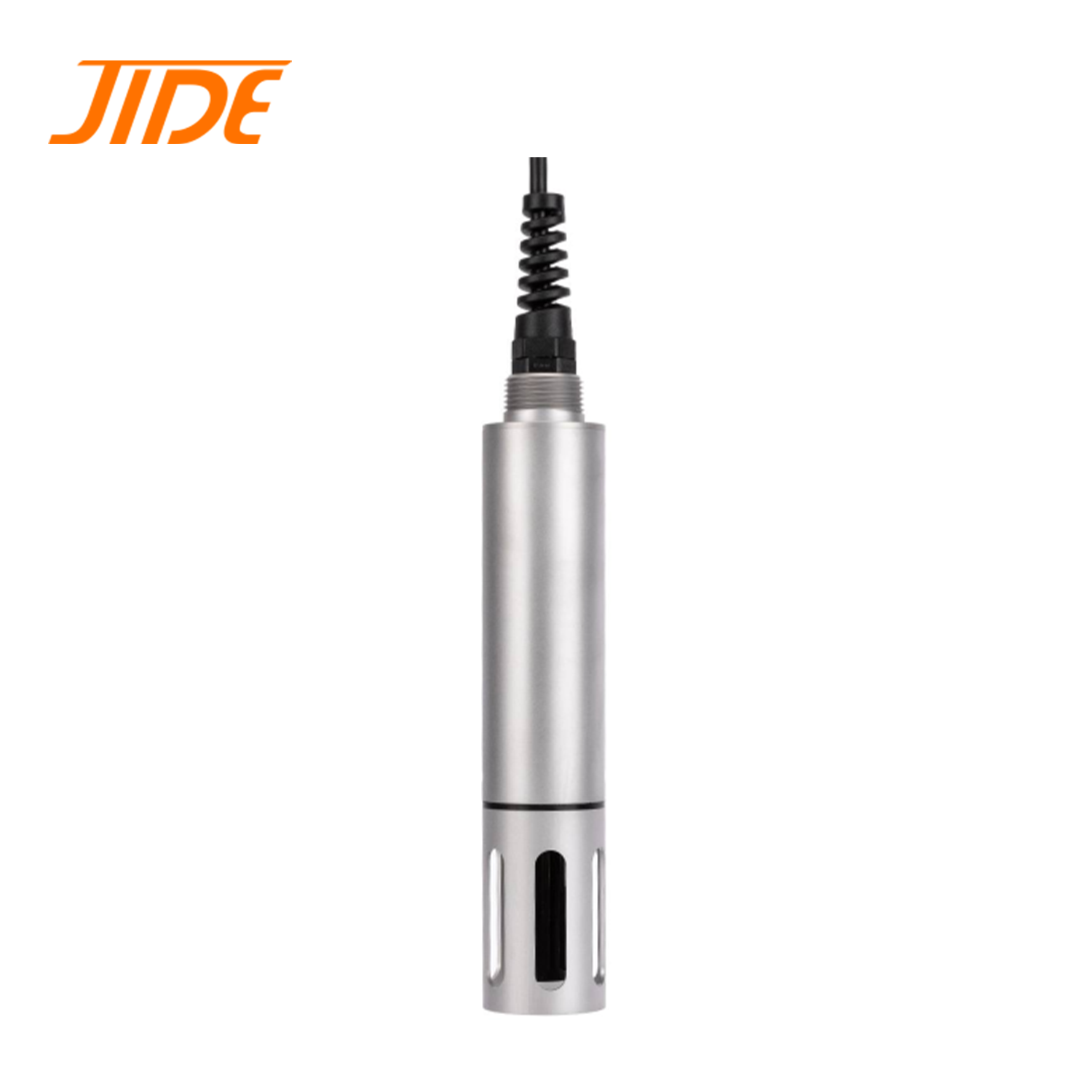
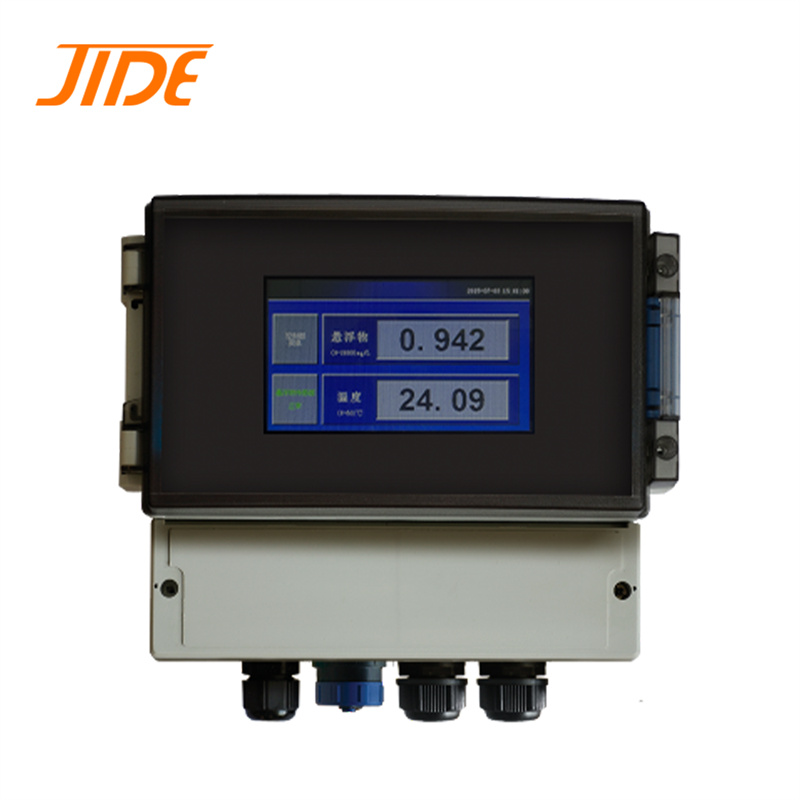
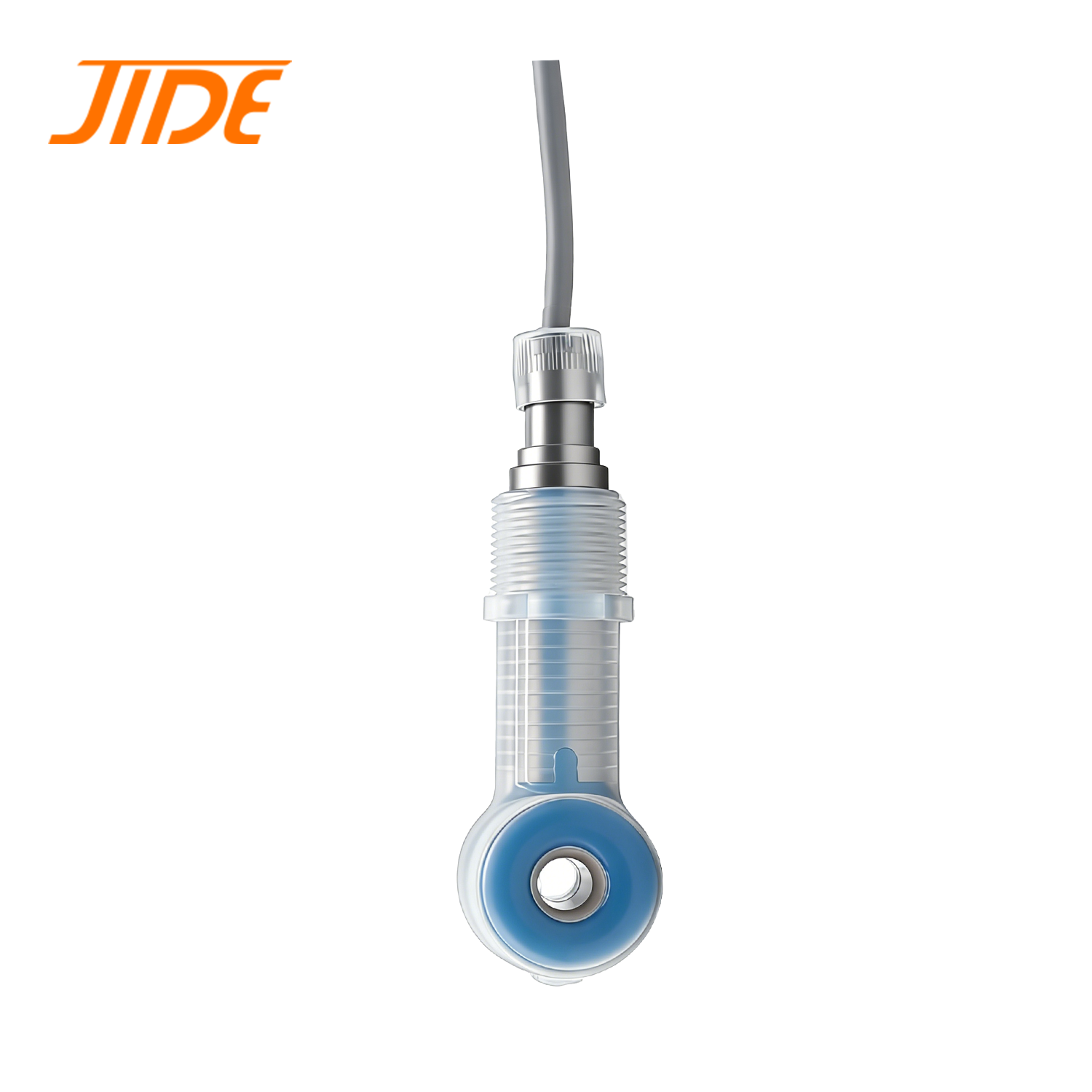
Electrical conductivity sensors are important tools used in many areas, such as aquaculture, farming, and industrial processes. These sensors help measure how well electricity can flow through a liquid. When water has a lot of dissolved salts or minerals, it conducts electricity better. This means that these sensors can tell us about the quality of the water, which is essential for fish health and growth in aquaculture. JIDE provides various types of electrical conductivity sensor that are reliable and easy to use. We focus on making sure our products meet the needs of our customers so they can get accurate readings and maintain their operations efficiently.   

When looking for reliable wholesale suppliers of electrical conductivity sensors, it is essential to do some research. A good place to start is online. Many suppliers list their products on websites, making it easy to compare different options. Look for suppliers that have a good reputation. Reading reviews from other customers can help. Another tip is to contact the suppliers directly. Ask them questions about their products, warranty, and shipping options. This can give you a better sense of who you are dealing with. JIDE is known for its high-quality sensors and excellent customer service. We pride ourselves on being a trustworthy source, and we are always ready to help our customers find the right sensor for their needs. Sometimes, visiting trade shows can also be helpful. These events allow you to meet suppliers face-to-face and see the products in action. Plus, you can ask questions and get a feel for how the companies operate. Don’t forget to check for bulk discounts as well. Buying in larger quantities can often save you money in the long run. Remember, building a relationship with suppliers is important. Good communication can lead to better deals and support when you need it.
Where to Find Reliable Wholesale Suppliers of Electrical Conductivity Sensors

Electrical conductivity sensors are essential for aquaculture applications for several reasons. First off, they help monitor the health of the water. Fish and other aquatic life need clean water to survive and grow. If the water quality changes, it can harm the fish. Sensors can quickly alert farmers to problems, allowing them to take action before it is too late. For instance, if the conductivity levels drop or rise unexpectedly, it might mean that something is wrong, like pollution or a problem with the water source. This helps fish farmers keep their stock healthy and safe. Additionally, these sensors can also help optimize feeding practices. By knowing the water's conductivity, farmers can adjust their feeding plans. This can lead to better growth rates and healthier fish, which is great for profit. JIDE’s sensor ph are designed for durability and accuracy, ensuring that aquaculture professionals can rely on them. Finally, using these sensors can make operations more efficient. Instead of checking water quality manually, farmers can set up sensors to provide continuous monitoring. This saves time and helps ensure that the fish are always in the best environment possible. 

Choosing the right electrical conductivity sensor is important, especially if you want to get accurate readings for your projects. First, think about what you need the sensor for. Are you using it for water quality testing, soil testing, or something else? Knowing the purpose will help narrow down your choices. Next, consider the range of conductivity that the sensor can measure. Some sensors work well with low conductivity, while others are better for high conductivity. If you need to measure a wide range, look for a sensor that can handle both.

Frequently Asked Questions

What applications suit this electrical conductivity sensor?

Suitable for environmental monitoring, industrial process control, wastewater, boiler feed, cooling towers, and water treatment where conductivity measurement ensures quality and process control.
Ranges vary by model to cover low to high conductivity; typical accuracy is ±1–2% FS. Contact for specific model specs and customization to match your process requirements.
Offers inline, insertion, or submersible mounting depending on model. Mounting kits and clear installation guidelines are provided for secure, watertight connections and optimal sensing placement.
Supports analog outputs (4–20mA, 0–10V), RS485 Modbus, and relay alarms depending on model. Options for integration into control systems and data loggers are available.
Simple field calibration with standard solutions; routine cleaning prevents fouling. We provide calibration procedures, spare sensors, and technical support through our R&D and quality teams.

Our Blog Posts

Online Water Quality Monitoring Solutions for Industrial Applications

01

Jul

Online Water Quality Monitoring Solutions for Industrial Applications

Water is a vital part of many industries. Factories, farms, and plants all need clean water to work properly. When water quality is poor, it can cause big problems. Companies can lose money, face legal issues, and hurt the environment. That’s why it ...
View More
Top Rated PH Sensor for Industrial Water Quality Monitoring

06

Jul

Top Rated PH Sensor for Industrial Water Quality Monitoring

Water quality is very important in industries. Many businesses need clean water for their processes. One way to check the quality of water is by using a pH sensor. JIDE makes top-rated pH sensors that help industries monitor water quality. These sens...
View More
High Precision Conductivity Sensor for Water Treatment Systems

07

Jul

High Precision Conductivity Sensor for Water Treatment Systems

Water is essential for life, and treating it properly is very important. To make sure water is clean and safe, many systems are used in treatment plants. One important tool in these systems is the high precision conductivity sensor. This sensor helps...
View More
Professional ORP Sensor for Water Disinfection Monitoring

11

Jul

Professional ORP Sensor for Water Disinfection Monitoring

Professional ORP Sensors for Reliable Water Disinfection and Water Quality MonitoringWater is essential for life, and keeping it safe and clean is a top priority. One of the most effective ways to maintain water quality is through continuous monitori...
View More

Get a Free Quote

Our representative will contact you soon.
Email
Name
Company Name
Message
0/1000

Related product categories

What Makes Electrical Conductivity Sensors Essential for Aquaculture Applications

What Makes Electrical Conductivity Sensors Essential for Aquaculture Applications

Don't forget about durability. If you plan to use the sensor outdoors or in tough conditions, it should be made of strong materials that can withstand wear and tear. Lastly, consider the price. JIDE offers a variety of electrical conductivity sensors that are both high-quality and affordable. This way, you can find a ph sensor that meets your needs without spending too much money. By keeping these points in mind, you will be able to choose the best electrical conductivity sensor for your specific needs.

How to Choose the Best Electrical Conductivity Sensor for Your Needs

How to Choose the Best Electrical Conductivity Sensor for Your Needs

Another way to save money is to look for sales or special offers. Many companies have seasonal sales, and you can take advantage of these to buy what you need at a lower price. If you plan to use the sensors for a long time, buying in bulk can save you money in the long run. Just remember to check the warranty and return policy, so you know what to do if something goes wrong with your sensors. Doing your research and choosing the right seller will ensure you get affordable electrical conductivity sensors that fit your needs perfectly.

Where to Buy Affordable Electrical Conductivity Sensors in Bulk

Where to Buy Affordable Electrical Conductivity Sensors in Bulk

Using electrical conductivity sensors in agriculture has many benefits that can help farmers and gardeners grow better crops. One of the main advantages is that these sensors help measure the salt levels in the soil. High salt levels can be harmful to plants, and by using these sensors, farmers can find out if they need to add more water or make other changes to keep their plants healthy. This means that crops can grow better, leading to bigger harvests.

Choose your global partner

Are you ready to consult with an engineer about your working conditions and specific needs?

Get a Quote

Get a Free Quote

Our representative will contact you soon.
Email
Name
Company Name
Message
0/1000