Inline Chlorine Sensor for Optimal Water Quality

All Categories

inline chlorine sensor

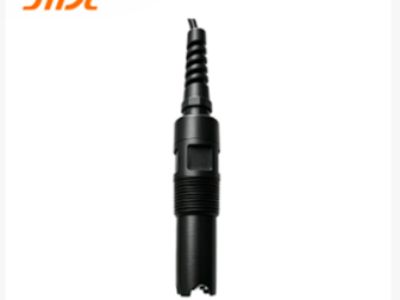
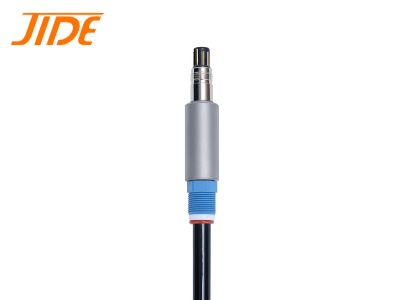
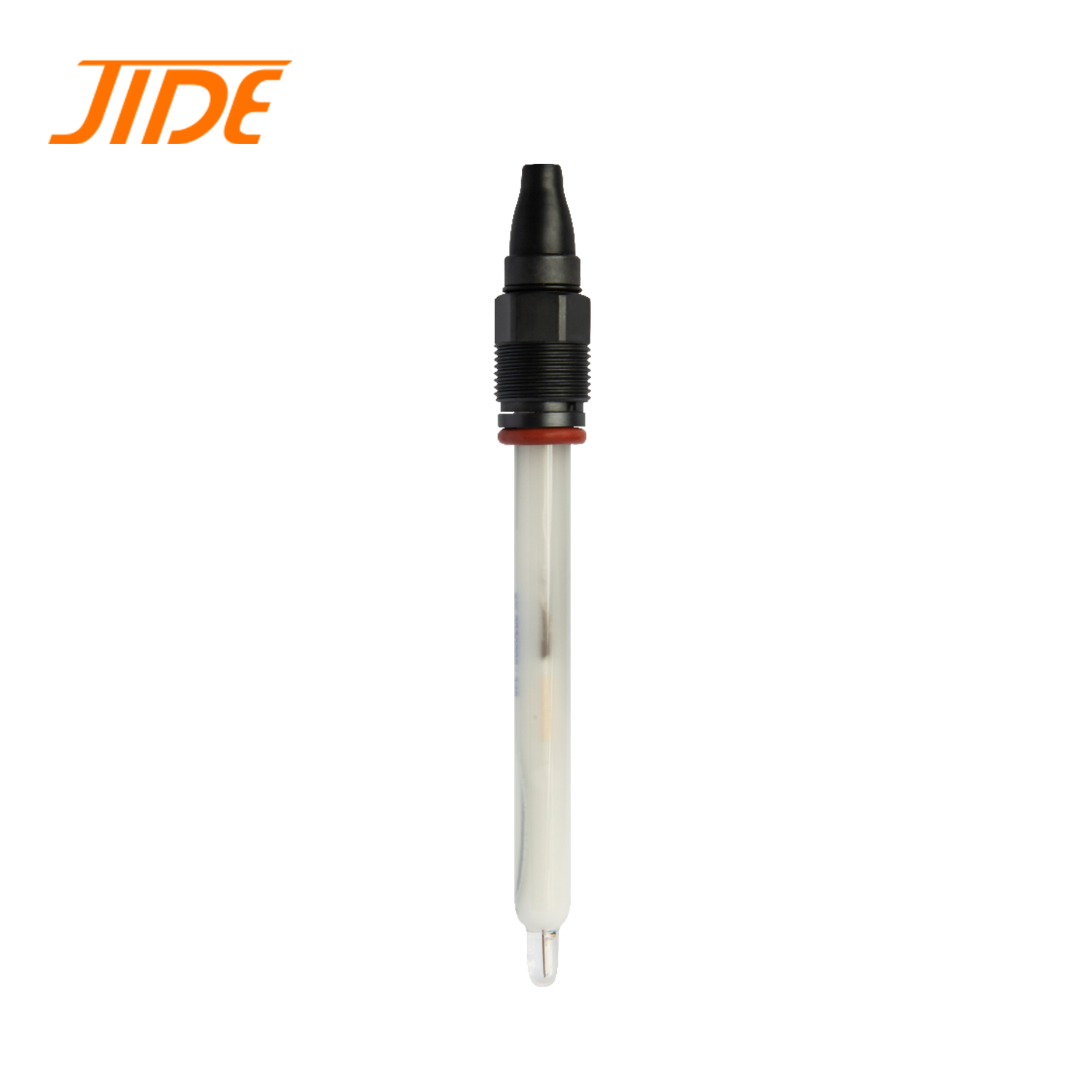
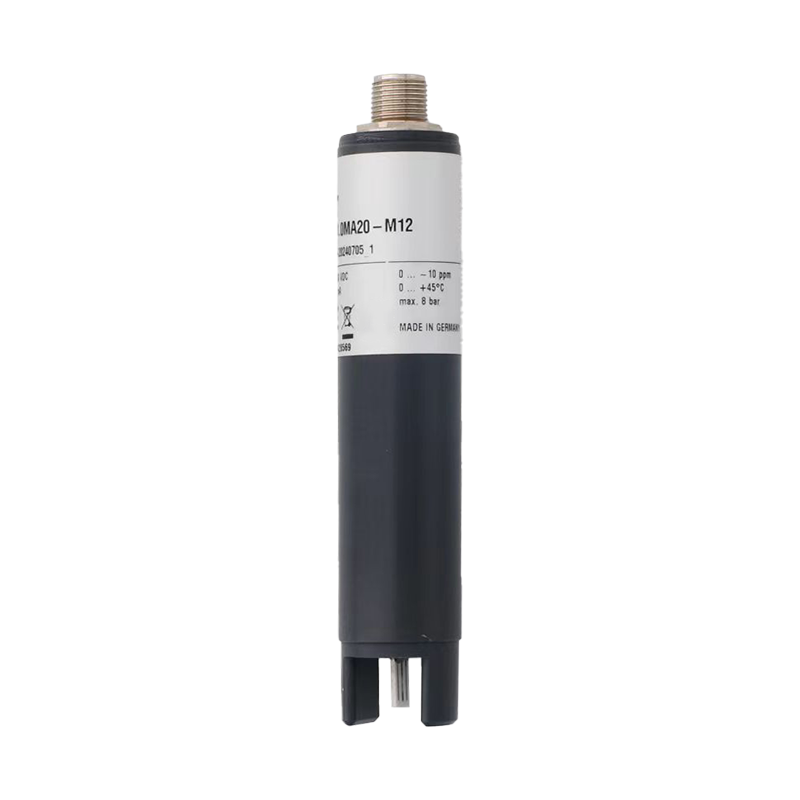
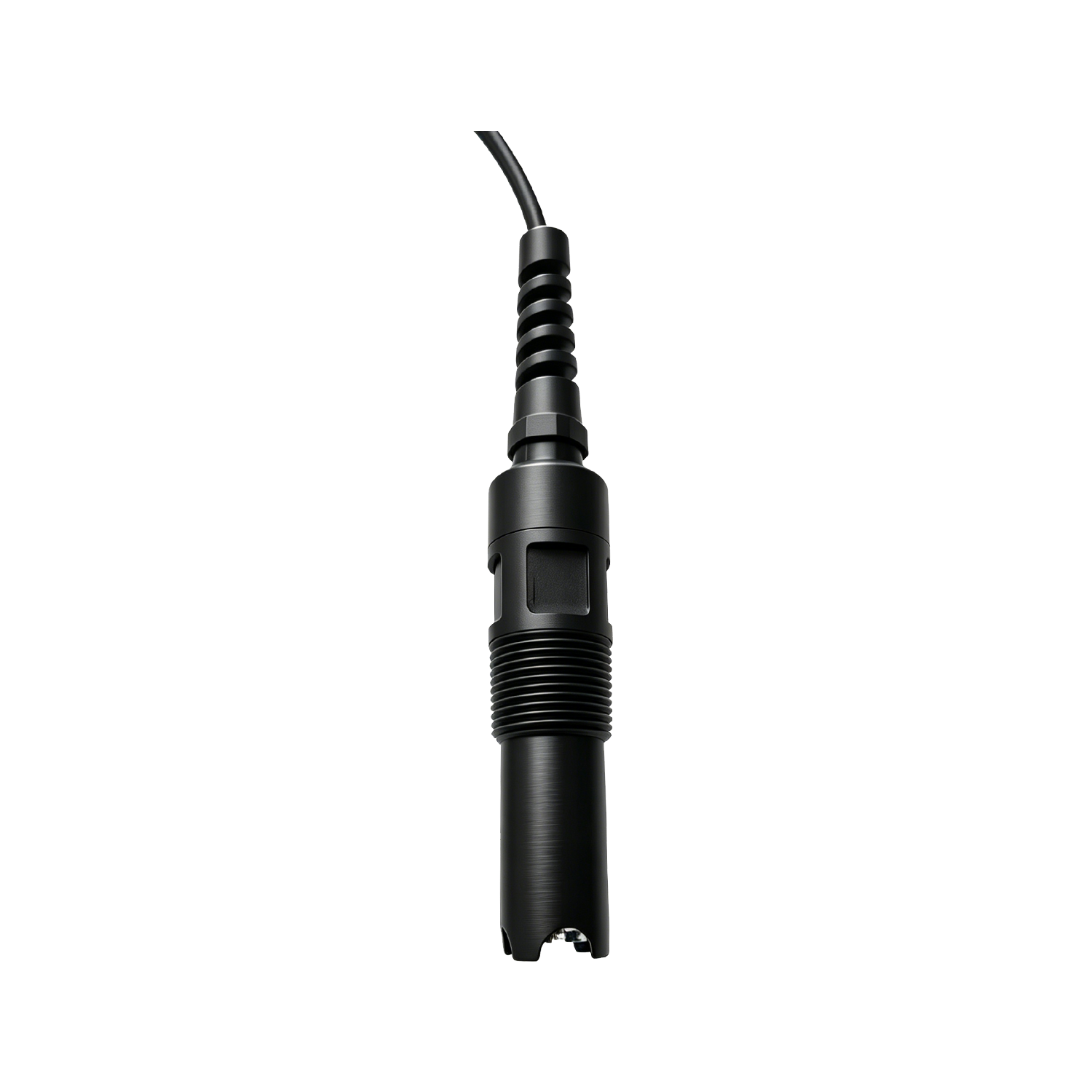
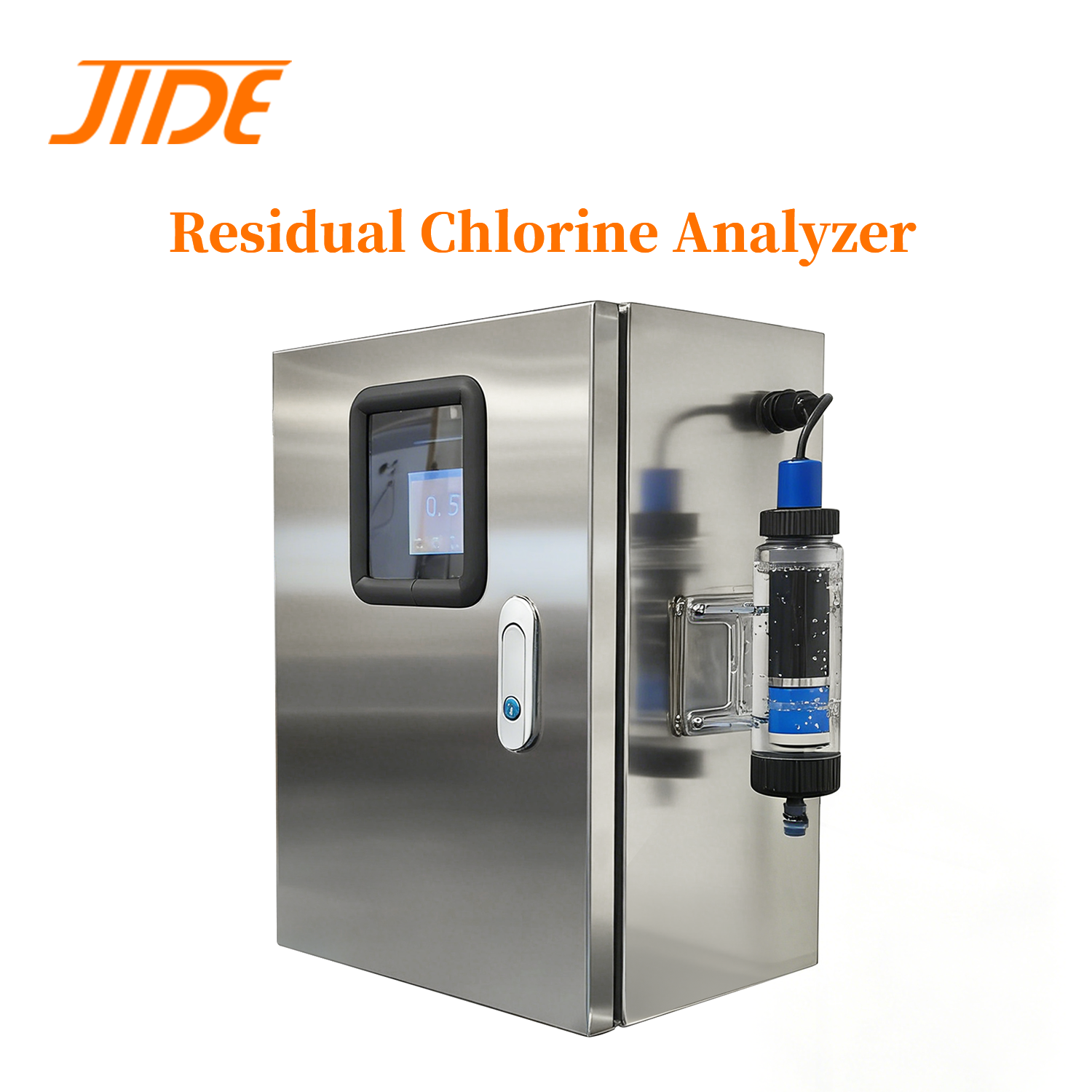
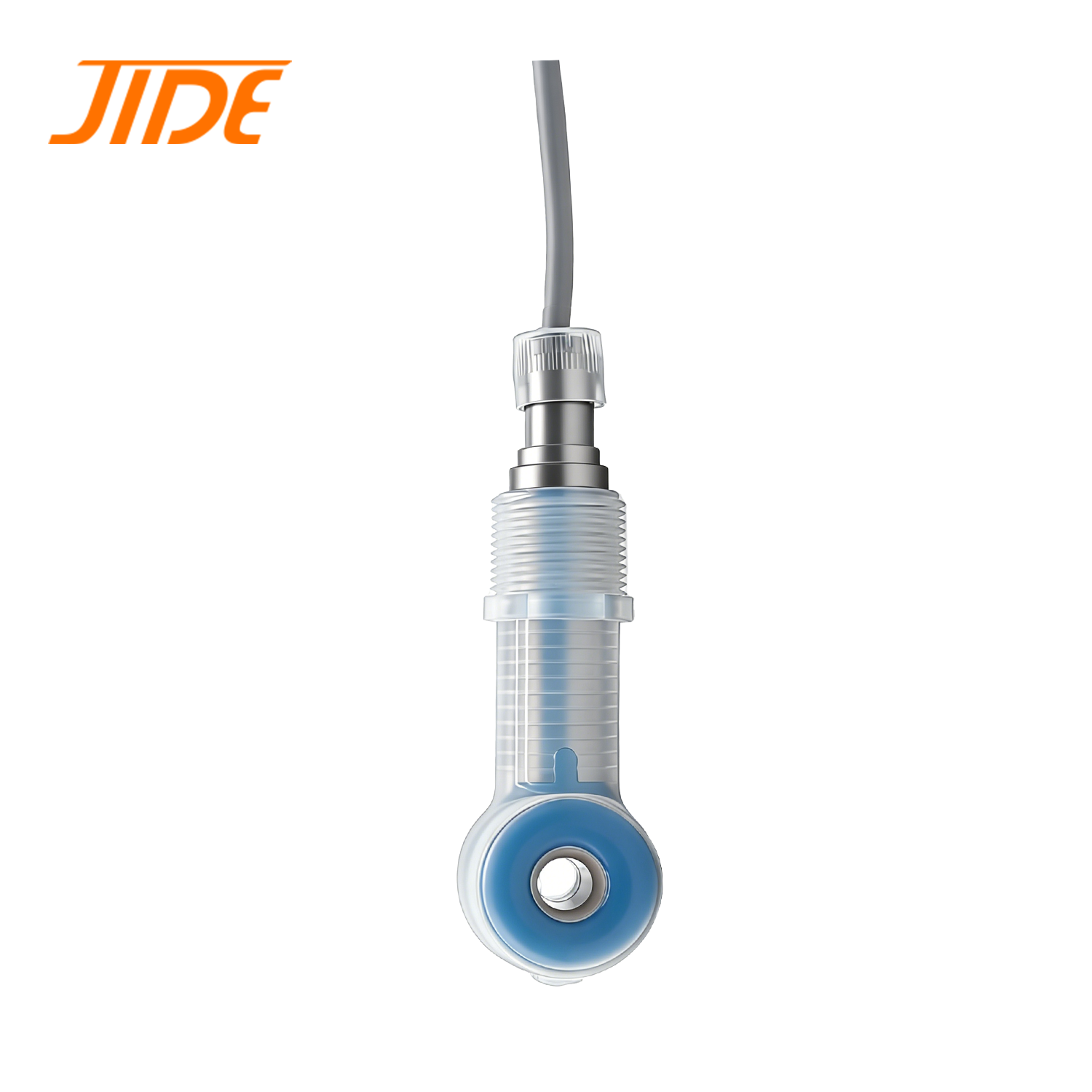
Chlorine  is often used to keep water clean and safe, especially in swimming pools and  drinking water. An inline chlorine sensor is a special tool that helps us check how much chlorine is  in the water all the time. This is important because too little chlorine can let germs grow, and too much can make the water unsafe  or smell bad. With the JIDE inline chlorine sensor, you can keep track of chlorine  levels easily. It tells  you right away if the water needs  more  chlorine or if there is too much. This helps keep everyone safe and  happy  when they are swimming or drinking the water.

Using an inline chlorine sensor, like the one from JIDE, has  many benefits. First, it helps keep the water safe. When  you know the amount of chlorine, you can make sure it is just right. Too much chlorine can cause skin and  eye irritation for swimmers. On the  other hand, too little can lead to  germs in  the water. The sensor gives real-time information, so you  don't have to guess. This way, if the chlorine  level gets too low, you  can  add more right away.
What Are the Benefits of Using an Inline Chlorine Sensor for Water Quality?

Another great benefit  is saving time and money. Instead of testing the  water manually every day,  the inline sensor does it for you. This  means workers can spend their time on other  important tasks. For example, in a large swimming  pool,  many people come and go. Having the  sensor means the water can be checked without having to stop swimming for tests. Also, it helps avoid buying too  much chlorine, which can save  money. Additionally, using advanced sensors, like the Online Residual Chlorine Sensor JECA-RC C, can enhance efficiency even further.

In  addition to safety, convenience, and cost savings, JIDE's inline chlorine sensors are easy  to install and use. Most of them can be connected  to existing water  systems without much  trouble. They provide  clear readings, which makes it simple for anyone to understand  the water quality. This is important, especially for places  like schools or public pools where many people  are  involved.

Our Blog Posts

Top Rated PH Sensor for Industrial Water Quality Monitoring

06

Jul

Top Rated PH Sensor for Industrial Water Quality Monitoring

Water quality is very important in industries. Many businesses need clean water for their processes. One way to check the quality of water is by using a pH sensor. JIDE makes top-rated pH sensors that help industries monitor water quality. These sens...
View More
Industrial Inductivity Conductivity Sensor for Process Water Testing

25

Jul

Industrial Inductivity Conductivity Sensor for Process Water Testing

Industries need clean water for many processes, like making products or keeping machines running. To make sure the water used is safe and clean, companies use special tools called Industrial Inductivity Conductivity Sensors. These sensors help check ...
View More
Advanced COD Sensor for Real-Time Organic Matter Monitoring

14

Aug

Advanced COD Sensor for Real-Time Organic Matter Monitoring

Real-time monitoring of organic matter plays a critical role in maintaining water quality and protecting the environment. One of the most effective tools for this purpose is a Chemical Oxygen Demand (COD) sensor, which measures the amount of oxygen r...
View More
Stable COD Online Analyzer for Continuous Wastewater Monitoring

29

Aug

Stable COD Online Analyzer for Continuous Wastewater Monitoring

When it comes to keeping our water clean, we need special tools to help us. One important tool is the COD (Chemical Oxygen Demand) online analyzer. This device helps us check how much pollution is in wastewater all the time. Having a reliable analyze...
View More

Get a Free Quote

Our representative will contact you soon.
Email
Name
Company Name
Message
0/1000

Related product categories

Where to Buy the Best Inline Chlorine Sensors at Competitive Prices

Where to Buy the Best Inline Chlorine Sensors at Competitive Prices

If you’re interested in getting an  inline chlorine sensor, JIDE  is a fantastic place to  find  what  you  need. JIDE offers a variety of inline chlorine sensors that are  reliable  and effective. You  can  visit JIDE’s website  to see the different  models available.  They have sensors for  both small  and large systems, whether it’s for a home  pool  or a  bigger commercial  pool.

 
How Inline Chlorine Sensors Help Ensure Safe Drinking Water Standards

How Inline Chlorine Sensors Help Ensure Safe Drinking Water Standards

Inline  chlorine sensors are special devices  that help keep our drinking  water safe. Water treatment plants use chlorine to kill harmful germs and bacteria.  This is important because drinking dirty water can make us very sick. The inline chlorine sensor measures how much chlorine  is in the water.  If there is too much or too  little chlorine, the sensor sends a signal to  the water treatment plant. This way, workers can quickly adjust the chlorine levels  to  make sure the water  is safe to drink. At JIDE, we understand the importance of clean water, and  our sensors help make that happen by providing real-time data on chlorine levels. When the water goes through pipes, the  inline sensors keep checking the chlorine  concentration. If the sensors find  that the chlorine  level is not right, they alert the operators, who can then  take action to  fix the problem. This  process helps ensure that everyone gets safe drinking water every day. Without these sensors, it would be much harder  to know if the water is safe. This is why inline chlorine sensors are so important in keeping our water clean and healthy.

What Are the Latest Innovations in Inline Chlorine Sensor Technology?

What Are the Latest Innovations in Inline Chlorine Sensor Technology?

Technology is always getting better,  and  inline chlorine sensors  are no exception. At JIDE, we are proud to be part of these new developments. Some of the latest  innovations include sensors that are  more accurate and can detect chlorine levels  more quickly. This means that water treatment plants  can respond faster if there  is a problem with  the chlorine levels. New sensors are also being designed to be more durable. They can work in  tough conditions without breaking down. Some sensors can even send information to smartphones or computers. This  helps operators keep an eye on chlorine levels from  anywhere. Another exciting  innovation is the  use of artificial intelligence (AI). AI can help analyze the data from the sensors to predict when chlorine  levels might change. This means that operators can prepare and make adjustments in advance, ensuring that the water stays  safe. These advancements  not only  make the sensors more effective but also help reduce costs. With better technology, we can protect our water supply and ensure that everyone has access  to safe drinking  water.

Choose your global partner

Are you ready to consult with an engineer about your working conditions and specific needs?

Get a Quote

Get a Free Quote

Our representative will contact you soon.
Email
Name
Company Name
Message
0/1000