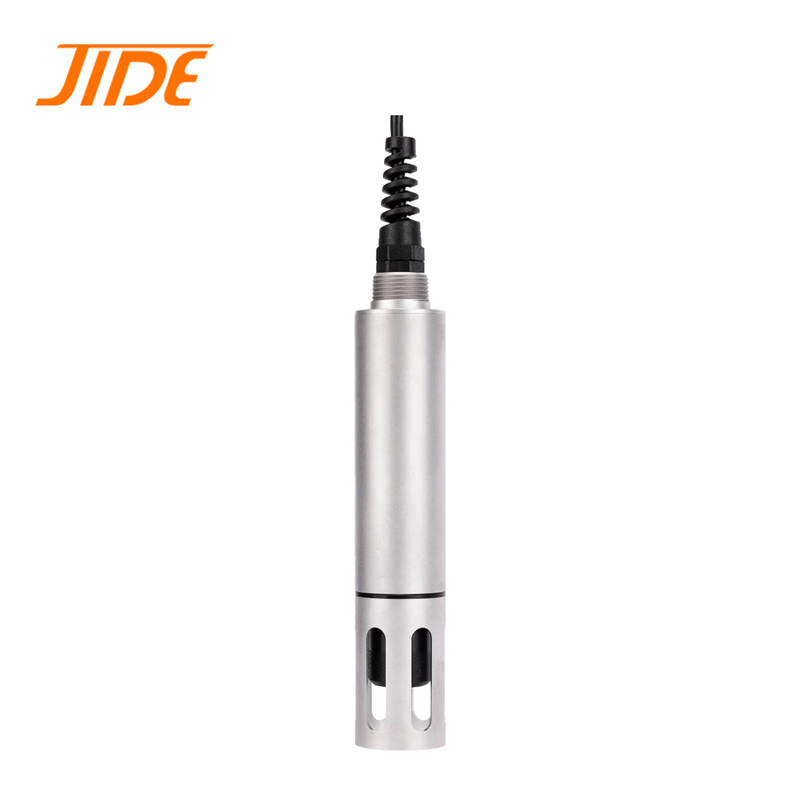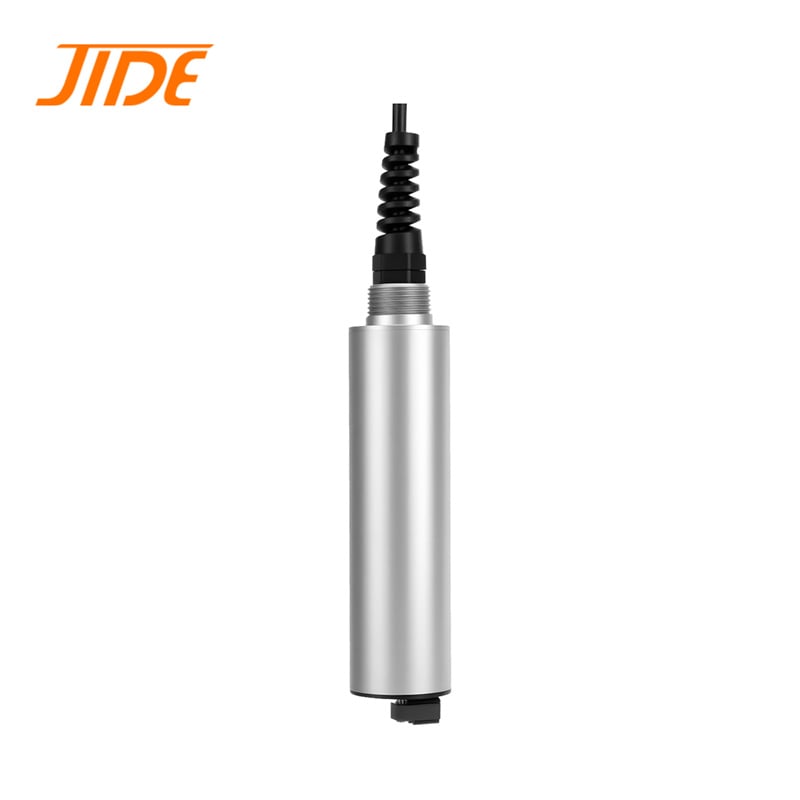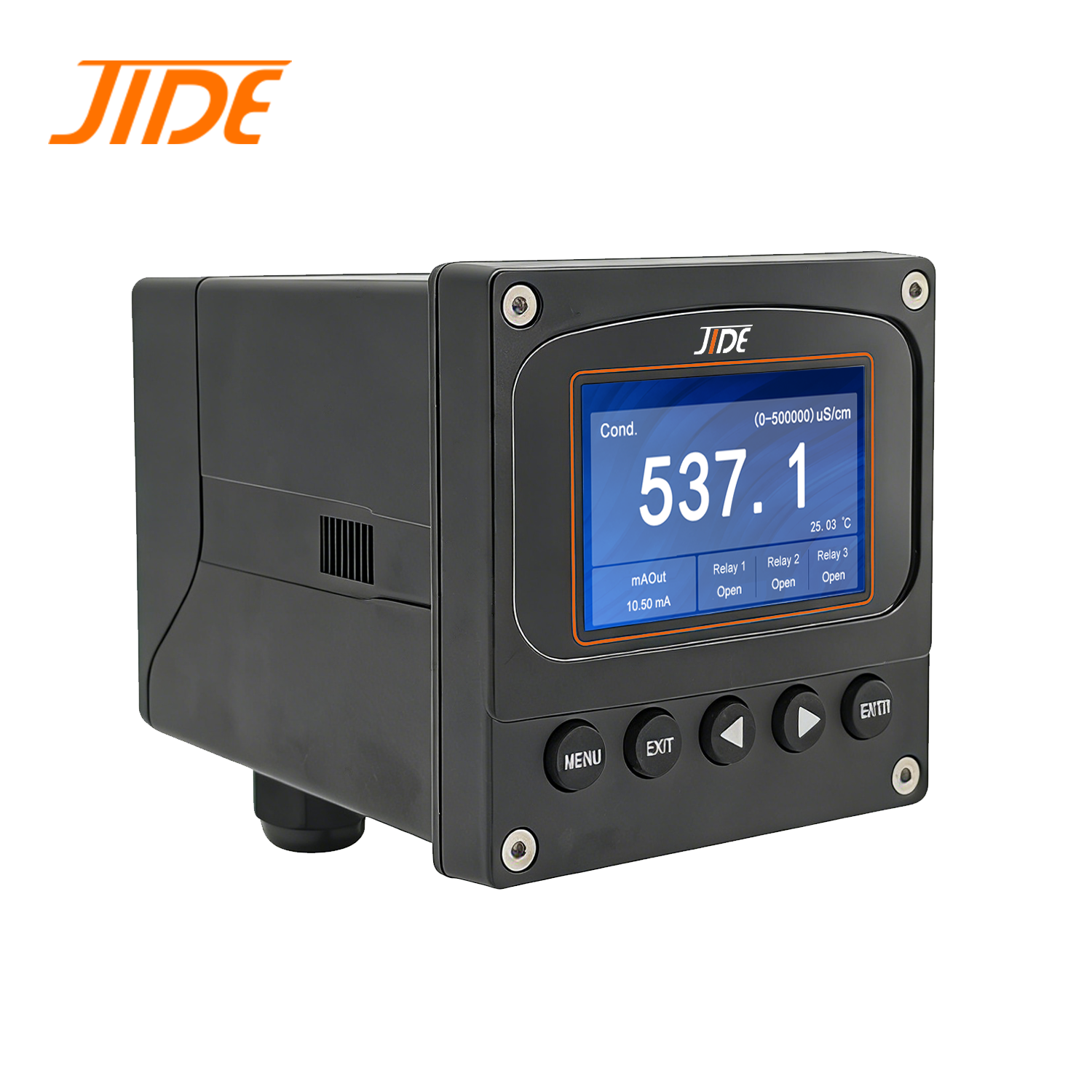
Conductivity Water Level Sensor for Accurate Measurement

All Categories

Conductivity water level sensor

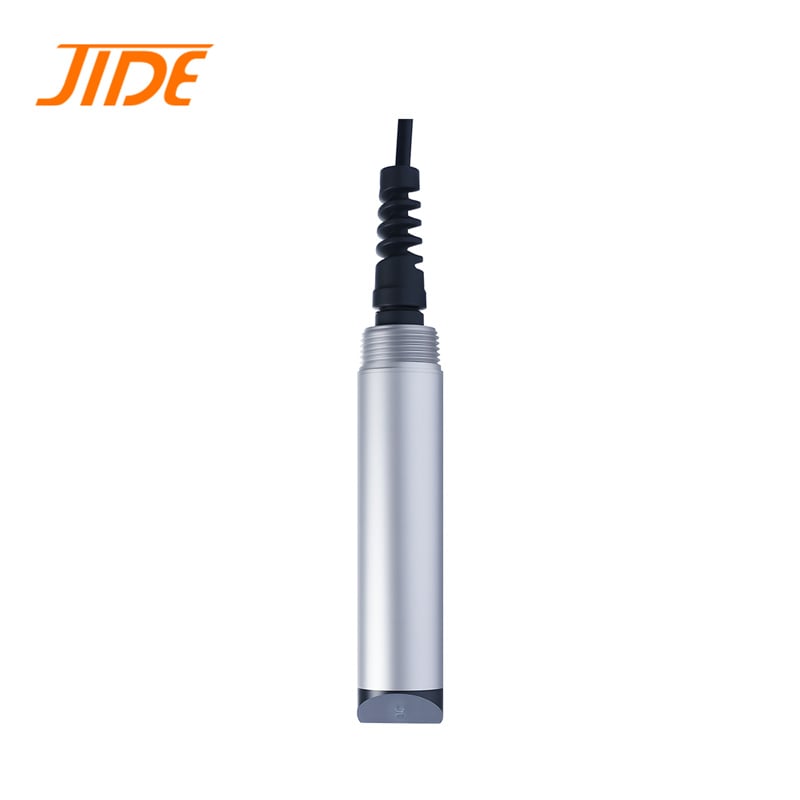
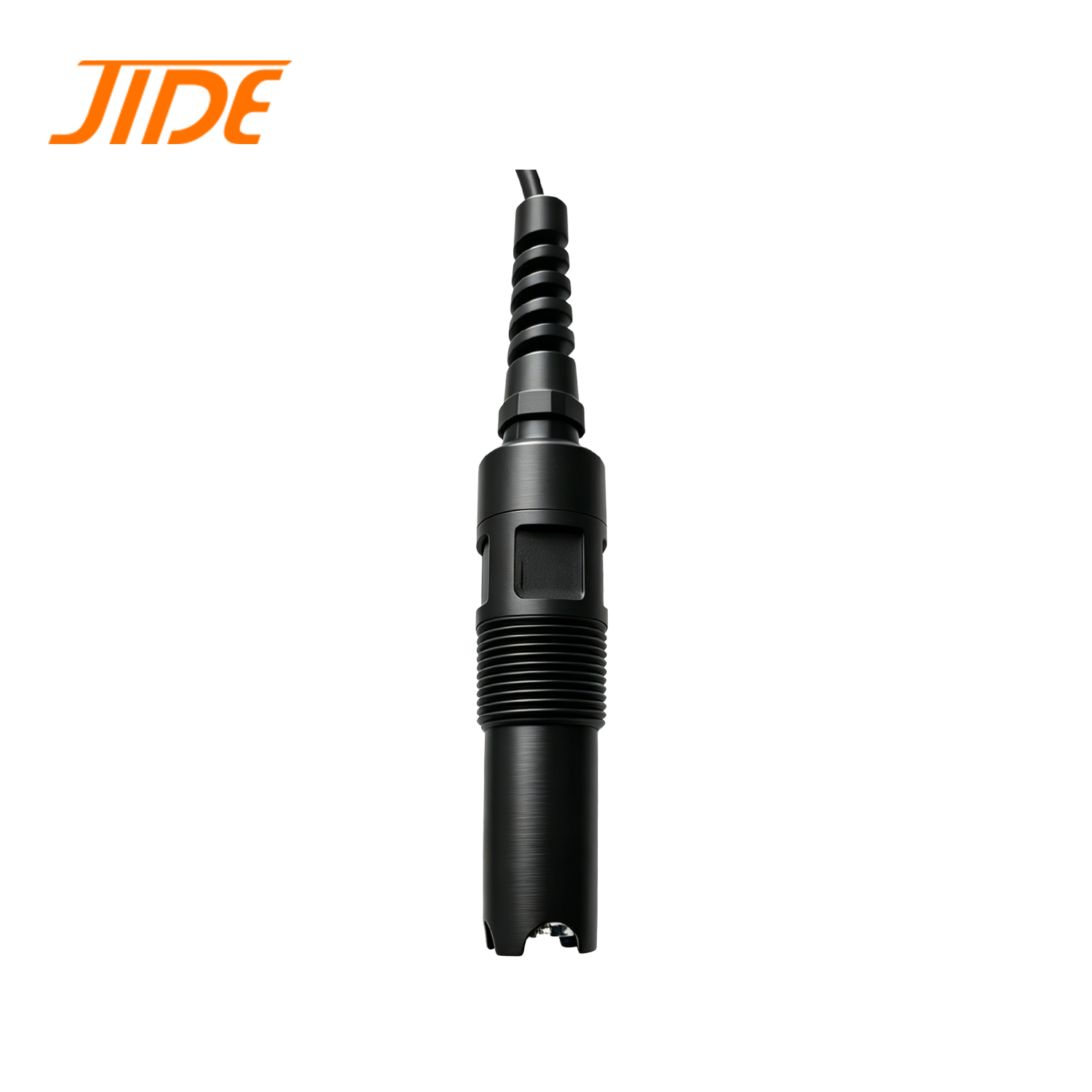
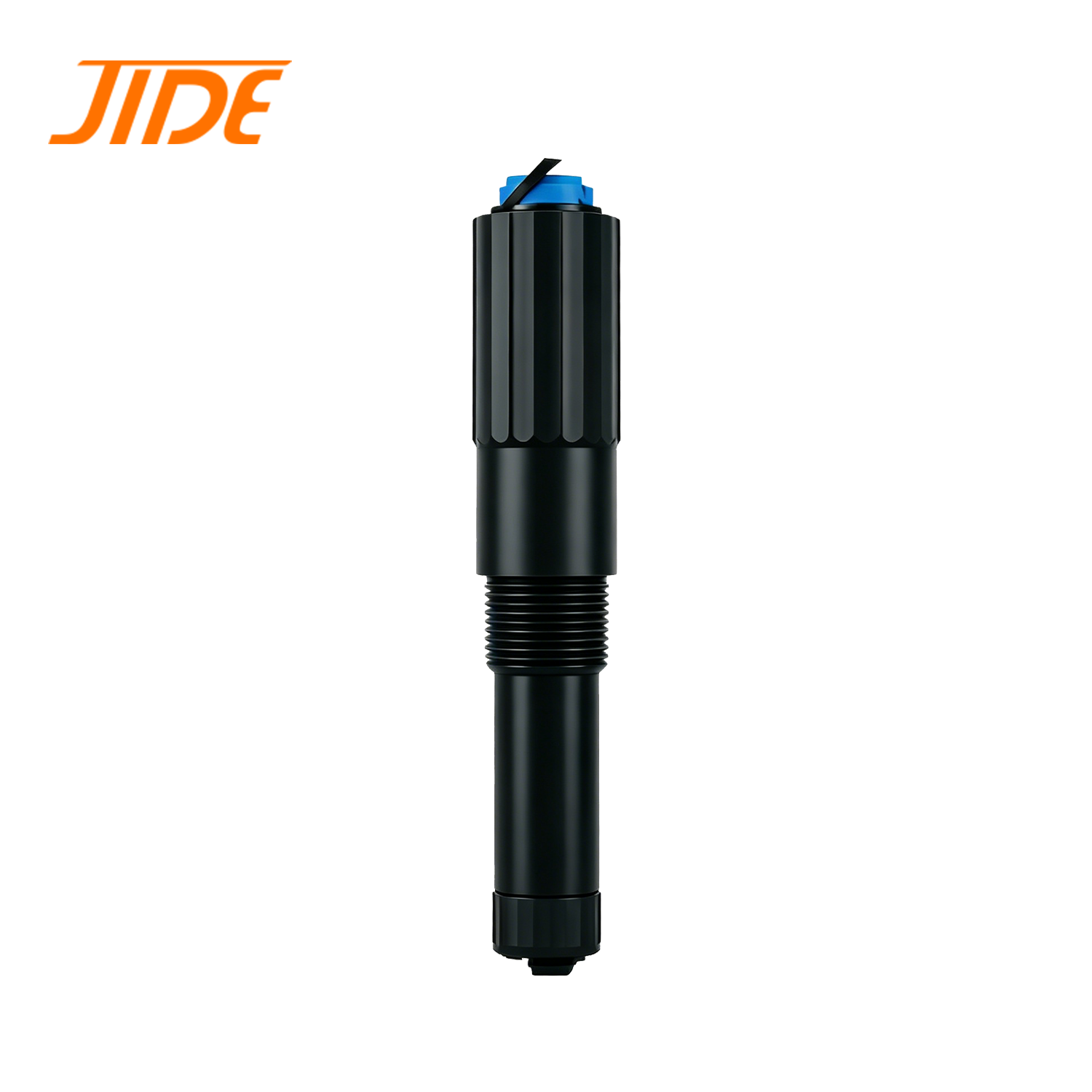
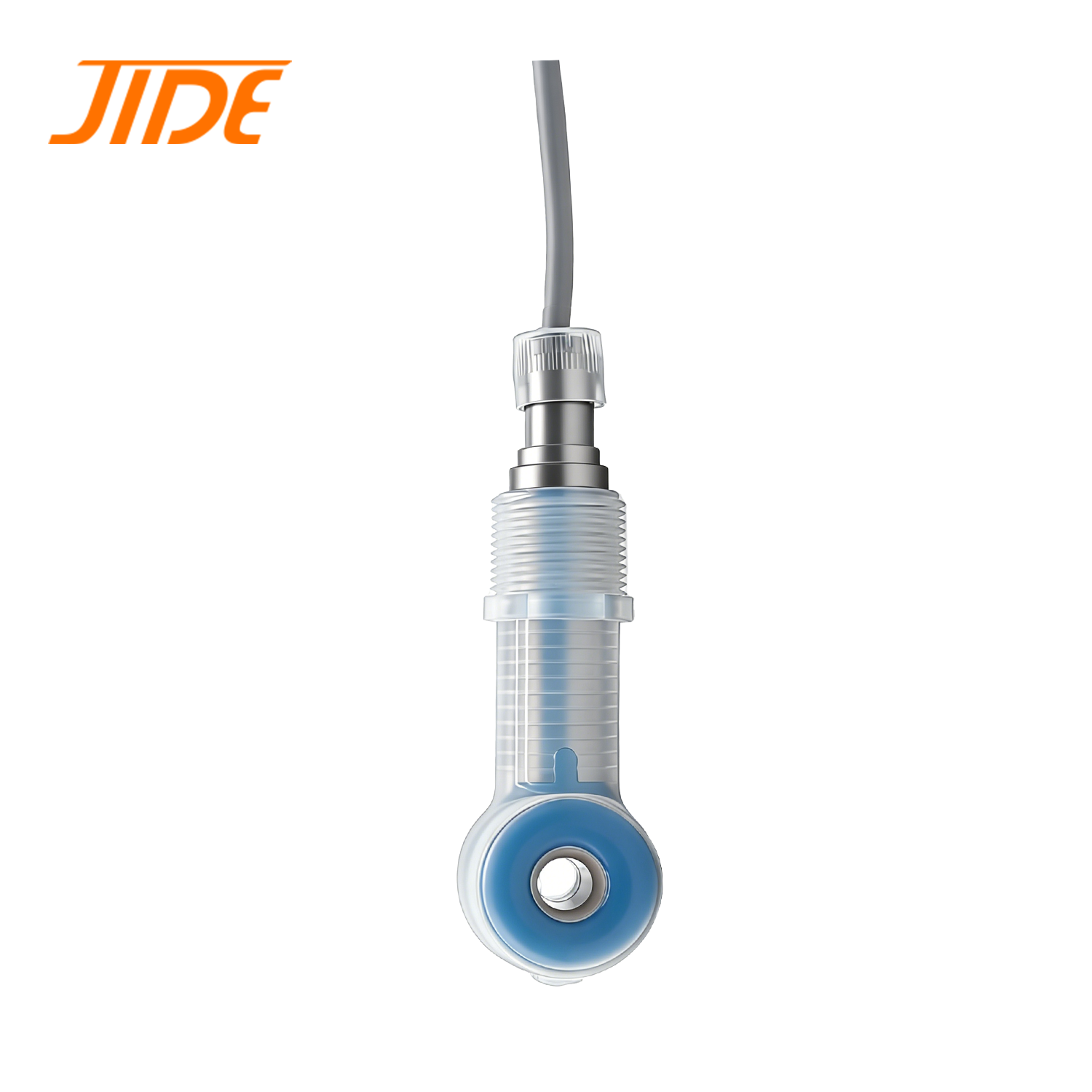
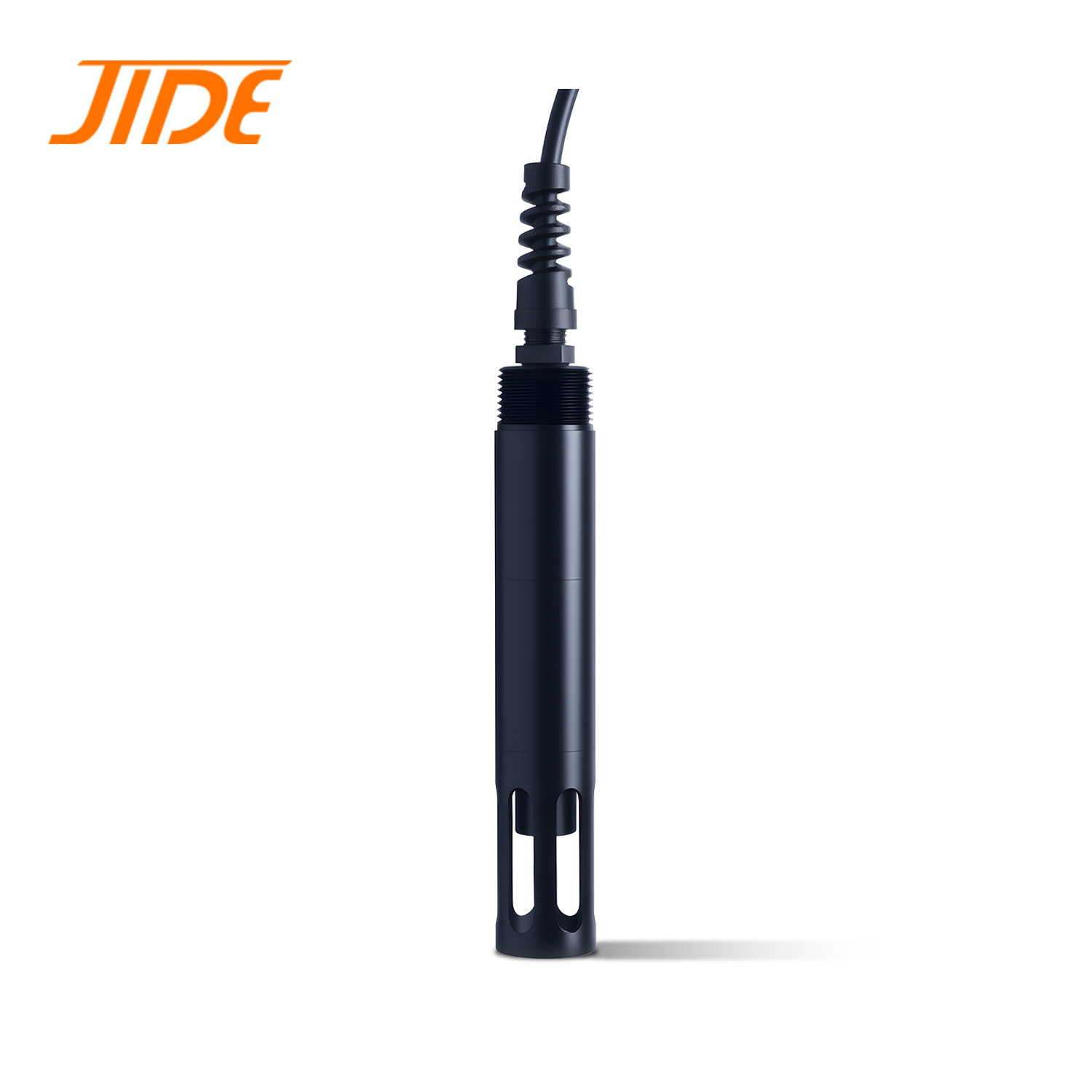
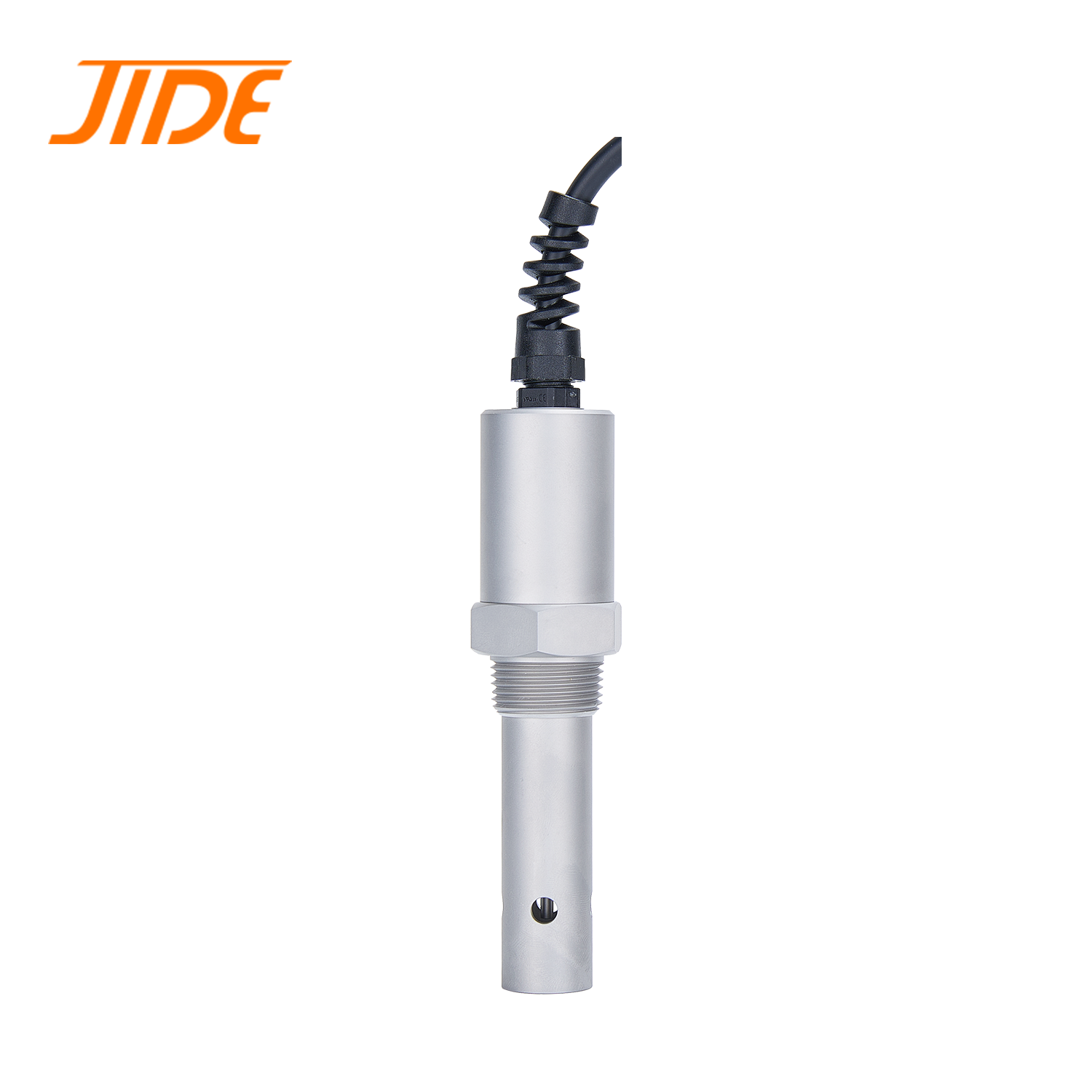
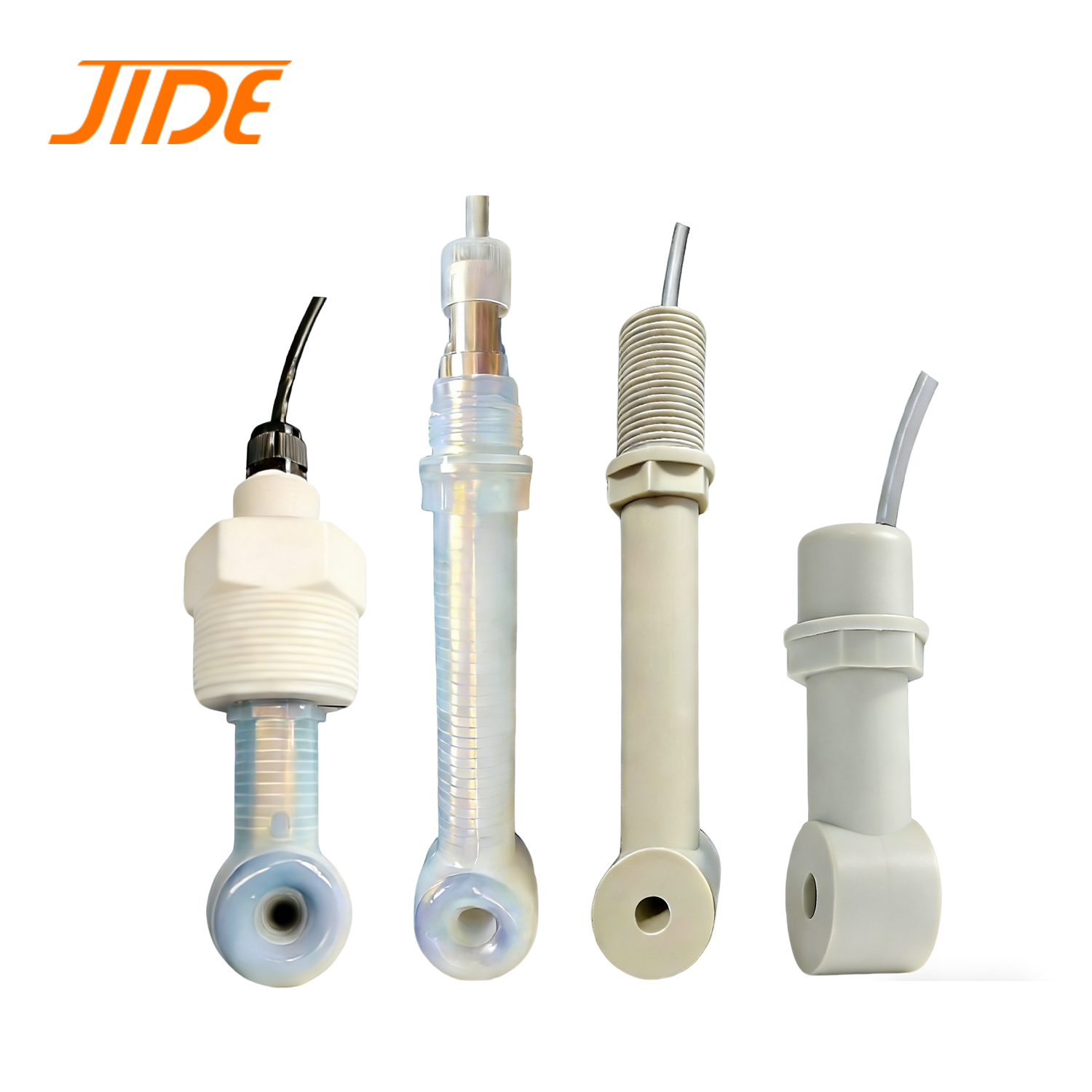
            Conductivity water level sensors are important tools used to measure the level of water in various settings. These sensors work by detecting how well electricity can flow through water. When the water level changes, it affects the conductivity, and the sensor can send signals to tell us how high or low the water is. JIDE industrial ph sensor make these sensors, which help businesses keep track of water levels in tanks, ponds, and other places. Understanding how these sensors work and their benefits can make a big difference for industries that rely on water management.            


Our Products

What Are the Key Benefits of Conductivity Water Level Sensors for Wholesale Buyers?

Wholesale buyers can find many advantages in using conductivity water level sensors. First, JIDE ph sensor kit are very reliable. These sensors give accurate readings, which is crucial for industries needing precise water levels. For example, in a factory that uses water for cooling, knowing the right level can prevent equipment damage. Second, they are easy to install and use. This means that businesses can quickly set them up without needing a lot of extra help. Third, these sensors are cost-effective in the long run. JIDE digital ph sensor can help prevent waste and save money by ensuring that water is used wisely. Imagine a farm that uses sensors to monitor irrigation; this can lead to better crop production without wasting water. Lastly, conductivity sensors can work in different environments, from clean water tanks to dirty water in treatment plants. Their versatility makes them a great choice for many buyers. Overall, these benefits help companies operate more efficiently and responsibly, making them a smart investment for wholesale buyers looking for reliable solutions.

Frequently Asked Questions

What is a conductivity water level sensor?

A conductivity water level sensor measures liquid level by detecting electrical conductivity between electrodes. It provides reliable level detection in conductive fluids for environmental and industrial process applications.
It is designed for conductive liquids such as wastewater, industrial effluent, and process water. Not suitable for non-conductive fluids like pure deionized water or oils.
Sensors support mounting in tanks, wells, and open channels with fixed probes, submersible versions, or probe arrays. Installation details depend on model and process requirements.
JIDE uses in-house R&D and global-standard quality control. We provide technical documentation, calibration guidance, and after-sales support for industrial deployments.
Periodic cleaning of electrodes and verification against reference levels are recommended. Calibration intervals depend on process conditions; JIDE provides calibration procedures and support.

Our Blog Posts

Real-Time Online Water Quality Monitoring System Overview

02

Jul

Real-Time Online Water Quality Monitoring System Overview

Water is essential for life, and knowing how clean it is makes a big difference. That’s where JIDE comes in. We create systems that check water quality in real-time. This means we can see what’s happening to the water right now, not just later. It he...
View More
Advanced Online Water Quality Monitoring Technology for Treatment Plants

05

Jul

Advanced Online Water Quality Monitoring Technology for Treatment Plants

Water is essential for life, but not all water is clean and safe. Treatment plants play a big role in cleaning water so that we can drink it and use it for different purposes. To ensure the water is safe, treatment plants need to monitor its quality ...
View More
Top Rated PH Sensor for Industrial Water Quality Monitoring

06

Jul

Top Rated PH Sensor for Industrial Water Quality Monitoring

Water quality is very important in industries. Many businesses need clean water for their processes. One way to check the quality of water is by using a pH sensor. JIDE makes top-rated pH sensors that help industries monitor water quality. These sens...
View More
Industrial Inductivity Conductivity Sensor for Process Water Testing

25

Jul

Industrial Inductivity Conductivity Sensor for Process Water Testing

Industries need clean water for many processes, like making products or keeping machines running. To make sure the water used is safe and clean, companies use special tools called Industrial Inductivity Conductivity Sensors. These sensors help check ...
View More

Get a Free Quote

Our representative will contact you soon.
Email
Name
Company Name
Message
0/1000

Related product categories

How to Choose the Best Conductivity Water Level Sensors for Your Needs

How to Choose the Best Conductivity Water Level Sensors for Your Needs

Choosing the right conductivity water level sensor might seem tricky, but it doesn’t have to be. First, think about what you need. What kind of water will the sensor measure? Clean water or dirty water? Some sensors work better in clean water, while others can handle mud and debris. Next, check the sensor's range. Make sure it can measure the levels you need, whether that’s a small tank or a large reservoir. Size does matter! Besides that, consider how easy it is to install and maintain. You don’t want a complicated sensor that takes forever to set up. Look for options from JIDE that come with clear instructions and maybe even support for questions. Another important factor is compatibility. Make sure the sensor can connect to your existing systems, whether that’s a control panel or a smartphone app. Lastly, think about your budget. While you want to get quality, it’s also important not to overspend. With the right planning, you can find a sensor that meets your needs without breaking the bank. By keeping these points in mind, you can make a smart choice that will help you manage water levels effectively.

Where to Find High-Quality Conductivity Water Level Sensors at Wholesale Prices

Where to Find High-Quality Conductivity Water Level Sensors at Wholesale Prices

Finding good conductivity water level sensors is important, especially if you want to make sure you are getting the best for your needs. Conductivity water level sensors are tools that help people measure how much water is in a tank or other container. They work by checking how well electricity moves through the water. When water is present, the sensor can send a signal, showing that the tank is full or empty. If you want to buy these sensors in bigger amounts, you can often find better prices. One great place to look is at companies that specialize in selling electronic parts. JIDE is one such company where you can find high-quality conductivity water level sensors at wholesale prices. JIDE offers a variety of models, which means you can choose the one that fits your project best. Shopping at JIDE can save you money because they sell in bulk. When you buy in bulk, it means you purchase many items at once, which usually costs less per item. This is a smart choice for schools, businesses, or anyone needing multiple sensors. Besides good prices, quality is very important. JIDE makes sure their sensors are reliable and long-lasting. You don’t want a sensor that breaks easily. JIDE products are made to withstand different conditions, so you can trust them to work when you need them. You can also look online at JIDE’s website to see all the options. They often have special deals that can help you save even more. Always check if there are any guarantees or return policies too, just in case you need to change something later. Shopping smartly at JIDE will help you find the best sensors without breaking the bank.

What Common Issues Do Users Face with Conductivity Water Level Sensors?

What Common Issues Do Users Face with Conductivity Water Level Sensors?

Even though conductivity water level sensors are useful, users sometimes run into problems. One common issue is that the sensors can get dirty. When the water is not clean, dirt and other things can stick to the sensor, making it hard for it to work properly. If the sensor is dirty, it might give false readings, which can be frustrating. Users need to clean their sensors regularly to avoid this problem. Another issue is that sensors can sometimes break if they are exposed to extreme temperatures or chemicals. If the water has strong chemicals, it can damage the sensor over time. To prevent this, it is important to choose sensors that are made for tough conditions. JIDE sensors are designed to handle different environments, making them a good choice for many situations. Users may also face problems with the wiring of the sensors. If the wires are loose or not connected properly, the sensor will not give the right readings. Checking the connections is important, especially after moving or adjusting the sensor. Some users might not know how to set up the sensors correctly, leading to confusion. JIDE provides clear instructions to help with the installation process, making it easier for everyone to use their products. Lastly, users might notice that the sensors can have a delay in reading the water levels. This can happen when the sensor is not calibrated correctly. Calibration means setting up the sensor to ensure it reads correctly. JIDE offers guidance on how to calibrate their sensors, so users can get accurate readings. By understanding these common issues, users can take steps to avoid them and enjoy the full benefits of their conductivity water level sensors.

Choose your global partner

Are you ready to consult with an engineer about your working conditions and specific needs?

Get a Quote

Get a Free Quote

Our representative will contact you soon.
Email
Name
Company Name
Message
0/1000