High-Quality Digital Chlorine Sensors for Water

All Categories

digital chlorine sensor

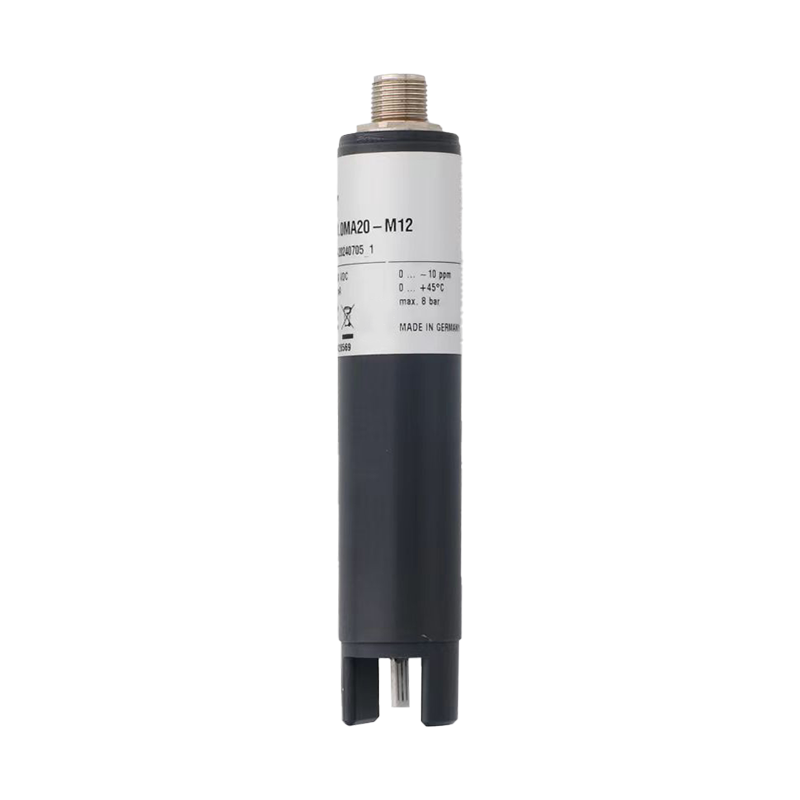
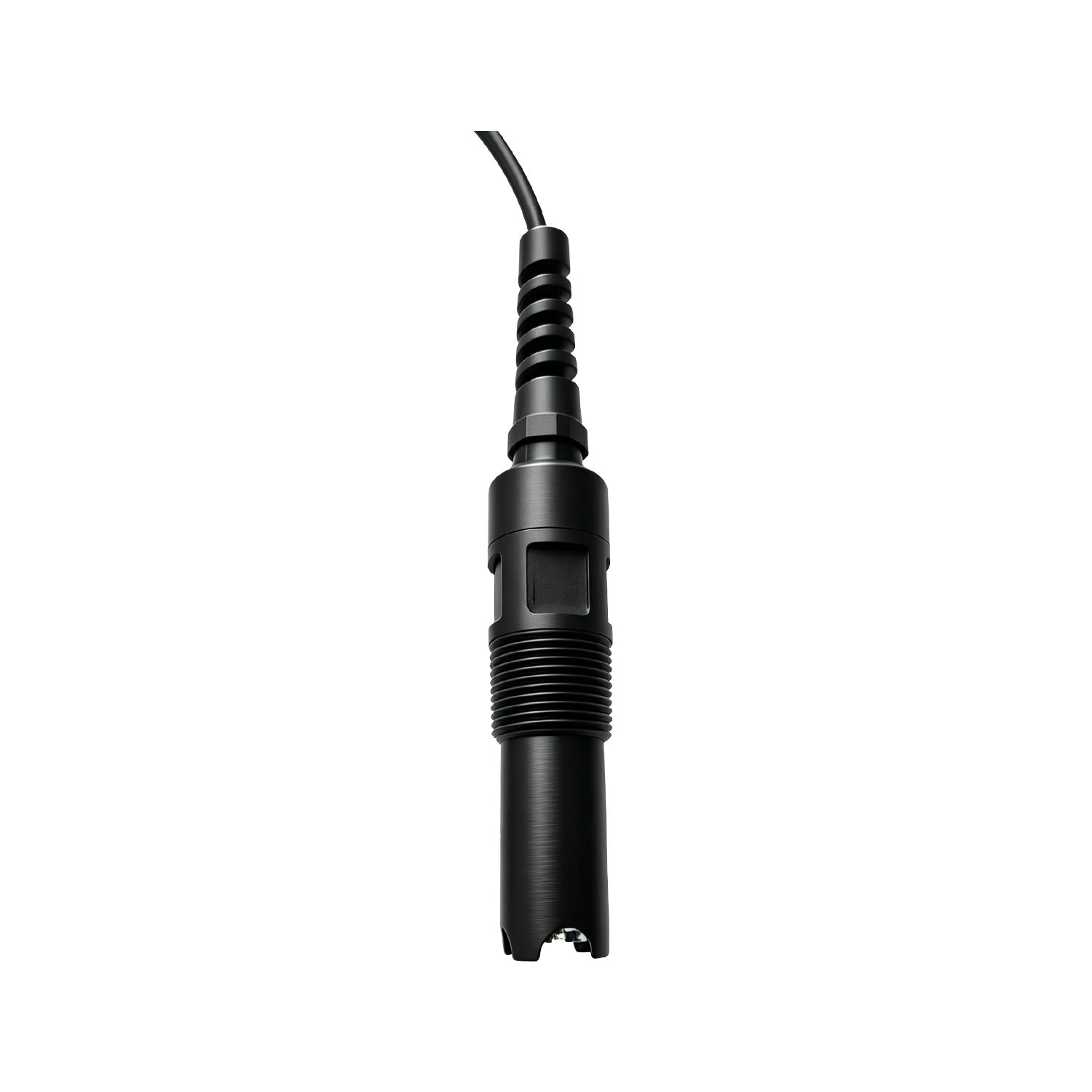
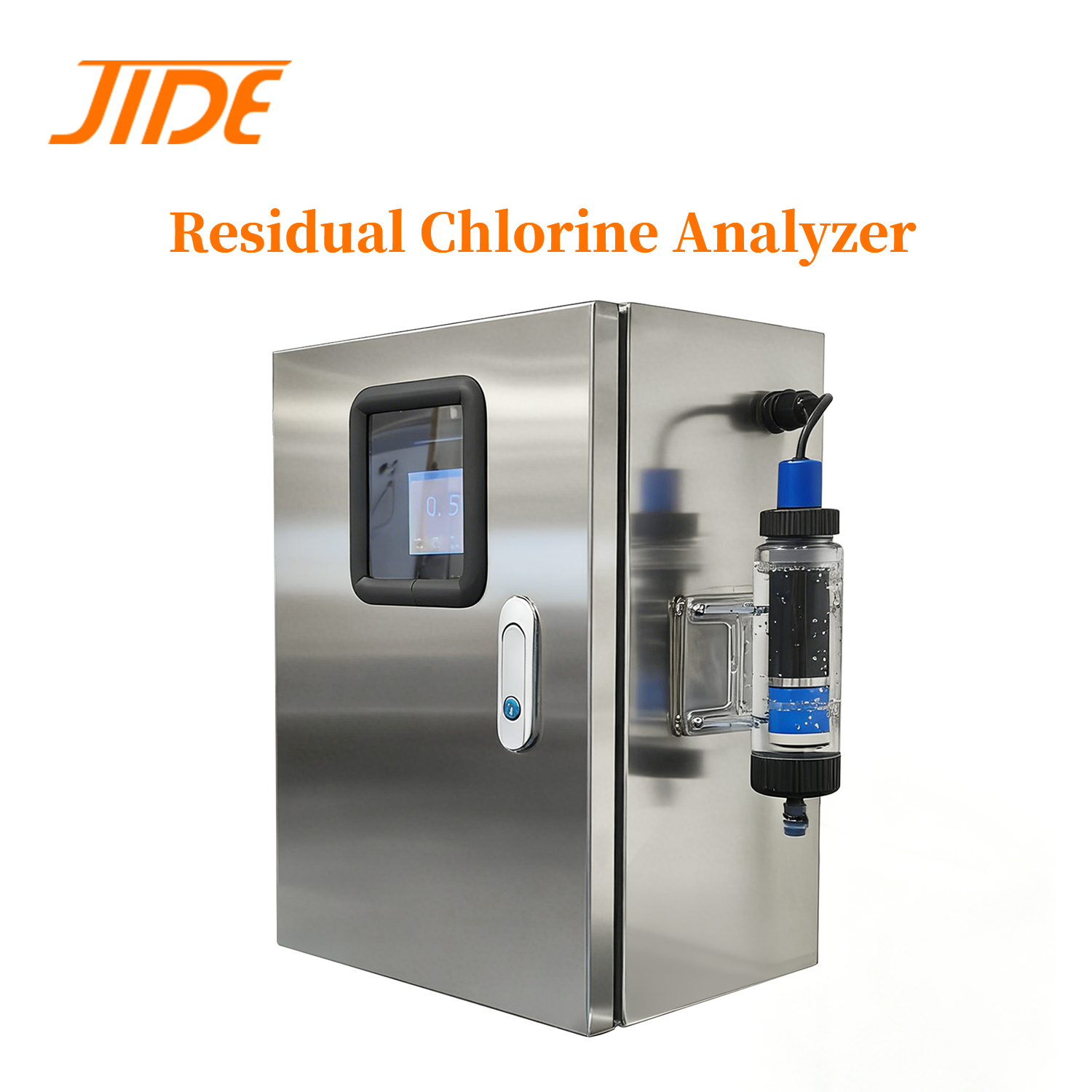
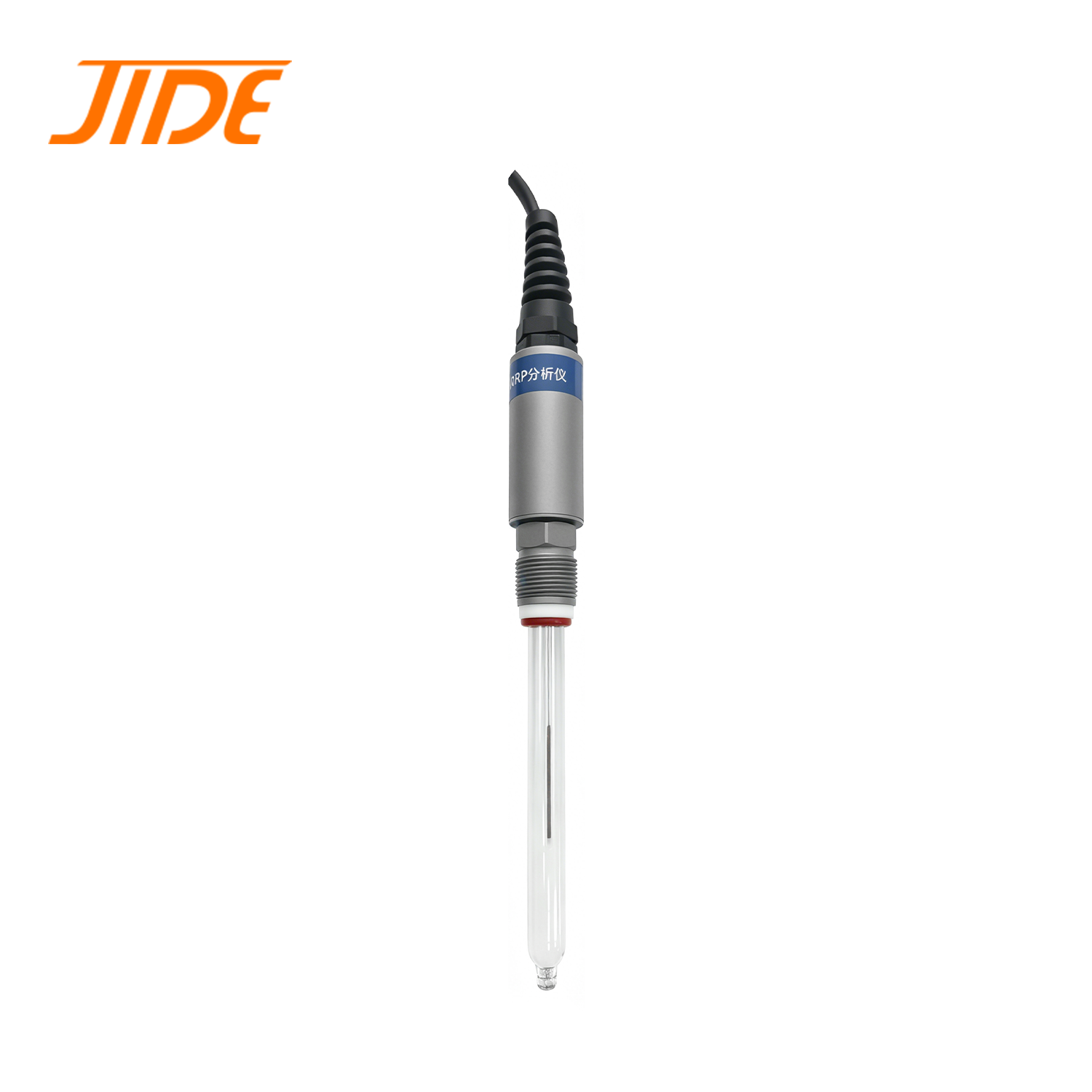
A digital chlorine sensor is a special tool that helps us measure the amount of  chlorine in water. Chlorine is often used to keep water clean, especially in swimming pools and drinking water.  Knowing how much chlorine is in the water is important because too much chlorine can be harmful. With a digital sensor, it’s easy to see the chlorine level on a screen, making it simple for anyone to check if the water is safe. JIDE is a  company that makes  these sensors, ensuring they are reliable and user-friendly. Using technology, these sensors help people manage water quality better, which is important for health and safety. If you're looking for a reliable option, consider the Online Residual Chlorine Sensor/Meter/Probe JECA-RC K.

When buying a digital chlorine sensor, there are several  things to keep in mind. First, you want to think about how accurate the sensor is. A good sensor should give you  precise readings, so  you can trust the information it provides. Another  thing to look for is how easy it is to use. If the sensor has a simple display and clear instructions, it will be easier for everyone to operate  it, even  if they are not experts. Also, consider the durability of the sensor. If it’s going  to be used in tough conditions,  like in a pool or  a factory, it should be made of strong materials that can handle wear and tear. JIDE’s sensors  are  built to last and can work well in various environments. You  should also think about how often the sensor needs maintenance. A sensor  that requires less frequent upkeep will save time and effort. Lastly, don’t forget about  the price. Make sure you are getting good value for your money, especially when buying in bulk. Comparing different options can  help you find the best deal.
What to Look for in a High-Quality Digital Chlorine Sensor for Wholesale Purchase

Sometimes, digital chlorine sensors may not work perfectly. If you have problems, there are some easy steps to try to fix them. First, check the battery. If the sensor is not turning on or giving strange readings, it might need a new battery. If the battery is fine, look  for any dirt or grime  on the sensor. Cleaning it gently with a soft cloth can help it work better. If the readings still seem off, make sure the sensor is calibrated correctly. Calibration is when you adjust the sensor to ensure it reads  accurately. Follow the instructions that  come with  the sensor, or contact JIDE  for help. If everything seems fine, but you’re still having trouble, it might be a good idea to reach out to customer service. They can provide more tips  and help you solve the issue. Remember, taking  care of your sensor  can keep it running smoothly and give you the best readings for your water.


If you're interested in digital  chlorine sensors, there are many places you can look  to find  the latest innovations. One of the best places to start is online. Websites that focus on science and  technology often share  news about new devices and tools. You can visit tech blogs or  forums where experts talk about their discoveries. Social media platforms are also great places to  find information.  Many companies, including JIDE, use  platforms like Twitter, Facebook, and Instagram to share  updates on their latest products. By following these pages, you can learn about new features and improvements in digital chlorine sensors. Additionally, you might also consider exploring the Multi-parameter Water Quality Monitoring System JDZMAS-DW for more comprehensive water quality management.

Our Blog Posts

High Precision Conductivity Sensor for Water Treatment Systems

07

Jul

High Precision Conductivity Sensor for Water Treatment Systems

Water is essential for life, and treating it properly is very important. To make sure water is clean and safe, many systems are used in treatment plants. One important tool in these systems is the high precision conductivity sensor. This sensor helps...
View More
Full Series Water Quality Sensors for Industrial & Environmental Use

19

Aug

Full Series Water Quality Sensors for Industrial & Environmental Use

Water quality plays a critical role in industrial operations and environmental protection. Clean water supports efficient manufacturing processes while helping preserve rivers, lakes, and oceans. Reliable monitoring is essential for detecting contami...
View More
Industrial Process PH Online Monitoring: Key to Stable Production

18

Sep

Industrial Process PH Online Monitoring: Key to Stable Production

Monitoring the pH level in industrial processes is very important for businesses that want to keep their production stable. JIDE focuses on making this monitoring easier and more efficient. When companies know the pH levels of their materials and pro...
View More
How to Choose a PH Sensor for Industrial Wastewater Monitoring

23

Sep

How to Choose a PH Sensor for Industrial Wastewater Monitoring

When it comes to checking the pH levels in industrial wastewater, choosing the right pH sensor is very important. Wastewater is the water that comes from factories and homes after it has been used. This water can have harmful chemicals and should be ...
View More

Get a Free Quote

Our representative will contact you soon.
Email
Name
Company Name
Message
0/1000

Related product categories

Troubleshooting Tips

Troubleshooting Tips

You can also find  useful information in  industry  publications. These magazines and  journals often feature  articles about new technologies and  research  in water treatment.  They might  even have interviews with  scientists and engineers who develop digital chlorine sensors. By  reading these publications, you can gain a deeper  understanding of how these sensors work and what makes them  special. Lastly, don't forget to  check out educational websites and online courses. Many organizations offer  free resources to help people understand water treatment technologies,  including digital chlorine sensors. This way,  you can stay informed about the latest innovations and how  they can help keep  our water safe.

 
Where to Find the Latest Innovations in Digital Chlorine Sensor Technology

Where to Find the Latest Innovations in Digital Chlorine Sensor Technology

Digital chlorine sensors  play a vital  role in improving water treatment processes. These sensors  help monitor the amount  of chlorine in the water, ensuring it's  at the right level to keep the water safe. Chlorine is important because it kills  harmful bacteria and viruses that  can make people sick. When water treatment  plants use digital  chlorine sensors, they can  accurately measure chlorine levels  in real time. This means that if the  chlorine  level gets  too low or too high, the system  can automatically  adjust it.  This  prevents any unsafe water from reaching homes  and  businesses.

How Digital Chlorine Sensors Can Enhance Your Water Treatment Processes

How Digital Chlorine Sensors Can Enhance Your Water Treatment Processes

Moreover,  these sensors can  help reduce waste. When  chlorine  levels are kept at the right amount,  it means  that less  chlorine is used. This is not  only good for the environment but also helps  save money  on chemical costs.  Additionally, by  maintaining the right chlorine  levels, digital sensors help improve the taste and smell of the water. People are more likely to drink water  that  tastes good and smells fresh. This encourages  everyone to stay hydrated and healthy. In summary, digital  chlorine sensors are  essential tools that enhance water treatment processes,  making water safer and  better for everyone.

Choose your global partner

Are you ready to consult with an engineer about your working conditions and specific needs?

Get a Quote

Get a Free Quote

Our representative will contact you soon.
Email
Name
Company Name
Message
0/1000