 EN
EN
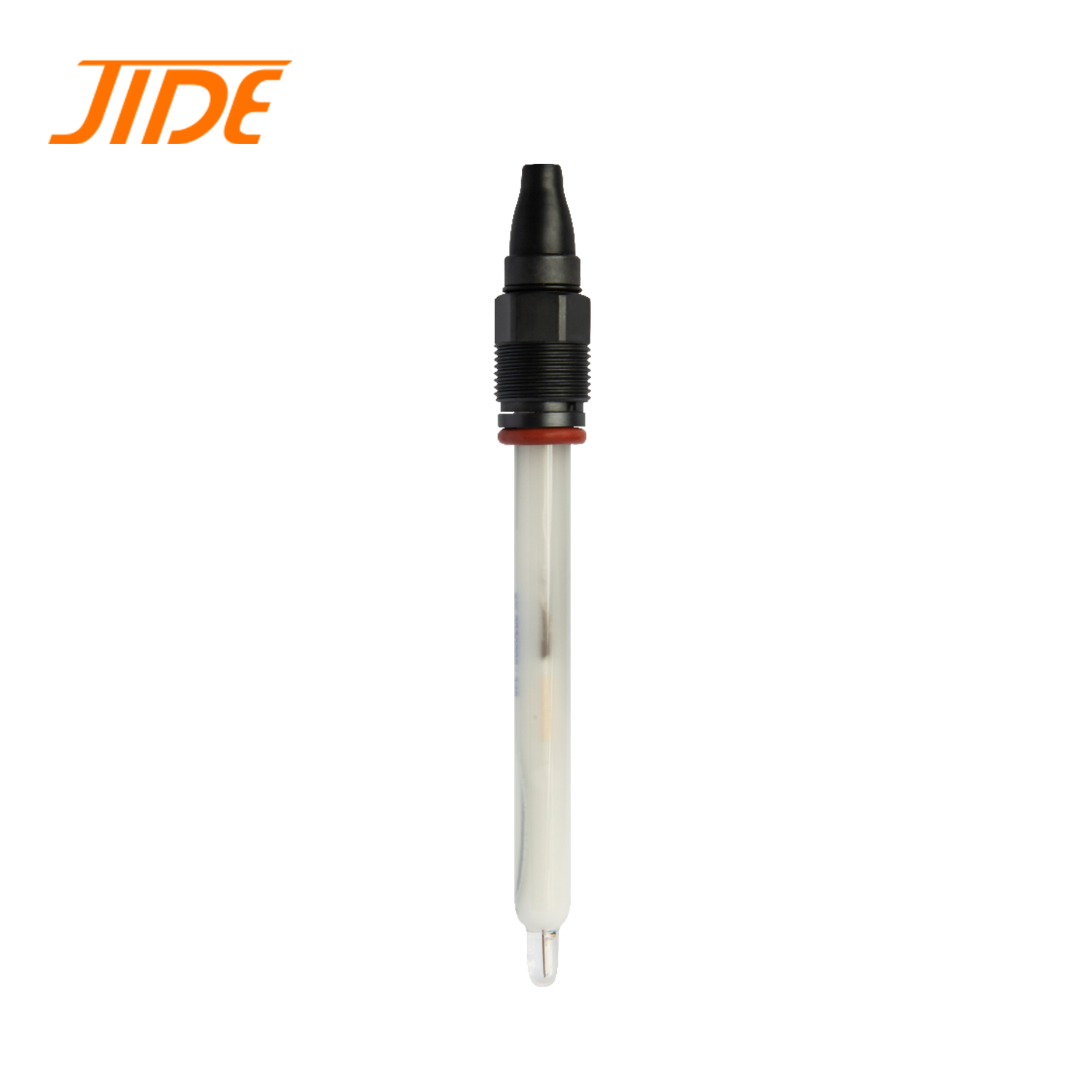
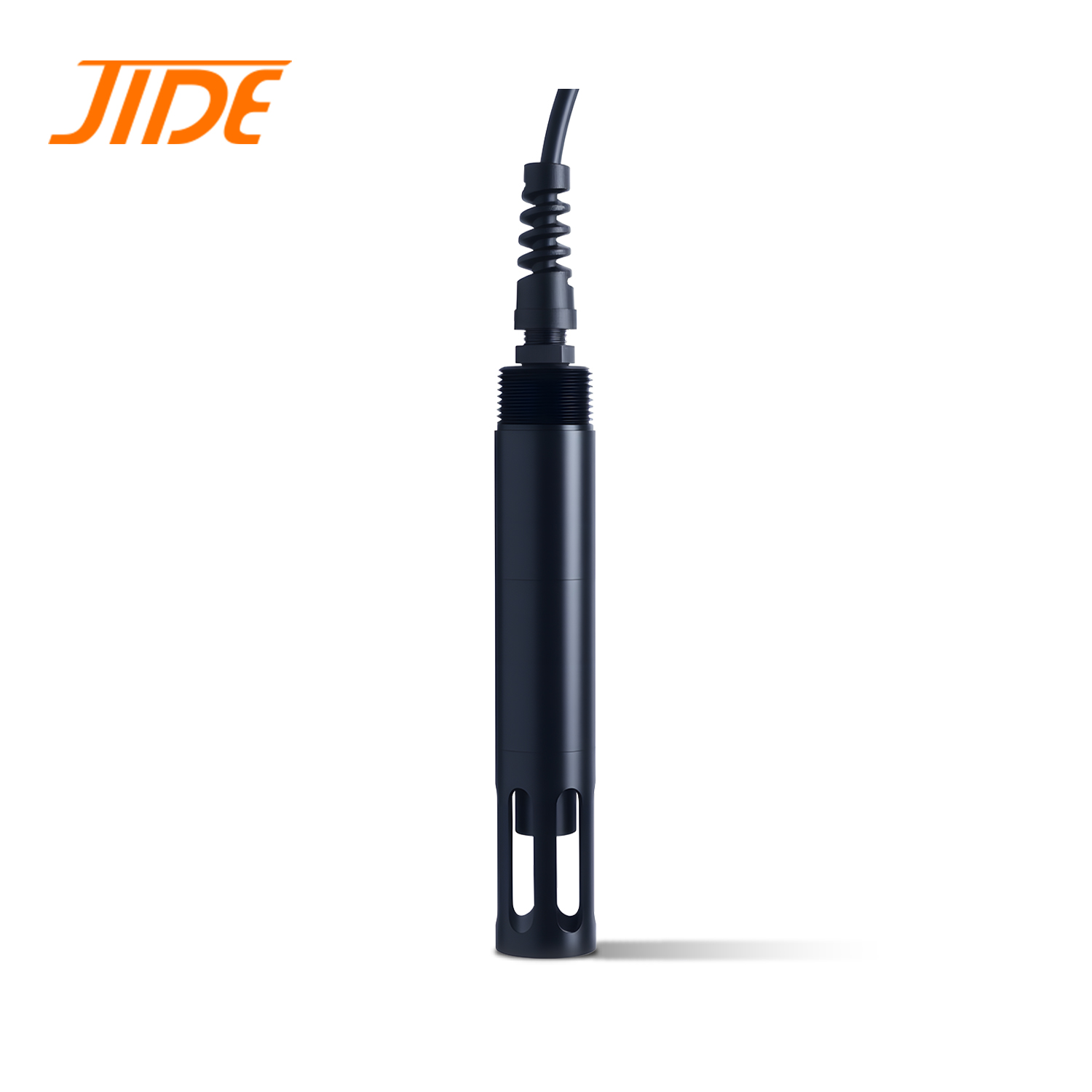
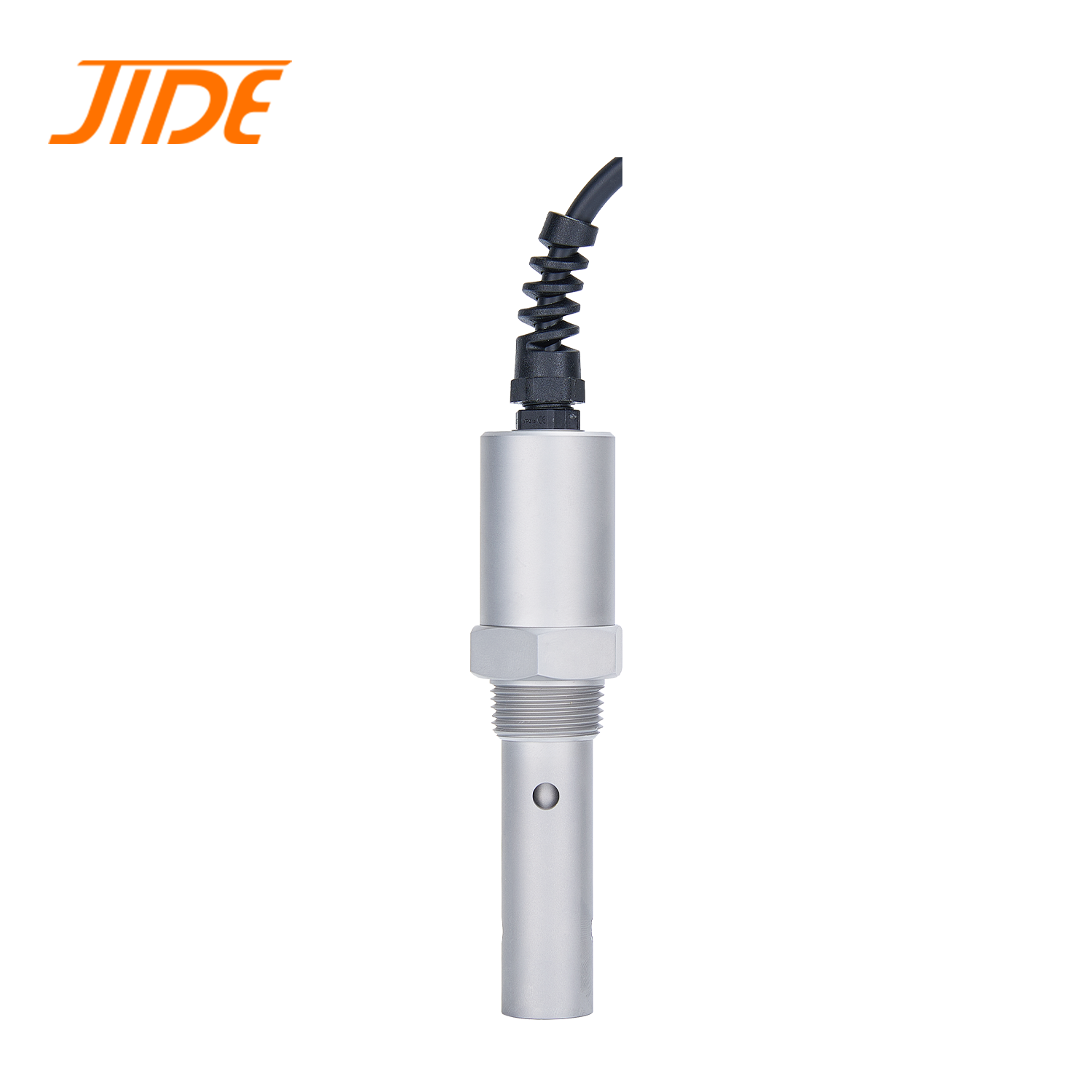
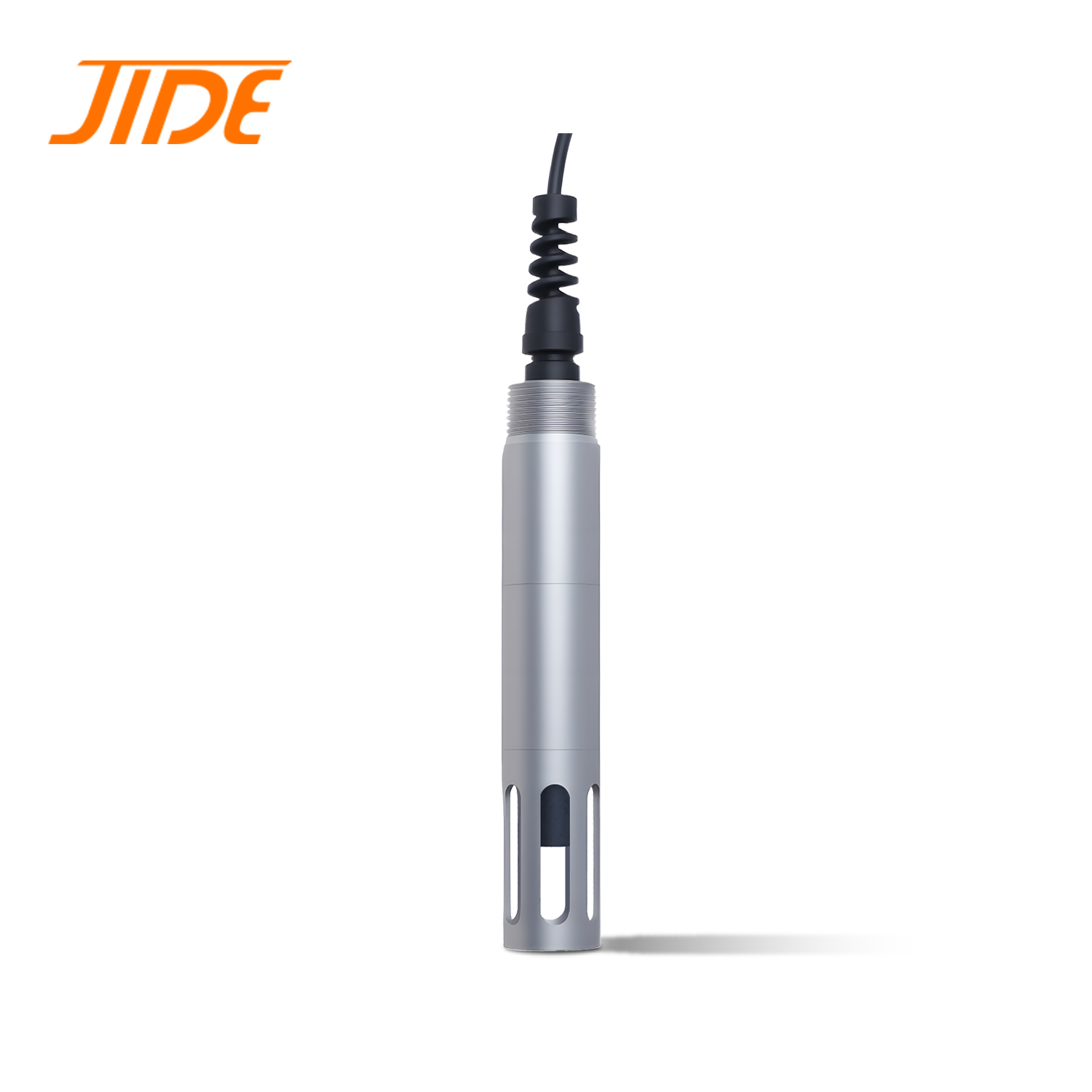
A TDS conductivity meter is a handy tool that helps us know how clean or dirty water is. TDS stands for Total Dissolved Solids. These are tiny bits of stuff that dissolve in water, like salts and minerals. When we use a TDS meter, we can see how many of these bits are in the water. This is important because if there are too many dissolved solids, the water might not be safe to drink. It's like checking the quality of the water. Many people and businesses use TDS meters to make sure their water is good. At JIDE, we understand how vital clean water is for everyone, and that's why we offer reliable TDS meters.
A TDS conductivity meter is a device that measures how well water conducts electricity. The more dissolved solids in the water, the better it conducts electricity. This is because dissolved salts can carry electric currents. When we take a reading with the TDS meter, it gives us a number. This number tells us how many dissolved solids are in the water. For example, if the number is low, like 50 parts per million (ppm), the water is likely clean. But if the number is high, like 1000 ppm, it might mean the water has too many impurities. Many industries, including food production and aquaculture, rely on TDS meters to ensure the quality of their water. They need to maintain specific levels of dissolved solids to keep their products safe and healthy. For instance, fish farmers use TDS meters to check the water in fish tanks. If the TDS level is too high, it could harm the fish. Similarly, restaurants check their water to ensure it is safe for cooking and drinking. With JIDE’s TDS meters, users can feel confident they are getting accurate readings, which helps them manage water quality better. Additionally, we offer various sensors, such as the Online Residual Chlorine Sensor/Meter/Probe JECA-RC K, to enhance water quality monitoring.